
Baseball Card Grading Companies: What You Need to Know
Grading a baseball card can double its value — or confirm it's worth exactly what you paid.
Upload a photo of your player, pet or team, choose an available template, and preview your design before ordering a printed card.
Most collectors hit the same wall: you've got a card you love, maybe a rookie pull or a vintage find from a garage sale, and you don't know if it's worth sending to a grading company or not. The fees aren't cheap. Turnaround times can stretch from weeks to months depending on the service tier. And if the card comes back a PSA 6 instead of the 9 you were hoping for, you've lost money on submission costs. Baseball card grading companies aren't a magic value machine — they're a tool, and knowing how to use them matters.
That's exactly why we put this guide together. We'll walk you through how the major baseball card grading companies work, what grades actually mean for your collection, and how a custom Snapshot card fits into the picture — whether you're building a memorabilia display, creating a gift, or just celebrating a player who means something to you. No fluff. Just the stuff that actually helps you make a better decision.
Let's start with the grading companies themselves — who they are and how they actually work.
We ship custom baseball cards to collectors, coaches, and fans in all 50 states every single week from our production facility in Des Moines, Iowa.
Frequently Asked Questions
What are the most reputable baseball card grading companies?
The three most widely recognized names are PSA (Professional Sports Authenticator), BGS (Beckett Grading Services), and SGC (Sportscard Guaranty Corporation). PSA is the largest by volume and generally commands the strongest resale premiums, especially for vintage cards. BGS is known for its subgrade system, which breaks down centering, corners, edges, and surface separately — useful for high-end modern cards. SGC has a strong reputation for vintage material and tends to have faster turnaround times. All three use a 1-10 grading scale. CSG (Certified Sports Guaranty) is a newer entrant gaining traction as well.
How much does it cost to get a baseball card graded?
Costs vary significantly by company and service tier. PSA's economy service starts around $20-$25 per card but can take many months. Their value and express tiers run $50-$150+ per card for faster results. BGS and SGC have comparable pricing structures. For cards worth under $100 raw, grading fees often don't make financial sense unless you're highly confident in the grade. Cards worth $500 or more raw are much stronger candidates for submission. Always factor in shipping costs, insurance, and the declared value fee structure before submitting.
How long does baseball card grading take?
Turnaround time is one of the biggest complaints collectors have about grading companies, and rightfully so. Economy tiers at PSA and BGS can run anywhere from three months to over a year during high-demand periods. Value tiers typically promise 30-60 business days. Production takes one business day; shipping time is quoted at checkout for your address. SGC has historically been faster for standard submissions. Always check each company's current estimated turnaround before submitting — the times shift based on submission volume, and they can change dramatically from quarter to quarter.
Is it worth grading a modern baseball card?
It depends entirely on the card. For a high-demand rookie card — think a top prospect's first Bowman Chrome auto or a short-print parallel of a superstar — grading makes a lot of sense. A PSA 10 on the right modern card can sell for 5-10x what a raw copy fetches. For a base card from a recent Topps Series 1 set, grading almost never makes financial sense. The rule of thumb: if a raw PSA 10 population is low and demand is high, grade it. If it's a common card with thousands of high-grade copies already certified, skip it.
What's the difference between PSA and BGS grading?
PSA grades on a single 1-10 scale with half grades only used below a 2. Their grades tend to be slightly more lenient on centering, which means PSA 10s can sometimes have slightly off-center cards that BGS would dock for. BGS uses subgrades — centering, corners, edges, and surface each get scored, and the final grade is calculated from those four scores. A BGS 9.5 'Gem Mint' and PSA 10 'Gem Mint' are both top-tier grades but carry different market values depending on the card's era and type. For modern cards, BGS 9.5s are highly respected. PSA 10s dominate vintage market premiums.
Can I create a custom baseball card to display alongside graded cards?
Absolutely — and it's one of the most popular ways collectors use Snapshot. Upload any photo of your favorite player, a personal baseball moment, or a local league star, choose from professionally designed card templates, and we'll print it on premium card stock and ship it in 2-3 days. A lot of collectors build mixed displays: graded slabs of certified cards from their favorite players alongside custom Snapshot cards of personal memories — youth league achievements, stadium visits, or special moments that no card company will ever mass produce. The free magnetic case makes displaying them easy.
What grade does a card need to be worth significant money?
For most cards, PSA 9 or higher and BGS 9 or higher are the meaningful thresholds. PSA 10 and BGS 9.5 are where premium multiples really kick in. A PSA 8 typically sells for somewhat more than raw but not dramatically so — it's the 9s and 10s that create the biggest price gaps. For vintage cards (pre-1970), even a PSA 5 or 6 on a key card carries strong value simply because surviving copies in any condition are scarce. The grading scale isn't linear in terms of market impact — the jump from an 8 to a 10 is where the real money is.
Do baseball card grading companies authenticate autographs?
Yes. PSA, BGS/BAS (Beckett Authentication Services), and JSA (James Spence Authentication) all offer autograph authentication as part of grading submissions. If you're submitting a signed card for grading, you can request that the autograph be authenticated at the same time. The signed card will receive a grade and an 'Auto Grade' or authentication sticker. For high-value signed cards, this dual authentication is strongly recommended before buying or selling. Unverified autographs on expensive cards carry real forgery risk, and buyers in the serious collector market will often refuse to purchase uncertified autos.
What cards should I NOT bother grading?
Skip grading on base cards from recent sets with large print runs, cards with obvious visible damage (creases, heavy scratches, staining), any card where the raw value is under $50 unless you have strong reason to believe it'll grade a 10, and duplicate copies of cards where you already own a graded version. Cards that were well-loved as a kid — played with, rubber-banded, carried in pockets — almost never come back with grades worth the submission cost. Save those for framing or turning into a custom display piece. Save grading for cards that have a realistic shot at a high grade and meaningful market demand.
How does Snapshot compare to buying a graded baseball card as a gift?
They serve completely different purposes, and smart collectors use both. A graded card is a market asset — its value is tied to the player, the grade, and current demand. A Snapshot card is a personal keepsake tied to a specific memory or person. If you're giving a gift to a fan who loves Derek Jeter, a graded Jeter rookie is a great choice. But if you want to give something nobody else can buy — a card featuring your kid's Little League moment, a friend at their first MLB game, or a custom design celebrating a player they've followed since high school — that's where Snapshot delivers something grading companies simply can't.
Free to design, instant preview. Free US standard shipping on orders $30+. Review delivery options at checkout.
How Do Baseball Card Grading Companies Actually Work?
Baseball card grading companies assign a numerical grade to a card's condition, which directly affects its resale value and collectibility. Here's the basic process from submission to slab.
Submit Your Card
You package your raw (ungraded) card and send it to the grading company with a completed submission form and payment. Each company — PSA, BGS, SGC, and others — has its own submission tiers based on the card's declared value and how fast you need results. Economy tiers can take 6-12 months. Express tiers run much faster but cost significantly more.
Cards Are Graded on Four Criteria
Professional graders evaluate centering, corners, edges, and surface condition. Each attribute gets scored, and the scores combine into a final grade on a 1-10 scale. A PSA 10 or BGS 9.5 'Gem Mint' card commands serious market premiums. A grade of 6 or below typically signals visible wear that knocks down resale value substantially.
Cards Are Encapsulated and Returned
Once graded, cards get sealed in a tamper-evident plastic case called a slab, with a label showing the grade, card description, and certification number. You can verify any graded card's authenticity online through the company's lookup tool. From there, the card is ready for display, trade, or sale on the secondary market.
Understanding this process helps you decide which cards are worth grading and which are better left raw — or turned into a custom display piece.
5 Mistakes Collectors Make With Baseball Card Grading Companies
Submitting cards without checking the population report first
Choosing the wrong service tier for the card's value
Not accounting for return shipping and insurance costs
Expecting grading to fix a card with obvious flaws
Ignoring custom card options for personal memorabilia
What Do You Actually Gain From Grading a Baseball Card?
Grading isn't right for every card, but for the right ones, it delivers four concrete advantages that serious collectors rely on.
Verified Authenticity
A certified slab from PSA, BGS, or SGC tells any buyer the card is legitimate. Counterfeit cards exist in the market, especially for high-value vintage pieces. A graded card removes that doubt completely and makes the card far easier to sell or trade at a fair price.
Objective Condition Assessment
Self-grading is notoriously optimistic. You think your card is a 9; the market says it's a 7. Professional graders evaluate cards without emotional attachment, which gives you an honest picture of what you actually have and what it's worth at current market rates.
Increased Resale Value
High-grade cards — especially PSA 10s and BGS 9.5s — can sell for multiples of what the same card fetches raw. For modern rookie cards and vintage stars, the premium can be thousands of dollars. The math on submission fees often works out well for the right card.
Long-Term Preservation
A graded slab protects your card from humidity, handling, and UV exposure better than a standard sleeve or top loader. If you're holding a card for years, that protection matters. The hard case keeps surfaces pristine and corners sharp through moves, storage, and display.
Who Should Be Using Baseball Card Grading Companies?
Grading isn't one-size-fits-all. Three specific collector types get the most out of professional grading services — here's who they are.
Serious Investors Focused on Resale
If you're buying cards with the intent to sell — especially high-demand rookie cards, short prints, or vintage Hall of Famers — grading is nearly mandatory for maximizing returns. Ungraded copies of top cards regularly sell for 30-60% less than their graded counterparts at the same condition level. For this buyer, submission fees are just a cost of doing business.
Vintage Collectors Verifying Authenticity
Pre-1980 baseball cards present the highest risk of trimming, recoloring, and outright fakery. Collectors who buy vintage Topps, Bowman, or Leaf cards at significant prices should always insist on graded copies or factor in grading costs before purchasing raw. One bad purchase on a high-value vintage card can wipe out years of smart collecting decisions.
Memorabilia Enthusiasts Building Display Collections
Some collectors don't care about resale at all — they want a showcase. Graded cards display beautifully, stack neatly, and carry the credibility of a certified grade on the label. Pair graded slabs with custom Snapshot cards of personal moments, family players, or local heroes, and you've got a display wall that actually tells a story.
Why Collectors Across America Trust Premium Card Products
Every week, Snapshot ships custom baseball cards to collectors, coaches, parents, and fans in all 50 states. Customers return repeatedly for birthday gifts, end-of-season team cards, and personal memorabilia pieces that no grading company could ever create — because these cards feature their own moments, their own players, their own memories.
When the card matters to you personally, professional printing quality makes all the difference.
Snapshot Pricing: Premium Custom Cards at Every Budget
While baseball card grading companies charge submission fees that vary by tier and card value, Snapshot pricing is straightforward and flat — no surprises.
Single custom card starting at $17.99. Card packs available up to $49.99. MEGA poster card (11"×15") at $49.99. Free US standard shipping on orders $30+ nationwide.
Production takes one business day; shipping time is quoted at checkout for your address.
Box Options
Simple, collectible pricing. No subscriptions, no hidden fees.
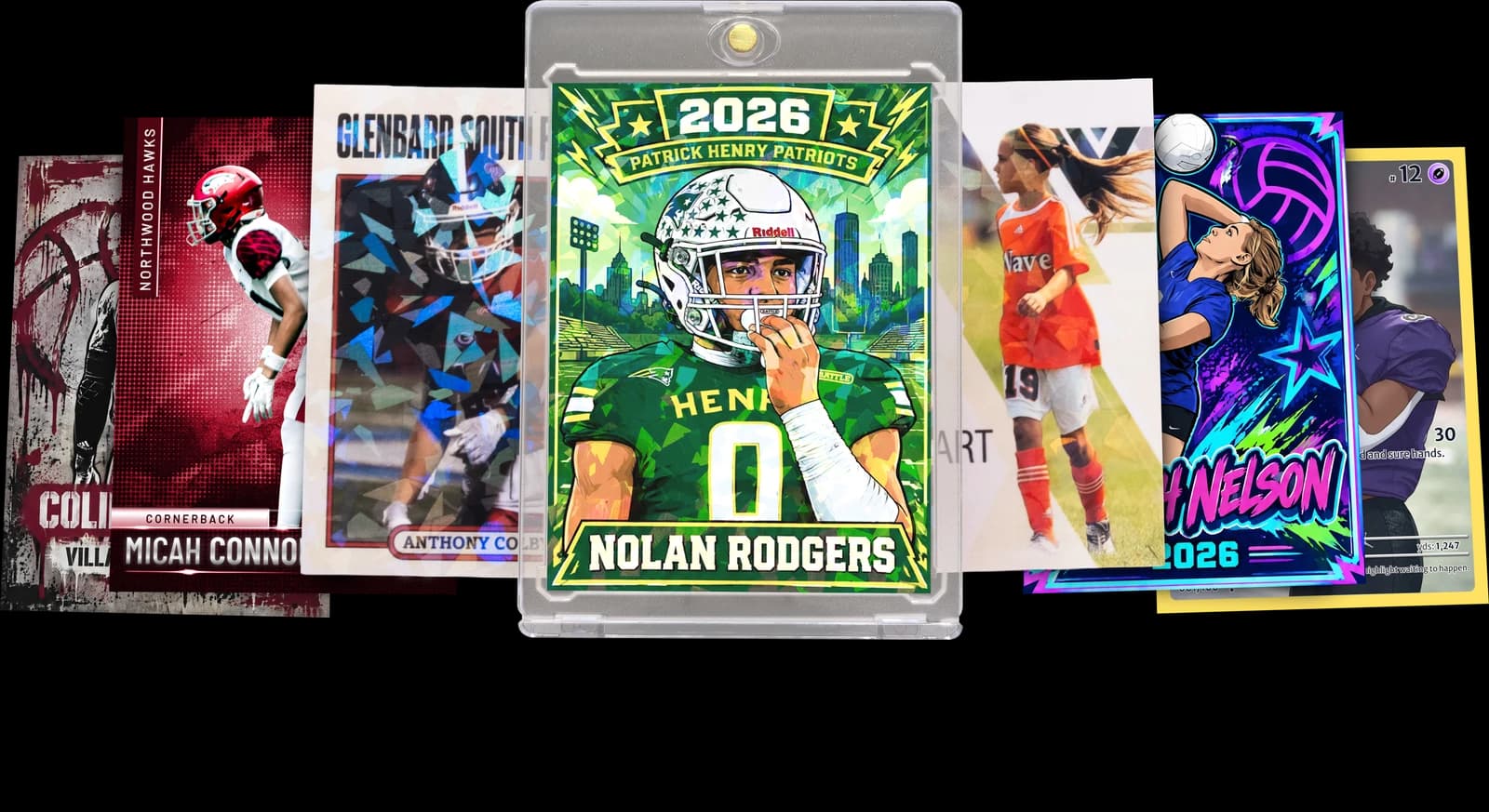
The Rookie Box
Perfect for those unforgettable moments
$17.99 - $49.99
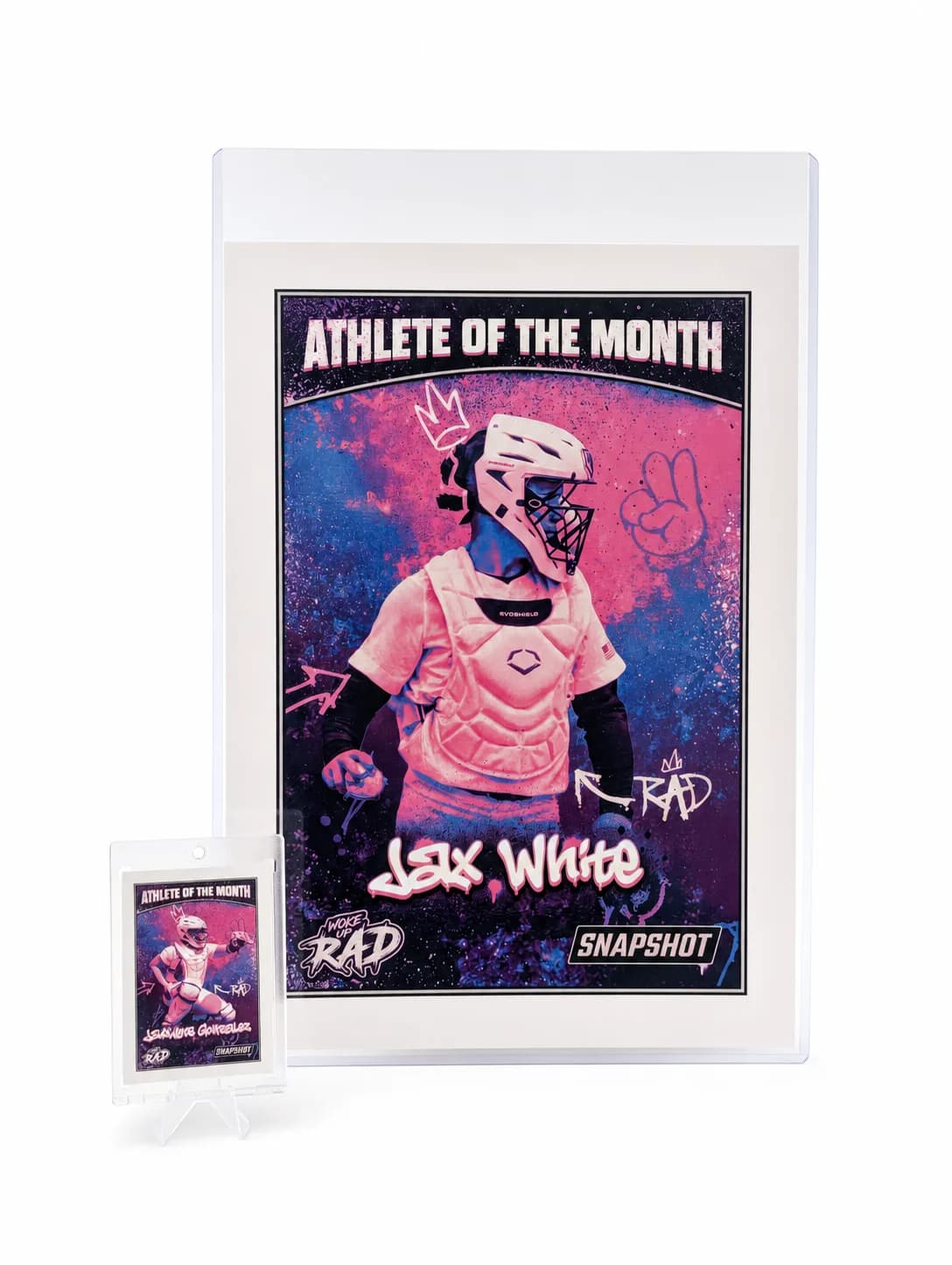
MEGA Card
Their moment, bigger than ever
$49.99
Create for free • Ships the next business day • Made in Des Moines, IA, USA




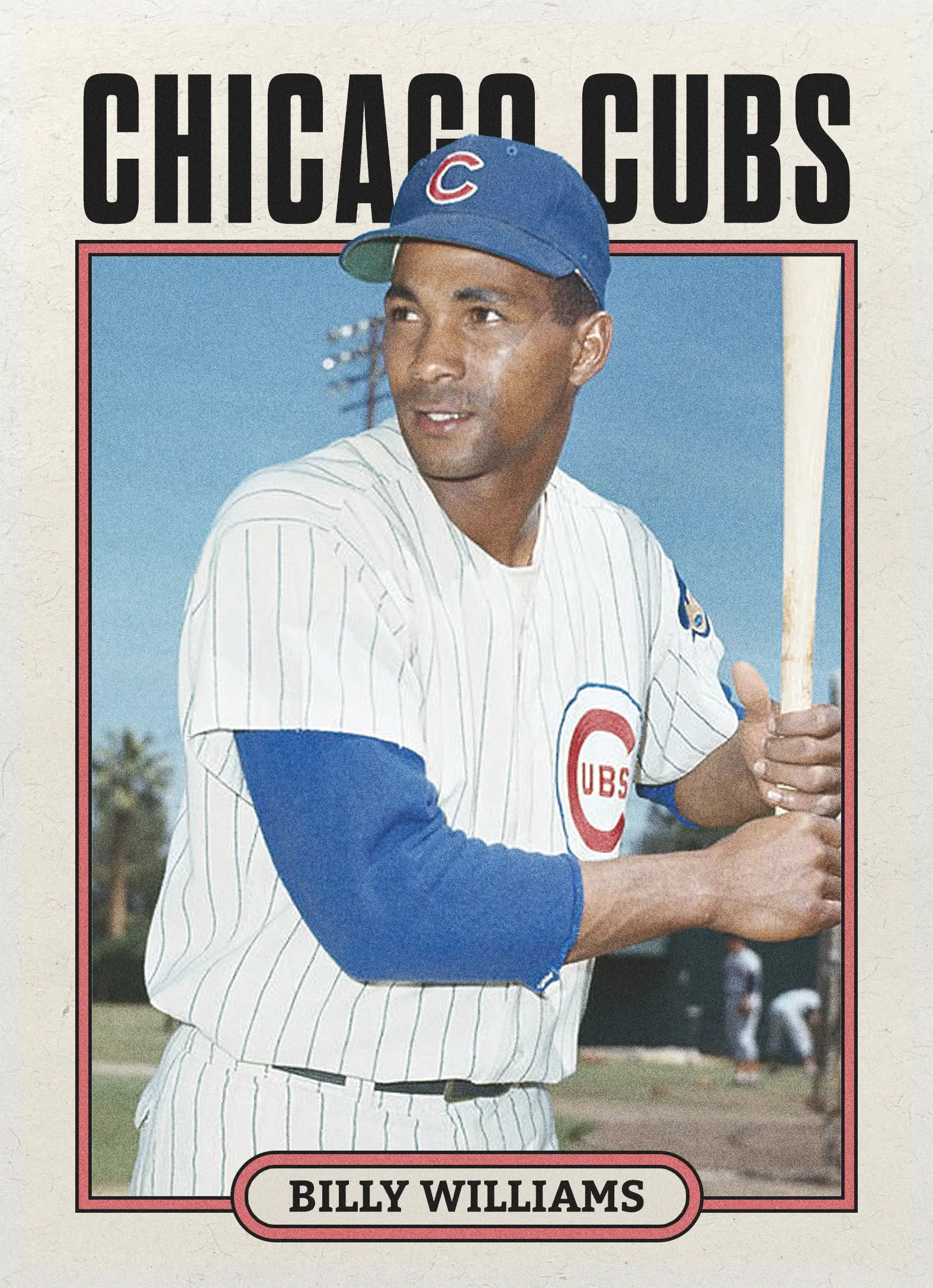
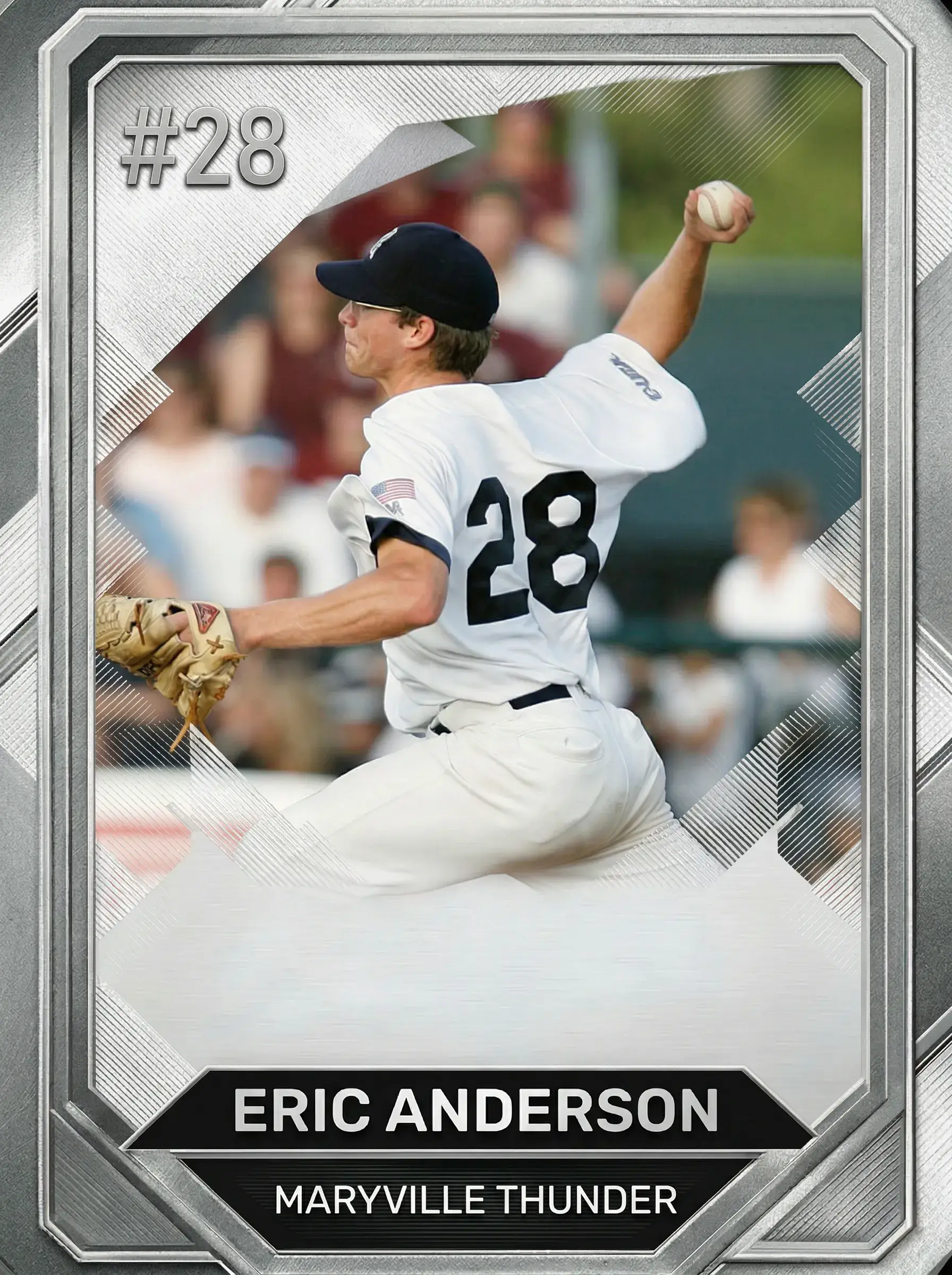
Skip the Wait: Build Your Custom Card While You Research Baseball Card Grading Companies
Grading takes months. Your Snapshot card ships in 2-3 days. Upload your photo, pick a pro template, and get a premium custom baseball card delivered with a free magnetic case — made in Des Moines, Iowa, and shipped free over $30 anywhere in the USA.
Build Your Card NowNo credit card required | Instant preview | Pro-quality designs
Explore More Card Options
Discover more custom trading card options for every sport and occasion
card grading
View card options →
card grading companies
View card options →
sports cards graded
View card options →
card grading services
View card options →
trading card grading companies
View card options →
trading card graders
View card options →