
Baseball Card Number: What It Means & Why It Matters
Every baseball card number tells a story — and collectors have been obsessing over them for over a century.
Upload a photo of your player, pet or team, choose an available template, and preview your design before ordering a printed card.
Most people glance at the baseball card number on the back corner and move on. But that small digit is packed with meaning. It determines a card's place in a set, signals its rarity, and — for limited-edition parallels — can make the difference between a $10 card and a $1,000 one. If you're buying, gifting, or creating custom cards, understanding card numbering separates casual fans from people who actually know what they're holding. The confusion is real: serial numbers, set numbers, and print-run stamps all look similar but mean completely different things.
This guide breaks down exactly what each type of baseball card number means, how numbering has evolved through the hobby's history, and how Snapshot builds that same pro-style numbering into every custom card it prints. Whether you want a card for your collection, your kid's Little League season, or a gift that a real baseball fan will respect, knowing the numbers helps you make smarter choices — and order something that actually looks legit.
Start with the basics, and the rest of the hobby opens up fast.
We ship custom baseball cards to customers in all 50 states every week, from Little League coaches to lifelong collectors who know exactly what a well-numbered card should look like.
Why Getting the Baseball Card Number Right Matters for Custom Cards
Custom cards aren't just novelty prints — they're collectibles in their own right when they're made correctly. Snapshot builds professional numbering conventions into every card design so yours looks like it belongs in a real set.
Authenticity That Holds Up
A custom card with proper set-style numbering, positioned exactly where collectors expect it, reads as legitimate. It's not a photocopy or a novelty magnet. It's a printed card on professional card stock that mirrors the layout standards the hobby has used for decades.
Collectible Value for the Recipient
When you add a limited-edition number to a custom card — say, card 1 of 10 for a player's team — it transforms a gift into a keepsake. Recipients understand that numbering instinctively. It signals scarcity, intention, and effort in a way a generic photo print never could.
Pro-Level Templates That Match Real Sets
Snapshot's templates are built on the same visual language as licensed cards. The card number placement, font weight, and position all align with what collectors see on premium retail products. Your photo drops into a design that already knows where every element belongs.
Permanent, Durable Printing
Numbers and stats printed on cheap paper fade, smear, and curl. Snapshot prints on premium card stock that holds sharp text and crisp edges over time. The magnetic case included with every order protects that print quality from day one.
Free to design, instant preview. Free US standard shipping on orders $30+. Review delivery options at checkout.
Why Collectors and Coaches Trust Snapshot Cards
Snapshot ships custom baseball cards to customers in all 50 states every week — from youth travel ball coaches ordering end-of-season sets to lifelong collectors filling out personal projects. Production takes one business day; shipping time is quoted at checkout for your address. The included magnetic case tells recipients immediately that this isn't a novelty item — it's a card worth keeping.
How Does a Baseball Card Number Actually Work?
The baseball card number on any given card can refer to one of three distinct things: its position in a base set, its serial-number print run, or its parallel edition stamp. Each type serves a different purpose and carries different weight with collectors.
Set Number: The Card's Address in the Checklist
Every base set — think Topps Series 1 or Bowman Draft — assigns each card a sequential number. Card #1 might be a star shortstop; card #350 is the final entry. This number tells you where the card lives in the full checklist. It's not a rarity marker, just an organizational system that's been standard practice since Topps introduced numbered checklists in the early 1950s.
Serial Number: The Print-Run Stamp That Drives Value
Starting in the mid-1990s, manufacturers began stamping individual cards with a fraction — like 047/100 — indicating that specific card is the 47th copy of only 100 printed. The lower the total print run, the rarer the card. A card numbered /10 is genuinely scarce. One numbered /1 is a one-of-one. This system turned the baseball card number into a direct measure of collectible value and completely reshaped the modern hobby.
Parallel Number: Edition Markers on Color Variants
Parallel cards are alternate versions of a base card, usually printed on foil or in a different color. Many parallels carry their own serial number tied to the edition size — Gold parallels might be /50, Platinum /10, and Black /1. The parallel's baseball card number confirms authenticity, limits supply, and signals exactly how rare your version is compared to the standard base card sitting in a bulk bin.
Once you can read all three number types, you're navigating any card show or online marketplace with confidence.
Common Mistakes People Make With Baseball Card Numbers
Confusing set number with serial number
Check if the number is part of the printed design (set number) or physically stamped or foil-pressed on the card (serial number). The serial number is almost always on the front of the card, in the lower corner, and formatted as a fraction.
Assuming a low set number means a rare card
Card #1 in a base set is not inherently rare — it's just first alphabetically or by team. Rarity comes from serial-number print runs, not set position. High-number series cards from pre-1980 sets are exceptions worth researching separately.
Skipping the magnetic case for numbered cards
Serial-numbered and custom-numbered cards deserve rigid protection. Corner dings and surface scratches on a numbered card are permanent. Use a one-touch magnetic case from day one — it costs almost nothing and prevents damage that can't be undone.
Not numbering a custom team set sequentially
If you're ordering custom cards for a roster, assign each player a unique number and keep them consistent across the set. Random or repeated numbers undercut the collectible feel. Sequential numbering is a small detail that makes the entire set feel intentional and complete.
The Evolution of the Baseball Card Number: A Brief History
1951 — Topps introduces sequential set numbering
Topps's first major baseball card set used numbered checklists, giving collectors a systematic way to track which cards they owned and which they still needed. This organizational system became the industry standard within a decade.
1969 — Topps reaches its largest base set — 664 cards
The 1969 Topps set featured 664 numbered cards, a record at the time. High-number series (cards 534-664) were printed in lower quantities, creating unintentional scarcity that collectors discovered years later — a preview of deliberate print-run strategy.
1990 — The overproduction era peaks
Multiple manufacturers flooded the market with high-print-run base sets. Card numbers meant nothing for rarity because virtually every card was printed in the millions. This era taught the hobby that set numbers alone don't signal value — scarcity does.
1997 — Serial-numbered parallels go mainstream
Upper Deck and Topps began stamping foil-pressed fractions onto parallel cards, making print runs explicit and verifiable for the first time. A card numbered /25 was now provably scarce. Collectors responded immediately, and the market for numbered parallels exploded.
2003 — The 1/1 becomes a collecting category
Manufacturers began producing deliberate one-of-one cards — printing plate cards, superfractor parallels, and logoman patches — all stamped 1/1. These became the hobby's white whales, driving pack-break culture and transforming single-card values into five- and six-figure territory for top players.
2024 — Custom numbered cards enter the mainstream
Services like Snapshot make pro-style numbered card production accessible to anyone with a photo. Youth teams, milestone moments, and personal collections can now feature the same serial-number conventions that the hobby established over seven decades — no licensing deal required.
Who's Actually Ordering Custom Cards With Pro-Style Numbering?
The answer might surprise you — it's a much wider group than hardcore collectors. Here are three situations where getting the baseball card number right makes all the difference.
Youth League Season Gifts
Coaches and parents across Little League, travel ball, and high school programs order custom cards at the end of every season. Adding a set number — card 12 of 15 for a 15-player roster, for example — turns each card into that player's personal roster spot. Kids keep these for years. When the numbering looks real, the card feels real. It's a detail that separates a thoughtful gift from a generic participation trophy.
Player Milestone Commemoratives
A high school senior finishing his last varsity season. A college pitcher hitting his 200th strikeout. A 40-year-old rec-league catcher hanging up his cleats. These moments deserve something more permanent than a social media post. A numbered custom card — 1 of 1, printed on professional card stock, shipped in a magnetic case — marks the milestone in a format the baseball community already knows how to respect and preserve.
Collector Custom Inserts
Serious collectors sometimes create custom cards to fill gaps in player collections or to honor overlooked minor leaguers. Getting the card number format right — proper placement, correct font scale, matching the era's style conventions — is essential for these cards to fit into a binder or display alongside licensed issues. Snapshot's templates make that precision accessible without needing a graphic design background.
Snapshot Pricing: Custom Cards That Don't Cost a Collection
Every price tier at Snapshot includes free US shipping over $30 and a magnetic case. You're not paying extra to get something that looks and feels premium.
Single card starts at $17.99. Card packs run up to $49.99 and are ideal for team sets or multi-card gifts. The MEGA poster card — an 11×15 oversized format — is $49.99 and makes a dramatic display piece for any baseball fan's wall or locker.
For the price of a mid-grade hobby pack, you get a one-of-a-kind card built around a real person, a real moment, and real professional printing.
Box Options
Simple, collectible pricing. No subscriptions, no hidden fees.
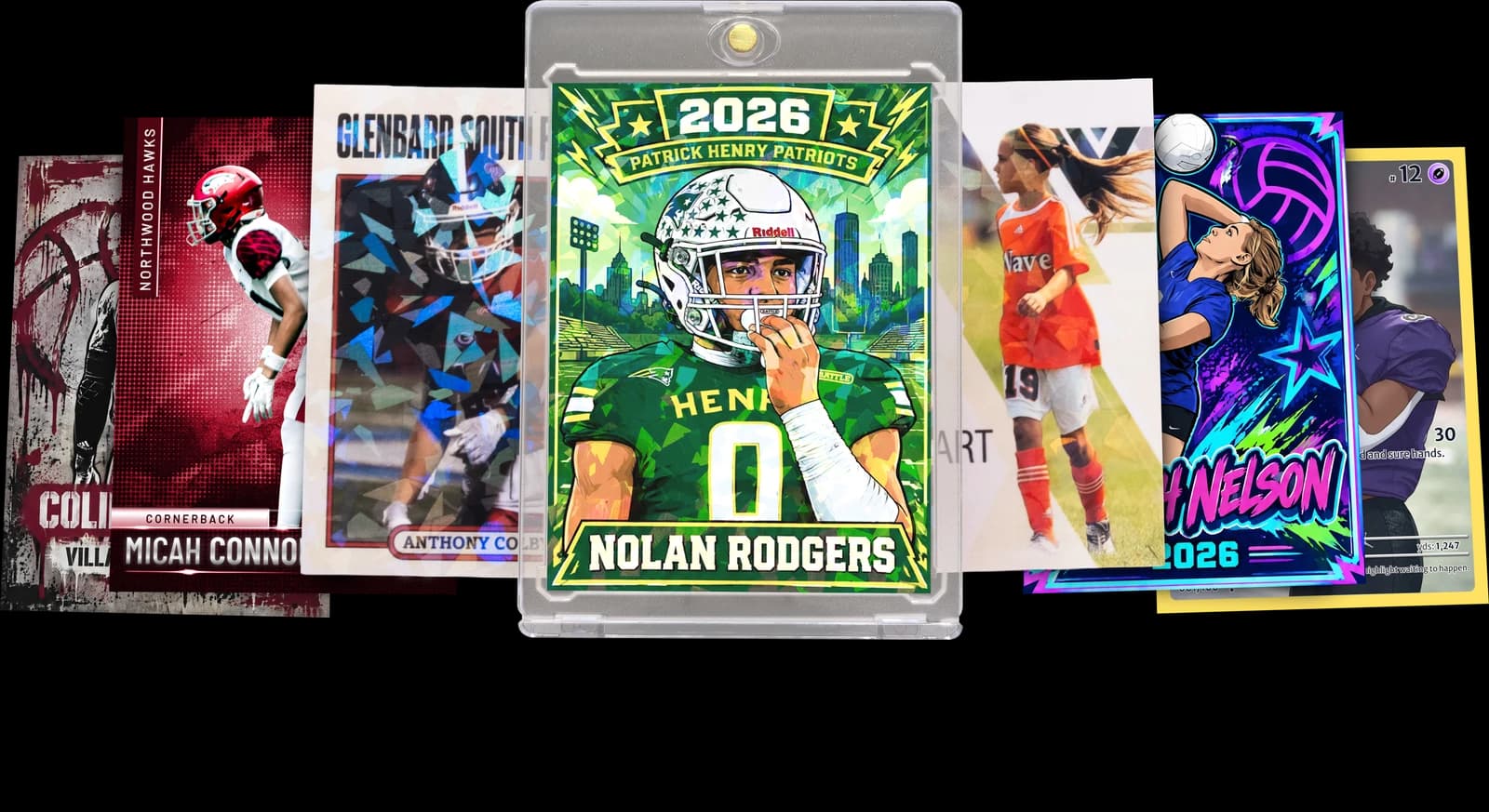
The Rookie Box
Perfect for those unforgettable moments
$17.99 - $49.99
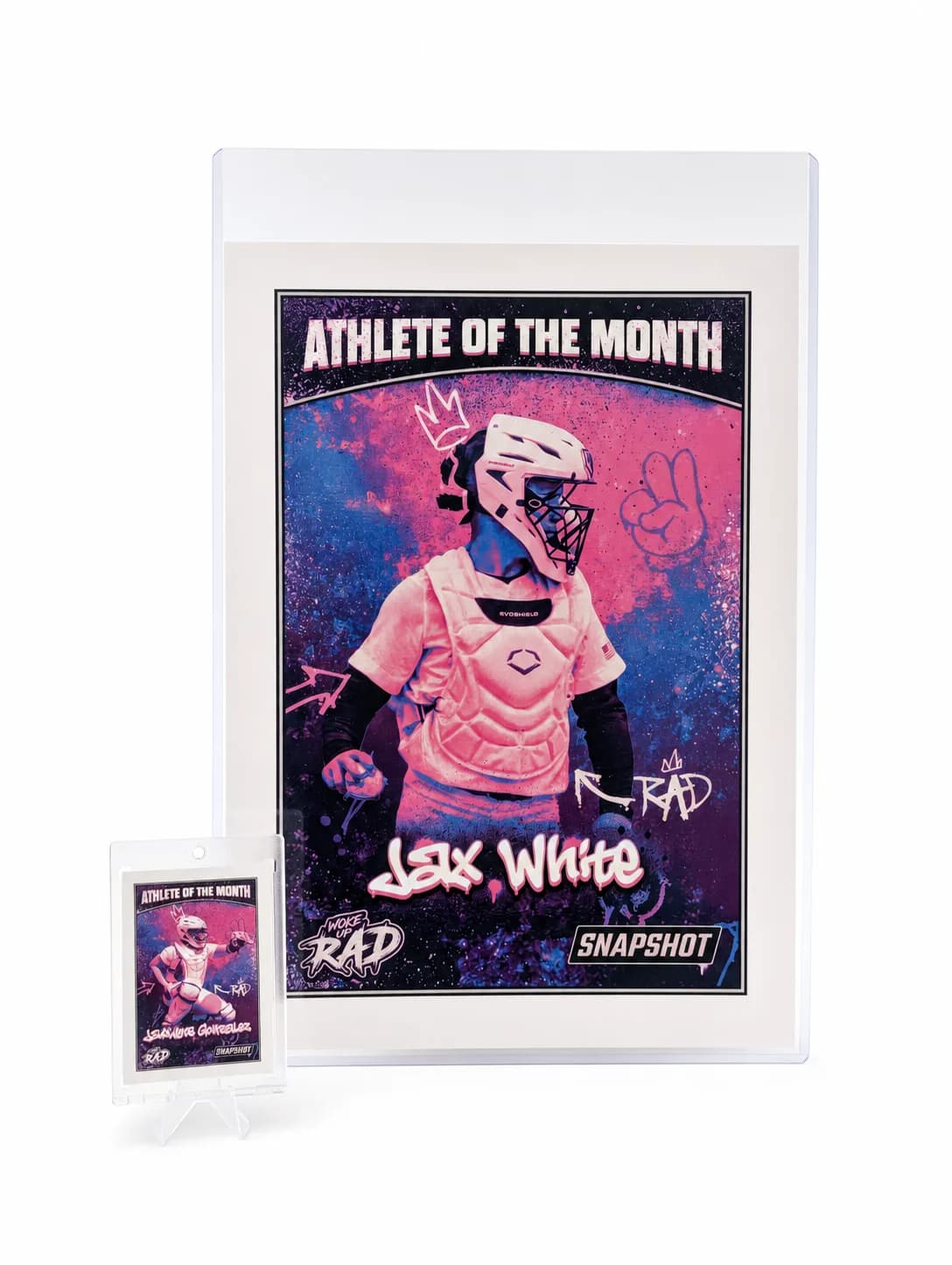
MEGA Card
Their moment, bigger than ever
$49.99
Create for free • Ships the next business day • Made in Des Moines, IA, USA
Frequently Asked Questions
What does the baseball card number on the back of a card actually mean?
It depends on context. On a base set card, the number is simply that card's position in the full checklist — card #47 out of 350 total, for example. On a serial-numbered parallel or short print, the number is a fraction stamped directly on the card indicating how many copies were produced and which specific copy you're holding. A card marked 047/100 means it's the 47th of only 100 printed. These two systems look similar but carry very different implications for rarity and collectible value. Always check whether the number is printed in the design or physically stamped or foil-pressed — that tells you which system you're dealing with.
When did serial-numbered baseball cards first appear?
Serial numbering as a mainstream hobby practice took hold in the mid-to-late 1990s. Topps, Upper Deck, and Fleer began experimenting with limited-print parallels around 1995-1997, and by 1999-2000 it was a standard feature across most premium product lines. The concept was borrowed partly from the memorabilia and fine art markets, where edition numbering had long been used to establish scarcity. Before serial numbering, rarity was implied by pack odds and production secrecy. After it, scarcity became explicit, verifiable, and stamped right on the card itself — permanently changing how the hobby assigned value.
Is a card numbered 1/1 always the most valuable?
In terms of rarity, yes — a card numbered 1/1 is by definition the only copy in existence. But value depends on more than print run. The player's fame, the card's condition, the specific product line, and current market demand all factor in. A 1/1 of an obscure minor leaguer who never reached the majors might sell for $20, while a 1/1 of a Hall of Famer from a premium set could fetch tens of thousands. Rarity amplifies value, it doesn't create it from nothing. The player on the card still matters more than almost any other single variable.
Can I add a serial number to a custom card from Snapshot?
Yes. Snapshot's templates include design elements that mimic the visual conventions of professional numbered cards. You can incorporate a custom edition number — like 1 of 10 for a team set, or 1/1 for a one-of-a-kind gift — directly into the card's design during the ordering process. The number appears exactly where collectors expect it, styled consistently with the rest of the card's layout. If you're ordering a full set for a team or roster, you can number each card sequentially so every player gets their own unique position in the set.
Does the baseball card number affect how I should store or display my cards?
For base set cards with standard set numbers, standard penny sleeves and binder pages work fine. For serial-numbered cards — especially low-print-run parallels or 1/1s — most collectors step up to rigid toploaders or, ideally, magnetic one-touch cases. The magnetic case protects corners and surfaces from contact damage while keeping the card visible without removal. Snapshot includes a magnetic case with every order precisely because custom numbered cards deserve that level of presentation from the moment they arrive. Storage choice also affects long-term resale value if the card is ever traded or sold.
How does Snapshot make sure custom card numbers look professional?
Snapshot's templates are built around the visual standards the hobby has established over decades. Card number placement, font sizing, color contrast, and positioning all follow conventions that real licensed sets use. The result is a card where the number feels like it belongs — not like it was dropped in as an afterthought. Combined with printing on professional card stock, the physical output matches what collectors associate with legitimate, premium products. You don't need to know anything about card design to get this right; the templates handle the details.
What's the difference between a card number and a card grading number?
These are completely different systems that often get confused. The card number is part of the card's original production — either its set position or its serial-print stamp. A grading number is assigned after the fact by a third-party grading company like PSA, BGS, or SGC. Grading numbers assess condition on a scale, typically 1-10, and are used to certify and encapsulate cards for the resale market. A card can have both: its original set number as designed, and a grading label added years later. For custom cards, only the original card number applies — custom cards aren't submitted to grading services.
How long does it take to receive a custom baseball card from Snapshot?
Production takes one business day; shipping time is quoted at checkout for your address. That turnaround makes it practical for time-sensitive situations — end-of-season team gifts, birthday presents, or last-minute milestone commemoratives. Every card ships in a magnetic case, so it arrives protected and presentation-ready without any extra packaging work on your end. Orders are produced in Des Moines, Iowa, which keeps quality control close and delivery timelines consistent across the country.
Are there baseball card number conventions I should follow for a team set?
If you want your team set to feel cohesive and collectible, follow the same conventions the major brands use. Number cards sequentially starting at 1, assign each player their own number, and keep the number in the same position across every card in the set. If you want to include a coach card, team photo card, or checklist card, those traditionally appear at the end of the set — just like in a real licensed product. Keeping the font and placement consistent is more important than the actual numbers you choose. Consistency is what makes a set feel intentional.
Free to design, instant preview. Free US standard shipping on orders $30+. Review delivery options at checkout.


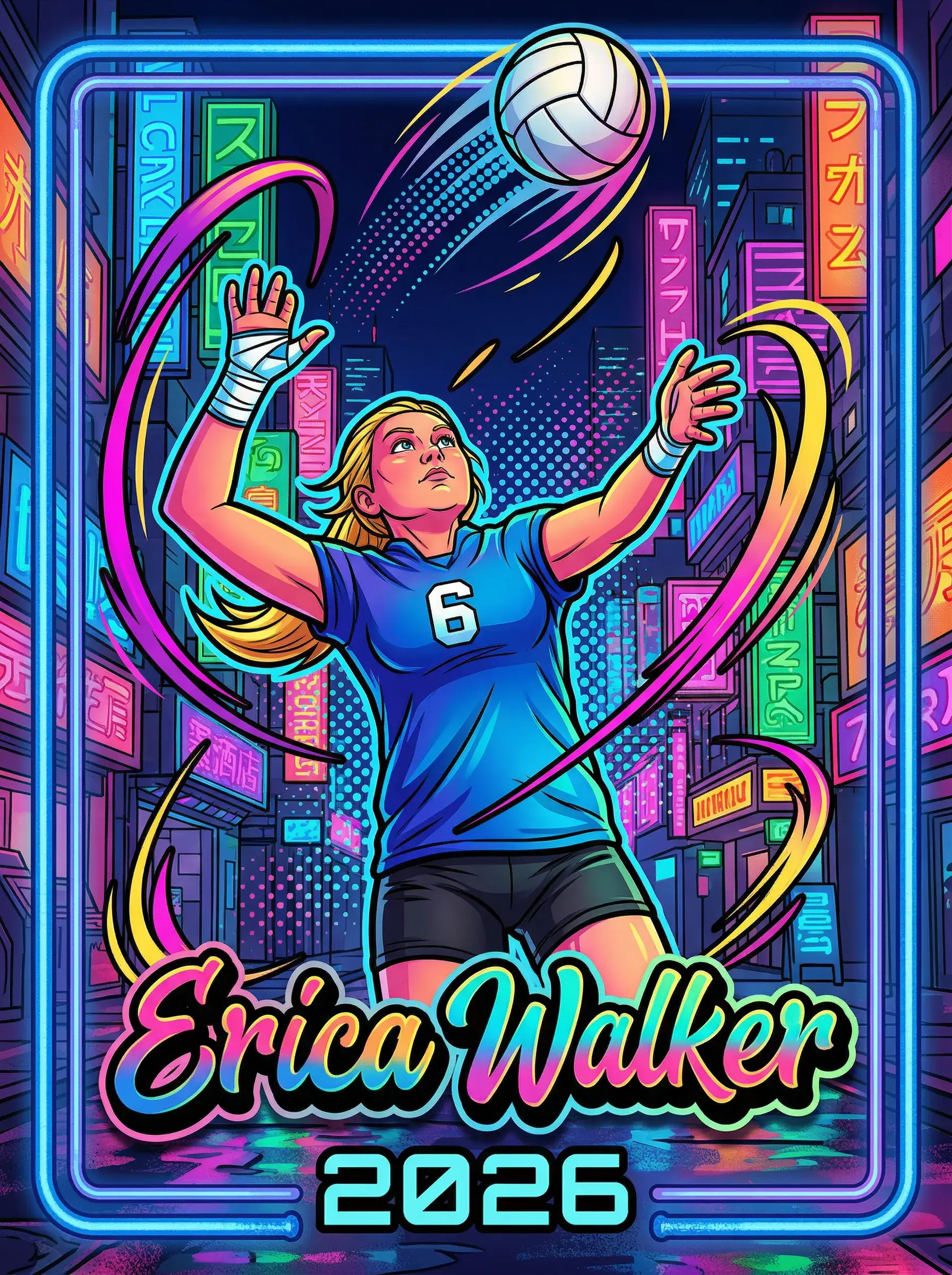

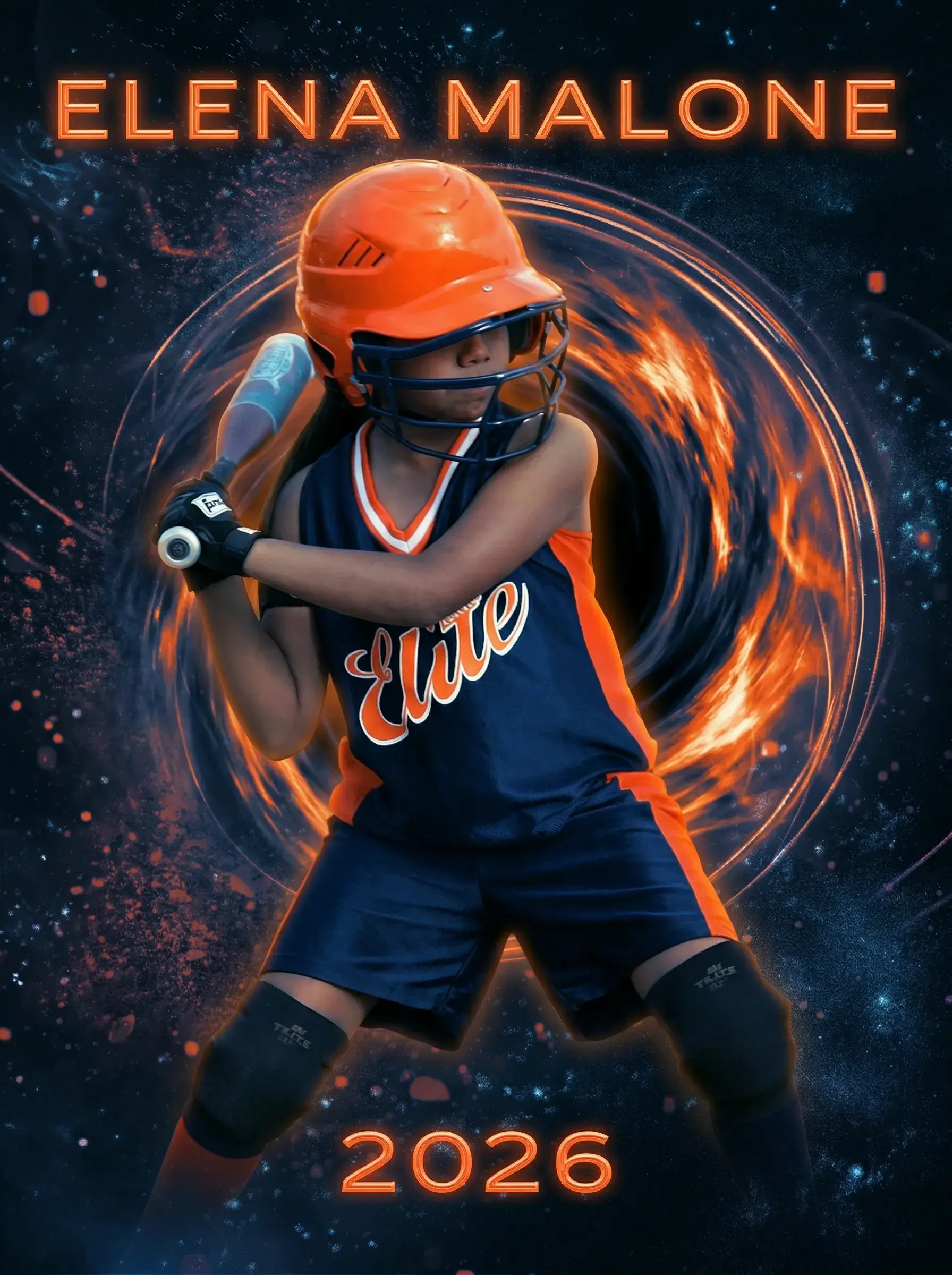
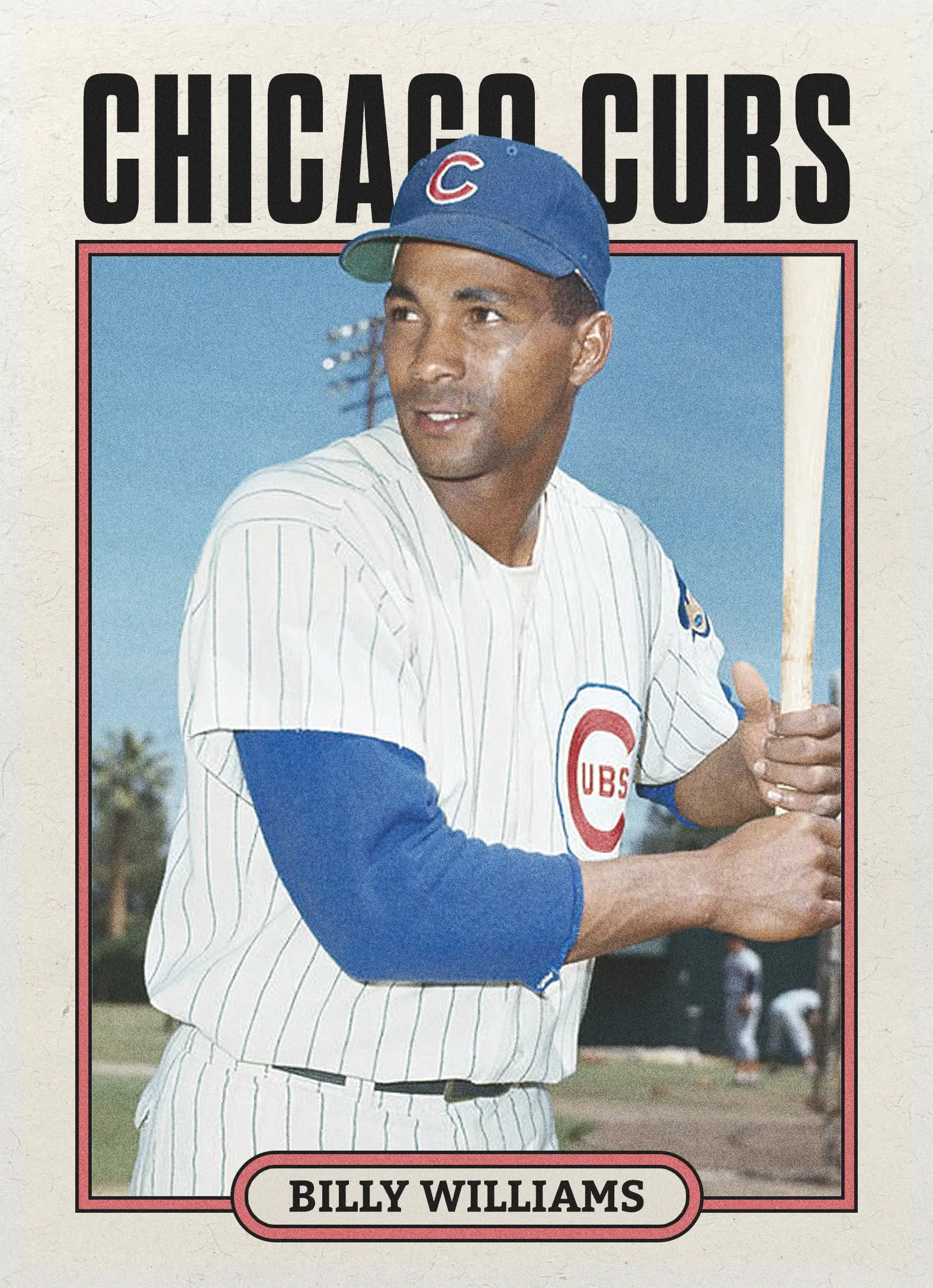
Ready to Print a Custom Card With Your Own Baseball Card Number?
Upload your photo, pick a pro-style template, and add your own card number in minutes. One card, one moment, one number — make it official.
Build Your Card NowNo credit card required | Instant preview | Pro-quality designs
Explore More Card Options
Discover more custom trading card options for every sport and occasion
baseball cards
View card options →
buying baseball cards
View card options →
baseball card packs
View card options →
baseball card size
View card options →
baseball card creator
View card options →
baseball trading card template
View card options →