
Best SD Card for Sports Photography in 2025
You nailed the shot. Don't let a slow SD card be the reason you lost it.
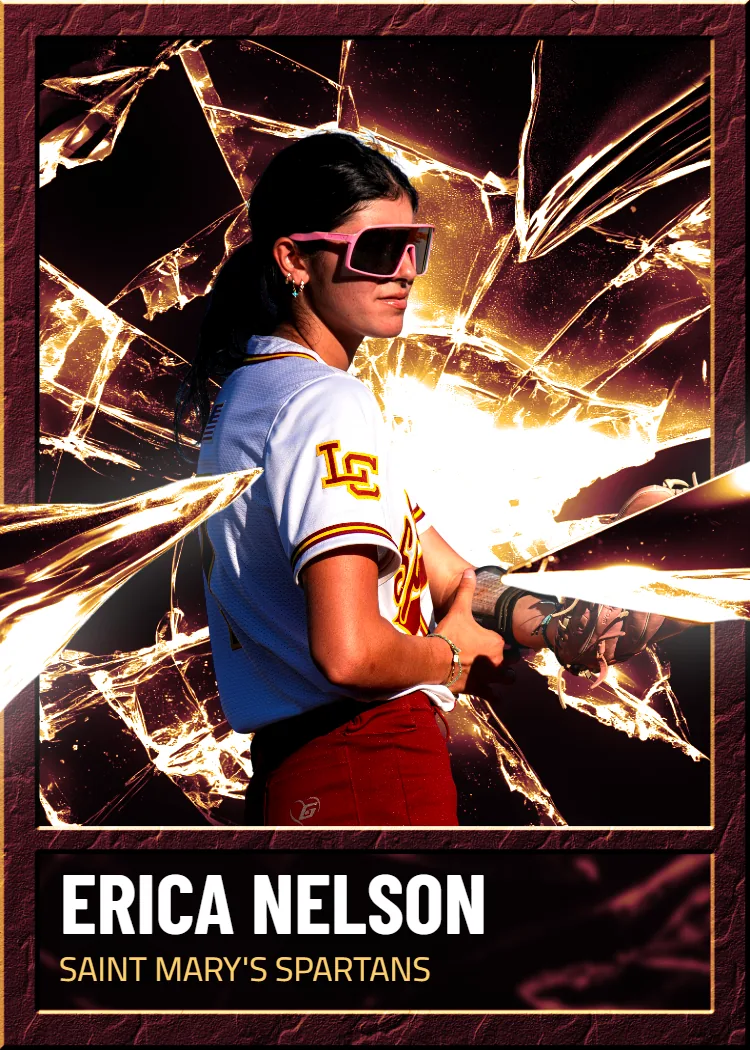
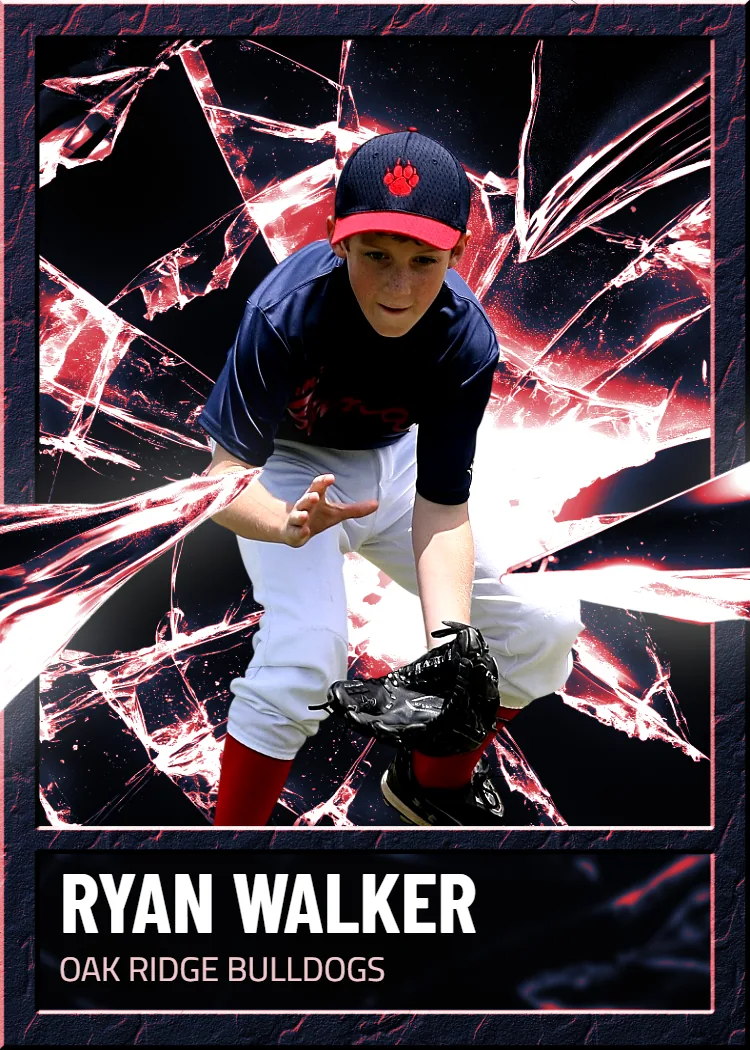
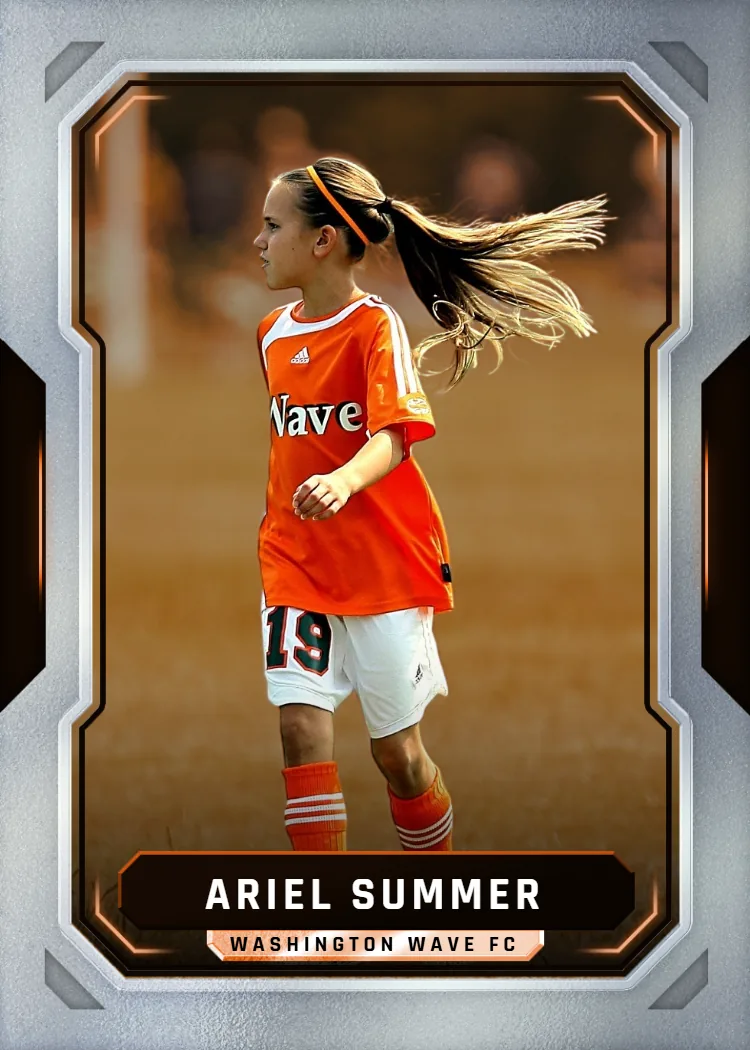
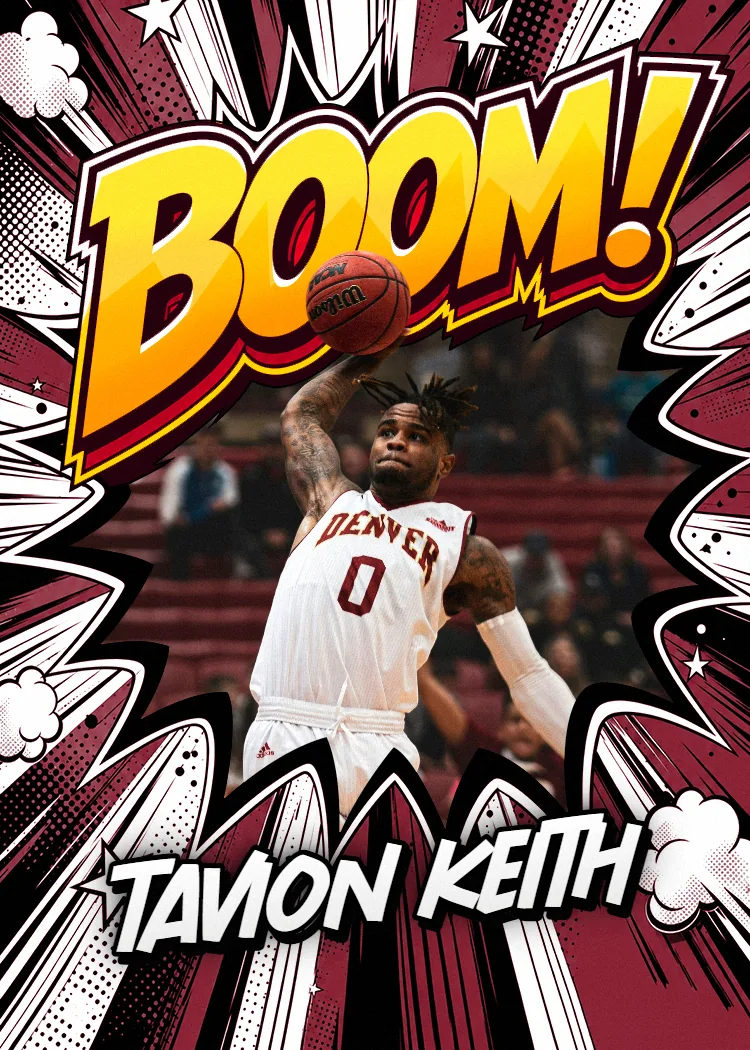
Upload any photo — your kid, your pet, your whole team — pick a pro template, and we print and ship a real, holdable card the next business day.
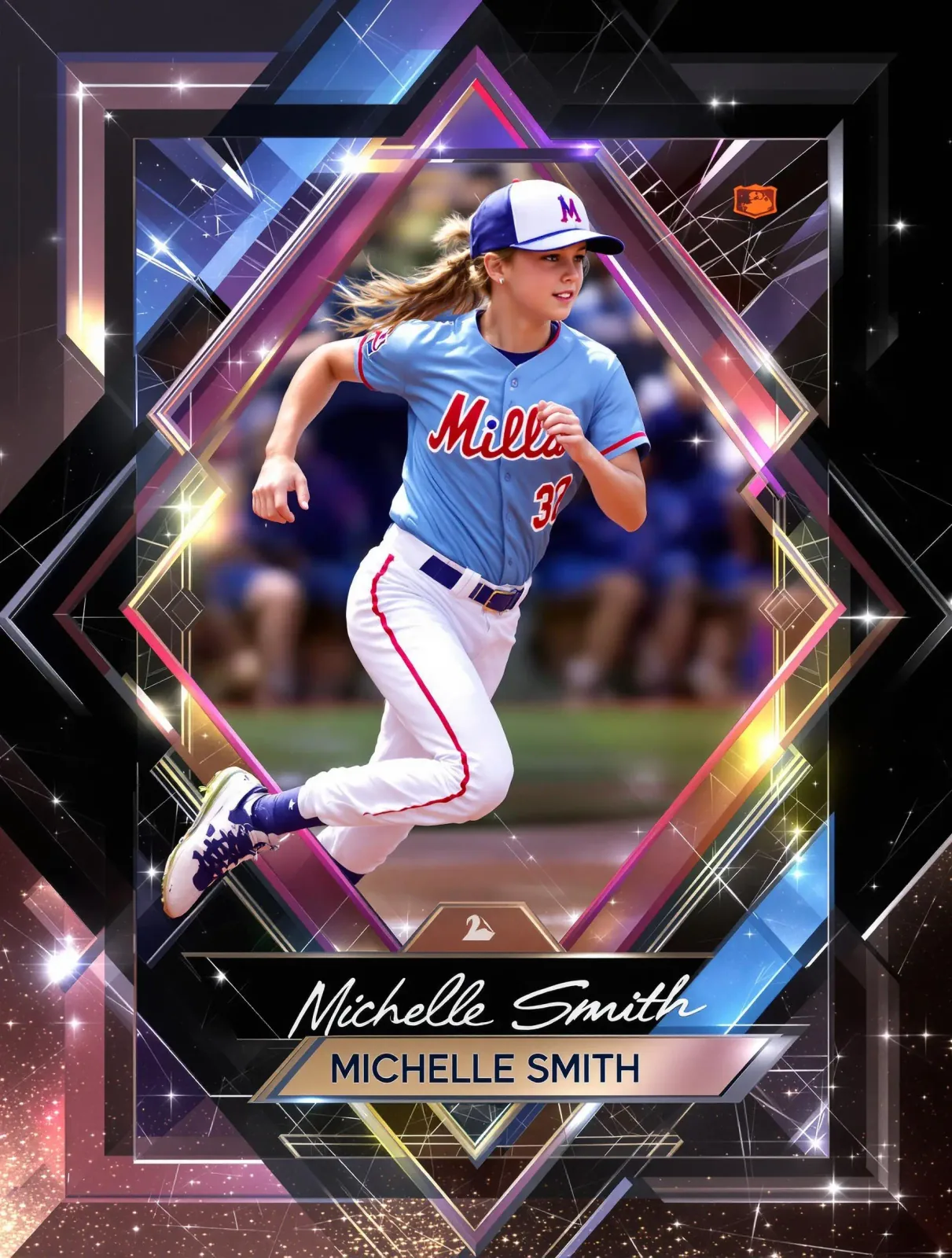
Sports photography is unforgiving. A running back cuts left in a split second, a pitcher releases at 95 mph, a basketball player rises for a dunk — and your camera is writing data to a card that can't keep up. The result? Buffer lockouts, dropped frames, and missed moments you can't get back. Most photographers obsess over lenses and bodies but treat SD cards as an afterthought. That's exactly where great shots disappear. Choosing the best SD card for sports photography isn't about specs for spec's sake — it's about trusting your gear completely when it counts.
The right SD card keeps your buffer clear so you can shoot continuous bursts without hesitation. Once you've captured those peak-action frames, Snapshot turns your best shot into a real, professional-quality custom sports trading card — printed on premium card stock and shipped to your door in two to three days. A single card starts at just $17.99 with free shipping anywhere in the USA. The photo you worked hard to capture deserves more than sitting in a folder. It deserves to be held.
Here's exactly what to look for in a card — and what to do with the photos once you have them.
We ship custom sports trading cards to customers in all 50 states every single week, from individual family orders to bulk team packs for high school athletics programs.
Why Snapshot Customers Come Back After Every Season
Snapshot ships custom sports trading cards to customers across all 50 states every week — from Little League families in rural Iowa to travel soccer clubs on the East Coast. Customers consistently return each new season because the cards hold up: the colors stay vivid, the edges stay clean, and the people in the photos recognize themselves in something that looks genuinely professional.
We print every card right here in Des Moines, Iowa, and we stand behind the quality of every order.
Who Actually Needs the Best SD Card for Sports Photography?
The need for fast, reliable storage spans every level of sports photography — from youth league sidelines to professional arenas.
Youth and High School Sports Parents
You upgraded your camera for a reason: to capture your kid's best moments on the field. A slow SD card means missing the sprint across home plate or the game-winning goal because your buffer was full. A V60-rated 128 GB card handles most consumer and enthusiast camera bodies without issue — and keeps you ready for every play, not just the ones that happen to fall between bursts.
Amateur and Freelance Sports Photographers
Shooting local games for newspapers, team photos for high school athletics, or building a portfolio — your card needs to match your ambition. A V90 UHS-II card gives you the reliability a paying client expects. It won't fail mid-assignment, it transfers fast when you're on deadline, and it holds enough data to cover a full doubleheader without swapping cards on the sideline.
Semi-Pro and Hobbyist Action Shooters
Maybe you shoot for the love of it. Maybe you've got a mirrorless body capable of 20 frames per second and a telephoto that cost more than your first car. A budget SD card is the single weakest link in that setup. Match your storage to your camera's potential. V90-rated cards with 250+ MB/s read speeds let your body perform the way it was designed — without you throttling it at the slot.
Free to design, instant preview. Ships the next business day.
How to Choose the Best SD Card for Sports Photography
Three specs matter most for action shooting: write speed, read speed, and card capacity. Get these right and your gear stops being the limiting factor.
Prioritize Write Speed Above Everything Else
Write speed is what clears your camera's buffer during a burst sequence. For sports, you're looking at a minimum of 90 MB/s write speed — ideally 150 MB/s or higher if you're shooting RAW at 10+ frames per second. V60 and V90 video speed class ratings are your clearest shorthand. V90 cards handle the heaviest continuous shooting without a hiccup.
Match Card Format to Your Camera Body
Not all fast cards fit all cameras. Mirrorless bodies from Sony, Nikon, and Canon increasingly use CFexpress Type A or Type B slots, while many DSLRs and entry-level mirrorless cameras use standard UHS-II SD slots. Check your camera's manual before buying. Putting a UHS-I card in a UHS-II slot won't damage anything, but you'll lose most of the speed advantage you paid for.
Choose Capacity Based on Your Shoot Length
A 64 GB card holds roughly 1,500-2,000 RAW files on most full-frame bodies — enough for a single game if you're selective. Shooting a full day tournament? Go 128 GB or 256 GB. Don't cheap out here. Running out of space mid-fourth-quarter means making decisions no sports photographer wants to make. Double up with two cards if your camera has dual slots.
Nail these three factors and you'll stop missing shots because of your storage. Promise.
What the Right SD Card Actually Does for Your Sports Photos
Beyond raw specs, the right card changes how confidently you shoot. Here's what that looks like in practice.
Zero Buffer Anxiety
When your write speed keeps pace with your camera's burst rate, you stop watching the buffer indicator and start watching your subject. That mental shift is real. Photographers who've switched from slow cards consistently describe shooting as feeling more instinctive, less managed.
Faster Culling at Home
Read speed matters the moment you plug in after a shoot. A V90 UHS-II card can transfer files at 250-300 MB/s via a compatible reader. A 64 GB card full of RAWs that used to take 20 minutes to transfer now moves in under five. That's time back in your day.
Protection for Irreplaceable Moments
Reputable SD cards from established brands include error-correction and wear-leveling technology. They're built to survive drops, minor water exposure, and temperature swings across a full outdoor season. Cheap off-brand cards often skip these safeguards. Your photos are worth the extra $20.
Confidence to Shoot More Aggressively
Knowing your card won't lock up mid-burst means you commit to longer sequences on unpredictable plays. More frames captured means more options when you're editing. More options mean a better chance of finding that one frame worth printing and keeping forever.
SD Card Speed Class Comparison for Action Photography
| Speed Class | Min. Write Speed | Best For | Typical Price Range |
|---|---|---|---|
| V30 / UHS-I | 30 MB/s | Casual JPEG shooting, basic video | $10–$25 |
| V60 / UHS-II | 60 MB/s | RAW bursts, 4K video, enthusiast bodies | $45–$90 |
| V90 / UHS-II | 90 MB/s | High-speed mirrorless, RAW + video simultaneously | $80–$180 |
| CFexpress Type A/B | 400–1700 MB/s | Flagship mirrorless, ProRes video, max burst rates | $100–$350+ |
Simple, Straightforward Pricing — No Surprises
Every Snapshot order includes free shipping to anywhere in the USA. Cards arrive in two to three days, tucked inside a free magnetic case that protects them the moment they leave our facility.
Single custom card: $17.99. Card packs (multiple cards): up to $49.99. MEGA poster card (11"×15"): $49.99. Free magnetic case and free US shipping included on every order.
A card you'd actually frame. Printed in America, shipped fast, starting at a price that makes gifting the whole team realistic — not just a nice idea.
Box Options
Simple, collectible pricing. No subscriptions, no hidden fees.
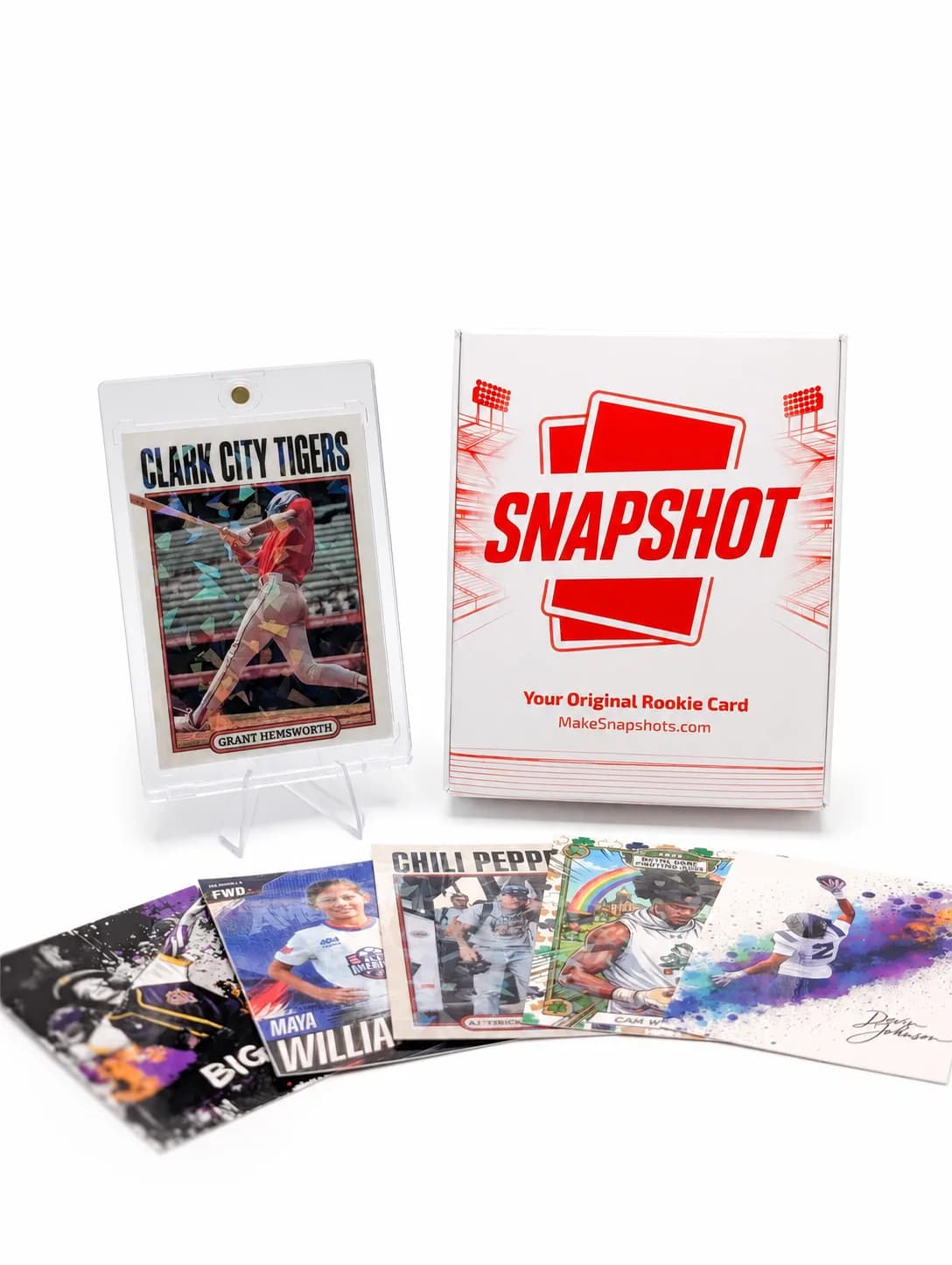
The Rookie Box
Perfect for those unforgettable moments
$17.99 - $49.99
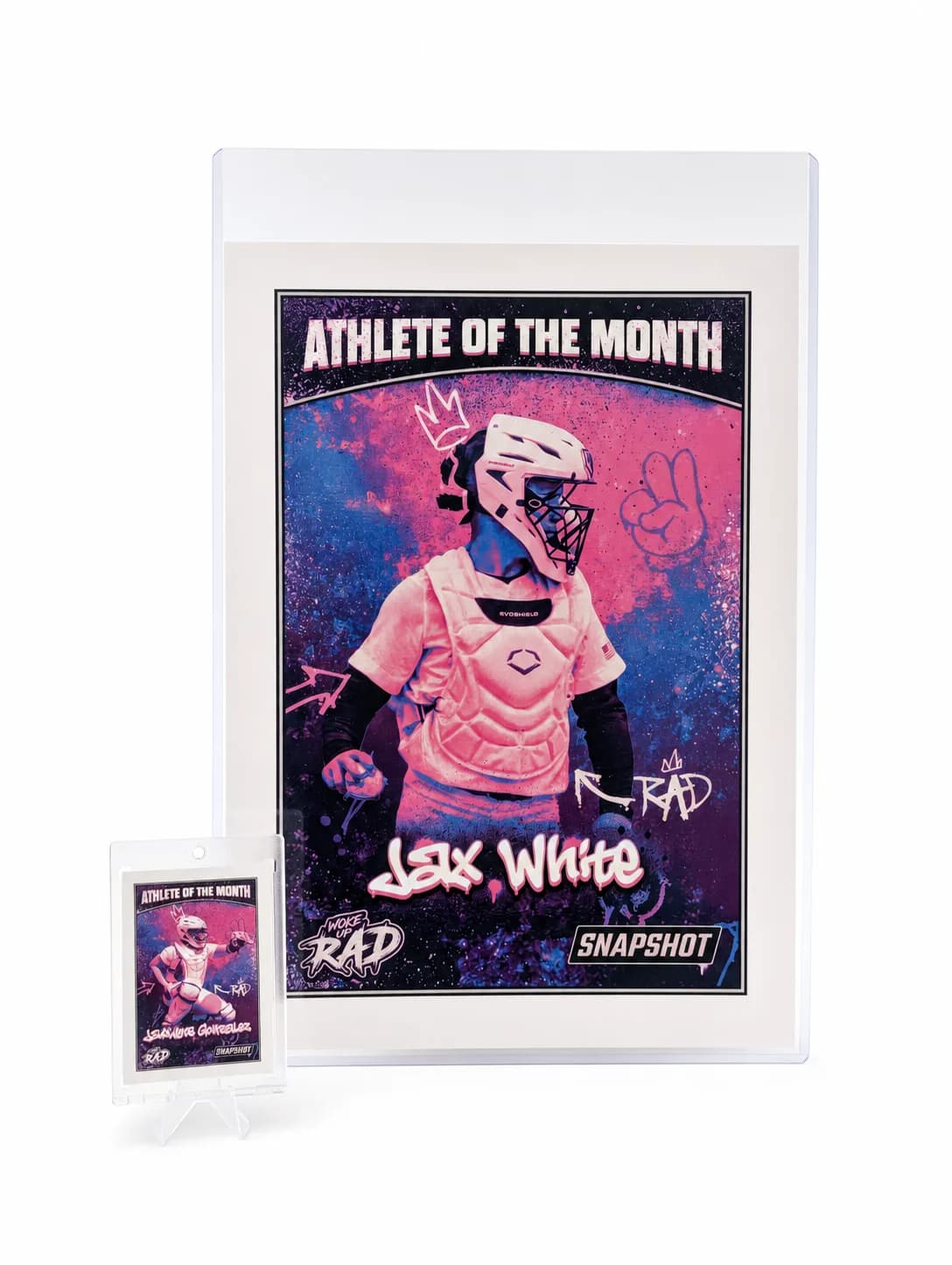
MEGA Card
Their moment, bigger than ever
$49.99
Create for free • Ships the next business day • Made in Des Moines, IA, USA
Frequently Asked Questions
How much storage capacity do I need for a full sports game?
It depends heavily on your camera's resolution and whether you're shooting RAW, JPEG, or both. A 24-megapixel camera shooting compressed RAW files at moderate burst rates will fill a 64 GB card with roughly 1,500-2,000 frames. For a single two-hour game with selective shooting, 64 GB is workable. For a full tournament day, a doubleheader, or if you shoot long continuous bursts frequently, 128 GB to 256 GB is safer. If your camera has dual card slots, using two cards simultaneously — one as overflow, one as backup — is the most reliable professional practice.
Does the brand of SD card matter, or are they all basically the same inside?
Brand genuinely matters. Cards from Sony, Lexar, ProGrade Digital, Delkin, and SanDisk Pro have been independently tested and consistently deliver write speeds close to their advertised specs. Off-brand or heavily discounted cards frequently lie about their speed ratings and lack the error-correction circuits that protect your data during heavy writing sessions. For sports photography — where you're hammering the card with sustained writes during bursts — the difference between a reliable card and a cheap one shows up fast. Stick to established brands and buy from authorized retailers to avoid counterfeits, which are unfortunately common on third-party marketplaces.
Can I use the same SD card for video and sports photography?
Yes, with the right card. If you're shooting 4K video alongside stills, a V60 or V90 card handles both workloads cleanly. The Video Speed Class ratings — V30, V60, V90 — were specifically designed to guarantee minimum sustained write speeds for video recording, which also translates directly to burst photography performance. A V90 card is a genuinely excellent dual-purpose tool for photographers who switch between action shooting and short video clips during a game. Just verify that your camera's video modes don't require CFexpress speeds before assuming a standard SD card will suffice.
How do I safely back up my sports photos so I don't lose them?
The working professional standard is 3-2-1: three copies of your files, on two different types of media, with one copy stored offsite. In practice for sports photographers, that means keeping files on your computer's internal drive, backing up to an external hard drive, and using a cloud storage service as your offsite copy. Don't format your SD card until you've confirmed at least two backup copies exist. Some photographers carry a portable SSD to the event itself for immediate field backups. Once you've identified your best frames, printing them as custom trading cards through Snapshot gives you a physical archive that doesn't depend on a hard drive staying healthy.
What card reader should I use for the fastest transfers?
Your card reader is just as important as the card itself. A UHS-II card plugged into a UHS-I reader will transfer at UHS-I speeds — completely negating the speed advantage you paid for. Look for a USB 3.2 Gen 2 or Thunderbolt-compatible card reader that explicitly supports UHS-II. ProGrade Digital, Lexar, and Sony make excellent multi-slot readers that handle both UHS-II SD and CFexpress cards. Expect to spend $40-90 on a good reader. It's a one-time purchase that pays back in hours of saved transfer time across a full season of shooting.
How do I turn my best sports photos into custom trading cards?
Snapshot makes it simple. Once you've culled your shoot and found that one frame — the peak of the jump, the celebration, the game-winning catch — you upload it directly to Snapshot's website. From there you choose from a selection of professional sports card templates, add any text or stats you want, and submit your order. Cards are printed on premium card stock right in Des Moines, Iowa, and ship in two to three business days. Every order includes a free magnetic case and free US shipping. A single card is $17.99. Packs and the oversized MEGA poster card are also available.
Are there common mistakes people make when buying SD cards for sports shooting?
Several, and they're avoidable. The most common is buying the cheapest card available and assuming speed ratings are accurate — they often aren't on budget cards. Another is buying a UHS-II card for a camera that only has a UHS-I slot, wasting money on speed the camera can't use. Some photographers also underestimate capacity needs and run out of space at the worst possible moment. Finally, many people ignore read speed entirely, then wonder why transferring a day's worth of files takes an hour. Read speed won't affect your shooting, but it absolutely affects your post-processing workflow and how fast you can get to editing.
Free to design, instant preview. Ships the next business day.
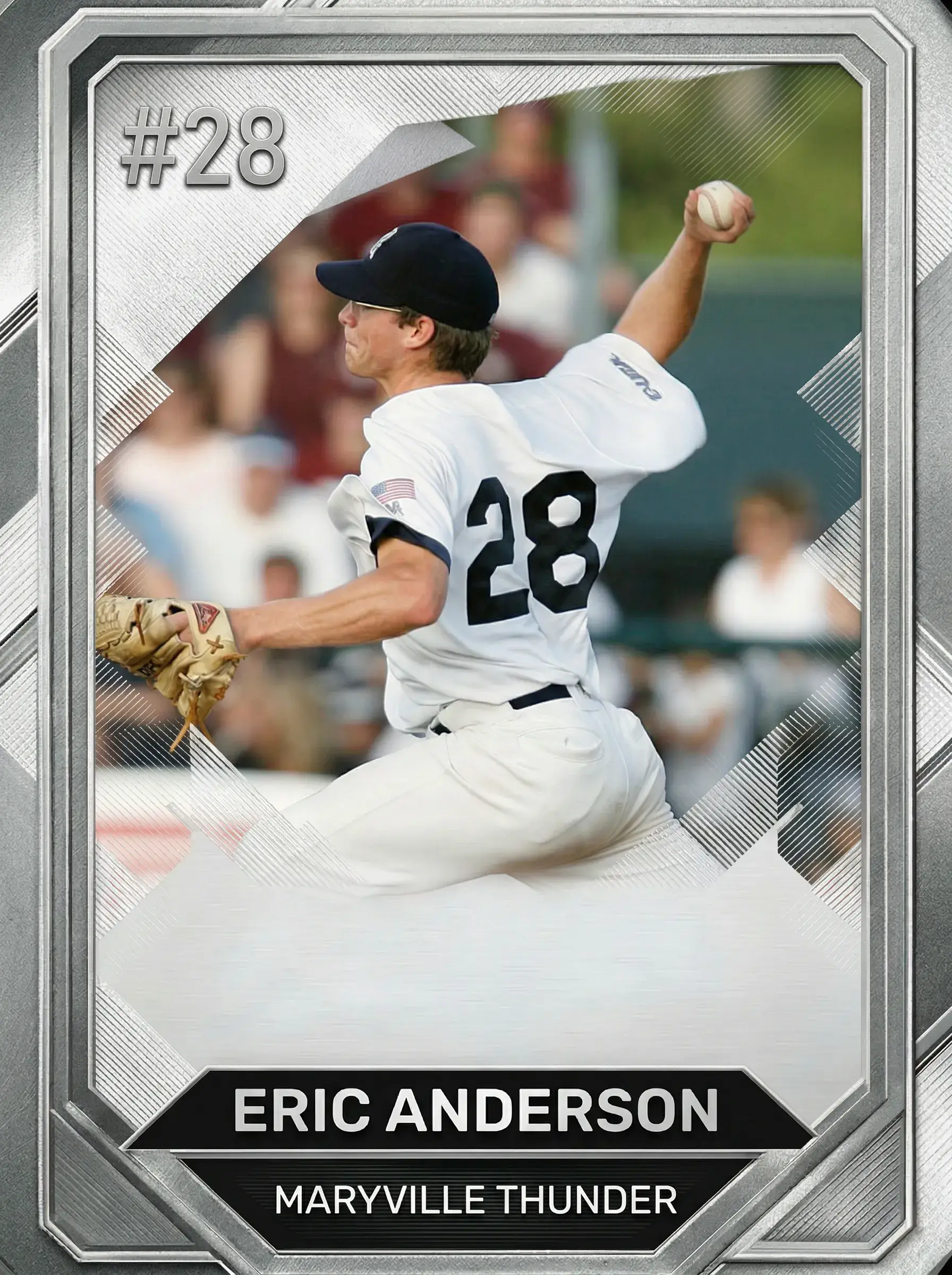
Got Your Best SD Card for Sports Photography? Now Print the Shot.
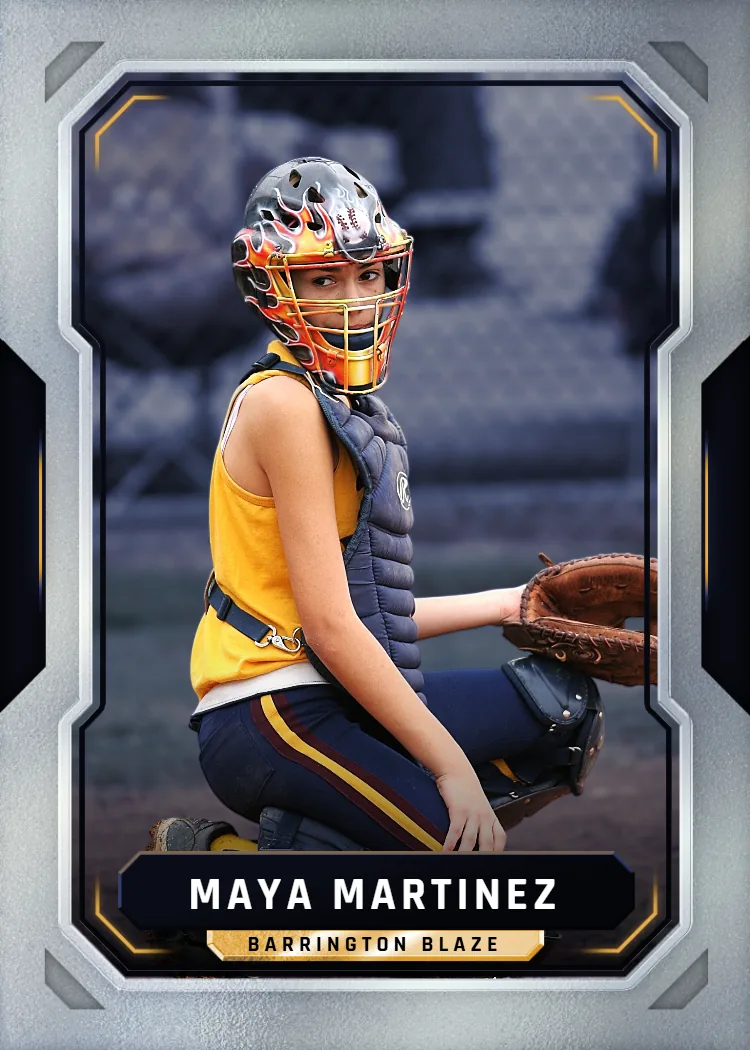
You've invested in the gear to capture great moments. Don't let your best frame stay buried in a folder. Upload it to Snapshot and we'll turn it into a real custom sports trading card — printed on premium card stock, shipped free in the USA, and at your door in two to three days.
Build Your Card NowNo credit card required | Instant preview | Pro-quality designs
Explore More Card Options
Discover more custom trading card options for every sport and occasion