
Best Vitamins for Young Athletes Who Train Hard
Young athletes push their bodies daily. The right fuel — and the right recognition — makes every rep count.
Upload any photo — your kid, your pet, your whole team — pick a pro template, and we print and ship a real, holdable card the next business day.
Finding the best vitamins for young athletes isn't as simple as grabbing a bottle off the shelf. Growing bodies have specific demands that change with age, sport intensity, and training volume. Iron deficiency alone affects roughly 15-35% of adolescent female athletes, and Vitamin D shortfalls are nearly universal in kids who train indoors. Without the right micronutrient support, even the most motivated young player hits a wall — slower recovery, weaker focus, more injuries. Parents and coaches often notice declining performance before they connect it to nutrition gaps.
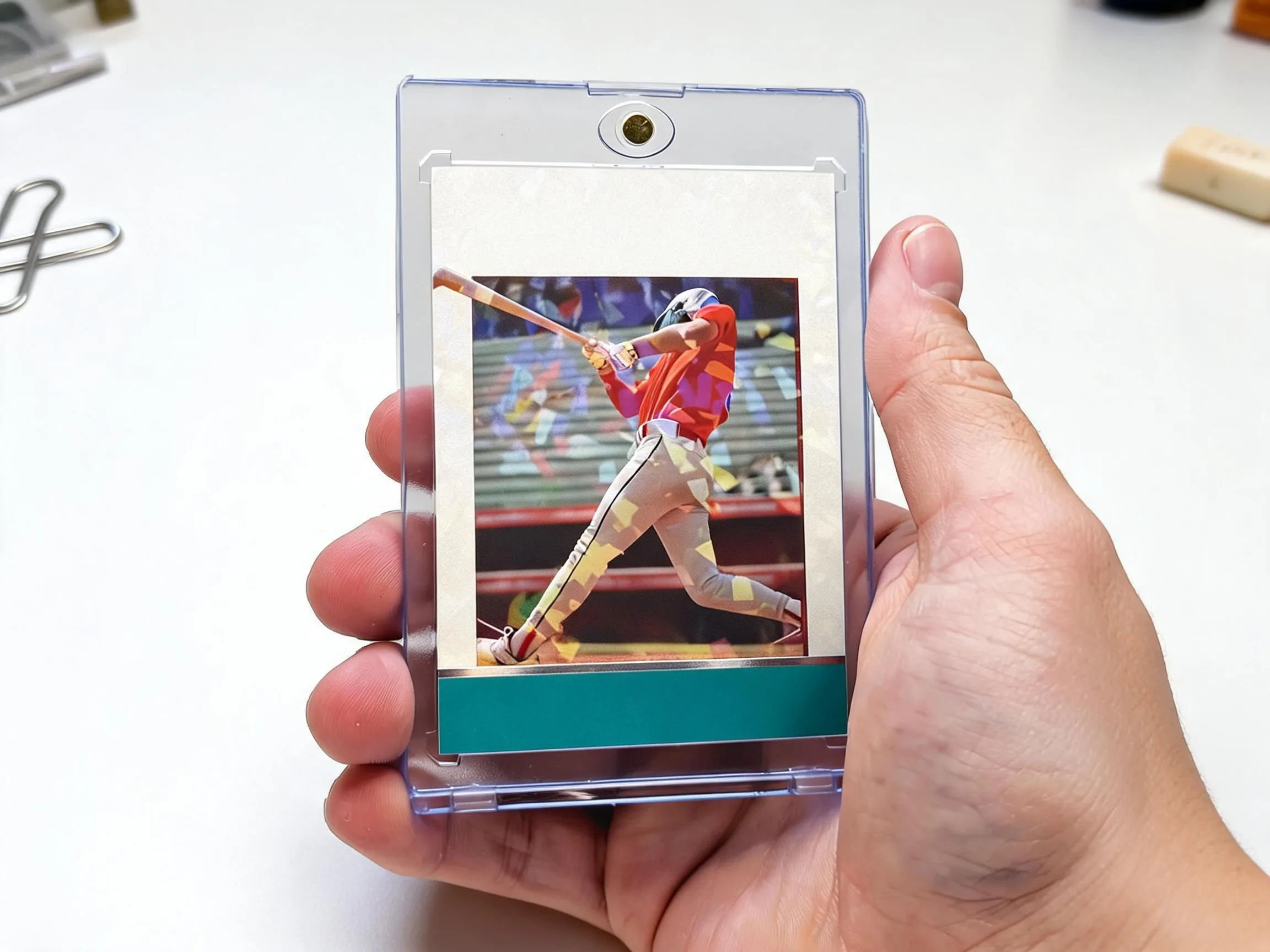
Pairing smart nutrition with genuine recognition keeps young athletes motivated from the inside out. While the right vitamins rebuild muscles and sharpen focus between practices, custom sports trading cards from Snapshot give players a tangible trophy moment — a professional-grade card featuring their own photo. It's the kind of reward that hangs on the wall, gets shared in the team group chat, and reminds a kid exactly why they work so hard every single day.
Let's break down what young athletes actually need — nutrient by nutrient, week by week.
Related Topics
We ship custom sports trading cards to youth teams, club programs, and individual athletes in all 50 states every single week from our production facility in Des Moines, Iowa.
Why the Right Vitamins Change Everything for Youth Sports Performance
Micronutrients don't just prevent deficiency — they actively drive performance gains when dosed correctly for growing athletes. Here's what the right stack actually delivers.
Faster Muscle Recovery
Magnesium and omega-3s work together to reduce delayed-onset muscle soreness after hard practices. Young athletes who recover faster train harder more consistently, which compounds over a full season. Less soreness also means fewer missed practices — and fewer missed practices means more skill development.
Stronger Bones During Growth Spurts
Vitamin D3 and calcium are essential during rapid growth phases, typically ages 10-16. Without adequate D3, calcium absorption drops sharply regardless of how much dairy a kid consumes. Stress fractures in youth sports are often traced back to unaddressed Vitamin D deficiency caught too late.
Sharper Focus and Mental Stamina
Iron deficiency is the number-one cause of mental fatigue in teen athletes. B vitamins support neurotransmitter production, keeping reaction time tight during late-game pressure situations. An athlete who's mentally sharp in the fourth quarter has a real competitive edge that no drill can fully replicate.
Immune System Resilience
Zinc and Vitamin C reduce sick days during the busiest part of the competitive calendar. Team sports environments — shared water bottles, locker rooms, travel buses — are high-exposure settings. Missing two games because of a preventable illness can derail a player's confidence for weeks.
Free to design, instant preview. Ships the next business day.
Why Parents and Coaches Trust Snapshot to Celebrate Their Athletes
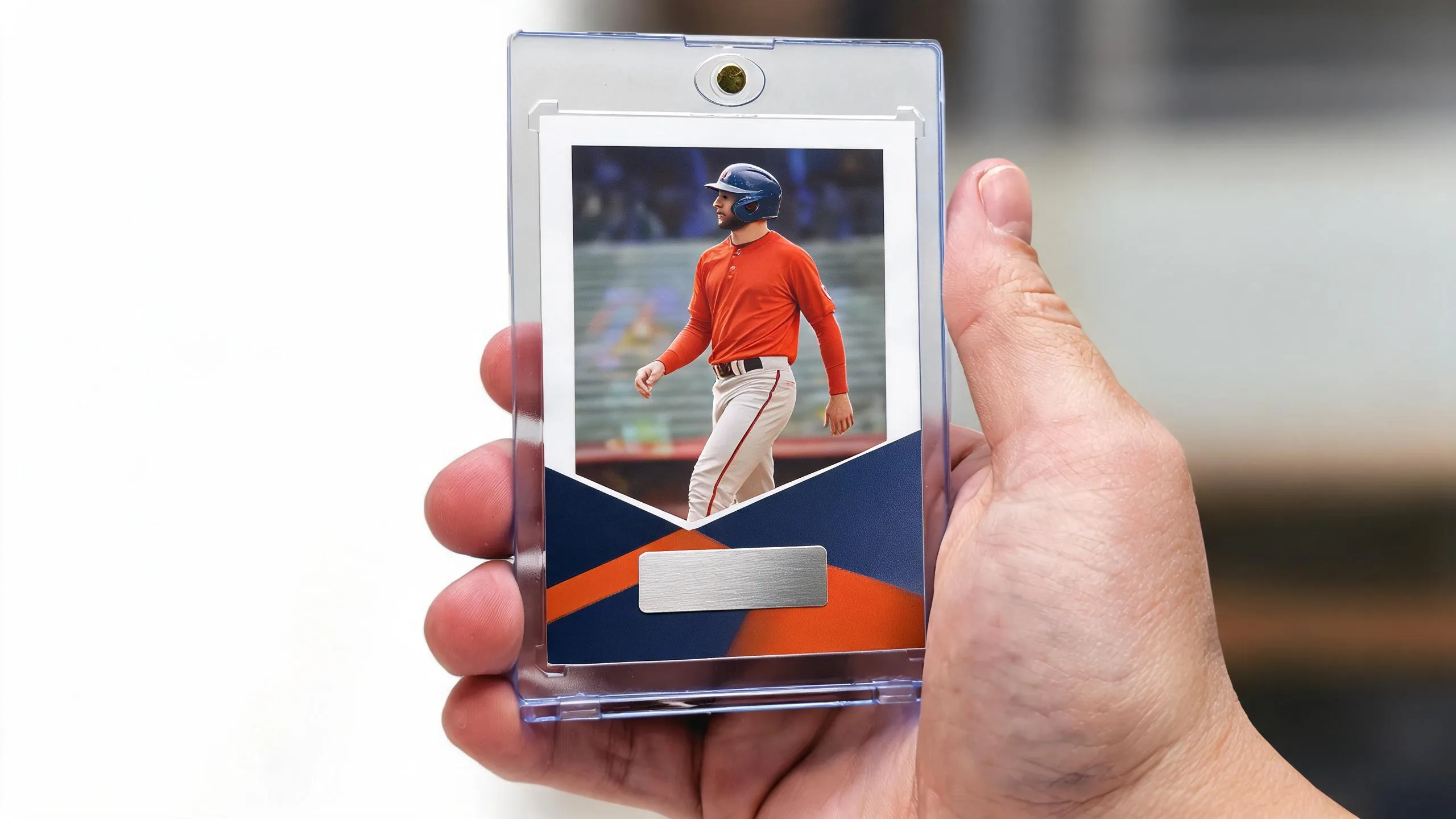
Every week, Snapshot ships custom sports trading cards to youth teams, club programs, and individual athletes across all 50 states. Parents order them after championship wins, end-of-season banquets, and milestone moments — because a professionally printed card featuring their kid's photo hits differently than a participation ribbon.
Coaches tell us repeatedly that players carry their cards in their gear bags all season long.
Best Vitamins for Young Athletes: A Season-Long Nutrition Timeline
Nutrition needs shift across a youth sports season. Targeting the right vitamins at the right time helps young athletes build, perform, and recover without burnout.
Pre-Season (Weeks 1-4): Build the Foundation
Iron, Vitamin D, and magnesium are the non-negotiables heading into training camp. Iron supports oxygen delivery to working muscles — critical when conditioning ramps up fast. Vitamin D3 combined with K2 improves calcium absorption and keeps bones resilient. Magnesium glycinate helps with sleep quality, which is when 90% of actual growth and repair happens. Get bloodwork done before the season starts so you're fixing actual deficiencies, not guessing.
In-Season (Weeks 5-16): Sustain Energy and Speed Recovery
Omega-3 fatty acids — specifically EPA and DHA from fish oil — reduce muscle inflammation after back-to-back games. B12 keeps the nervous system sharp, which matters for reaction time and coordination. Zinc supports immune function during the high-exposure weeks when teams travel and share equipment. A daily multivitamin designed for teens bridges gaps without mega-dosing any single nutrient. Consistency beats intensity here; taking vitamins daily matters more than which brand.
Post-Season (Weeks 17+): Repair and Recharge
Vitamin C and collagen peptides together support connective tissue repair after months of repeated stress. Probiotics restore gut health, which takes a hit during high-stress competition periods. This is also the right window to revisit iron and Vitamin D levels with another round of bloodwork. Athletes who recover well in the off-season come back to pre-season training stronger — not just rested. Don't skip this phase thinking the hard work is done.
Nail these three phases and young athletes show up to every new season ahead of where they left off.

5 Vitamin Mistakes Youth Sports Parents Make Every Season
Skipping bloodwork and guessing on iron
Iron supplements taken without confirmed deficiency can cause GI issues and mask other problems. Test ferritin levels first — it's a simple add-on to any annual physical.
Using adult dosing on teenage athletes
Teen bodies process and store certain nutrients differently. Choose youth or teen-specific formulations with third-party testing certifications like NSF Certified for Sport.
Buying cheap multivitamins with poor bioavailability
Oxide forms of magnesium and calcium absorb poorly. Look for glycinate, citrate, or malate forms on the label — they cost slightly more and work significantly better.
Stopping vitamins in the off-season
Vitamin D deficiency and iron stores don't auto-correct in six weeks. The off-season is the best time to rebuild depleted levels so athletes return to pre-season already ahead.
Ignoring celebration as part of athlete development
Nutrition powers the body, but recognition fuels the drive to keep showing up. A custom Snapshot trading card does more for long-term motivation than most people expect — don't underestimate it.
Best Vitamins for Young Athletes: The Full Checklist by Category
Use this checklist before buying anything. Check off what your athlete's diet already covers, then target only the genuine gaps.
- Bone & Muscle Structure
- Energy & Oxygen Delivery
- Recovery & Inflammation
- Immune & Gut Health
Which Young Athletes Need These Vitamins Most?
Not every young athlete has the same nutritional risk profile. Sport, training volume, and diet habits all shape which vitamins matter most for which player.
Multi-Sport Athletes Ages 12-17
Kids playing two or three sports across overlapping seasons face compounded recovery demands that single-sport athletes don't. Iron stores deplete faster when there's no true off-season. Magnesium and B12 are especially critical here. These athletes also skip meals more often due to packed schedules, making a high-quality teen multivitamin a practical non-negotiable rather than an optional add-on. Parents should prioritize consistent daily dosing over expensive specialty supplements.
Female Athletes in High-Intensity Sports
Adolescent female athletes face iron loss monthly in addition to the iron demands of endurance and strength training. Studies consistently show female teen athletes are far more likely to present with iron-deficiency anemia than their male counterparts. Pairing iron with Vitamin C dramatically improves absorption. Calcium and Vitamin D are equally important given the long-term bone density implications during these formative years. Annual bloodwork should be standard practice, not reactive.
Plant-Based and Picky Eaters
Young athletes avoiding meat or dairy need targeted supplementation for B12, iron, zinc, and omega-3s — nutrients concentrated in animal products. Algae-based DHA is a solid omega-3 alternative for vegetarian and vegan players. Without intentional supplementation, these athletes often hit performance plateaus that coaches and parents attribute to effort rather than nutrition. A registered dietitian familiar with youth sports can build a specific plan without overcomplicating the daily routine.
Premium Cards for Every Budget — No Minimum Orders Required
Snapshot keeps pricing straightforward so every family can celebrate their young athlete without a bulk order commitment.
Single card starting at $17.99. Card packs available up to $49.99. MEGA 11"×15" poster card at $49.99. Free shipping on all orders in the USA. Every order includes a free magnetic case. Ships from Des Moines, Iowa in 2-3 business days.
One card, one photo, one moment preserved on professional card stock — shipped fast and built to last longer than any trophy on a shelf.
Box Options
Simple, collectible pricing. No subscriptions, no hidden fees.

The Rookie Box
Perfect for those unforgettable moments
$17.99 - $49.99

MEGA Card
Their moment, bigger than ever
$49.99
Create for free • Ships the next business day • Made in Des Moines, IA, USA
Frequently Asked Questions
At what age should young athletes start taking vitamins?
Most pediatricians recommend whole-food nutrition first for children under 12, with targeted supplementation only where dietary gaps exist. Between ages 12 and 18 — especially during growth spurts — demand for Vitamin D, calcium, iron, and magnesium spikes significantly. This is when supplementation becomes more clearly beneficial for athletes in organized sports. Always consult a pediatrician or registered dietitian before starting any supplement regimen for a child under 16. Adult dosing guidelines don't apply directly to growing athletes, and getting the amounts right matters.
Is Vitamin D really that important for youth sports performance?
Genuinely, yes — and it's probably the most common deficiency in young athletes across the USA. Vitamin D regulates calcium absorption, supports muscle function, and plays a direct role in immune health. Athletes who train primarily indoors — swimmers, gymnasts, wrestlers, basketball players — are at especially high risk of deficiency year-round. Low Vitamin D correlates with higher injury rates, slower recovery, and reduced muscle strength in studies on adolescent athletes. A simple blood test reveals levels quickly. Most youth athletes need between 1,000 and 2,000 IU of D3 daily, but testing first prevents over-supplementation.
Should young athletes take protein powder or focus on vitamins first?
Vitamins and protein serve completely different functions, so this isn't really an either/or question. Most young athletes get adequate protein from whole foods if their diet includes chicken, eggs, dairy, beans, or fish. What they're more likely to be missing are micronutrients — specifically iron, Vitamin D, magnesium, and zinc. Protein powders are useful for athletes with genuinely high caloric demands who struggle to meet protein targets through meals alone. But filling micronutrient gaps delivers more measurable performance improvement for the average youth athlete than adding a protein shake to a diet that's already protein-adequate.
Can young athletes take adult multivitamins?
It's not ideal. Adult multivitamins are formulated for fully developed bodies with different metabolic needs. Some nutrients, like Vitamin A, can accumulate in the body over time and cause toxicity if dosed too high for a smaller, still-growing athlete. Teen-specific multivitamins calibrate iron, calcium, and Vitamin D for adolescent needs without over-loading nutrients that could interfere with growth hormones or development. Brands like Ritual for Teens, Olly Teen, and Nature's Way Alive Teen are formulated specifically for this age range. Read labels carefully and look for third-party testing certifications like NSF or Informed Sport.
How does iron deficiency show up in young athletes?
Iron deficiency often looks like effort problems before anyone connects it to nutrition. A previously high-performing athlete starts fading in the second half of games, complains of persistent fatigue, struggles to maintain pace in conditioning drills, or gets unusually winded during activities that used to feel easy. Headaches and difficulty concentrating in school are also common. Because these symptoms mimic overtraining or lack of motivation, coaches sometimes push harder when the athlete actually needs rest and nutritional intervention. A blood test measuring ferritin levels — not just hemoglobin — catches iron deficiency before it becomes full anemia.
Are there vitamins specifically helpful for injury recovery in teen athletes?
Yes. Vitamin C is essential for collagen synthesis, which is the structural protein in tendons, ligaments, and cartilage. Pairing Vitamin C with collagen peptides amplifies this effect, particularly for soft tissue injuries common in youth sports. Zinc accelerates wound healing and supports immune function during recovery periods. Omega-3 fatty acids reduce inflammatory markers that slow tissue repair. For bone stress injuries, Vitamin D and calcium are critical — especially if the injury itself was related to a deficiency. Recovery nutrition is often treated as an afterthought, but it directly impacts how quickly an athlete returns to play.
What's the best way to get young athletes to actually take their vitamins consistently?
Consistency is the hardest part, and the solution is almost always habit stacking — pairing the supplement with something that already happens daily without thinking. Vitamins taken with breakfast or immediately after practice have the highest compliance rates among teen athletes. Gummy formats work well for kids who resist pills, though parents should check that gummies don't exclude key nutrients like iron. Pill organizers filled on Sunday nights remove the daily decision entirely. Framing vitamins as performance tools rather than health obligations works better with teen athletes who are motivated by results and competition, not wellness messaging.
How does celebrating young athletes connect to their motivation and performance?
Recognition isn't soft — it's science-backed. Adolescent athletes who feel seen and celebrated by coaches and parents demonstrate higher practice attendance, greater effort during training, and stronger team cohesion according to youth sports psychology research. Custom sports trading cards from Snapshot tap directly into that motivational layer. A kid holding a professionally printed card with their own photo in a pro-style template has something physical to connect their identity to the sport. That kind of pride doesn't evaporate after a single trophy ceremony — it builds throughout a career.
How fast does Snapshot ship custom sports trading cards?
Every Snapshot order ships within 2-3 business days from our production facility in Des Moines, Iowa. Upload any photo, select a pro-style template, and your finished cards arrive on premium card stock with a free magnetic case included. Shipping is free throughout the USA with no minimum order — a single card ships just as fast as a full pack order. If you're ordering for an end-of-season banquet or team celebration, placing the order at least a week in advance is a smart buffer, though most orders land well within the standard 2-3 day production window.
Free to design, instant preview. Ships the next business day.






Fuel the Best Young Athletes — Then Give Them a Card Worth Keeping
You've done the hard work researching the best vitamins for young athletes. Now celebrate what that dedication looks like on the field. Upload any photo and get a custom Snapshot sports trading card printed on professional card stock — shipped free, arrives in days, and built to outlast every season.
Build Your Card NowNo credit card required | Instant preview | Pro-quality designs
Explore More Card Options
Discover more custom trading card options for every sport and occasion