
Sports Card Grading Companies — Plus Make Your Own Custom Cards
Sports card grading companies can add hundreds of dollars to a card's value — or confirm it's worth exactly what you paid.
Upload a photo of your player, pet or team, choose an available template, and preview your design before ordering a printed card.
Most collectors don't fully understand how sports card grading companies evaluate cards, what the numeric grades actually mean, or whether submitting a card is even worth the cost and wait time. PSA, BGS, SGC, CSG — the acronyms pile up fast, and the submission fees, turnaround windows, and grading scales differ significantly between them. Without a clear picture of how the process works, collectors end up overpaying for grading services, submitting cards that won't grade high, or worse, missing the point of what makes a card worth preserving in the first place.
This guide breaks down how the major sports card grading companies operate, what grades mean for value, and how to decide when grading makes sense versus when a custom-printed card from Snapshot — made from your own photo, shipped in days, and ready to display — is the smarter move for memorabilia. Whether you're building a collection or honoring a milestone, understanding your options puts you in control.
Start with the grading timeline, then we'll cover what those grades actually do to card value.
We ship custom sports trading cards to customers in all 50 states every week, from youth league parents in Iowa to adult softball teams in Florida.
Frequently Asked Questions
What are the most recognized sports card grading companies in the USA?
The four most recognized grading companies are PSA (Professional Sports Authenticator), BGS (Beckett Grading Services), SGC (Sporting Goods Company), and CSG (Certified Sports Guaranty). PSA has the largest collector base and highest submission volume. BGS is known for its detailed sub-grade system and is popular with modern card collectors. SGC has a strong reputation for vintage cards and faster turnarounds. CSG, owned by Collectors Universe, is newer but gaining traction. Each company's grades carry different weight on different resale platforms, so it's worth researching where your specific card type trades most actively before submitting.
How much does it cost to get a card graded?
Costs vary by company and service tier. PSA's economy tier starts around $25 per card with a multi-month turnaround. Express and walkthrough tiers can run $150 to $500+ per card for fast returns. BGS economy starts at similar price points, with premium tiers priced comparably. SGC tends to be slightly more affordable on standard submissions. Keep in mind you'll also pay for shipping to the grading company and back, plus any insurance you want on valuable cards in transit. For cards worth less than $100 raw, grading fees often eat into your potential profit significantly.
What does a PSA 10 grade actually mean?
A PSA 10 — called a 'Gem Mint' — is the highest grade PSA issues and represents a card with four sharp corners, clean edges, no surface scratches or print defects, and near-perfect centering (generally 55/45 or better on all sides). It's a strict standard. Even a single light scratch under strong light can drop a card to a PSA 9 or lower. In practice, high-print-run modern cards grade at PSA 10 more frequently than vintage cards, where paper quality and production standards were less consistent. A PSA 10 on a key rookie card can multiply its raw value by ten or more.
How long does the grading process take?
Turnaround times depend entirely on the service tier you select and current submission volume at the grading company. Economy tiers at PSA have historically stretched to 6–12 months during high-demand periods, though they've worked to reduce backlogs in recent years. Standard tiers typically run 30–90 business days. Express and super-express tiers can return cards in 1–10 business days but cost significantly more. BGS and SGC offer similar tier structures. Always check the company's current stated turnaround times before submitting — these numbers fluctuate with the market.
Is it worth grading a card that's not from a major sport?
It depends on the card's value and your intent. Grading companies accept cards from virtually any sport — soccer, golf, tennis, MMA, NASCAR, and more. The question is whether a graded version of your card will command enough of a premium to justify the submission cost. For non-traditional sports, collector populations are smaller, which means fewer buyers are specifically seeking graded copies. Research comparable sales on eBay before submitting. If the graded market for your card type is thin, the investment may not pay off, and a custom display piece might serve your purpose better.
Can I get a custom sports card made from my own photo instead of submitting to a grading company?
Yes — and for most personal and memorabilia purposes, a custom card is actually the better choice. Grading companies evaluate and protect cards that already exist. Snapshot lets you create a brand-new custom sports trading card from any photo you upload. Production takes one business day; shipping time is quoted at checkout for your address. It's designed for celebrating real people and real moments — not for resale, but for the kind of lasting memory that a slab in a closet can't deliver.
What happens if my card gets a low grade?
A low grade — anything below a 6 on PSA's scale — typically makes a card worth less than it would be as a raw, ungraded copy. That's because buyers now see the documented condition problem and discount accordingly. If your card grades a 4 or below, you've paid grading fees and shipping to essentially devalue it in the resale market. Some collectors choose to 'crack' low-grade slabs — removing cards from their holders — and sell them as raw copies instead. This is a real risk that's worth factoring in before you submit anything that isn't already in excellent condition.
Do grading companies grade custom or self-made cards?
No. Sports card grading companies grade commercially produced trading cards — cards manufactured and distributed by licensed companies like Topps, Panini, Upper Deck, and others. Custom cards made from personal photos, including those printed by services like Snapshot, aren't eligible for grading and aren't intended to be. They serve a completely different purpose: personal collection, gifting, team memorabilia, and celebration. Trying to submit a custom card to a grading company would result in rejection at intake. Custom cards are meant to be displayed, gifted, and enjoyed — not evaluated for resale value.
What's the difference between BGS and PSA grading?
BGS (Beckett) and PSA are the two largest grading companies, but their approaches differ meaningfully. BGS uses a sub-grade system, issuing individual scores for centering, corners, edges, and surface, which appear on the slab itself. PSA issues a single final grade. BGS's top grade is a 10 'Pristine,' which is rarer and more strictly defined than their 9.5 'Gem Mint.' PSA's 10 is their top grade. In the resale market, PSA grades tend to carry stronger price premiums on most vintage and mainstream modern cards, while BGS is popular with collectors who value detailed condition transparency and certain modern insert categories.
Are there grading companies better suited for youth or amateur sports cards?
Standard grading companies don't serve the youth or amateur sports market at all — they focus entirely on commercially licensed trading cards. If you're looking to create and preserve a card for a youth athlete, a local sports hero, or an amateur competitor, that's exactly where custom card services like Snapshot make sense. You supply the photo, Snapshot prints it on professional card stock using pro card templates, and it ships in a free magnetic case within a few days. It's the only practical way to create a genuine card for someone whose career doesn't include an official Topps release.
Free to design, instant preview. Free US standard shipping on orders $30+. Review delivery options at checkout.
How Sports Card Grading Companies Actually Work
The grading process follows a predictable four-stage path across most major companies. Knowing each stage helps you set realistic expectations before you mail anything off.
Submission and Intake
You register with a grading company — PSA, BGS, SGC, or another — select a service tier, and ship your cards with a completed submission form. Service tiers range from economy (45–90 business days) to express (1–5 business days) and vary wildly in cost. Economy tiers can run $20–$30 per card, while express jumps to $150 or more. Your cards are logged, assigned tracking numbers, and queued for grading.
Grading and Authentication
Professional graders examine each card under magnification, assessing four main attributes: centering, corners, edges, and surface. Each attribute receives a sub-grade, and the combined result produces a numeric score on a 1–10 scale (PSA, BGS) or a similar system (SGC uses a 1–100 scale). Authentication confirms the card isn't counterfeit. Cards with print defects, creases, or heavy surface wear typically score below a 7, which can limit resale value significantly.
Encapsulation and Return
Cards that pass review get sealed inside a tamper-evident plastic holder — called a slab — with the company's label, the grade number, and a certification ID. That ID lets buyers verify the grade on the company's website. Your graded cards are then shipped back, usually with tracking. BGS slabs include individual sub-grade labels on the holder itself; PSA slabs show only the final grade. Both formats are widely accepted on major resale platforms.
The whole cycle, from submission to return, can take anywhere from a week to six months depending on the service tier you choose.
Grading Companies vs. Custom Cards: Which Do You Actually Need?
| Factor | Sports Card Grading Companies | Snapshot Custom Cards |
|---|---|---|
| Purpose | Authenticate and grade existing commercial cards for resale | Create new cards from personal photos for display and gifting |
| Turnaround | 2 weeks to 6+ months depending on tier | 2–3 business days, every order |
| Cost | $20–$500+ per card plus shipping both ways | $17.99 per card, free US shipping over $30 |
| Who It's For | Collectors with high-value commercially produced cards | Athletes, families, coaches, and fans honoring real moments |
| End Result | Slabbed card with numeric grade, stored or resold | Professional card in magnetic case, displayed or gifted |
| Custom Photo | Not applicable — grades existing cards only | Yes — any photo you upload becomes a card |
What Graded Cards Actually Offer Collectors
Grading isn't just a formality — it solves specific problems that unprotected cards face over decades of handling, storage, and resale.
Verified Condition
A PSA 10 or BGS 9.5 tells every future buyer exactly what condition the card was in when it was graded. That verified benchmark removes negotiation from high-stakes resale transactions and gives both parties confidence in the card's quality without needing to inspect it in person.
Long-Term Protection
Slabs protect cards from humidity, fingerprints, and handling damage far better than standard card sleeves or binders. For vintage cards or limited-edition inserts worth significant money, that physical protection alone can justify the submission cost by preventing condition decline over years of storage.
Price Premium on Resale
High-grade cards consistently sell for multiples of their raw counterparts on eBay and PWCC. A raw 1952 Topps Mickey Mantle and a PSA 7 copy of the same card aren't even in the same pricing tier. Grading makes value transparent and defensible in a market where condition is everything.
Authentication Confidence
Counterfeiting and trimming are real problems in the vintage card market. Grading companies use trained professionals and sometimes forensic tools to detect alterations. That authentication layer matters especially for high-value purchases where a buyer can't physically examine the card before committing to four or five figures.
When Grading Makes Sense — And When It Doesn't
Grading isn't the right call for every card. Matching the decision to the card's actual purpose saves money and frustration.
High-Value Vintage or Rookie Cards
If you own a rookie card of a Hall of Famer or a key vintage card that books at $200 or more in near-mint condition, grading almost always makes financial sense. The authentication and condition verification add resale value that easily clears the submission fee. PSA and BGS are the most recognized names for these submissions, with the largest resale audiences on major auction platforms.
Modern Parallels and Short Prints
Modern hobby boxes are loaded with low-population parallels and numbered short prints that can spike in value after a player's breakout season. Submitting these to a grading company within the first few months of a card's release — before graded populations grow too large — can position you for a stronger return if the player's career trajectory continues upward. Timing matters as much as the card itself.
Personal Memorabilia and Custom Cards
Not every card belongs in a grading submission. A card made from your kid's youth league photo, a custom card honoring a coach's retirement, or a photo card from a family athlete's biggest moment — these cards aren't built for resale. They're built for display, gifting, and lasting memory. That's where Snapshot's custom sports trading cards fill a need grading companies simply don't address.
Why Collectors and Families Trust Custom Cards from Snapshot
Snapshot ships custom sports trading cards to customers across all 50 states every week — for youth athletes, adult league players, team banquets, and personal collections that celebrate real moments, not just market values. Production takes one business day; shipping time is quoted at checkout for your address. Customers return repeatedly for new seasons, new milestones, and new athletes worth celebrating.
Snapshot Pricing: No Submission Fees, No Wait Times
Unlike grading company fees that range from $20 to $150+ per card with turnaround times measured in weeks or months, Snapshot's custom cards are priced straightforwardly with free shipping included.
Single custom card starts at $17.99. Packs available up to $49.99. The MEGA poster card — an oversized 11×15-inch format — is $49.99. Free US standard shipping on orders $30+ within the USA. Cards ship in 2–3 business days.
You get a professionally printed, individually packaged custom card shipped fast — with no submission wait, no grading fees, and no uncertainty about what you'll receive.
Box Options
Simple, collectible pricing. No subscriptions, no hidden fees.
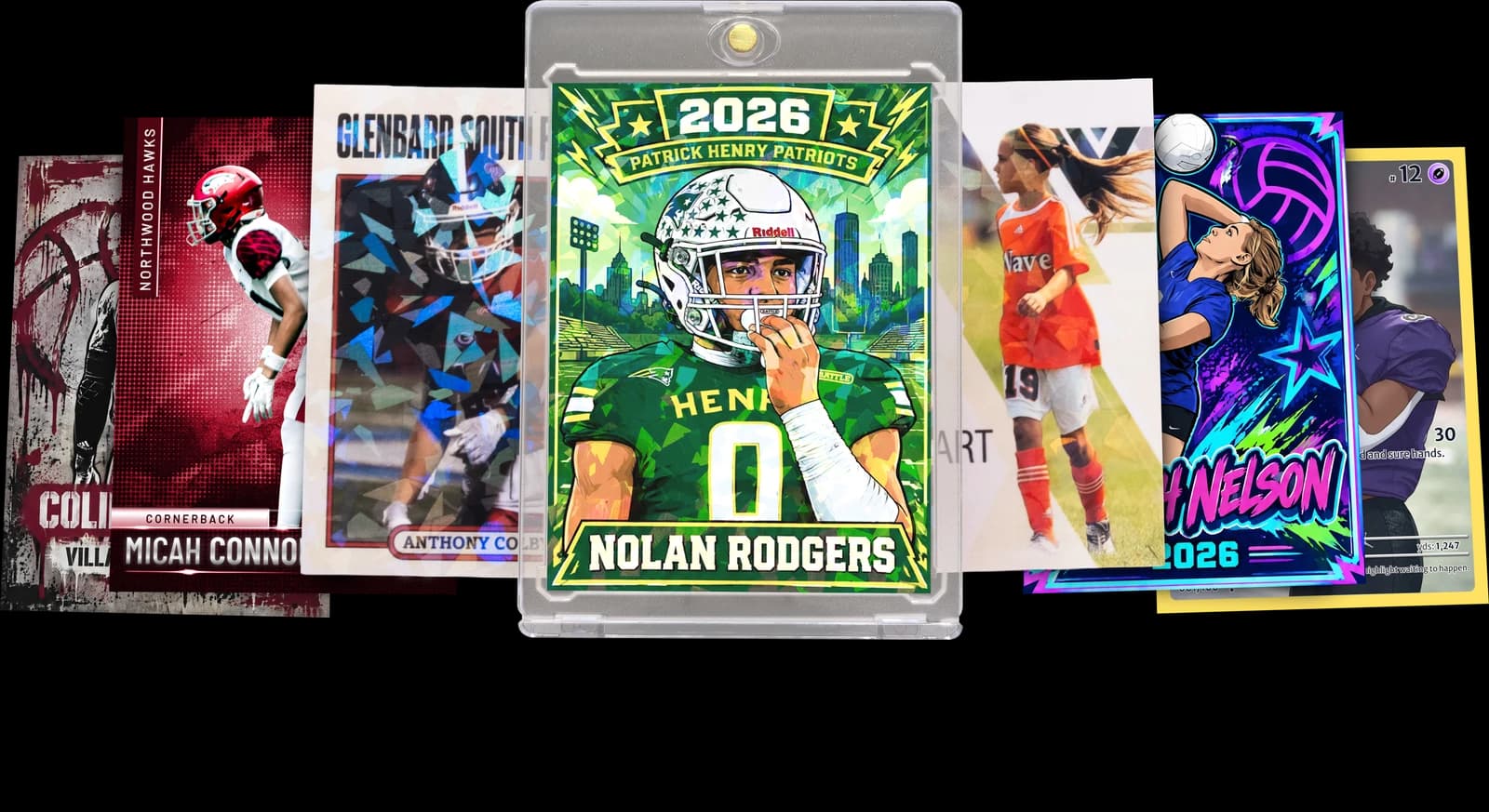
The Rookie Box
Perfect for those unforgettable moments
$17.99 - $49.99
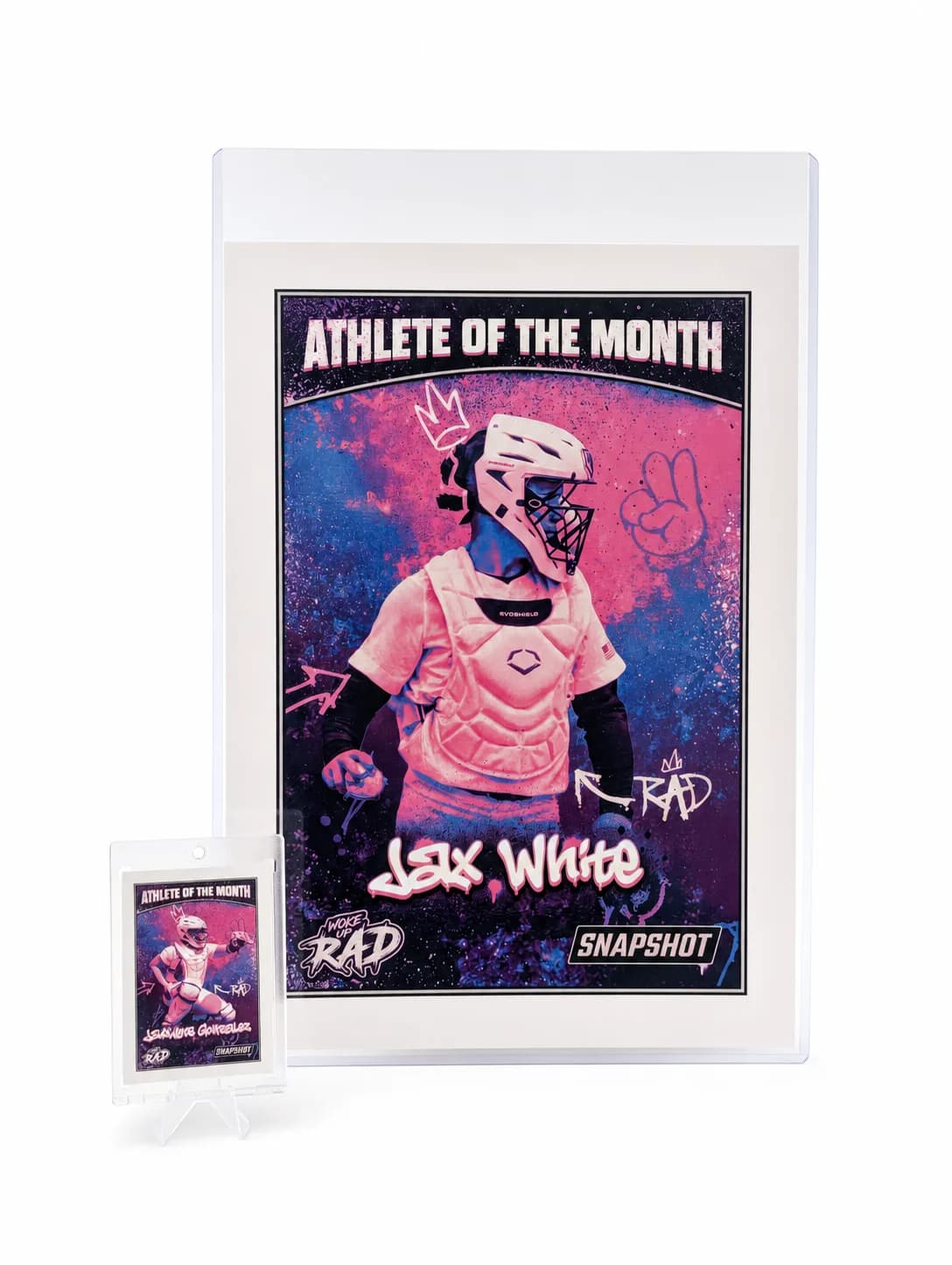
MEGA Card
Their moment, bigger than ever
$49.99
Create for free • Ships the next business day • Made in Des Moines, IA, USA

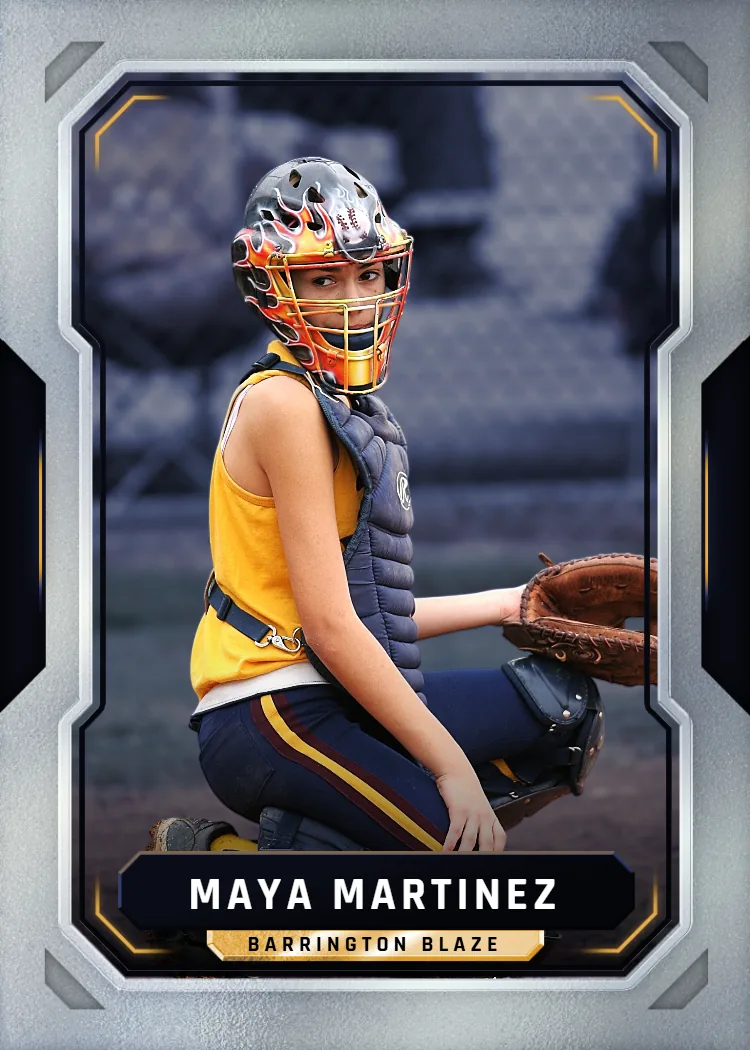




Skip the Grading Line — Build Your Own Card Today
You don't need to navigate sports card grading companies to own a professional-quality card. Upload any photo, pick a template, and Snapshot prints and ships your premium custom card in 2–3 business days with free US shipping over $30 and a magnetic case included.
Build Your Card NowNo credit card required | Instant preview | Pro-quality designs
Explore More Card Options
Discover more custom trading card options for every sport and occasion
card grading
View card options →
card grading companies
View card options →
sports cards graded
View card options →
card grading services
View card options →
sports card grading
View card options →
trading card grading
View card options →