
Sports Nutrition for Young Athletes: Fuel & Celebrate
A tired kid at halftime isn't lazy. They're probably under-fueled, and that's a fixable problem.
Upload any photo — your kid, your pet, your whole team — pick a pro template, and we print and ship a real, holdable card the next business day.
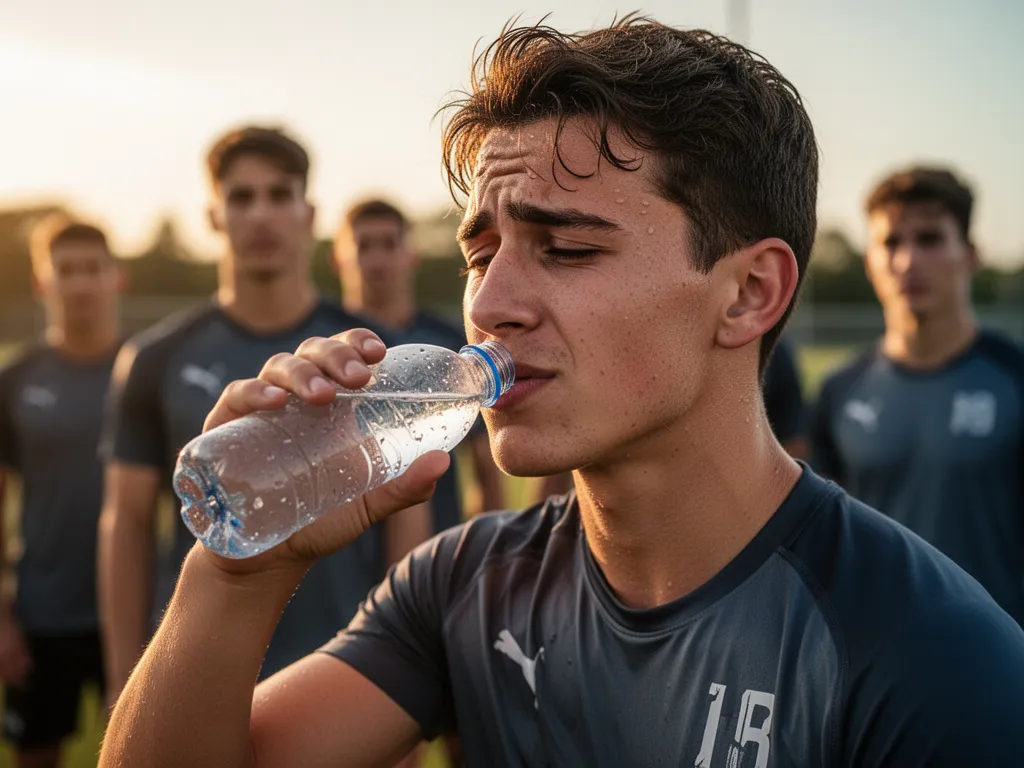
Sports nutrition for young athletes gets overlooked more than it should. Parents focus on practice schedules, equipment, and game day logistics — and somehow the plate at dinner gets filled with whatever's fast. But a 10-year-old running drills for 90 minutes burns through glycogen quickly. Without the right carbohydrates, protein, and hydration, performance drops, recovery slows, and the love of the sport can quietly fade. Young bodies aren't small adult bodies. Their nutritional needs during training are distinct, and generic advice doesn't cut it.
The good news: building a solid nutrition foundation for young athletes doesn't require a sports dietitian on speed dial. It starts with understanding what fuels performance versus what just fills a stomach. This page breaks down practical, specific guidance on timing, food choices, hydration, and recovery — everything a youth athlete's support team needs to keep them playing strong all season. And when their hard work pays off on the field, Snapshot lets you celebrate that moment with a custom sports trading card that looks genuinely professional.
Let's start with the real nutritional picture — what young athletes actually need before, during, and after competition.
Related Topics
We ship custom trading cards to youth sports teams and families in all 50 states every single week, and we see firsthand how much these cards mean to the athletes who earn them.
Why Getting Sports Nutrition Right Changes the Season
Proper nutrition isn't just about performance peaks. It shapes how a young athlete feels, recovers, and grows across an entire season.
Sustained Energy Through Full Practices
Carbohydrates stored as glycogen in muscles are the primary fuel for high-intensity youth sports. Athletes who eat well before training maintain effort levels through the final drill. Those who don't fade visibly in the last 20 minutes — and coaches notice. Consistent fueling means consistent quality reps across every session.
Faster Recovery Between Games
Tournament weekends test recovery more than any single game does. Young athletes eating adequate protein — roughly 0.5-0.7 grams per pound of body weight daily — repair micro-tears in muscle faster. That means less soreness on day two, better movement quality, and a mental edge that comes from simply feeling good.
Stronger Bone and Muscle Development
Ages 8-18 represent a critical window for bone density and lean muscle formation. Calcium, vitamin D, and protein aren't optional extras — they're building materials. Dairy, leafy greens, eggs, and lean meats during these years contribute to a physical foundation that supports athletic performance well into high school and beyond.
Better Focus and Competitive Mindset
The brain runs on glucose. A young athlete who arrives at a competition underfed or dehydrated is fighting a mental battle before the whistle blows. Stable blood sugar through smart pre-game meals improves concentration, reduces irritability, and supports the calm focus that coaches spend years trying to teach.
Free to design, instant preview. Ships the next business day.

Why Families and Coaches Trust Snapshot for Team Celebrations
Parents across all 50 states have used Snapshot to turn a great season photo into a professional-quality sports trading card their athlete genuinely treasures. Youth coaches order custom cards at end-of-season banquets because they create a lasting, tangible memory that a participation ribbon can't match.
The combination of a real photo, pro card templates, and fast shipping makes it easy to recognize hard work in a way that sticks.
What Does Sports Nutrition for Young Athletes Actually Look Like?
Three calories a day isn't a nutrition plan — timing and composition matter just as much as quantity. Here's how to structure fueling across a training day.
Pre-Activity Fueling: 1-3 Hours Before
A young athlete heading into practice needs carbohydrates for quick energy and a moderate amount of protein to protect muscle. Think: whole-grain toast with peanut butter, a banana, or a bowl of oatmeal with fruit. Heavy fat or fiber slows digestion and can cause cramps. The goal is a comfortable stomach and steady blood sugar by the time warmups start. Don't skip this window — it's the single biggest performance lever most youth athletes aren't using.
During Activity: Hydration and Quick Carbs
Water is the default for activities under 60 minutes. For longer sessions or hot conditions, a diluted sports drink provides electrolytes without excess sugar. Every 15-20 minutes of activity warrants a water break. For events exceeding 90 minutes — tournaments, long track meets, multi-game days — small carbohydrate snacks like orange slices, a banana half, or crackers keep energy from crashing mid-competition. Dehydration of even 2% body weight measurably reduces coordination and focus.
Post-Activity Recovery: The 30-Minute Window
Muscles are most receptive to repair nutrients within 30 minutes after intense activity. A combination of carbohydrates to replenish glycogen and protein to rebuild muscle fibers is the target. Chocolate milk is a well-researched recovery option — it hits the right carb-to-protein ratio and kids actually drink it. Greek yogurt with fruit, a turkey wrap, or eggs with toast all work. Skipping this window means slower muscle recovery and more soreness at the next practice.
Consistency across all three phases — not perfection in any one — is what builds a resilient, well-fueled young athlete.
Common Sports Nutrition Mistakes Youth Athletes Make
These come up constantly across youth sports programs nationwide. Recognizing them is the first step to correcting them.
Eating nothing before an early-morning game
Even a small snack — banana, granola bar, or toast — is better than competing fasted. Prepare it the night before to eliminate morning friction.
Relying on energy drinks for a pre-game boost
Energy drinks aren't designed for young athletes. A whole-food carbohydrate snack and consistent hydration delivers real, safe energy without the caffeine risk.
Skipping the post-practice meal because it's late
The recovery window doesn't care about the clock. A glass of chocolate milk and a handful of crackers takes three minutes and meaningfully accelerates muscle repair.
Drinking only when thirsty during practice
Thirst is a late-stage dehydration signal in kids. Scheduled water breaks every 15-20 minutes during practice keep athletes consistently hydrated before thirst arrives.
How Youth Sports Teams Are Applying These Nutrition Principles
Every youth sport has its own physical demands. Here's how sports nutrition for young athletes translates across different competitive contexts.
Weekend Tournament Teams
Multi-game tournament days are where nutrition planning earns its paycheck. Families who pack a cooler with chocolate milk, bananas, turkey sandwiches, and water bottles give their athletes a measurable edge between games. Coaches on tournament-heavy teams report that players who eat consistently across a full day show noticeably better effort and fewer errors in game three versus game one. Planning the cooler is part of the preparation.
After-School Practice Athletes
A kid who finishes school at 3:00 PM and hits practice at 4:30 has about 90 minutes to eat something useful. A granola bar and a handful of grapes in the car isn't glamorous, but it works. The after-school snack window is one of the most impactful and most-missed nutrition opportunities in youth sports. Packing it intentionally — rather than grabbing whatever's available — takes five minutes and makes a real difference in practice quality.
Young Athletes in Heavy Training Blocks
When a youth athlete trains 5-6 days a week during a competitive season, their caloric and nutrient needs increase significantly. This isn't the time to worry about eating 'too much.' Under-fueling during heavy training leads to fatigue, elevated injury risk, and slower improvement. Coaches and parents should actively encourage larger portions of whole grains, lean protein, and fruits and vegetables — and make sure athletes aren't skipping breakfast on training days.
Snapshot Pricing: Custom Cards That Fit Any Team Budget
Whether you're recognizing one standout player or celebrating an entire roster, Snapshot has a format that works.
Single custom card starts at $17.99. Card packs range up to $49.99. The MEGA 11×15 poster card is $49.99 — a wall-worthy keepsake. Free shipping on every order across the USA. Cards ship in 2-3 days from Des Moines, Iowa.
A custom Snapshot card is a permanent, physical record of a season of hard work, better nutrition, and real athletic growth — and it costs less than a pair of practice socks.
Box Options
Simple, collectible pricing. No subscriptions, no hidden fees.

The Rookie Box
Perfect for those unforgettable moments
$17.99 - $49.99

MEGA Card
Their moment, bigger than ever
$49.99
Create for free • Ships the next business day • Made in Des Moines, IA, USA
Frequently Asked Questions
What are the best pre-game snacks for youth athletes?
The best pre-game snack balances easily digestible carbohydrates with a small amount of protein, eaten 1-2 hours before competition. Good options include a banana with almond butter, a small bowl of oatmeal with berries, whole-grain crackers with turkey slices, or a smoothie made with fruit and Greek yogurt. Avoid high-fat or high-fiber foods right before activity — they slow digestion and can cause stomach discomfort. Keep portions moderate; the goal is topped-off energy stores, not a full stomach. Experiment during practice days, not on game day, to find what works best for each individual athlete.
Should young athletes drink sports drinks or just water?
Water is the right choice for most youth sports activities under 60 minutes. For longer sessions, hot and humid conditions, or multi-game tournament days, a sports drink that provides electrolytes and carbohydrates becomes more useful. Look for options lower in added sugar, or dilute a standard sports drink 50/50 with water to reduce the sugar load. Avoid energy drinks entirely — they're not designed for young athletes and contain caffeine and stimulants that are inappropriate for developing bodies. Teaching kids to drink water consistently throughout the day, not just during practice, builds the best hydration habits long term.
Is protein powder safe for young athletes?
Most youth athletes don't need protein powder if they're eating a balanced diet with regular meals and snacks. Whole-food sources — eggs, chicken, fish, dairy, beans, and Greek yogurt — provide protein alongside other nutrients that isolated powders don't. For teenagers with high training volumes who genuinely struggle to meet protein needs through food alone, a simple whey or plant-based protein powder in a smoothie can be a practical tool. That said, supplements in this category aren't regulated like food, and quality varies significantly. Always consult a pediatrician or registered dietitian before adding any supplement to a young athlete's routine.
What should a young athlete eat on the morning of a big competition?
Competition-day breakfast should be familiar, carbohydrate-forward, and eaten at least 2-3 hours before game time. Classic options that work well: oatmeal with fruit and a glass of milk, eggs on whole-grain toast, or a whole-grain waffle with peanut butter and a banana. Avoid introducing new foods on competition morning — stick with what the athlete knows their stomach handles well. Portion size should be satisfying but not heavy. Pair the meal with consistent water intake from the moment they wake up. A well-fueled, well-hydrated start sets the mental and physical tone for the entire event.
How do I get a picky young athlete to eat better?
Forcing new foods rarely works with kids — it usually creates resistance and stress around eating. Instead, frame nutrition choices around performance: 'This helps your legs feel strong in the second half' lands better than 'it's healthy.' Involve athletes in simple food preparation — kids who help make something are more likely to eat it. Expand their palate gradually by pairing new foods alongside favorites rather than replacing them. Keep high-quality snacks visible and accessible at home. A well-stocked fruit bowl beats a locked cabinet. Consistency over weeks builds habits; don't expect overnight transformation from a single conversation about nutrition.
Can poor nutrition cause sports injuries in young athletes?
Under-fueling and nutritional deficiencies genuinely increase injury risk in youth athletes. Inadequate caloric intake is associated with stress fractures, particularly in female athletes — a pattern sometimes called Relative Energy Deficiency in Sport (RED-S). Low calcium and vitamin D intake weakens bone density during a critical developmental window. Dehydration reduces joint lubrication and slows neuromuscular response time, making acute injuries more likely. Protein deficiency impairs the muscle repair that prevents overuse injuries from accumulating. None of this is meant to alarm parents — it's meant to make clear that nutrition is a real part of injury prevention, not just a performance variable.
How does hydration affect youth athletic performance?
Even mild dehydration — as little as 2% of body weight lost through sweat — measurably reduces physical and cognitive performance in young athletes. Reaction time slows, coordination drops, and perceived effort increases, which means the same drill feels harder than it did fully hydrated. Kids don't self-regulate fluid intake as reliably as adults do; they need adults to build structured water breaks into practice. A good baseline: 16-20 ounces of water 1-2 hours before activity, regular sips during practice or competition, and enough afterward to restore what was lost. Urine color is a simple monitoring tool — pale yellow means well-hydrated.
What role do fruits and vegetables play in a youth athlete's diet?
Fruits and vegetables supply the micronutrients — vitamins, minerals, and antioxidants — that support every system involved in athletic performance. Iron from leafy greens supports oxygen transport. Potassium in bananas and sweet potatoes helps prevent muscle cramps. Antioxidants in berries and colorful vegetables reduce exercise-induced inflammation, supporting faster recovery. Athletes who eat a wide variety of produce across the week are consistently better nourished than those relying on supplements alone. Aiming for a colorful plate — not any specific superfood — is a practical and effective goal. Frozen vegetables count just as much as fresh.
How can Snapshot cards be used to celebrate a season of hard work?
At the end of a tough season — one that required early mornings, real discipline, and the kind of physical effort that good nutrition supports — a custom Snapshot trading card is a tangible way to mark that achievement. You upload any photo of the athlete, choose from professional sports card templates, and we print and ship a premium card to your door in 2-3 business days. Single cards start at $17.99, packs go up to $49.99, and the MEGA poster card at 11×15 inches makes a genuine wall piece. Every order ships free across the USA.
Free to design, instant preview. Ships the next business day.


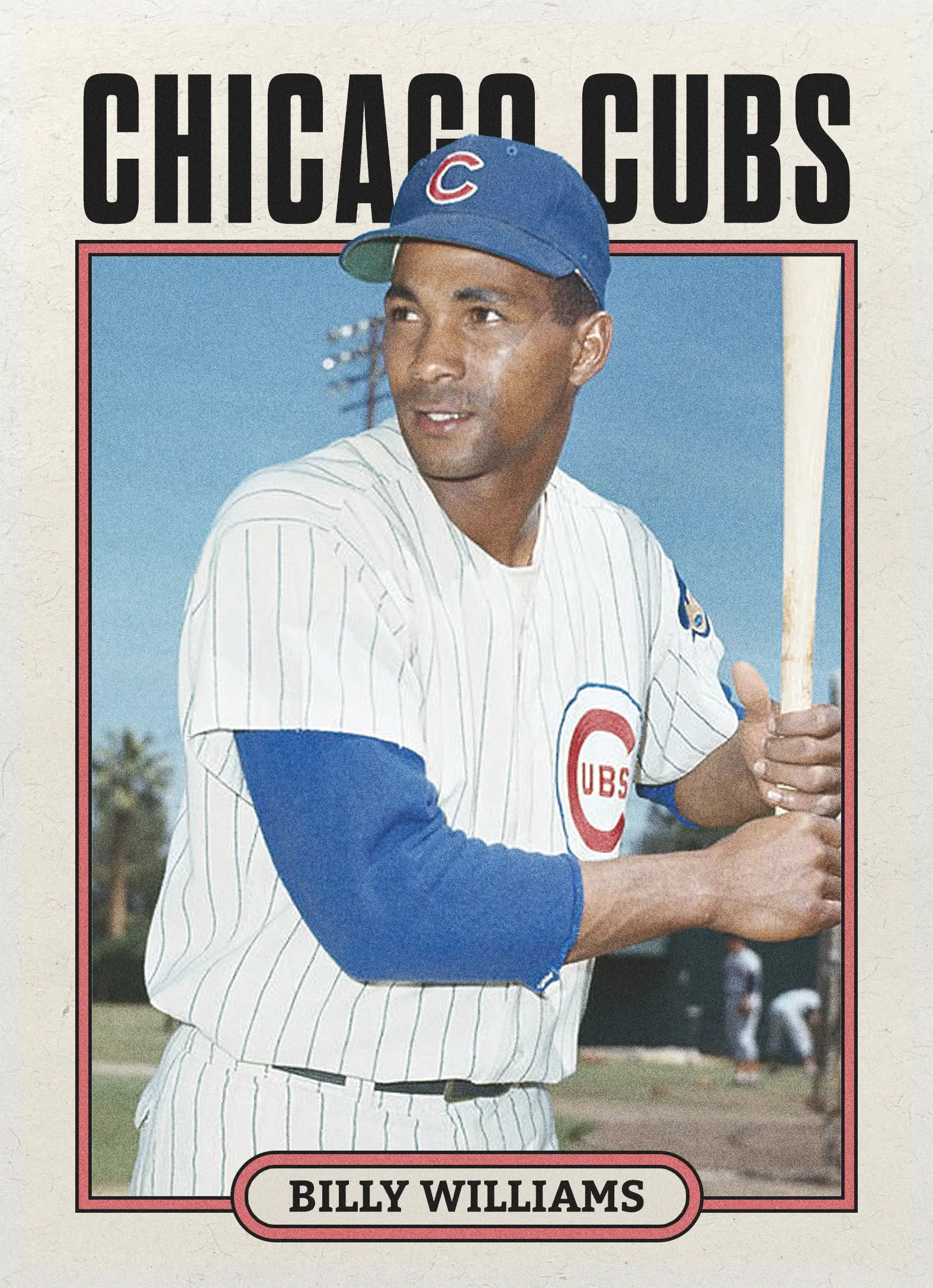



Celebrate the Athletes Living These Sports Nutrition Principles Every Day
All that early-morning prep, post-practice recovery, and disciplined fueling deserves more than a handshake at the end of the season. Turn your athlete's best photo into a professional custom trading card. Free shipping, 2-3 day delivery, made in the USA.
Build Your Card NowNo credit card required | Instant preview | Pro-quality designs
Explore More Card Options
Discover more custom trading card options for every sport and occasion