
Sports Photography Tips That Make Cards Worth Keeping
Great sports photography tips aren't about owning expensive gear — they're about knowing exactly where to stand and when to press the shutter.
Upload any photo — your kid, your pet, your whole team — pick a pro template, and we print and ship a real, holdable card the next business day.
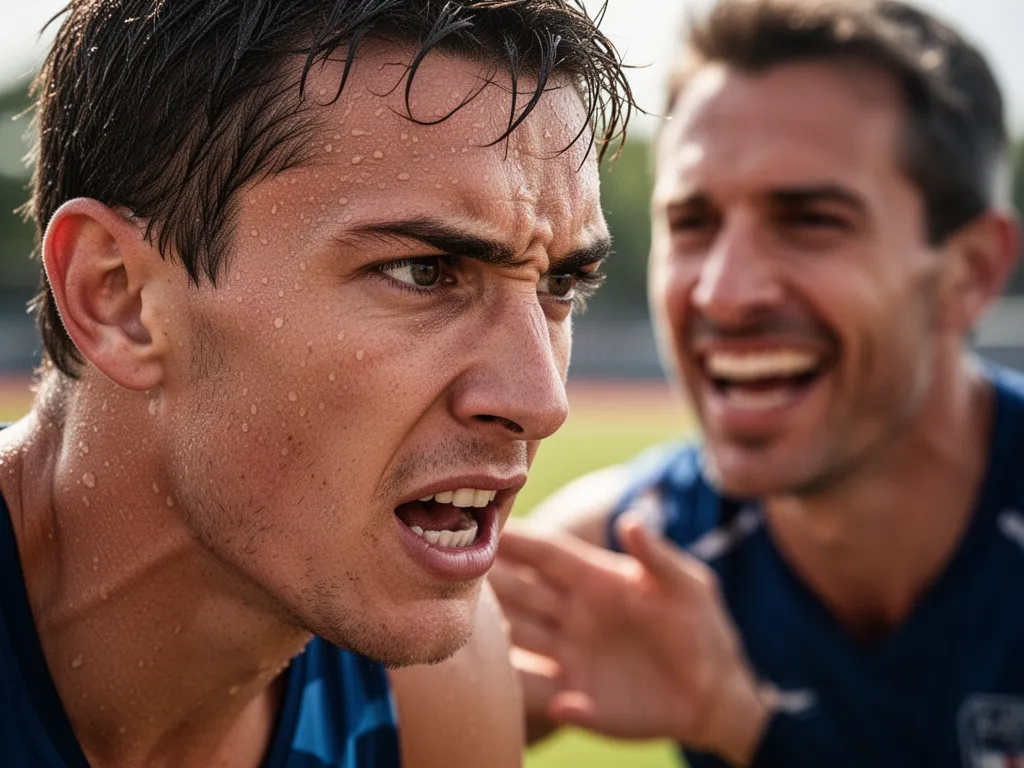
Most sports photos blur at the wrong moment, catch bad light, or frame the athlete awkwardly. The result? Memories that don't look like memories. You watched a jaw-dropping play, but the photo shows a smear of motion and a crowded background. Parents, coaches, and fans deal with this constantly — especially those shooting from bleachers with a phone or entry-level camera. Without a few foundational techniques, even the best athletic moments end up as forgettable thumbnails nobody saves.
A handful of deliberate adjustments — shutter speed, burst mode, angle, and lighting awareness — separate blurry snapshots from frame-worthy images. Once you've got a sharp, well-composed shot, Snapshot lets you upload it directly and turn it into a professional custom trading card, printed on premium card stock and shipped anywhere in the USA in 2–3 days. The photo does the heavy lifting. We handle the rest.
Here's how to get that photo right the first time, every time.
We ship custom trading cards to athletes, parents, and coaches in all 50 states every week from our production facility in Des Moines, Iowa — and we see firsthand which photo qualities produce the sharpest, most striking finished cards.
Why Sharper Photos Produce Better Cards
Every technical improvement you make to a sports photo pays double dividends — better images stand on their own, and they produce dramatically better printed cards.
Detail That Holds at Card Scale
Trading cards are small, which means blurry areas become unreadable smears. A sharp image captured at high shutter speed preserves jersey numbers, facial expressions, and equipment details that make a card feel authentic rather than generic.
Colors That Pop Off the Card
Proper exposure in your original photo — not blown-out highlights or crushed shadows — gives our printing process the data it needs to reproduce accurate team colors. Correctly exposed jerseys, helmets, and fields look vibrant and true on premium card stock.
Emotional Compositions Worth Framing
Low angles, tight framing, and decisive timing produce images with a storytelling quality. A card featuring an athlete mid-stride or mid-swing carries energy. That energy is what makes someone actually keep a card rather than set it aside.
Versatility Across Every Sport
These sports photography tips apply whether you're shooting youth soccer, high school wrestling, adult recreational softball, or marching band competitions. The principles of shutter speed, burst mode, and light management transfer across every athletic discipline.
Free to design, instant preview. Ships the next business day.
Why Snapshot Cards Resonate With Athletes Across the Country
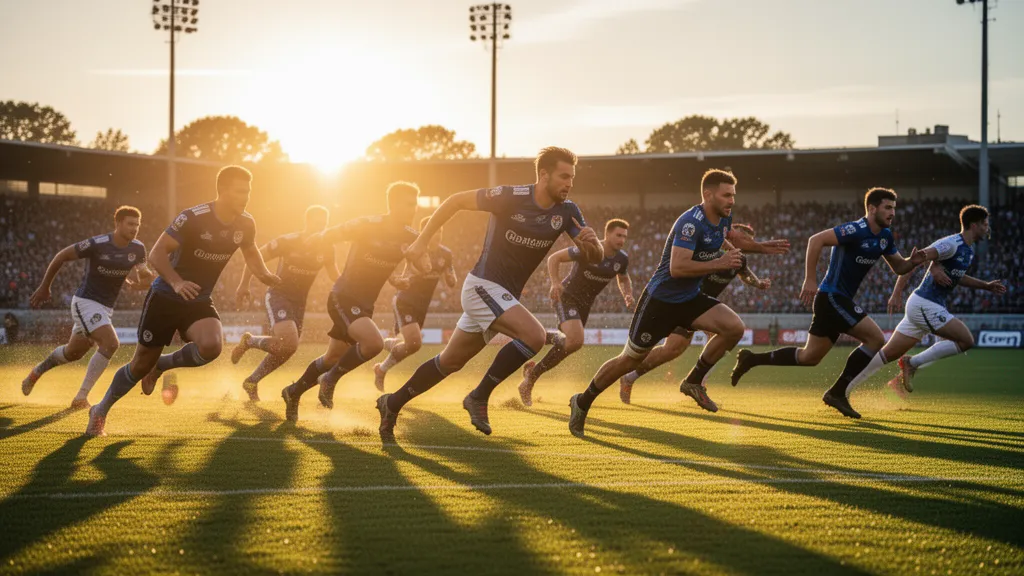
Snapshot ships custom cards to all 50 states every week, and the orders we see most often aren't from professional leagues — they're from youth teams, adult recreational leagues, and individual athletes who just want something real to hold. The combination of a sharp personal photo and a professional card template creates something that feels genuinely earned.
That's what keeps people coming back for pack orders and MEGA poster cards for the same athlete season after season.
How Good Sports Photography Tips Translate Into a Real Trading Card
Getting a great action shot is step one. Turning it into something tangible — something a kid actually wants to hold — takes about five minutes on Snapshot's platform.
Capture the Moment Using Proven Techniques
Apply the specific sports photography tips below — fast shutter speed, burst mode, and low angle positioning — to get a sharp, well-lit image of your athlete. You don't need a professional camera. A modern smartphone set to Sport or Action mode produces results that print beautifully at trading card dimensions.
Upload Your Photo and Choose a Template
Visit Snapshot's website, upload your favorite shot, and browse pro-style card templates designed to look like the real thing. Templates cover multiple sports layouts and aesthetic styles. The platform previews exactly how your image will fill the card before you commit — no guessing, no surprises when the package arrives.
We Print, Package, and Ship It Fast
Every card is printed in Des Moines, Iowa, on professional card stock with vibrant ink that holds detail in the highlight and shadow areas of your photo. Orders ship in 2–3 days with free shipping across the USA. Each card arrives with a complimentary magnetic case — no extra fee, no upsell.
Three steps from shutter click to a card in your hands. That's the full loop.
Myth vs. Fact: Common Sports Photography Beliefs Tested
MythYou need an expensive DSLR to get card-quality sports photos.
FactModern flagship smartphones in Sport mode produce images sharp enough for trading cards. Technique — shutter speed and burst mode — matters more than camera cost.
MythMore megapixels always means a better sports photo.
FactA 50-megapixel blurry image is worse than a 12-megapixel frozen one. Shutter speed and motion control determine card print quality, not raw megapixel count.
MythIndoor gym lighting is fine if the exposure looks correct.
FactCorrect exposure under fluorescent gym lights often requires a slower shutter speed, causing motion blur. Raise ISO and accept minor grain to keep shutter speed fast enough to freeze athletes.
MythZoom in as close as possible for action shots.
FactDigital zoom degrades image quality significantly. Get physically closer instead, or use optical zoom only. The resulting sharpness translates directly to a better-looking finished card.
Pre-Game Photo Checklist: 8 Things to Verify Before You Shoot
- Shutter speed set to 1/1000s or faster (or Sport/Action mode active)
- Burst mode enabled on your device
- Lens or camera glass wiped clean
- Storage cleared — enough space for burst sequences
- Positioned at athlete eye level or lower
- Background assessed — avoid cluttered or distracting elements directly behind subject
- Light source identified — know where sun or overhead lights are hitting the athlete
- Phone battery above 50% — burst mode drains power faster than standard shooting
Who Actually Uses These Sports Photography Tips With Snapshot
The people ordering custom cards aren't always professional photographers. They're parents, coaches, and athletes who got one great shot and wanted to do something real with it.
Parents Documenting Youth Athletes
A parent shooting a youth lacrosse game from the sideline with a phone can get a usable card-quality image by switching to burst mode and crouching below shoulder height. That single adjustment changes everything. Upload the best frame to Snapshot and you've got a personalized card that means infinitely more than a participation ribbon.
Coaches Recognizing Player Milestones
Coaches at every level — rec leagues, middle school, high school varsity — use Snapshot cards as end-of-season recognition gifts. A coach who already has team photos can apply basic cropping and contrast adjustments, upload the result, and order individual cards for each player. It's a concrete, lasting form of recognition that athletes actually remember.
Athletes Creating Personal Keepsakes
College club sport athletes, adult league players, and competitive individuals who want a physical record of their career use Snapshot to create their own cards. With a tripod, a teammate willing to shoot, and a few burst sequences, any athlete can generate card-quality action shots without a professional photographer anywhere near the field.
What a Custom Sports Card Actually Costs
Snapshot pricing is straightforward — no subscriptions, no design fees, no surprise charges at checkout.
Single card starts at $17.99. Pack options run up to $49.99. The MEGA 11×15 poster card is $49.99 and ships with a magnetic case included. Free shipping on all USA orders.
For less than a decent dinner out, an athlete gets a professionally printed card featuring their own photo — shipped in 2–3 days from Des Moines, Iowa.
Box Options
Simple, collectible pricing. No subscriptions, no hidden fees.
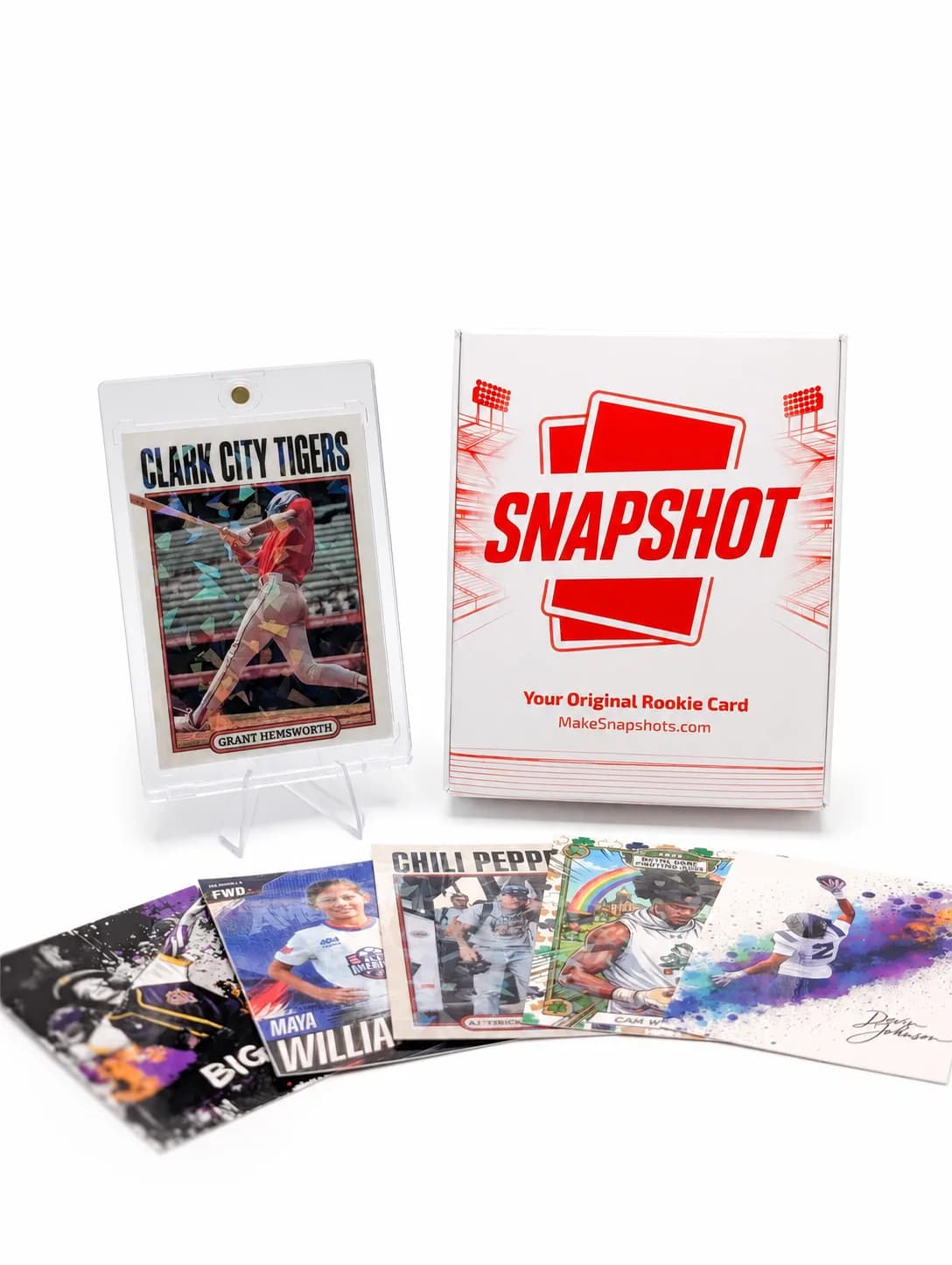
The Rookie Box
Perfect for those unforgettable moments
$17.99 - $49.99
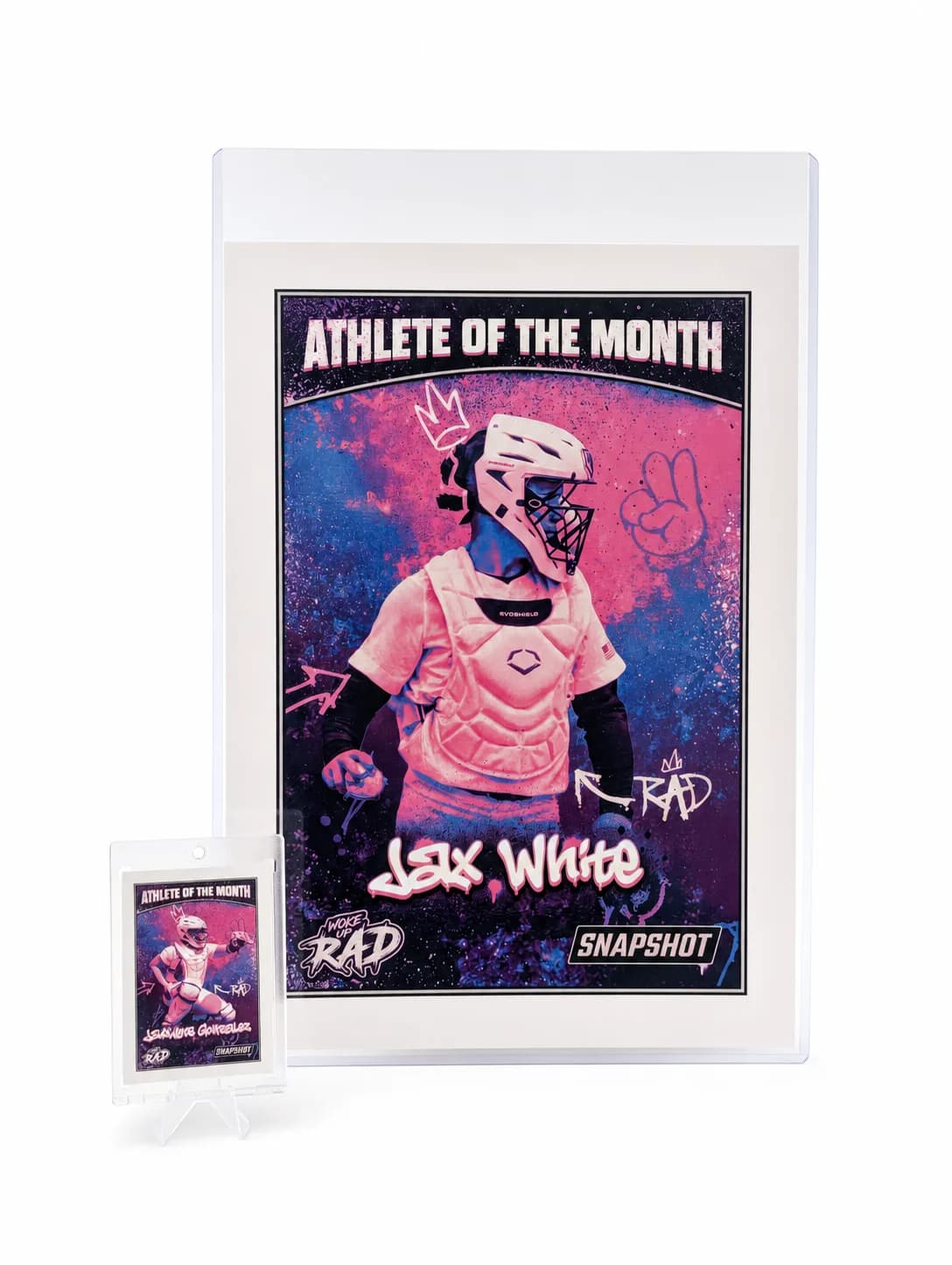
MEGA Card
Their moment, bigger than ever
$49.99
Create for free • Ships the next business day • Made in Des Moines, IA, USA
Frequently Asked Questions
Can I use a smartphone photo for a Snapshot card?
Yes, and many of our best-looking cards start as smartphone photos. Modern phones — particularly recent flagship models — shoot in high enough resolution to produce sharp, detailed trading cards. The key is using burst mode to capture peak action moments, keeping the lens clean, and shooting in good natural light when possible. Avoid extreme digital zoom; instead, try to get physically closer to the athlete. A well-lit, in-focus smartphone photo will look excellent on premium card stock.
What's the biggest mistake people make when photographing sports?
Using too slow a shutter speed and shooting from standing height. Slow shutter speed is the primary cause of motion blur in sports photos — the athlete moves faster than the sensor can freeze. Shooting from standing height flattens perspective and makes athletes look smaller and less dynamic. Crouch down, get to eye level or lower, and prioritize shutter speed above everything else. These two adjustments alone account for the most dramatic improvement in sports photo quality across every discipline.
Does burst mode actually make a difference?
Consistently, yes. Burst mode captures 8–20 frames per second depending on your device, which means you're sampling action continuously rather than guessing at a single decisive moment. From a burst sequence of 15 frames, there's almost always one where the athlete's face is visible, the ball is in frame, and motion is frozen perfectly. That's the frame you upload to Snapshot. Without burst mode, you're relying on reflexes alone, and even experienced photographers miss critical moments that way.
How important is lighting for sports photos that become trading cards?
Lighting is the single factor that most affects card quality after shutter speed. Outdoor midday sun can create harsh shadows across a face, while overcast light produces even, flattering illumination that's easier to work with. Indoor gyms are the hardest environment — fluorescent lights create color casts and force slower shutter speeds. If you're shooting indoors, raise your ISO as high as your device allows before you reduce shutter speed. Preserving shutter speed even at the cost of some grain produces better cards than blurry, correctly exposed photos.
What framing works best for a trading card photo?
Vertical framing with the athlete's body filling roughly 60–70% of the frame works best for standard card dimensions. Leave some space at the top of the frame — card templates often place the athlete's name or a design element there. Avoid cutting off feet or hands awkwardly at the edges. The most effective sports card photos show the athlete in a recognizable action position — mid-swing, mid-catch, mid-stride — with enough context around them to read as a sport, not just a person.
How do I get a sharp photo of fast-moving athletes?
Three things working together: fast shutter speed (at minimum 1/1000s), burst mode to maximize frame selection, and pre-focusing on a zone rather than tracking. Zone focusing means setting your camera's focus point on a spot where the action will happen — home plate, a goal, a finish line — rather than continuously tracking a moving subject. As the athlete enters that zone, fire your burst. This technique is especially effective for predictable sports moments like batting, jumping, or turning a corner.
What file format or resolution do I need to upload to Snapshot?
Snapshot recommends uploading the highest resolution version of your image available. JPEG files from a smartphone or digital camera work perfectly. The platform will flag images that are too low-resolution before you finalize your order, so there's no risk of a blurry card arriving without warning. For a standard trading card, images around 1200×1800 pixels or larger produce sharp results on professional card stock. If your photo is from a recent smartphone or camera, it's almost certainly high enough resolution.
Do these sports photography tips work for non-traditional sports like martial arts or cheerleading?
Every technique here transfers directly. Martial arts and cheerleading are arguably more demanding subjects — fast limb movement, complex aerial positions — which means burst mode and high shutter speed matter even more. For cheerleading tosses, anticipate the peak of the throw and begin your burst just before the flyer leaves contact. For martial arts, peak action happens at the moment of maximum extension — kick, punch, or throw. The same rules that govern basketball photography govern every athletic discipline.
What makes a Snapshot trading card different from a photo print?
A photo print is just an image on paper. A Snapshot card replicates the format, feel, and visual language of a real professional sports trading card — complete with templates that include design elements, stat areas, and name treatments that make the card look like it belongs in a collection. It's printed on premium card stock with the proportions and thickness of a collectible card, not photo paper. The included magnetic case reinforces that it's something worth protecting. That combination is what makes athletes actually want to show these to people.
Free to design, instant preview. Ships the next business day.
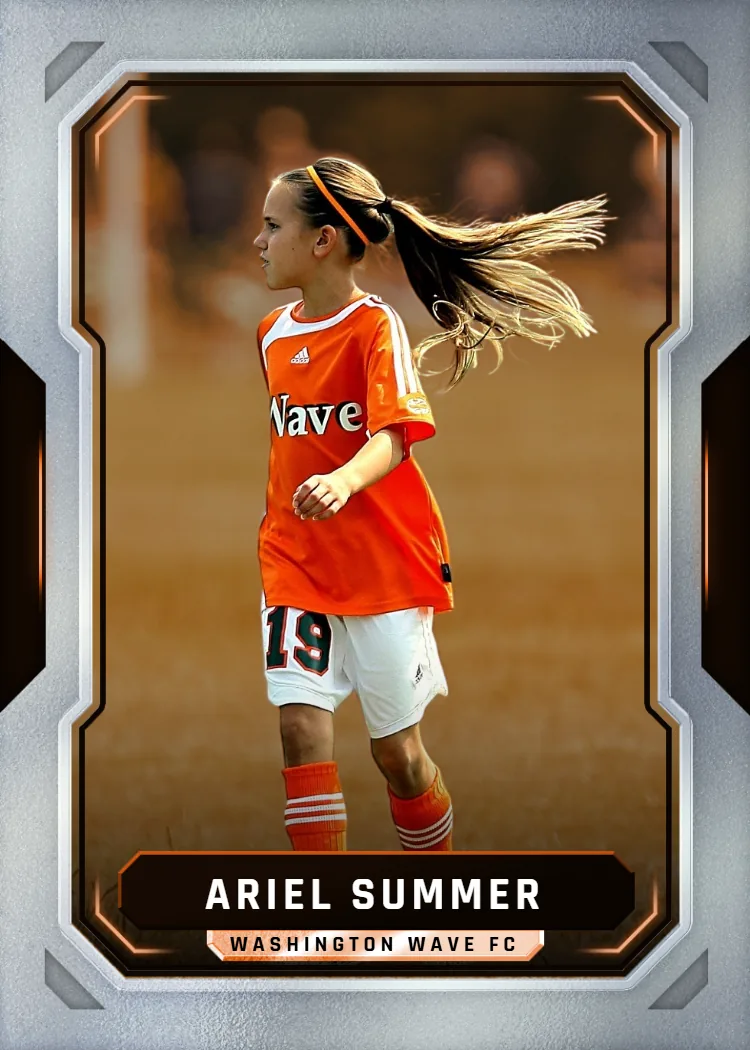
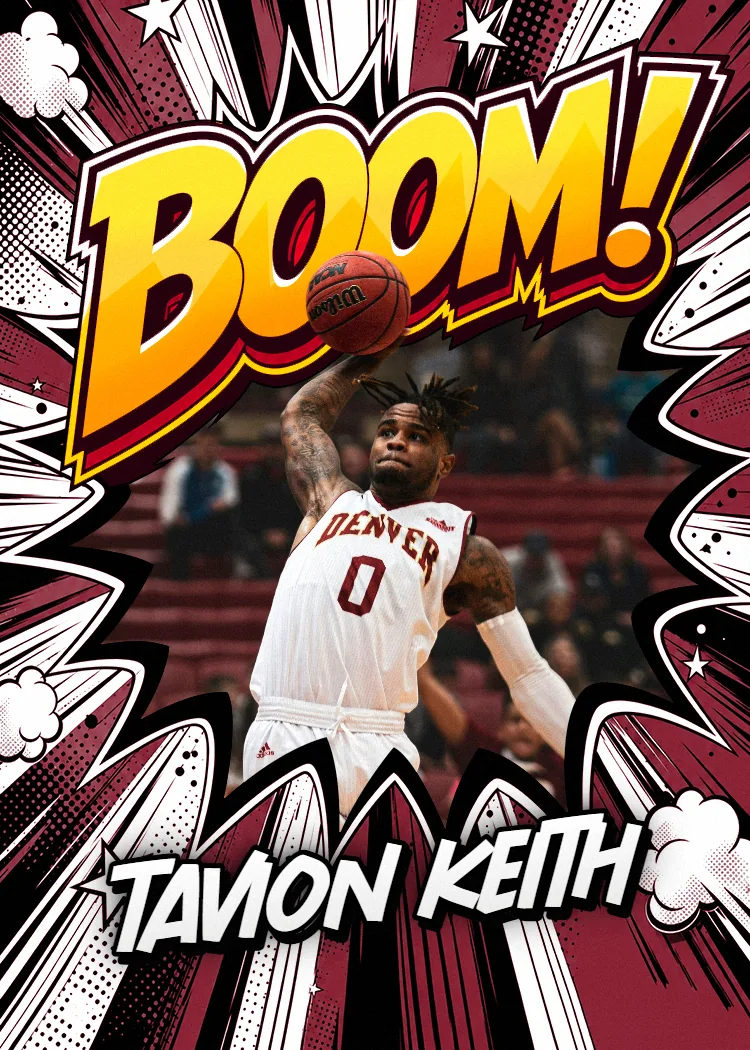
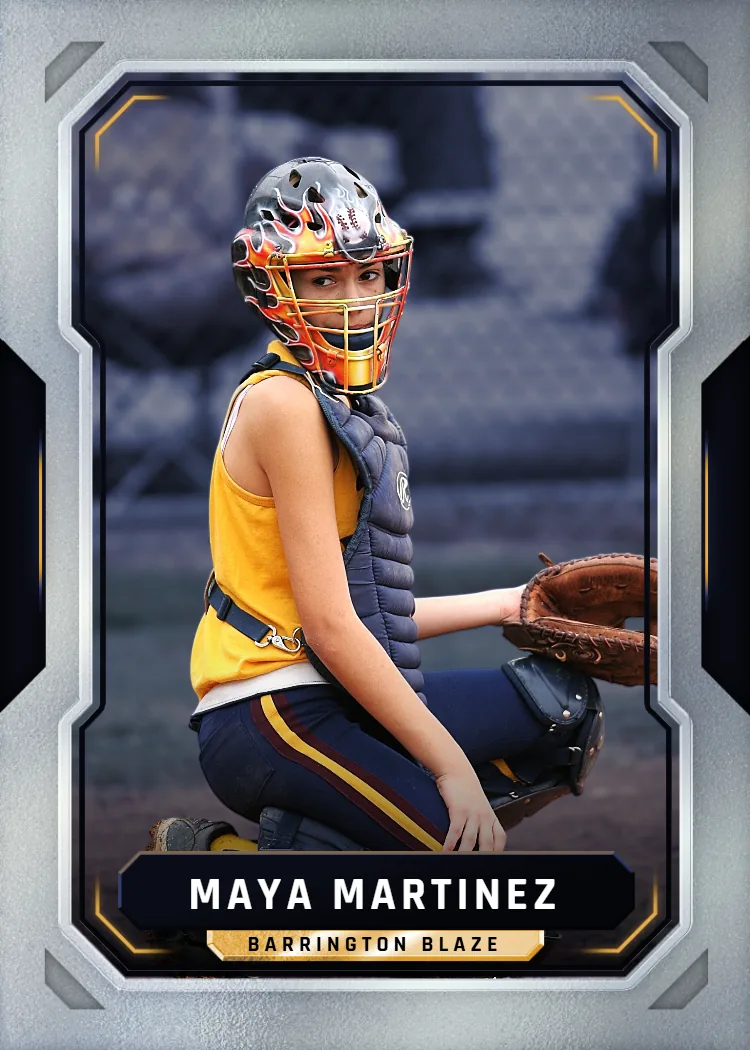
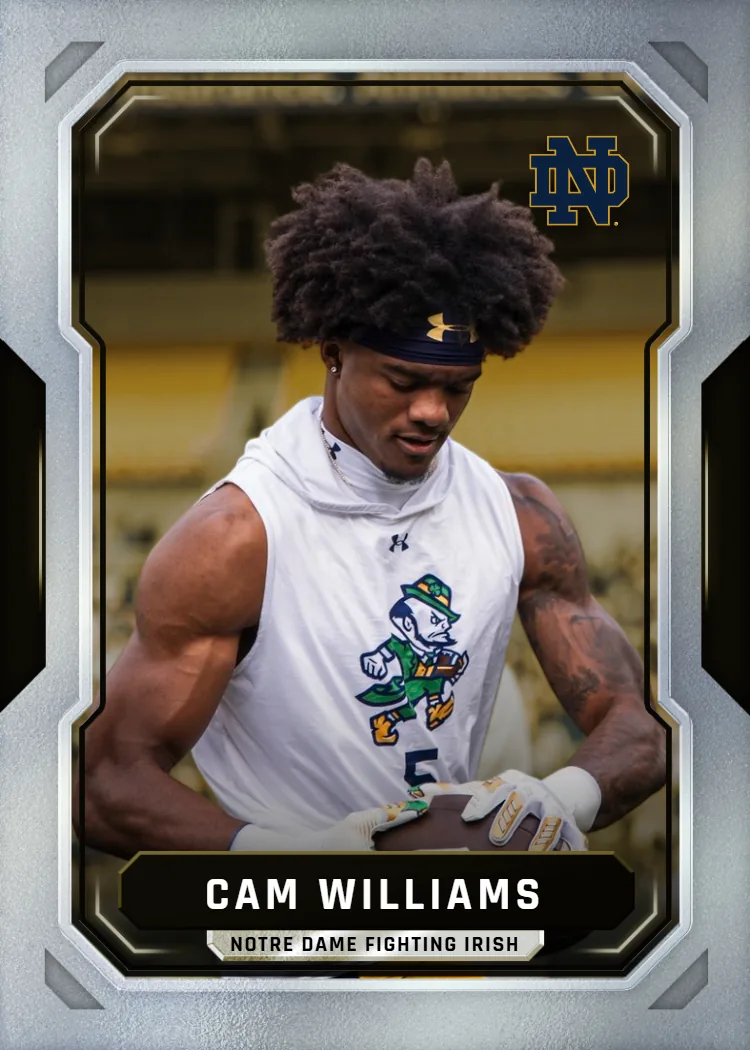
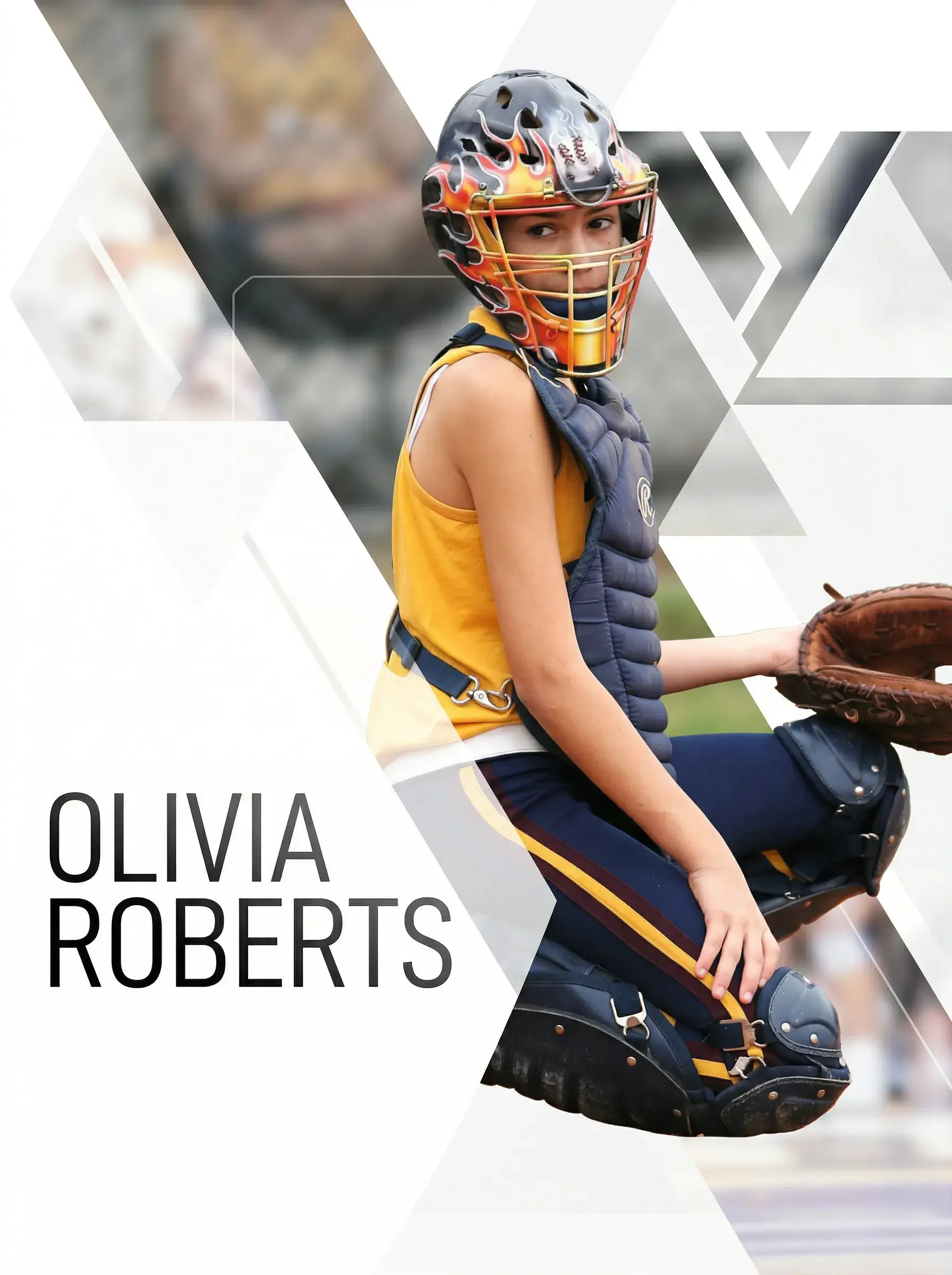
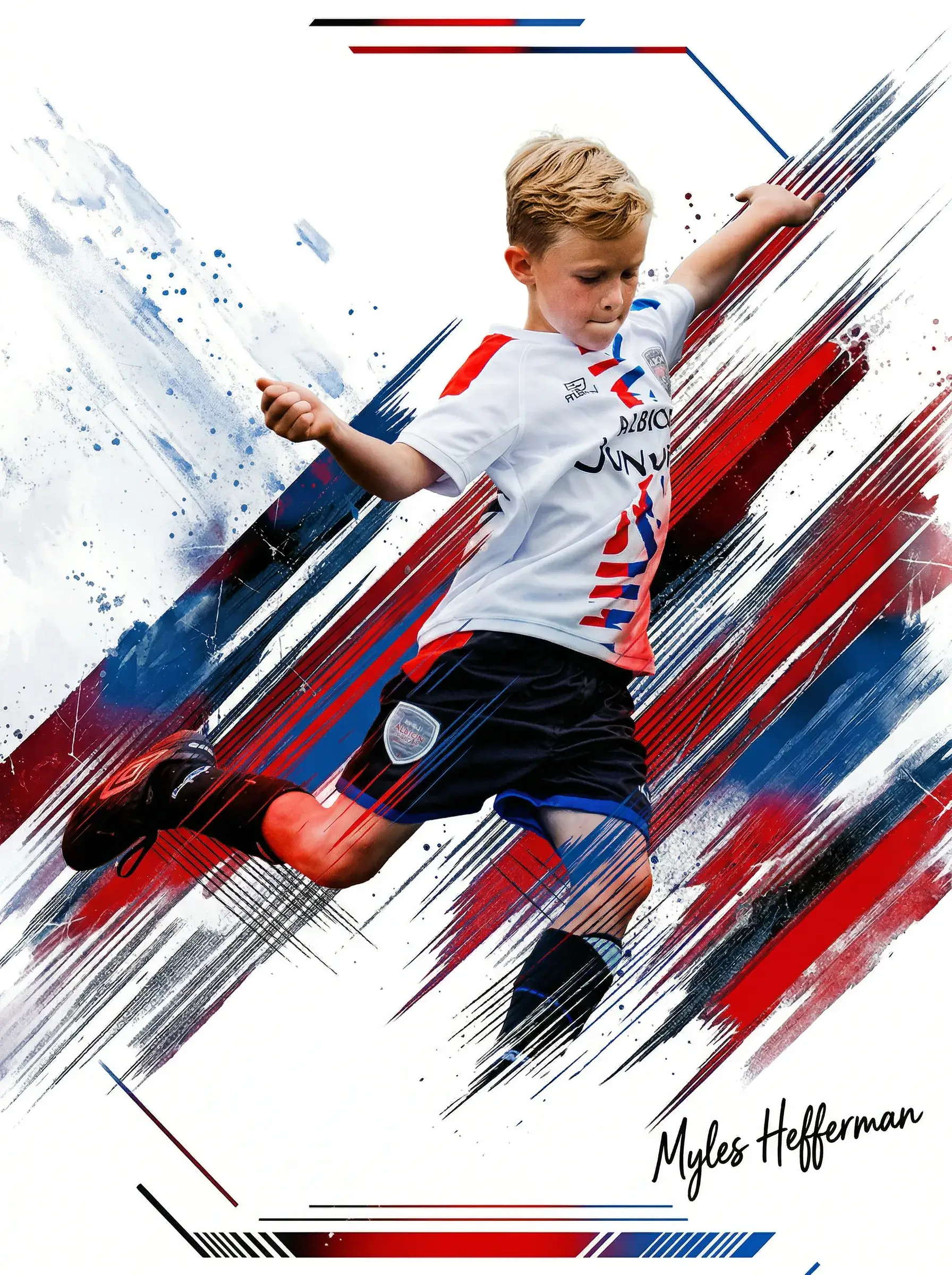
Put Your Best Sports Photography Tips to Work — Make a Card
You've got the shot. Now do something with it. Upload your photo to Snapshot, choose a pro-style template, and get a custom trading card printed on premium card stock — shipped free anywhere in the USA in 2–3 days.
Build Your Card NowNo credit card required | Instant preview | Pro-quality designs
Explore More Card Options
Discover more custom trading card options for every sport and occasion