
Strength Training for Young Athletes: A Complete Guide
Every young athlete who commits to a strength program is building something that shows up on the field, the court, and the scoreboard — but only if they're training the right way.
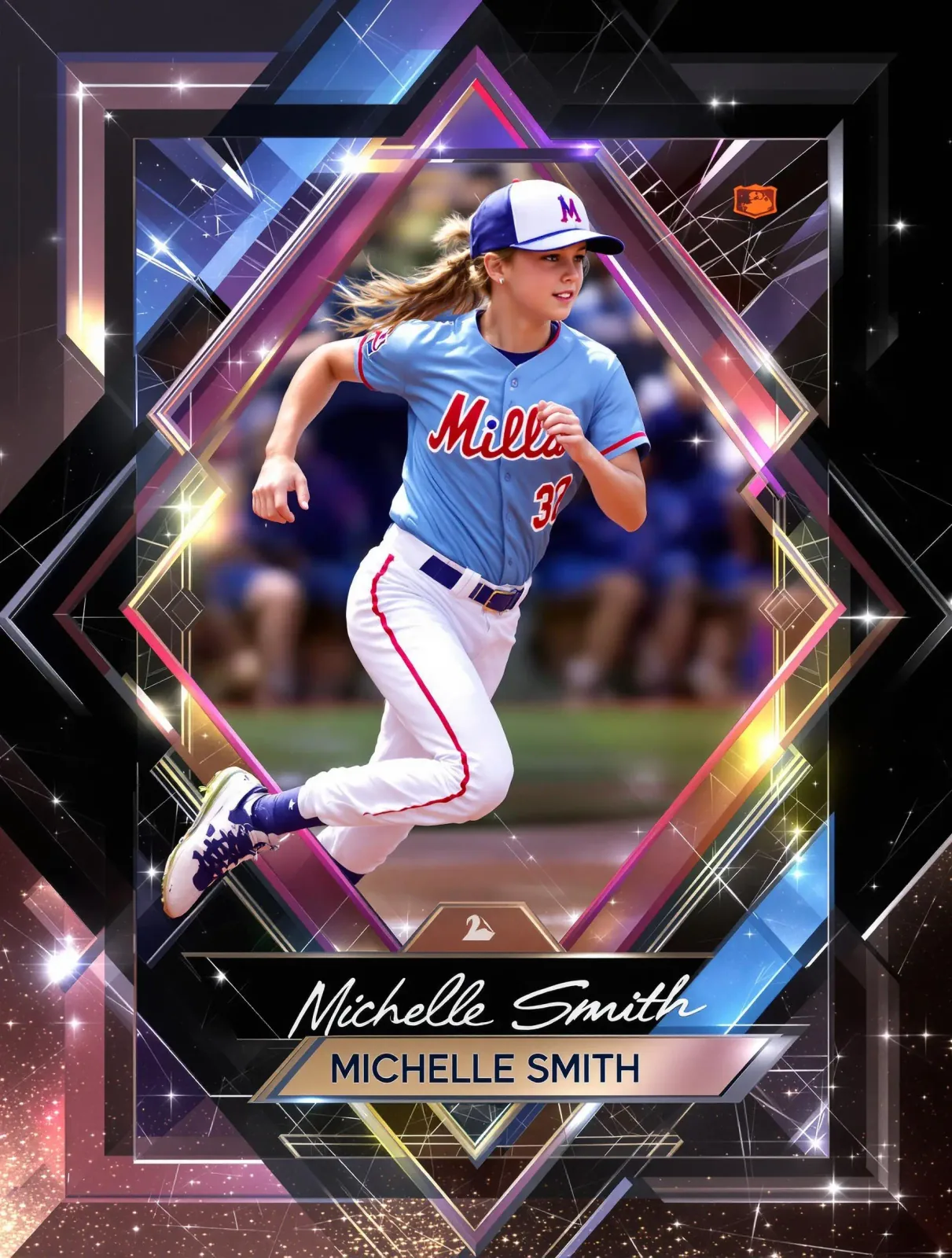
Upload any photo — your kid, your pet, your whole team — pick a pro template, and we print and ship a real, holdable card the next business day.
Most young athletes either skip strength training entirely or jump into adult programs that aren't built for developing bodies. Parents aren't sure what's safe. Coaches are stretched thin. And athletes themselves don't always know where to start. The result? Kids either overtrain and get hurt, or they miss out on real gains that could've set them apart. Generic advice from the internet doesn't account for age, sport, or physical maturity — and that gap leaves a lot of potential sitting on the bench.
This guide covers strength training for young athletes from the ground up — what's safe at each age, how to structure a program, which movements actually transfer to sport performance, and how to track progress over time. We'll walk through exactly how to build a plan that develops real strength, reduces injury risk, and keeps young athletes motivated through every phase of their athletic development. Whether an athlete is just starting out or already competing at a high level, there's a clear path forward here.
Here's exactly how to build a safe, effective strength training program for young athletes — step by step.
Related Topics
Every season, we see parents and coaches come back to order new cards as their athletes hit new milestones — a first pull-up PR, a varsity callup, a new personal record — and it never gets old watching those moments get preserved in something real and tangible.
Why Strength Training for Young Athletes Builds More Than Muscle
The physical benefits are real, but they're only part of the picture. A well-designed youth strength program builds confidence, resilience, and athletic identity that carries way beyond any single sport.
Injury Prevention That Actually Works
Stronger muscles and connective tissue absorb more force — which means fewer ACL tears, fewer shoulder injuries, and fewer stress fractures. Research consistently shows that youth athletes in structured strength programs miss significantly less time due to injury than untrained peers. That's not a coincidence. Stronger athletes are more durable athletes.
Sport Performance That Transfers Directly
A squat pattern builds the same hip extension that powers a sprint. A deadlift develops posterior chain strength that stabilizes a landing. Pressing movements build the shoulder stability needed for throwing and swinging. Every fundamental movement in a youth strength program has a direct sport counterpart — and that transfer is what scouts and coaches notice.
Confidence That Shows Up Everywhere
There's something that happens when a young athlete sets a goal, works for it, and achieves it. That confidence isn't limited to the weight room. It walks onto the field, into the classroom, and through every challenge the athlete faces. Strength training gives young athletes a place where hard work has a measurable, visible payoff.
Long-Term Athletic Development
Athletes who build a strength foundation early don't plateau as fast as those who ignore it. They enter their high school years with better movement quality, a higher ceiling for sport-specific development, and habits that keep them training through college and beyond. Starting early — and doing it right — compounds over time.
Free to design, instant preview. Ships the next business day.
Parents and Athletes Love Marking the Milestones
Every season, parents tell us that their athlete's custom Snapshot card ends up being the most displayed item in the house — not the trophy, not the medal, but the card. Coaches order team sets at the end of the season as keepsakes, and athletes hold onto them for years.
We've shipped custom cards to athletes and teams in all 50 states, and the repeat order rate tells us everything we need to know about how much these cards mean to the people who receive them.
How to Build a Strength Training Program for Young Athletes
Building a youth strength program isn't complicated, but it does require the right sequence. Follow these five steps to create a foundation that's safe, sport-specific, and built to last.
Assess the Athlete's Physical Readiness
Before a young athlete lifts a single weight, spend time evaluating their movement quality, balance, and body control. Can they perform a solid bodyweight squat? Do they have stable hips and shoulders? A basic movement screen — think single-leg balance, overhead reach, and push-up form — tells you far more than age alone. Kids develop at wildly different rates. A 12-year-old might move better than some 15-year-olds. Start here, not with a weight rack. Pro tip: Film the movement screen on a phone so you can compare progress at 8-week intervals.
Build a Movement Foundation First
The first four to six weeks of any youth strength program should be about movement patterns, not load. Focus on the five fundamentals: squat, hinge, push, pull, and carry. Bodyweight squats, glute bridges, push-ups, rows with a resistance band, and farmer carries build the neuromuscular connections that make weighted training safe later. Young athletes adapt fast — their nervous systems respond to new stimuli quicker than adults. Don't rush to add weight. Perfect the pattern first. Pro tip: Keep sets short (2-3) and rest periods long (90 seconds) to prioritize quality over fatigue.
Introduce Progressive Overload Gradually
Once movement quality is locked in, it's time to add load — gradually and systematically. Progressive overload means doing slightly more each week: one more rep, a slightly heavier dumbbell, or a more challenging variation. For youth athletes, a 5-10% weekly increase in volume is plenty. Track everything in a notebook or app. Young athletes love seeing numbers go up, and that visible progress keeps motivation high through a long season. Pro tip: Use double progression — add reps first, then weight. When an athlete hits the top of the rep range cleanly, increase the load slightly.
Program Around the Sport Season
Strength training should serve the sport — not compete with it. During the off-season, athletes can train 3-4 days per week and push harder. In-season, drop to 1-2 sessions weekly, reduce volume by 30-40%, and keep intensity moderate. The goal in-season is maintenance, not gains. Fatigue management matters as much as programming. A young athlete who's exhausted at practice isn't getting better. Talk to the sport coach about the weekly schedule so strength training doesn't stack on top of high-intensity practice days. Pro tip: Always place strength sessions after skill practice, never before.
Track Progress and Celebrate Milestones
Progress in youth strength training is real and measurable — first pull-up, new squat PR, improved sprint time. These moments matter. Document them. Take photos at the start of each training block and compare them at the end. Record performance benchmarks in writing. Young athletes are far more motivated when they can see how far they've come. Celebrating milestones — whether it's a new personal record or completing a full training cycle — reinforces the habit and builds the identity of an athlete who works hard and earns results. Pro tip: Mark major milestones with something tangible, like a custom trading card that captures the athlete at their best.
Five steps. One solid framework. And an athlete who trains smarter, performs better, and stays healthy through every season.
Custom Cards vs. Generic Options
| Feature | Snapshot Cards | Generic Photo Print |
|---|---|---|
| Card Stock | Premium card stock | Basic photo paper |
| Template Quality | Pro sports-card designs | Basic layouts |
| Magnetic Case | Included free | Not included |
| Turnaround | 2-3 days | 7-14 days |
| Sports-Specific | Yes, sport-specific templates | No |
Strength Training for Young Athletes: Who This Guide Is For
This isn't a one-size-fits-all program. Here's how different athletes and families can apply this framework to their specific situation.
The Multi-Sport Youth Athlete
Playing three sports a year is common at the youth level, and it's actually a great thing for long-term development. But it also means strength training needs to be flexible and non-invasive. For multi-sport athletes ages 10-14, two short sessions per week focused on movement quality and fundamental patterns is more than enough. The goal is building a base that helps every sport — not optimizing for one. Keep sessions under 45 minutes and emphasize recovery as much as effort.
The Athlete Getting Serious About Recruiting
By 14-16, some athletes are thinking about high school varsity, club teams, and eventually college recruiting. This is where structured strength training starts to matter on a different level. Measurable improvements in speed, power, and strength become part of the athletic profile. A well-designed program at this stage — built around sport-specific demands — can genuinely separate an athlete from peers who are still just playing without training intentionally. Document everything: performance benchmarks, photos, milestones.
The Parent Supporting a Young Athlete at Home
Not every family has access to a private strength coach or a fully equipped facility. That's fine — most of the foundational work can be done in a garage, backyard, or living room with minimal equipment. Resistance bands, a pull-up bar, and a pair of dumbbells cover a lot of ground. Parents who understand the basics can support their athlete's development between formal practice sessions, reinforce good habits, and make sure recovery — sleep, nutrition, rest days — is actually happening.
Affordable Custom Cards That Fit Any Youth Sports Budget
Custom Snapshot cards start at $17.99 — less than most equipment purchases and far more personal than a generic trophy.
The single card option starts at $17.99 and includes a free magnetic case that protects the card like the collectible it is. Packs range up to $49.99 and include multiple cards — great for a team set or a collection of an athlete's best moments across a season. The MEGA Card is a statement piece: an 11" × 15" poster-format card priced at $49.99 that comes with a free protective sleeve. Every order ships free within the USA, and cards are printed and shipped from our facility in Des Moines, Iowa, typically within 2-3 days.
For less than the cost of a training session, you get a premium keepsake that captures an athlete's best moment — something they'll actually keep and display for years.
Box Options
Simple, collectible pricing. No subscriptions, no hidden fees.

The Rookie Box
Perfect for those unforgettable moments
$17.99 - $49.99
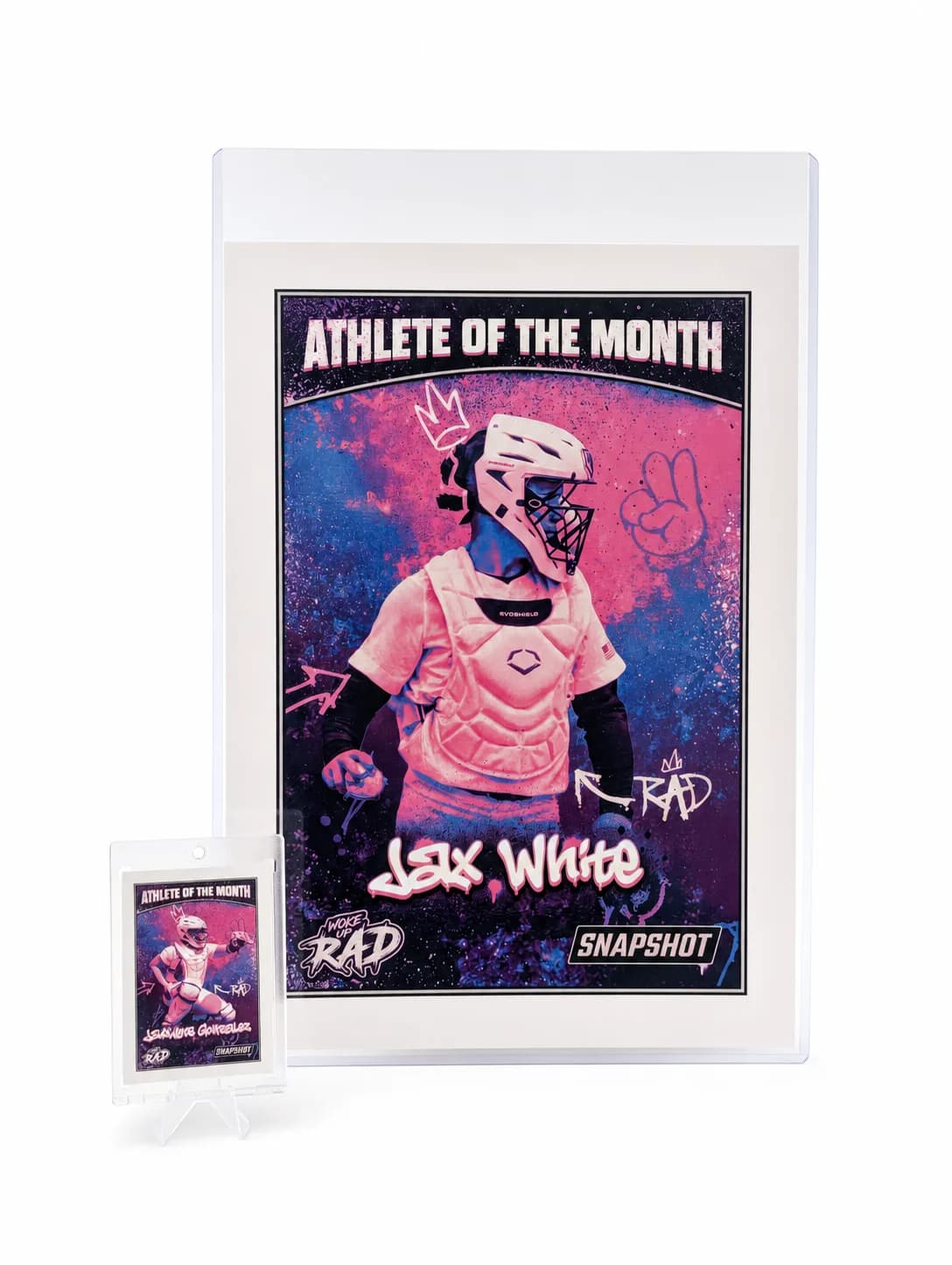
MEGA Card
Their moment, bigger than ever
$49.99
Create for free • Ships the next business day • Made in Des Moines, IA, USA
Frequently Asked Questions
How many days per week should a young athlete strength train?
For most youth athletes, two to three sessions per week is the sweet spot. That frequency is enough to drive adaptation and build measurable strength without accumulating the kind of fatigue that interferes with sport practice and recovery. Younger athletes (under 12) can often get significant results from just two sessions weekly. Older athletes in the 14-17 range who are further along in their development can handle three sessions, especially in the off-season. More isn't always better — recovery is where adaptation actually happens, so rest days are part of the program, not gaps in it.
What exercises are best for young athletes starting out?
The most effective starting point for youth athletes is mastering five fundamental movement patterns: squat, hinge, push, pull, and carry. Concretely, that means bodyweight squats, glute bridges or Romanian deadlifts with light dumbbells, push-ups, resistance band rows or dumbbell rows, and farmer carries. These movements build the muscular foundation and movement quality that every sport demands. Avoid sport-specific isolation exercises early on — building general strength and stability first gives athletes a much higher ceiling for sport-specific development later. Olympic lifts and heavy barbell work should wait until movement quality is excellent and a qualified coach is involved.
Is strength training safe for young athletes, or will it hurt their growth?
Strength training is safe for young athletes when it's age-appropriate, properly supervised, and programmed with progressive overload rather than maximal effort. The concern about growth plates being damaged by resistance training has been studied extensively — and the evidence doesn't support it. Growth plate injuries in youth training are rare and almost always the result of poor technique, excessive load, or inadequate supervision. What's actually more dangerous for developing growth plates is uncontrolled sport activity and overuse injuries from repetitive sport practice — not structured, well-supervised strength training. Talk to a pediatrician if there are specific health concerns.
How do I keep a young athlete motivated to stick with strength training?
Motivation in youth strength training usually comes down to two things: visible progress and a sense of identity. Track performance benchmarks from the start — first pull-up, squat reps at a given weight, sprint time — and revisit them every 4-6 weeks so the athlete can see real improvement. That visible progress is powerful. Beyond metrics, help young athletes build an identity around being someone who trains hard and takes their development seriously. Celebrating milestones matters. Something as simple as a custom trading card featuring the athlete at a peak training moment can do more for long-term motivation than a dozen pep talks.
How long does it take to receive a Snapshot custom sports card?
Once you upload your photo, choose your template, and place your order, Snapshot prints and ships your custom card within 2-3 business days from our facility in Des Moines, Iowa. Free standard shipping is included on every order to addresses within the USA. That means most customers receive their cards within about a week of ordering — making it a realistic option to celebrate the end of a training block, a seasonal PR, or a milestone achievement without a long wait. If you're ordering for a team or a specific event, placing the order a couple of weeks in advance gives you plenty of buffer.
What photo quality do I need for a great-looking card?
You don't need a professional photographer — but you do need a reasonably clear, well-lit photo. The best results come from images that are at least 1MB in file size, taken in good natural or artificial light, with the athlete clearly in focus. Action shots work great: a sprint, a lift, an athletic stance. So do posed photos with good lighting. Avoid heavily filtered images or screenshots from video, which tend to print with lower clarity. Photos taken on a modern smartphone in good lighting are usually more than sufficient to produce a sharp, professional-looking card on our premium card stock.
Can I order custom cards for a whole youth sports team?
Absolutely — and team orders are one of the most popular uses for Snapshot cards at the youth level. Coaches and parents love ordering a card for every athlete at the end of a season as a keepsake that's more personal than a generic trophy. You can order individual cards for each athlete and have them shipped together. Card packs are available up to $49.99 and cover multiple cards in a single order. Each card is 2.5" × 3.5" — the same size as a standard trading card — so they're easy to store, display, and collect. It's a genuinely memorable way to close out a season.
What size are Snapshot custom sports cards?
Standard Snapshot custom cards are 2.5" × 3.5" — exactly the same dimensions as a traditional professional sports trading card. That's intentional. It means they fit in standard card sleeves, binder pages, and display cases. Every order includes a free magnetic case that holds a single card and looks sharp on a desk or shelf. If you want something bigger, the MEGA Card option produces an 11" × 15" poster-format card that comes with a free protective sleeve. The MEGA Card is a serious statement piece — great for a standout performance, a senior season moment, or a milestone achievement that deserves wall space.
As an athlete, how do I use a custom card to build my recruiting profile?
A custom Snapshot card does something a highlight video or a stat sheet can't — it gives a recruiter or coach something physical and memorable to hold onto. Athletes who are building recruiting profiles can use a card featuring their best action photo, their name, position, and key stats as a leave-behind at camps, showcases, and college visits. It's the kind of detail that separates athletes who are serious from those who aren't. The professional card stock and sports-card template design make it look like something that belongs in a real collection — because it does. Order a pack to have several on hand for recruiting season.
Free to design, instant preview. Ships the next business day.
Celebrate Strength Training for Young Athletes With a Custom Card
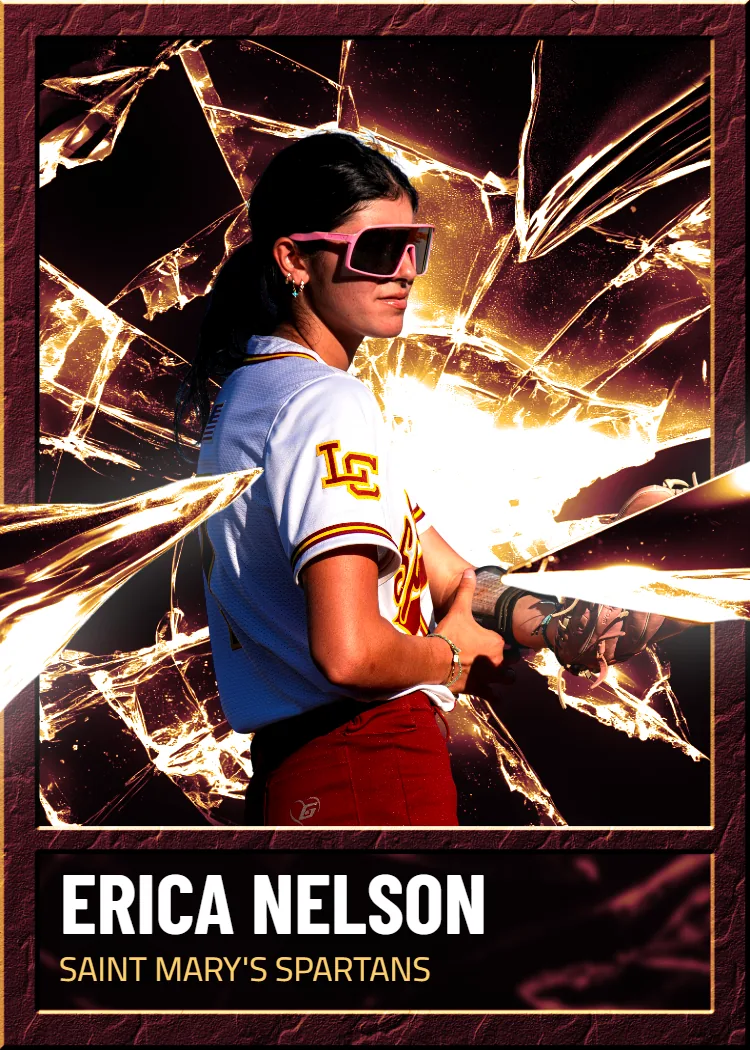
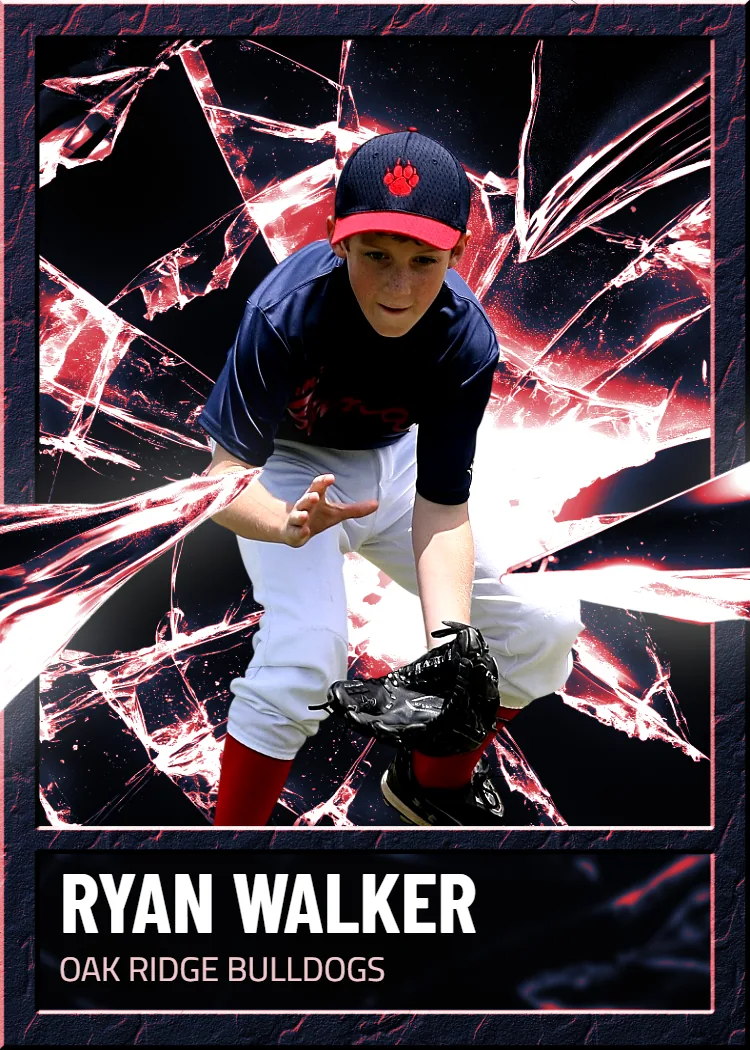
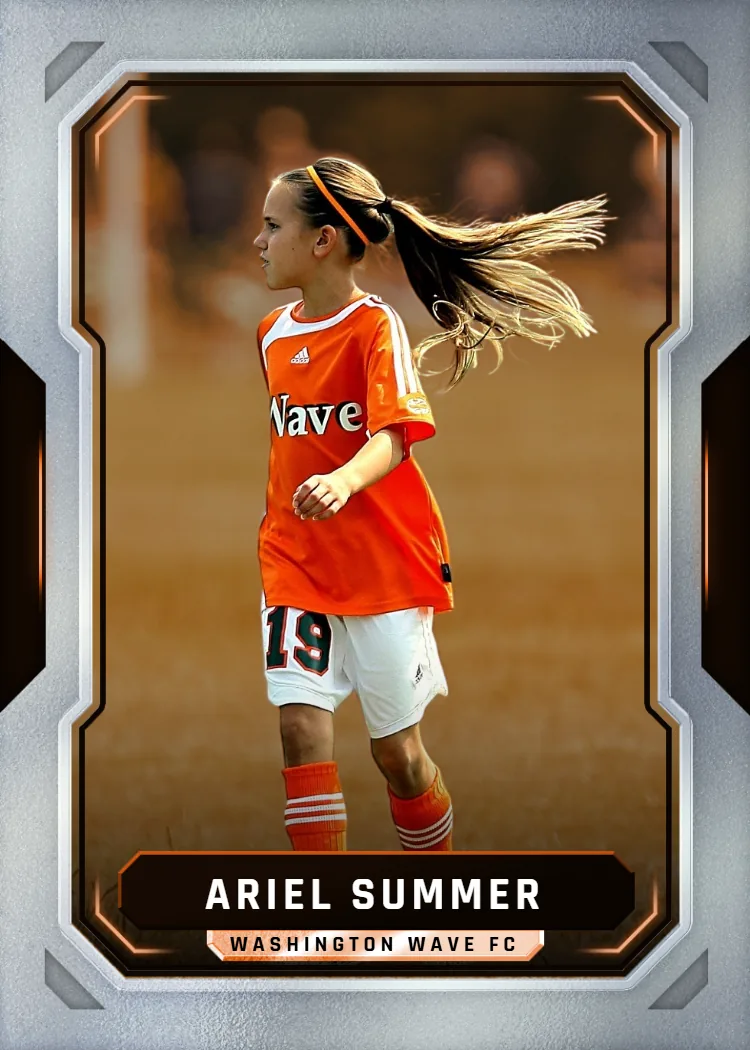
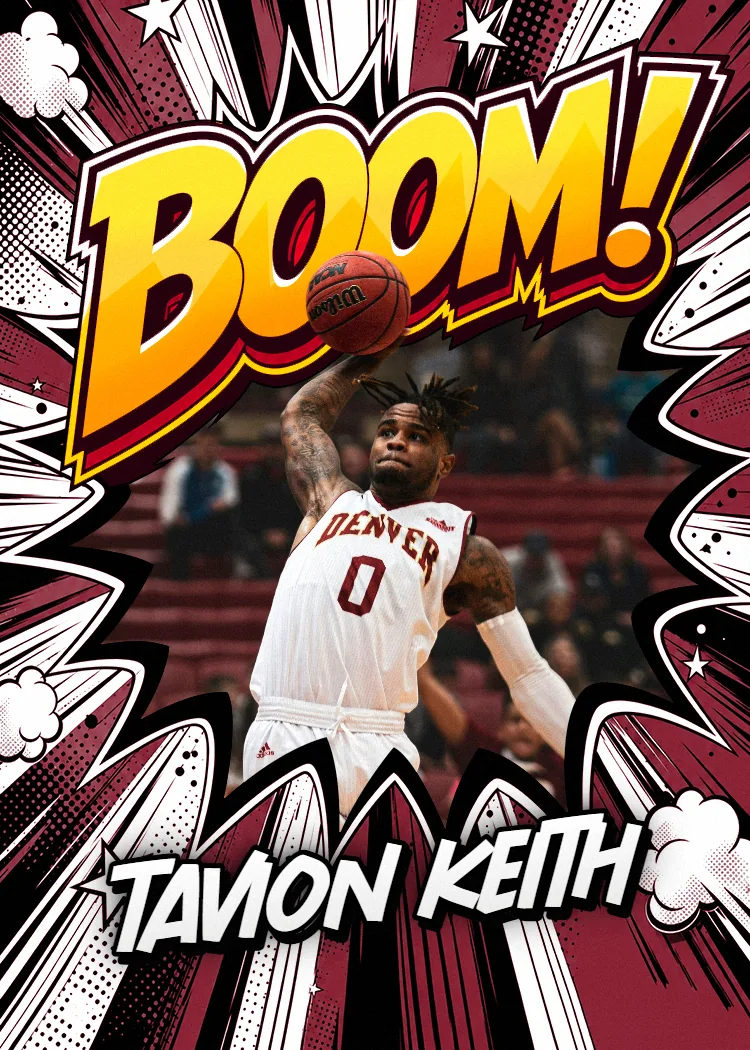
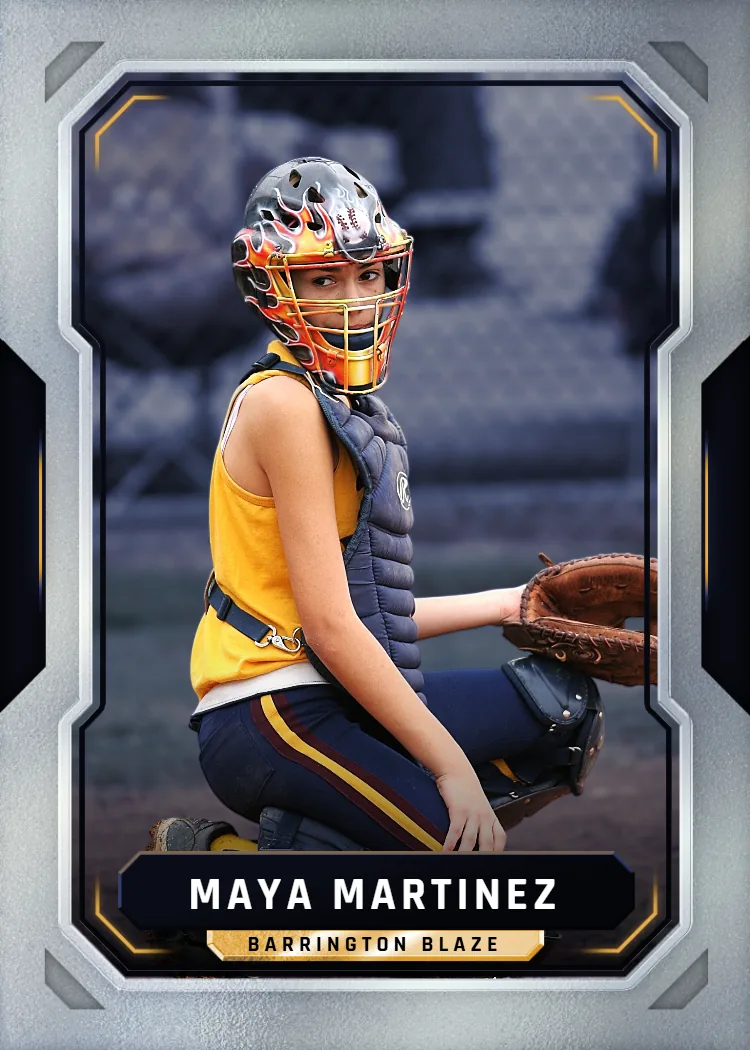
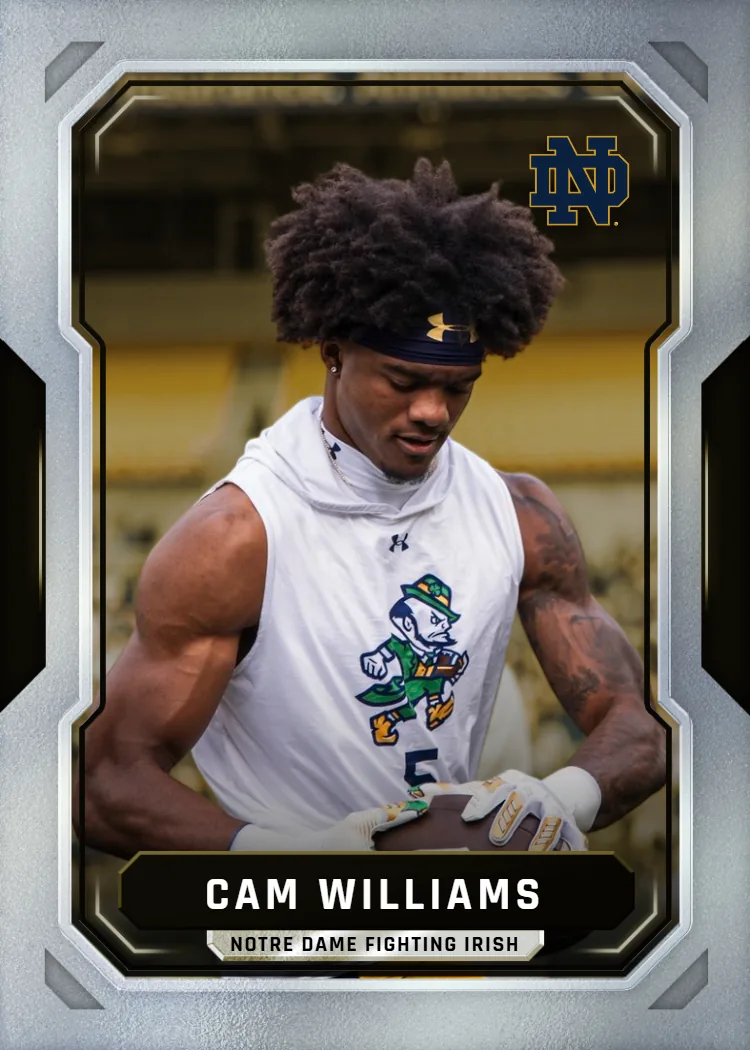
Every personal record, every completed training block, every milestone moment deserves more than a screenshot. Snapshot custom cards are printed on premium card stock, shipped free in 2-3 days from Des Moines, Iowa, and arrive in a free magnetic case. Made in the USA. Built to last.
Build Your Card NowNo credit card required | Instant preview | Pro-quality designs
Explore More Card Options
Discover more custom trading card options for every sport and occasion