
Topps Baseball Card Designs by Year — And How to Make Your Own
Topps baseball card designs by year tell a visual story — chrome borders, wood grain, foil stamps — each era unmistakable.
Upload a photo of your player, pet or team, choose an available template, and preview your design before ordering a printed card.

"I created a few AI cards for my kids. I started collecting back on February and the boys love the Kaboom cards. My daughter loves princesses so I made her a Disney card through AI. I looked for a company to actually make the card and found Snapshots. Very easy to use, very fast, excellent price. They actually called me to verify some of the information on the picture and offered to make any changes. I received them very quickly. I rarely leave reviews, but I felt this company deserved to hear that they are doing it right and I will definitely be using them again very soon."
— jimmy P. · 3 months ago
"We had my son’s senior pictures taken at Target field so I wanted to put those images on a baseball card to give out at his graduation party! I had so much fun creating them on the website! I ordered them on a Wednesday night and they were at my door that Saturday! Very quick! I couldn’t wait to open them! They are awesome! Better than I could have ever imagined! The quality is well worth the money! Amazing job! Will definitely recommend to anyone looking for a unique way to capture a forever memory!"
— Greg S. · 5 months ago
"These are great quality cards and look amazing will be ordering more from them."
— Blaine R. · 5 months ago
"I ordered cards on a Monday so they would be shipped and arrive by Friday. The next day through a series of unexpected events and missed communications on my part, I discovered my order was delayed. I reached out to see if there was anyway my order could still be processed and shipped out on time. Graham (CTO) reached out to me personally via email and phone to fix the issue and ensure my order was processed and shipped out on time. I received them on that Friday as I was originally hoping. Upon opening they were better than expected. The card stock is sturdy and the printing was high quality! I would definitely recommend this company and will be making more cards to order."
— Ron D. · 4 months ago
"This was perfect! Ordered and was in my mailbox within a week. They were exactly what I imagined! I can’t wait for my Kickin Nuggets U4 Soccer team to get their player cards!!!"
— Brittany C. · 5 months agoReviews from Google
Collectors and fans spend hours hunting down information on how Topps designs evolved from the thick-bordered 1952 set to the holographic chaos of the late '90s. The details matter. A 1967 design looks nothing like a 1975 design, and knowing why separates a casual fan from someone who really understands the hobby. But most resources skim the surface, leaving you with vague timelines and no practical takeaway. You want specifics — the design shifts, the iconic moments, and what actually made each era stick in collectors' memories.
This page breaks down the major Topps baseball card design eras with real analytical depth. You'll also discover how Snapshot lets you channel the aesthetics you love — retro frames, bold borders, clean typography — into a fully custom baseball card featuring any photo you choose. Production takes one business day; shipping time is quoted at checkout for your address.
Let's get into the designs — then show you exactly how to create your own card.
See your photo on a card
Pick a photo and preview it on a real Snapshot template, right here.
Your photo stays on your device.
Frequently Asked Questions
What are the most iconic Topps baseball card designs by year?
The 1952 set established the modern format and remains the most historically significant design. The 1975 set — known for its bright, multi-color borders — is probably the most visually beloved among collectors. The 1971 black-bordered set is another standout for its dramatic, high-contrast aesthetic. The 1987 wood-grain design became iconic partly through nostalgia and partly because it was the first major retro callback. In the modern era, 1996 Topps Chrome introduced refractor technology that permanently changed premium card collecting. Each of these years reflects a specific printing capability and cultural moment that set them apart from neighboring releases.
How did Topps card design change from the 1950s to the 1990s?
The shift is dramatic when you lay the decades side by side. In the 1950s, designs were portrait-heavy with solid color blocks and simple typography. The '60s introduced more illustrative elements — position icons, team pennants, and varied layouts. The '70s exploded with color experimentation, reaching a peak with the 1975 rainbow border set. The '80s leaned into nostalgia and cleaner white borders. By the early '90s, glossy finishes, action photography, and foil stamping became standard. The entire arc mirrors advances in commercial printing technology as much as it reflects design trends of each decade.
Is the 1975 Topps design really the most recognized by collectors?
Among collectors who focus on flagship Topps designs, the 1975 set consistently tops informal polls for visual recognition. The two-color bordered design — often appearing in combinations like red/blue, green/yellow, or orange/brown — is immediately identifiable from across a room. It's also significant because it coincided with a golden era of baseball talent. Mike Schmidt, George Brett, and Robin Yount all have rookie-adjacent cards in that set, so the design carries real weight beyond aesthetics. Topps has revisited it multiple times in its 'Archives' and 'Heritage' product lines, which tells you everything about its staying power.
What makes Topps Heritage different from the original vintage designs?
Topps Heritage is an annual product that reproduces the design of a specific year's flagship set — typically from 50 years prior — applied to current players. So a 2025 Heritage set uses the 1975 design framework. The templates reference the original layout, color schemes, and typography, but the photography is modern and the stats are current season data. Heritage cards are printed on modern card stock with contemporary quality standards. Collectors value them as a bridge between eras — you get the nostalgia of a vintage design without paying vintage prices. They're also a smart way to understand what made old designs work when you see them applied fresh.
Can I create a custom baseball card that looks like a specific Topps year?
Yes — and Snapshot makes it straightforward. You upload your photo, select from professionally designed templates that capture the aesthetic of specific card eras (bold borders, retro typography, action-card layouts), and we print it on professional card stock. While Snapshot's templates aren't officially licensed Topps designs, they're built by people who understand what makes vintage card aesthetics work — the color balance, the font weight, the border proportion. Production takes one business day; shipping time is quoted at checkout for your address. It's the most direct way to own a card that feels like a specific era in design history.
Are there years when Topps designs are considered weak or forgettable?
Honestly, yes. The early-to-mid 1990s produced some designs that collectors find unremarkable — thin borders, generic team-color gradients, and a sameness driven by the industry-wide rush to compete with new entrants like Score, Fleer Ultra, and Upper Deck. The 1991 and 1993 flagship Topps designs are frequently cited as visually flat. The 1998 set is another one collectors rarely get excited about. None of these are considered bad in terms of print quality, but the design ambition was clearly lower. They're worth knowing because they highlight how competitive market pressure sometimes caused Topps to play it safe rather than bold.
What year did Topps introduce foil stamping on their cards?
Topps began incorporating foil elements seriously in the early 1990s, with foil-stamped team names and player signatures appearing in premium subsets. The 1993 Topps Finest set was a landmark moment — glossy, foil-heavy, and clearly positioned as a luxury product within the Topps lineup. By 1994–1995, foil stamping had migrated into the flagship set on logos and name plates. The 1996 introduction of Topps Chrome pushed this further with full chromium card surfaces. Understanding this foil timeline helps collectors authenticate cards and understand why mid-'90s Topps products look so different from what came before them.
How do Topps design eras affect card value?
Design era is one of several factors that influence secondary market value, but it's rarely the primary one. Card condition, player significance, print run, and rookie card status matter more. That said, the 1952, 1955, 1963, and 1975 designs carry a nostalgia premium that inflates prices beyond what pure scarcity would justify. Collectors will pay more for a card in a beloved design era even if comparable players from other years would be cheaper. Conversely, cards from the 1987–1993 overproduction era are depressed in value partly because billions were printed, regardless of design quality.
What should I look for when comparing Topps designs across different years?
Start with four elements: border treatment, typography style, photography approach, and back-panel layout. Borders tell you the most — thin white borders signal modern minimalism, thick solid-color borders indicate late '60s through '70s production, and black borders place you almost certainly in 1971 or its Heritage counterpart. Typography shifts from hand-lettered feeling styles in the '50s and '60s to bold sans-serif fonts in the '80s and sleek compressed fonts in the 2000s. Photography moved from posed studio work to action shots around 1969–1972. The back panel — stats format, biographical info, cartoon illustrations — is equally era-specific and worth studying carefully.
Does Snapshot ship custom baseball cards across the entire USA?
Yes. Production takes one business day; shipping time is quoted at checkout for your address. Whether you're in New York City or rural Montana, your card arrives in the same professional packaging — a free magnetic case — with the same professional card stock quality. Single cards start at $17.99, and the MEGA oversized 11×15.4 poster card is $49.99 for fans who want something that makes a serious statement on a wall or desk.
Free to design, instant preview. Free US standard shipping on orders $30+. Review delivery options at checkout.
How Topps Baseball Card Designs by Year Shaped the Hobby
Topps didn't just print cards — they defined what a baseball card was supposed to look like for seven decades. Understanding those design decisions helps you appreciate what makes a great card, custom or vintage.
The Foundational Era (1952–1969): Portraits and Bold Borders
The 1952 Topps set established the modern baseball card format — large player portrait, team name, position, and a clean colored border. Designs through the '60s stayed largely portrait-driven, with each year's color palette and typography shifting just enough to feel distinct. The 1969 set introduced a baseball graphic element, signaling a move toward more illustrated layouts.
The Creative Peak (1970–1989): Color, Wood Grain, and Experimentation
The 1975 Topps set is arguably the most visually iconic in the brand's history — bright two-color borders and a chaotic energy that collectors still love today. The 1987 design borrowed wood grain paneling from 1962, creating a nostalgic callback. This era proved Topps wasn't afraid to be bold. Designs got bolder in photography too, moving from posed studio shots toward action frames.
The Modern Age (1990–Present): Foil, Chrome, and Clean Lines
The early '90s saw Topps compete with Score and Upper Deck, pushing into glossier finishes and cleaner white borders. Topps Chrome launched in 1996, changing the hobby permanently with its refractor technology. Twenty-first century flagship designs have cycled between minimalist and ornate — sometimes in the same year across different product lines. The design range is now wider than it's ever been.
Each era left a clear fingerprint. Knowing them makes you a sharper collector — and a smarter custom card designer.
Myths vs. Facts: What People Get Wrong About Topps Card Design History
MYTH: The 1989 Topps design is collectible because it's Kenny Griffey Jr.'s rookie card.
FACT: The 1989 set is valuable despite its design, not because of it. The design itself — plain white border, basic typography — is considered one of the least visually inspired flagship sets. Griffey's rookie card drives all the value. Design and desirability are separate variables.
MYTH: Topps has always had the most creative designs in the industry.
FACT: From roughly 1990 to 1995, Topps actually lagged behind competitors like Upper Deck (which launched with premium photography in 1989) and Fleer Ultra in terms of design ambition. Topps responded with Finest in 1993 and Chrome in 1996, but for a stretch they were clearly playing catch-up, not leading.
MYTH: All cards from a given Topps year look the same.
FACT: Modern Topps releases multiple distinct product lines per year — flagship, Chrome, Archives, Heritage, Finest, and others — each with completely different design aesthetics. Even in vintage eras, Topps produced traded sets and specialty subsets with different design treatments. 'The 1986 Topps design' refers specifically to the flagship set, not all Topps product that year.
What Studying These Designs Actually Teaches You
The evolution of Topps card design isn't just trivia. It's a masterclass in how visual trends, printing technology, and pop culture intersect. Here's what you actually gain from knowing your designs by year.
Sharper Eye for Authenticity
Recognizing period-correct fonts, border widths, and photo styles helps you spot reprints and fakes instantly. A 1969 card shouldn't have the paper texture of a 1984 card — knowing design specifics keeps you from overpaying for misrepresented cards at shows or on secondary markets.
Better Custom Card Decisions
When you're designing a custom card at Snapshot, knowing what makes a 1975 border iconic versus a 1987 wood-grain layout helps you pick a template with intention. You're not guessing — you're referencing decades of established visual logic to create something that looks genuinely professional.
Collector Credibility
Serious collectors talk in design eras. Dropping 'this photo composition looks very 1971 Topps' isn't just a flex — it signals you understand the hobby at a structural level. That knowledge earns respect in trading communities, card shows, and online forums.
Nostalgia With Purpose
Nostalgia is the fuel of the hobby, but knowing why a particular year's design triggers that feeling lets you channel it deliberately. Whether you're gifting a custom card or building a themed collection, understanding design history turns sentiment into something tangible and lasting.
Who's Actually Searching Topps Baseball Card Designs by Year?
This isn't one type of fan. The range of people researching Topps designs by year is wide — and their goals are more specific than you'd expect.
The Vintage Collector Building a Set
Someone trying to complete a 1971 Topps set needs to know the exact design details — black border, portrait orientation, and specific card dimensions — to verify cards before buying. Knowing the year's design inside and out prevents costly mistakes. These collectors study designs the way historians study architecture, with the same level of precision and care.
The Fan Who Wants a Custom Card as a Gift
A dad wants to give his son a baseball card featuring the kid's Little League photo styled like a '75 Topps flagship. Understanding how that design looks — the rainbow borders, the team banner, the action photography aesthetic — helps him communicate exactly what he wants at Snapshot. The result is a card that hits emotionally because it's rooted in something real.
The Hobbyist Comparing Investment Value
Some buyers track which design years produce the highest secondary market returns. The 1952, 1955, 1963, and 1975 flagship sets consistently attract premium bids at auction. Knowing why — scarcity, design desirability, key rookie cards — helps collectors make more informed decisions about which years to pursue and which to skip.
Why Baseball Fans Trust Snapshot for Custom Cards
Fans who grew up collecting Topps flagship sets consistently tell us they choose Snapshot templates specifically because they echo the design eras they remember most. Every card leaves our Des Moines facility printed on professional card stock, packed with a free magnetic case, and ready to be the best-looking card in any collection.
Snapshot Pricing — Straightforward, No Surprises
Custom baseball cards shouldn't come with a complicated pricing structure. Snapshot keeps it simple.
Single card starts at $17.99. Card packs are available up to $49.99. The MEGA poster card — an oversized 11×15.4 inch statement piece — is also $49.99. Free shipping over $30 across the USA on every order.
Every order ships the next business day with a free premium magnetic case. Professional card stock, real printing, made right here in Des Moines, Iowa.
Box Options
Simple, collectible pricing. No subscriptions, no hidden fees.
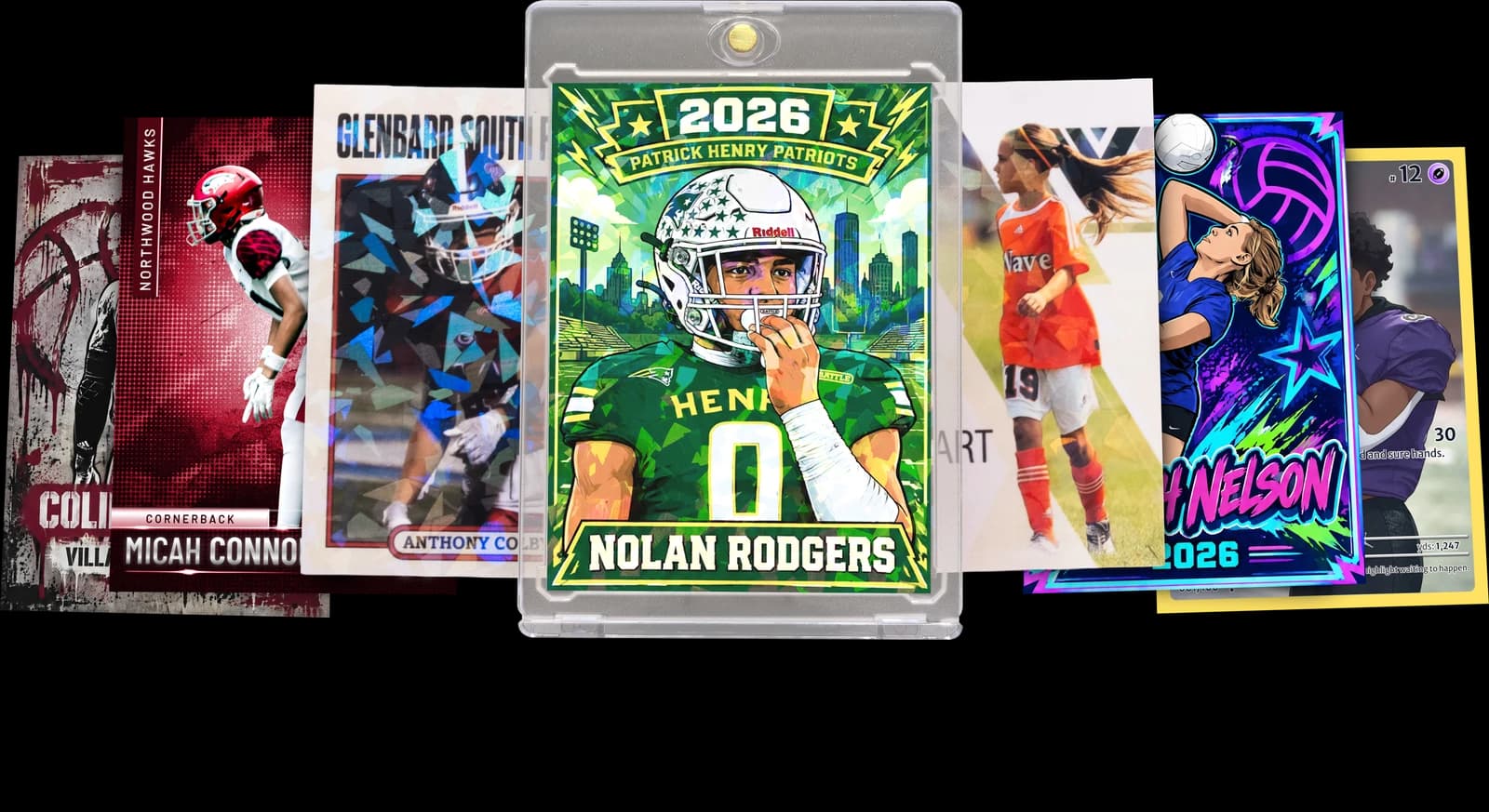
The Rookie Box
Perfect for those unforgettable moments
$17.99 - $49.99
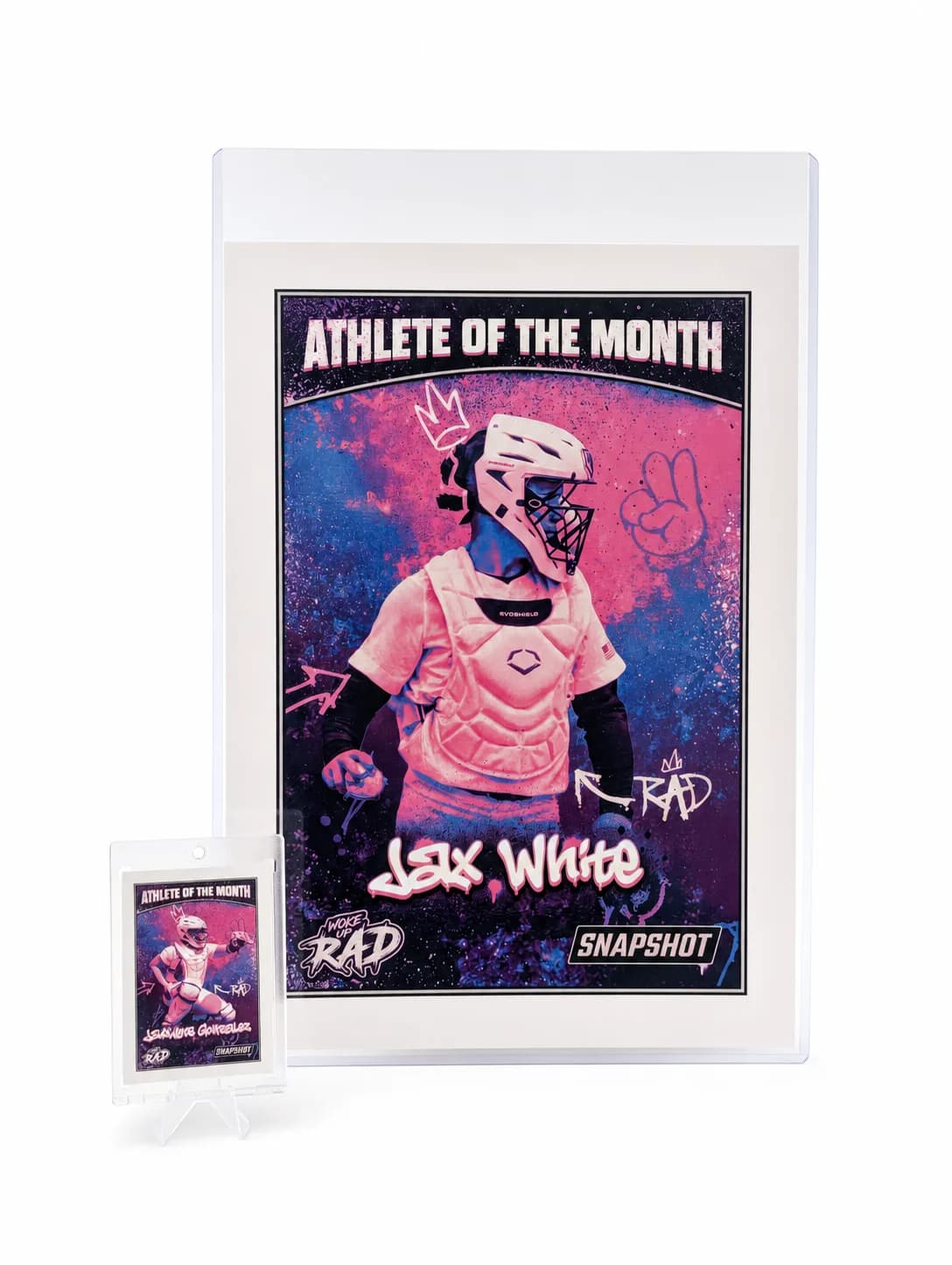
MEGA Card
Their moment, bigger than ever
$49.99
Create for free • Ships the next business day • Made in Des Moines, IA, USA
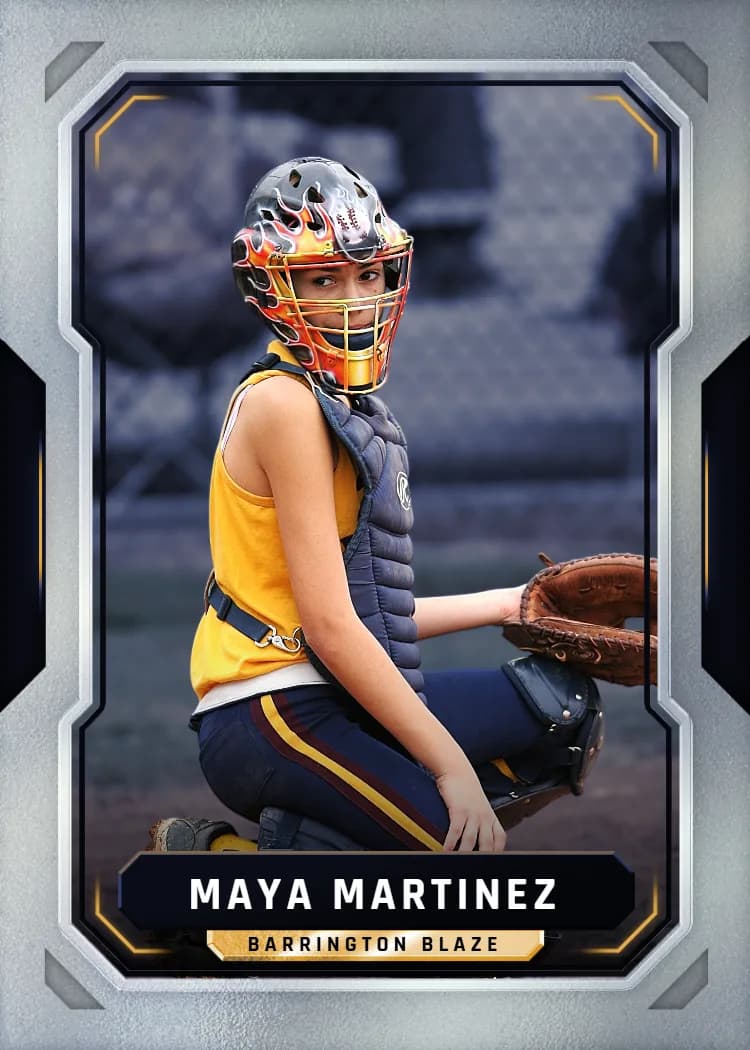
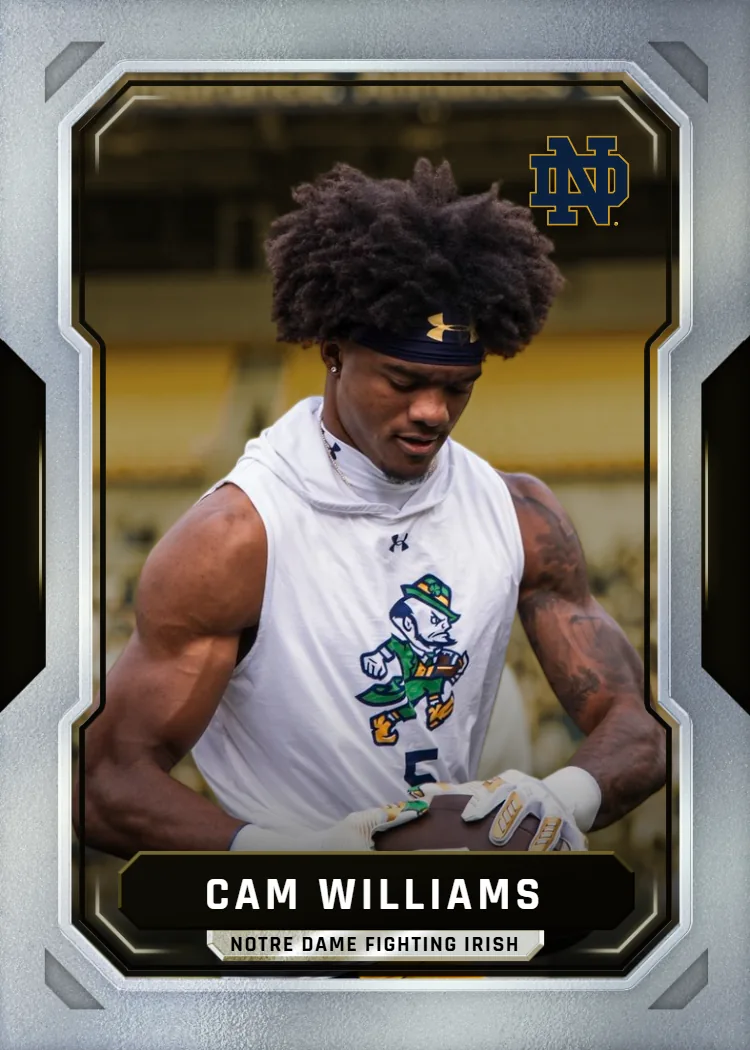
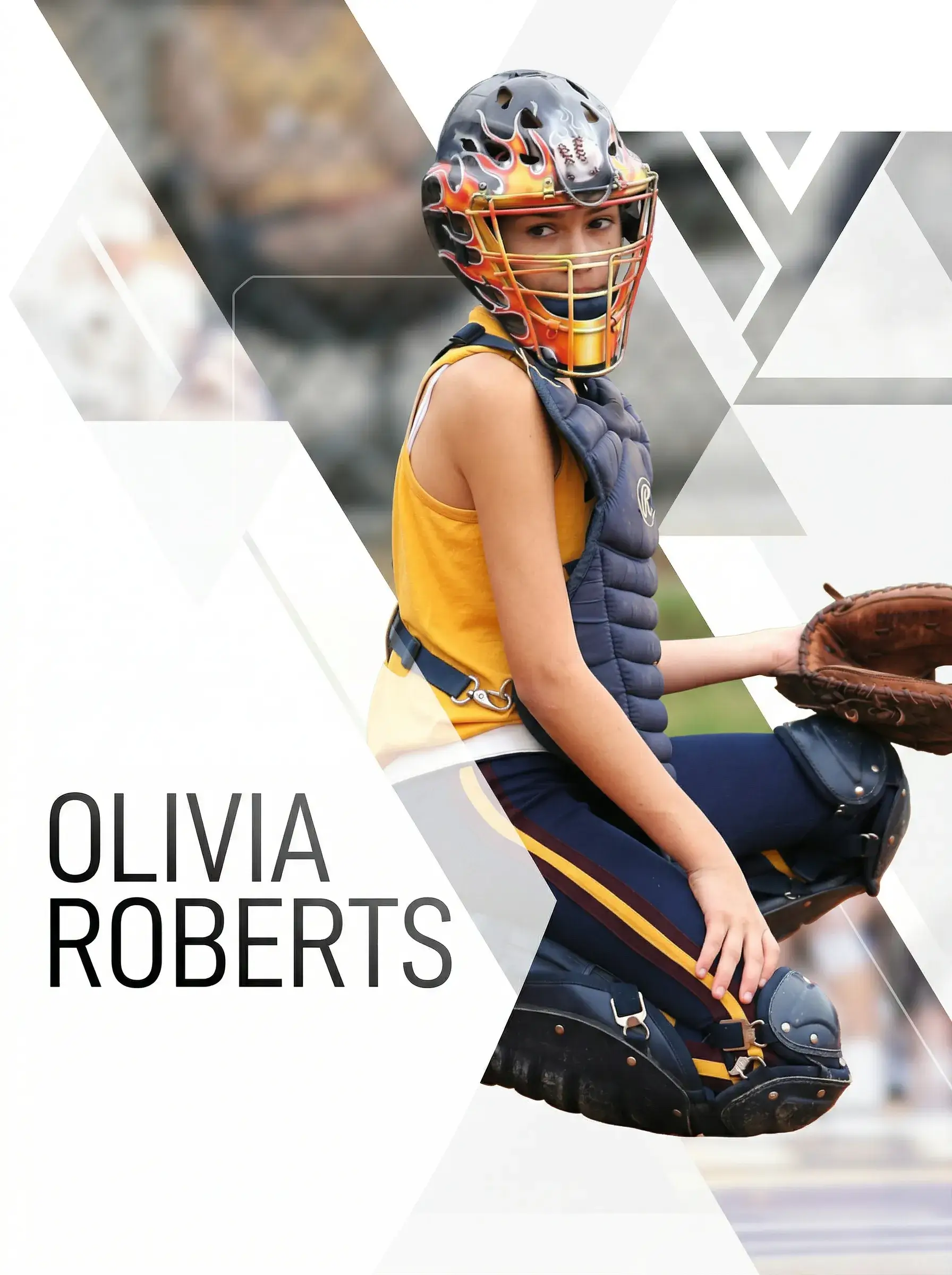
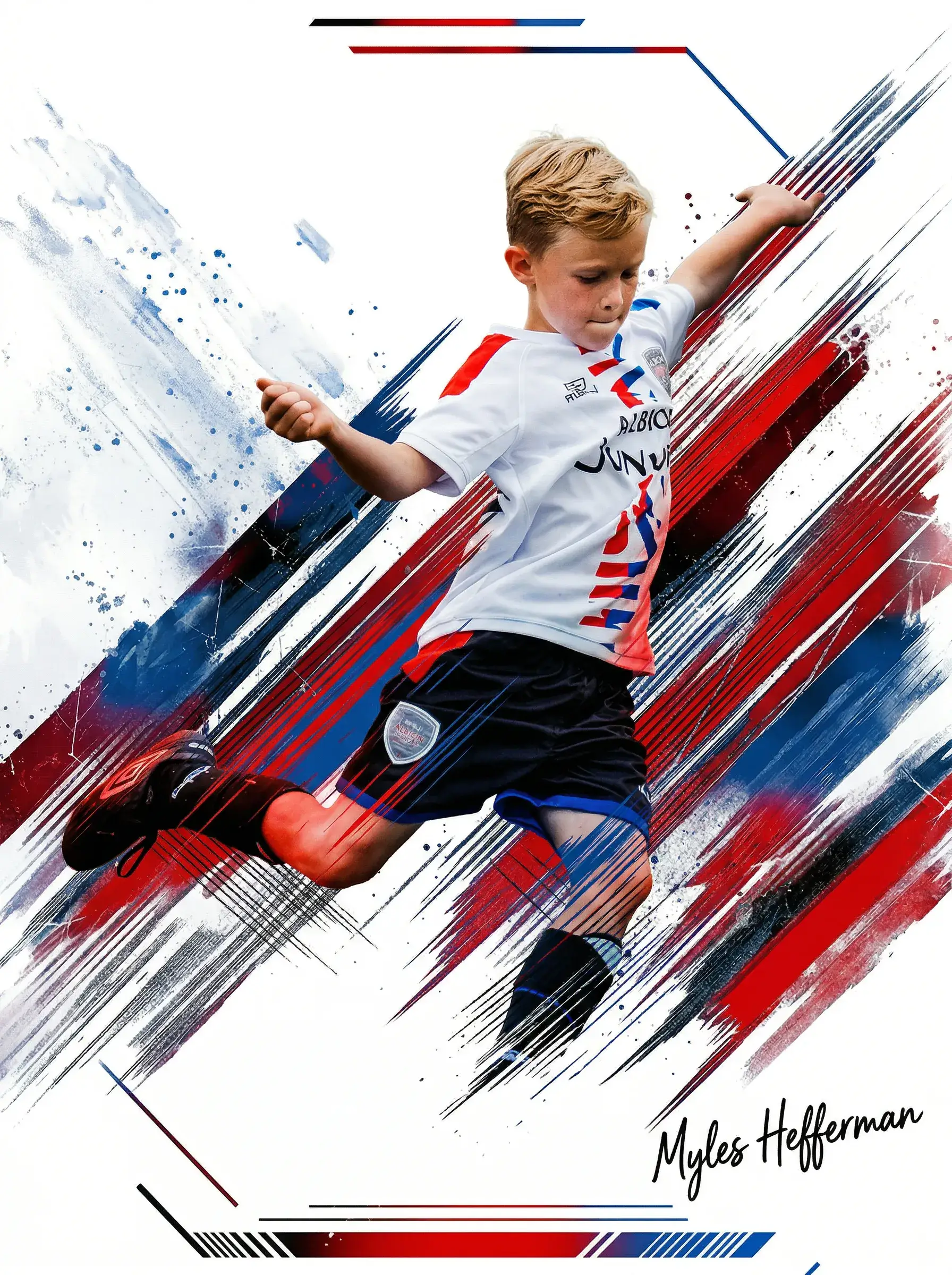
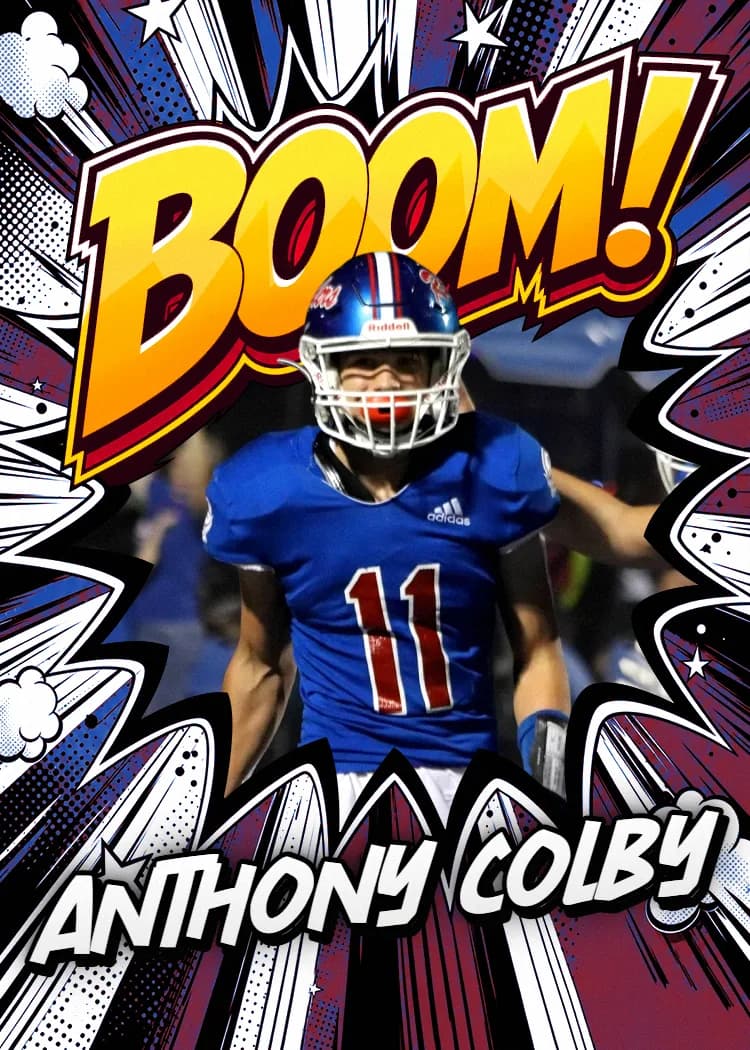
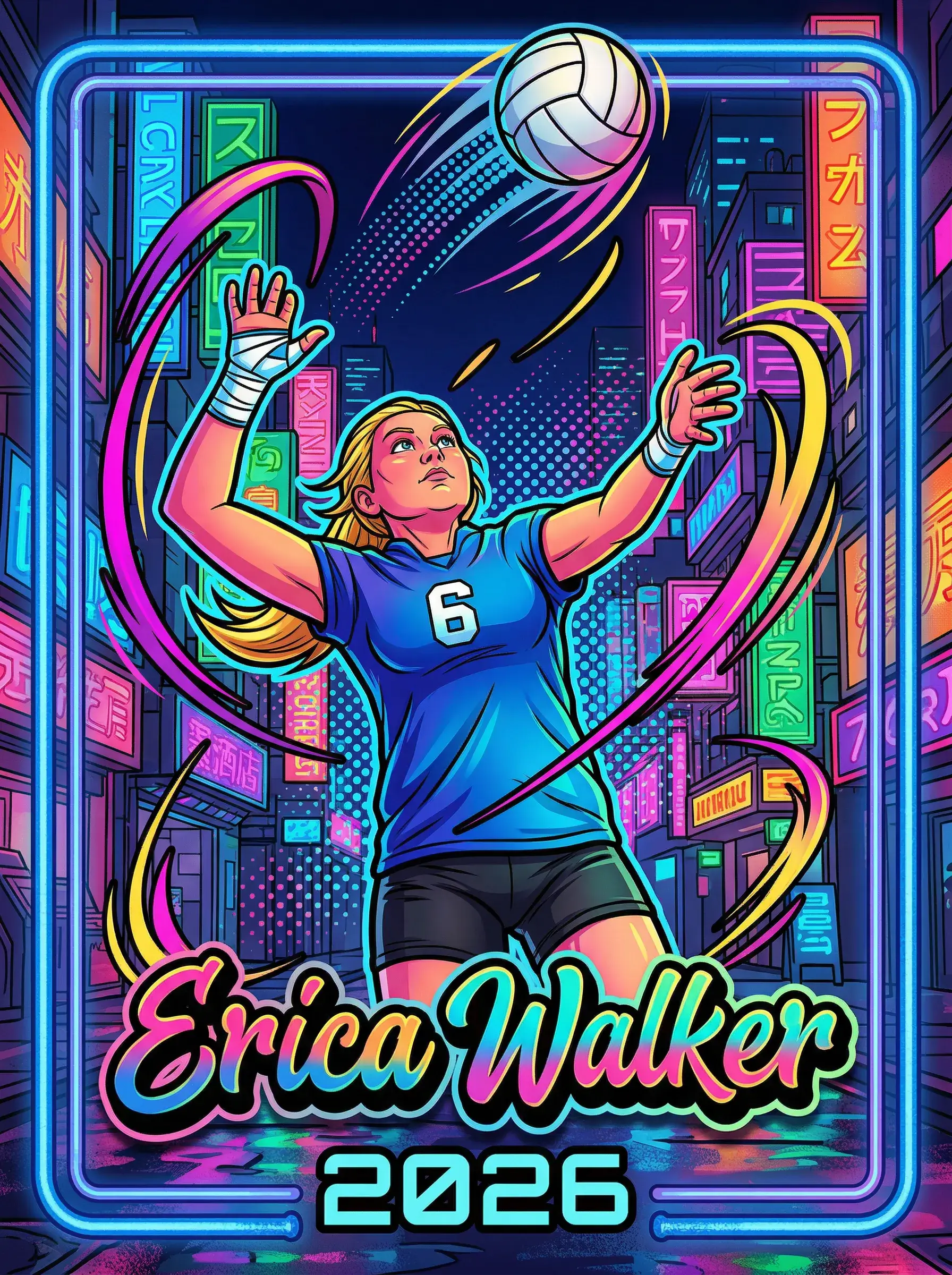
Build Your Own Card Inspired by Topps Baseball Card Designs by Year
Pick a template rooted in the design era you love most. Upload your photo. Production takes one business day; shipping time is quoted at checkout for your address.
Design Your Card NowNo credit card required | Instant preview | Pro-quality designs
Explore More Card Options
Discover more custom trading card options for every sport and occasion