What Do Baseball Cards Look Like, Exactly?
Most people picture a rectangle with a player photo. The reality is far more detailed than that.
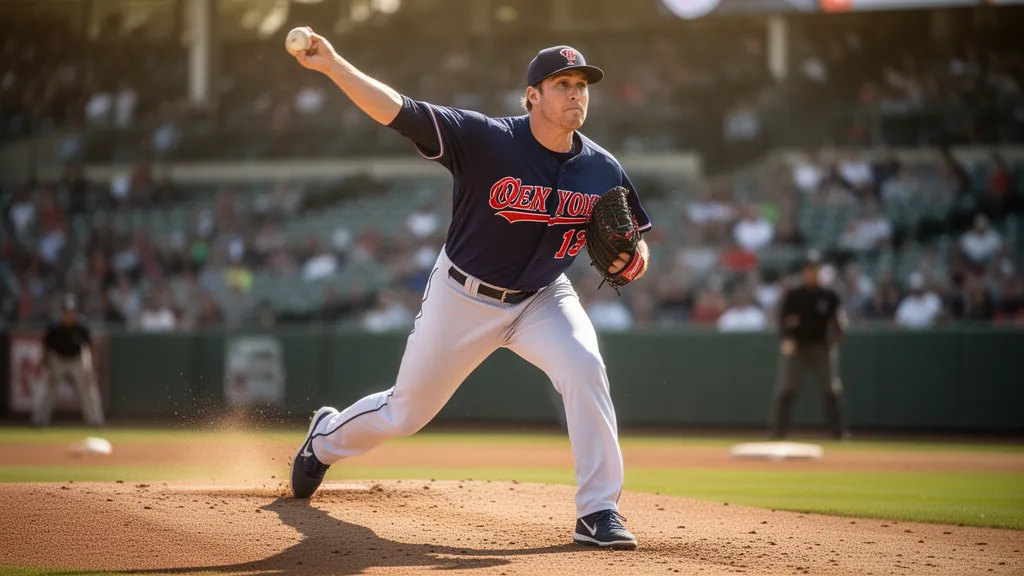
So what do baseball cards look like in practice? The answer depends on era, manufacturer, and purpose — and there's a lot of mythology mixed in with the facts. Many people assume all baseball cards look the same: glossy front, stats on the back, done. But that's a surface-level read. Vintage cards from the 1950s look nothing like a 1990s holographic insert, and neither of those looks like the custom cards families are ordering today for their Little Leaguers and travel-ball players. Getting clear on the actual anatomy of a baseball card helps you understand what you're looking at — and what's possible.
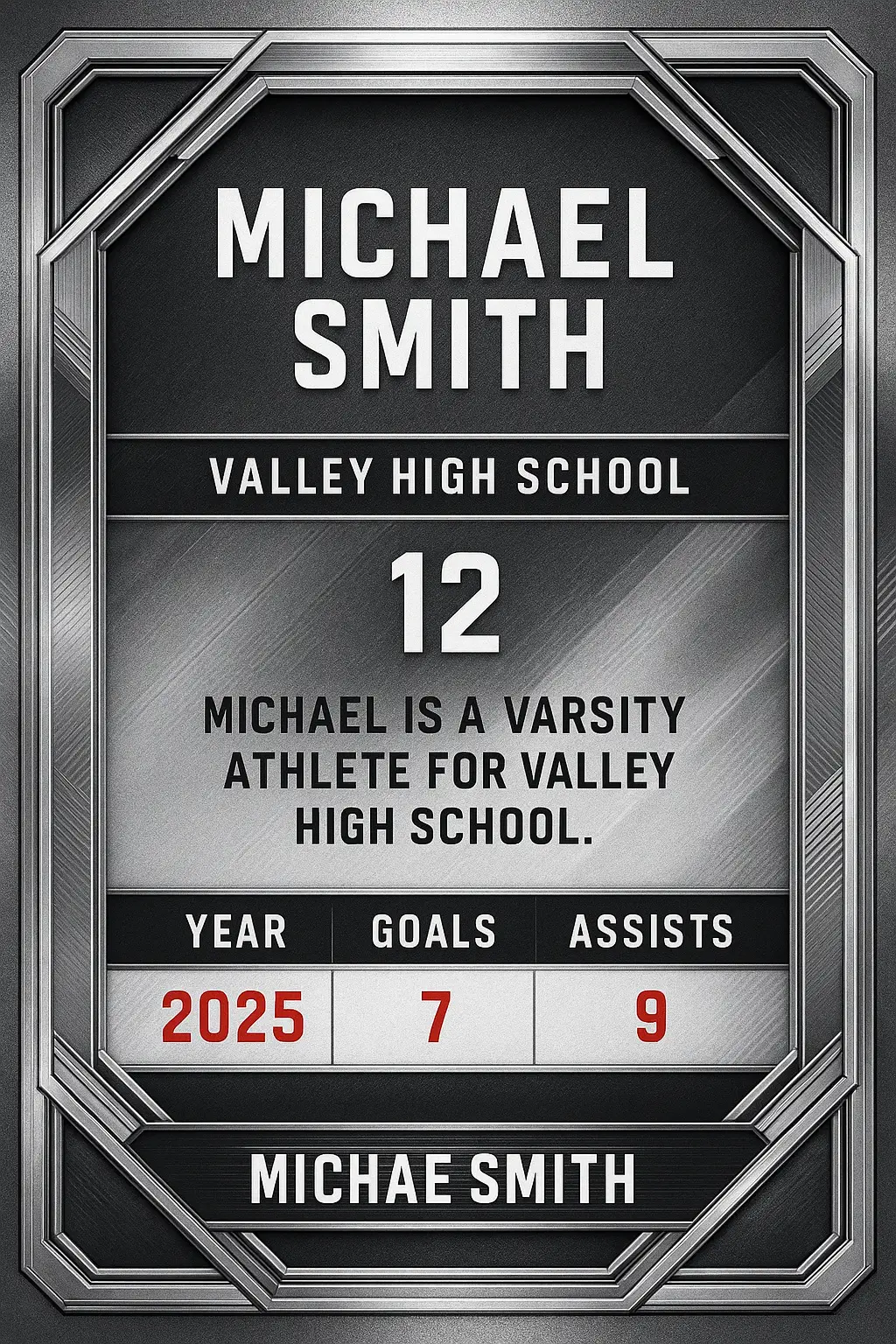
A standard baseball card measures 2.5 × 3.5 inches. The front almost always features a player photo — action shot or portrait — along with the player's name, team, and sometimes a logo or position callout. The back carries stats, a player bio, card number, and set branding. Premium modern cards use professional card stock with a clean finish that makes colors pop. Custom cards from Snapshot replicate that exact professional structure using your own photos, giving anyone — from a college recruit to a youth league all-star — a card that looks like it belongs in a pack.
Let's separate the myths from the facts and break down every element you'd find on a real baseball card.
We ship custom baseball cards to players, coaches, and families in all 50 states every single week — from T-ball all-stars in rural Iowa to college showcases on both coasts.
What Do Baseball Cards Look Like, Layer by Layer?
A baseball card has more going on than most people realize. Here's how each layer of the design actually works.
The Front: Photo, Name, and Team Identity
The front face is the card's personality. A full-bleed player photo — usually an action shot or a posed portrait — takes up most of the real estate. The player's name sits prominently near the bottom or top, often in bold type. Team colors frame the image. Position badges, year indicators, and set logos fill the corners. It's a tightly organized layout that communicates identity in under a second.
The Back: Stats, Bio, and Card Number
Flip any baseball card and you'll find structured information — career statistics in a year-by-year grid, a short biographical blurb, birthdate, hometown, and card number within the set. The back is designed for readers who want context beyond the photo. Colors on the back tend to be softer than the front, letting the text breathe. Some cards add fun facts or a quote from the player.
The Stock: Weight, Finish, and Feel
Feel matters as much as visuals. Professional baseball cards are printed on premium card stock — rigid enough to hold its shape, smooth enough to take high-resolution ink without bleeding. Most modern cards have a slight gloss on the front and a matte or semi-gloss back. That physical heft is part of what makes a card feel collectible rather than disposable. Snapshot uses that same professional card stock for every custom card it prints.
Every element earns its spot. Nothing on a well-designed baseball card is accidental — it's purposeful layout built around one great photo.
Why Custom Cards Match Pro Cards Visually
The gap between a store-bought card and a custom card has essentially closed. Here's what makes Snapshot cards hold up visually against anything you'd pull from a pack.
Pro-Grade Templates
Snapshot's templates are built to mirror real sports card layouts — the same proportions, font hierarchy, and visual balance you'd see on a licensed card. Your photo drops into a structure that already looks authoritative. No guesswork, no amateur alignment issues.
True-to-Life Color Reproduction
Printing on professional card stock means your image doesn't wash out or oversaturate. The colors you see on screen translate accurately to the finished card — vivid uniform colors, sharp contrast on action shots, clean white backgrounds where needed.
Exact Standard Dimensions
Every Snapshot card is 2.5 × 3.5 inches — the universal trading card size. That means it fits standard sleeves, binders, and the included magnetic case without any awkward trimming or retrofitting. It's the right size because that's the only right size.
Personalized Back-Side Data
The back isn't blank. You can include stats, position, team name, season year, and a bio line — giving the card the full double-sided experience of a real baseball card, not just a photo on cardboard.
Anatomy of a Professional Baseball Card: The Complete Checklist
- ✓
- ✓
- ✓
- ✓
- ✓
- ✓
- ✓
- ✓
- ✓
- ✓
Baseball Card Fast Facts Worth Knowing

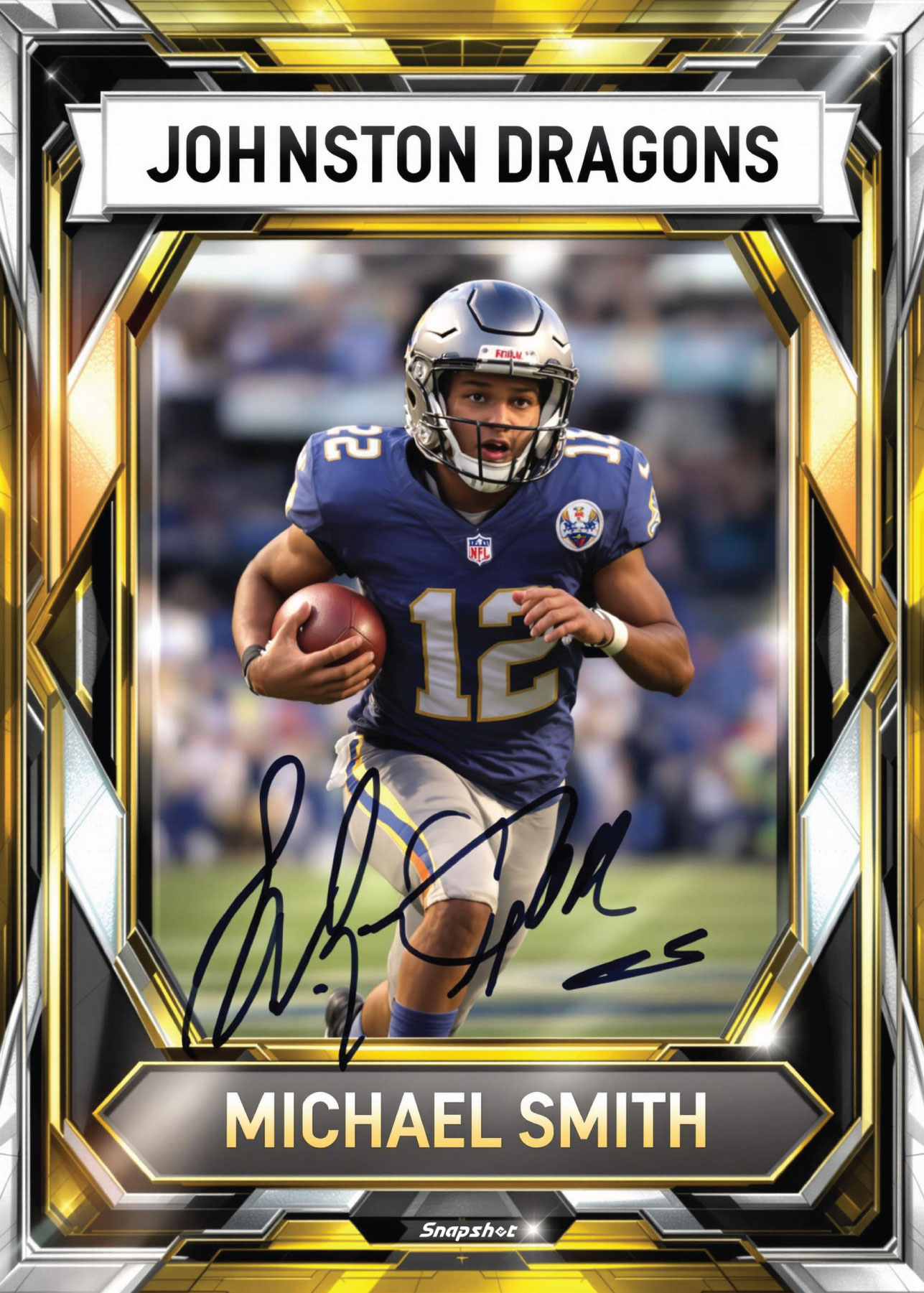
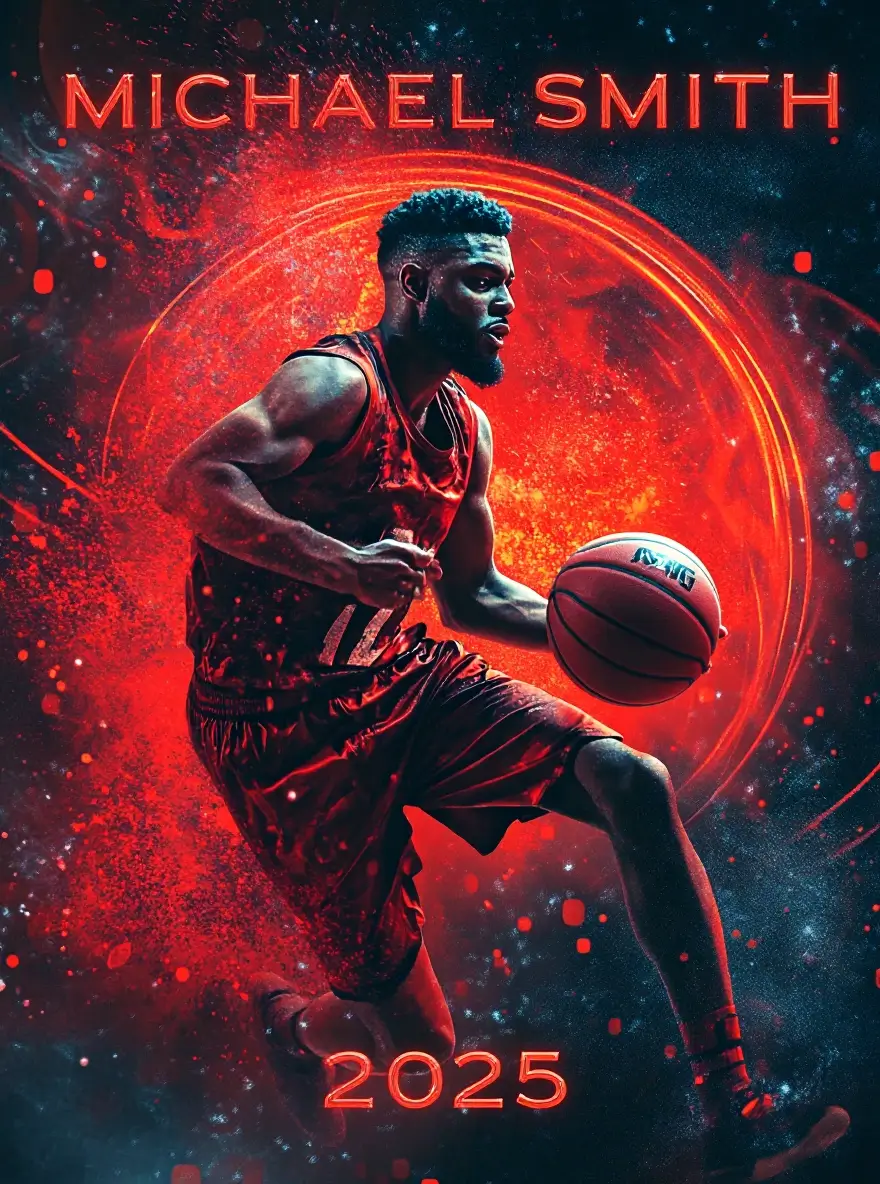

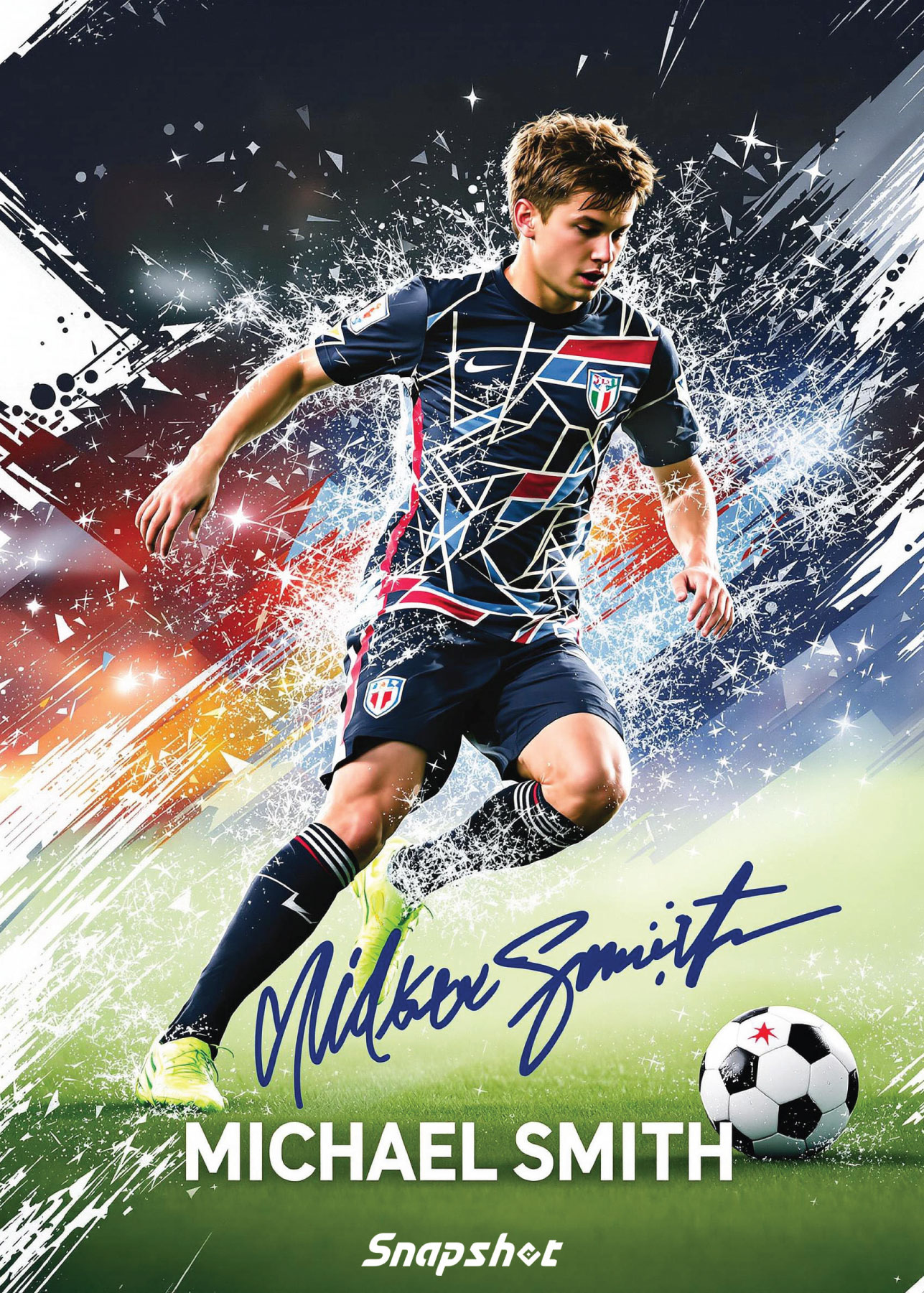
Who's Actually Ordering Custom Baseball Cards Right Now
Custom cards aren't a niche novelty. They're showing up at Little League banquets, high school senior nights, and college showcase weekends across the country.
Youth League End-of-Season Gifts
Coaches and team parents are ordering individual player cards for the whole roster at end-of-season parties. Each kid gets their own card — their photo, their stats, their name in big type. For an eight-year-old who's been watching the pros all summer, holding a card that looks exactly like theirs is genuinely memorable. Snapshot's packs make it easy to order multiples at a single price point.
High School & College Recruiting Profiles
Serious players hand these to scouts and coaches at showcases. A custom card communicates professionalism before you say a word. Include your position, stats, graduation year, and contact info on the back — it's a business card and a highlight reel in one 2.5 × 3.5-inch piece of premium card stock. College coaches remember the players who show up prepared.
Fan Keepsakes and Family Gifts
Parents are turning action shots from travel-ball tournaments and high school games into collector cards for grandparents, siblings, and scrapbooks. The MEGA 11×15-inch poster card from Snapshot takes that same concept and scales it up dramatically — wall-worthy, frameable, and unmistakably personal. It's not a participation trophy. It's something people actually keep.
Why Snapshot Cards Get Ordered Again and Again
Snapshot ships custom cards to customers in all 50 states — from small-town Little League programs to travel-ball organizations with dozens of players on the roster. The combination of fast turnaround (2–3 business days), free domestic shipping, and a free magnetic case with every order means most customers come back the following season. Orders spike every spring as baseball season opens and again in the fall for tournament and senior recognition events.
Snapshot Pricing: What Every Option Includes
Every Snapshot order includes free standard shipping in the USA and a free magnetic case — no hidden add-ons at checkout.
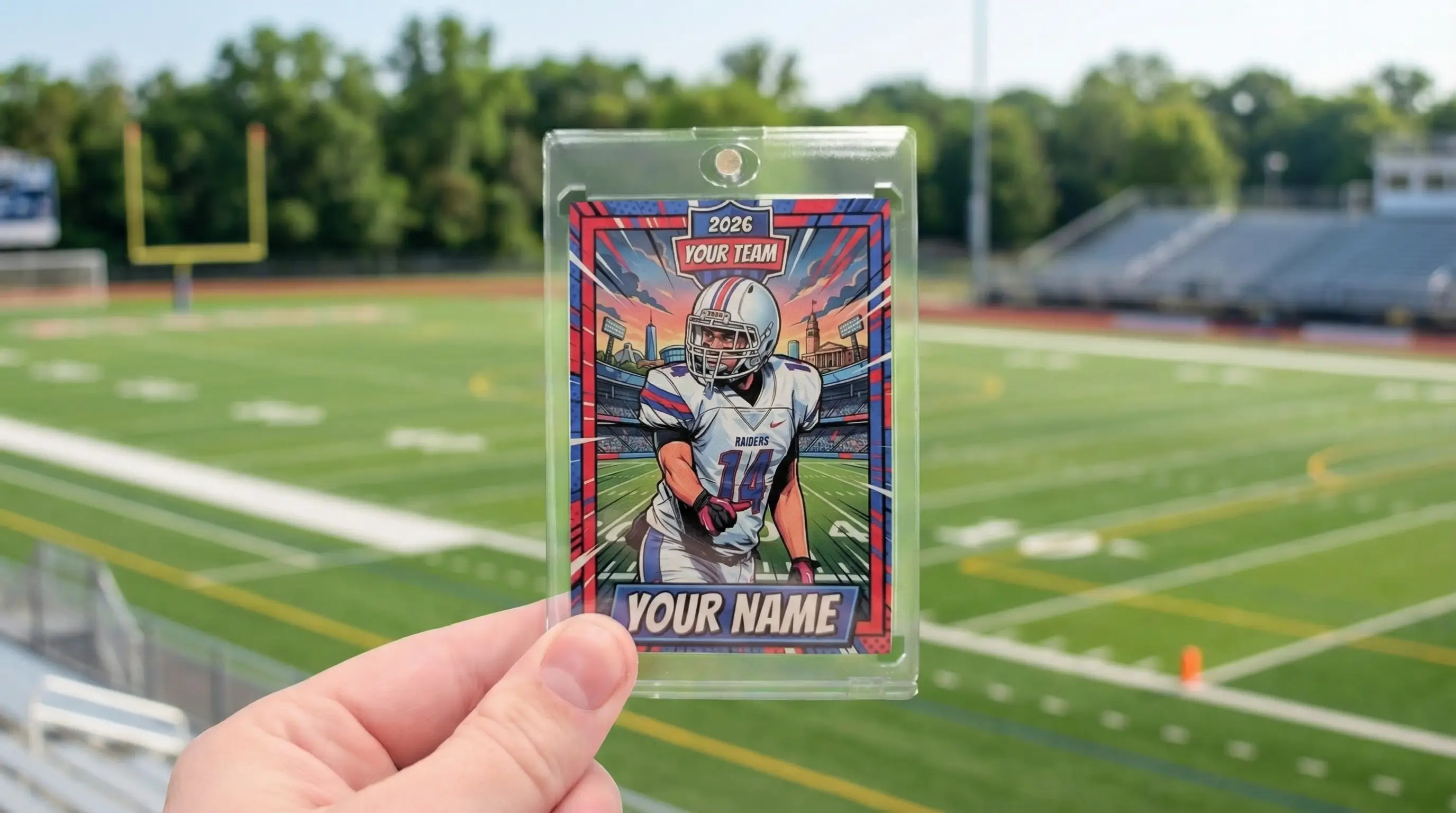
The Rookie Box
Perfect for those unforgettable moments
$17.99 - $49.99
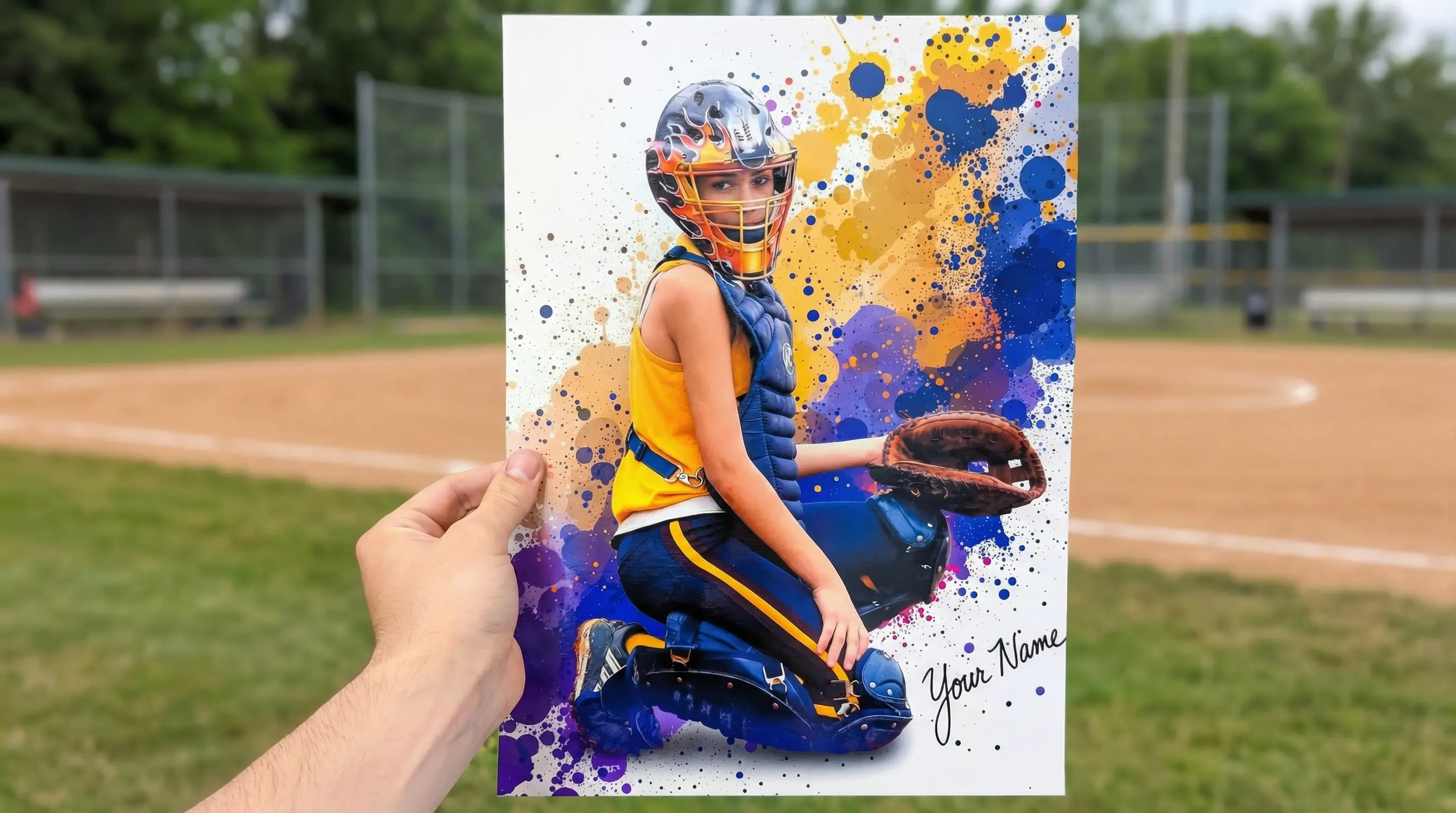
MEGA Card
Their moment, bigger than ever
$49.99
Create for free • Ships in 2-3 days • Made in Des Moines, IA, USA
Frequently Asked Questions
Everything you need to know about what do baseball cards look like
What do baseball cards look like on the front?
The front of a baseball card is dominated by a player photo — typically a cropped action shot or a posed portrait against a clean or blurred background. The player's name appears in bold, legible type, usually near the bottom third of the card. Team color accents, position indicators, and sometimes a logo or year badge fill the remaining space. The design is intentionally compact: everything you need to identify the player at a glance. On custom Snapshot cards, your uploaded photo replaces the licensed image, but the professional layout stays exactly the same.
What does the back of a baseball card look like?
The card back is the informational side. On professional cards, you'll find a year-by-year statistics table, biographical details like birthdate and hometown, a short player description or fun fact, the card number within the set, and manufacturer copyright information. The typography is smaller than the front but organized for easy reading. Snapshot lets you populate the back with your own stats, team info, season year, and a personal bio line — so your custom card delivers the full double-sided experience rather than leaving the back blank or generic.
How big are baseball cards?
The standard baseball card size is 2.5 inches wide by 3.5 inches tall — a proportion that's been consistent across major manufacturers for decades. That specific size isn't arbitrary: it fits standard card sleeves, top-loaders, binder pages, and display cases without modification. It's also comfortable to hold in one hand and easy to store in large quantities. Every card Snapshot produces uses these exact dimensions, which means your custom card will slot perfectly into any collector's existing storage or display setup without needing special accommodations.
What's the difference between a base card and an insert card visually?
Base cards are the standard issue — consistent design, one per player, printed in large quantities. Inserts are intentionally different: they might feature holographic foil, refractor finishes that shift color under light, die-cut edges, or premium specialty printing. Vintage insert cards from the 1990s leaned hard into chrome and prismatic effects. Modern inserts can include embedded patches of game-worn fabric or on-card autographs. For custom cards, Snapshot focuses on the clean, professional base-card aesthetic — which is actually what most collectors and families want, rather than a novelty finish.
What finish do baseball cards have — glossy or matte?
Most modern baseball cards use a gloss finish on the front to make colors vivid and protect the photo layer. The back is often matte or semi-gloss to improve the readability of smaller text and stats. Vintage cards from the mid-20th century had a softer, less reflective finish because printing technology was different. Some premium modern cards use a full matte front for a sophisticated, understated look. Snapshot cards use a professional finish that balances photo quality with durability — the card looks sharp under lighting without producing the kind of glare that makes photography difficult.
How is a custom baseball card different from a store-bought one?
The core visual structure is the same — standard dimensions, photo front, info back, professional card stock. The difference is that a custom card uses your photo instead of a licensed player image. That distinction matters a lot if you're making a card for a youth player, a high school senior, or a travel-ball roster. It also means you control the content on the back: you decide which stats to feature, what bio text to include, and what name and team to display. Store-bought cards are collectibles; custom cards are personal. Both can look completely professional.
What's the MEGA poster card and how does it differ from a standard card?
The MEGA is Snapshot's 11×15-inch poster card — the same design and professional card stock as a standard card, just scaled up dramatically. It's wall art that looks like a baseball card, not a generic photo print. The proportions stay correct, so the card doesn't look stretched or distorted at the larger size. At $49.99, it works as a bedroom display piece, a locker room feature, or a framed gift. Players who get one tend to frame it rather than store it. It's the version you order when you want the card to be seen rather than collected.
Do baseball cards come with protective cases?
Premium collectible cards are typically stored in top-loaders, one-touch magnetic cases, or thick protective sleeves to prevent edge wear and surface scratches. A card's condition directly affects its value if it's ever graded or resold. Snapshot includes a free magnetic case with every order — the same style used by serious collectors to protect high-value cards. You don't have to buy additional protection or track down the right sleeve size. The card arrives ready to display or gift straight out of the shipping package.
Can I make a baseball card that looks like an official MLB card?
You can absolutely make a card that matches the visual style and structure of an official MLB card — same dimensions, same layout logic, same professional card stock. What Snapshot's templates do is replicate the design language of professional sports cards using your own photo. The result looks like a card you'd pull from a licensed pack. What it won't include are official MLB logos, trademarks, or licensed team marks, since those are protected intellectual property. For amateur players, youth leagues, and personal use, that's rarely a concern — the card looks and feels completely authentic.
How fast can I get a custom baseball card made and shipped?
Snapshot's production time is 2–3 business days from order confirmation to shipment. Upload your photo, select a template, customize the text fields, and place your order. That's it. Shipping is free anywhere in the continental United States, which means most customers receive their cards within a week of ordering. That turnaround works well for last-minute gifts, end-of-season parties, and tournament prep. If you're ordering a full team's worth of cards, the packs pricing makes bulk orders cost-effective without requiring a large minimum quantity or a custom quote process.
See What Do Baseball Cards Look Like With Your Photo
Upload any photo right now and watch it transform into a professional baseball card. Choose your template, add your stats and name, and we'll have cards printed on premium card stock and shipped to your door in 2–3 business days — free shipping included, magnetic case in the box.
No credit card required | Instant preview | Pro-quality designs
Explore More Card Options
Discover more custom trading card options for every sport and occasion
Custom What Does A Baseball Card Look Like
Create custom cards →
Custom Baseball Cards To Look For
Create custom cards →
Custom Baseball Cards
Create custom cards →
Custom Baseball Card Card
Create custom cards →
Custom What Does A Trading Card Look Like
Create custom cards →
Custom What Do Trading Cards Look Like
Create custom cards →