
What Lens for Sports Photography Produces Card-Worthy Shots
The right lens separates a blurry sideline snapshot from a frame-worthy action shot worth printing forever.
Upload any photo — your kid, your pet, your whole team — pick a pro template, and we print and ship a real, holdable card the next business day.
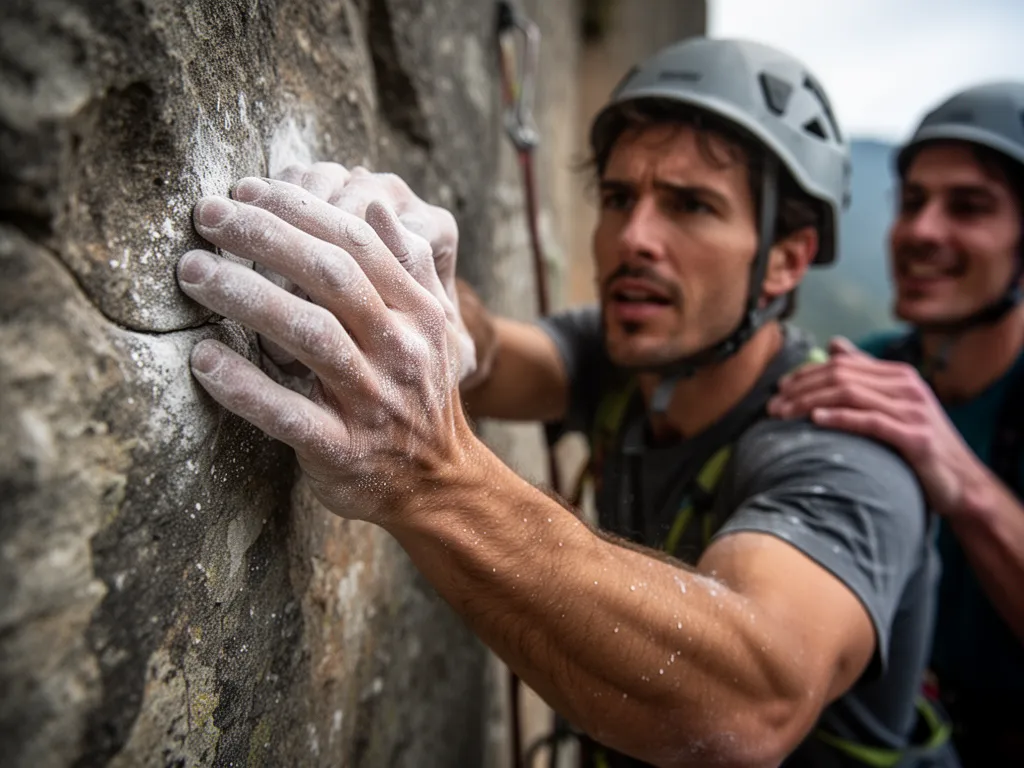
Most people ask what lens for sports photography works best right after they've already missed the shot. They're shooting basketball games, swim meets, or track events with a kit lens that tops out at f/5.6, and every photo comes back soft, dark, or half a second too late. The shutter fires, the athlete moves, and the moment is gone. Equipment matters enormously here — not in an abstract gear-obsession way, but in a practical sense: the wrong lens means you physically cannot freeze fast motion in low gymnasium light.
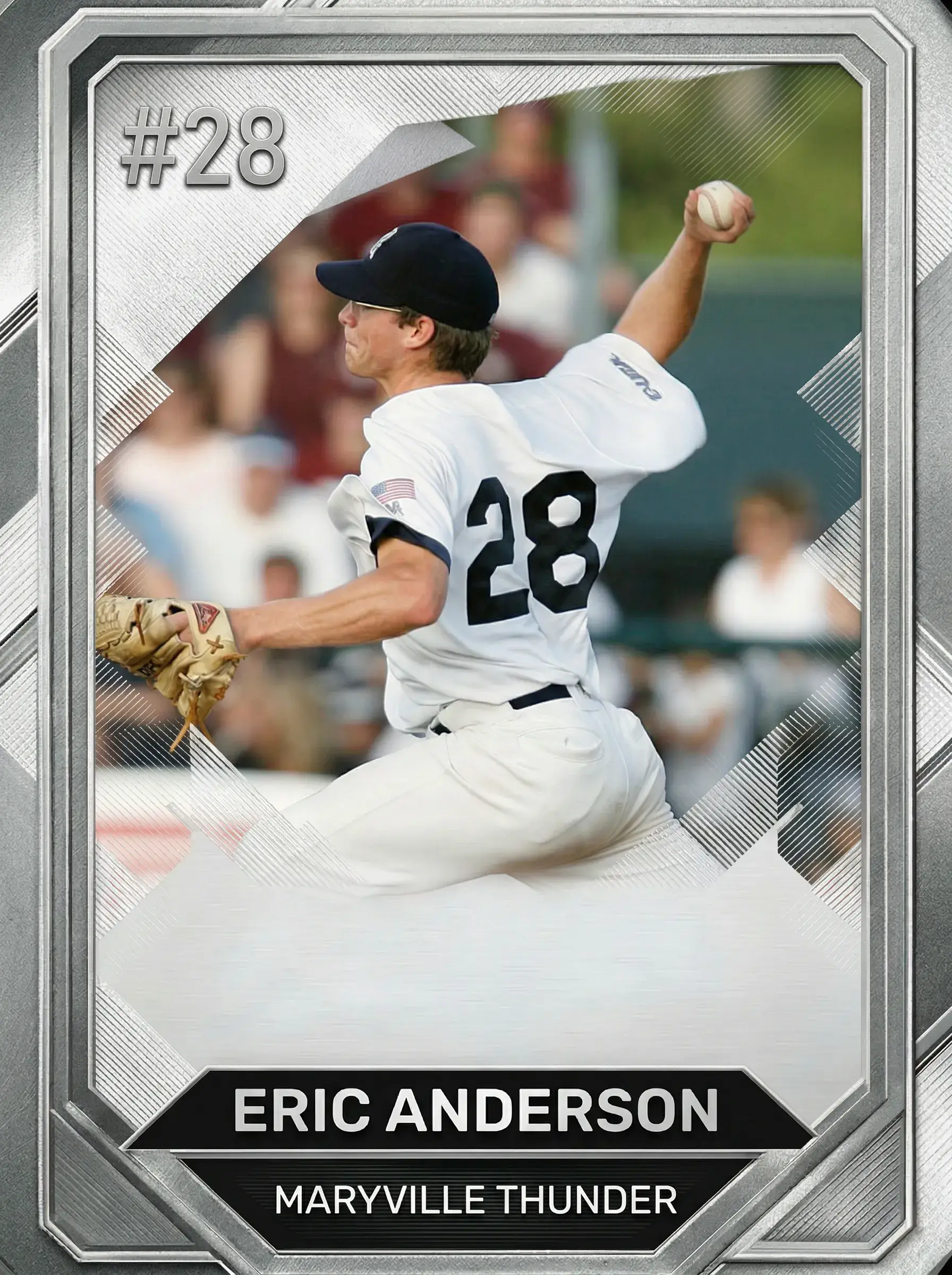
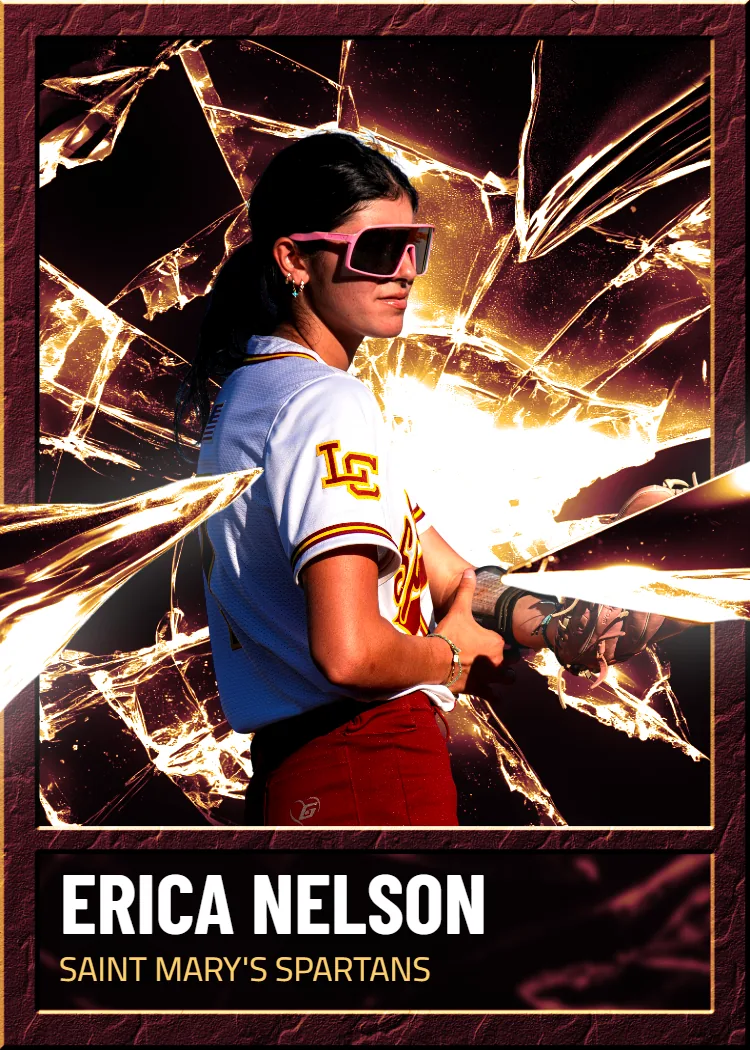
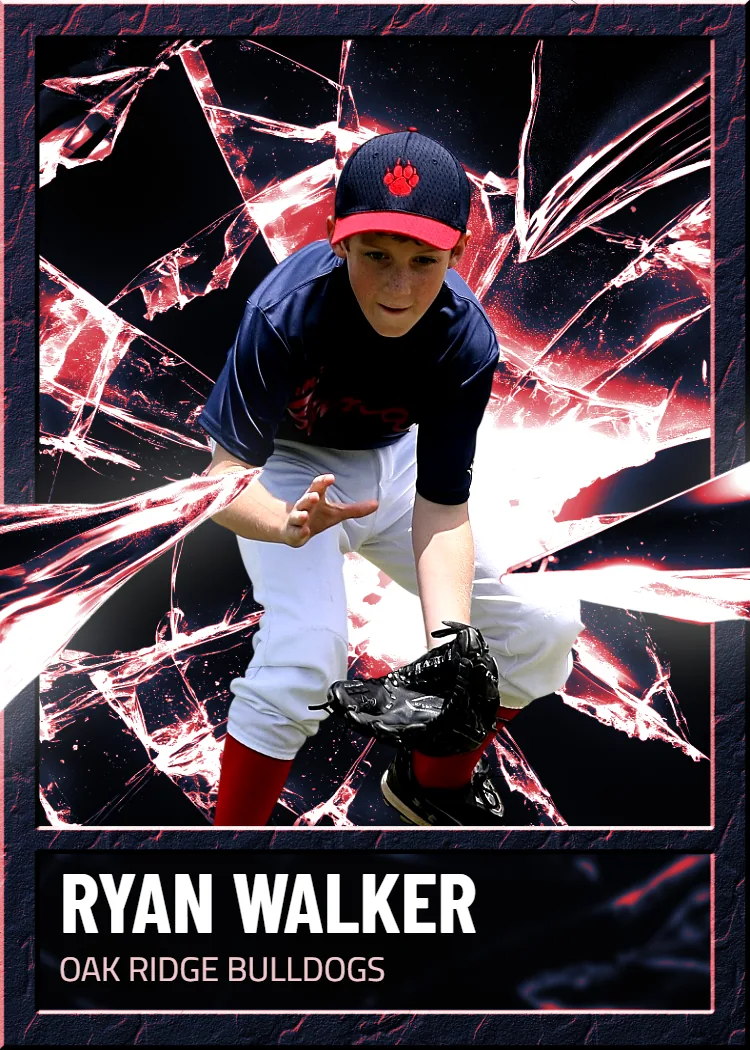
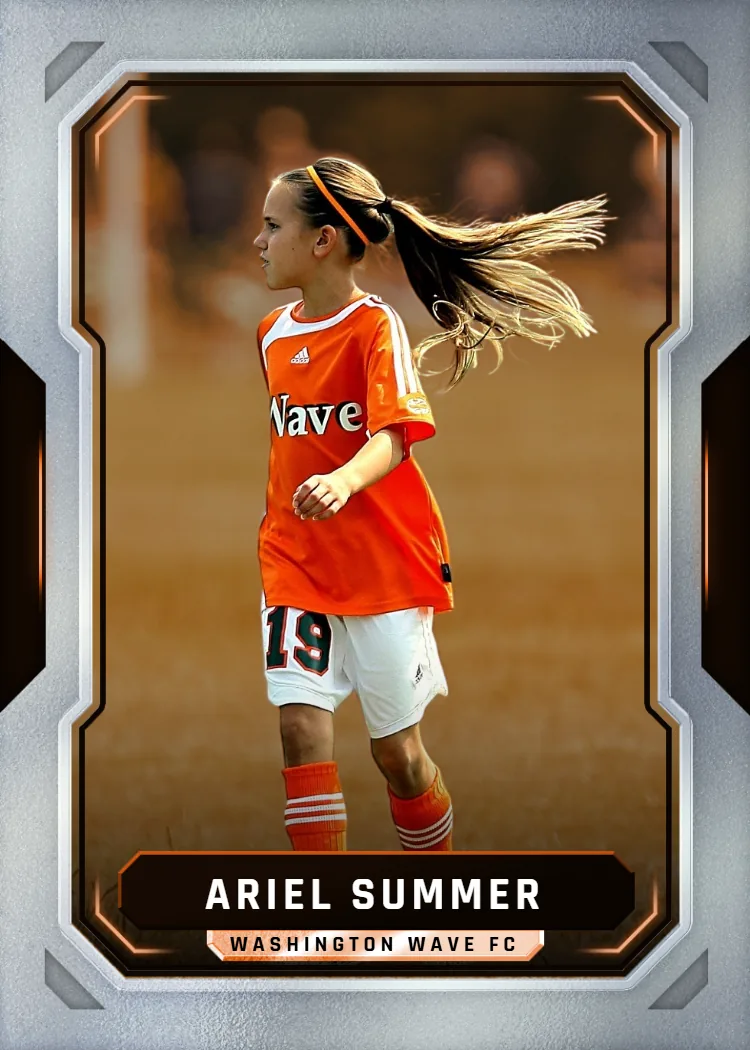
A telephoto lens with a wide maximum aperture — typically f/2.8 — solves most of that. It lets in enough light to use a fast shutter speed, and its reach keeps you from crowding the field of play. Once you've captured a genuinely sharp, well-composed action frame, the next step is preserving it. Snapshot turns that photo into a premium custom sports trading card, printed on professional card stock and shipped to your door in 2-3 days. One great lens decision plus one great photo equals a keepsake that lasts decades.
Here's exactly how to choose the right glass — and what to do with the shot after you get it.
We ship custom sports trading cards to customers in all 50 states every single week, and we review print quality on every template ourselves before it goes to a customer.
Kit Lens vs. Fast Telephoto: What the Numbers Actually Mean
This is why the lens decision matters so much for sports — and for the quality of the card you'll print afterward.
| Feature | Kit Lens | Fast Telephoto |
|---|---|---|
| Maximum Aperture | f/5.6 at 200mm | f/2.8 at 200mm |
| Light Intake Difference | Baseline | 4x more light than kit lens |
| Usable Indoor Shutter Speed | 1/200s (motion blur likely) | 1/800s (motion frozen) |
| ISO Required in Dim Gym | ISO 6400+ (visible grain) | ISO 1600 (clean image) |
| Print Quality at Card Size | Soft edges, color noise visible | Sharp, clean, card-ready |
Five Mistakes That Ruin Sports Photos Before They Reach the Card
Single-shot autofocus on moving subjects
Switch to continuous AF (AF-C or AI Servo) and keep tracking through the frame. Single-shot locks focus once and never adjusts.
Shutter speed below 1/500s for any athletic motion
Set a minimum of 1/800s and push to 1/1000s for swimming, sprinting, or any sport with very fast limb movement.
Shooting JPEG at high ISO and expecting clean prints
Shoot RAW whenever possible. RAW files retain far more detail for noise reduction in post-processing, which matters at print size.
Waiting for the peak moment instead of using burst mode
Hold burst mode through the entire motion sequence and choose the best frame afterward. Storage is cheap; missed moments aren't recoverable.
Uploading a heavily cropped or digitally zoomed image
Use the right focal length to fill the frame optically. Heavy digital cropping throws away resolution and makes prints look soft at card dimensions.
Free to design, instant preview. Ships the next business day.
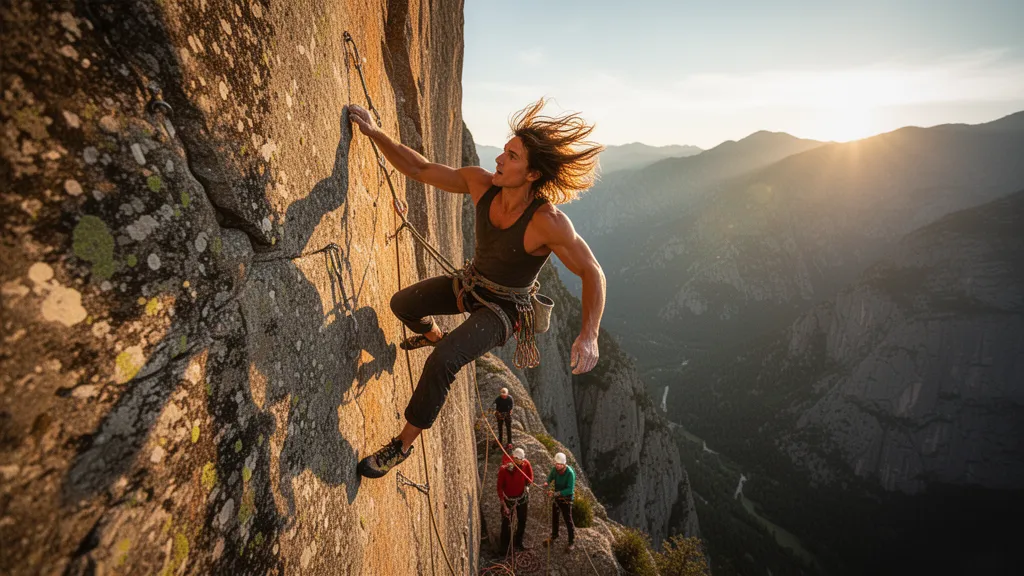
Why Sharp Sports Photos Become Better Custom Cards
A technically excellent photo doesn't just look good on a screen — it prints dramatically better on professional card stock at trading-card dimensions.
Crisp Edge Detail
A fast telephoto lens renders jersey numbers, facial expressions, and equipment with the fine detail that makes a printed card look truly professional. Soft or motion-blurred images lose that edge sharpness at print size, making the final card look muddy no matter how good the template looks.
Clean Backgrounds
Wide apertures blur distracting bleachers, fences, and spectators behind your subject. On a trading card, that smooth background color puts every visual emphasis on the athlete — exactly the way pro sports cards are composed. It's not an accident that pro card photographers shoot at f/2.8.
Proper Exposure in Difficult Venues
Gymnasiums, natatoriums, and wrestling gyms have notoriously poor, mixed lighting. A lens that opens to f/2.8 or wider keeps ISO noise manageable, which translates directly to cleaner printed color on the finished card. Grainy photos print grainy — full stop.
Emotional Storytelling
The right focal length at the right moment captures genuine emotion — the grimace at the finish line, the celebration mid-air. Those frames aren't just good photos; they're the kind of sports memorabilia that families keep for generations and athletes display with genuine pride.
What Lens for Sports Photography Should You Actually Buy?
The answer depends on your sport, venue, and budget — but three focal-length categories cover nearly every situation you'll encounter at a live sporting event.
70-200mm f/2.8 — The Workhorse
This focal range covers sideline football, courtside basketball, wrestling mats, and most indoor arenas. The f/2.8 aperture is the critical number — it lets in four times more light than a kit lens at f/5.6, which means you can safely shoot at 1/1000s even under gymnasium fluorescents. It's the most versatile sports lens money can buy, and nearly every major manufacturer offers one.
100-400mm or 150-600mm — Reach for Outdoor Fields
Track, baseball outfield, soccer, and any sport where you can't get close require serious reach. A 400mm or longer focal length compresses the background, isolates the athlete, and lets you fill the frame from the stands. Pair it with a monopod — handheld at those focal lengths introduces blur that no sharp aperture can fix. Budget versions from third-party brands now perform excellently at a fraction of the name-brand price.
50mm or 35mm f/1.8 — Close-Quarters and Celebrations
After the action ends, the best moments often happen four feet away. A fast prime lens at 35mm or 50mm captures medal ceremonies, dugout celebrations, team huddles, and post-game portraits with beautiful background separation. These shots — intimate, emotional, perfectly lit — tend to make the strongest custom trading cards because they show the athlete as a person, not just a competitor.
Get the glass right, capture the moment, and you'll have a photo that deserves more than a phone camera roll.
Why Families and Coaches Trust Snapshot for Sports Memorabilia
Snapshot ships custom sports trading cards to customers in all 50 states every week, and the most consistent feedback we hear is surprise at the print quality — particularly from customers who uploaded sharp, well-exposed photos taken with proper sports photography equipment. Cards are made in Des Moines, Iowa, by people who take the craft seriously.
Every order ships with a free magnetic case because a card this good shouldn't sit loose in a drawer.
Who's Ordering Snapshot Cards After Getting the Shot Right
Once you have a technically sharp, emotionally compelling sports photo, the question becomes what to do with it — and a custom card from Snapshot is an answer that surprises people with how good it looks.
End-of-Season Team Gifts
Coaches and team parents who invest in a 70-200mm lens over a season's worth of games walk away with dozens of printable action shots. Turning each athlete's best photo into an individual trading card creates a personalized gift that doesn't feel like another plastic trophy. Pack orders let you give every kid on the team their own card without breaking a reasonable budget.
Senior Year Athlete Keepsakes
High school seniors in any sport — swimming, gymnastics, lacrosse, cross country — deserve a proper memorial of their final season. A sharp telephoto shot of their defining moment, printed on professional card stock with their stats and name on the back, becomes the kind of keepsake that stays in a wallet or a display case. Parents consistently say it's the most meaningful sports gift they've given.
Personal Sports Memorabilia Collections
Adult amateur athletes and serious youth sport families are building their own card collections. A cyclist who just finished a century ride, a masters swimmer who broke a personal record, a young gymnast at her first regional meet — these moments are worth capturing with good glass and preserving as a real printed card. The MEGA 11×15 poster card format is especially popular for milestone achievements.
Simple, Transparent Pricing for Every Budget
Snapshot keeps pricing straightforward — no subscriptions, no hidden fees, and free shipping anywhere in the USA.
Single card starting at $17.99. Card packs available up to $49.99. MEGA poster card (11×15 inches) at $49.99. All orders include free magnetic case and free standard US shipping.
A single premium card at $17.99 with free shipping costs less than a tank of gas and lasts a lifetime. It's a real printed keepsake, not a digital file.
Box Options
Simple, collectible pricing. No subscriptions, no hidden fees.
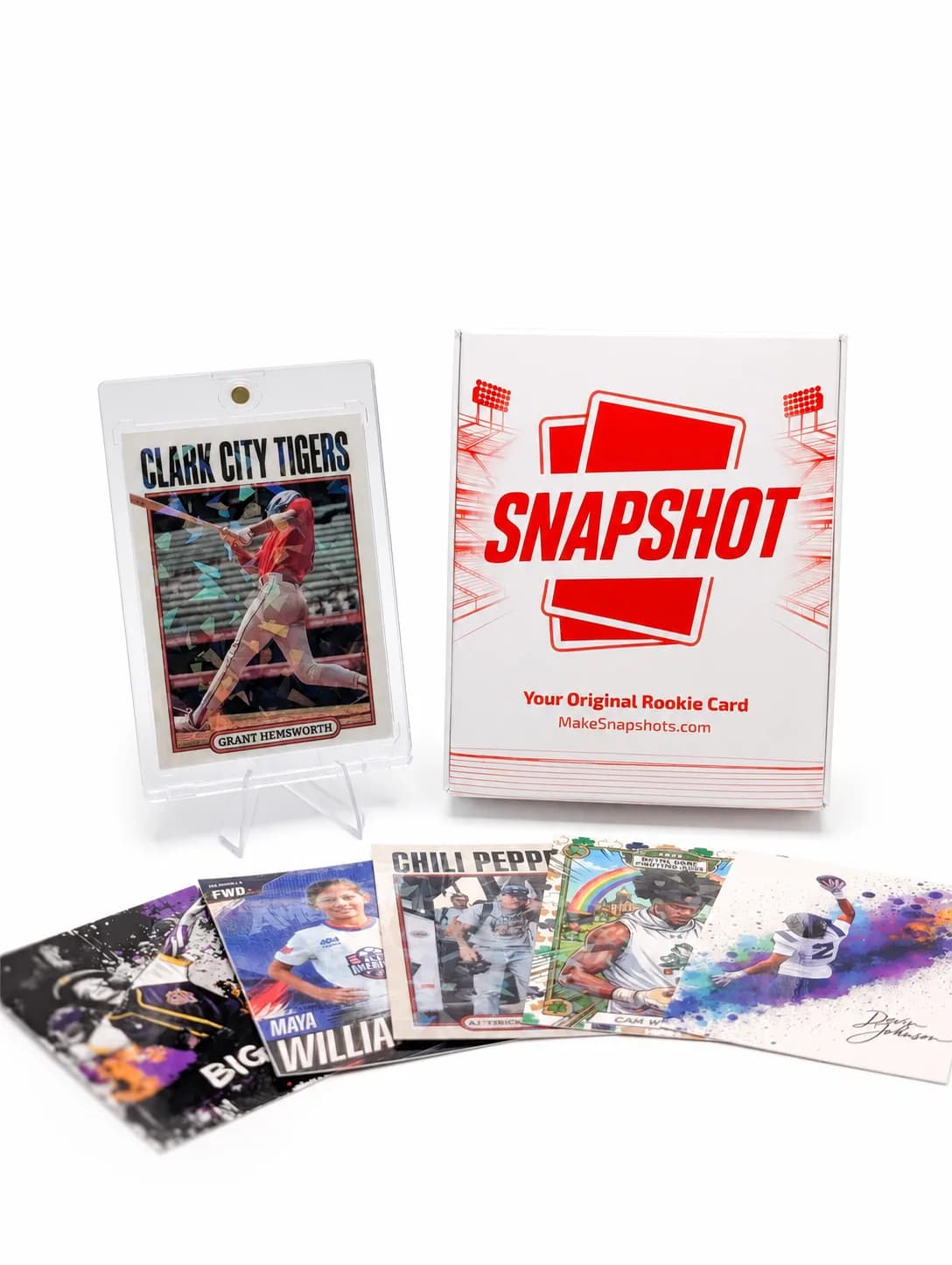
The Rookie Box
Perfect for those unforgettable moments
$17.99 - $49.99
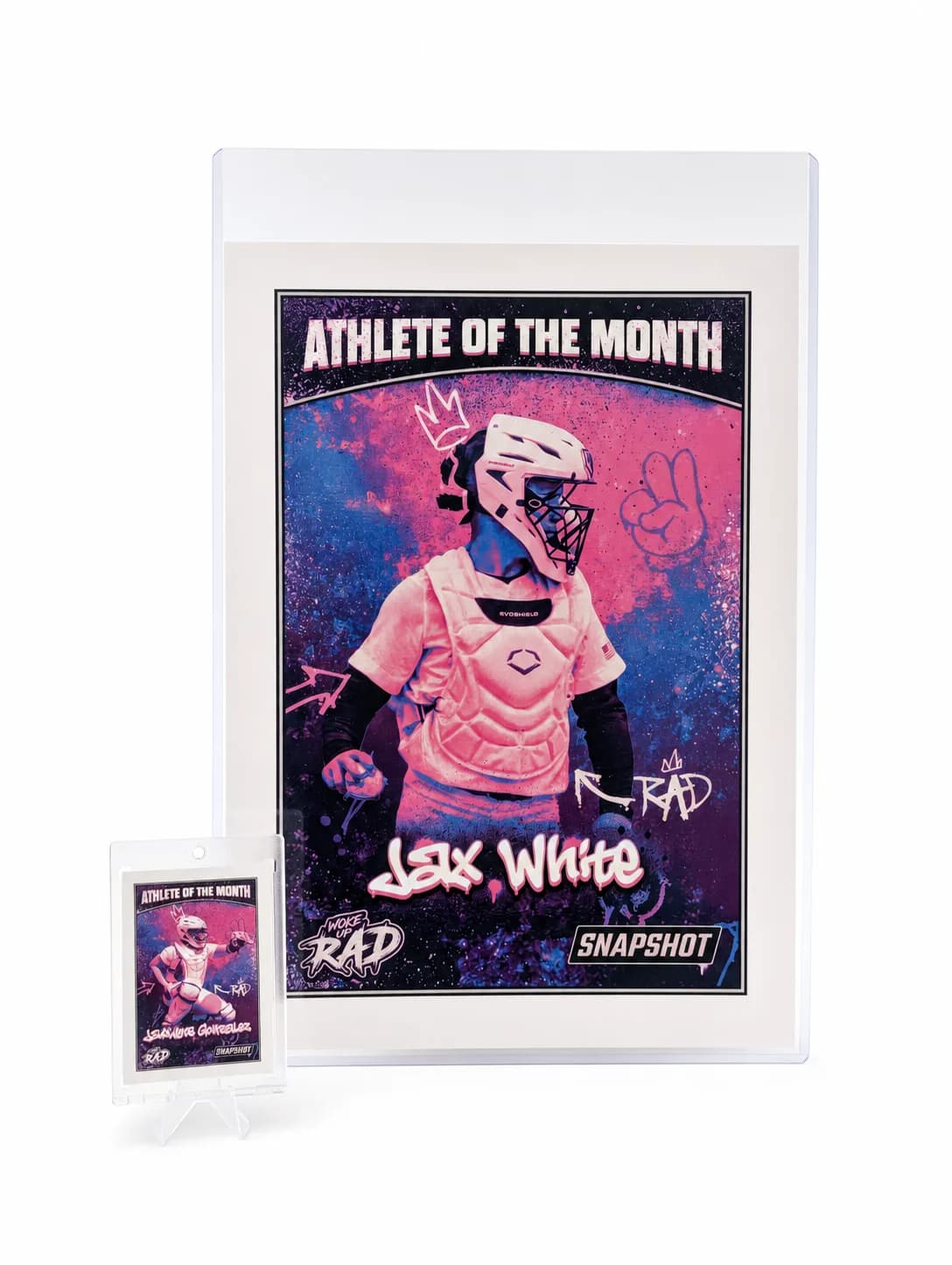
MEGA Card
Their moment, bigger than ever
$49.99
Create for free • Ships the next business day • Made in Des Moines, IA, USA
Frequently Asked Questions
Do I need an expensive camera body to make sports lenses work?
The lens matters more than the body in sports photography, but autofocus speed is one place where the camera itself makes a real difference. Modern mid-range mirrorless bodies from Sony, Canon, Nikon, and Fujifilm track moving subjects far better than entry-level DSLRs from five years ago. That said, a sharp 70-200mm f/2.8 on a budget body will outperform a kit lens on an expensive body in nearly every real-world scenario. Start with the best glass your budget allows, then upgrade the body when you've outgrown it. The lens investment follows you to every future camera you buy.
What focal length works best for youth sports on outdoor fields?
Youth soccer, baseball, football, and lacrosse on outdoor fields generally need at least 300mm to fill the frame with a single athlete from the sideline. A 100-400mm zoom is extremely versatile because you can pull back to capture team formations or zoom in tight on individual players. If your child plays a wide-field sport like soccer or lacrosse, consider a 150-600mm for games where you're confined to parent sideline areas far from the action. On a bright outdoor day, even slower f/5.6 apertures are workable because sunlight handles the exposure math that indoor venues cannot.
Can I use a smartphone photo for a Snapshot custom card?
Yes — Snapshot accepts smartphone photos and many customers get excellent results from recent flagship phones in good lighting conditions. That said, there's a meaningful quality difference between a sharp telephoto image and a cropped, digitally zoomed smartphone photo. For outdoor daytime sports in good light, a modern smartphone with a proper telephoto camera module can produce card-worthy shots. For indoor gyms, evening games, or any situation with challenging light, a dedicated camera with a fast lens will produce noticeably sharper, cleaner images that print better on professional card stock.
What camera settings should I pair with my sports lens?
Shutter speed is the first setting to get right — you need at least 1/500s to freeze most athletic motion, and 1/1000s or faster for sports with very rapid movement like swimming turns or baseball swings. Set your camera to Shutter Priority (Tv or S mode), dial in 1/800s, and let the camera handle aperture and ISO automatically while you focus on composition and timing. Once you're comfortable, switch to Manual mode for full control. Continuous autofocus mode (AI Servo on Canon, AF-C on Sony/Nikon) should always be active for anything that moves toward or away from you.
How do I get a photo sharp enough to look good printed on a trading card?
Three things determine sharpness at print size: focus accuracy, shutter speed, and lens quality. Continuous autofocus tracking handles the first one if you keep the focus point on your subject. A shutter speed of 1/800s or faster handles motion blur. Lens quality affects edge sharpness and contrast — a better lens genuinely does render more detail. For trading card dimensions, you don't need an enormous file — a 12-megapixel or higher image shot with good technique and decent glass will print beautifully. The biggest mistake most people make is not shutter speed, it's trusting single-shot autofocus on a moving subject.
What makes a photo good enough for the Snapshot MEGA 11×15 poster card?
The MEGA card prints at poster dimensions — 11 inches by 15 inches — so it demands higher resolution and sharper image quality than a standard card. Ideally, you want a photo taken at full resolution with a quality lens, minimal ISO noise, and accurate focus. Images that look sharp on a phone screen at standard card size sometimes reveal softness or noise when enlarged to poster dimensions. As a practical guideline, photos taken with a dedicated camera at base ISO in good light, or in well-lit outdoor conditions, hold up best at MEGA size. When in doubt, upload your image and review the digital proof before ordering.
Is a prime lens or a zoom lens better for sports photography?
Zoom lenses win for sports in almost every practical scenario because athletes don't stay the same distance from you. A 70-200mm zoom lets you react instantly to changing field position without physically moving. Prime lenses like a 300mm f/2.8 or 400mm f/2.8 offer a slightly wider maximum aperture and marginally sharper optics at their fixed focal length, but their inflexibility is a real cost in fast-moving situations. For the vast majority of athletes and parents photographing games, a fast zoom is the right answer. Primes make more sense for professional photographers covering a single, predictable sport from a fixed position.
How quickly will I receive my custom sports card after I upload a photo?
Snapshot's standard production time is 2-3 business days, and shipping is free throughout the United States. Every card ships in a free magnetic case so it arrives protected and display-ready. The process takes just a few minutes — upload your photo, choose from Snapshot's professional sports card templates, add stats or text to the card back, and complete your order. Most customers are surprised at how fast the card arrives and how closely the printed version matches the digital preview. Orders are produced in Des Moines, Iowa, which keeps fulfillment reliable and quality consistent.
Free to design, instant preview. Ships the next business day.
You Know What Lens for Sports Photography — Now Use That Shot
You've done the hard work: learned the gear, captured the moment. Don't let that photo sit in a camera roll. Upload it to Snapshot and get a premium custom trading card printed on professional card stock and shipped to your door in 2-3 days. Free magnetic case. Free US shipping.
Build Your Card NowNo credit card required | Instant preview | Pro-quality designs
Explore More Card Options
Discover more custom trading card options for every sport and occasion