
Where Can I Sell My Baseball Cards? Your Real Answer
A shoebox of baseball cards deserves a real answer — not a list of obvious websites you already know.
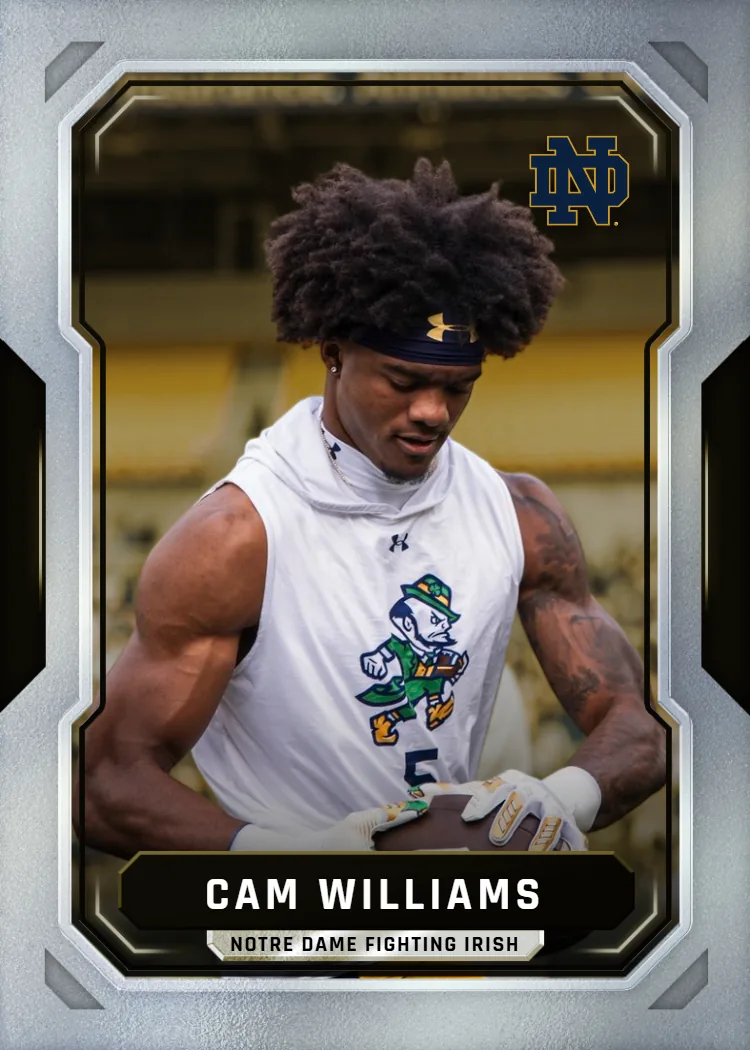
Upload a photo of your player, pet or team, choose an available template, and preview your design before ordering a printed card.
If you've typed 'where can I sell my baseball cards' lately, you've probably landed on articles that say 'try eBay' and call it a day. The truth is messier. Most vintage cards sell for far less than collectors expect. Grading fees alone can eat $20-$50 per card before you see a dime. Local card shops offer fast cash but rarely fair market value. Online buyers haggle. Shipping gets complicated. And commons — the cards filling most collections — often don't sell at all. The gap between what your collection feels worth and what the market pays can be genuinely frustrating.
The most useful thing you can do before selling is separate your cards into two categories: cards with real resale value and cards with personal or sentimental value. High-grade rookies and vintage stars belong on selling platforms. But that photo of your kid's Little League team, your college player card, or the custom lineup card from a memorable season? Those belong in a format built to last. Snapshot turns any baseball photo into a premium custom trading card — the kind you actually want to keep, frame, or give as a gift. Sometimes the best answer to 'should I sell this?' is 'no.'
Here's a clear-eyed look at your actual options — and where custom cards fit into the picture.
We ship custom baseball cards to customers in all 50 states every week, from Little League team packs to individual keepsake cards for senior season players.
Myths vs. Facts: What Most People Get Wrong About Selling Baseball Cards
MythBeckett book value is what your card is actually worth.
FactBeckett prices are reference guides, not market prices. Check eBay's 'Sold' listings for real transaction data — the difference is often 50-70% lower than book value for common cards.
MythOlder cards are always worth more money.
FactAge matters less than condition, player significance, and scarcity. A 1989 Upper Deck Ken Griffey Jr. rookie in PSA 10 sells for hundreds. A 1965 Topps common in poor condition may sell for under $2.
MythGetting your cards graded always makes them more valuable.
FactGrading only adds value if the grade comes back high and the raw card had enough market demand to justify the fee. Cards that grade PSA 5 or 6 often sell for less than the grading cost.
MythYou need a large collection to make selling worthwhile.
FactOne high-demand card in excellent condition can outsell an entire shoebox of low-value singles. Focus on identifying your best 5-10 cards and selling those individually before worrying about the rest.
Free to design, instant preview. Free US standard shipping on orders $30+. Review delivery options at checkout.
What Snapshot Offers When Selling Isn't the Right Move
Not every card in your collection has a buyer. Some have something better — a story worth preserving. That's where Snapshot fills a gap the resale market can't.
Any Photo Becomes a Real Trading Card
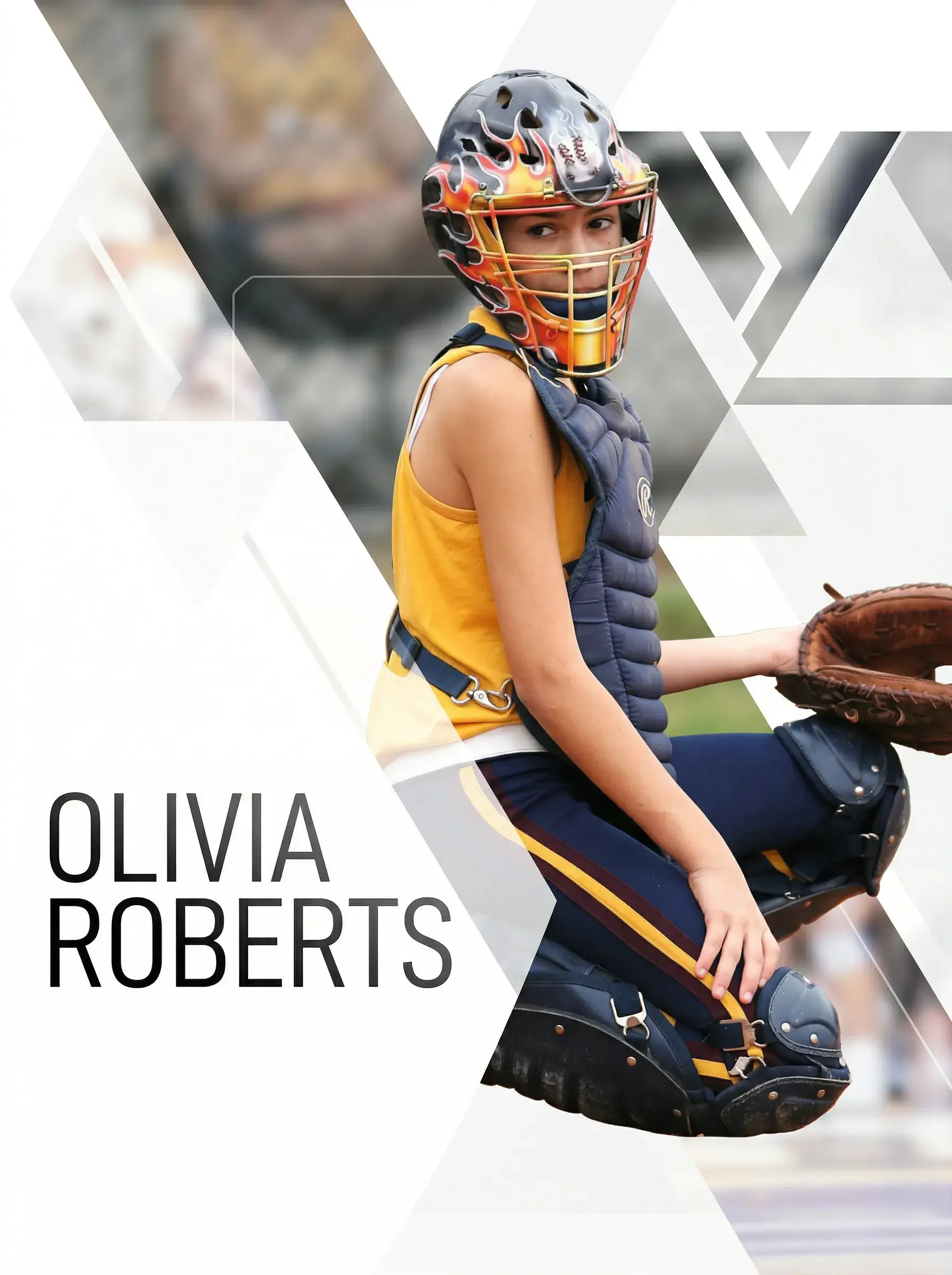
Upload a photo from your phone — a Little League pitcher, a high school catcher's senior season, a rec-league team photo — and pick from pro-style templates. Snapshot prints it on professional card stock that looks and feels like the real thing. No design experience needed.
Ships in 2-3 Days, Anywhere in the USA
Every order is printed and shipped from Des Moines, Iowa. Free US standard shipping on orders $30+. Whether you need one card or a full pack, it arrives fast enough for a birthday, a team banquet, or a last-minute gift without the usual custom-print wait time.
Free Magnetic Case With Every Order
Every card ships inside a premium magnetic display case — the same type serious collectors use to protect high-value cards. It's not an add-on or an upsell. It's included because a card worth making is a card worth protecting from the start.
Pricing That Makes Sense for Personal Use
A single card starts at $17.99. Packs run up to $49.99. The MEGA poster card — an oversized 11×15-inch format — is $49.99 and makes a genuine statement on any wall. For sentimental cards, that's a fraction of what framing a jersey costs.
Where Can I Sell My Baseball Cards? Start With These Steps
Before you list a single card, three steps will save you time, money, and disappointment. Most sellers skip at least one of them.
Sort and Identify What You Actually Have
Pull out any pre-1980 cards, rookie cards of Hall of Famers, and anything in near-mint or better condition. These are your potential earners. Everything else — commons, duplicates, mid-grade cards of non-stars — is unlikely to sell for meaningful money individually. Check completed eBay sales (not asking prices) to get a realistic number. A 1986 Donruss Cory Snyder isn't worth $40 just because someone listed it for $40.
Match Each Card to the Right Sales Channel
High-value singles belong on eBay or PWCC. Bulk lots move faster on Facebook Marketplace or at card shows. Raw vintage cards can go to local shops for quick cash at 40-60% of book value. Graded slabs (PSA, BGS, SGC) perform best in auction formats. Don't try to force a $3 card through a grading service — the math never works. Choosing the right channel for the right card is where most sellers leave money on the table.
Photograph, Package, and Price With Precision
Blurry scans kill sales. Use natural light, shoot both sides of every card, and show any surface wear clearly — buyers notice omissions and leave negative feedback. Price at or just below recent sold comps, not Beckett book value. Ship singles in penny sleeves inside top loaders, inside a padded bubble mailer. A $0.50 packaging mistake can damage a $50 card and cost you the sale plus the refund.
Get these three steps right and you'll sell faster, argue less, and net more than the average seller does.
Why Collectors and Families Trust Snapshot Cards
Snapshot ships custom cards to customers in all 50 states every week — to parents capturing Little League seasons, coaches ordering team packs, and fans marking moments that mainstream card companies will never cover. Every card is printed in Des Moines, Iowa, on professional card stock and reviewed before it ships.
The magnetic case isn't an afterthought — it reflects the same care collectors give their most valuable cards, applied to the moments that matter most to you.
When Custom Cards Beat Selling Every Time
Some baseball memories have zero resale value and enormous personal value. Here's where custom cards from Snapshot make more sense than any listing on eBay.
Youth and Amateur Players
Youth leagues, travel teams, and high school players don't have officially licensed cards — but they should. A custom Snapshot card captures a player's actual photo, their real stats, and their real team. Parents keep them for decades. Players bring them to college. Coaches hand them out at end-of-season banquets. No mass-market card company will ever make a card for your shortstop. Snapshot will.
Commemorating a Memorable Season
Championship seasons, no-hitters, senior year walk-offs — these moments disappear fast if you don't capture them in a physical format. A custom trading card is specific, durable, and easy to display or share. It doesn't fade in a scrapbook. It sits in a magnetic case on a desk or shelf, exactly where a real card belongs. One photo, one season, preserved permanently.
Gifts for Baseball Fans and Collectors
Finding a gift for a baseball fan who already owns every mainstream card they want is genuinely hard. A custom Snapshot card featuring their favorite backyard player, their kid, or even themselves in uniform is something no one else will think to give. Production takes one business day; shipping time is quoted at checkout for your address.
Snapshot Pricing: Clear, Flat, and Worth It
No subscriptions, no design fees, no shipping charges tacked on at checkout.
Single card: $17.99 — includes the card, magnetic case, and free US shipping over $30. Card packs start at $17.99 and go up to $49.99 depending on quantity. MEGA poster card (11×15 inches): $49.99 — a full display piece, not just a card.
Production takes one business day; shipping time is quoted at checkout for your address.
Box Options
Simple, collectible pricing. No subscriptions, no hidden fees.
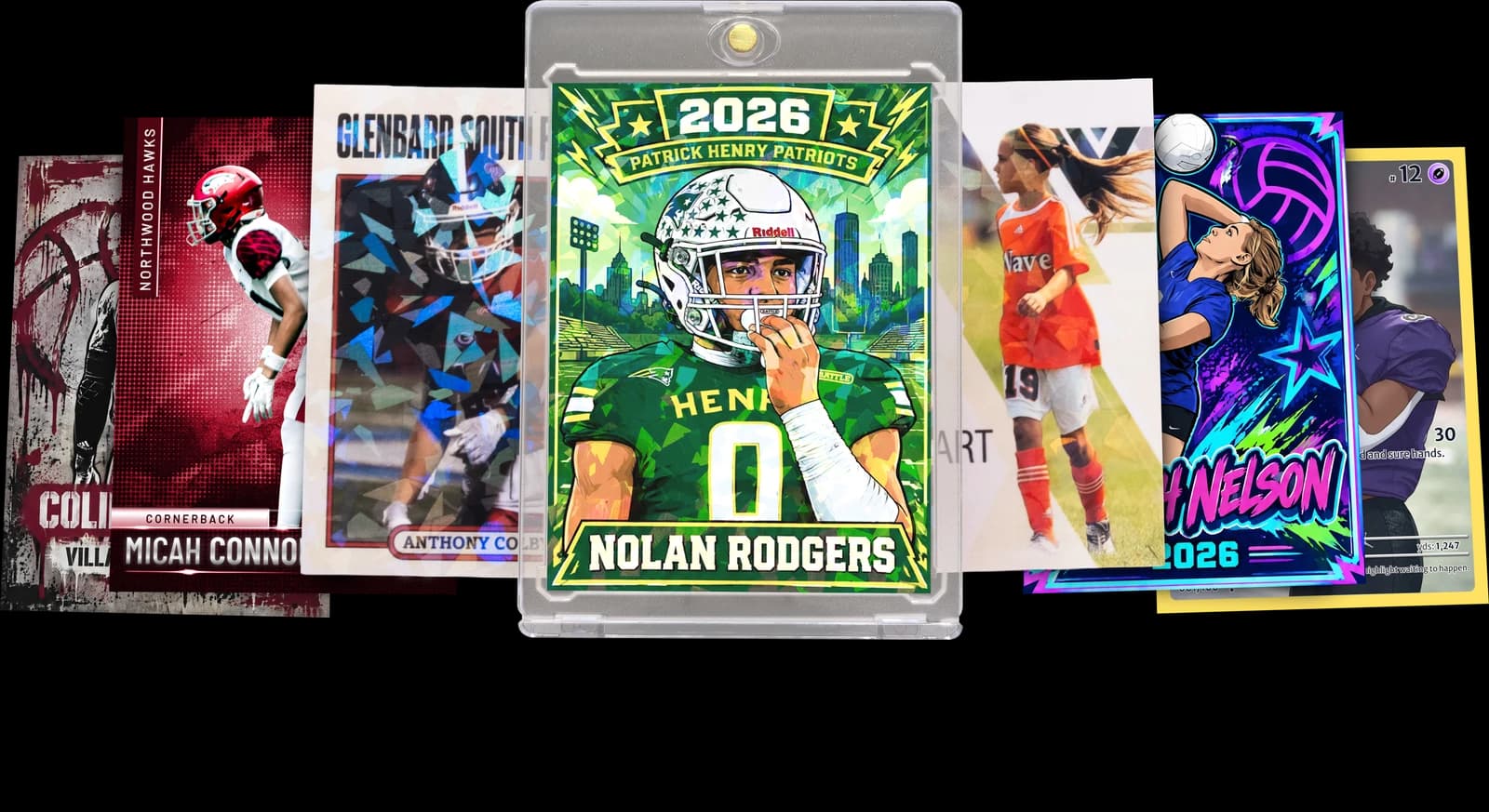
The Rookie Box
Perfect for those unforgettable moments
$17.99 - $49.99
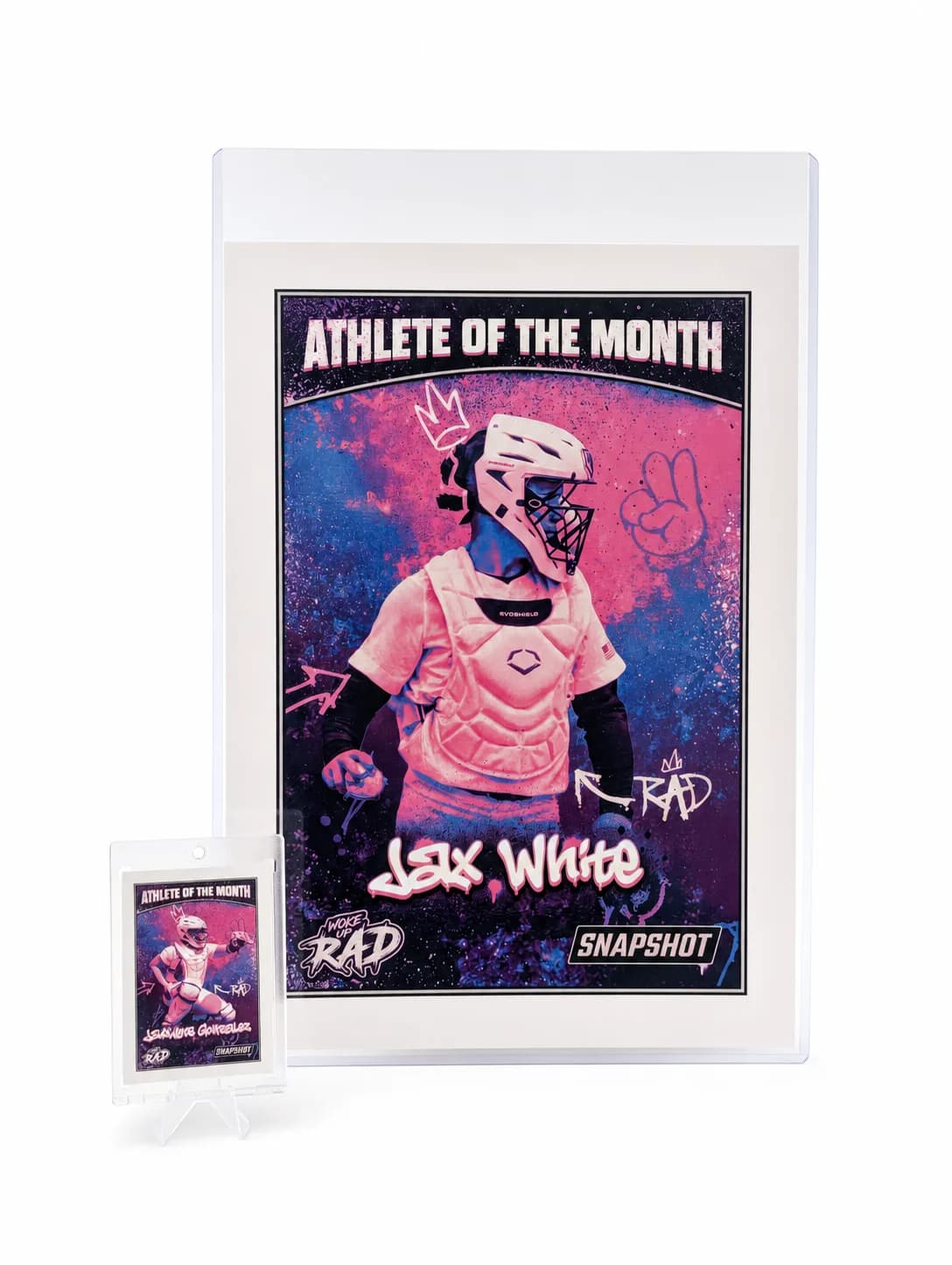
MEGA Card
Their moment, bigger than ever
$49.99
Create for free • Ships the next business day • Made in Des Moines, IA, USA
Frequently Asked Questions
Where can I sell my baseball cards for the most money?
For maximum value, eBay completed listings are your baseline. High-grade singles and graded slabs perform best in auction formats on eBay or through auction houses like PWCC. If you have raw vintage cards, get them graded by PSA or BGS before selling — a PSA 8 version of the same card can sell for 3-5x more than an ungraded copy. For bulk lots or commons, Facebook Marketplace and local card shows get you cash faster even if per-card prices are lower. The right platform depends entirely on what you have and how fast you need the money.
Is it worth getting my baseball cards graded before selling?
It depends on the card's estimated raw value. PSA grading starts around $25 per card at the economy tier, with turnaround times stretching weeks or months. If your raw card is likely to sell for $40-$60 ungraded, grading might push it to $150+ in PSA 9 — but it might also come back a PSA 6 that sells for less than the grading fee. Run the math before submitting. Short-prints, rookie cards of active stars, and pre-1975 vintage cards are usually the best candidates. Commons from the junk wax era (1986-1993) are almost never worth grading.
Where can I sell my baseball cards locally without mailing anything?
Local card shops, flea markets, and card shows are your best in-person options. Card shops typically offer 40-60% of Beckett book value for collections they want — less for common cards, more for key singles they have buyers for. Card shows let you set your own prices, though table rental fees (often $30-$75/day) eat into small collections. Facebook Marketplace works well for local bulk lots — buyers often pick up in person to avoid shipping costs. Be honest about condition and bring organized, sorted cards to any in-person sale.
What baseball cards are actually worth selling right now?
The current market rewards rookie cards of active stars, vintage Topps and Bowman cards from before 1975, autograph cards with low print runs, and 1/1 printing plates or superfractors. Post-1986 base cards of retired non-Hall of Famers have almost no market value regardless of what price guides say. Chrome refractors and Prizm parallels of current MLB stars move well. Anything graded PSA 10 moves faster than the same card in PSA 8. If your collection is mostly 1987-1993 base cards, manage expectations — that era was massively overproduced.
Can I sell individual cards or do I need to sell the whole collection at once?
You can absolutely sell individually, and for valuable cards it's almost always worth it. Selling a collection as a lot is faster and easier — local shops and bulk buyers on eBay will take everything — but you'll get significantly less per card. A middle approach works well for many sellers: cherry-pick your top 20-30 cards and list them individually on eBay, then sell the remaining bulk as a lot. This gives you the best of both strategies without requiring you to photograph and ship hundreds of low-value singles one at a time.
How do I know if my baseball cards are worth anything?
Check eBay's sold listings — not the active listings, the completed sales. Filter by 'Sold' and search the specific card, year, set, and condition. This gives you real market data, not inflated asking prices. For vintage cards, Beckett's online price guide is useful as a reference, but actual sale prices often differ significantly. PSA's population report can tell you how rare high-grade examples are for a specific card. If a card has sold zero times in the last 90 days on eBay, there's currently no active market for it regardless of listed value.
What's the difference between Snapshot cards and regular trading cards?
Mainstream trading cards — Topps, Bowman, Panini — are mass-produced with licensed player images and sold in sealed packs. Snapshot cards are fully custom: you supply the photo, you choose the template, and the card features whoever you want on it. That means your son's perfect slide into home plate, your daughter's pitching debut, or a friend's rec-league MVP moment can become a real trading card printed on professional card stock with a magnetic display case included. No licensing, no minimum orders for a full team, and no waiting months for a product that may or may not include your player.
How fast does Snapshot ship custom baseball cards?
Every Snapshot card ships within 2-3 business days of your order. Cards are printed and packaged in Des Moines, Iowa, and ship free over $30 to any address in the USA. There's no expedited tier needed for most orders — the standard production time is already faster than most custom print services. This makes Snapshot genuinely useful for last-minute gifts, end-of-season team banquets, or birthday presents where you've run out of lead time. A card ordered Monday is typically in transit by Wednesday or Thursday.
Free to design, instant preview. Free US standard shipping on orders $30+. Review delivery options at checkout.


Still Asking Where Can I Sell My Baseball Cards? Start Here Instead.
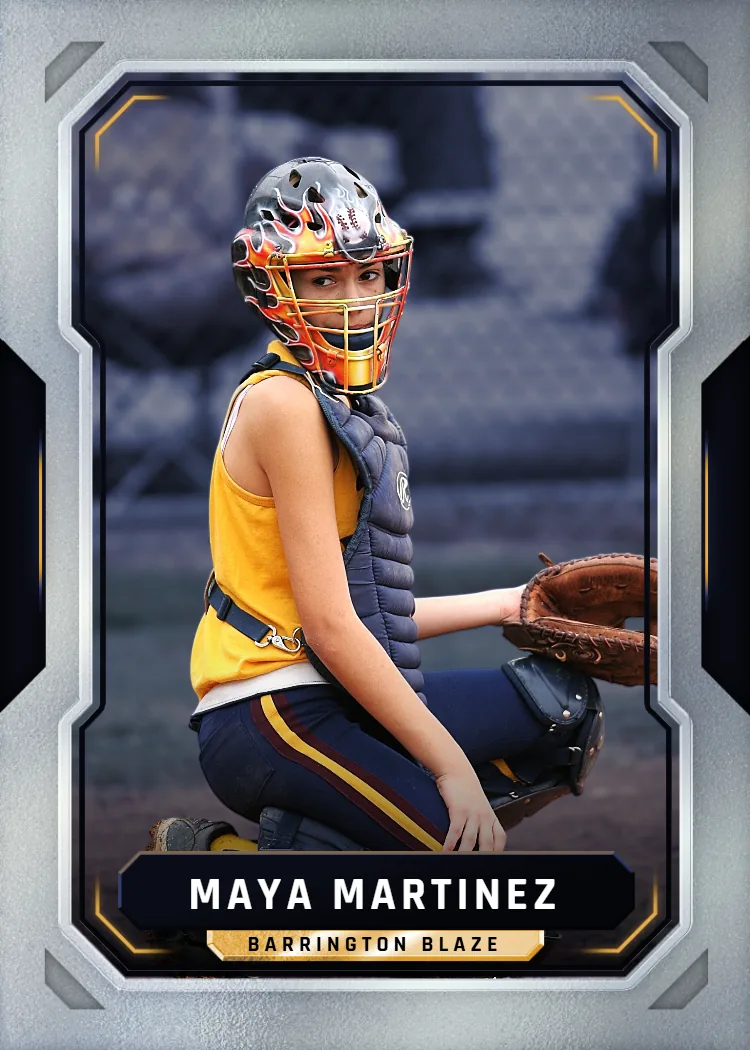
Before you list a single card, make sure you know what you actually want out of your collection. For cards with real market value — sell smart. For moments worth keeping, Snapshot turns any baseball photo into a premium card, shipped free over $30 in 2-3 days from Iowa.
Build Your Card NowNo credit card required | Instant preview | Pro-quality designs
Explore More Card Options
Discover more custom trading card options for every sport and occasion
baseball cards
View card options →
buying baseball cards
View card options →
baseball card packs
View card options →
baseball card size
View card options →
good baseball cards
View card options →
baseball card card
View card options →