
The Beginner Camera for Sports Photography Checklist That Actually Works
You just watched your kid score the game-winner and your phone photo came out blurry. Again.
Upload any photo — your kid, your pet, your whole team — pick a pro template, and we print and ship a real, holdable card the next business day.
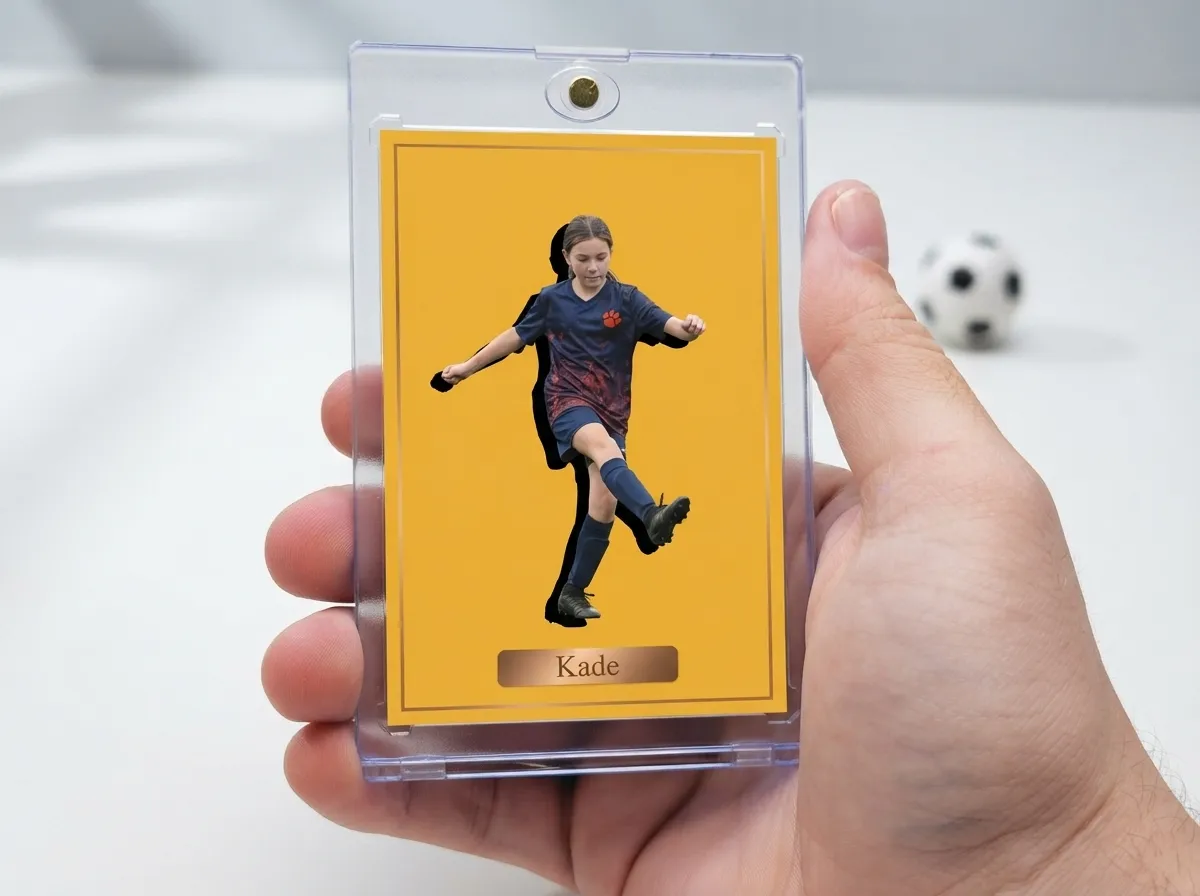
Here's the frustrating part: most beginner camera for sports photography guides drown you in specs nobody explains. Shutter speed, autofocus points, burst rate — it's a wall of jargon when all you want is a sharp shot of the play. Meanwhile the season's moving fast, and every blurry frame is a memory you can't get back. Parents on the sideline, weekend coaches, rec-league photographers — you're not trying to become a pro. You just want gear that keeps up with fast action without a finance degree in camera specs.
This guide skips the fluff and gives you a straight checklist: what actually matters, what to skip, and which camera types fit real budgets. We break it down by shutter speed, autofocus, and burst shooting because those three things decide whether you freeze the moment or miss it. Once you've got that sharp shot, we'll show you what to do with it — because a great sports photo deserves more than a camera roll it'll never leave.
Let's get you shooting sharp, printable action shots by next weekend's game.
We print and ship custom sports cards to sideline parents, coaches, and leagues in all 50 states every week, and we see firsthand which beginner camera shots turn into keepsakes.
Are Beginner Photographers Actually Getting Print-Worthy Shots?
Every week, we see photos submitted from sideline shooters using entry-level gear — not pro rigs — and plenty of them print beautifully as custom cards. Sharp focus and good light matter far more than an expensive body, and a well-timed shot from a budget mirrorless camera routinely outperforms a rushed frame from something fancier.
Who Actually Needs This Kind of Camera?
Sports photography gear isn't one-size-fits-all — here's how it plays out for different sideline situations.
The Sideline Parent
You're juggling a folding chair, snacks, and a phone that can't keep up with a fast break. A beginner mirrorless camera with continuous autofocus turns Saturday morning soccer into a real photo archive instead of a blurry mess — and gives you a sharp shot worth turning into something your kid will actually keep.
The Rec League Volunteer Photographer
You got roped into shooting the league's season for the group chat and maybe the yearbook. A budget DSLR with a mid-range zoom lens covers most fields and gyms without needing a second mortgage, and burst mode saves you from missing the one shot that matters.
The Coach Building a Highlight Archive
You want consistent, sharp shots across a whole season to track player growth and build team morale. A camera with reliable autofocus and a fast enough shutter speed means every practice and game adds usable frames to your archive instead of throwaways.
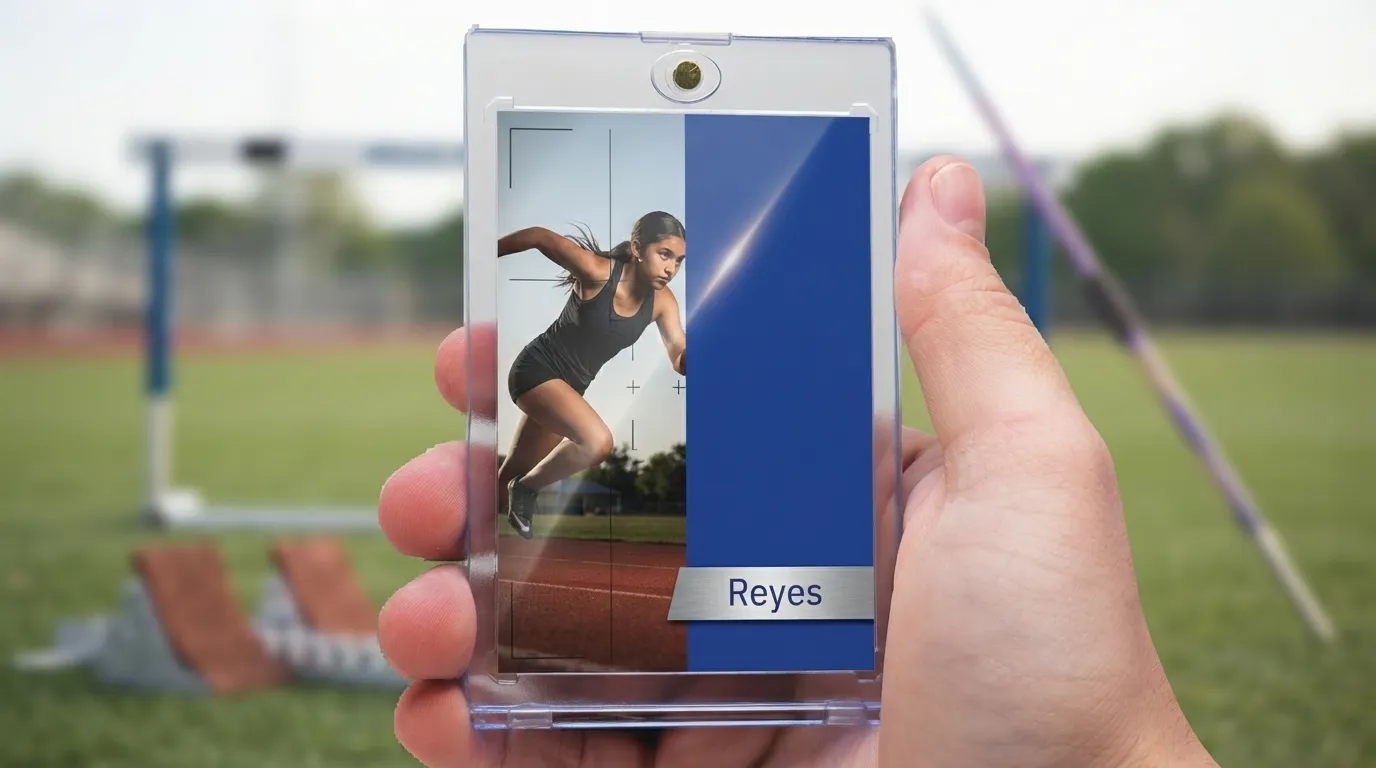
Free to design, instant preview. Ships the next business day.
How Do You Actually Choose a Beginner Camera for Sports Photography?
It comes down to three checks: speed, focus, and fit for your budget. Run through these in order and you'll cut the field fast.
Check the Shutter Speed Range
Fast-moving action needs a shutter speed of at least 1/1000s to freeze motion without blur. Look for cameras that let you shoot in shutter priority or manual mode — this matters more than megapixels. A camera stuck at slow shutter speeds will turn every sprint, swing, or shot attempt into a smear. Cheap point-and-shoots often cap out too low; mirrorless and DSLR bodies almost always clear this bar.
Confirm Continuous Autofocus and Burst Mode
You need autofocus that tracks a moving subject, not just locks once and holds still. Pair that with a burst mode of 5-10 frames per second, and you'll capture the full sequence of a play instead of one lucky guess. This combo is the real difference between a blurry miss and a magazine-worthy freeze-frame. Don't skip testing this in-store if you can — specs on paper don't always match real performance.
Match the Body and Lens to Your Budget and Sport
Entry-level mirrorless cameras with a kit lens work for most rec-league sports, but indoor games or long fields (soccer, football) benefit from a zoom lens with reach. Don't overspend on a body if your lens can't get close to the action — that $150 upgrade often matters more than a pricier camera. Set a total budget first, then split it roughly 60/40 between body and glass.
Nail these three checks and you'll walk away with a camera built for real game-day speed.
What Do You Actually Gain From the Right Setup?
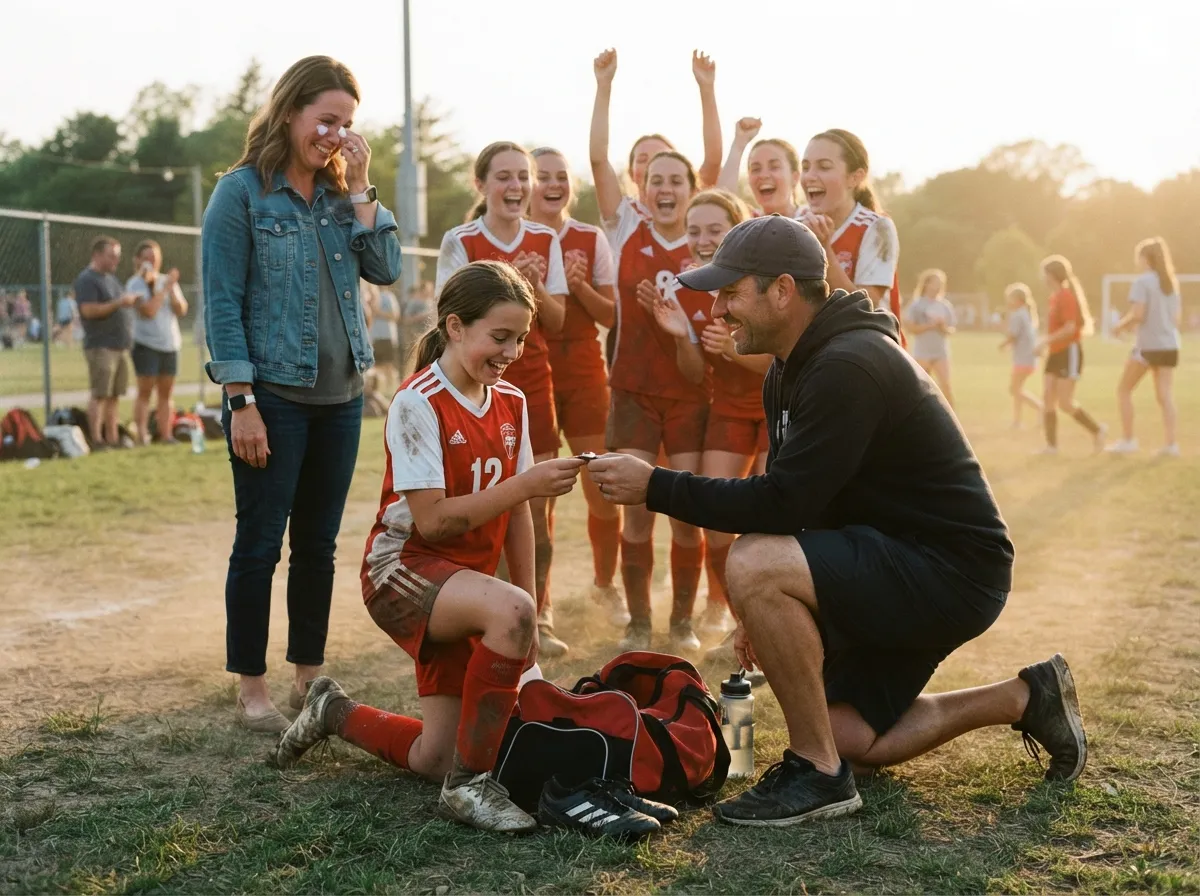
A camera that's built for action changes what you're able to capture — and keep.
Fewer Blurry Misses
Fast shutter speeds and tracking autofocus mean the game-winning catch actually looks like a catch, not a smudge. You'll stop deleting half your camera roll after every game.
Shots Worth Printing
Sharp, well-framed action shots hold up at larger sizes — which matters the moment you want a poster print or a custom card made from that exact frame.
Faster Learning Curve
Beginner-friendly bodies with auto and semi-auto modes let you get sharp results immediately, then grow into manual settings as your eye improves week by week.
Gear That Grows With You
Interchangeable-lens systems let you upgrade lenses instead of replacing the whole camera, so your first purchase isn't a dead end once you're hooked on the sideline.
Beginner Sports Camera Buying Checklist
- Shutter speed reaches at least 1/1000s
- Continuous (tracking) autofocus, not just single-point
- Burst mode of 5+ frames per second
- Lens with 70-200mm range or better for field sports
- Comfortable grip and simple menu for fast learning
- Extra battery and a fast memory card on hand
Custom Sports Cards for Every Team, Everywhere
Doesn't matter what sport you shoot or what league you're part of — rec basketball, travel soccer, weekend softball, or a backyard football rivalry — a sharp action shot deserves more than a spot in your camera roll. Snapshot prints custom cards from any photo you upload, on premium card stock, shipped free anywhere in the USA. Cards are produced in Des Moines, Iowa, and shipped within 2-3 days, so a photo from Saturday's game can be a printed card in your hands before the next one.
Coaches use them for team morale, parents use them for keepsakes, and leagues use them for fundraisers and awards nights. Whatever camera you're using to get that shot, we're built to handle whatever comes out of it.
What Does It Cost to Turn Your Shots Into Something Real?
Once you've got the shot, printing it as a custom card is surprisingly affordable — no separate camera budget required.
Rookie Box style single cards start at $17.99, packs run up to $49.99, and the MEGA 11"×15" poster card is $49.99. Free shipping across the USA on every order.
You already spent the time getting the shot sharp — printing it on premium card stock costs less than a new lens filter.
Box Options
Simple, collectible pricing. No subscriptions, no hidden fees.
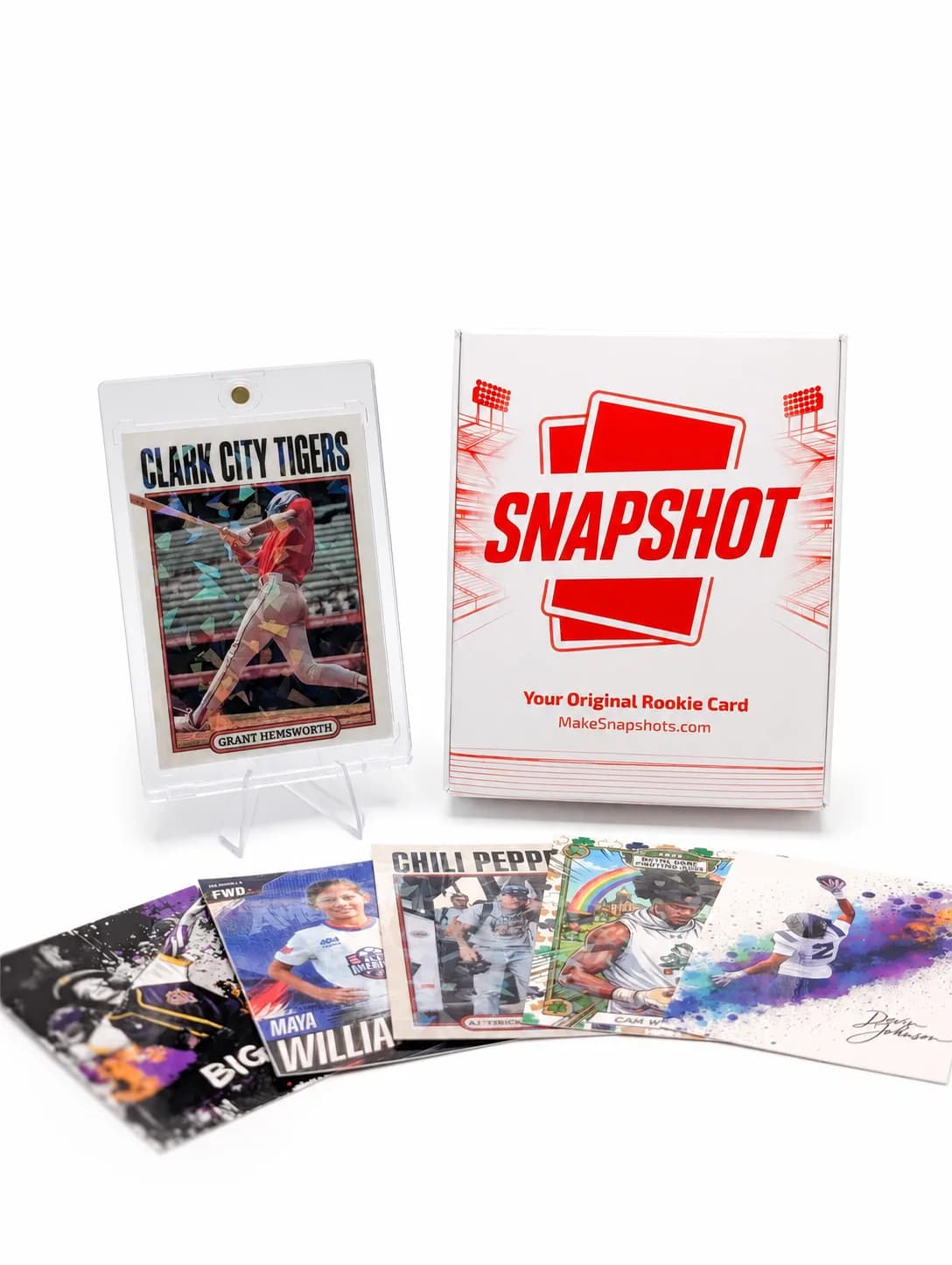
The Rookie Box
Perfect for those unforgettable moments
$17.99 - $49.99
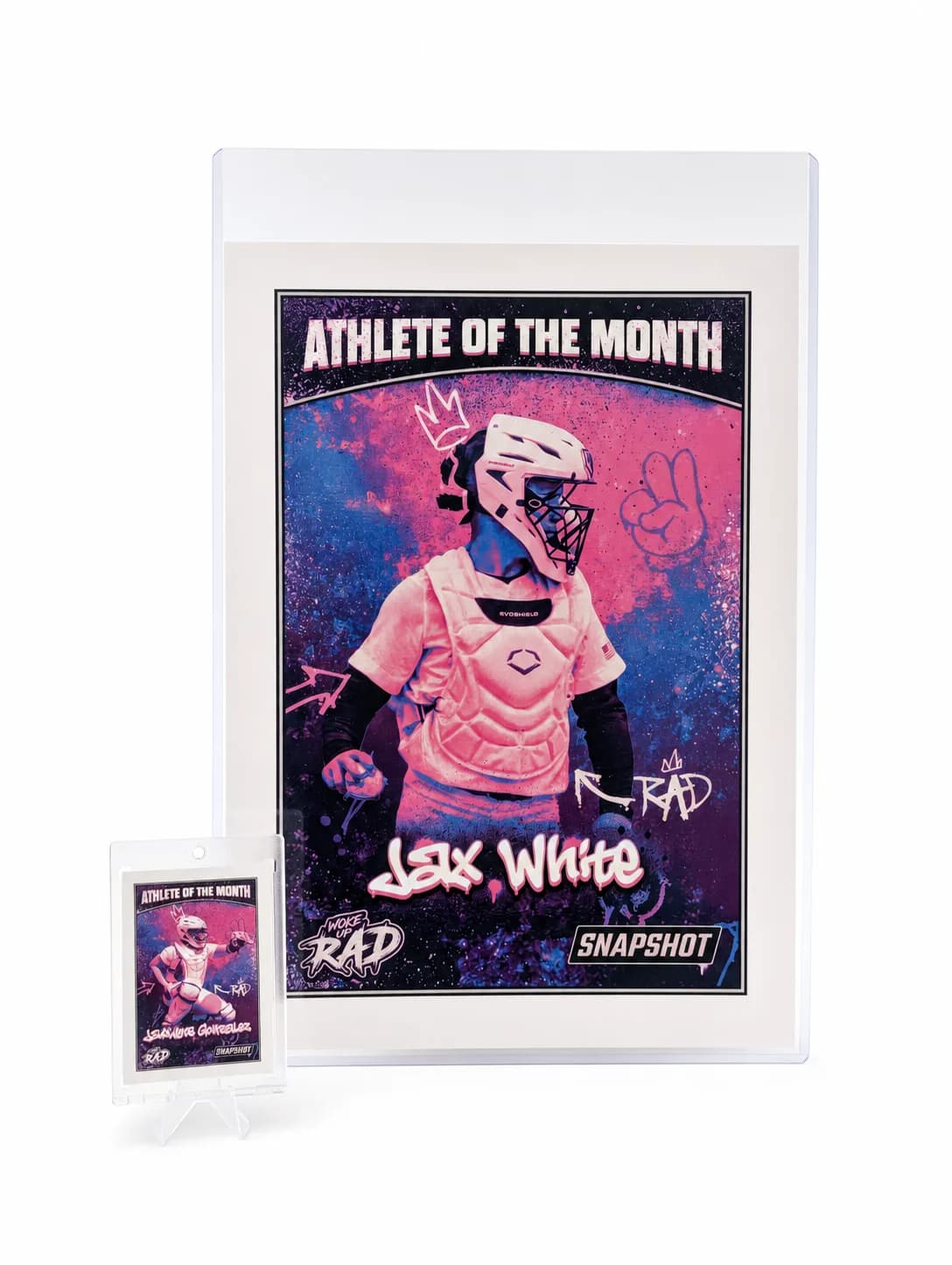
MEGA Card
Their moment, bigger than ever
$49.99
Create for free • Ships the next business day • Made in Des Moines, IA, USA
Frequently Asked Questions
How important is the lens compared to the camera body?
Honestly, the lens matters just as much as the body, and sometimes more. A mediocre camera with a sharp, fast lens will often outshoot an expensive body paired with a slow kit lens, especially in sports where reach and light-gathering ability decide the shot. For beginner sports photography, a zoom lens covering roughly 70-200mm range gives you enough reach for most fields and courts without needing to physically stand right next to the action. Wide-aperture lenses, meaning lower f-numbers like f/2.8, let more light in and allow faster shutter speeds even in duller conditions like an overcast field or dim gym. If your budget forces a choice, spend a bit less on the body and put the difference into a better lens — it'll show up in every single shot you take for years, long after you've upgraded the camera body itself.
What accessories should I buy alongside my first sports camera?
Start with an extra battery, because sports days mean hours of continuous shooting and burst mode drains power fast. A fast memory card matters too — slow cards can't keep up with burst shooting and you'll lose frames waiting for the buffer to clear. A monopod is worth considering if you're shooting from the same spot for a long game, since it stabilizes long lenses without the bulk of a full tripod. A rain cover is smart if you're shooting outdoor fall or spring sports where weather turns fast. Skip flashy add-ons like filters or camera bags with too many pockets until you know your actual shooting habits. The accessories that matter most for sports specifically are the ones that keep you shooting continuously without interruption — batteries, storage, and stability — everything else is optional polish you can add later once you understand your own workflow.
How do I get sharp photos of fast action without professional gear?
Sharp action shots come down to three things working together: fast shutter speed, continuous autofocus, and good light. Position yourself where the action is predictable, like near the goal line or free-throw line, so your camera has time to lock focus before the moment happens rather than reacting cold. Pre-focus on an area players will pass through and half-press the shutter to let autofocus track from there. Shoot in burst mode so you capture a sequence rather than betting everything on one frame — you can pick the sharpest afterward. Bright, even lighting helps enormously, so outdoor day games are more forgiving than dim gyms. None of this requires expensive gear; it requires understanding your camera's settings and using them deliberately instead of leaving everything on full auto, which often prioritizes the wrong thing during fast motion.
Is a used camera a smart choice for a beginner?
Yes, and it's often the smartest move for someone just starting out. Camera bodies depreciate quickly, so a two or three-year-old model in good condition can cost 40-50% less than new while offering nearly identical autofocus and burst performance for sports use. Check the shutter count if the seller can provide it, since that tells you roughly how much life is left in the mechanism. Inspect the lens mount and sensor for dust or scratches, and always test autofocus in person or ask for a video demo before buying online. Reputable used marketplaces and camera stores often offer short warranties, which adds peace of mind. The only real risk with used gear is buying something already outdated in autofocus technology, so stick to models released within the last five to six years to make sure you're getting continuous tracking that actually keeps up with real game speed.
What megapixel count do I actually need for sports photos?
You don't need as many megapixels as marketing suggests — 16 to 24 megapixels is plenty for sports photography, even if you plan to crop in or print large. Higher megapixel counts mostly help when you need to crop tightly into a distant subject, which happens often in sports when you can't always get close to the play. But more megapixels also means larger file sizes, slower burst shooting, and more storage used per game. Camera makers love advertising megapixel counts because it's an easy number to compare, but autofocus speed and shutter performance matter far more for freezing motion. Focus your budget and attention on those specs first. If you're torn between two cameras with similar autofocus and burst performance, the one with a few more megapixels can be a nice tiebreaker, but it shouldn't be your main decision factor when shopping for a beginner sports setup.
How do I photograph indoor sports like volleyball or basketball with a beginner camera?
Indoor sports are genuinely harder because gym lighting is dimmer and less even than outdoor daylight, so you'll need to raise your ISO to keep shutter speed fast enough to freeze motion. Most beginner cameras handle ISO 1600-3200 reasonably well with modern sensors, though noise becomes more visible at the higher end. A lens with a wide aperture, like f/2.8, helps enormously indoors by letting more light reach the sensor without needing to push ISO as high. Position yourself along the baseline or sideline where players move predictably, and use continuous autofocus rather than single-point focus, since indoor action tends to be quick and unpredictable in tight spaces. If your camera struggles indoors, it's usually a light problem, not a skill problem — even professional photographers push their gear harder in gyms than they do outdoors on a sunny field.
Should I shoot in JPEG or RAW as a beginner?
Start with JPEG while you're learning, since it's simpler to shoot, review, and share right away without extra editing steps. RAW files capture more detail and give you more room to fix exposure or color mistakes afterward, but they take up significantly more storage and require editing software to get the most out of them. Many beginner cameras let you shoot both formats simultaneously, which is a nice middle ground if your memory card has room. As you get more comfortable with settings like shutter speed and ISO, switching to RAW gives you a safety net for tricky lighting situations like indoor gyms or overcast fields. For someone just starting out and mainly wanting sharp, print-ready shots quickly, JPEG is completely fine and won't hold you back. You can always revisit RAW once you're chasing more precise control over your final images.
Free to design, instant preview. Ships the next business day.
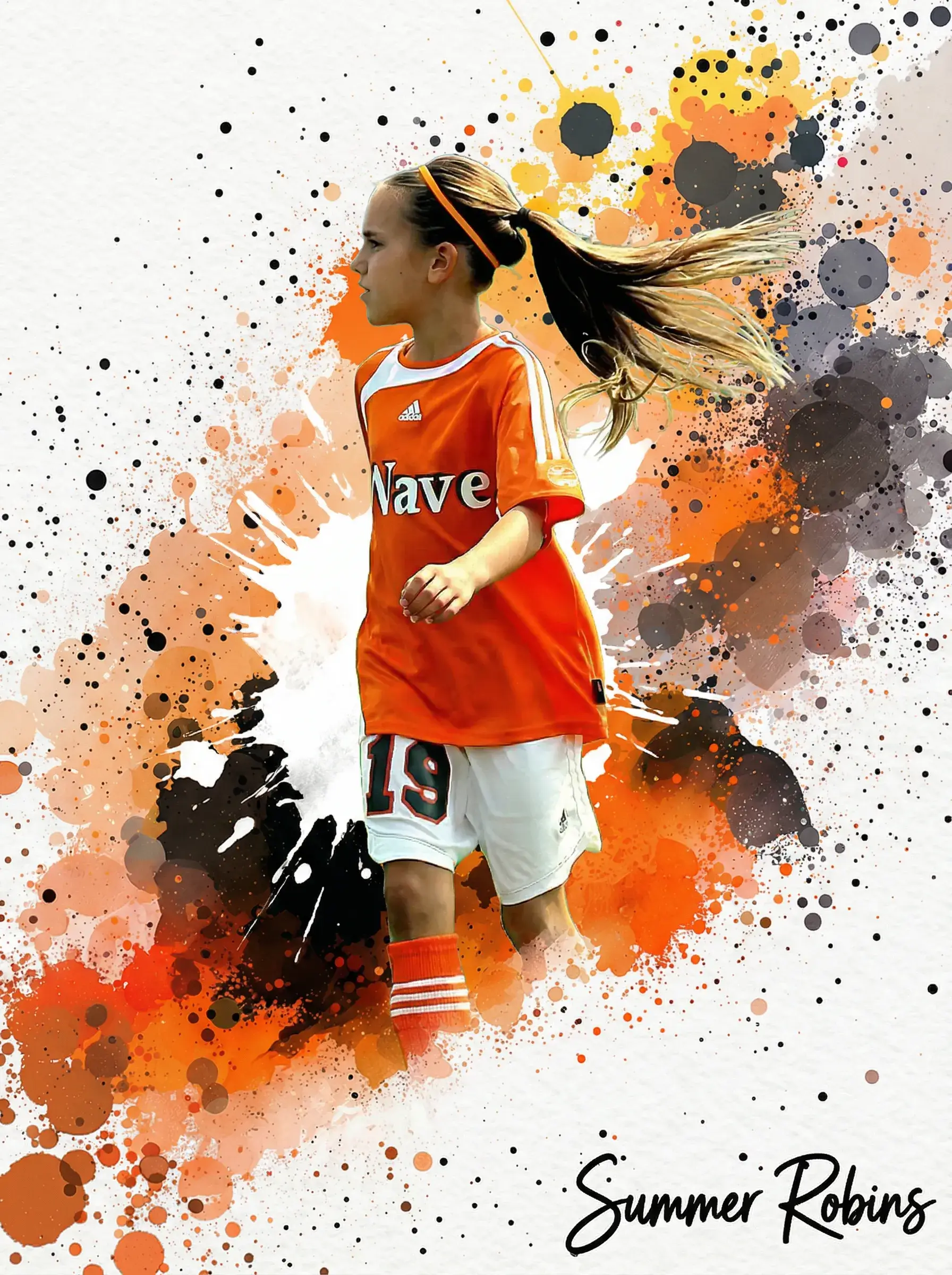
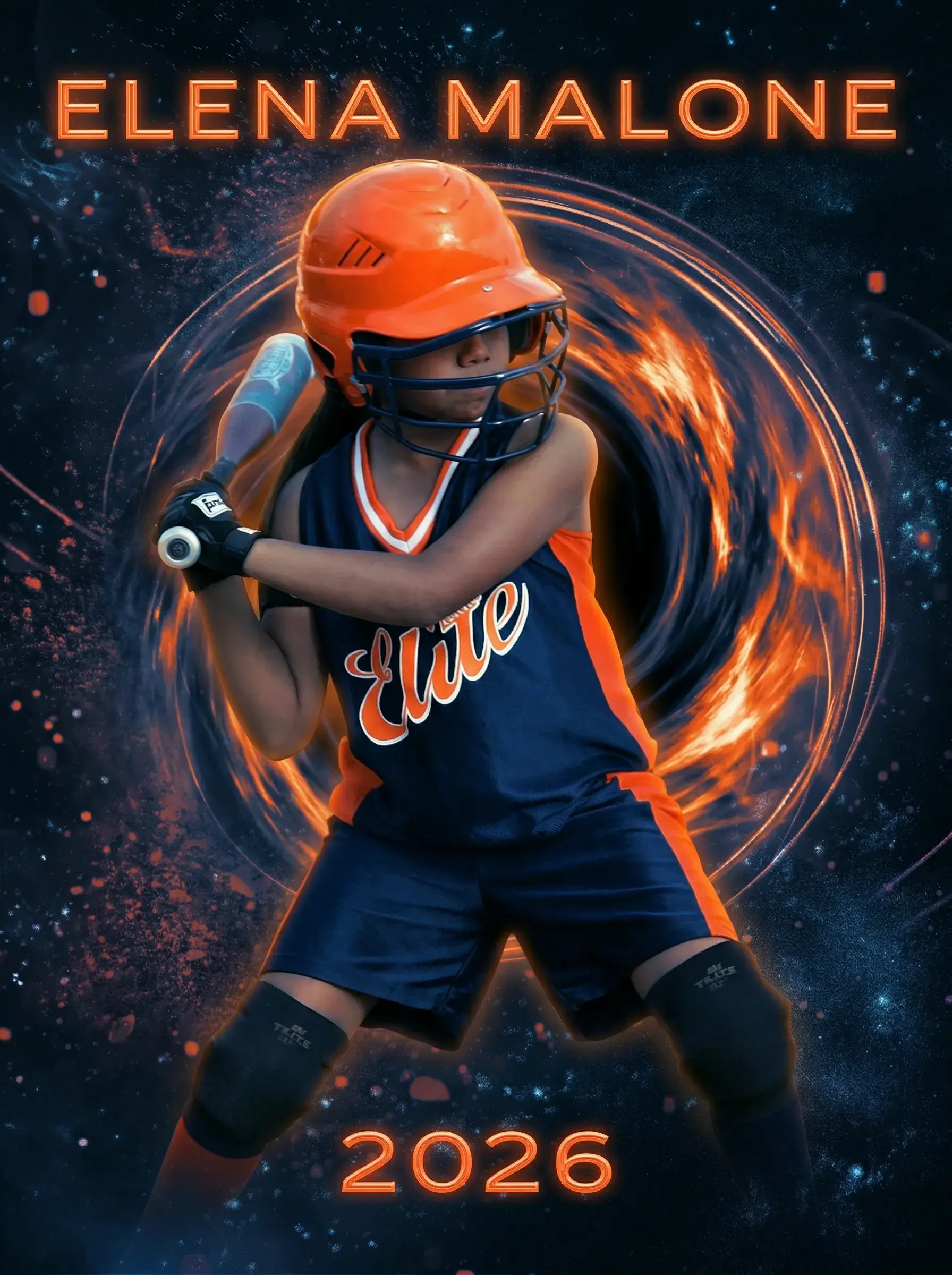
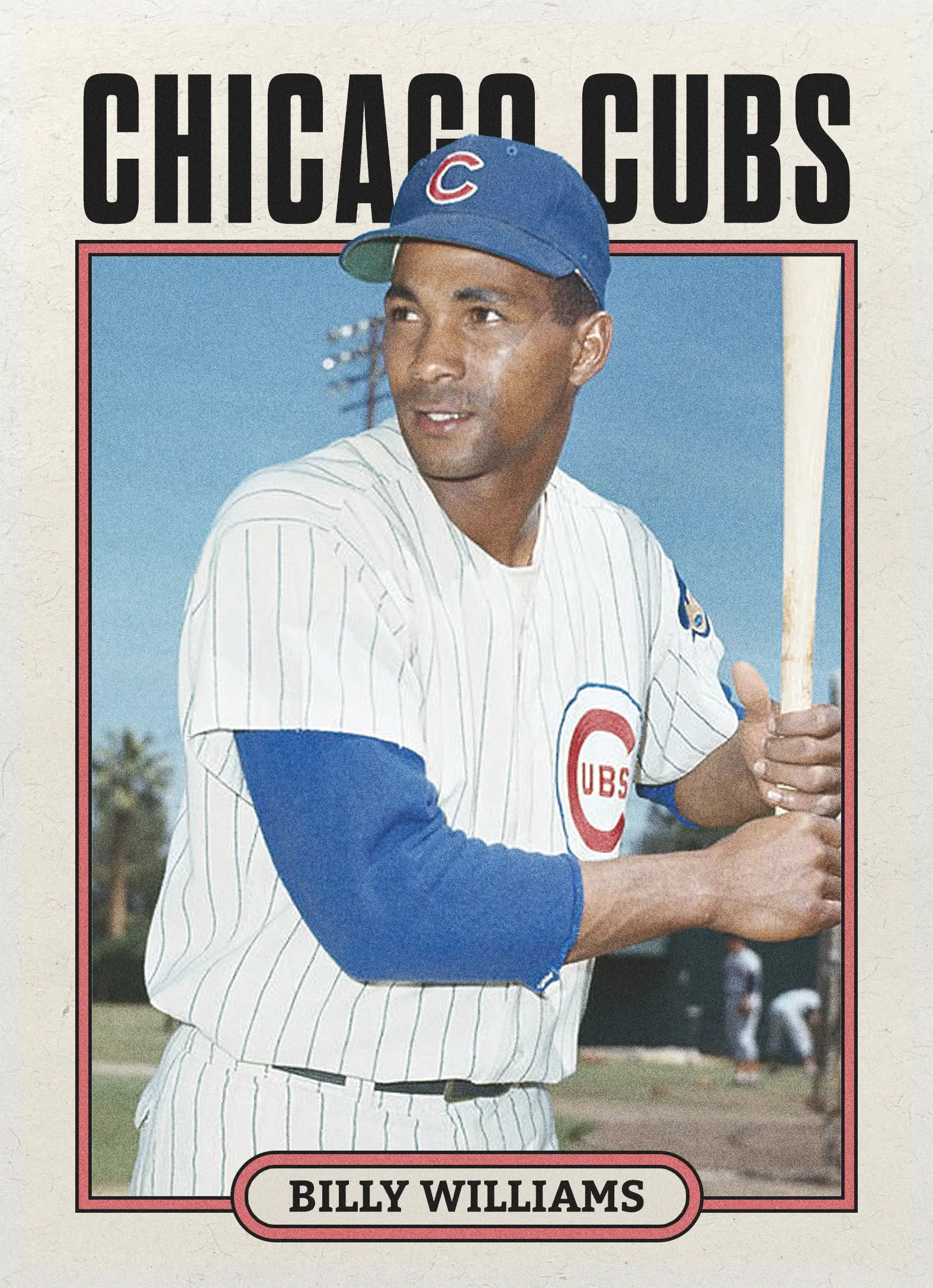
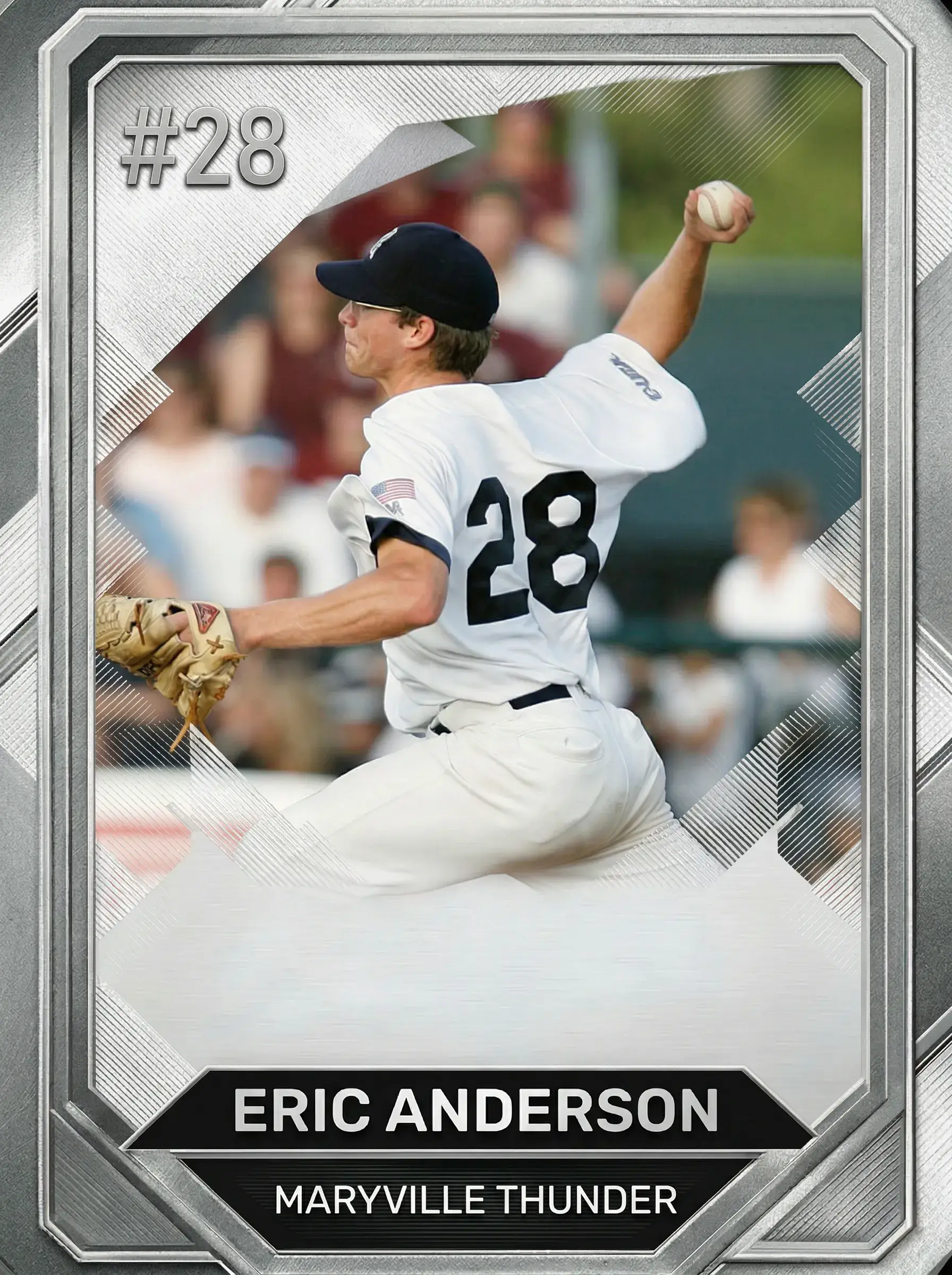
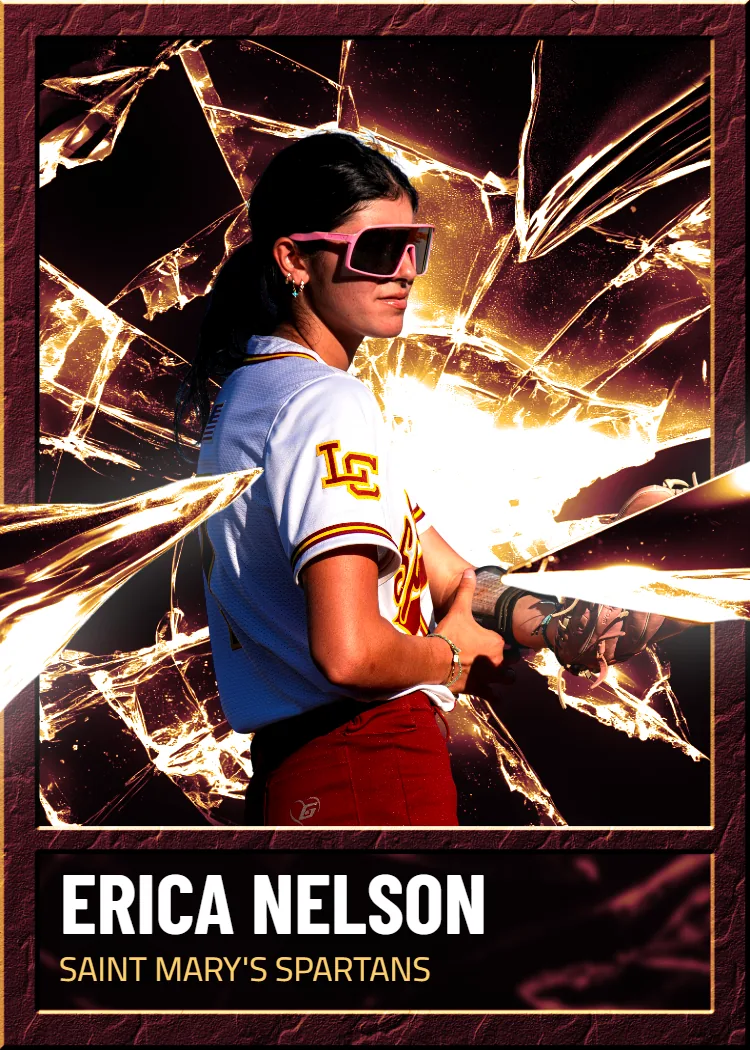
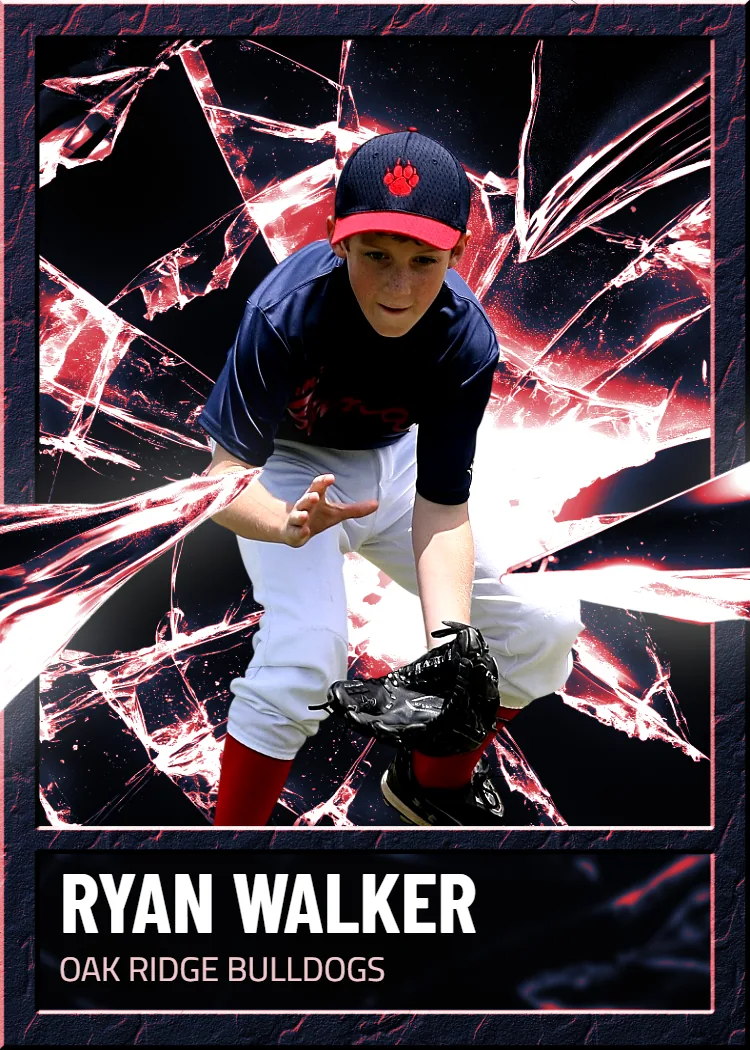
Got the Shot? Turn Your Beginner Camera for Sports Photography Wins Into a Real Card
You put in the work learning shutter speed and autofocus — don't let that game-winning shot rot in a camera roll. Upload it, pick a template, and get a premium printed card shipped to your door in 2-3 days.
Create Your Card NowNo credit card required | Instant preview | Pro-quality designs
Explore More Card Options
Discover more custom trading card options for every sport and occasion