
The Beginner Sports Photography Camera Checklist That Actually Works
Your kid scores the winning goal, you fumble your phone, and the shot's a blur. Sound familiar?
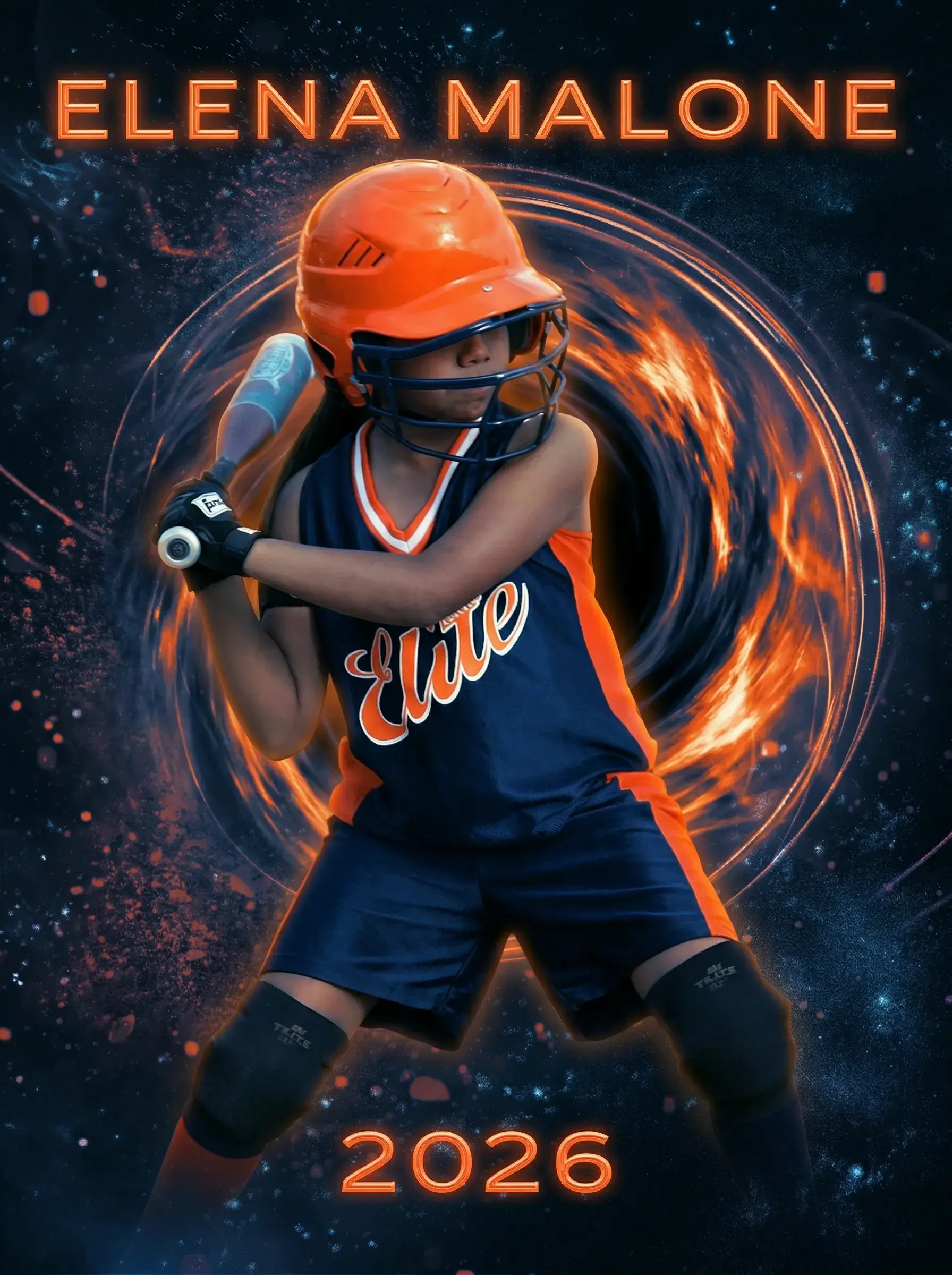
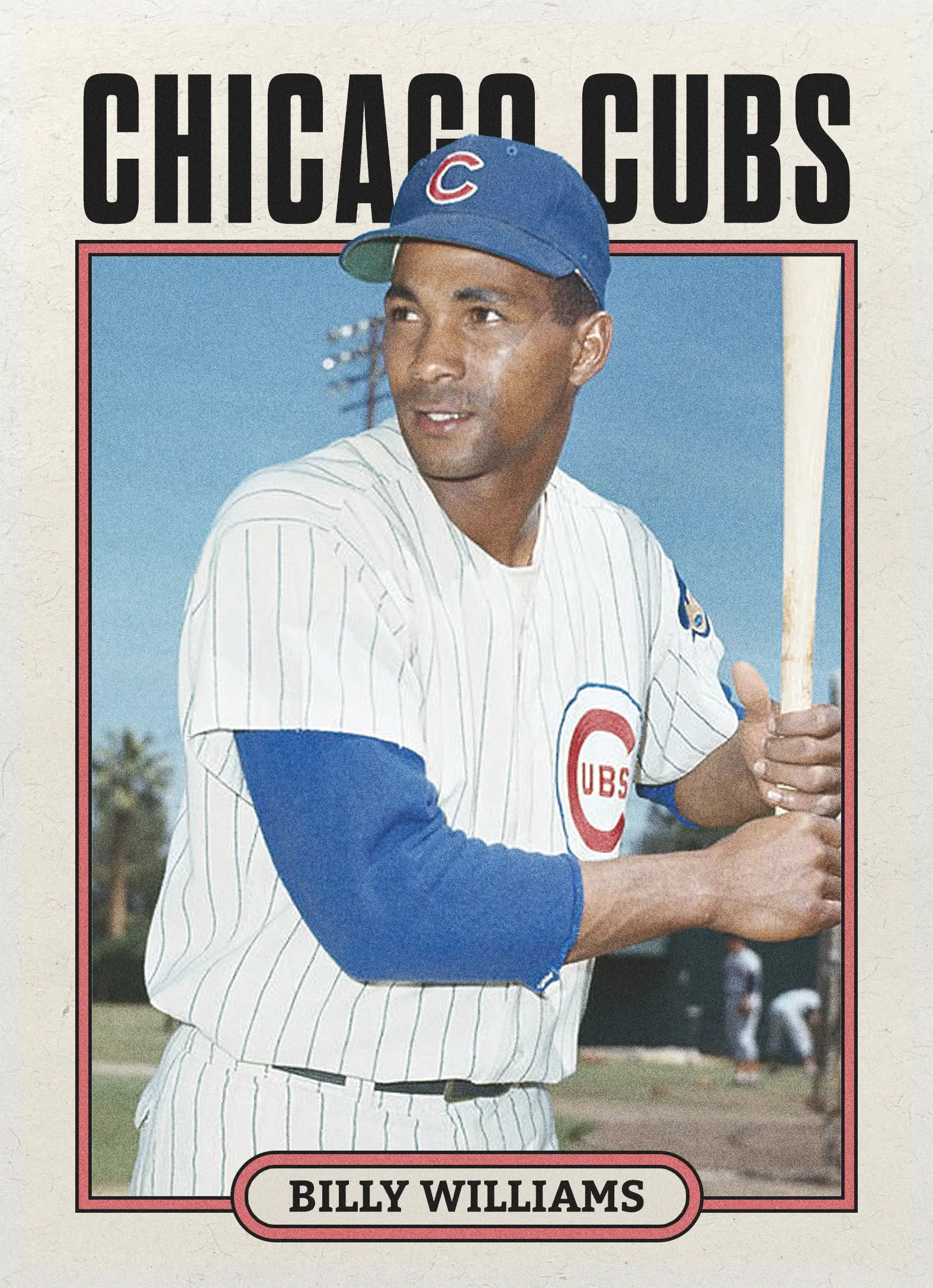
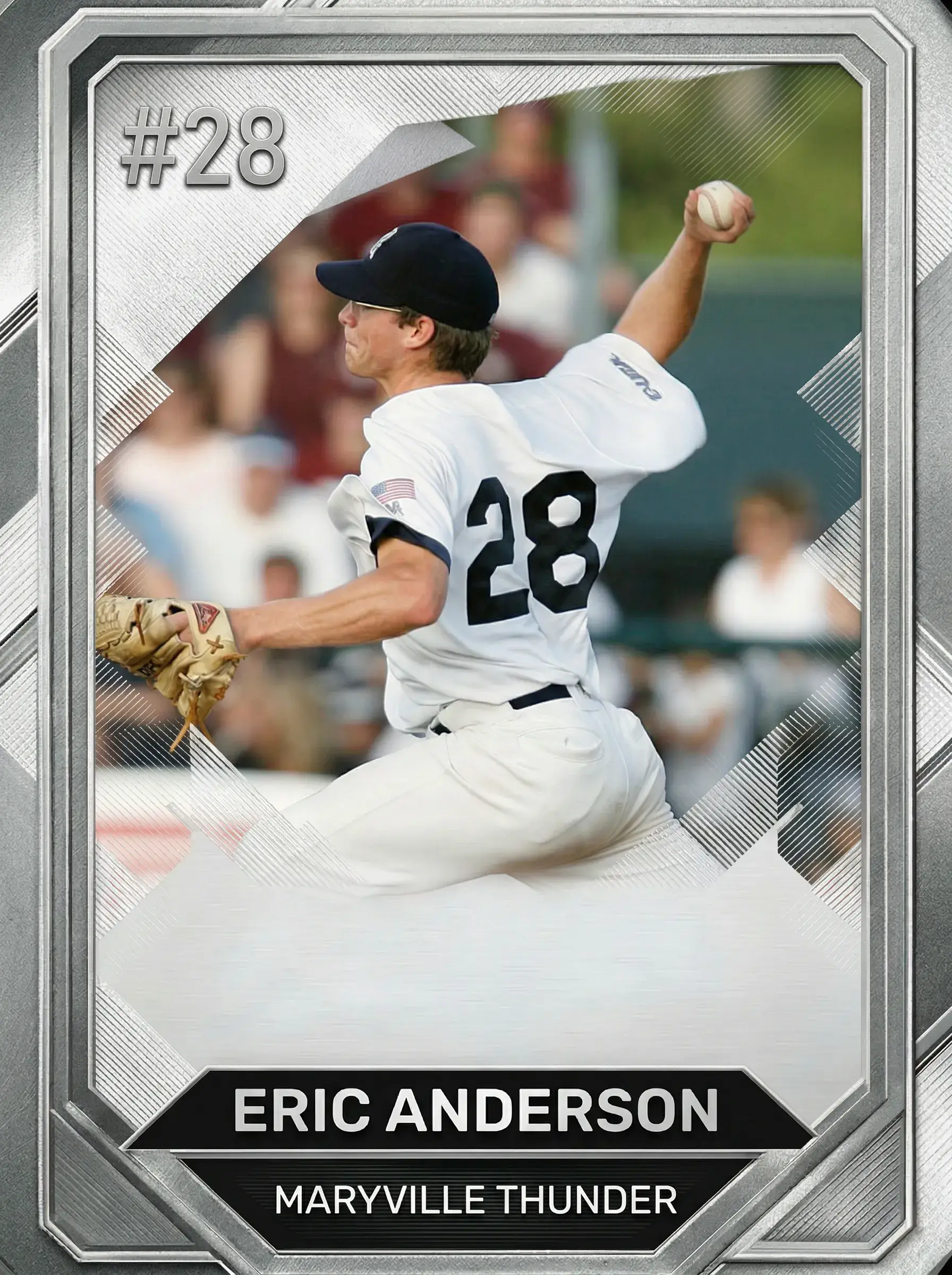
Upload any photo — your kid, your pet, your whole team — pick a pro template, and we print and ship a real, holdable card the next business day.
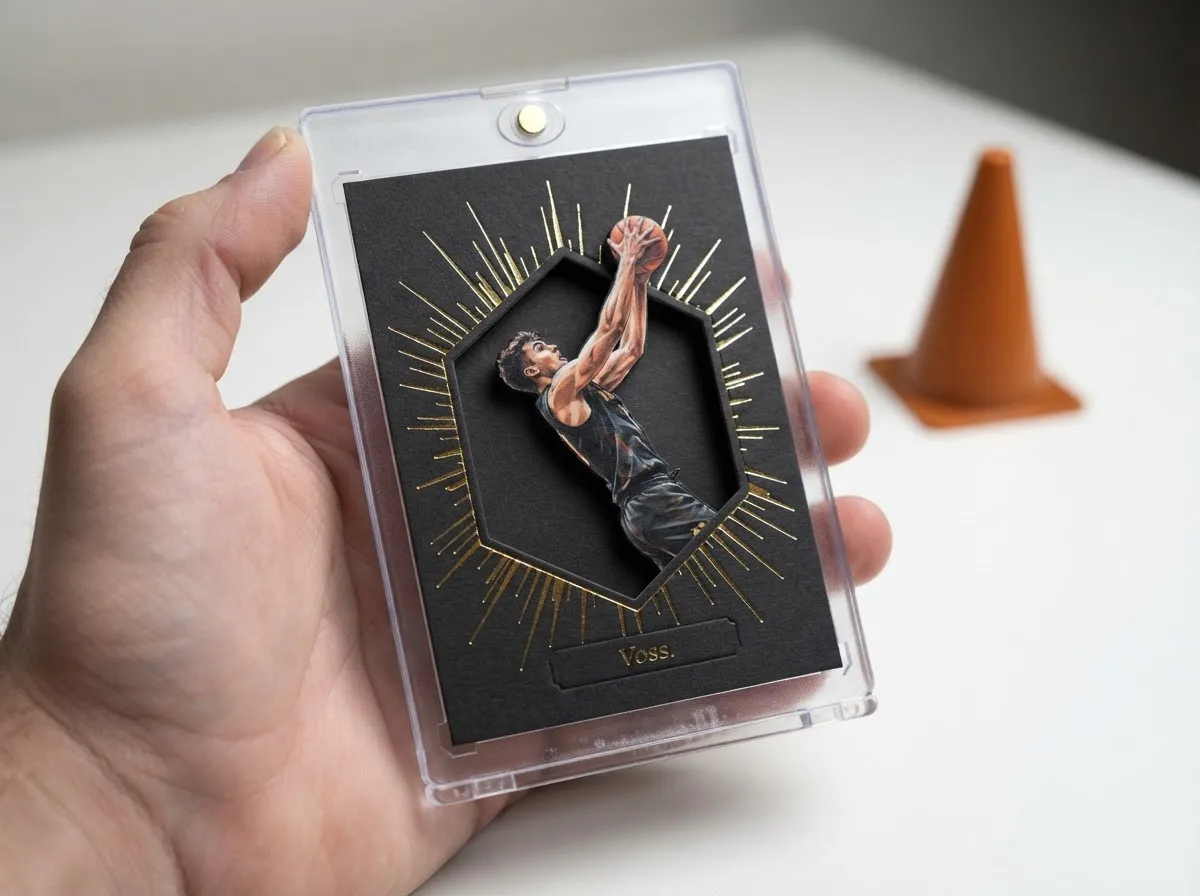
Every parent, coach, and weekend hobbyist hits the same wall: they buy a beginner sports photography camera expecting magic, then get blurry action shots and washed-out gym lighting. The truth is most beginner cameras fail at sports not because they're cheap, but because nobody explains what actually matters — autofocus speed, burst rate, and lens reach beat megapixels every single time. Sports move fast. Cameras built for landscapes and selfies just can't keep up, and that gap shows up in every missed catch and blurry sprint.
This page cuts through spec-sheet noise with a real checklist, a head-to-head comparison of what beginners actually buy, and straight answers on what separates a camera that freezes action from one that turns every game into mush. We also show you what to do once you've got that perfect shot — because a great sideline photo deserves more than a camera roll. It deserves a printed card.
Let's get you a camera that keeps up, then get your best shot onto something you'll actually keep.
We print thousands of amateur sports photos every month, from beginner-camera sidelines to backyard highlight reels, and we've seen firsthand which shots hold up at print size.
Do Beginner Camera Shots Actually Hold Up as Printed Cards?
We print custom cards from thousands of amateur sports photos every month, from youth soccer sidelines to backyard football games, and the pattern is consistent: shots from entry-level cameras with decent autofocus print just as sharp as shots from pro gear, as long as the focus is locked and the lighting's reasonable. Framing and focus matter more than camera price once you're printing at card size.
Who Actually Needs a Beginner Sports Photography Camera?
This isn't just for parents on the sideline. Here's where the right setup earns its keep.
Team parents covering a whole season
One parent with a decent camera and a 70-300mm lens can cover an entire youth league season better than a dozen phones combined. Sharp, cropped-in shots of every kid making a play give coaches and families something worth keeping — and every one of those shots is a candidate for a printed card at the end of the year.
Coaches building highlight reels and rosters
Coaches juggling rosters, game film, and team morale don't have time to fuss with manual settings. A beginner camera with reliable autofocus lets them grab quick action shots between drills, building a library of images for banquets, social posts, or end-of-season card sets without needing a photography background.
Adult league and rec players documenting their own game
Weekend basketball leagues, softball teams, and pickup soccer groups are shooting more than ever, often on a tripod near the sideline. A camera with decent burst mode catches the dive, the dunk, or the diving save — the moments people actually want printed and framed, not just liked once and forgotten.
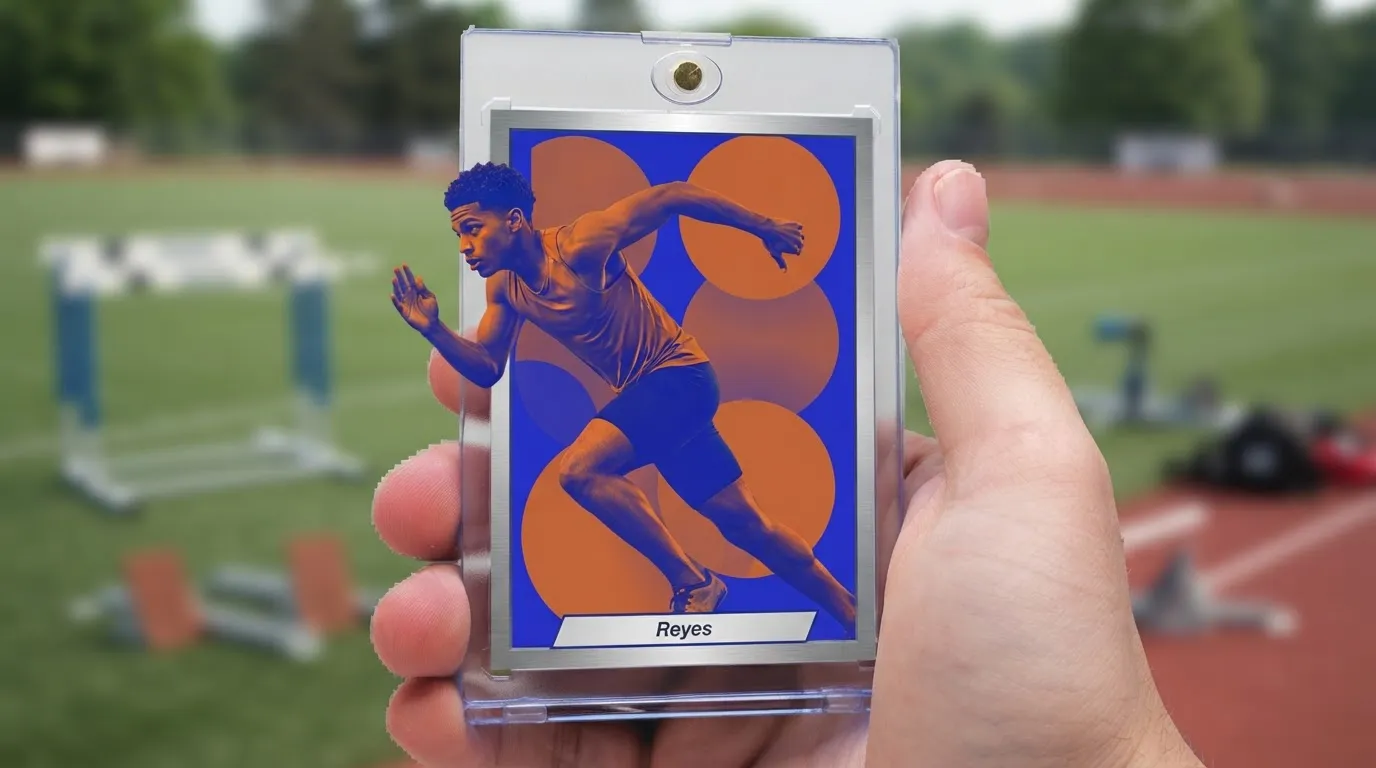
Free to design, instant preview. Ships the next business day.
How Do You Actually Choose a Beginner Sports Photography Camera?
It comes down to three specs that matter and about a dozen that don't. Here's the order to check them in.
Check the autofocus and burst speed first
Ignore megapixels for a second. A beginner sports photography camera needs continuous autofocus tracking and at least 5-8 frames per second burst shooting. That's the difference between catching the exact millisecond of contact and getting a photo of empty grass where the ball used to be. Entry-level mirrorless models from Canon, Sony, and Nikon now offer this in the $600-900 range, which is honestly where most beginners should be shopping.
Match the lens to your sport and distance
Indoor sports like basketball and volleyball need a fast lens (f/2.8 or wider) to handle gym lighting without blur. Outdoor field sports like soccer or football need reach — a 70-300mm zoom lets you stay off the field and still fill the frame. Buying the camera body without thinking about lenses is the single most common beginner mistake, and it's an expensive one to fix later.
Test it under real game conditions before you commit
Specs on paper don't always translate to a packed gym under fluorescent lights. If you can, borrow a friend's camera or test one in-store with fast motion — wave your hand quickly and check the shot. Look at how the photo holds up cropped in tight, since sports shots almost always get cropped for a good composition later.
Get these three right, and everything else — screen size, WiFi transfer, grip comfort — is just preference.
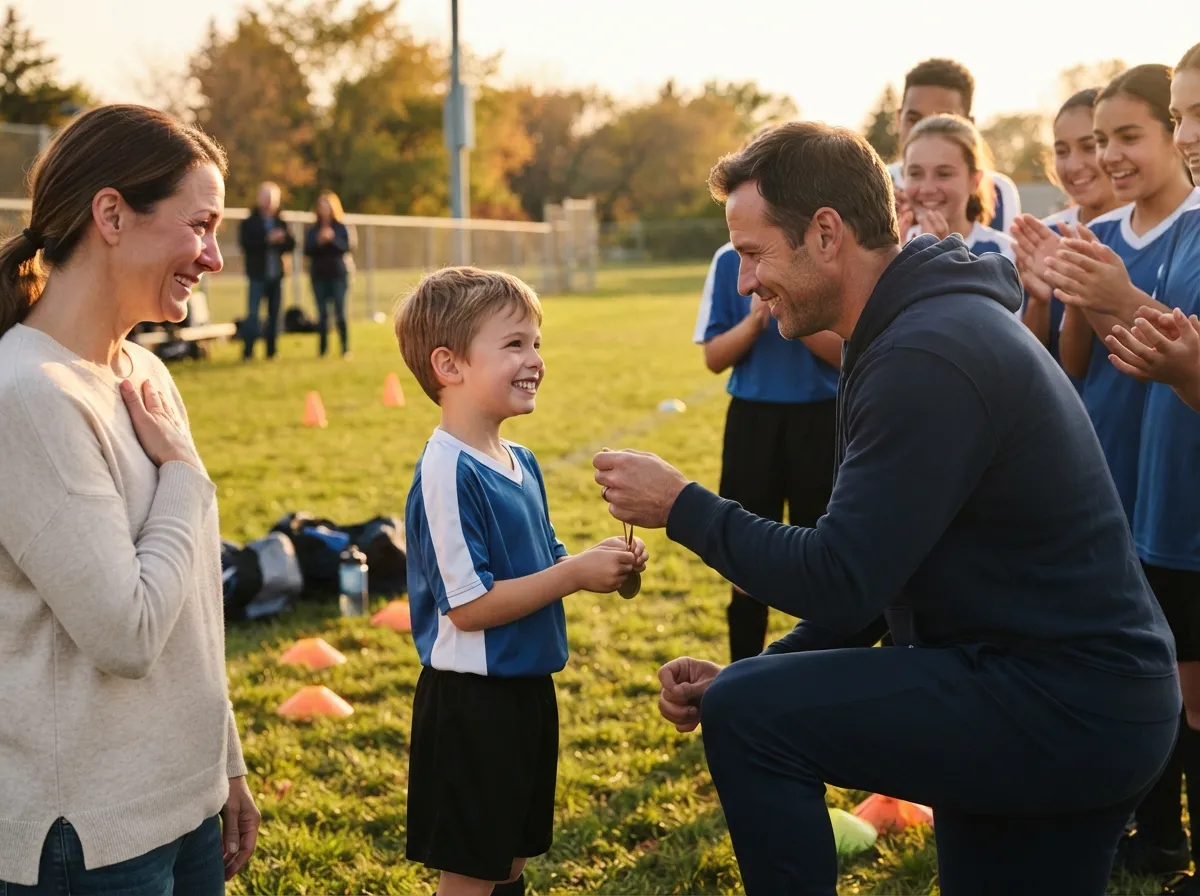
What Do You Actually Gain From the Right Camera Setup?
A camera that's built for motion changes what you're able to capture, and what you can do with it afterward.
Sharper shots even in bad lighting
Gyms and evening fields are brutal on cheap sensors. A camera with a wider aperture lens and decent low-light ISO performance gets you usable, sharp images instead of grainy blur under stadium lights.
You stop missing the moment
Fast autofocus and burst mode mean you shoot a sequence, not a single guess. Out of ten frames, you'll usually land two or three that are genuinely great — enough to actually choose from.
Photos worth printing, not just posting
A crisp, well-framed shot holds up at real print size. Blurry phone photos look fine on a small screen and fall apart the second you try to make something physical out of them.
A shot good enough to turn into a keepsake
Once you've got a clean, in-focus action shot, you've got material for something bigger than a camera roll post — like a custom card that actually gets displayed, not scrolled past.
Entry-Level Camera Types for Sports: Quick Comparison
| Option | Best For | Limitation |
|---|---|---|
| Smartphone (newer model) | Close-range, casual shots | Weak zoom, autofocus struggles with fast motion |
| Entry mirrorless w/ kit lens | General beginner sports use | Kit lens lacks reach for field sports |
| Entry mirrorless + telephoto lens | Soccer, football, baseball | Added cost of second lens |
| Used DSLR + fast prime lens | Indoor gym sports on a budget | Slower live-view autofocus than mirrorless |
What Does It Cost to Turn Your Best Shot Into a Card?
Once you've got the shot, printing it is the easy part — and it's a lot cheaper than most people expect.
Single custom cards start at $17.99, packs run up to $49.99, and our MEGA 11"x15" poster card is $49.99. Free shipping runs across the USA, with cards printed in Des Moines, Iowa and shipped in 2-3 days.
Every order includes a free magnetic case, professional card stock, and pro sports-card templates — no design skills needed, just a good photo.
Box Options
Simple, collectible pricing. No subscriptions, no hidden fees.
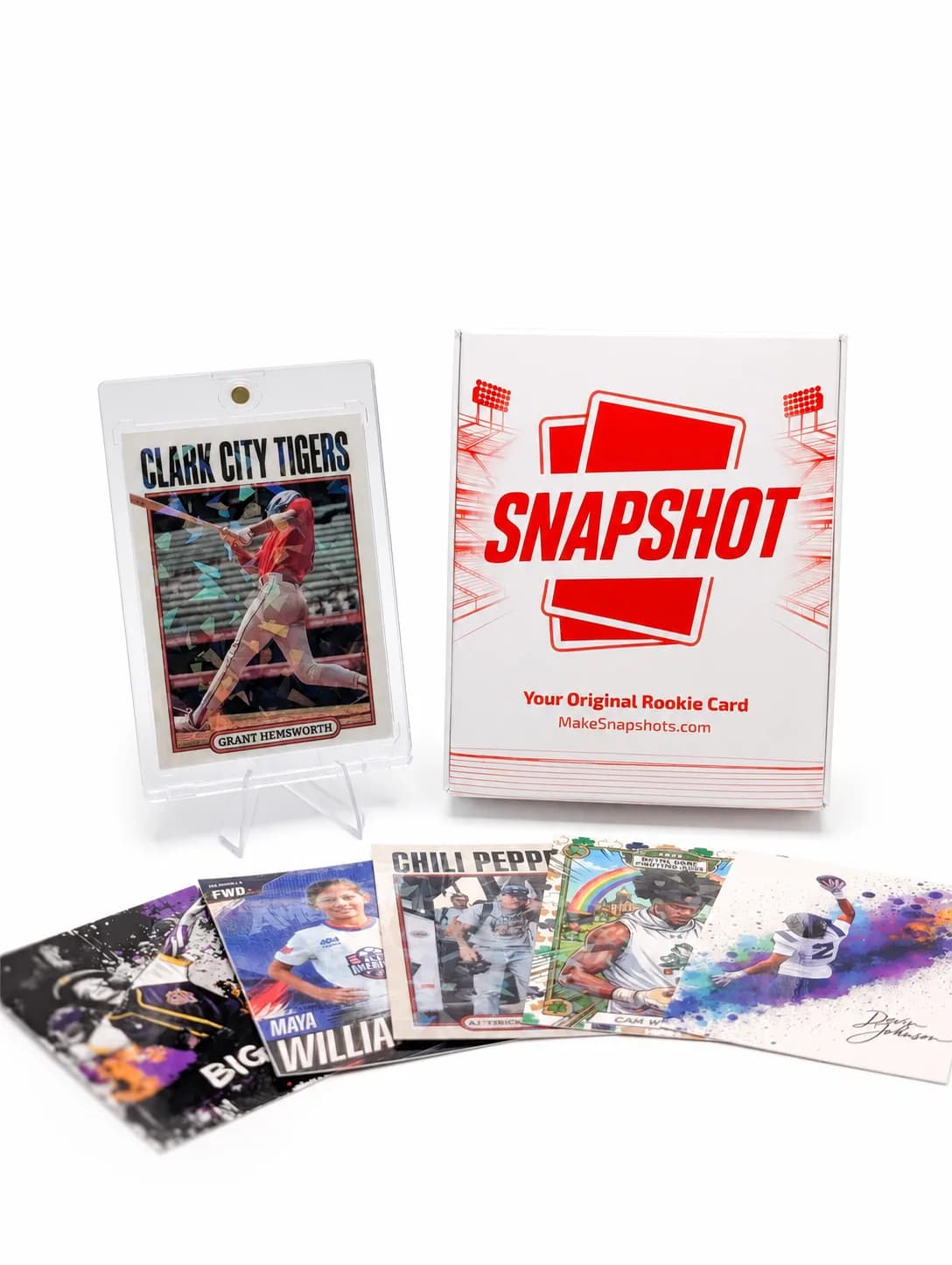
The Rookie Box
Perfect for those unforgettable moments
$17.99 - $49.99
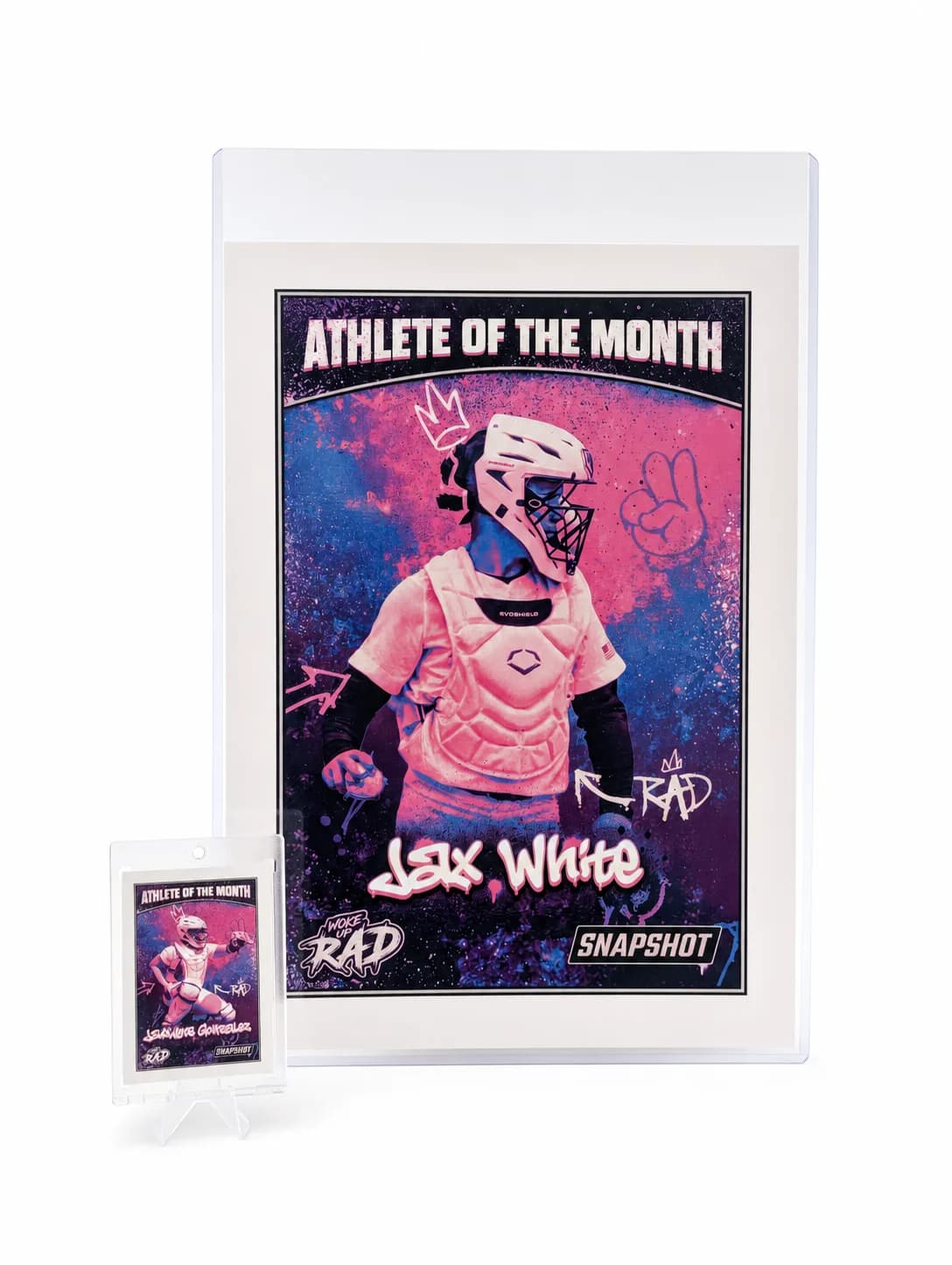
MEGA Card
Their moment, bigger than ever
$49.99
Create for free • Ships the next business day • Made in Des Moines, IA, USA
Frequently Asked Questions
What's the difference between a DSLR and a mirrorless camera for a beginner?
Mirrorless cameras have essentially taken over the beginner and enthusiast market, and for sports specifically, they're usually the better pick now. They tend to offer faster and more accurate autofocus tracking, quieter shutters, and lighter bodies you can hold up at a game for hours without your arm giving out. DSLRs are still solid and often cheaper on the used market, with excellent battery life and a huge selection of affordable lenses. The tradeoff is that DSLR autofocus in live-view mode, which you'll use a lot for sports, is generally slower than a mirrorless system's. If you're buying new in 2025 and beyond, mirrorless is the safer long-term bet since that's where manufacturers are focusing development and lens releases. If you find a great deal on a used DSLR with a good telephoto lens, though, it can still absolutely get the job done for youth and rec-league sports.
How important is burst mode for sports photography, really?
It's genuinely one of the most important specs on the whole camera, right up there with autofocus speed. Burst mode lets you hold the shutter and capture a rapid sequence of frames instead of one single guess at the perfect moment. Sports happen in fractions of a second — a bat connecting with a ball, a foot hitting a soccer ball, a diver's hands entering the water — and even skilled photographers miss that exact instant shooting one frame at a time. A camera shooting 5-8 frames per second gives you a real sequence to choose from, and usually two or three frames out of ten will be genuinely great. Some entry-level cameras only shoot 2-3 frames per second, which sounds fine until you're trying to catch a sprint or a swing and keep getting the moment right before or right after. If sports are your main use, treat burst speed as a non-negotiable spec, not a nice-to-have.
Do I need different lenses for different sports?
Yes, and this trips up more beginners than any other decision. Indoor sports like basketball, volleyball, and wrestling happen under artificial lighting that's often dimmer than it looks to your eyes, so you need a lens with a wide aperture, ideally f/2.8 or wider, to keep shutter speeds fast enough to freeze motion. Outdoor field sports like soccer, football, and baseball need reach instead, since you're usually shooting from a distance and can't get close to the action without interrupting play. A 70-300mm telephoto zoom is the standard recommendation for field sports, while a 35mm or 50mm fast prime lens tends to work well indoors. Trying to use one lens for everything means compromising somewhere, usually on either light gathering or reach. If you can only afford one lens to start, think about which sport you shoot most often and buy for that first.
What camera settings should a beginner use for fast-moving sports?
Start with shutter priority mode, often labeled S or Tv on the dial, and set your shutter speed to at least 1/1000th of a second for most sports, or 1/500th for slower-paced ones like baseball between pitches. This freezes motion instead of letting it blur across the frame. Set your autofocus mode to continuous tracking, sometimes called AF-C or AI Servo depending on the brand, so the camera keeps refocusing as your subject moves. Bump your ISO up as needed to compensate for the fast shutter speed, especially indoors — modern cameras handle ISO 1600-3200 much better than older models did, so don't be afraid of it. Shoot in burst mode so you're capturing a sequence, not a single frame. It sounds like a lot at first, but most cameras let you save these as a custom mode, so once it's dialed in, you just switch to it and shoot.
Can I shoot good sports photos without any manual settings knowledge?
You can get decent results using Sports mode or Auto mode on most beginner cameras, since manufacturers have built scene modes specifically to handle fast action without manual input. These modes automatically bump up shutter speed and switch to continuous autofocus, covering the two most important adjustments without you touching a dial. You'll get further, though, learning just shutter priority mode, which takes maybe twenty minutes to understand and gives you real control over freezing motion versus letting it blur intentionally. A lot of beginners start in Sports mode for a season, get comfortable with their camera's handling, and then graduate to shutter priority once they want more consistent results. There's no shame in leaning on Auto modes while you learn — plenty of great sideline shots get taken that way every weekend. Just know that manual shutter control is a pretty quick skill to pick up whenever you're ready for it.
How much does lighting actually affect my results indoors versus outdoors?
It affects things enormously, more than most beginners expect going in. Outdoor daylight gives you tons of light to work with, so even budget cameras can freeze fast motion cleanly with a fast shutter speed and low ISO. Indoor gym lighting is a different story entirely — it's dimmer, often flickers slightly, and forces you to choose between a fast shutter speed with a grainy high-ISO image or a cleaner image with more motion blur. This is exactly why a wide-aperture lens matters so much for indoor sports, since it lets more light hit the sensor without needing to crank the ISO as high. Evening outdoor games under stadium lights fall somewhere in between, better than an indoor gym but still nowhere near midday sun. If you mostly shoot indoor sports, prioritize a fast lens over almost every other spec on your list, because it solves your biggest problem directly.
What's the biggest mistake beginners make when buying their first sports camera?
Buying based on megapixel count instead of autofocus speed and burst rate. A 24-megapixel camera with slow, hunting autofocus will produce far worse sports photos than a 16-megapixel camera with fast, accurate tracking, because a blurry high-resolution photo is still blurry. The second biggest mistake is buying the camera body and stopping there, without budgeting for a lens that actually suits the sport being shot. A basic kit lens, usually 18-55mm, doesn't have the reach for most field sports or the aperture for most indoor ones. The third common mistake is skipping any hands-on test before buying, relying entirely on spec sheets and online reviews. Specs matter, but how a camera actually feels tracking fast motion in person can differ from what the numbers suggest. If you can test one in-store or borrow a friend's before committing, do it — it'll save you buyer's remorse.
Free to design, instant preview. Ships the next business day.
Got the Shot? Turn Your Beginner Sports Photography Camera Win Into a Card
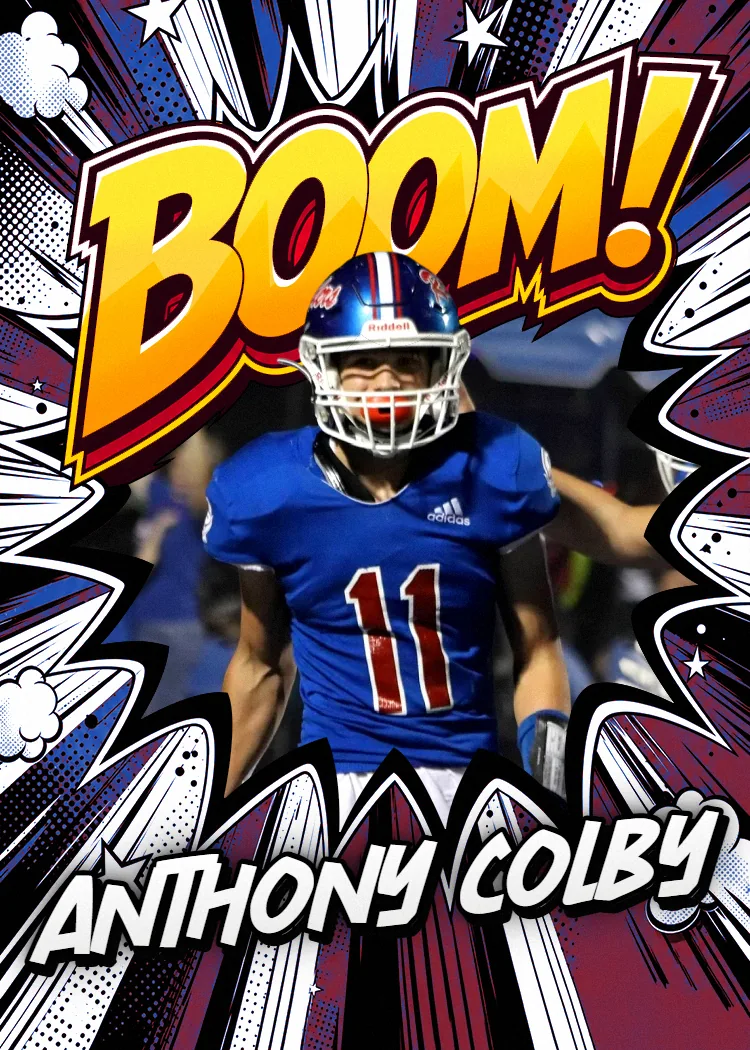
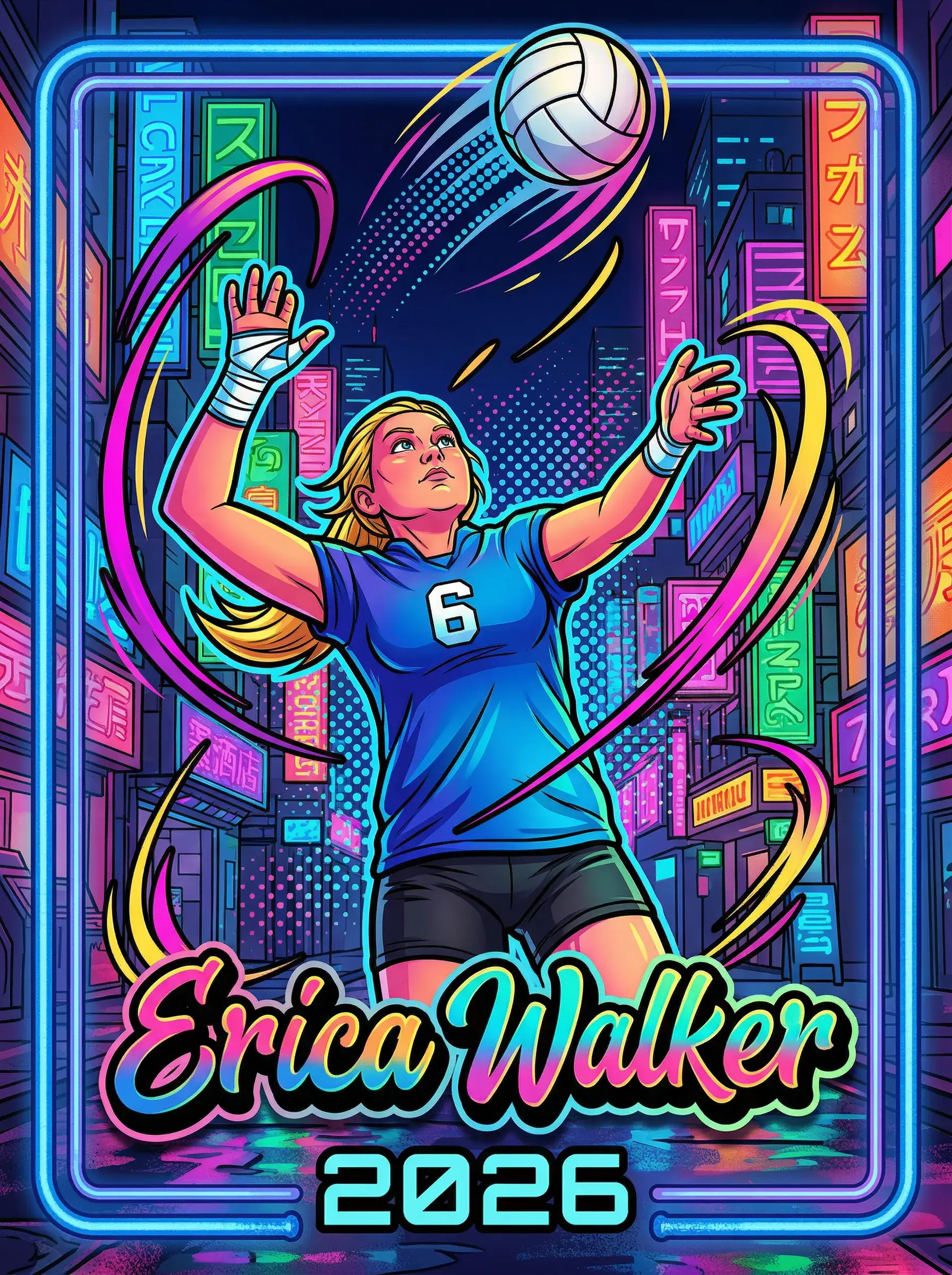
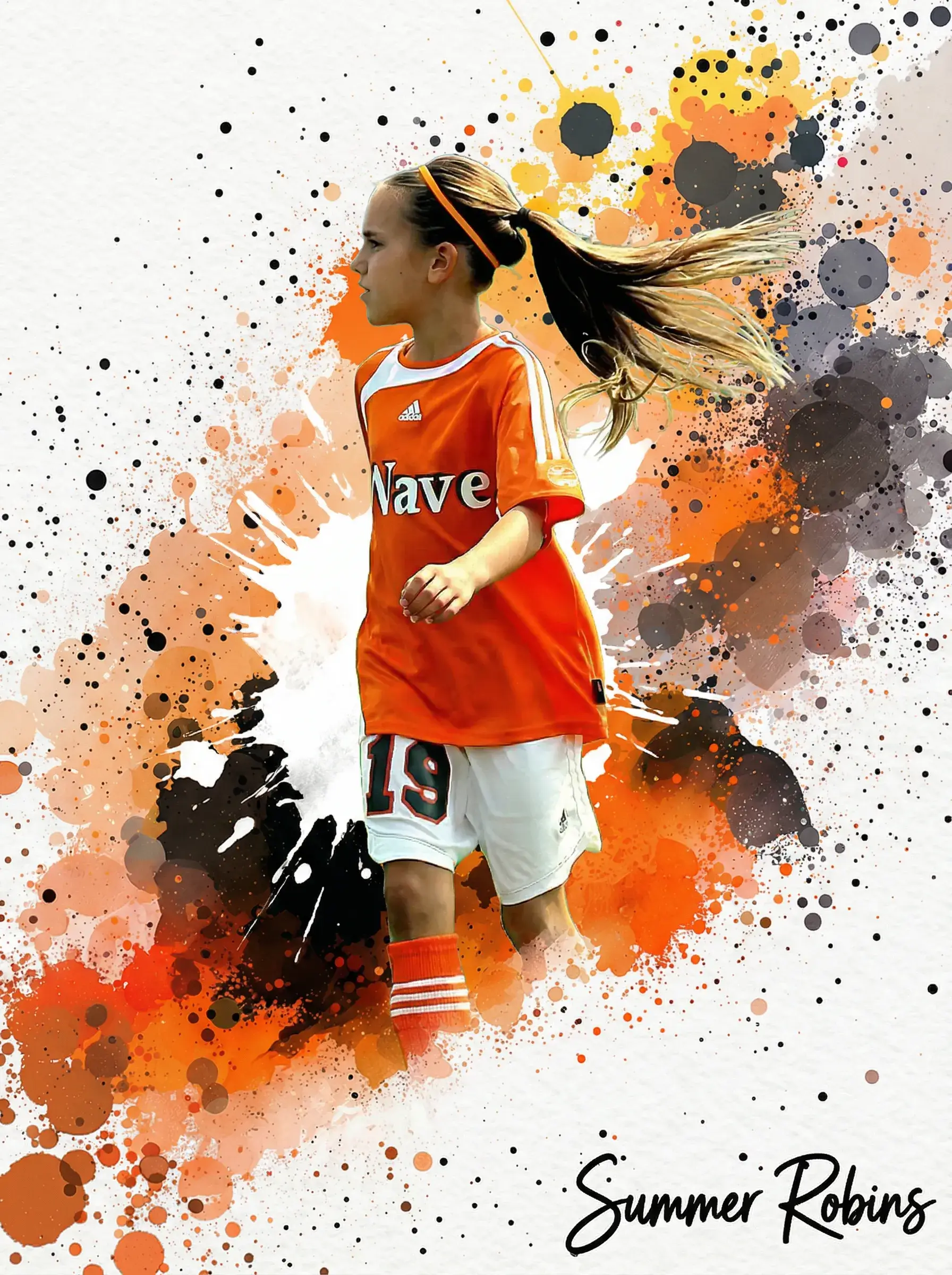
You put in the work learning shutter speeds and burst modes. Don't let that perfect action shot sit buried in a camera roll — upload it, pick a pro-style template, and get a printed card shipped in 2-3 days with a free magnetic case.
Create Your Card NowNo credit card required | Instant preview | Pro-quality designs
Explore More Card Options
Discover more custom trading card options for every sport and occasion