
Best Aperture for Sports Photography: Shoot Like a Pro
One aperture setting separates a blurry sideline snap from a card-worthy action freeze.
Upload any photo — your kid, your pet, your whole team — pick a pro template, and we print and ship a real, holdable card the next business day.
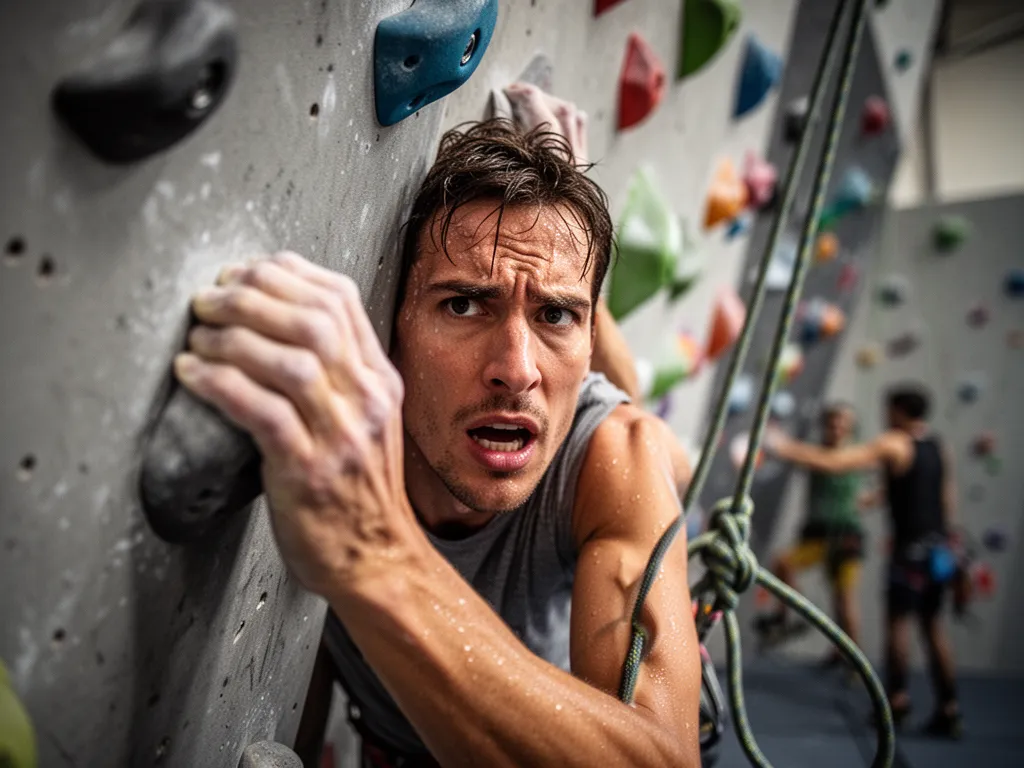
Most people grabbing a camera at a game default to Auto mode and wonder why their photos look flat, soft, or motion-blurred. The truth is that aperture controls two things at once — how much light hits your sensor and how much of your subject stays in sharp focus. Get it wrong and even a perfect moment looks like it was shot through a foggy car window. At a track meet, basketball game, or swim competition, the action doesn't pause while you dial things in. You need a concrete starting point, not a vague 'it depends.'
The best aperture for sports photography is typically between f/2.8 and f/4. That range lets in enough light to push your shutter speed fast enough to freeze motion — think 1/1000s or faster — while keeping your subject sharp against a softly blurred background that makes them pop. From there, you adjust based on your lens, your sport, and available light. This guide gives you the exact playbook, and once you've got that perfect shot, Snapshot turns it into a premium custom trading card shipped straight to your door.
Here's the full aperture playbook — from courtside to the card in your hand.
We ship custom trading cards to athletes, coaches, and families in all 50 states every single week, and we see firsthand how photo quality at the point of capture determines how stunning the final printed card looks.
Why Getting Aperture Right Makes Your Photos Card-Worthy
The difference between a snapshot and a sports trading card photo is almost always technical precision. Aperture is the starting lever.
Frozen Motion, Zero Blur
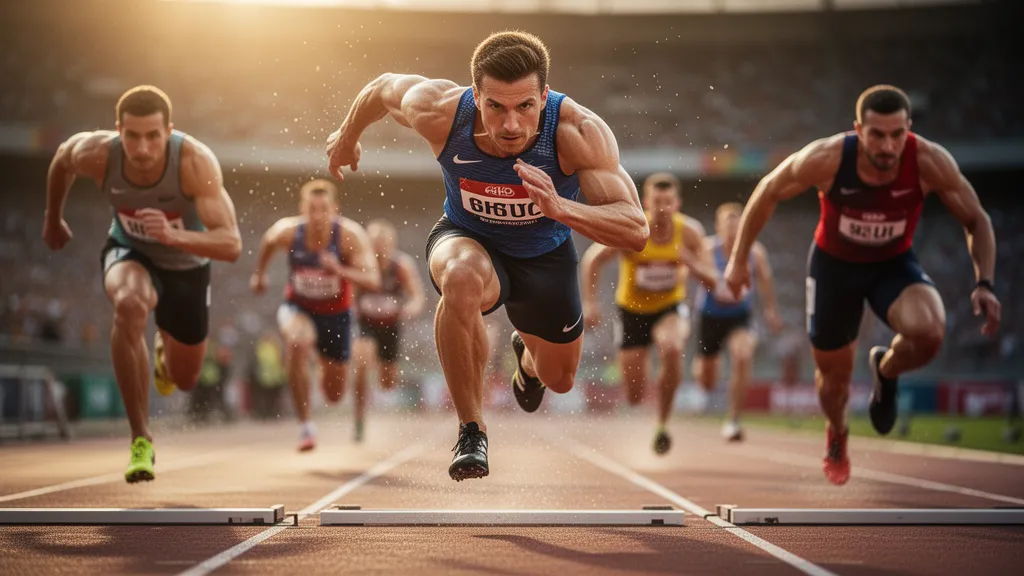
A wide aperture unlocks the fast shutter speeds that stop motion cold. A wrestler mid-throw, a gymnast at peak extension, a volleyball spike — all can be frozen with crisp edges when your aperture gives your shutter speed room to run. That's the standard Snapshot needs from your photo to produce a card that looks pro.
Subject Separation That Pops
Shooting at f/2.8 or f/4 creates a shallow depth of field that isolates your athlete from distracting backgrounds. A cluttered gym, a chain-link fence, a busy sideline — all soften into bokeh. Your subject commands the frame. On a trading card, that visual hierarchy is exactly what makes someone stop and look twice.
Consistent Results Across Different Venues
Once you understand how aperture interacts with your specific lens and sport environment, you can walk into any gym, field, or pool deck and find your settings in under 60 seconds. That consistency means you're not missing key moments while fumbling through menus. Consistent technique builds a library of card-worthy shots.
Print-Ready Image Quality
Snapshot prints on professional card stock at high resolution. Soft, noisy, or motion-blurred images reveal every flaw at print size — especially on the MEGA 11×15 poster card. A properly exposed, sharp image shot at the right aperture holds detail that looks stunning on a physical card, not just a phone screen.
Free to design, instant preview. Ships the next business day.
Why Athletes and Families Trust Snapshot With Their Best Shots
Snapshot ships custom trading cards to athletes, coaches, and families across all 50 states every week — from youth rec leagues to college varsity programs. Customers consistently come back with their sharpest, best-exposed photos knowing those are the ones that look incredible on a premium printed card. When the photo is right, the card is everything.
How Aperture Actually Works in Sports Photography
Aperture is the opening inside your lens — measured in f-stops — and it's one of three settings that determine your photo's exposure and sharpness. Understanding how it works changes everything about the shots you bring home.
Start Wide: Set Your Aperture to f/2.8 or f/4
A wide aperture — low f-number — opens the lens fully and floods the sensor with light. That extra light lets you use a faster shutter speed, which freezes fast motion. At f/2.8, a soccer striker mid-kick can come out razor-sharp while the crowd behind them melts into a smooth, colorful blur. This is your baseline for indoor gyms, twilight fields, and any situation where light isn't generous.
Pair Aperture with Shutter Speed and ISO
Aperture doesn't work alone. Once you've set f/2.8 or f/4, lock your shutter speed at 1/1000s minimum — 1/1600s or faster if the sport involves quick lateral cuts or flying objects. Then let ISO float upward to compensate if the scene is still underexposed. Modern cameras handle ISO 3200 cleanly. The goal is a properly exposed, motion-frozen image. Nail all three settings and your frame is card-ready.
Adjust for Your Sport, Lens, and Light
Not every sport needs f/2.8. Bright outdoor afternoon games — baseball, lacrosse, field hockey — can handle f/5.6 or even f/8 without losing shutter speed, because sunlight gives you plenty of exposure headroom. Stopping down slightly also sharpens the frame edge-to-edge, which matters when you want every detail captured for a trading card print. Learn your sport's lighting patterns and you'll know your aperture before you ever raise the camera.
Dial in aperture first. Everything else in your exposure triangle follows that decision naturally.
Aperture Mistakes That Kill Sports Photos Before They Reach Print
Shooting at f/8 indoors
Narrow apertures starve your sensor of light indoors and force dangerously slow shutter speeds. Drop to f/2.8 and raise ISO instead.
Ignoring shutter speed after setting aperture
Aperture opens the door — shutter speed makes the decision. Always verify your shutter speed stays at 1/1000s or higher after setting aperture.
Using the kit lens at f/5.6 for evening games
Kit lenses max out at f/5.6 or narrower, which isn't enough in low light. A 50mm f/1.8 or rented 70-200mm f/2.8 will transform your results dramatically.
Setting one aperture and never adjusting
Light changes throughout a game — especially outdoors. Check your histogram every 15–20 minutes and adjust aperture or ISO accordingly.
Submitting a blurry or noisy photo to print
Zoom to 100% in your photo editor before uploading to Snapshot. If the edges of the athlete's jersey aren't crisp, find a sharper frame from your burst.
Which Sports Demand Which Aperture Settings?
Every sport has its own light environment and pace. Here's how to match your aperture to what's actually happening in front of your lens.
Indoor Sports: Basketball, Wrestling, Gymnastics
Indoor venues are where aperture matters most. Gymnasium lighting is often inconsistent, yellowish, and dim by camera standards. Start at f/2.8 — full stop. There's no compromise here. Push ISO up to 3200 or 6400 if needed, but protect your shutter speed. A wrestling match or a basketball drive to the hoop moves fast. The gym ceiling won't give you extra light; your aperture has to.
Outdoor Daytime Sports: Baseball, Soccer, Track
Bright sun gives you options. At midday, f/5.6 lets you maintain 1/2000s easily, which is plenty to freeze a sprinter at full stride or a pitcher mid-delivery. If it's overcast or late afternoon, slide back to f/4. The advantage outdoors is that you can shoot at slightly narrower apertures and gain sharper images edge-to-edge — great for multi-player action shots that tell a bigger story on a card.
Action Sports and Swimming
Water reflects light unpredictably, and action sports like BMX, skateboarding, and mountain biking happen in variable lighting — sometimes shade, sometimes bright sun within the same session. The smart move is Aperture Priority mode at f/4, letting the camera handle shutter speed while you keep ISO at Auto. Check your histogram after each burst and adjust. Splash moments and mid-air tricks freeze beautifully at 1/1600s and beyond.
Custom Cards Built for Every Budget
Snapshot keeps pricing straightforward so you can focus on shooting great photos, not doing math.
Single custom card starts at $17.99. Card packs run up to $49.99. The MEGA 11×15 poster card — the one that stops a room — is $49.99. Free shipping on every order in the USA. Cards are made in Des Moines, Iowa, and ship in 2–3 days.
One great photo, printed on professional card stock, shipped free, in under three days. That's the whole deal — no subscriptions, no minimums.
Box Options
Simple, collectible pricing. No subscriptions, no hidden fees.
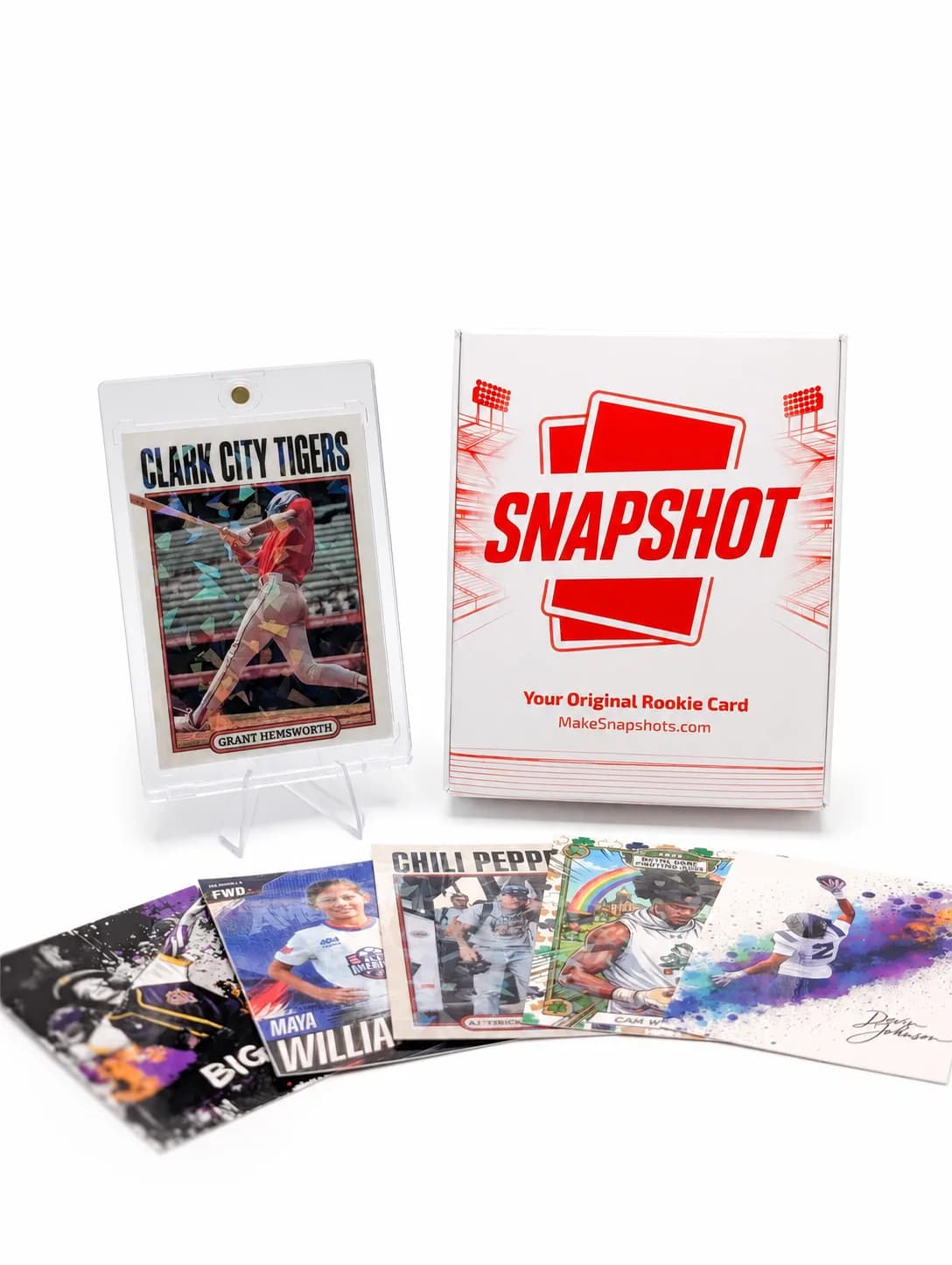
The Rookie Box
Perfect for those unforgettable moments
$17.99 - $49.99
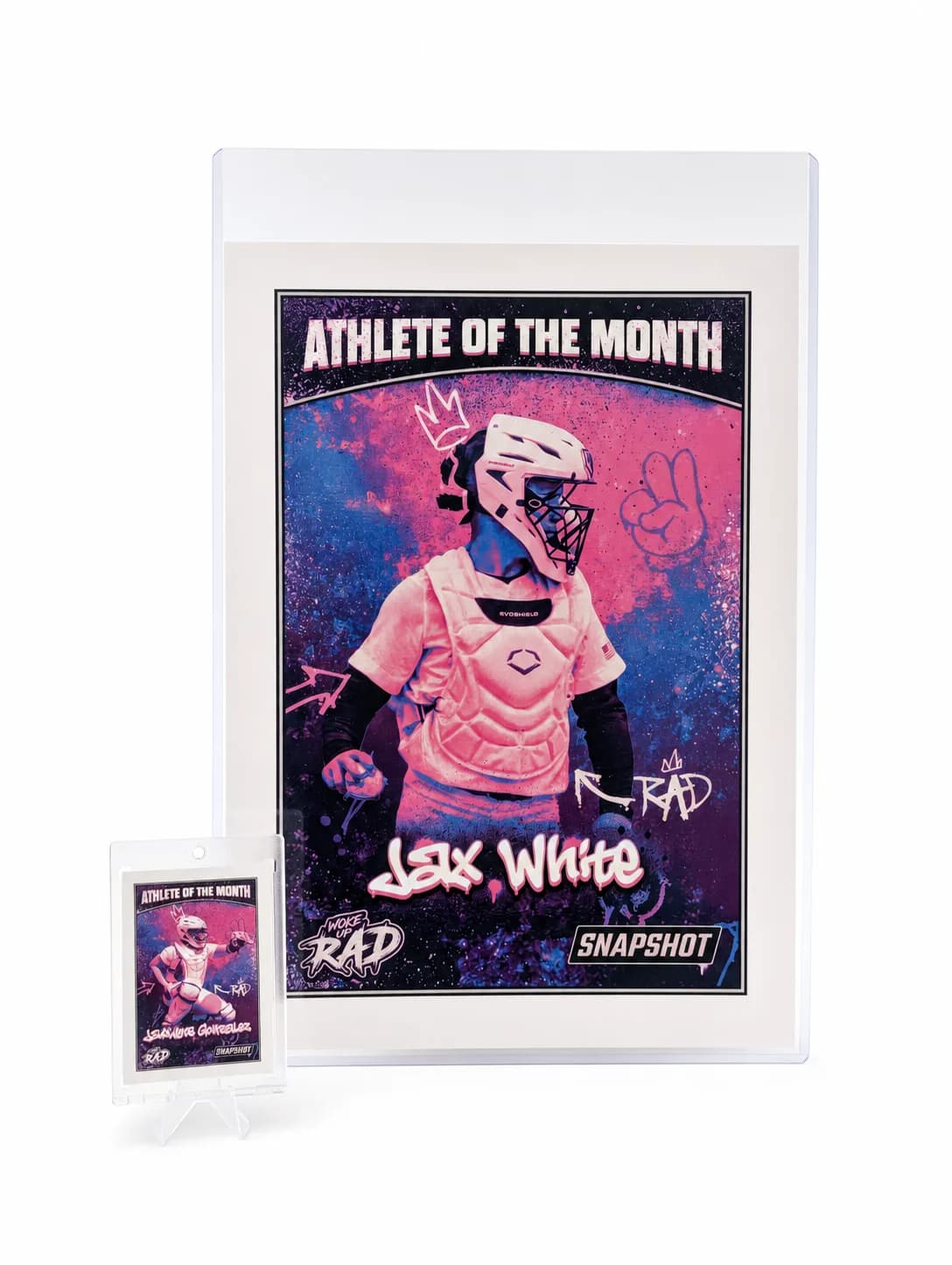
MEGA Card
Their moment, bigger than ever
$49.99
Create for free • Ships the next business day • Made in Des Moines, IA, USA
Frequently Asked Questions
What is the best aperture for sports photography as a general rule?
The most reliable starting point is f/2.8 to f/4. These apertures let in enough light to keep your shutter speed at or above 1/1000s, which is generally the minimum to freeze most athletic motion cleanly. f/2.8 is the go-to for indoor gyms and evening games where light is limited. f/4 works well outdoors on partly cloudy days. Narrower apertures like f/5.6 or f/8 are only appropriate when you have plenty of ambient light and need sharper edge-to-edge detail across a wider frame.
Can I shoot sports at f/8 or f/11 and still get sharp action shots?
You can, but only if you have abundant light — bright midday sun, for example. At f/8 outdoors, you can still hit 1/2000s at ISO 400 on a sunny day, which absolutely freezes motion. The problem comes when light drops: narrower apertures force slower shutter speeds or extremely high ISO values, both of which hurt image quality. If you're shooting an evening baseball game under lights or any indoor sport, f/8 will cost you more than it gives you. Stick to f/2.8–f/4 in controlled or low-light conditions.
Does aperture affect depth of field in sports photos?
Yes, and that effect is part of what makes sports photos look professional. At f/2.8, only a narrow plane of depth is in focus — typically your subject, while the background becomes a soft blur. This is called shallow depth of field, and it's the visual trick that isolates an athlete from a cluttered background. At f/8, more of the scene stays in focus, which can look less dynamic but is sometimes useful for capturing group plays or team formations where multiple players need to appear sharp in the same frame.
Should I use Aperture Priority mode or Manual mode for sports?
Both work, and experienced photographers tend to land in Manual mode for sports because it gives complete control in predictable lighting — outdoor afternoon games are a classic example. Aperture Priority is an excellent choice when light is changing quickly, like a race that moves from shade to sun repeatedly. In Aperture Priority, you set the aperture and the camera adjusts shutter speed automatically. The risk is that your shutter speed might dip below 1/1000s in dark patches. Set a minimum shutter speed limit in your camera's Auto ISO settings to prevent that.
What lens focal length works best with these aperture settings for sports?
Longer telephoto lenses — 70-200mm, 100-400mm — are the workhorses of sports photography because they let you fill the frame with your subject from a distance. Most serious sports shooters pair a 70-200mm f/2.8 lens with the aperture guidance above, and for good reason: it's sharp wide open, handles low light well, and is versatile enough for basketball, soccer, wrestling, and track. For tighter venues like gyms, a 24-70mm f/2.8 gives you flexibility to capture both close action and wider team shots without switching lenses mid-game.
How does aperture choice affect the quality of a photo used on a trading card?
It affects it significantly. A trading card is a physical print, and every softness or blur that's barely noticeable on a phone screen becomes obvious at print size — especially on Snapshot's MEGA 11×15 poster card. Shooting wide open at f/2.8 gives you that subject-isolation look that works beautifully on card templates, as long as your focus is accurate. An underexposed or noisy image from a too-narrow aperture in low light will look grainy and flat when printed. The aperture decision you make in the field directly determines how impressive your final card looks.
What shutter speed should I pair with f/2.8 for sports?
At a minimum, 1/1000s. For faster sports — sprinting, BMX, volleyball spikes — shoot at 1/1600s or 1/2000s. With f/2.8 giving you maximum light, you can almost always achieve these shutter speeds without pushing ISO into unusable territory. If you're shooting at 1/1000s and f/2.8 indoors and the image is still underexposed, raise ISO incrementally — 1600, 3200, up to 6400 — before you consider slowing the shutter below 1/1000s. A little noise in a sharp image is always preferable to motion blur in a clean one. Snapshot's team can work with well-exposed, sharp images at these settings.
Do mirrorless cameras handle aperture for sports differently than DSLRs?
The aperture principles are identical — f/2.8 is f/2.8 regardless of camera body. What differs is how mirrorless cameras handle autofocus at wide apertures, and generally they perform better than older DSLRs in this area. Modern mirrorless systems track moving subjects with impressive accuracy even at f/2.8, which previously required careful single-point AF on a DSLR to avoid front- or back-focusing errors. If you've switched to mirrorless recently, you may find that shooting wide open produces sharper results than you were getting before — and sharper means better card prints.
Can I use burst mode with these aperture settings to get the perfect frame?
Absolutely — burst mode and sports photography go together naturally. At f/2.8 or f/4 with a fast shutter speed, you can fire 8–20 frames per second depending on your camera body. The advantage is you're much more likely to catch a peak-action moment: the exact frame of a dunk, the split second a batter makes contact, the moment a swimmer breaks the surface. The downside is a lot of frames to sort through. The upside is that hidden inside that burst is almost certainly a card-worthy image. That's the frame Snapshot turns into a trading card.
Free to design, instant preview. Ships the next business day.
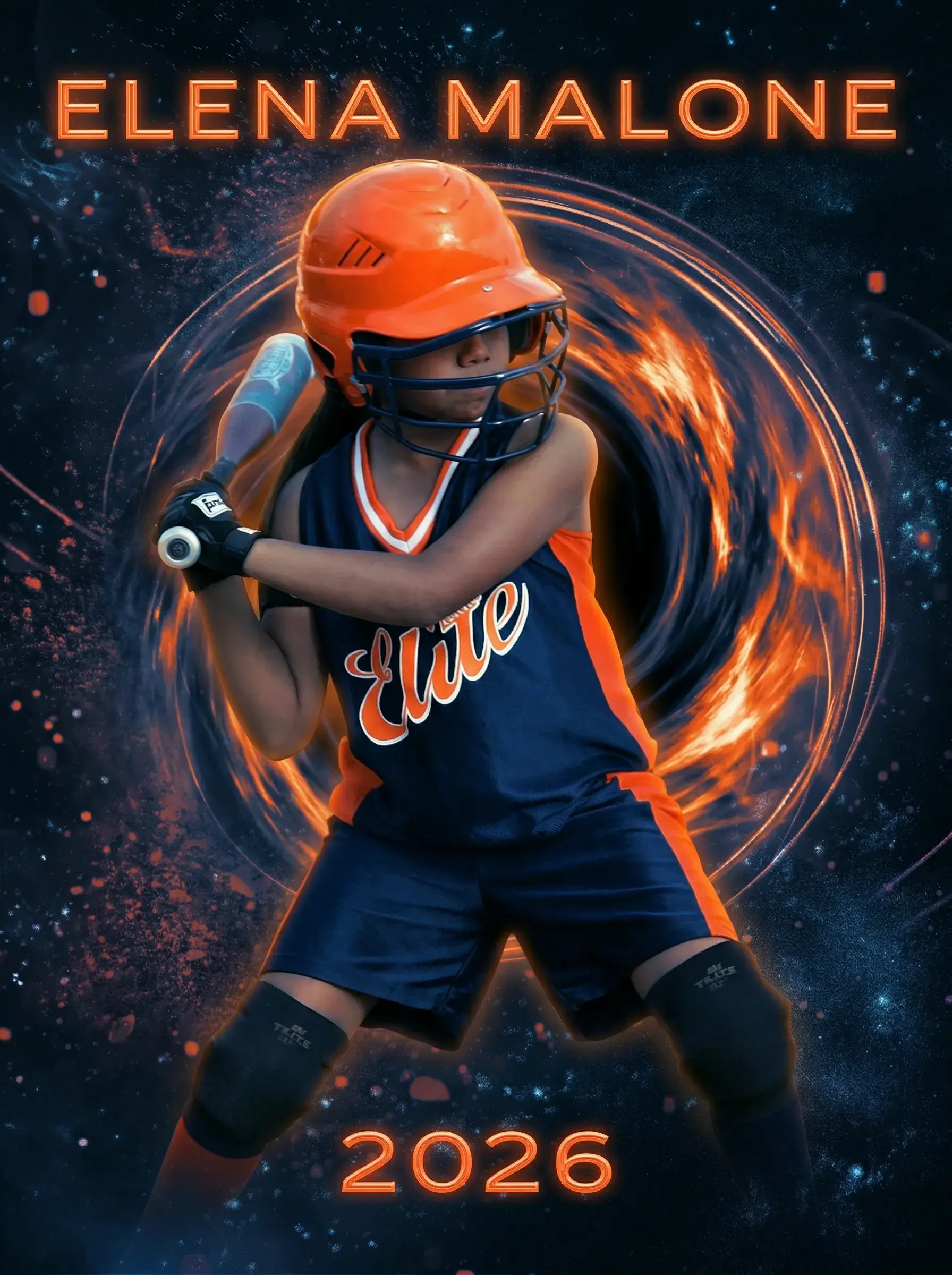
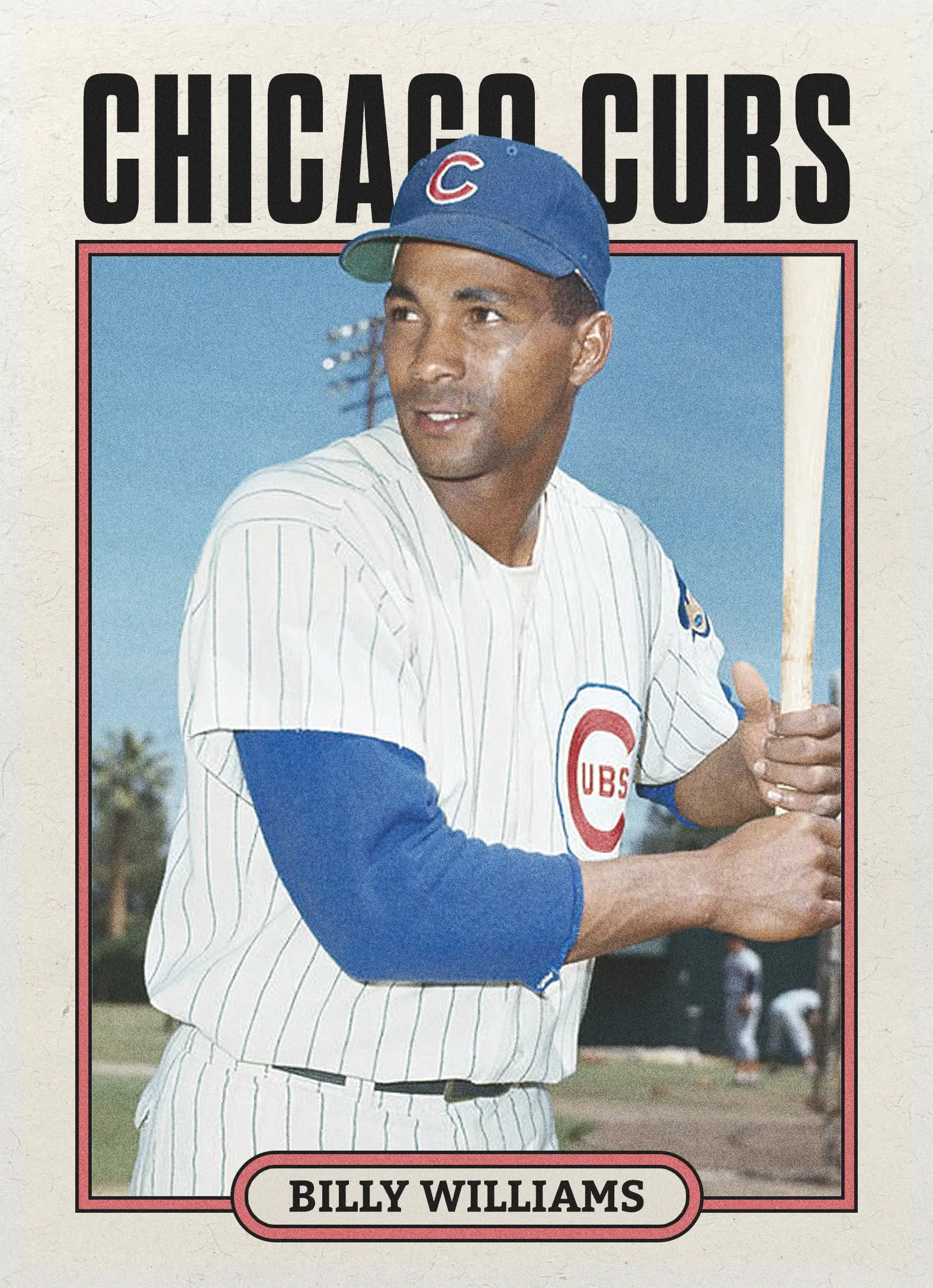
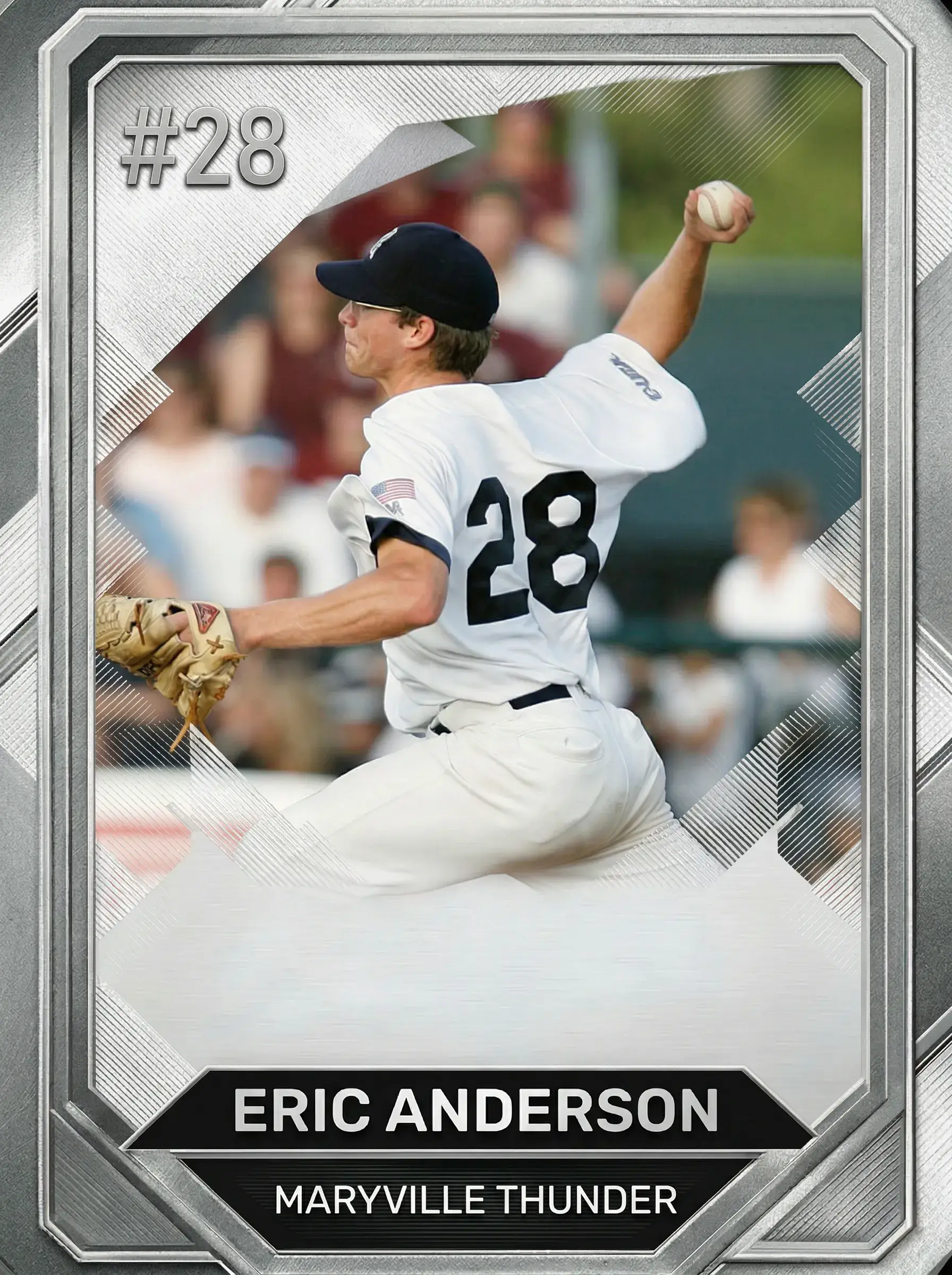
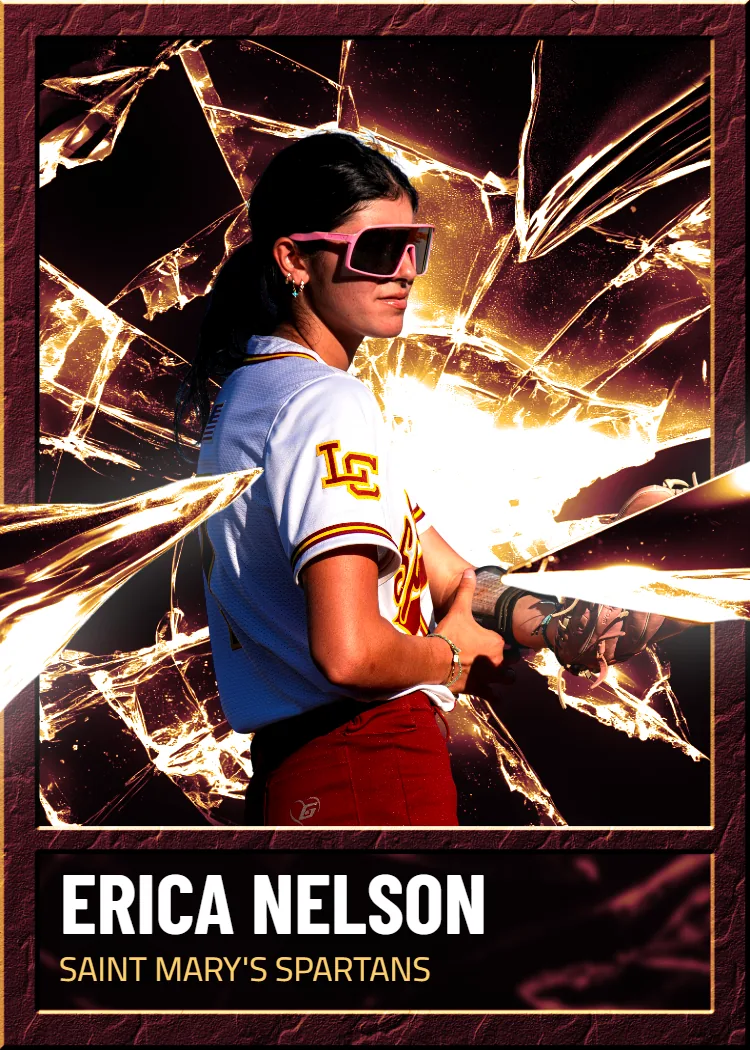
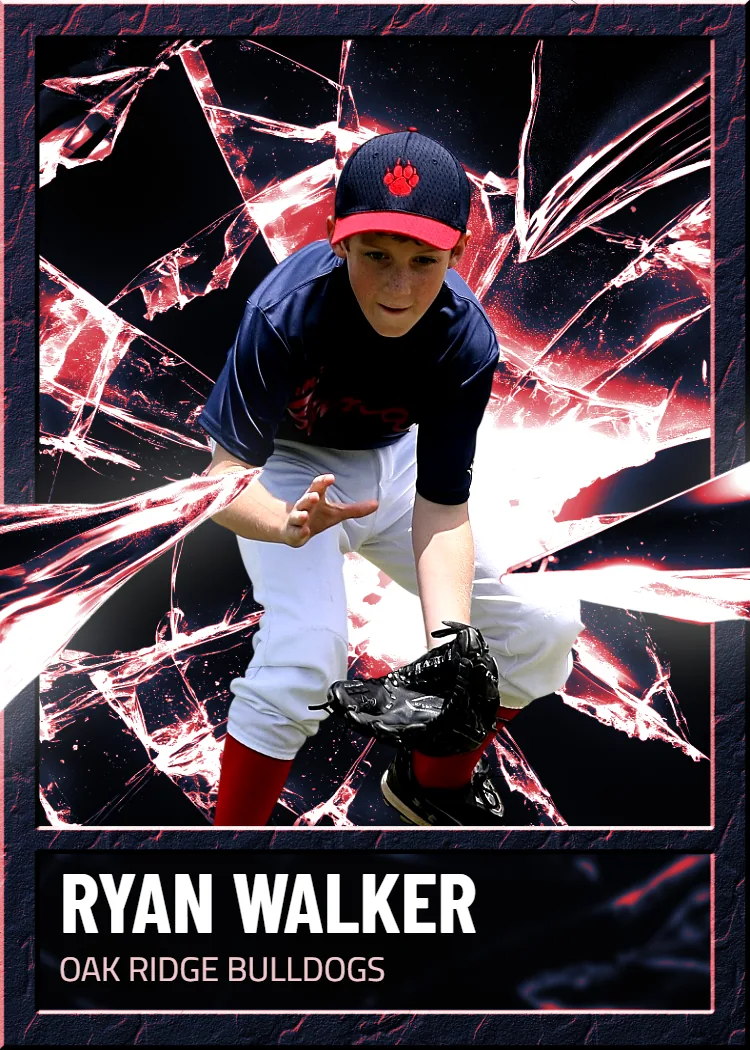
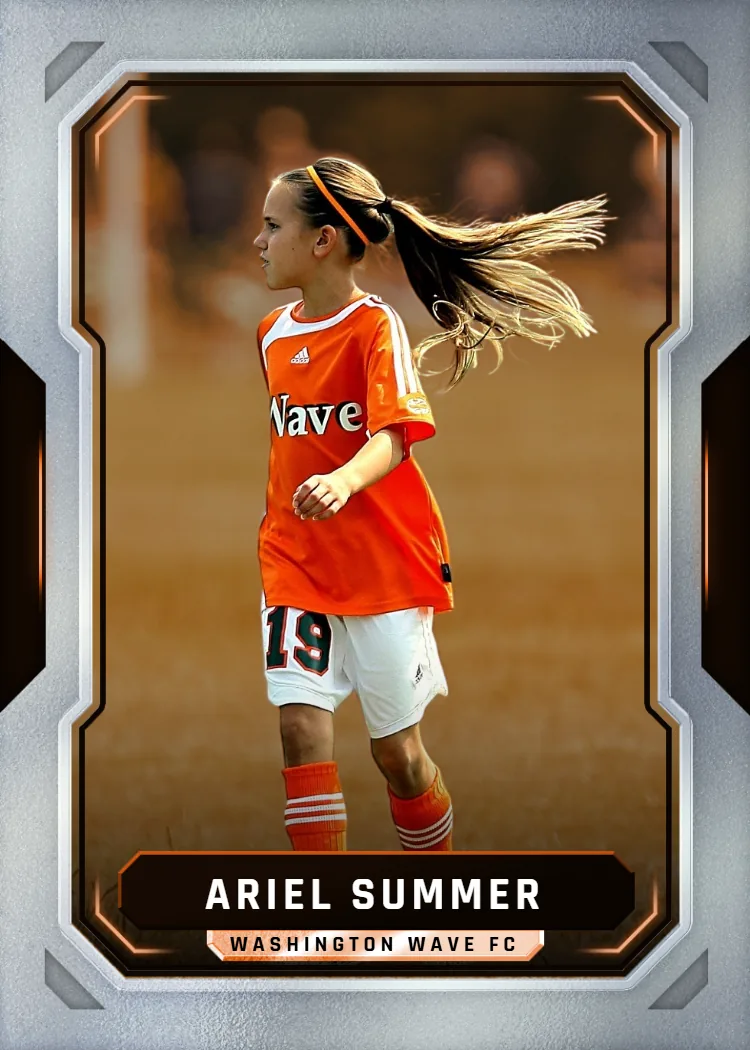
Got the Shot? Use the Best Aperture for Sports Photography — Then Make It a Card
You worked for that perfect action frame. Don't let it stay buried in a camera roll. Upload it to Snapshot, choose a pro template, and we'll print it on professional card stock with a free magnetic case. Free shipping. Ships in 2–3 days. Made in the USA.
Build Your Card NowNo credit card required | Instant preview | Pro-quality designs
Explore More Card Options
Discover more custom trading card options for every sport and occasion