
The Best Budget Camera for Sports Photography, Myth vs. Fact
Most parents assume a good sports photo requires a $2,000 body. It doesn't, and the gear myths cost you money.
Upload any photo — your kid, your pet, your whole team — pick a pro template, and we print and ship a real, holdable card the next business day.
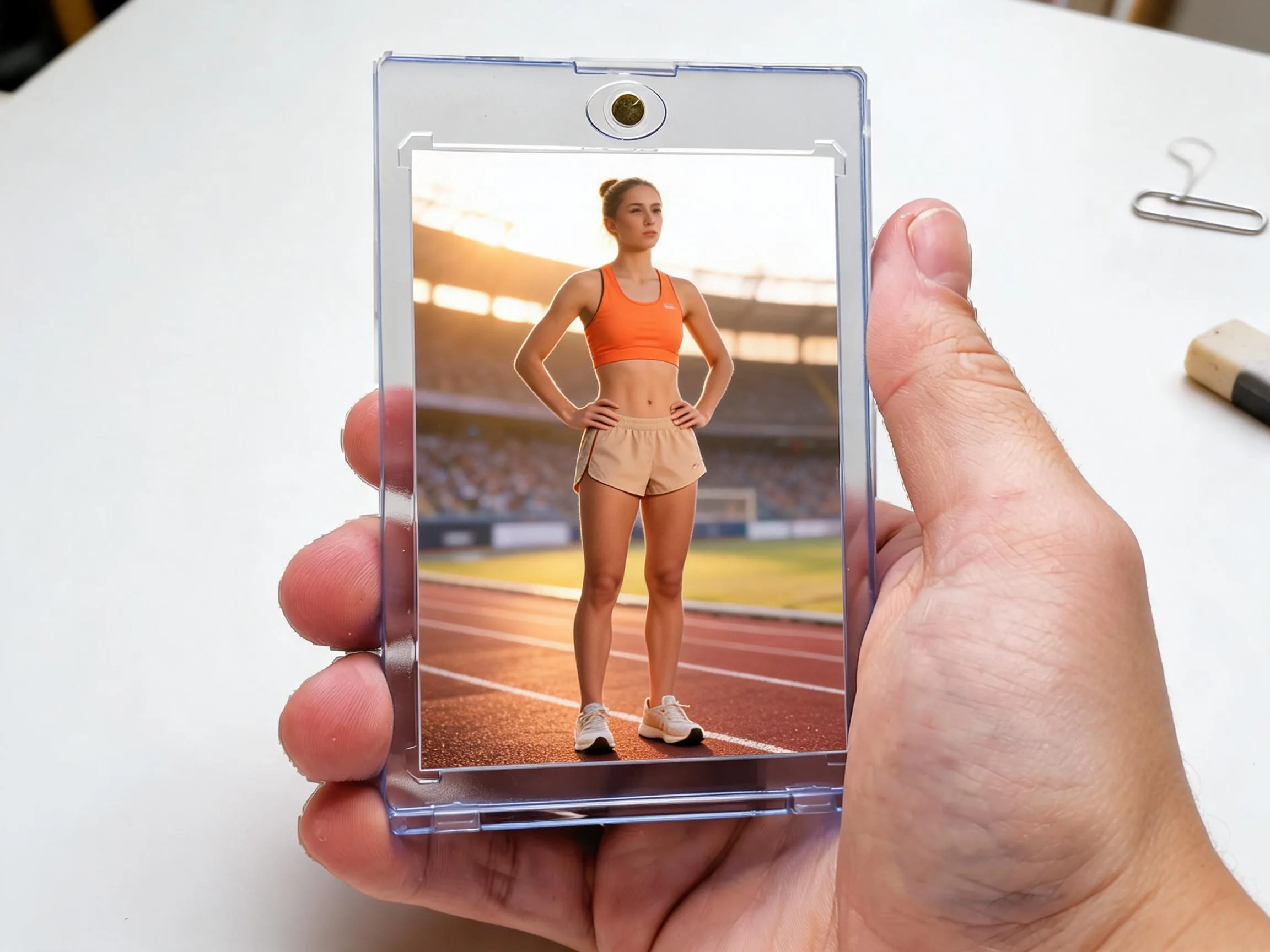
Search for the best budget camera for sports photography and you'll hit a wall of conflicting advice — one site swears by mirrorless, another says your phone is fine, a third pushes a used DSLR from 2014. Meanwhile you're standing on a sideline trying to freeze a kid mid-swing or mid-sprint before the moment's gone. Blur, lag, and missed shots aren't a talent problem. They're usually a burst-rate and autofocus problem, and most budget cameras marketed for 'sports' don't actually solve either one.
We separate the myths from what actually matters: burst speed, autofocus tracking, and lens reach — not megapixels, not brand names. Once you've got a camera that can actually keep pace with a fast play, you've also got raw material for something more permanent than a camera roll: a printed card. We turn those action shots into custom trading cards on professional card stock, shipped in 2-3 days with a free magnetic case.
Let's separate what actually matters from what's just marketing noise.
We ship custom cards to teams and families in all 50 states every week, and we see firsthand which photos print sharp and which ones don't.
Frequently Asked Questions
Can a smartphone actually compete with a budget camera for sports?
For close-range, well-lit action, modern smartphones do surprisingly well, but they fall apart at distance and in dim gyms. The core issue is the small sensor and fixed lens — once your subject is more than 20-30 feet away, digital zoom degrades image quality fast, leaving you with a soft, cropped mess instead of a sharp action shot. Phones also struggle with fast-moving subjects in anything other than bright daylight, since their autofocus systems aren't built for continuous subject tracking the way dedicated cameras are. That said, if you're shooting a kid's backyard practice or close sideline action in good light, your phone's burst mode can produce usable shots. The gap widens dramatically at indoor games under gym lighting, where a dedicated camera with a wider aperture lens will consistently outperform any phone on the market. If print quality matters to you, especially for something like a custom card, a real camera is worth the investment.
What's the single most important spec for the best budget camera for sports photography?
Autofocus tracking beats every other spec, including resolution and even burst rate, though the two work together. A 24-megapixel photo that's out of focus is worthless, while a sharp 12-megapixel frame prints beautifully. Look specifically for continuous autofocus with subject or eye tracking in the spec sheet, since that's the feature actually responsible for keeping a moving athlete sharp across a burst of frames. Megapixel count gets marketed heavily because it's an easy number to compare, but anything above 16 megapixels is plenty for prints up to poster size. Burst rate matters too, because more frames per second gives the autofocus system more chances to nail focus during unpredictable motion. If you have to choose between a camera with more megapixels and one with better tracking autofocus, choose the autofocus every time. It's the difference between a keeper shot and a blurry disappointment you'll delete later that night.
How much should I actually budget for a sports camera setup?
Plan for $500-900 total if you're buying new, and that number should cover both body and a zoom lens, not just the camera alone. Bodies like the Sony a6100 or Canon EOS R50 run $600-750 with a kit lens, but that kit lens usually tops out around 50-55mm, which isn't enough reach for most fields. Budget an additional $150-250 for a longer zoom lens, ideally in the 55-250mm or 70-300mm range, so you can actually reach the action from the sideline. Buying used can cut this total significantly — a two or three-year-old body with a slightly outdated sensor still performs well for sports, since autofocus tracking improvements have mattered more than sensor upgrades in recent years. Don't skip a second battery either; that's another $30-50 well spent, since dead batteries mid-game are the most common complaint we hear from sideline shooters.
Do I need a fast lens (low f-number) for outdoor day games?
Not really, and this is one of the more persistent myths in budget sports photography. Outdoor daylight provides plenty of light, so a standard kit lens with an aperture around f/4-5.6 performs perfectly well, since you'll have enough light to keep shutter speeds fast without needing a wide aperture. Where a fast lens, meaning f/2.8 or wider, actually earns its cost is indoors or under stadium lights at dusk, where light is scarce and you need every advantage to keep shutter speed high enough to freeze motion. Spending extra on a fast lens for daytime outdoor soccer or baseball is money better spent on reach instead, meaning a longer zoom range. Save the fast-aperture budget for a second lens dedicated to indoor sports like basketball or volleyball, where the difference between f/2.8 and f/5.6 can mean the difference between a usable shot and a grainy, blurry one.
What shutter speed actually freezes sports motion?
For most sports, 1/1000th of a second or faster reliably freezes action, though the exact number depends on how fast the subject is moving. Slower sports like baseball pitching or a golf swing can sometimes be captured sharply at 1/500th, but faster action like sprinting, basketball drives, or a soccer kick benefits from 1/1000th to 1/2000th. Most budget cameras let you set this manually in shutter priority mode, often labeled 'S' or 'Tv' on the dial, which lets the camera handle aperture and ISO automatically while you control the one setting that matters most for freezing motion. Shooting in full auto mode is the most common mistake we see, since the camera often prioritizes a slower shutter speed to keep the image bright, sacrificing sharpness in the process. Switching to shutter priority and locking in 1/1000th as your baseline solves this problem almost immediately, even on entry-level bodies.
Is a used camera a smart budget move for sports photography?
Yes, often more so than buying new, because sensor and autofocus technology from three to five years ago still performs well for sports shooting. A used Sony a6300 or Canon EOS 80D, for example, can be found for a fraction of their original price and still delivers solid burst rate and tracking performance. The main things to check on a used body are shutter count, which tells you how much the camera has been used, and whether the autofocus system has been affected by any drops or repairs. Buying from a reputable used camera retailer that offers a return window and inspection report reduces risk significantly compared to buying blind from a marketplace listing. Lenses hold their value and performance even better than bodies, so a used zoom lens is almost always a safe purchase. If your budget is tight, prioritize spending on a decent used lens over a brand-new low-end body every time.
How many photos should I actually take per game?
Plan on shooting in bursts rather than single frames, which usually means ending up with anywhere from 300 to 800 images per game depending on sport and length. This sounds like a lot, but burst shooting is exactly how you capture that one frame where the ball is mid-flight and the athlete's expression is perfect. Most of these shots get discarded during a quick review process, where you're looking for sharp focus and good composition rather than editing every single one. A card with a large capacity, at least 64GB, and a fast write speed will keep your camera from lagging or filling up mid-game. Reviewing photos that same night, while the game's details are fresh, makes it much easier to pick the handful worth keeping, editing, or turning into something like a printed card. Waiting weeks to sort through hundreds of images is the most common reason great shots never get used.
Do zoom lenses lose sharpness compared to fixed prime lenses?
There's a real trade-off here, but it's smaller than most budget shoppers assume. A fixed 50mm or 85mm prime lens will typically be sharper and gather more light than a comparable zoom lens at the same price point, since it doesn't need to compromise for the added mechanical complexity of zooming. However, a prime lens locks you into one framing distance, which is impractical on a sideline where the action moves constantly across a field or court. For sports specifically, the flexibility of a zoom lens, even a budget one in the 70-300mm range, outweighs the modest sharpness advantage of a prime. If ultimate image quality matters more to you than flexibility, and you're shooting a sport where you can predict where the action will happen, like batting at home plate, a prime lens can work well as a second option alongside your zoom.
What's the biggest mistake people make buying a budget sports camera?
The most common mistake is spending the entire budget on the camera body and leaving nothing for the lens, which is backwards for sports specifically. A $700 camera body paired with a basic 18-55mm kit lens will struggle to reach action happening 40 or 50 feet away, no matter how advanced the body's autofocus system is. A better approach splits the budget closer to 60/40 or even 50/50 between body and a proper zoom lens with real reach. Another frequent mistake is ignoring burst rate entirely and focusing only on megapixels, since megapixels get marketed heavily but matter far less for capturing a sharp moment in fast action. Skipping a second battery is a smaller but still common oversight that leads to missed second halves and disappointed parents standing on the sideline with a dead camera exactly when the winning play happens.
Can I use action shots from a budget camera to make custom trading cards?
Absolutely, and this is actually one of the best uses for a sharp sports photo once the season winds down. Snapshot works with photos straight from your camera's memory card, no professional editing required, so a clean, in-focus action shot from a budget mirrorless setup prints just as well as one from expensive professional gear. You simply upload the photo, choose from pro-style sports card templates, and we handle the layout and printing on professional card stock. Cards ship in 2-3 days with a free magnetic case included, and shipping is free anywhere in the USA. The main thing that affects print quality isn't the camera's price tag, it's whether the shot is sharp and well-exposed, which circles back to why autofocus tracking and shutter speed matter more than camera brand or cost. A $600 camera with the right settings produces print-ready images just as reliably as a $3,000 professional setup.
Should I buy a camera with built-in image stabilization?
It helps, but it solves a different problem than most people expect. Image stabilization reduces blur caused by camera shake, meaning your own hand movement while holding the camera, which matters most at slower shutter speeds or with longer telephoto lenses that amplify small movements. It does not, however, freeze a fast-moving athlete, since that blur comes from the subject moving, not the camera. For sports specifically, a fast shutter speed matters more than stabilization for freezing action, but stabilization still earns its keep when you're shooting handheld with a long zoom lens for an extended period, since it reduces fatigue-related shake toward the end of a long game. Many budget mirrorless bodies and lenses now include some form of stabilization standard, so it's less of a deciding factor than it used to be and more of a nice-to-have feature you'll appreciate during marathon tournament weekends.
How long does it actually take to get comfortable shooting sports with a new camera?
Most people find their footing within two to three games, assuming they take time before the first game to learn shutter priority mode and continuous autofocus settings rather than leaving everything on full auto. The biggest early hurdle isn't technical, it's positioning, since knowing where to stand to anticipate the play matters as much as any camera setting. Reviewing your shots after each game and noting which ones came out sharp versus blurry helps you quickly identify whether the issue was shutter speed, focus mode, or just being in the wrong spot. By the third or fourth game, most parents and hobbyist shooters have built enough muscle memory with their camera's controls that adjusting settings becomes automatic rather than a distraction from watching the game itself. Patience in those first couple of outings pays off fast, and most people are surprised how quickly a budget camera starts producing genuinely great, print-worthy shots.
Free to design, instant preview. Ships the next business day.
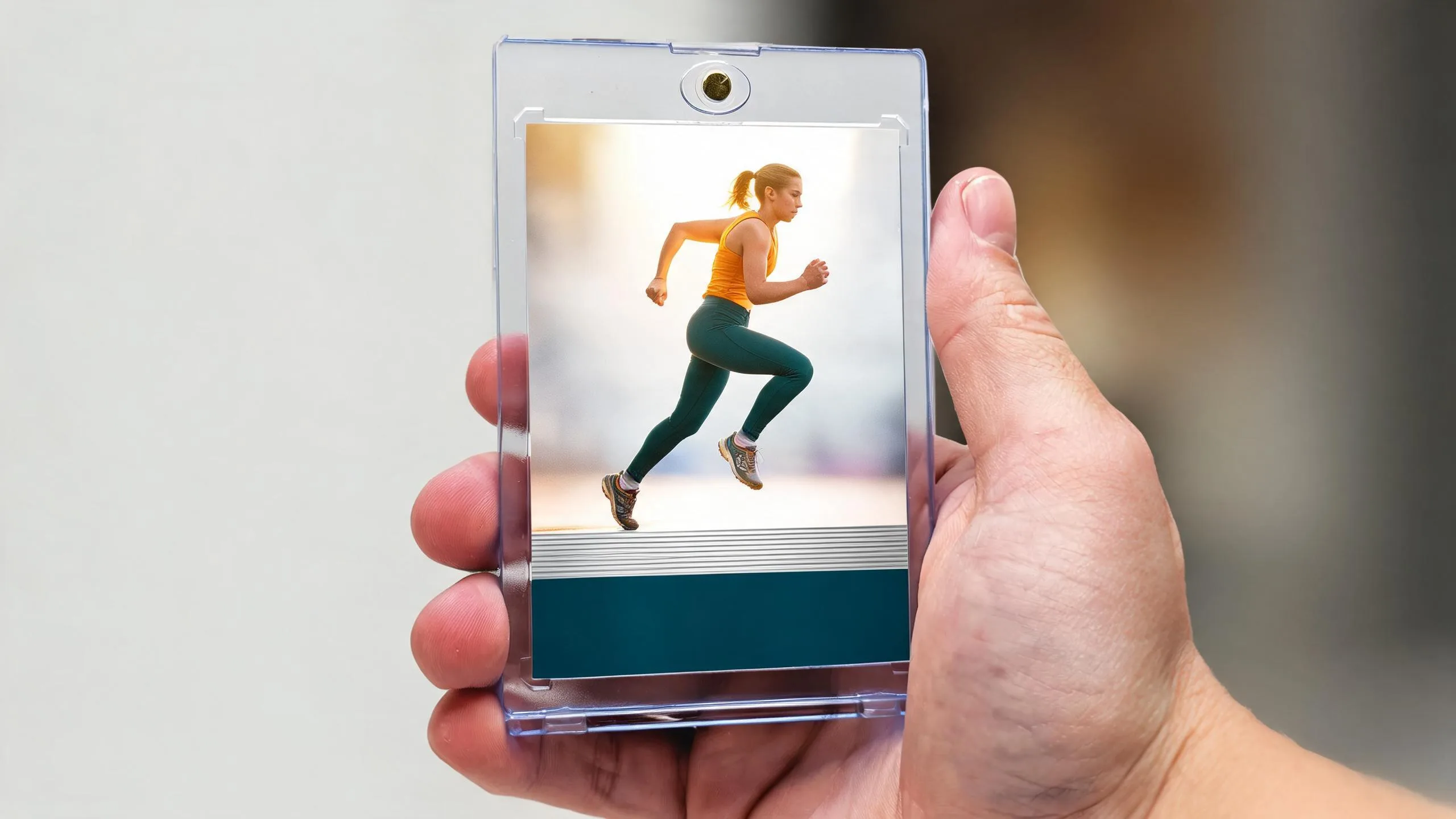
How Do You Actually Choose the Best Budget Camera for Sports Photography?
It comes down to three specs, in this order: burst rate, autofocus tracking, and zoom reach.
Check the burst rate first
Anything under 5 frames per second will make you miss the peak of the action — the bat connecting, the ball leaving the foot, the jump at its highest point. Look for cameras rated at 8 fps or higher in continuous shooting mode. Most budget mirrorless bodies from the last three years hit this mark even under $600. This single spec matters more than resolution.
Confirm real autofocus tracking, not just 'AF'
Marketing copy loves the word 'autofocus,' but tracking a moving subject is a different feature entirely. Look specifically for continuous AF (AF-C) with subject tracking in the spec sheet — not just single-shot focus. Cameras like the Canon EOS R50 or Sony a6100 handle this well in the sub-$800 range. Without it, you'll get a sharp background and a blurry athlete every time.
Match the lens to your distance from the field
A camera body is only half the equation — a kit lens maxing out at 55mm won't reach a soccer player at midfield. Budget for at least a 55-250mm or 70-300mm zoom, even if it means buying an older used lens. This is where most budget shooters overspend on the body and underspend on glass, which backwards-prioritizes the wrong half of the setup.
Get those three right and a $500-700 setup will outperform a $2,000 body with the wrong lens.
Pre-Purchase Checklist for the Best Budget Camera for Sports Photography
- Burst rate of at least 8 frames per second in continuous mode
- Continuous autofocus (AF-C) with subject or eye tracking
- Zoom lens reaching at least 200-300mm, not just the kit lens
- Shutter priority mode you can set to 1/1000th of a second or faster
- A spare battery, especially for all-day tournaments
- Memory card with at least 64GB and fast write speed

What Do You Actually Gain From the Right Budget Setup?
A camera built for action photography pays off in ways that go beyond just sharper images.
Fewer wasted shots
With proper burst rate and tracking, you'll cut your delete pile by more than half. That means less time scrolling through 400 blurry frames looking for the one usable shot after every game.
Print-ready sharpness
A frozen, in-focus action shot holds up at print size — a motion-blurred one falls apart the moment you enlarge it for a card or poster. Sharpness at capture saves you from disappointment later.
Faster editing turnaround
Sharp, well-exposed images need less correction before they're ready to upload anywhere, including for custom card printing. Less time fixing photos means more time actually enjoying the season.
A setup that scales with the kid, not just the season
A budget mirrorless body with interchangeable lenses grows with you — swap lenses as your athlete moves from rec league to travel ball, instead of replacing the whole camera.
Where Does a Budget Sports Camera Actually Earn Its Keep?
Different situations call for different priorities, even within a budget setup.
Weekend rec league games
For casual leagues where you're shooting from the sidelines or bleachers, an entry mirrorless body with a 70-300mm lens covers baseball, soccer, and football fields comfortably. You don't need pro glass here — you need reach and a fast enough shutter to freeze a running play, typically 1/1000th of a second or faster.
Indoor sports like basketball and volleyball
Indoor gyms are dim, and dim light punishes slow autofocus and small sensors. Prioritize a camera with a larger APS-C sensor and a lens with a wide aperture, like f/2.8, so you can keep shutter speed high without cranking ISO into grainy territory.
Building a season-long highlight collection
If you're shooting every game to build a keepsake set by season's end, consistency matters more than any single great shot. A budget camera with reliable autofocus across dozens of games beats an expensive one you're afraid to bring courtside because of bulk or battery life.
What Are Parents and Coaches Actually Doing With These Shots?
Across youth leagues nationwide, we see the same pattern every season — someone on the sideline captures one clean, in-focus frame, and that frame becomes the one the whole team wants printed. It's rarely the most technically perfect photo; it's the one where the emotion and the action both landed at once.
What Does It Cost to Go From Camera to Custom Card?
Once you've got the shot, turning it into a printed card costs less than a single game ticket in most cities.
Rookie Box single cards run $17.99, packs go up to $49.99, and the MEGA 11"x15" poster card is $49.99. Shipping is free anywhere in the USA.
One sharp action photo becomes a keepsake the athlete keeps forever — printed on professional card stock, shipped in 2-3 days, no design skills needed.
Box Options
Simple, collectible pricing. No subscriptions, no hidden fees.
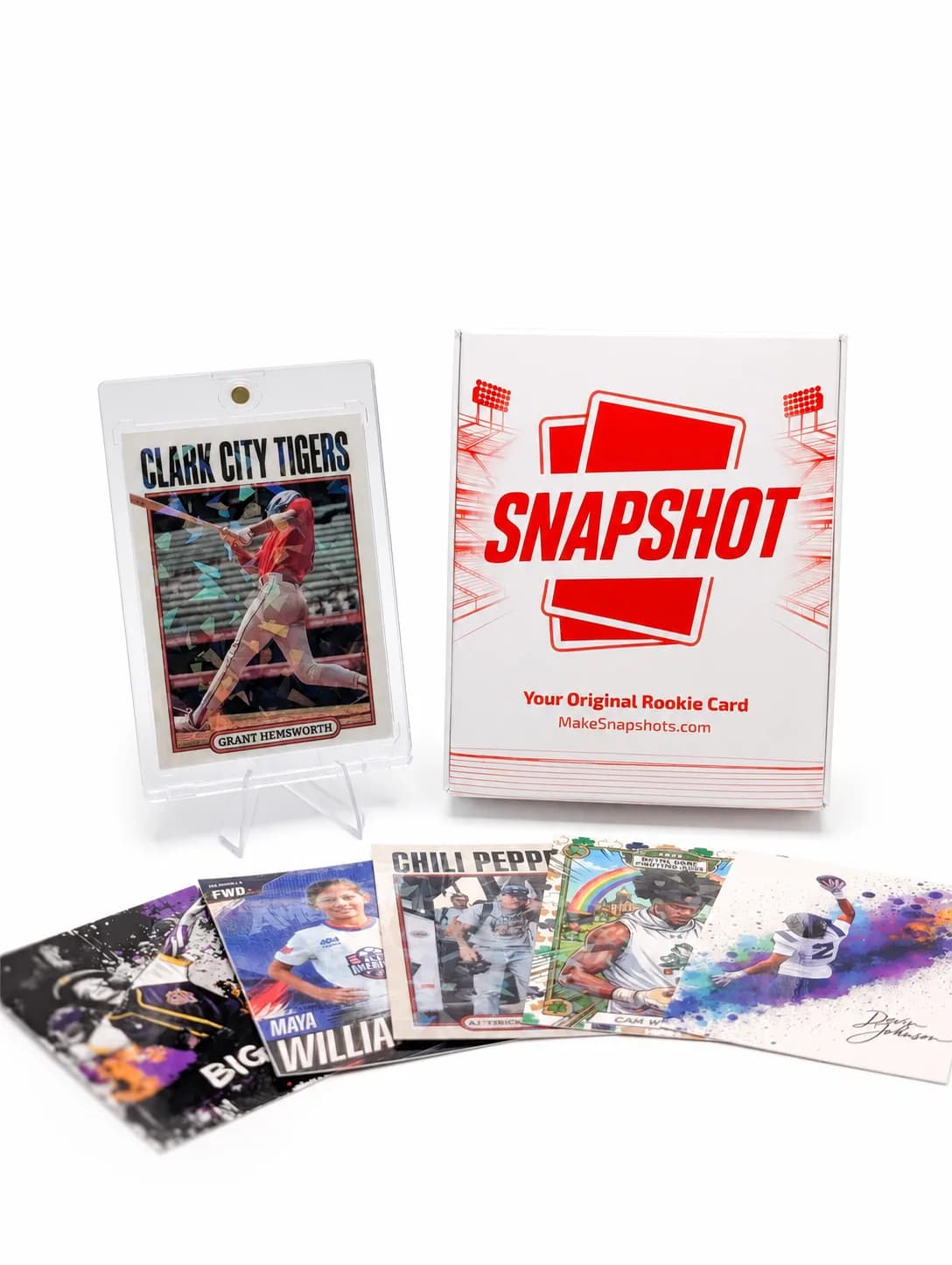
The Rookie Box
Perfect for those unforgettable moments
$17.99 - $49.99
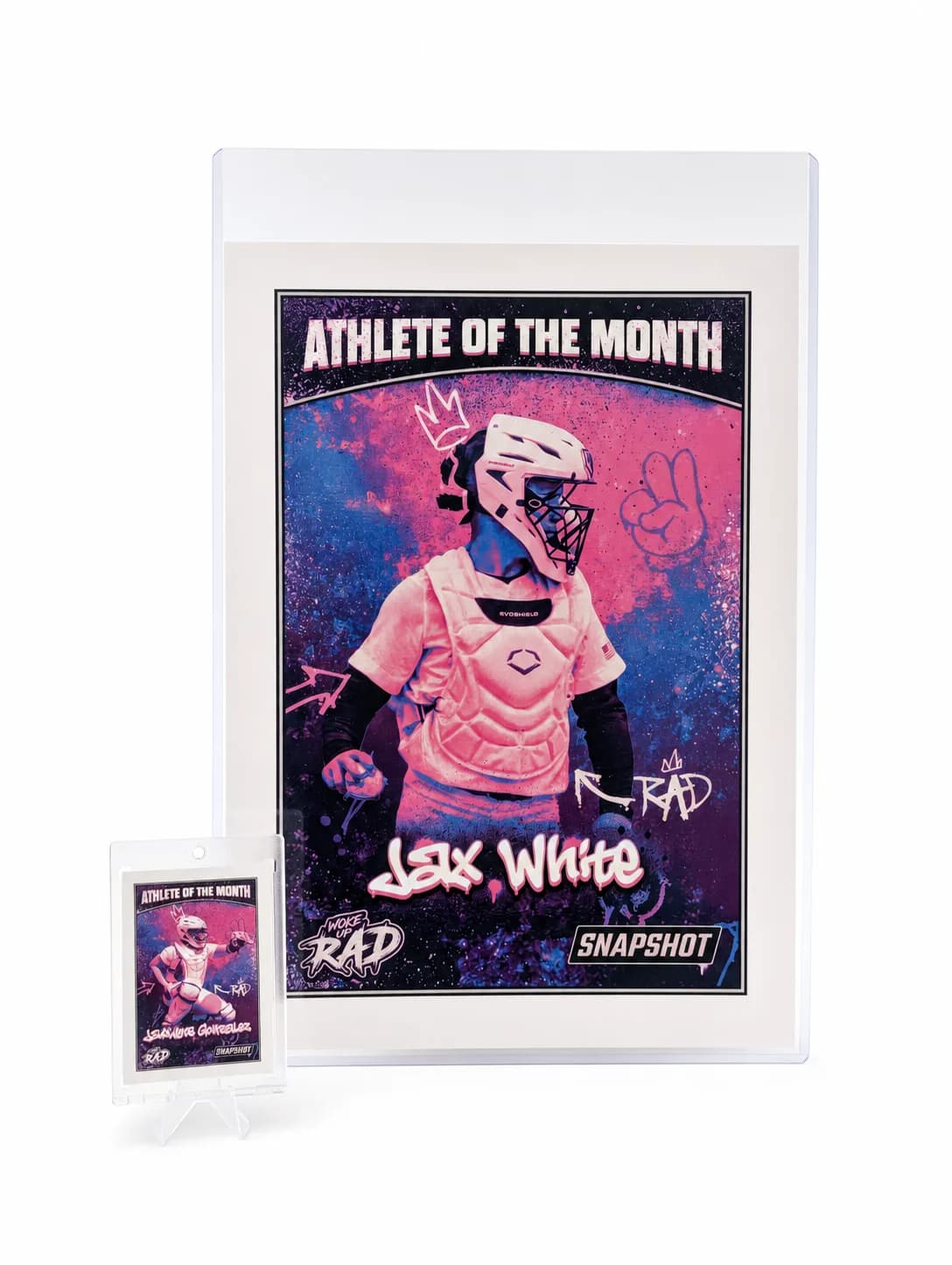
MEGA Card
Their moment, bigger than ever
$49.99
Create for free • Ships the next business day • Made in Des Moines, IA, USA
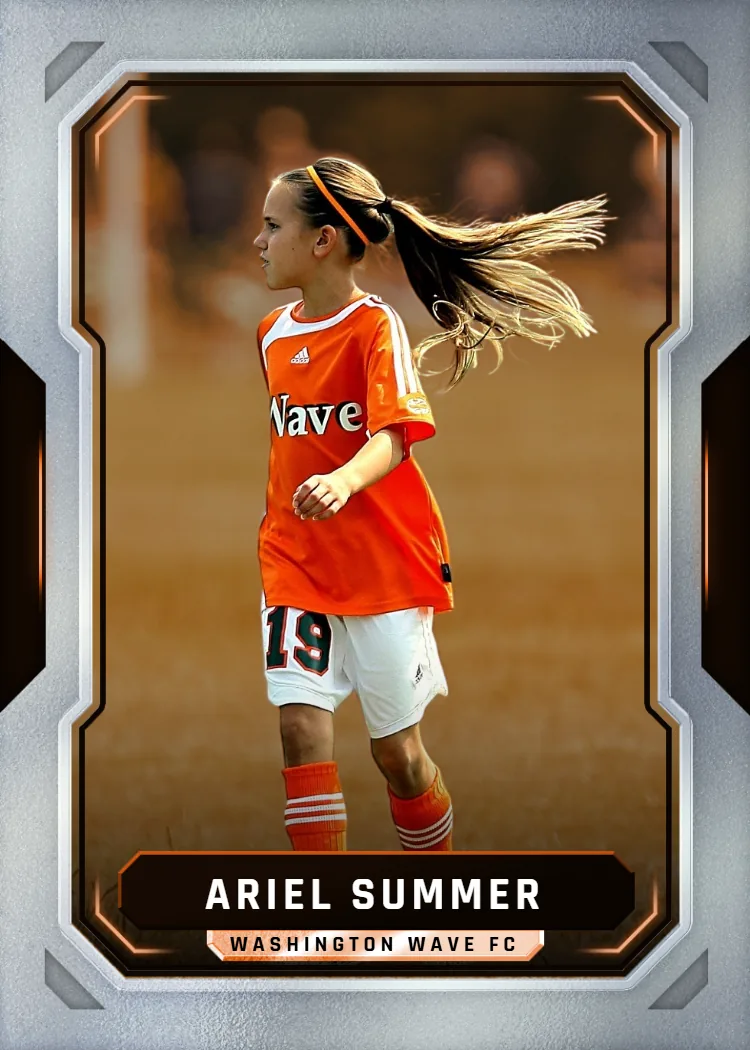

Found Your Shot? Turn It Into a Card Worth Keeping
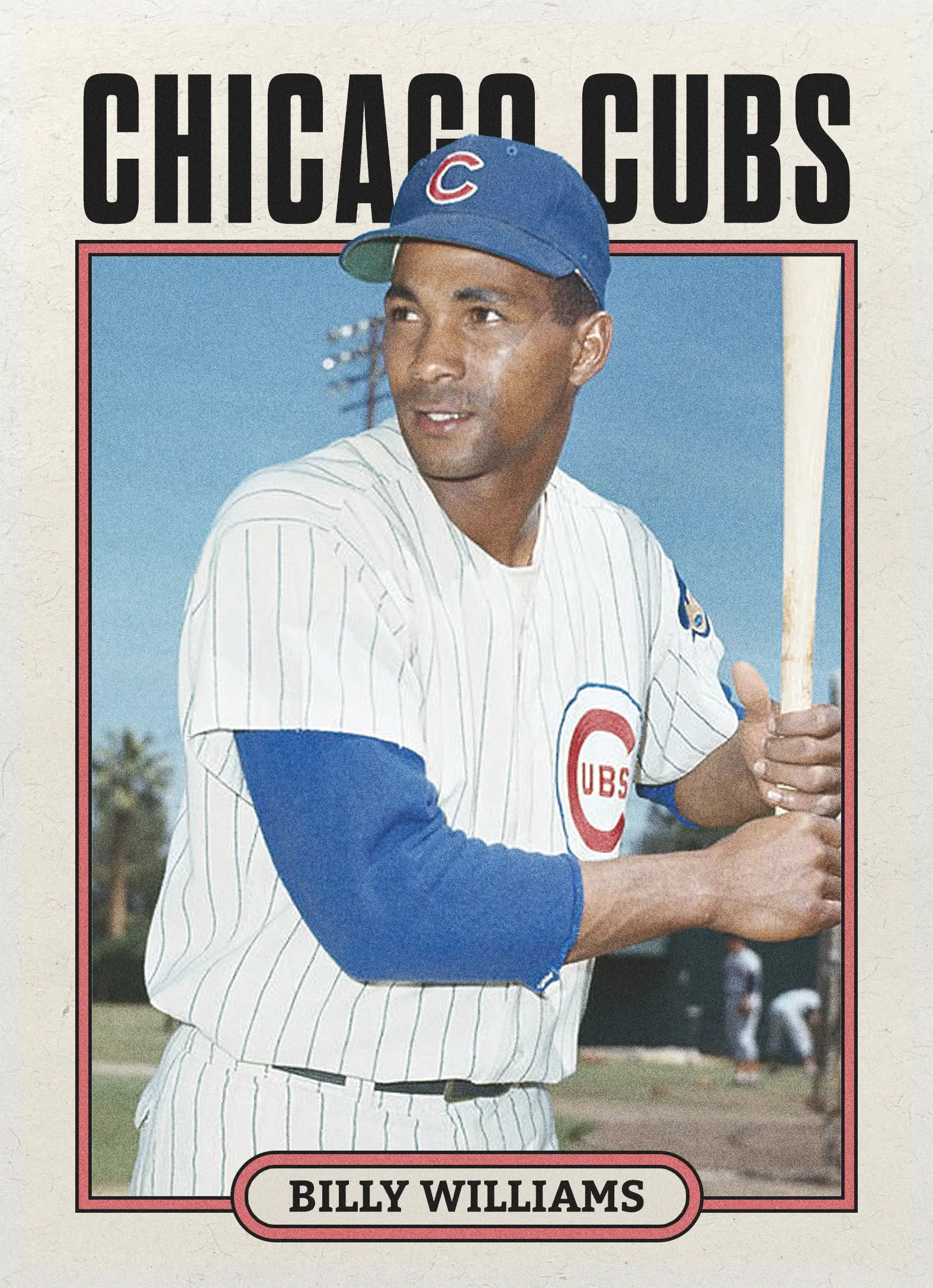
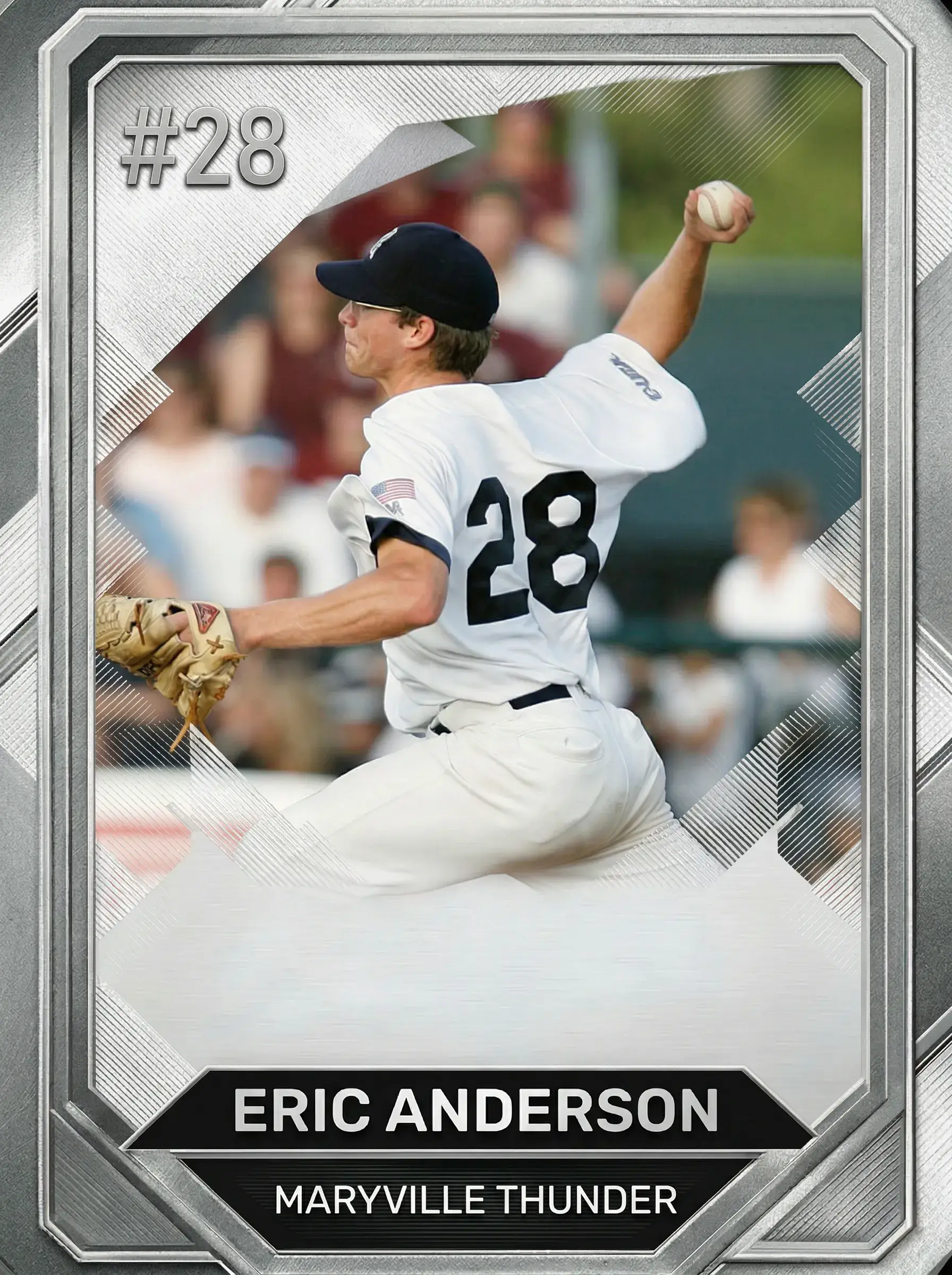
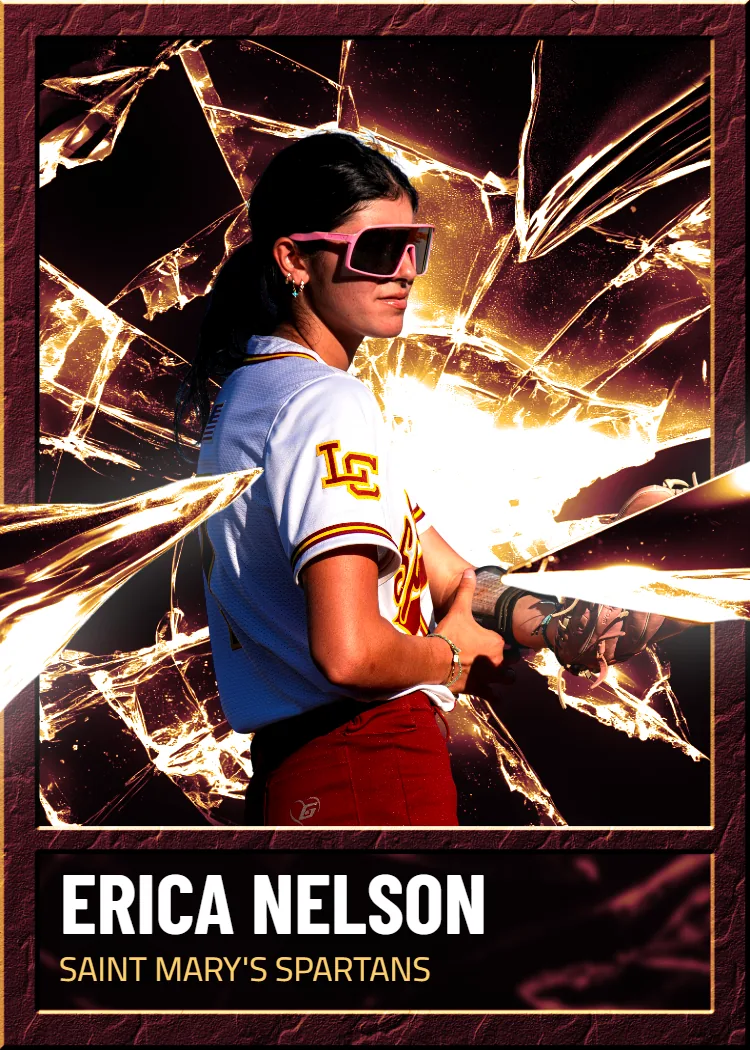
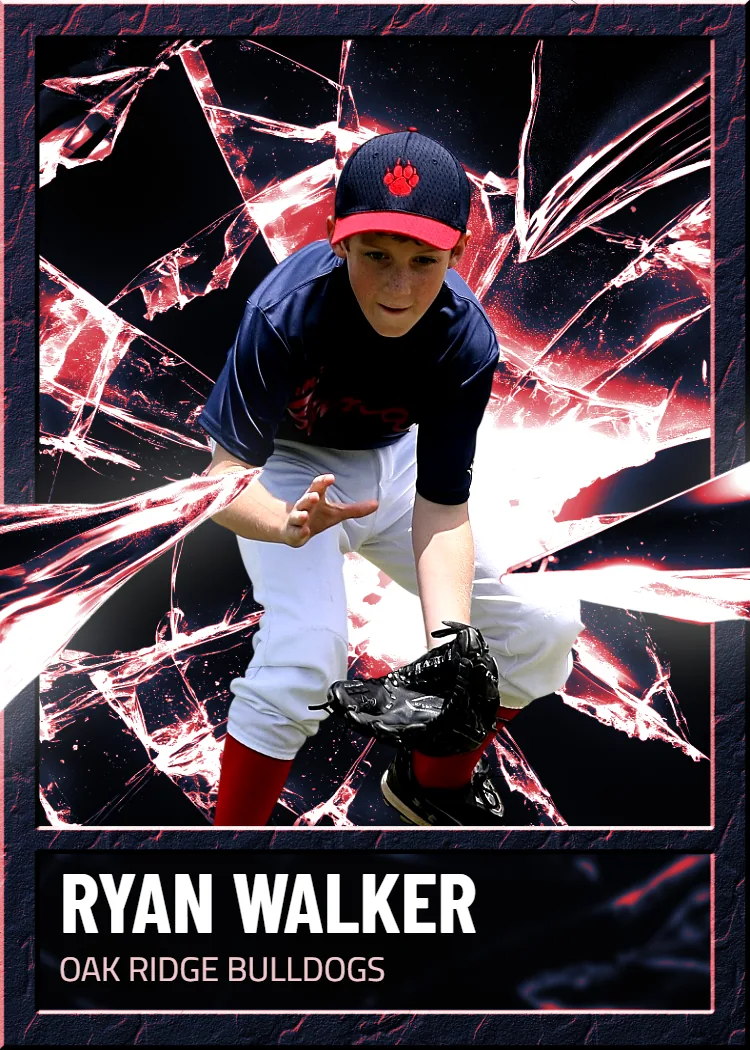
Whichever budget camera for sports photography you land on, the real payoff comes after the game — when that one great frame becomes something the athlete actually holds onto. Upload it, pick a template, and we'll print it on professional card stock and ship it in 2-3 days.
Create Your Custom CardNo credit card required | Instant preview | Pro-quality designs
Explore More Card Options
Discover more custom trading card options for every sport and occasion