
Best Camera and Lens for Sports Photography
You nailed the perfect frame. Shutter fired at exactly the right millisecond. Now what do you do with that shot?
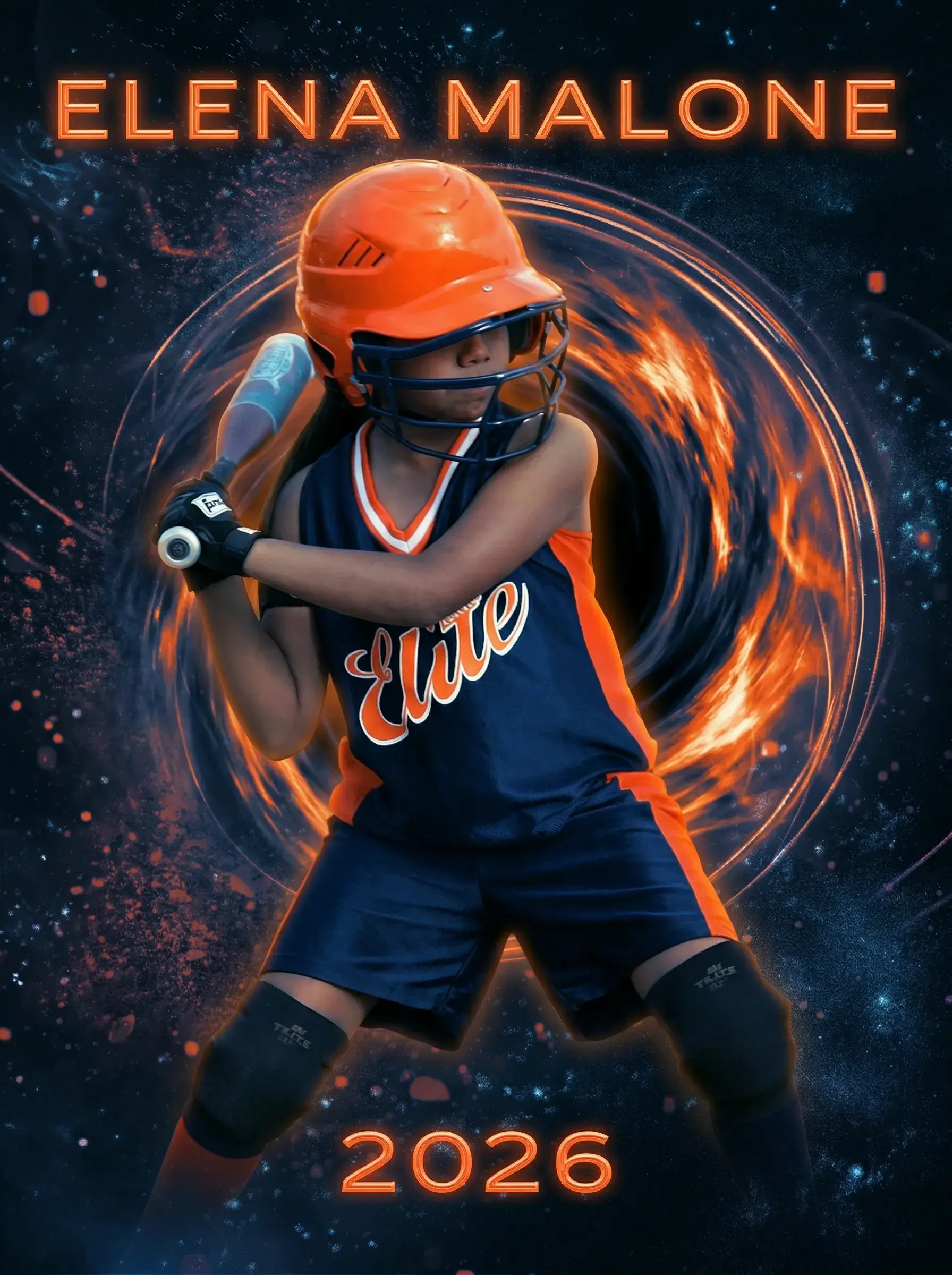
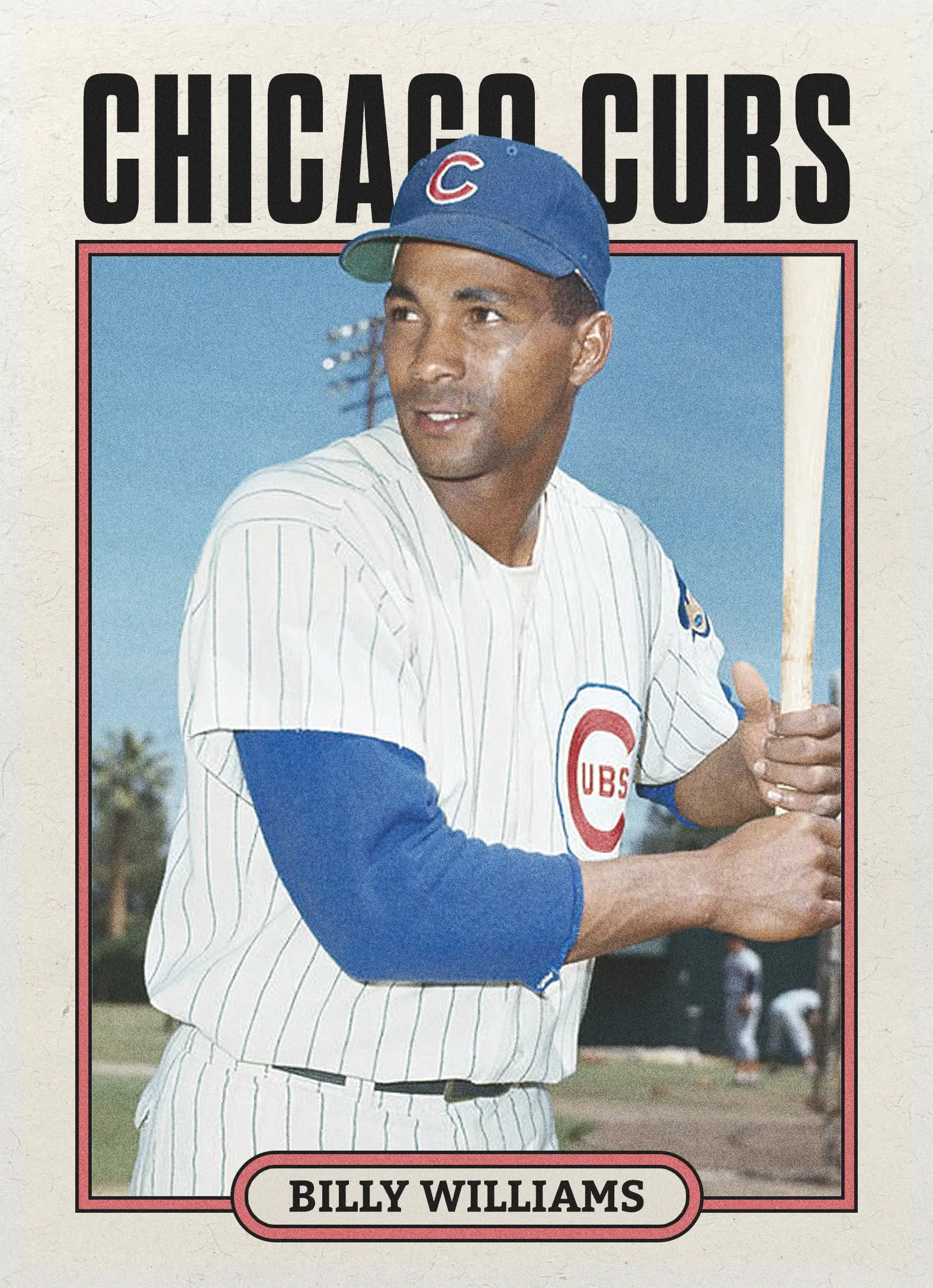
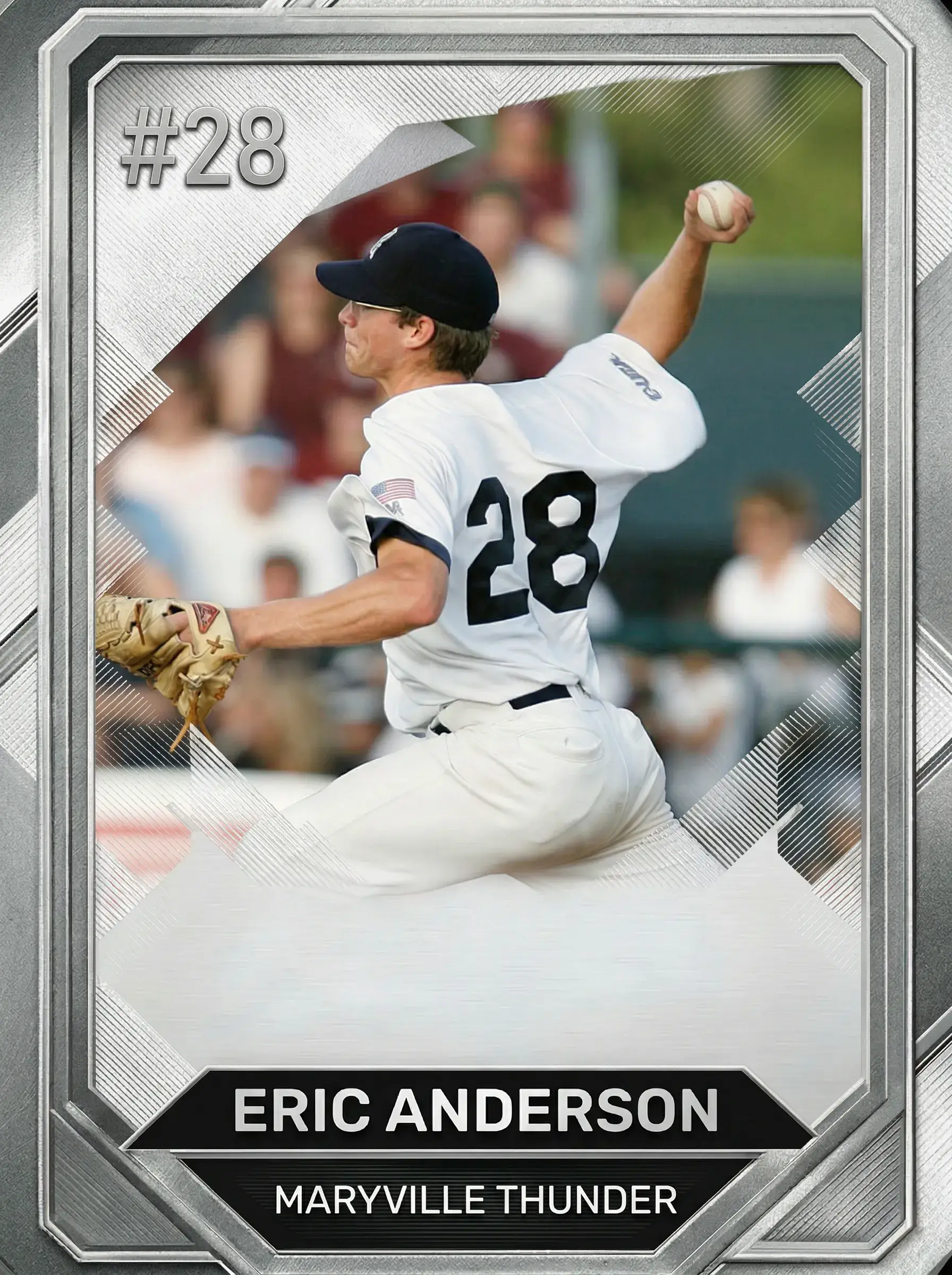
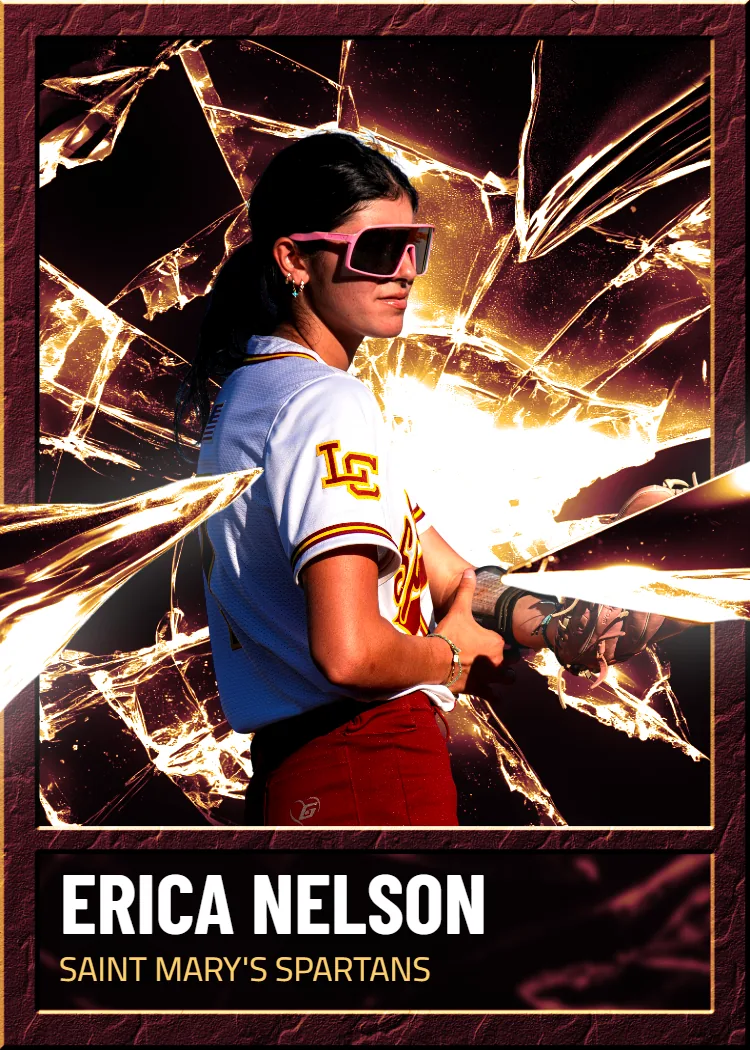
Upload any photo — your kid, your pet, your whole team — pick a pro template, and we print and ship a real, holdable card the next business day.
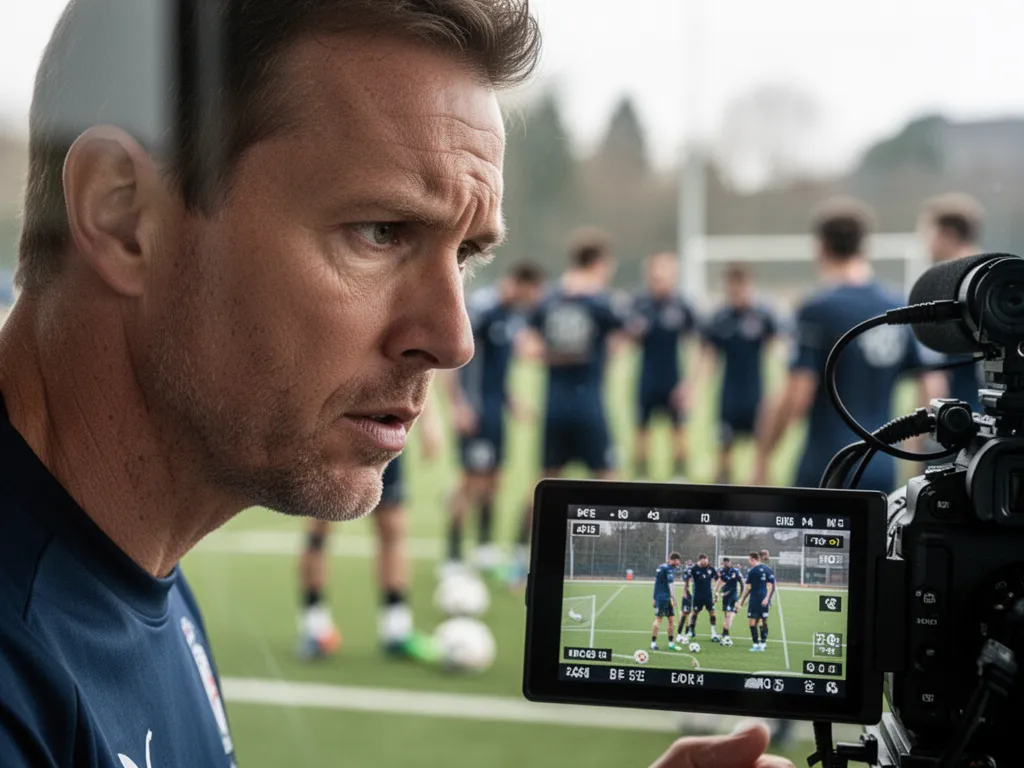
Finding the best camera and lens for sports photography is only half the battle. Most photographers spend months researching bodies, glass, and settings — they obsess over burst rates and autofocus tracking — and then the best images just sit buried in a folder on a hard drive. A breathtaking freeze-frame of a first goal, a diving catch, a sprinter breaking the tape — images like that deserve more than a thumbnail. The gear gets all the attention, but the photo itself rarely gets the treatment it deserves.
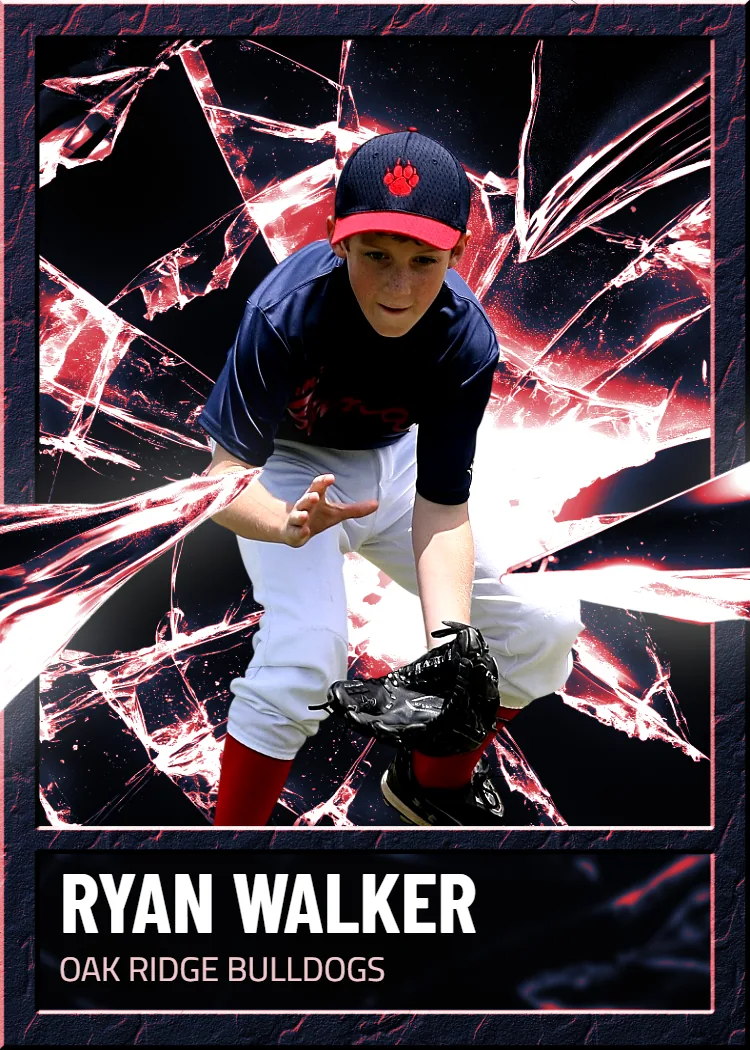
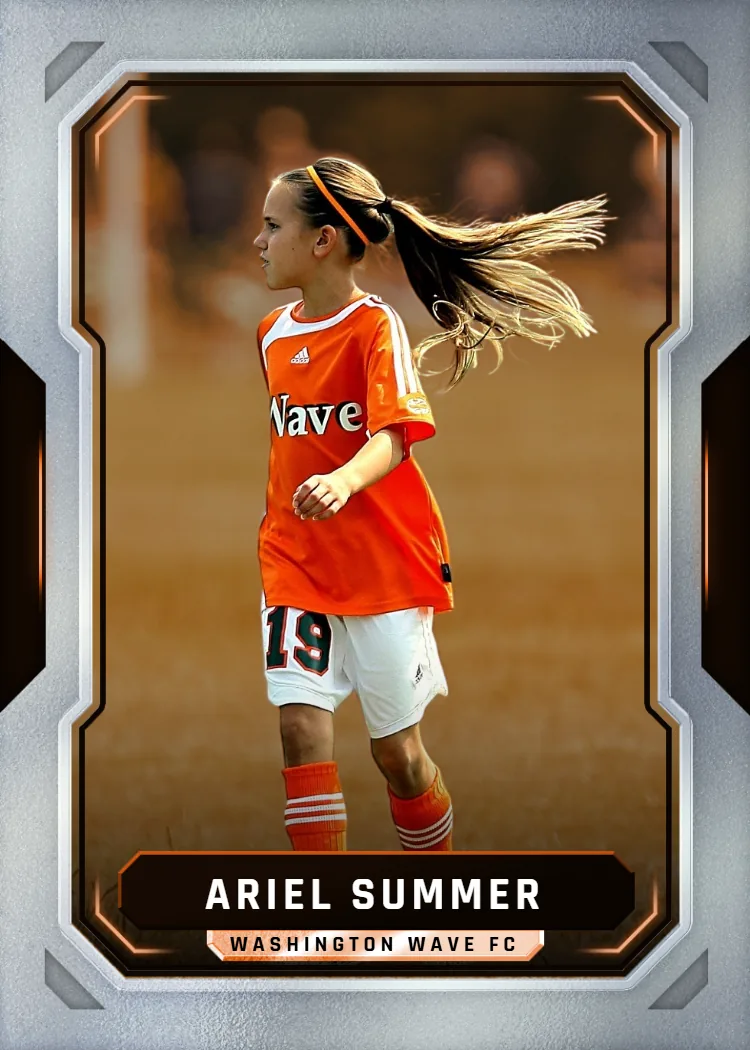
That's where Snapshot comes in. Once you've used the right camera and lens to capture that defining moment, we turn it into a premium custom sports trading card — printed on professional card stock, shipped anywhere in the USA in 2-3 days, with a free magnetic case included. Upload your best shot, pick a pro-style template, and hold that moment in your hands. It's the full circle from shutter click to keepsake.
First, let's talk gear — then we'll show you exactly what to do with the shot you get.
We ship custom sports cards to customers in all 50 states every single week, from first-time parents ordering a single card to coaches placing team-wide orders before the final tournament.
Frequently Asked Questions
What is the best camera and lens for sports photography for beginners?
For beginners, the most practical starting point is a crop-sensor mirrorless or DSLR body — something like a Sony A6700, Canon R7, or Nikon Z50 — paired with a 70-300mm zoom lens. These combinations offer reach, speed, and autofocus performance without requiring a five-figure budget. Look for a body with continuous autofocus subject tracking and a lens with optical image stabilization. Shooting in burst mode at 10+ fps and keeping shutter speed above 1/1000s will eliminate most motion blur. The crop factor on these sensors also extends your effective focal length, which helps at fields and arenas where you can't always get close.
What focal length is most useful for sports photography?
The 70-200mm focal range covers the widest variety of sports situations — it's long enough for court sports and close sideline action, but not so long that it becomes unwieldy. For field sports like football, soccer, or baseball where the action happens at a distance, 300mm to 400mm is more effective. Indoor sports in tight gyms or arenas often work well with a 24-70mm f/2.8 because the space is confined and a fast aperture matters more than reach. Most working sports photographers carry at least two lenses to cover both scenarios during a single event.
Does aperture really matter that much for sports photos?
Aperture is one of the most critical variables in sports photography — not just for background separation, but for shutter speed. A wider aperture like f/2.8 lets in more light than f/5.6, which means you can use a faster shutter speed in the same lighting conditions. Faster shutter speed is what freezes motion. In poorly lit indoor gyms or overcast outdoor fields, an f/2.8 lens is often the difference between a sharp image and a blurry one. Prime lenses at f/1.8 or f/2 push that advantage even further, though they sacrifice zoom flexibility.
How do I avoid blurry sports photos even with a good lens?
Blur in sports photos usually comes from one of two sources: camera shake or subject motion. Camera shake is solved by technique — use a faster shutter speed, stabilize against a monopod, or enable your lens's optical stabilization. Subject motion blur requires a shutter speed fast enough to freeze the action. As a starting point, 1/1000s handles most running or jumping. Faster sports — like a tennis serve or a baseball swing — may need 1/2000s or faster. Setting your camera to aperture priority and a high ISO lets the camera handle exposure while you focus on composition and timing.
Can I use a phone camera instead of a DSLR or mirrorless for sports photography?
Modern flagship smartphones — especially the iPhone Pro series and Samsung Galaxy Ultra models — have improved dramatically for action photography. Their burst modes are fast, and computational processing helps with sharpness. That said, they still struggle with telephoto reach and low-light performance compared to a dedicated camera with a fast prime or zoom. For close sideline access or well-lit outdoor action, a flagship phone can produce card-worthy images. For longer distances or indoor sports, a dedicated camera with the right lens will consistently outperform a phone. Either way, if the image is sharp and well-exposed, Snapshot can turn it into a great card.
What camera settings should I use for youth sports photography?
Start with shutter priority mode (Tv on Canon, S on Nikon/Sony) and dial in 1/1000s as your floor. Set your ISO to auto with a ceiling of 6400 — modern sensors handle noise well up to that point. Use your widest aperture and enable continuous autofocus with subject tracking or face detection if your camera supports it. Shoot in burst mode so you're capturing multiple frames per second during key moments. Review your frames after a few action sequences and adjust ISO or shutter speed based on what you see. Youth sports often happen in challenging mixed lighting, so flexibility matters more than rigid settings.
How do I choose between a zoom lens and a prime lens for sports?
Zoom lenses give you flexibility — a 70-200mm f/2.8 covers a huge range of situations and lets you reframe without moving your feet. Prime lenses are typically sharper and faster optically — a 300mm f/2.8 prime is a different league from a consumer zoom at the same focal length. The right choice depends on your situation. If you're covering multiple sports or moving around constantly, a zoom is more practical. If you're parked on a sideline or baseline and shooting the same action repeatedly, a prime rewards you with better image quality. Many photographers own both and choose based on the event.
What makes a sports photo good enough to turn into a trading card?
The best sports card photos share a few traits: sharp focus on the subject's face or eyes, good lighting that separates the subject from the background, and a moment that says something — emotion, effort, celebration, or intensity. Technical perfection matters, but so does timing. A slightly imperfect photo of the exact winning moment often beats a technically flawless shot of nothing happening. When you're uploading to Snapshot, look for images where the subject fills the frame well, the background isn't distracting, and the expression or action tells a story. Templates do a lot of work, but the photo carries the card.
How quickly can I get a custom sports card after I upload my photo?
Snapshot cards are printed and shipped within 2-3 business days from Des Moines, Iowa. Every order ships free within the United States. So from the moment you upload your photo and complete your order, you're looking at roughly a week or less before the card is in your hands — often faster depending on your location relative to the Midwest. A free magnetic case ships with every card, so it arrives protected and ready to gift or display. For time-sensitive occasions like end-of-season parties or award ceremonies, ordering a few days ahead is all you need.
Can I order custom sports cards in bulk for a whole team?
Absolutely. Snapshot offers card packs and multiple ordering options that work well for teams. You can order individual cards for each athlete or create packs. The MEGA 11-by-15-inch poster card option is especially popular for MVP awards or senior recognition events — it's a dramatic, wall-worthy format that feels far more personal than a generic certificate. Coaches and team organizers typically place orders per player, using individual action shots for each card. Because every card is custom and prints quickly, you can order for a full roster and still have cards in hand before the final event of the season.
Free to design, instant preview. Ships the next business day.
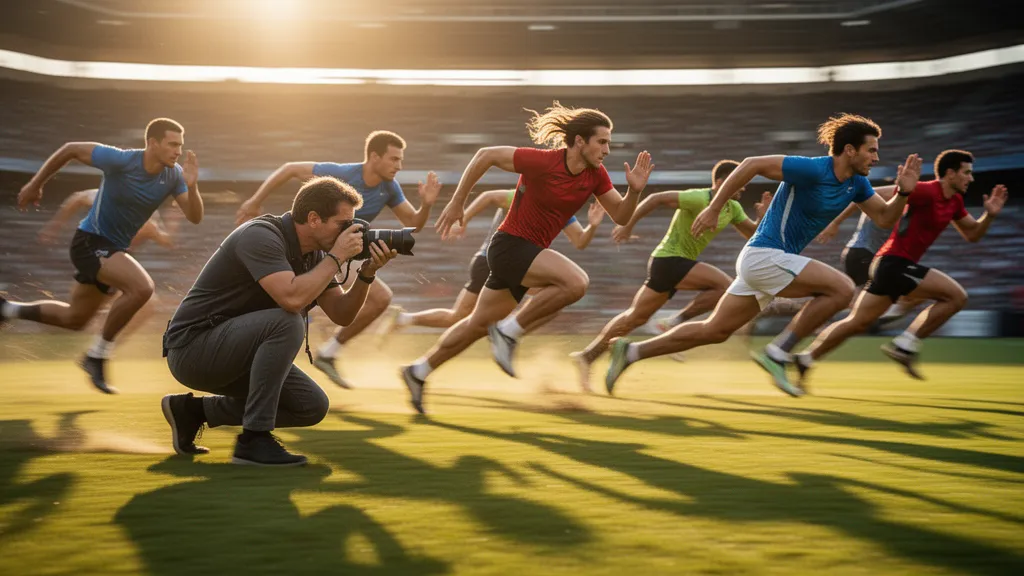
How to Go From Best Camera and Lens for Sports Photography to a Custom Card
The process is straightforward, but the result feels anything but ordinary. Three steps take you from raw file to printed card.
Capture the Moment With the Right Gear
Use a fast-aperture lens — f/2.8 or wider — paired with a camera body that fires at least 10 frames per second. That combination freezes motion without blur and gives you a sharp, print-worthy image. A 70-200mm f/2.8 or a 300mm prime are the workhorses most sports photographers reach for. Get close, shoot in RAW, and expose for the subject's face.
Upload Your Best Frame to Snapshot
Head to the Snapshot website and upload the photo that made you stop scrolling. Our templates are designed with real sports card aesthetics — bold borders, stat fields, name plates — so your image sits inside a layout that looks like it came off a professional print run. No design experience needed. The template does the heavy lifting visually.
Receive Your Card in 2-3 Days
Every card is printed on premium card stock right here in Des Moines, Iowa. Your order ships free anywhere in the USA and arrives with a magnetic case that protects the card like it belongs in a collection — because it does. Single cards, packs, and oversized MEGA poster cards are all available depending on how big you want to go.
From sideline to showcase, the whole process takes minutes to start and days to arrive.
Camera Tier vs. Card Result — What Actually Matters
| Feature | Example | Best For | Gear Tier |
|---|---|---|---|
| iPhone 15 Pro, Galaxy S24 Ultra | Parent sideline shots, close-proximity youth sports | Smartphone (Flagship) | Great for close action in good light. Sharp enough for a strong card. |
| Sony A6700 + 70-350mm | Dedicated sports parents, school photographers | Entry Mirrorless + Kit Zoom | Excellent burst speed and tracking. Sharp, vibrant images that print beautifully. |
| Canon R3 + 400mm f/2.8 | Freelance photographers, high school and college coverage | Pro Body + Fast Prime | Maximum sharpness, background separation, and low-light performance. Print-perfect every time. |
Why Sports Photographers Love Snapshot Cards
The best photo from a game doesn't have to live only on a screen. Here's what makes Snapshot the natural next step after you've mastered your gear.
Prints That Match Your Image Quality
You invested in the best camera and lens for sports photography — your print should match that standard. Snapshot's professional card stock renders sharp edges and vivid colors accurately, so the detail you captured with a 500mm prime doesn't get lost in a cheap print process.
Ships in 2-3 Business Days
Turnaround matters. Whether it's a playoff game on Friday or a tournament weekend, your cards arrive fast enough to be meaningful. We print and ship from Des Moines, Iowa, so every order stays domestic and on schedule without surprise delays.
Free Magnetic Case With Every Card
Every single card ships inside a premium magnetic case — no add-on, no upcharge. It protects corners and surfaces during shipping and doubles as display-ready packaging. The case alone signals to the recipient that this isn't a printout. It's a collectible.
All Levels, All Sports, All Athletes
Snapshot cards aren't reserved for pros. Little league, high school varsity, college club teams, recreational leagues — every athlete's photo deserves the same treatment. The templates work across all sports because great action photography is great action photography, regardless of the level.
Who's Using Snapshot After Nailing Their Sports Photos
The best camera and lens for sports photography captures moments worth keeping. These are the people turning those moments into something tangible.
Sports Parents and Family Photographers
A parent who upgraded to a mirrorless body and a 70-200mm lens for their kid's travel hockey season ends up with hundreds of sharp, compelling frames. Snapshot lets them pick the one image that captures their athlete's personality — the celebration, the focus, the grit — and turn it into a card the whole family keeps. It's a gift that costs less than dinner and lasts decades.
Coaches and Team Staff
End-of-season recognition doesn't have to mean generic trophies. Coaches who shoot their own game footage or work with a team photographer use Snapshot to create individual cards for every player. Hand one to each athlete at the final practice. The reaction is immediate. These cards become the thing players keep long after the trophy shelf gets cleared.
Freelance and Sideline Photographers
Photographers who cover local sports — high school games, amateur leagues, club tournaments — can offer Snapshot cards as a premium product alongside their photo packages. Clients already love receiving digital files. A physical card printed on professional card stock with their athlete on the front is a value-add that's easy to fulfill and hard to say no to.
Cards That People Actually Keep
Snapshot ships custom sports cards to customers in all 50 states every week — from parents photographing youth soccer to photographers covering college athletics. The consistent feedback is the same: people are surprised by how premium the final card feels in person. The magnetic case, the print quality, the way the template frames the photo — it holds up to the standards set by the gear used to take the shot.
Snapshot Pricing — Clear and Simple
No hidden fees, no subscription. You pay for what you order, and shipping is always free inside the USA.
Single custom card starts at $17.99. Card packs are available up to $49.99. The MEGA oversized poster card — 11 inches by 15 inches — is $49.99 and makes a statement on any wall. Free shipping on every order within the United States.
For less than the cost of a single lens filter, you can hold your best sports photo in your hands on professional card stock with a free magnetic case included.
Box Options
Simple, collectible pricing. No subscriptions, no hidden fees.
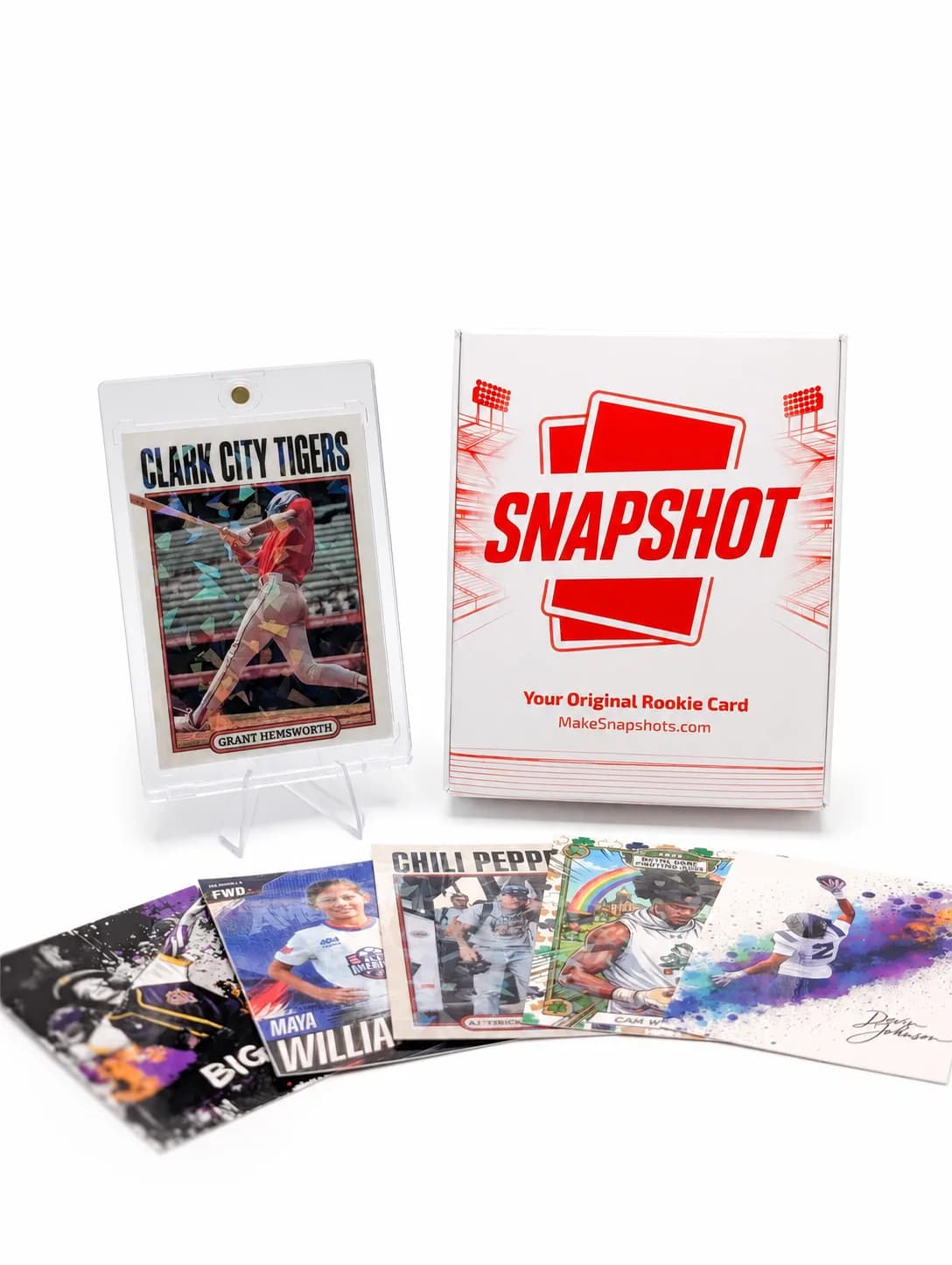
The Rookie Box
Perfect for those unforgettable moments
$17.99 - $49.99
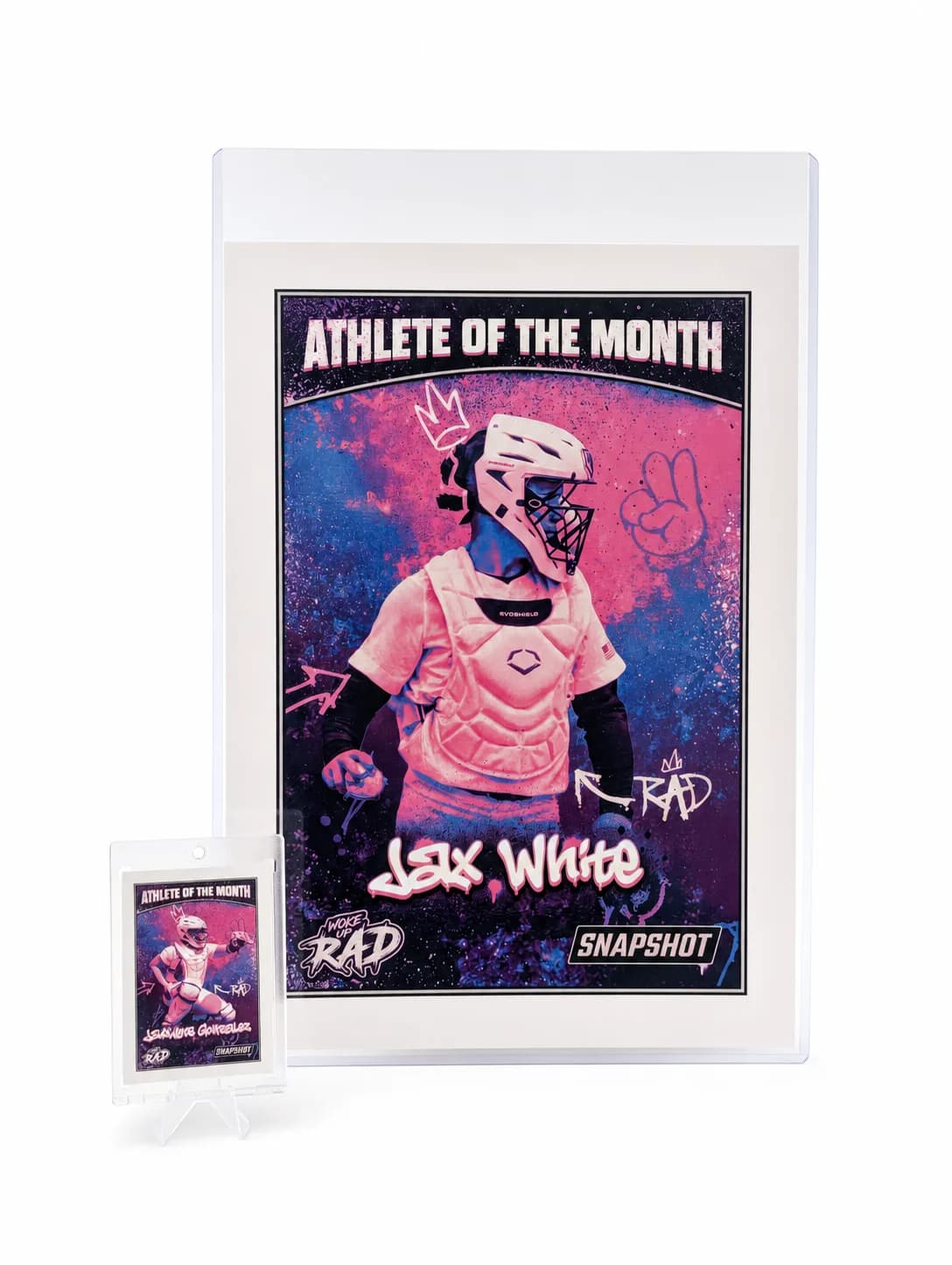
MEGA Card
Their moment, bigger than ever
$49.99
Create for free • Ships the next business day • Made in Des Moines, IA, USA
You Found the Best Camera and Lens for Sports Photography — Now Make Something With the Shot
Your best frame is sitting in a folder right now. Upload it to Snapshot, choose a pro template, and get a premium custom sports trading card printed on professional card stock and shipped to you in 2-3 days. Free shipping. Free magnetic case. Made in the USA.
Build Your CardNo credit card required | Instant preview | Pro-quality designs
Explore More Card Options
Discover more custom trading card options for every sport and occasion