
Best Camera for Sport Photography in 2025
The best camera for sport photography doesn't just freeze motion — it captures moments worth keeping forever.
Upload any photo — your kid, your pet, your whole team — pick a pro template, and we print and ship a real, holdable card the next business day.
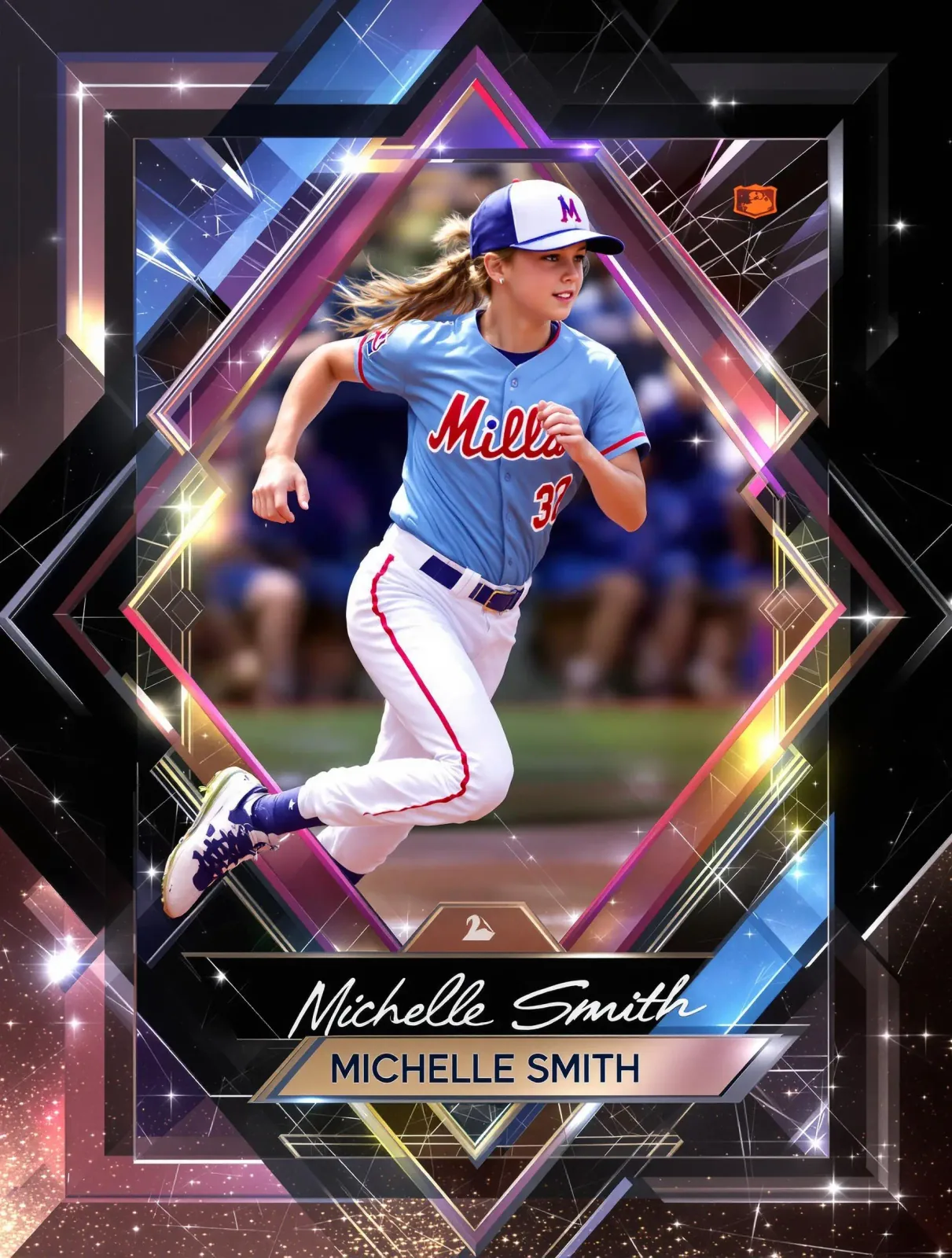
Most sports photos end up buried in a phone gallery or lost in a cloud folder somewhere. You're at the game, the lighting is tough, the action is fast, and even a decent camera can produce blurry, flat, or unusable shots if it's not built for the job. Shutter lag, narrow autofocus zones, and poor high-ISO performance are the real enemies at any live sporting event — from Friday night football under stadium lights to a Saturday morning travel soccer tournament in bright sun. Getting the camera choice right matters more than most people realize.
Choosing the right gear solves the technical side, but the real payoff comes after the shot. Once you've got a crisp, well-exposed image of your athlete, Snapshot turns it into a premium custom sports trading card — printed on professional card stock, styled with real pro-card templates, and shipped anywhere in the USA in 2-3 days. A single card starts at $17.99. That photo you worked hard to capture deserves more than a screen. It deserves something you can hold.
Let's break down exactly what to look for in a sports camera — and what to do with the best frames after.
We ship custom cards to athletes, families, and coaches in all 50 states every week from our production facility in Des Moines, Iowa.
Frequently Asked Questions
What is the best camera for sport photography under $1,000?
For under $1,000, the Sony a6700 and the Canon EOS R50 are strong contenders. Both offer fast hybrid autofocus systems that track subjects across the frame, burst rates above 10fps, and sensors that perform well at ISO 1600–3200 — enough to handle indoor gyms and evening fields. The a6700 in particular uses a 26-megapixel APS-C sensor with subject-recognition autofocus, meaning it'll lock onto an athlete's face or body and hold focus through fast movement. Pair either body with a 55-210mm kit zoom or an adapted 70-200mm lens, and you've got a capable sports kit well within budget.
Do I need a full-frame camera to get good sports photos?
No — full-frame cameras are excellent, but they're not required for quality sports photography at youth or recreational levels. APS-C and Micro Four Thirds cameras have closed the gap significantly in recent years. The real priorities are autofocus speed and tracking accuracy, burst rate, and high-ISO performance. A mid-range APS-C body with a fast telephoto lens will outperform an older full-frame camera in real-world sports conditions. Save the full-frame investment for when your technique and workflow genuinely demand it — most photographers don't hit that ceiling quickly.
What lens focal length is best for sports on the sideline?
A 70-200mm f/2.8 is the classic choice and for good reason — it covers most sideline situations, delivers a wide aperture for low light and subject isolation, and focuses quickly. If you're shooting larger fields like soccer or football from the end zone, a 100-400mm gives extra reach. For tighter venues like wrestling rooms or indoor basketball courts, a 24-70mm f/2.8 or even a fast 50mm prime can work well. The key is matching the focal length to your typical shooting distance. Don't just default to the longest lens available — it can actually work against you in confined spaces.
What camera settings should I use for fast-moving athletes?
Start with shutter priority mode set to at least 1/1000s — go to 1/2000s or faster for truly explosive motion like a baseball swing or a sprinter leaving the blocks. Set your autofocus to continuous tracking (called AI Servo on Canon, AF-C on Sony/Nikon/Fuji) and enable face or subject detection if your camera supports it. Bump ISO until the exposure looks correct — don't sacrifice shutter speed to keep ISO low. Modern cameras handle high ISO well, and a slightly noisy but sharp photo will always beat a perfectly exposed blur. Shoot in burst mode and review your keeper rate as you go.
Can I use smartphone photos for Snapshot trading cards?
Yes, absolutely. Snapshot accepts photos from any source, including modern smartphones. iPhone 15 Pro and similar high-end Android flagships produce images sharp enough for a standard trading card size. The main limitation is cropping — if your athlete is small in the frame and you need to crop significantly, a smartphone's pixel count may not hold up as well as a dedicated camera. For the MEGA 11"×15" poster card, a dedicated camera with a 20+ megapixel sensor will give you the best results. For standard cards, a well-lit, in-focus smartphone shot works great.
What photo resolution does Snapshot recommend for the best card print quality?
Snapshot recommends uploading the highest-resolution version of your image available. For standard trading card sizes, images of 1000 pixels on the shortest side are a practical minimum, but more is better — especially if you're cropping. For the MEGA 11"×15" poster card, you'll want an image that's at least 3000 pixels on the shortest side to maintain clean detail at that larger format. Most cameras shooting in fine JPEG or RAW deliver well above these thresholds. If you're unsure, upload the full-resolution file directly from your camera card rather than a compressed version shared via text or social media.
How do I photograph a night game or indoor sport and still get usable images?
Low-light sports photography comes down to three variables: aperture, shutter speed, and ISO. Open your aperture as wide as your lens allows — f/2.8 is ideal, f/4 is workable. Keep shutter speed at 1/800s minimum, higher if the sport involves fast ball movement or contact. Raise ISO until the exposure is correct, accepting that some noise is acceptable. Cameras with backside-illuminated sensors (Sony, recent Nikon and Canon mirrorless) handle noise much better than older designs. Shoot in RAW if you can — post-processing noise reduction in Lightroom or similar software recovers significant detail from high-ISO frames that look rough straight out of camera.
How quickly does Snapshot ship after I place an order?
Snapshot prints and ships from Des Moines, Iowa, with a standard turnaround of 2-3 business days. Every order ships free within the United States, and every card arrives with a free magnetic protective case included — no add-on required. If you're ordering for a specific event like an end-of-season party or a birthday, place your order at least a week in advance to account for shipping transit time on top of production. For larger pack orders, check the site for current production timelines, as high-demand periods can occasionally extend processing by a day.
Which is better for sports — mirrorless or DSLR cameras?
Modern mirrorless cameras have largely surpassed DSLRs for sports photography, particularly in autofocus performance. Mirrorless systems use on-sensor phase detection across a wide area of the frame, whereas many DSLRs rely on a separate AF module that covers only the center zone. For tracking an athlete moving laterally or toward the camera, current mirrorless cameras from Sony, Canon, and Nikon are more reliable and faster than comparable DSLRs. They're also lighter, which matters after a few hours on a sideline. DSLRs are still excellent tools and used cameras are available at significant discounts — but new purchases in 2025 should generally lean mirrorless.
Can coaches or teams order Snapshot cards in bulk for a whole roster?
Yes — Snapshot's pack options are well-suited to team orders. Packs are available up to $49.99 and cover multiple cards, making them practical for end-of-season recognition, senior celebrations, or team gifts. Each card in a pack can feature a different athlete and photo, so a full roster order is straightforward. Simply upload each photo during the design process and select the appropriate template for each player. If you're coordinating a large team order, it helps to collect high-resolution photos in advance from parents or your team photographer before sitting down to build the cards.
Free to design, instant preview. Ships the next business day.
How the Best Camera for Sport Photography Connects to a Custom Card
Great cards start with great photos. Here's the three-step path from sideline to keepsake.
Capture a Sharp, High-Resolution Action Shot
Use a camera with fast continuous autofocus and a burst rate of at least 10 frames per second. A 24-megapixel sensor or higher gives you room to crop without losing detail — critical for sideline shots where you can't always get close. JPEG fine or RAW both work when you upload to Snapshot.
Upload Your Photo to Snapshot
Head to the Snapshot site, upload your image directly, and choose from a lineup of pro sports-card templates. Templates are designed to frame your athlete the way a real trading card does — position, number, name, team colors. No design experience needed. The process takes a few minutes, not hours.
Receive Your Card in 2-3 Days
Snapshot prints and ships from Des Moines, Iowa. Every order comes with a free magnetic case to protect the card. Single cards are $17.99, packs run up to $49.99, and the MEGA 11"×15" poster card is $49.99. Free shipping on every US order — no minimum required.
From sideline to doorstep in under a week. That's the Snapshot workflow — fast, simple, and worth it.
Mirrorless vs. DSLR for Sports Photography: At a Glance
Not sure which system fits your situation? This side-by-side covers the practical differences most sports photographers run into.
| Feature | Dslr | Mirrorless |
|---|---|---|
| Autofocus Coverage | Center-weighted AF module; fewer tracking points on most models | Wide-area on-sensor phase detection, subject tracking across full frame |
| Burst Rate | 8-12fps on sports-oriented bodies; limited by mechanical shutter | 20-30+ fps on current flagship models; 10-15fps on mid-range |
| Low-Light Performance | Competitive on older flagships; newer mirrorless generally edges ahead | Modern BSI sensors clean at ISO 3200-6400 on most current bodies |
| Body Weight | Heavier — 700-900g body only on full-frame sports bodies | Lighter — typically 400-600g body only, varies by system |
| Used Market Value | Significant discounts available; excellent entry point for budget buyers | Prices dropping as newer generations release; strong value on prior-gen |
| Best For | Budget-conscious buyers, existing lens owners, outdoor daytime sports | New system buyers, fast-action tracking, indoor and low-light sports |
What the Right Sports Camera Actually Gets You
Gear decisions have downstream consequences. Here's what a purpose-built sports camera delivers that a general-purpose kit lens setup simply can't.
Frozen Motion, Zero Blur
A camera with 1/2000s or faster shutter speeds — combined with good autofocus tracking — stops a sprinter mid-stride or a pitcher mid-release with no motion blur. That crispness is exactly what makes a trading card photo look professional rather than amateur.
Usable Shots in Low Light
Indoor gyms and evening fields are brutal for cameras with small sensors. Sports-oriented cameras handle ISO 3200–6400 cleanly, which means Friday night games under artificial lights don't automatically produce grainy, unusable frames.
High Burst Rate = More Options
Ten to thirty frames per second means you're selecting the best image from a sequence — not hoping one shot landed right. More options mean better raw material for a card design, and Snapshot's templates reward photos where the athlete's expression and body position both read clearly.
Reach Without Sacrificing Quality
A 70-200mm f/2.8 or a 100-400mm zoom keeps you off the field while still filling the frame with your subject. Snapshot cards look best when the athlete is the clear focal point — a telephoto lens makes that happen consistently.
Who's Actually Using These Cameras — and Making Cards
Sports photography spans every level of competition. The use cases below reflect how real families, coaches, and photographers are combining great gear with Snapshot cards.
Youth League Parents
A parent on the sideline with a mirrorless camera and a mid-range telephoto lens can capture images that rival professional team photos. Snapshot turns those shots into cards the child keeps for years — better than a generic team photo package, personalized to the exact moment that actually mattered. One photo. One card. Seventeen dollars and ninety-nine cents.
High School Athletic Programs
Coaches and athletic directors are using Snapshot packs as end-of-season gifts and senior recognition items. A school photographer with a reliable sports camera can shoot the whole roster during a game, and Snapshot produces a full pack of cards — multiple athletes, multiple templates — for under fifty dollars. It's a meaningful program upgrade with minimal budget impact.
Independent Sports Photographers
Photographers who shoot youth tournaments, travel leagues, and recreational sports events are adding Snapshot cards as an upsell to their digital packages. High-resolution files feed directly into Snapshot's upload tool. Clients who see the finished card alongside their digital gallery almost always order one. It's a tangible product that justifies a higher overall package rate.
Why Snapshot Cards Resonate With Sports Families
Snapshot ships custom cards to customers in all 50 states every week, and orders come from every level of competition — T-ball through college club sports. The combination of professional card stock, real trading-card templates, and two-to-three-day shipping has made Snapshot the go-to option for families who want something tangible from a season they worked hard for.
Free magnetic cases ship with every single order — because a card worth making is a card worth protecting.
Snapshot Pricing: Straightforward, No Surprises
Every tier includes free US shipping and a free magnetic case. Cards are printed and shipped from Des Moines, Iowa.
Single card starting at $17.99. Card packs available up to $49.99. MEGA poster card (11"×15") at $49.99. Free shipping on all US orders.
A custom trading card costs less than a movie ticket and lasts a lifetime. For the price of a single card, you're giving an athlete something no streaming service can deliver.
Box Options
Simple, collectible pricing. No subscriptions, no hidden fees.
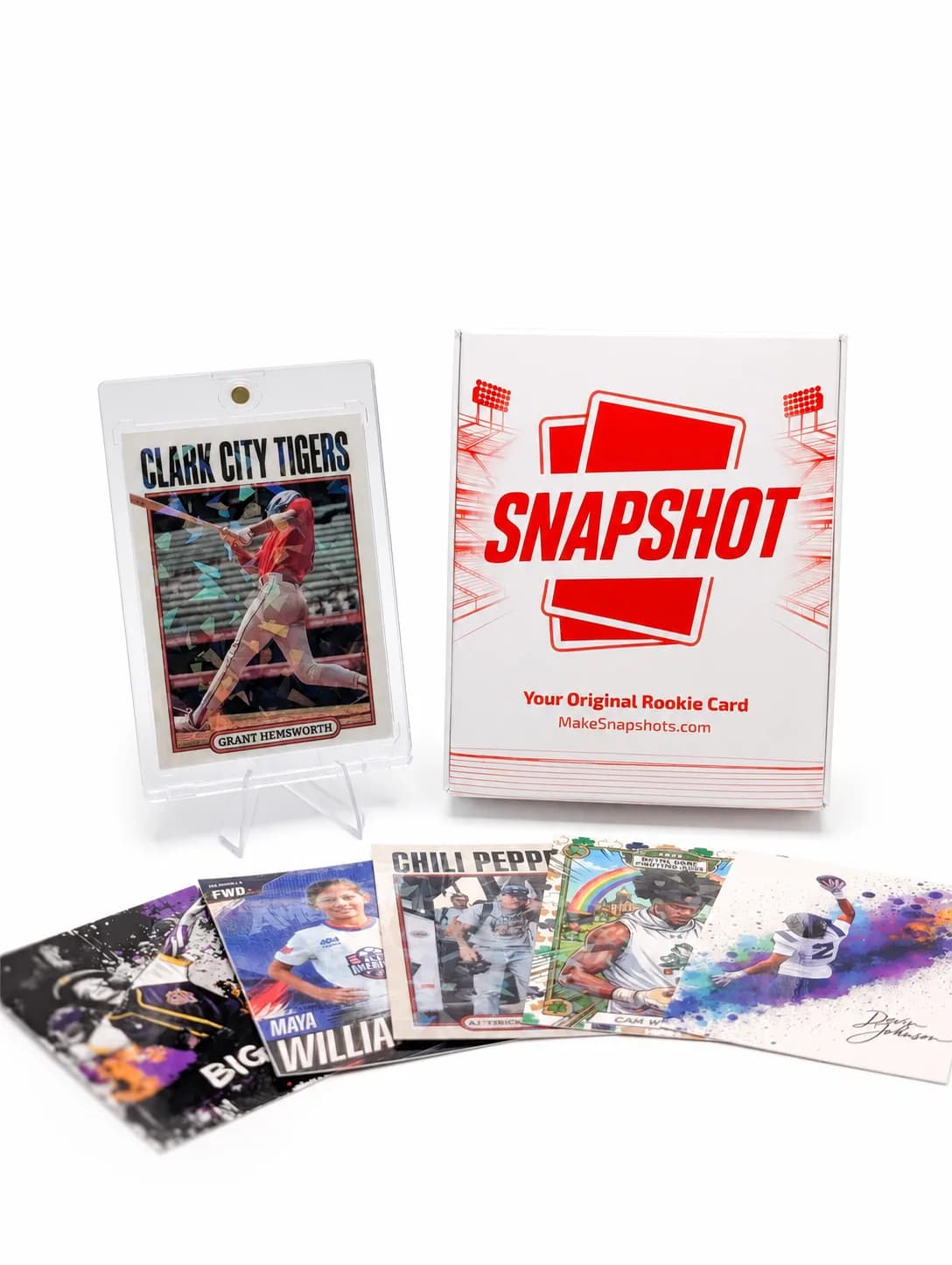
The Rookie Box
Perfect for those unforgettable moments
$17.99 - $49.99
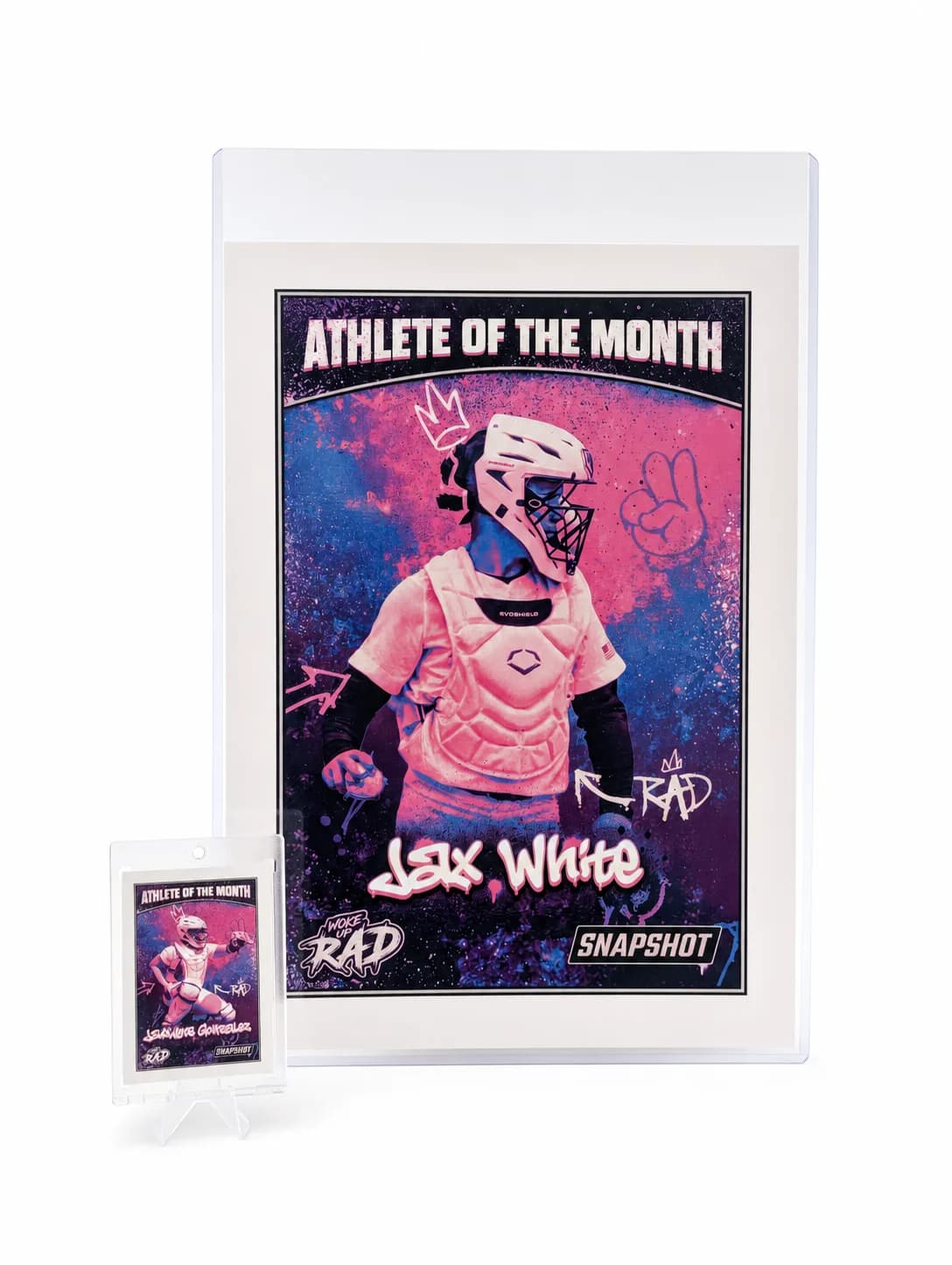
MEGA Card
Their moment, bigger than ever
$49.99
Create for free • Ships the next business day • Made in Des Moines, IA, USA
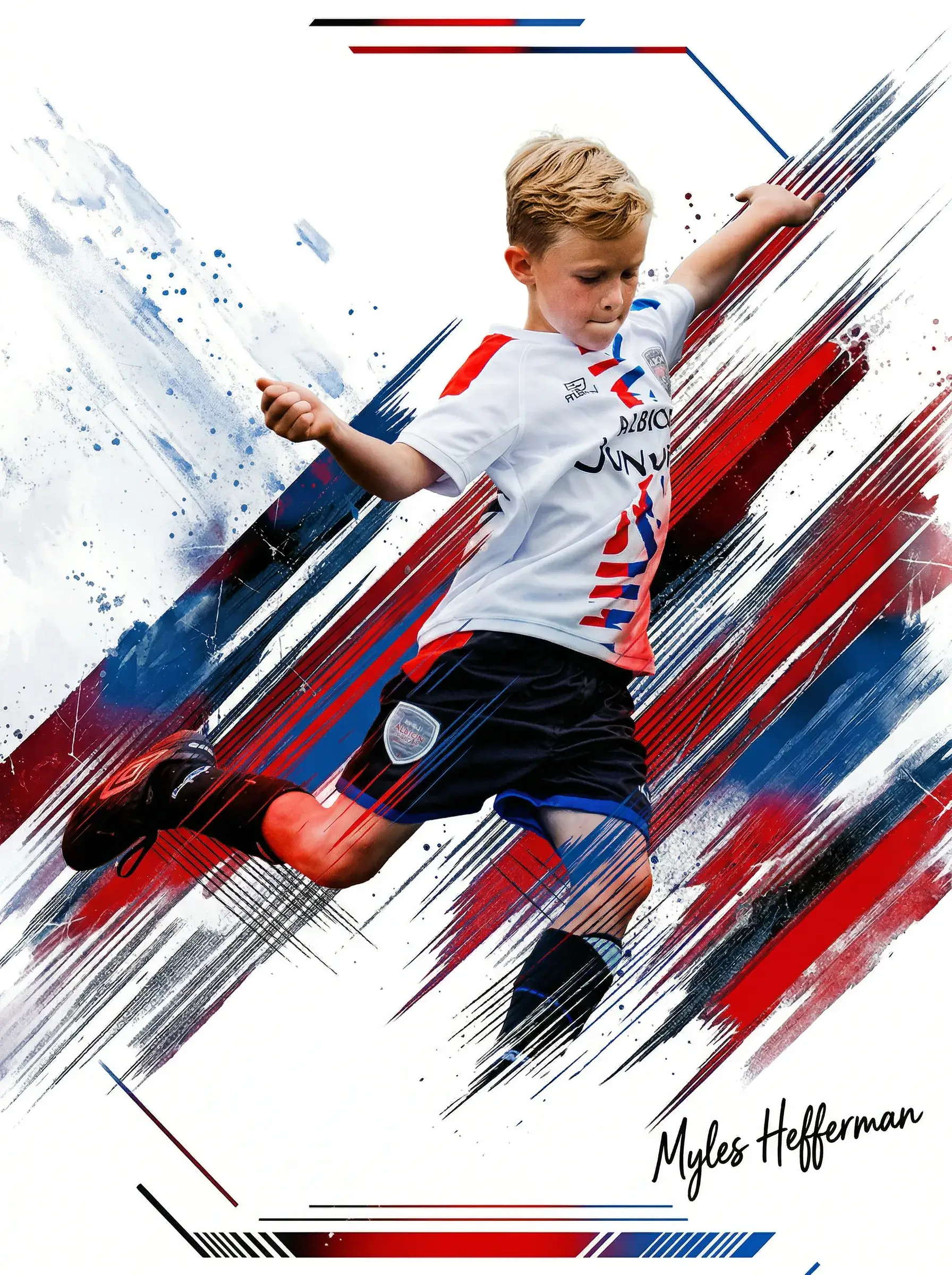
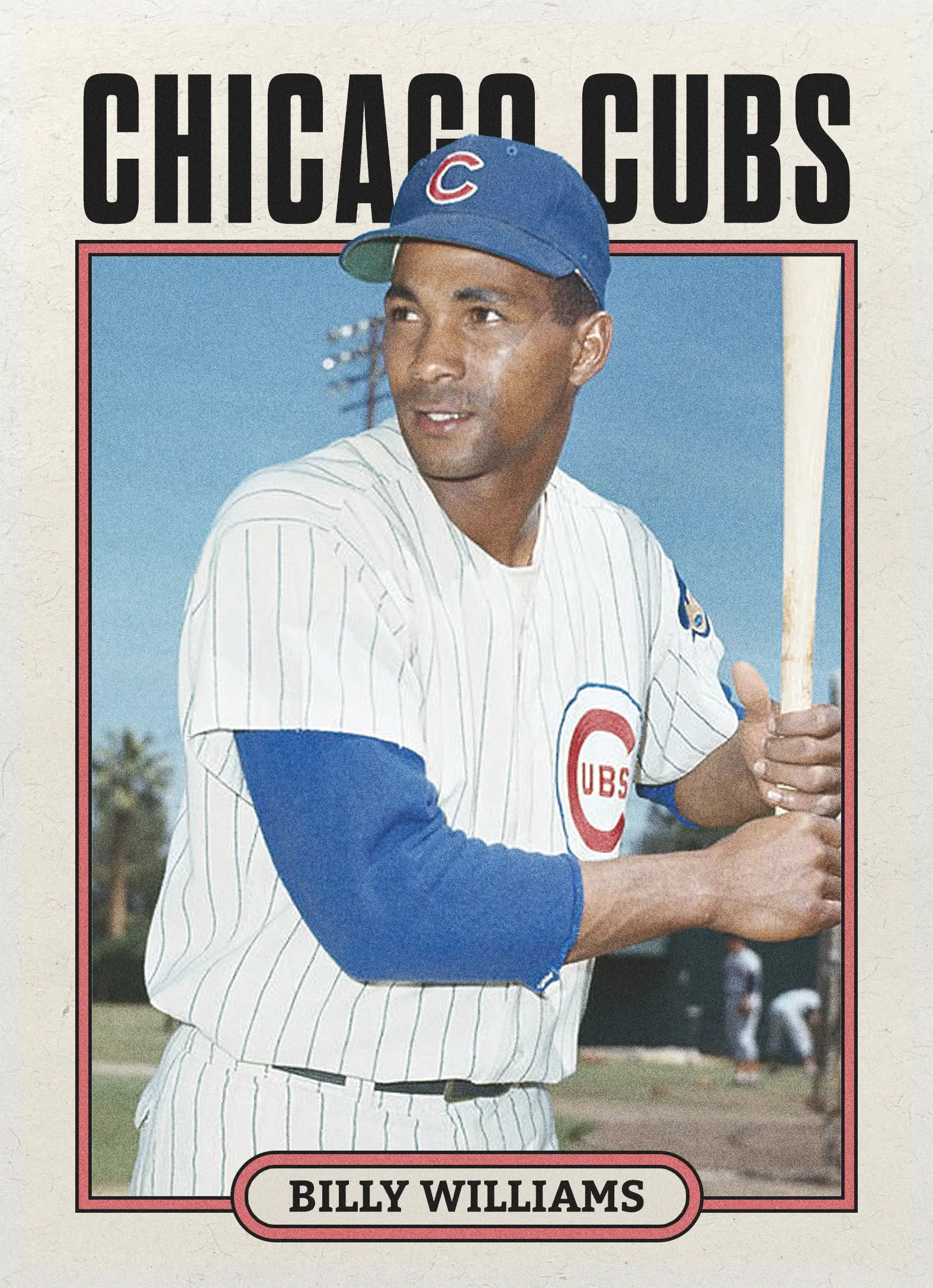
You Found the Best Camera for Sport Photography — Now Use It
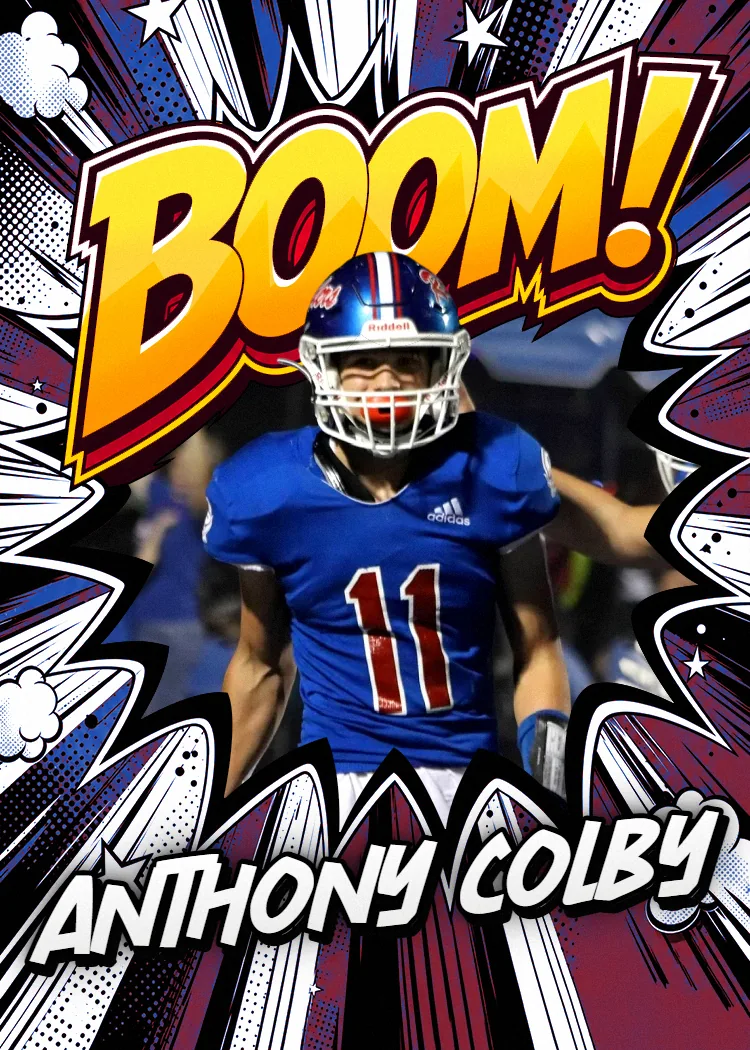
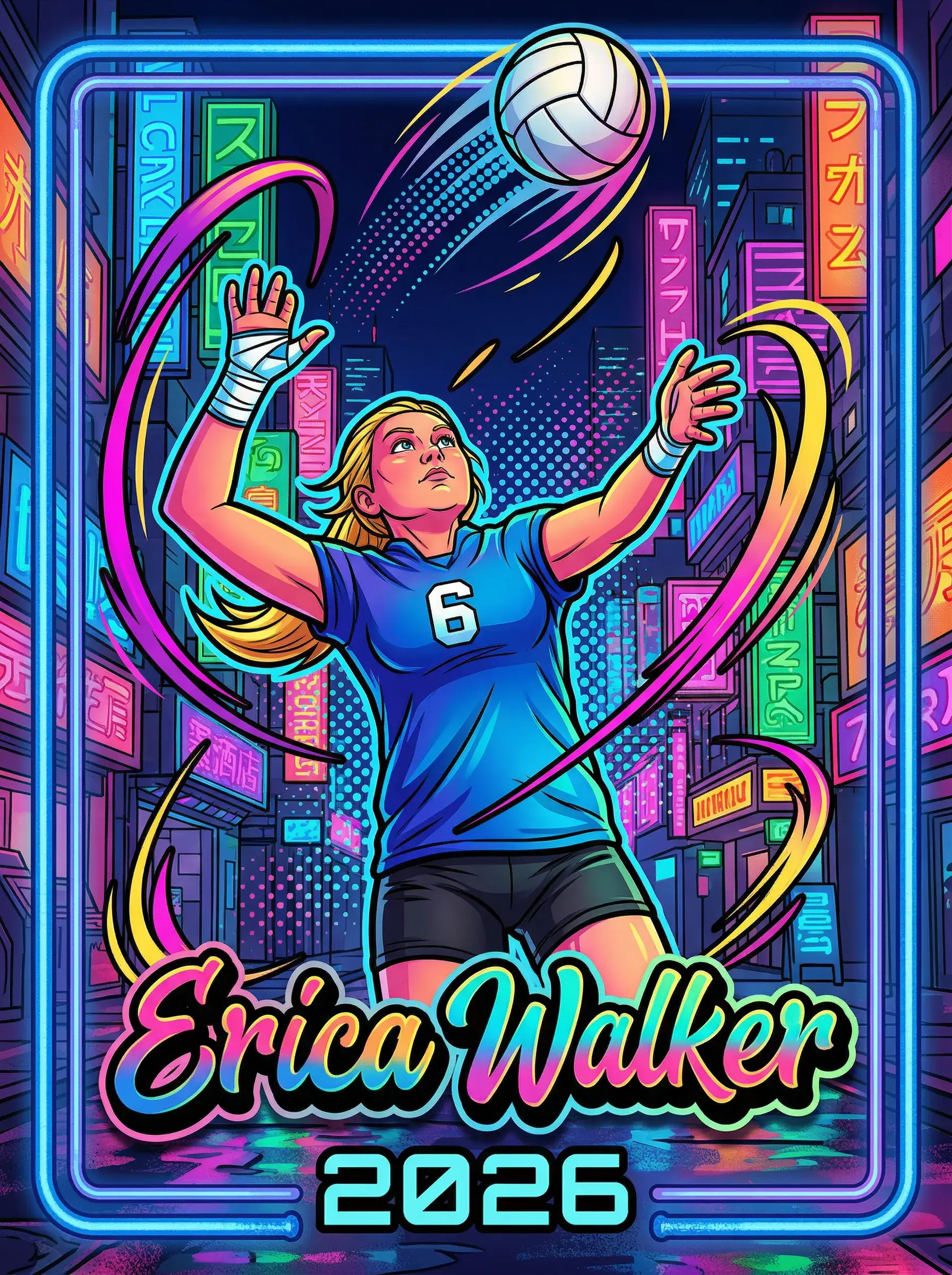
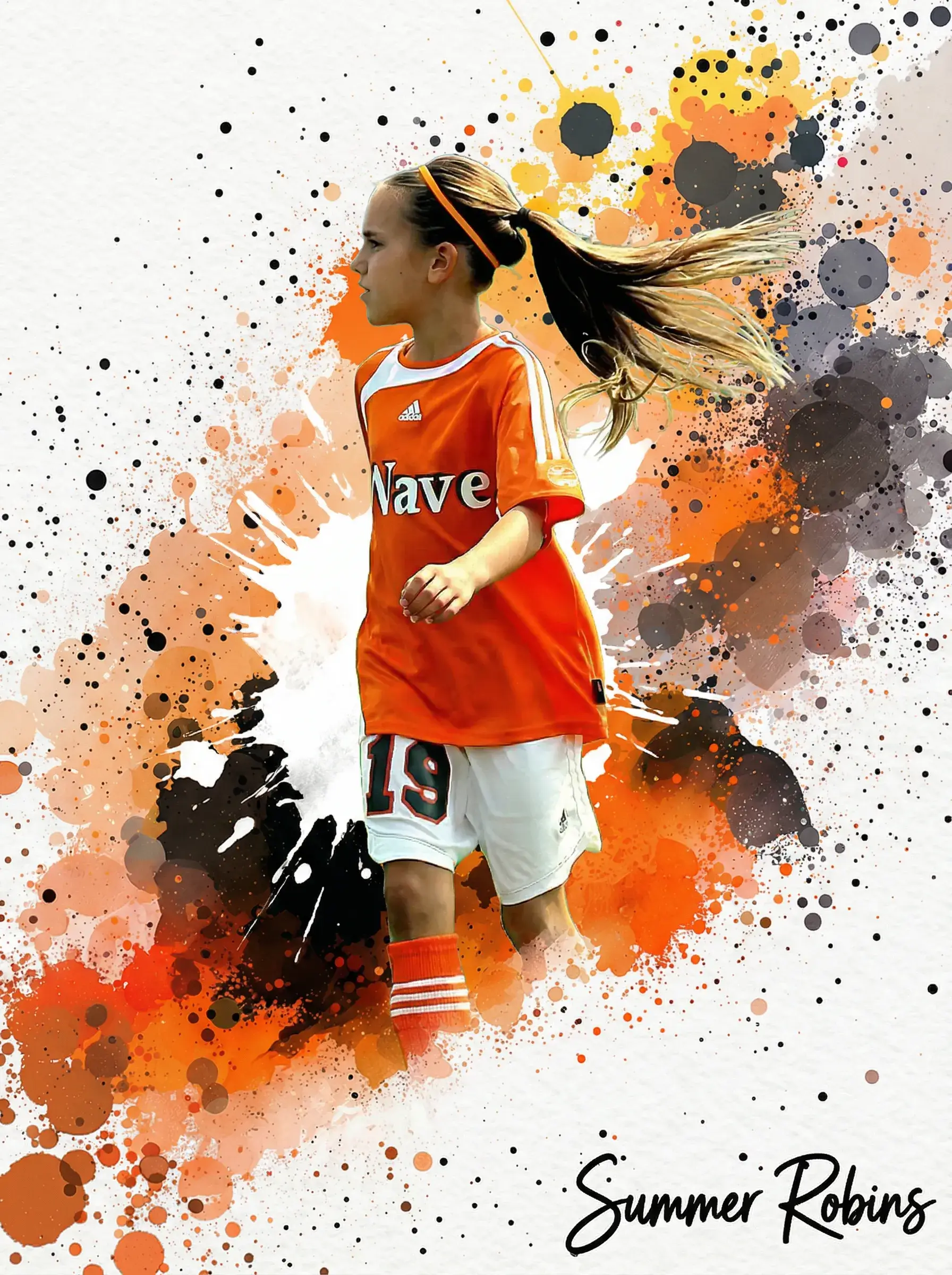
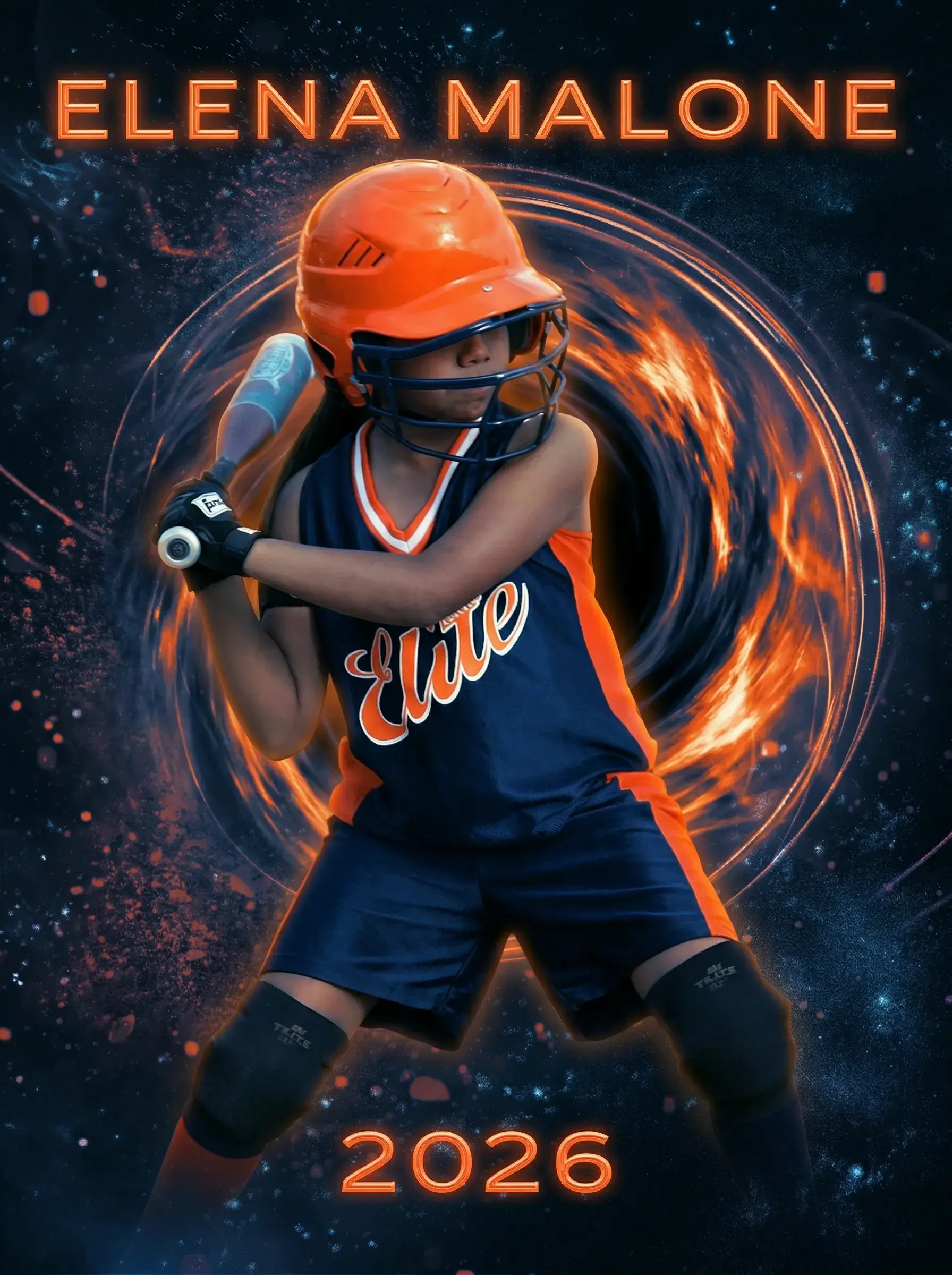
Your sharpest shot deserves more than a folder on your phone. Upload it to Snapshot, pick a template, and we'll turn it into a premium custom trading card — printed on professional card stock, shipped free in 2-3 days with a magnetic case included. Single cards from $17.99.
Build Your Card NowNo credit card required | Instant preview | Pro-quality designs
Explore More Card Options
Discover more custom trading card options for every sport and occasion