
Best Camera for Sports Photography and Video (Plus What to Do With the Photos)
You bought the gear, learned the settings, and still walked away from Saturday's game with 40 blurry photos.
Upload any photo — your kid, your pet, your whole team — pick a pro template, and we print and ship a real, holdable card the next business day.
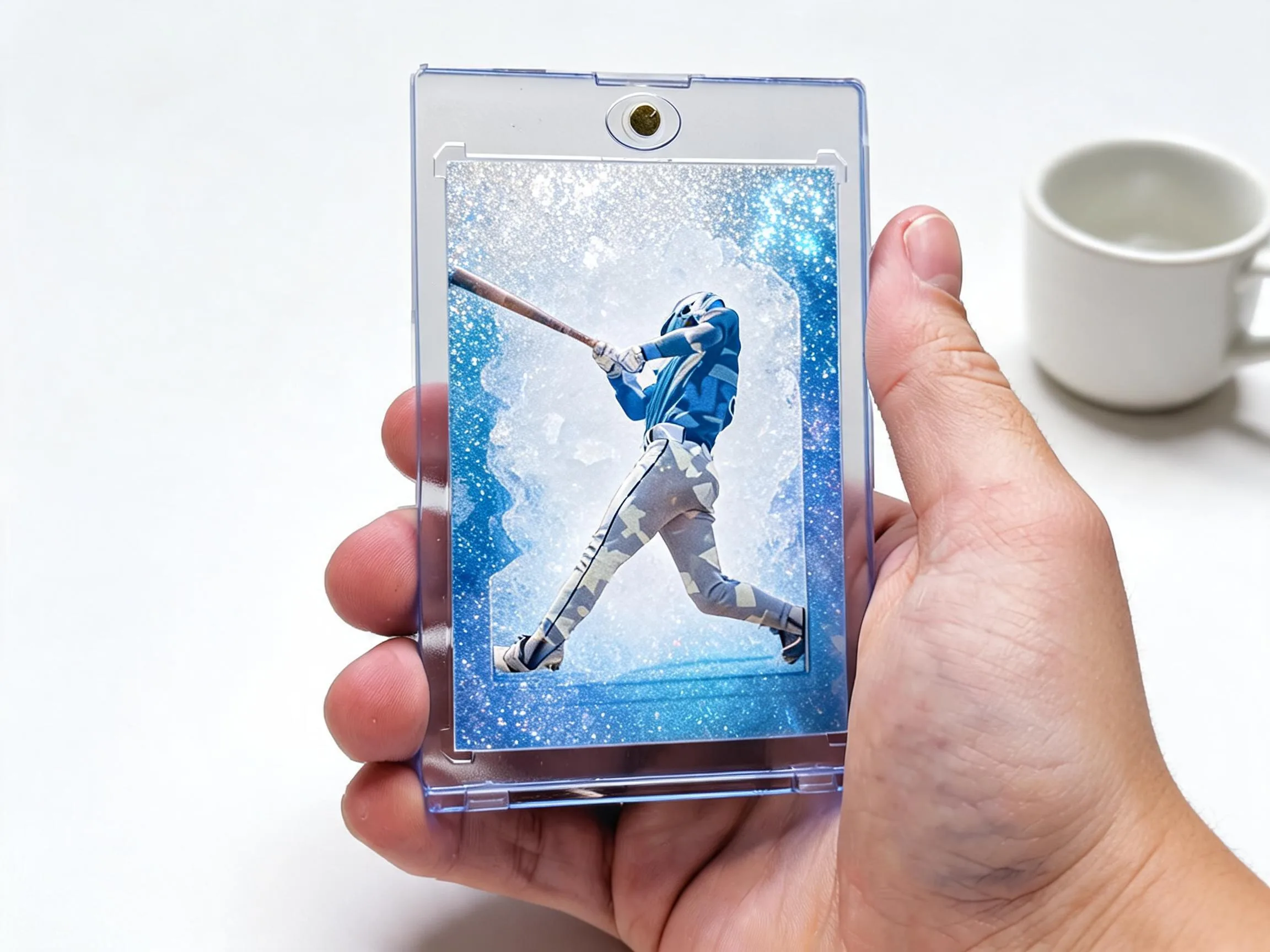
Finding the best camera for sports photography and video is only half the battle. Most parents and coaches buy a camera, aim it at fast-moving kids or weekend-league adults, and get frustrated when every third shot is a smear of motion blur. Autofocus hunts, shutter speed is too slow, and by the time you've figured out burst mode, the game's over. The gear matters less than most YouTube reviews suggest — and picking the wrong one wastes money you didn't need to spend.
This guide breaks down what actually matters in a sports camera, compares the realistic options by budget, and shows you what to do with those photos once you've nailed the shot. Because a great action photo sitting in your camera roll doesn't do much for anyone. Turned into a custom card, it becomes something a kid actually keeps.
Let's start with what separates a camera that freezes motion from one that just takes pictures.
We ship custom cards to teams and families in all 50 states every week, working with photos from everything from pro DSLRs to phone cameras.
Camera Options at a Glance
| Option | Best For | Price Range |
|---|---|---|
| Entry mirrorless + kit lens | Casual shooters, bright outdoor games | $600-900 |
| Mid-range mirrorless + telephoto zoom | Team parents shooting multiple sports | $1,200-2,000 |
| Recent flagship phone | Close-range, good lighting, no reach needed | $800-1,200 |
| Pro mirrorless + fast telephoto | Volunteer photographers covering full seasons | $2,500+ |
Free to design, instant preview. Ships the next business day.
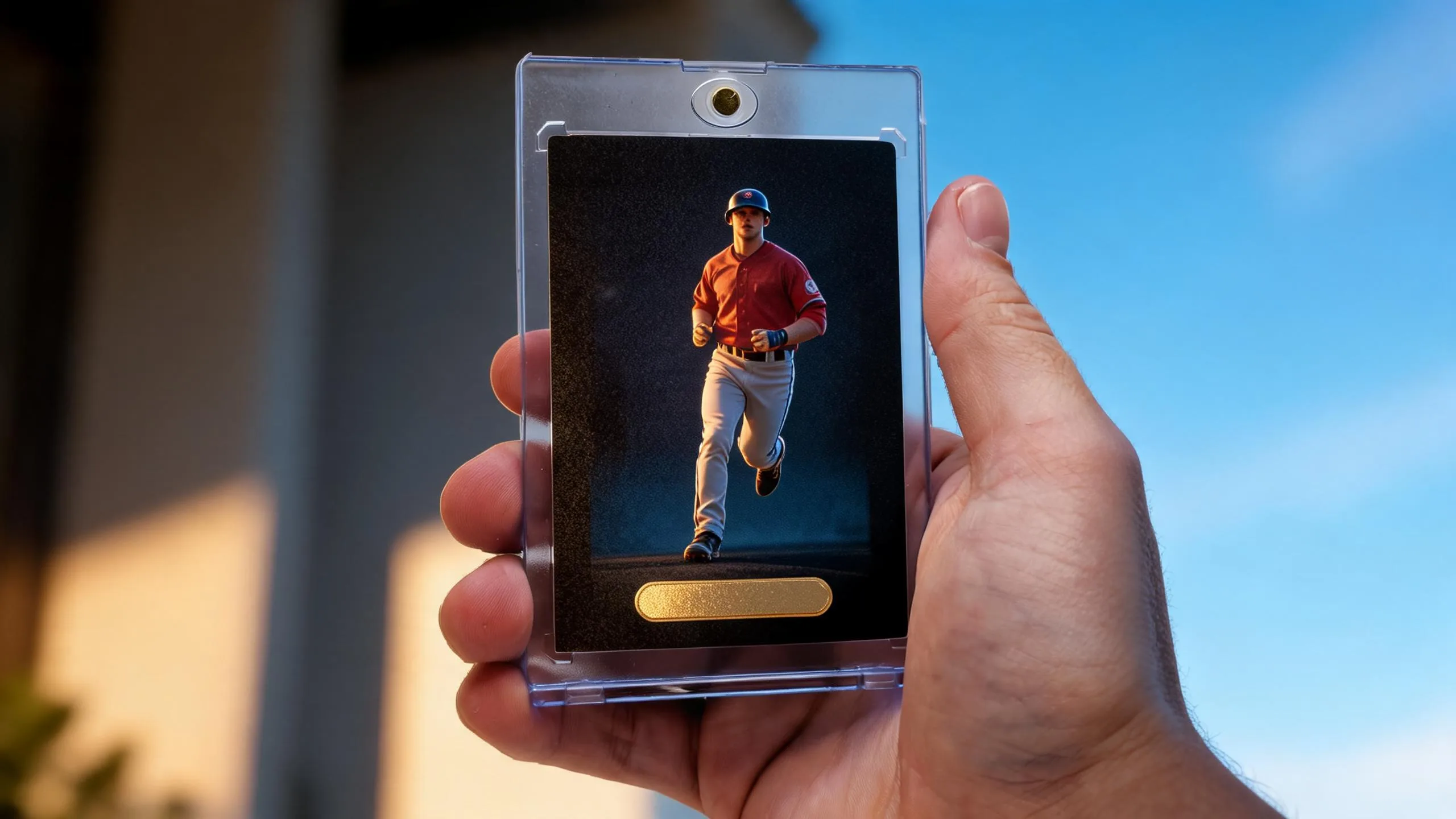
What You Actually Get From Owning the Right Gear
A camera built for action changes what's possible on a Tuesday practice, not just at the championship game.
Fewer wasted moments
A fast burst rate means you capture the peak of the play instead of the split-second before or after it. Over a season, that's the difference between a folder of near-misses and a folder full of usable, frame-worthy shots.
Video and photos from one device
Modern mirrorless cameras handle both well, so you're not juggling two setups on the sideline. That's one bag, one battery to charge, and one memory card to manage during a busy Saturday of games.
Shots sharp enough to print big
Higher resolution sensors mean your best action shot still looks crisp blown up to poster size or printed on premium card stock. Low-resolution phone shots start to fall apart past a certain print size — a real camera doesn't.
Better low-light performance
Evening games and indoor courts push cameras to their limits. A sensor built for sports handles high ISO without turning your photos grainy, which matters more than people expect until they've tried shooting a 7pm game.
How Do You Actually Choose the Best Camera for Sports Photography and Video?
It comes down to three specs that matter and about a dozen that don't. Here's the short version.
Check the burst rate and autofocus tracking first
Anything under 8 frames per second will miss the moment — the bat connecting, the ball leaving the foot, the exact instant of a dive. Look for continuous autofocus tracking, sometimes labeled AF-C or AI Servo. This is the single spec that separates cameras built for action from cameras built for portraits, and it matters more than megapixels ever will.
Match the lens to your sideline distance
A 24-70mm lens works courtside or on the sideline of a small field. Anything across a soccer pitch or football field needs 70-200mm or longer, ideally with image stabilization. Budget for the lens as much as the body — a great camera with the wrong lens still gives you tiny, distant, unusable shots.
Test the video mode under real gym or field lighting
Indoor gyms are brutal on sensors — low light plus fast motion is the hardest combination in photography. Look for a camera that shoots clean 4K at 60fps or higher, since sports video needs slow-motion replay options later. Try before you buy if you can, because spec sheets don't always match how a sensor handles a dim, fluorescent-lit gym.
Nail these three and you'll walk away with usable shots more often than not — from any camera in your budget range.

Where These Photos End Up Once the Season's Over
We print custom cards from photos taken on everything from decade-old DSLRs to last year's iPhone, and honestly, a well-lit, well-framed shot from a mid-range camera prints just as well as one from a $3,000 rig. What matters more than the gear is getting the moment — the diving catch, the finish line, the fist pump — because that's the shot that ends up on a card in someone's memory box for years.
Who Actually Needs a Dedicated Sports Camera?
Not everyone needs a $2,000 body. Here's how the decision changes depending on who's behind the lens.
The parent shooting one kid's season
A mid-range mirrorless camera with a 70-300mm zoom covers soccer, baseball, and track without breaking the budget. You don't need pro gear to get a shot worth printing — you need consistent autofocus and a lens with enough reach to fill the frame from the sideline or bleachers.
The team parent or volunteer photographer
If you're shooting for the whole roster, not just your own kid, speed and battery life start to matter more. A camera with dual card slots and a bigger battery gets you through a full tournament day without missing action while you swap cards or charge.
The coach documenting a whole season
Coaches often want both stills for a highlight reel and clips for film review. A camera that handles 4K video and rapid stills in the same body — without switching modes mid-play — saves time and gets you home footage before dinner instead of at midnight.
What It Costs to Go From Great Shot to Custom Card
You've already spent money on the camera. Turning the results into something a player keeps costs a lot less than you'd think.
Single custom card: $17.99. Card packs: up to $49.99. MEGA 11"×15" poster card: $49.99. Free shipping across the USA, printed and shipped in 2-3 days.
One great photo, one upload, and a professional-grade card ships to your door in days — no design software, no guesswork, no minimum order.
Box Options
Simple, collectible pricing. No subscriptions, no hidden fees.
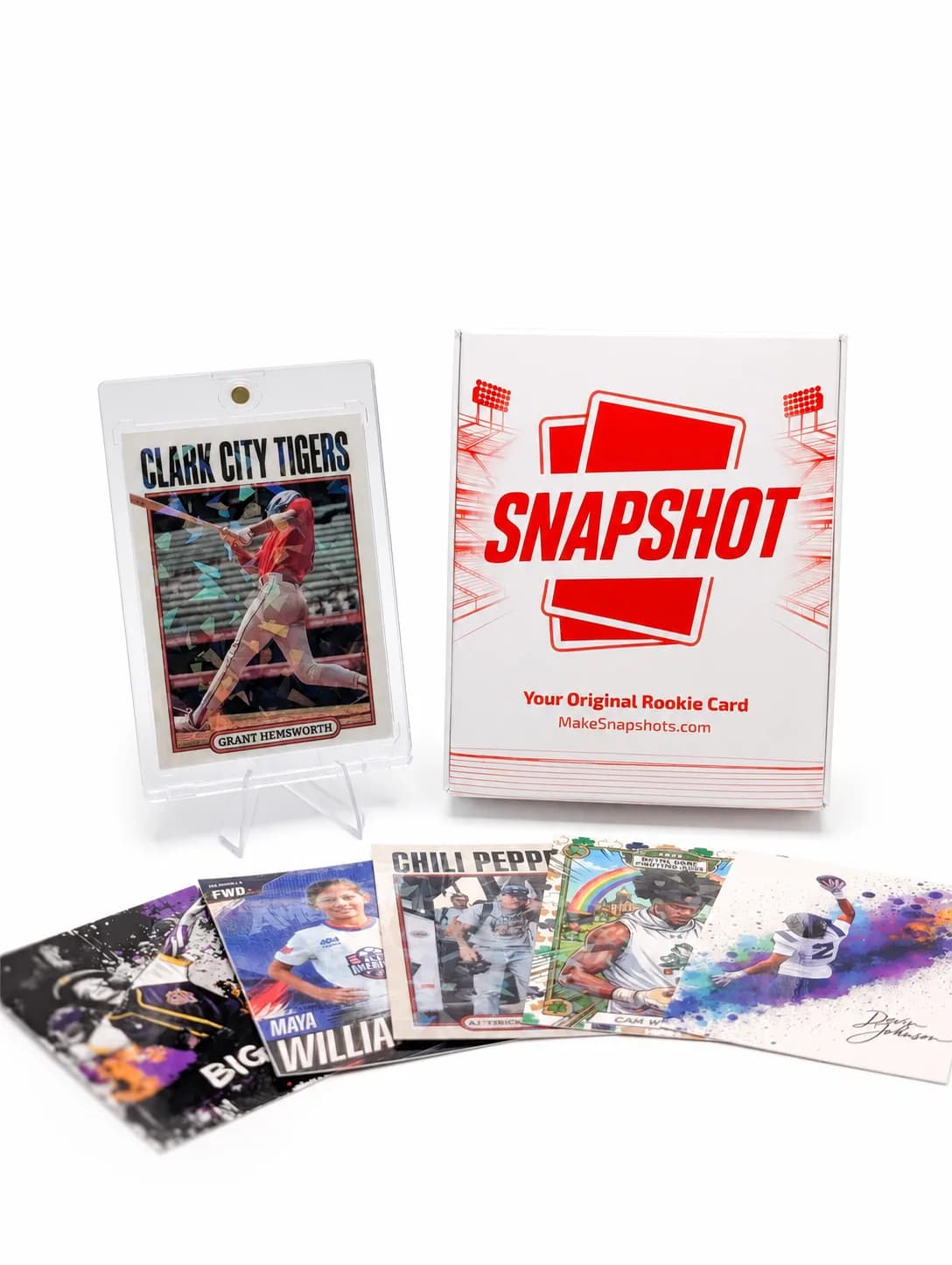
The Rookie Box
Perfect for those unforgettable moments
$17.99 - $49.99
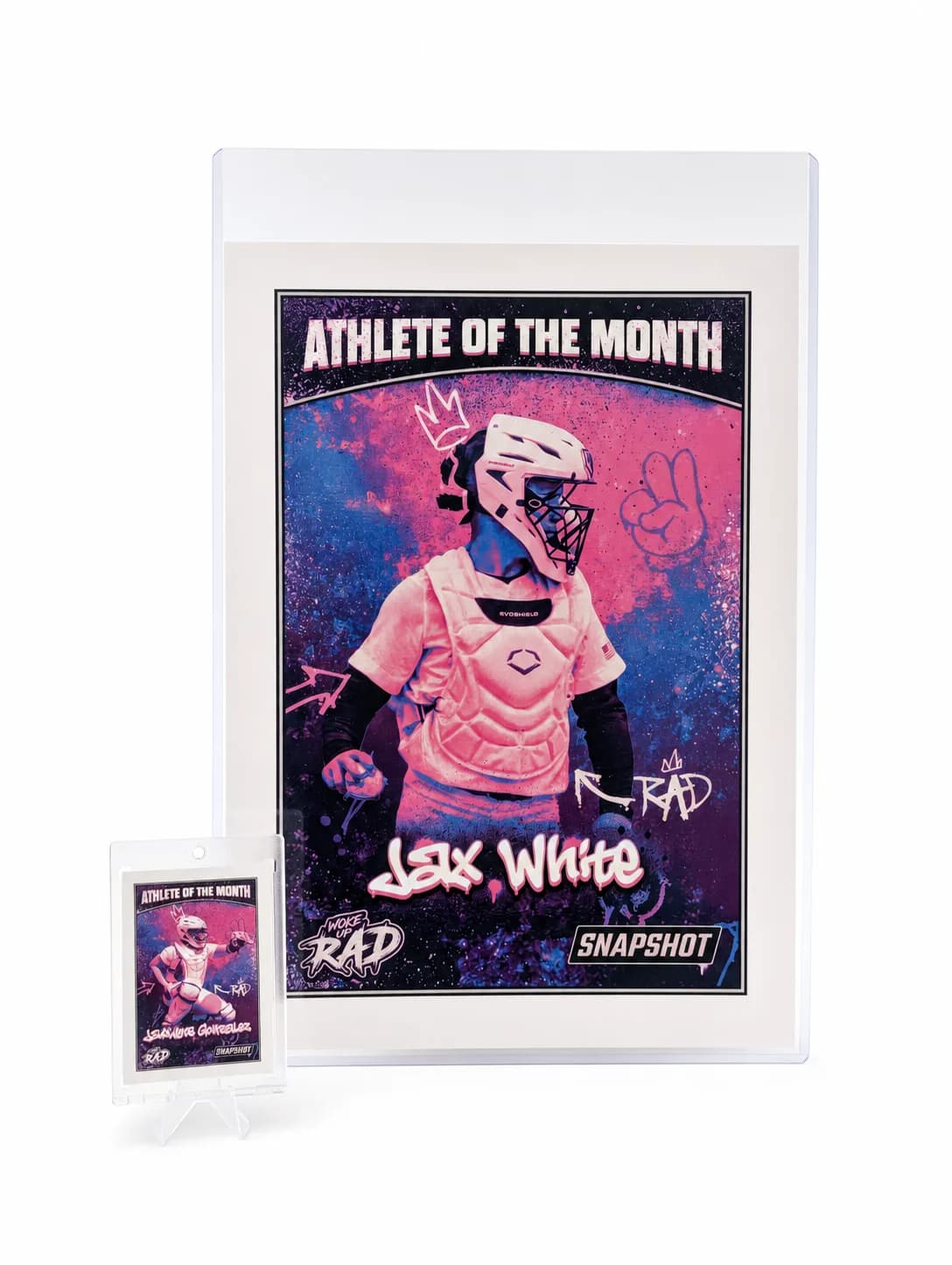
MEGA Card
Their moment, bigger than ever
$49.99
Create for free • Ships the next business day • Made in Des Moines, IA, USA
Frequently Asked Questions
Can I just use my phone instead of buying a camera?
Yes, and honestly, modern phones do a surprisingly good job in bright outdoor conditions with fast subject tracking modes turned on. If you're shooting daytime baseball, soccer, or track meets, a recent iPhone or Android flagship can capture usable, sharp action shots, especially if you use burst mode and pick the best frame afterward. Where phones struggle is distance — you can't zoom in on a phone the way you can with a 200mm lens, so anything happening far from you ends up small and soft in the frame. Phones also fall apart in low light and indoor gyms, where a dedicated camera's larger sensor pulls ahead dramatically. If you mostly shoot from close range in good light, don't feel pressured to buy gear you don't need. But if you're photographing a full field or an indoor court from the bleachers, a real camera with reach will get you shots a phone simply can't.
What frame rate do I actually need for sports video?
For most youth and adult league sports, 60fps in 4K gives you smooth footage and enough flexibility to slow down a play for review or highlight reels without it looking choppy. If you want true slow-motion replays — the kind where a swing or a dive stretches out dramatically — look for a camera that shoots 120fps or higher, even if it's only at 1080p resolution for those clips. Most mid-range mirrorless cameras released in the past few years support both modes, so you can switch depending on what you're capturing. Standard 30fps video works fine for casual clips you're not planning to slow down, but it'll look noticeably choppier if you try to stretch it in editing. If your camera only offers one frame rate option, prioritize 60fps over higher resolution — smooth motion matters more for sports than raw pixel count, especially once you're viewing it on a phone or television screen anyway.
How much should I expect to spend on a decent sports camera setup?
A solid, complete setup for shooting youth or adult league sports typically runs $1,000 to $2,500 including the body and a telephoto lens, though you can get usable results for less if you're patient about buying used or refurbished gear. Entry-level mirrorless bodies start around $600-800, and a decent 70-300mm zoom lens adds another $300-600 depending on the brand. If you're only shooting a handful of games a season, renting a camera and lens for a weekend from a local camera shop can cost under $100 and might make more sense than buying outright. Serious team parents or volunteer photographers shooting multiple games weekly usually find the investment pays off within a season or two, especially once you factor in how many more usable, print-worthy shots you get compared to a phone. Don't feel like you need the top-tier gear pro photographers use on television broadcasts — that's a different budget tier entirely, often $5,000 and up.
What lens should I pair with my camera for field sports like soccer or football?
For soccer, football, and other sports played across a large field, a 70-200mm or 100-400mm zoom lens is the sweet spot for most sideline shooters. Anything shorter and you'll be cropping heavily in editing, which loses detail and sharpness once you print. Anything longer, like a 500mm or 600mm super-telephoto, gets expensive fast and becomes hard to hand-hold without a monopod. Image stabilization matters a lot here since you're often shooting handheld while tracking a moving player from a fixed sideline position. If budget is tight, a 70-300mm lens from a third-party brand like Tamron or Sigma often performs nearly as well as the name-brand equivalent for a few hundred dollars less. Pair that with a monopod if you're shooting for hours at a time — your arms will thank you by the fourth quarter, and your shots will be steadier too.
Is image stabilization important for sports photography?
Image stabilization matters more for video than for stills when you're shooting sports, though it helps both. For photos, a fast shutter speed does most of the work freezing motion, so stabilization mainly helps you hold the camera steady while framing a moving subject through a long lens. For video, though, stabilization is the difference between smooth, professional-looking footage and shaky clips that are hard to watch, especially if you're walking the sideline or panning to follow a play. In-body stabilization, found in many newer mirrorless cameras, works alongside lens-based stabilization for an even steadier result. If you're mostly shooting stills from a fixed position, don't stress too much over this spec. But if video is a priority, especially handheld video without a gimbal, prioritize a camera and lens combination that both offer stabilization for noticeably better results.
What settings should I use to freeze fast action?
Start with a shutter speed of at least 1/1000th of a second for most sports — that's fast enough to freeze a running player, a swinging bat, or a kicked ball without motion blur. For faster action like hockey or diving, bump that up to 1/2000th or higher if your lighting allows it. Set your camera to continuous autofocus and burst shooting mode so it keeps tracking the subject and fires off multiple frames per second, giving you options to pick the sharpest one afterward. Aperture should be wide open, around f/2.8 to f/4, to let in enough light for that fast shutter speed while also blurring the background nicely. In lower light, you'll need to raise your ISO to compensate, which is where a camera with good high-ISO performance really earns its price tag. It takes some practice to dial these in on the fly, but once you find your baseline settings for a given field or gym, you can reuse them game after game.
How do I photograph indoor sports like basketball or volleyball without blur?
Indoor gyms are genuinely one of the hardest environments in sports photography because you've got fast motion combined with low, often flickering fluorescent light. You'll need to raise your ISO significantly, often into the 1600-6400 range, and accept some grain in exchange for a fast enough shutter speed to freeze the action. A lens with a wide maximum aperture, like f/2.8 or wider, helps enormously here by letting in more light without needing an even higher ISO. Avoid shooting at your camera's default auto settings indoors — they often prioritize a clean image over a fast shutter speed, which results in blurry players. If your camera struggles badly in gym lighting, look specifically for models known for strong high-ISO noise performance, since this varies a lot between brands and even between camera generations. Once you've got a shot you're happy with, a little noise actually disappears once it's printed at typical card size.
What do I do with all these photos once the season ends?
Most people end up with hundreds of photos scattered across a phone and a memory card, and honestly, most of them never get looked at again after the season. The shots worth keeping are usually the handful that capture a real moment — a game-winning catch, a first goal, a senior year send-off. Those are the ones worth turning into something physical instead of letting them sit in a camera roll. Snapshot lets you upload any photo, choose from pro-style sports card templates, and get a custom card printed on professional card stock, shipped in 2-3 days with a free magnetic case. It works whether the photo came from a $3,000 camera or a phone, as long as it's sharp and well-framed. A lot of parents order one for the player, one for grandparents, and a pack for teammates, turning a single great shot into keepsakes for the whole team instead of a file buried on a hard drive.
Free to design, instant preview. Ships the next business day.
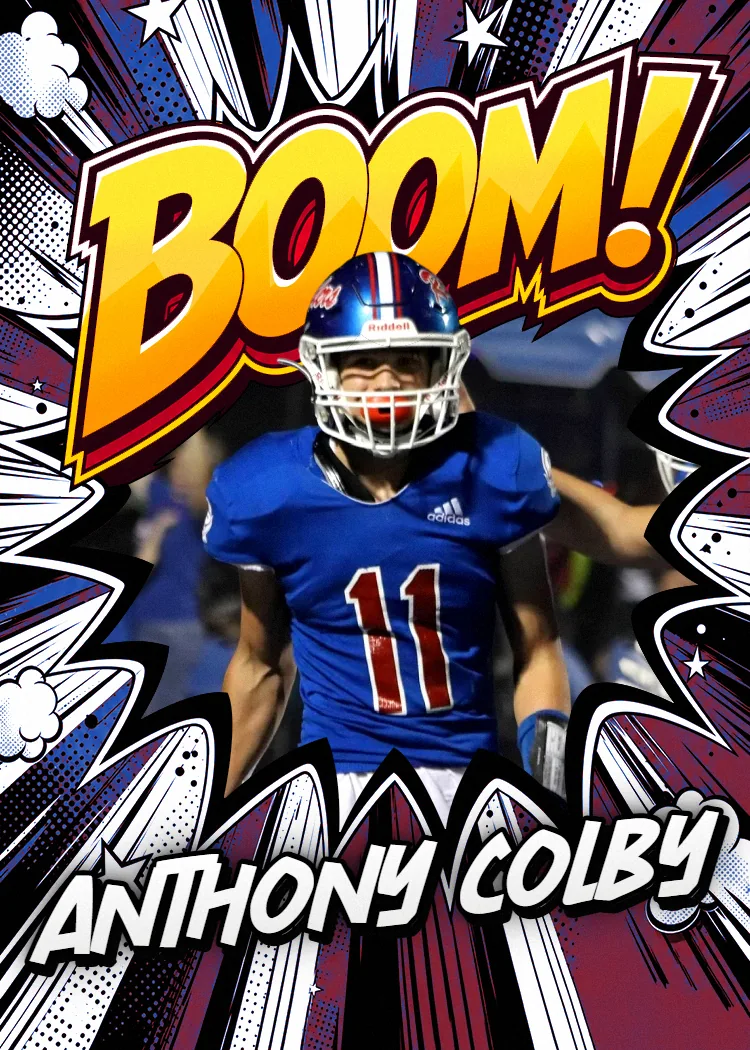
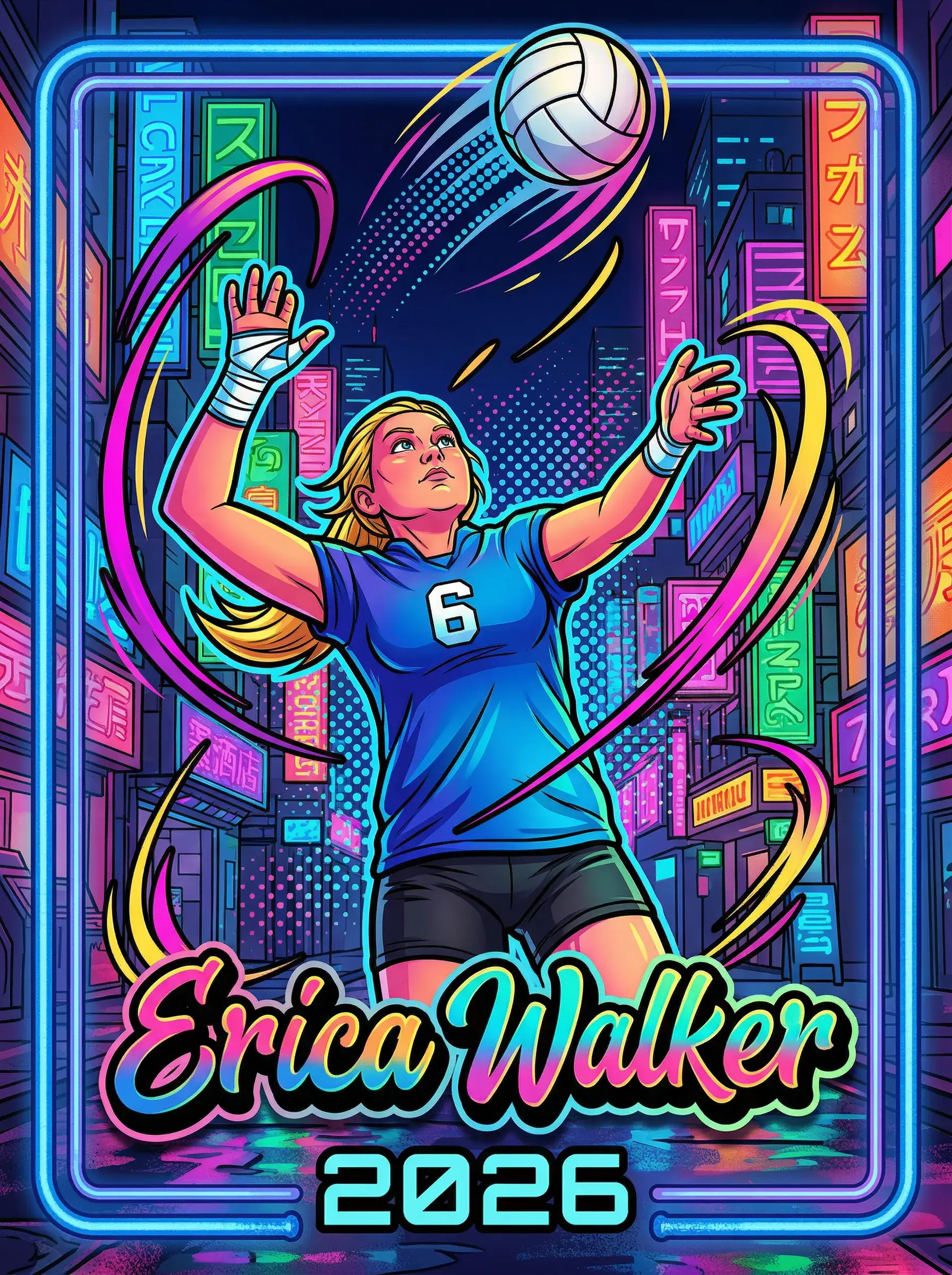
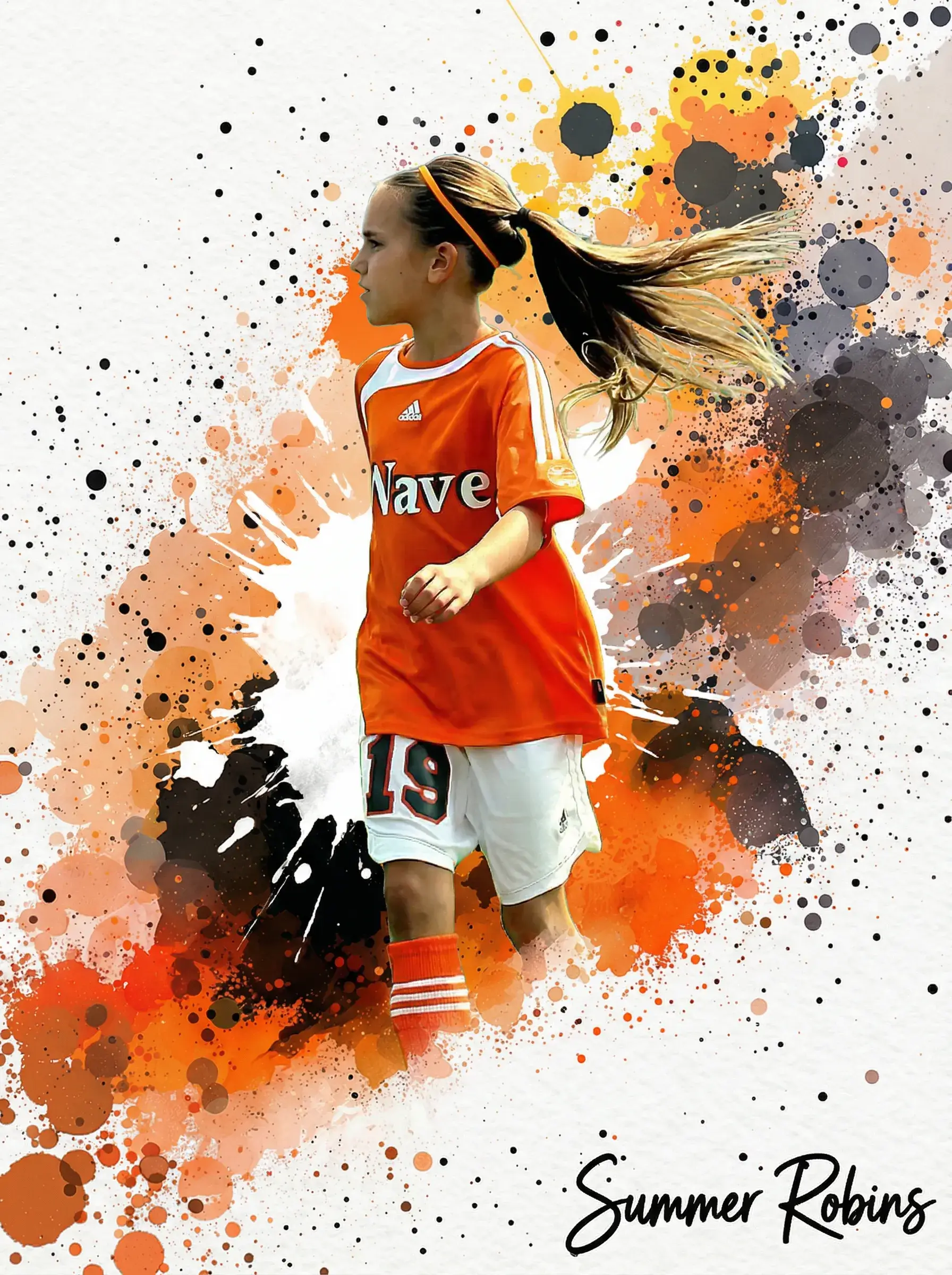
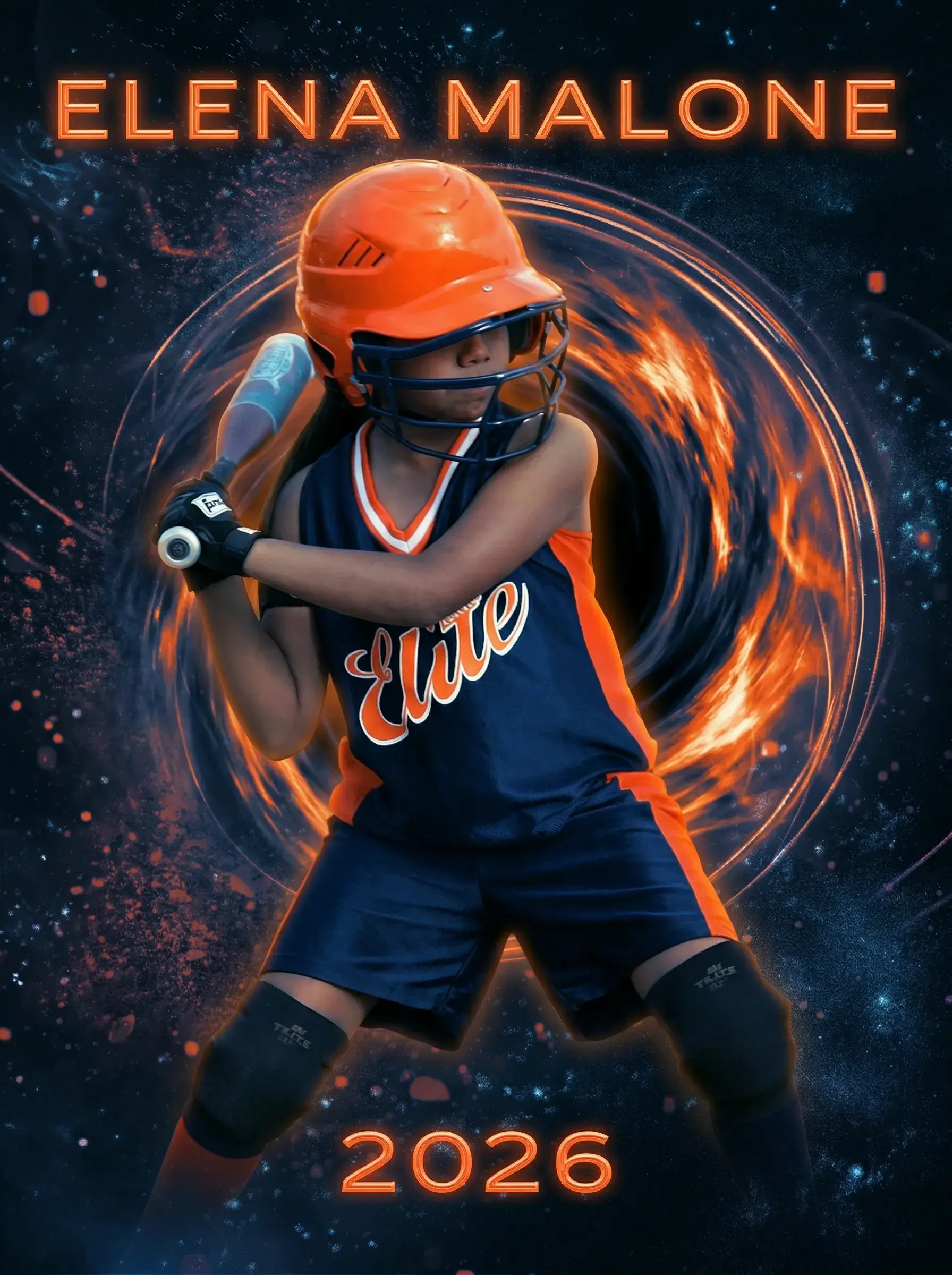
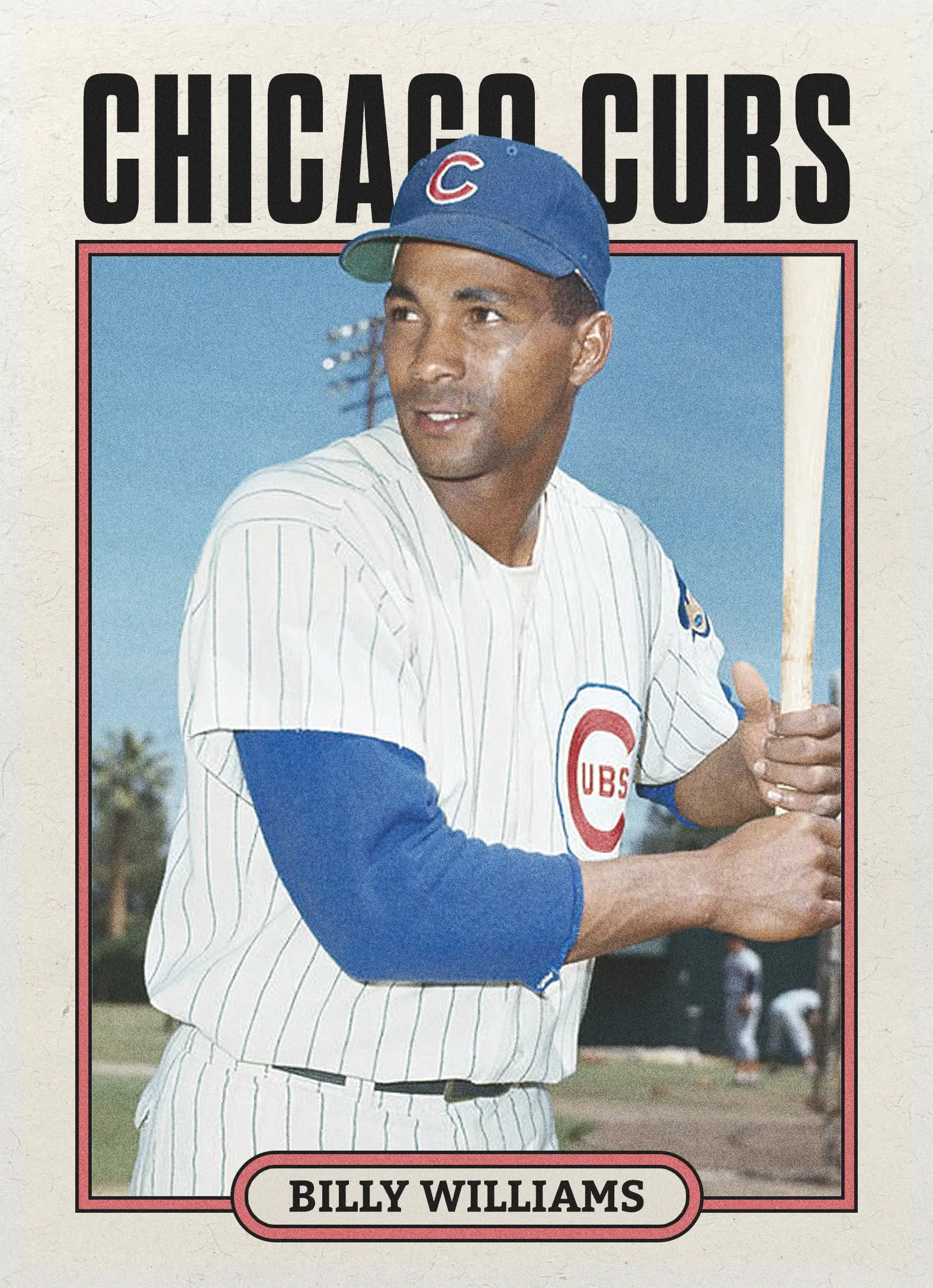
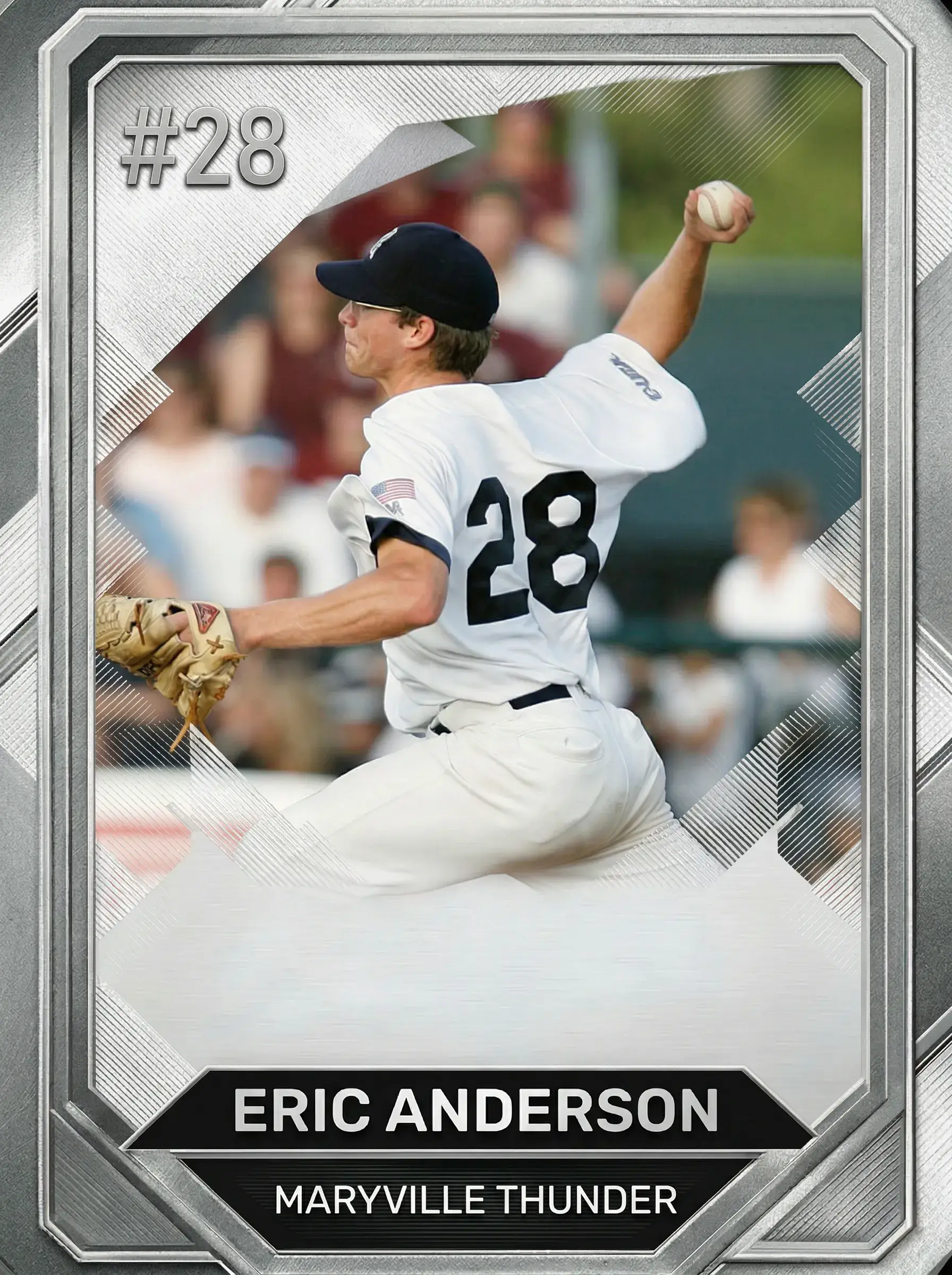
You've Got the Best Camera for Sports Photography and Video — Now Get the Shot Printed
Stop letting great action shots sit buried in your camera roll. Upload your favorite photo, pick a pro-style template, and get a custom card printed on professional card stock, shipped free in 2-3 days with a magnetic case included.
Upload Your Photo NowNo credit card required | Instant preview | Pro-quality designs
Explore More Card Options
Discover more custom trading card options for every sport and occasion