
Best Camera Settings for Sports Photography
One blurry photo costs you the moment. The best camera settings for sports photography make sure that never happens.
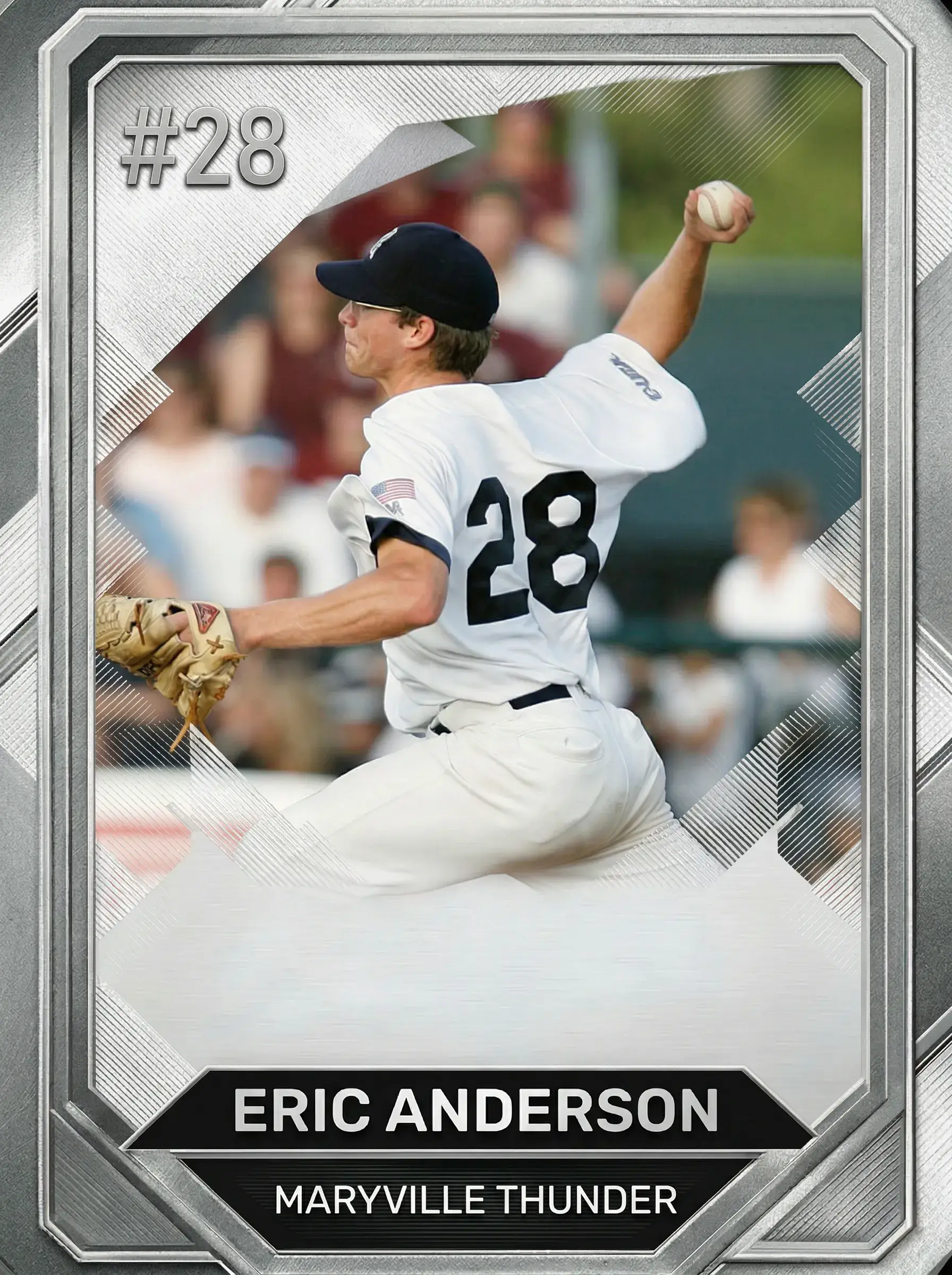
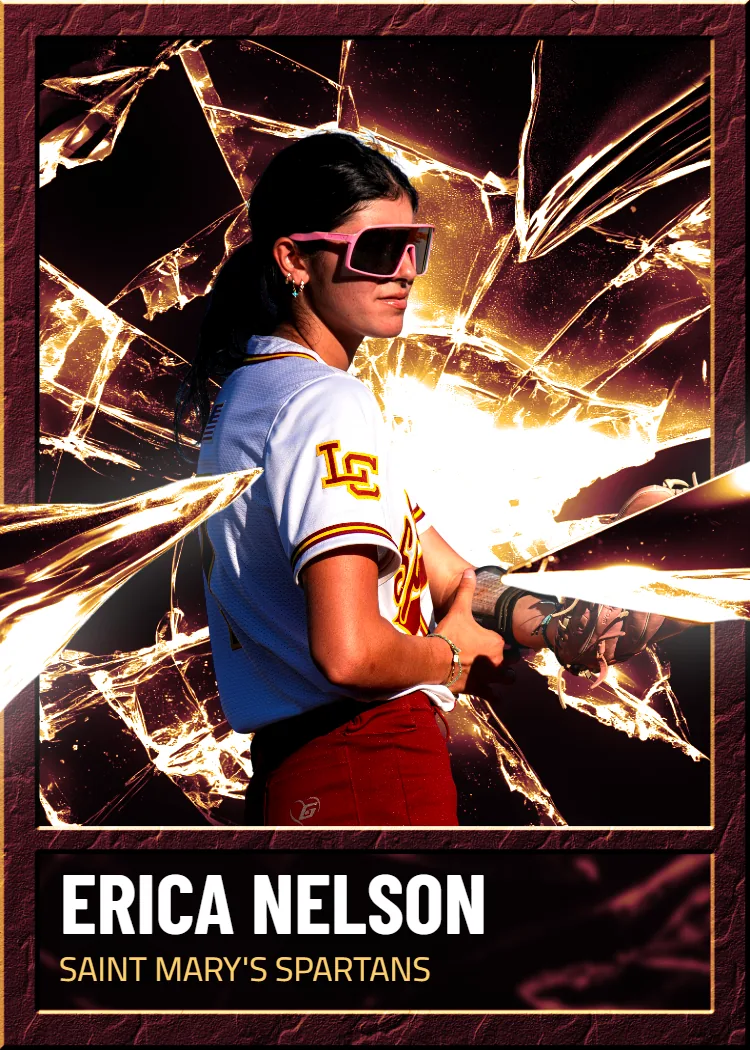
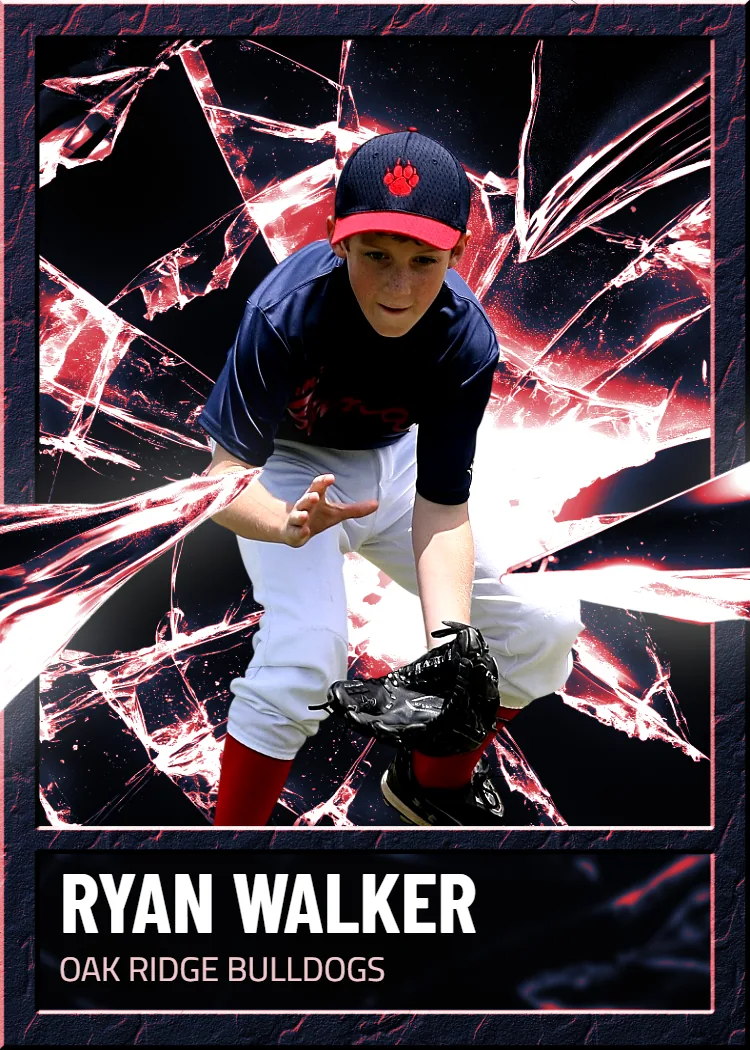
Upload any photo — your kid, your pet, your whole team — pick a pro template, and we print and ship a real, holdable card the next business day.
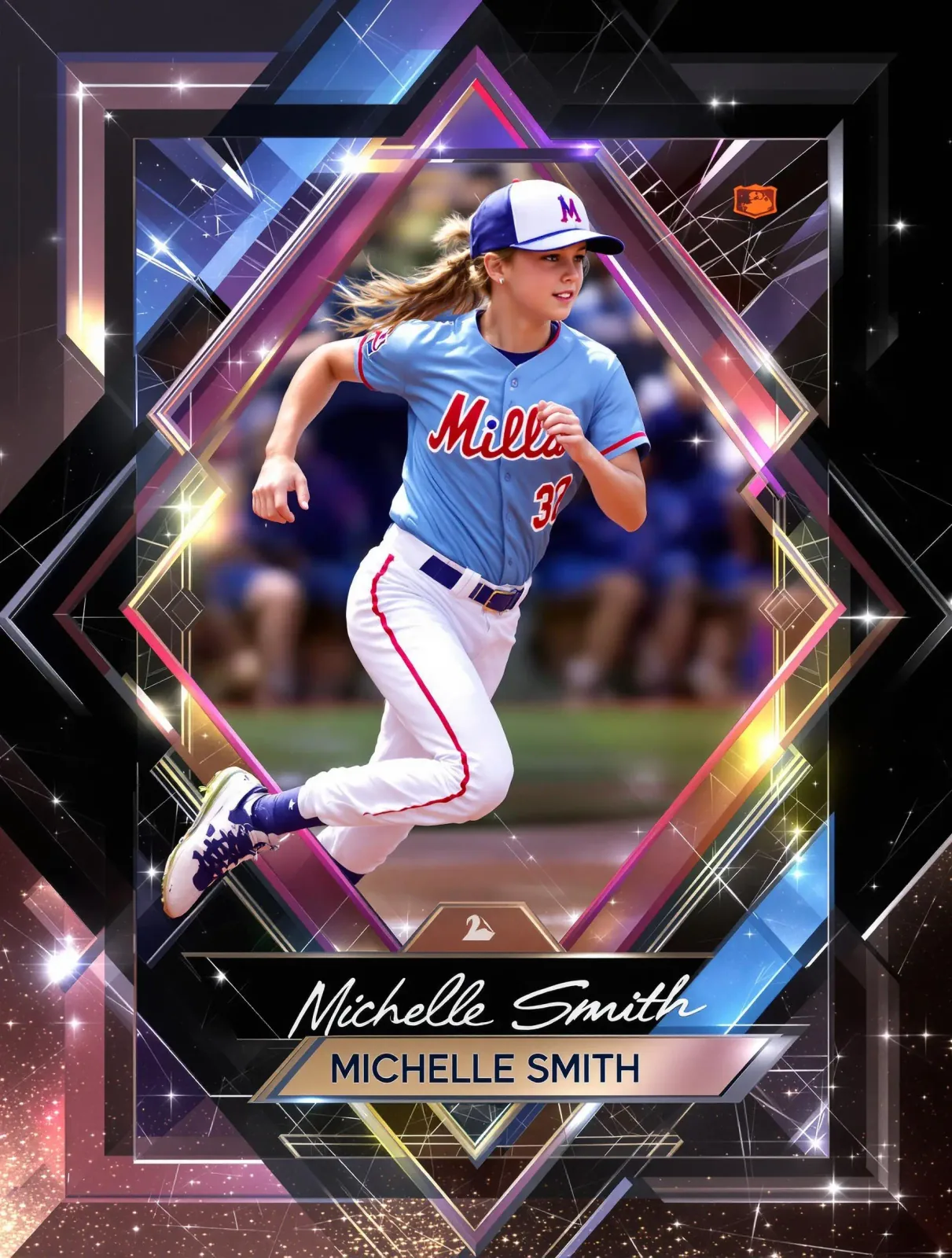
Most action shots get ruined before you ever press the shutter. A slow shutter speed turns a breakaway sprint into a smear. Wrong autofocus mode loses the subject entirely. Too low an ISO in dim gym lighting produces muddy, unusable frames. These aren't minor technical issues — they're the difference between a photo worth keeping and one you delete on the drive home. Sports move fast, light changes without warning, and you rarely get a second chance at the same moment. You need settings dialed in before the whistle blows.
The right camera configuration eliminates guesswork. Shutter speeds at 1/1000s or faster freeze motion cold. Continuous autofocus tracks athletes through every stride and cut. Burst mode captures 10-plus frames per second so you don't miss the peak expression. Once you've locked in those settings and captured that defining image, Snapshot turns it into a premium custom sports trading card — printed on professional card stock, shipped to your door in 2-3 days with a free magnetic case included.
Here's the playbook — settings first, then how to make those photos last forever.
We ship custom sports cards to athletes, parents, and coaches in all 50 states every single week, and we've seen firsthand that the sharpest photos — the ones shot with intention — always produce the most stunning finished cards.
Pre-Game Camera Setup Checklist
- Set shutter speed to 1/1000s or faster before leaving home
- Switch to continuous autofocus (AI Servo or AF-C)
- Enable high-speed burst mode (10+ fps if available)
- Open aperture to widest available setting for the lighting
- Set ISO based on environment — 400 outdoors, 1600+ indoors
- Check memory card capacity and battery level
- Format memory card if it's carrying old files
- Set image quality to RAW or largest JPEG for maximum print resolution
- Test burst sequence on warm-up action before the event starts
- Identify best shooting positions relative to light source
Common Mistakes That Kill Sports Photos Before You Press Shutter
Leaving shutter speed on Auto
Auto shutter often drops to 1/250s in dim light — fast enough to expose correctly but far too slow to freeze motion. Set shutter speed manually every time.
Using single-shot autofocus
Single-shot AF locks on one point and stops tracking. The moment your athlete moves, the shot is soft. Always switch to continuous AF for any sport with movement.
Shooting in the wrong direction relative to light
Positioning yourself with the sun or primary light source behind you keeps your subject properly exposed. Backlit athletes require significant exposure compensation and produce noisier shadows.
Not customizing white balance for gym lighting
Fluorescent and sodium-vapor gym lights create severe color casts — usually green or yellow — that auto white balance can't fully fix. Set a custom white balance or shoot RAW and correct it in post.
Waiting until the action starts to configure settings
Walk in with settings pre-configured for the environment. Dial in shutter speed, aperture, ISO, and AF mode before warm-ups end. You'll miss fewer moments and delete fewer frames.
Free to design, instant preview. Ships the next business day.
Why Nailing Your Settings Changes Everything
Sharp photos aren't just prettier — they're the raw material for something you'll actually keep. These are the real advantages of getting your settings right.
Freeze Motion at Any Speed
A shutter speed of 1/1000s or faster eliminates motion blur on running athletes, swinging bats, or leaping bodies. You get tack-sharp edges on every frame, which means more keepers per burst sequence and far more usable shots to choose from at the end of the game.
Reliable Focus in Chaotic Scenes
Continuous autofocus doesn't just lock on — it predicts where a subject is going. Modern cameras track athletes through crowds, past obstructions, and across the full frame. You spend less time hunting focus manually and more time composing the shot that defines the moment.
Photos Worth Printing and Keeping
A properly exposed, sharp action image is a card-worthy image. When resolution is clean and detail is preserved, Snapshot's printing process reproduces it with the color depth and clarity that makes a trading card look genuinely professional — not like a home-printed photo glued to cardboard.
Confidence at Every Event
Knowing your settings are correct before tip-off, kickoff, or the starting gun means you can focus on positioning and storytelling. You stop second-guessing exposure mid-game and start anticipating the moments that matter — the ones that end up on a card someone keeps for decades.
Who Actually Uses These Settings — and Why It Matters
The best camera settings for sports photography apply across every level of competition. Here's who's getting the most out of them.
Parents at Youth Leagues
Youth sports move at a pace most cameras aren't ready for by default. A parent shooting little league or recreational soccer on a DSLR or mirrorless camera can transform blurry sideline photos into sharp, emotional moments by simply switching to 1/800s and continuous AF. Those frames become Snapshot trading cards that kids carry in their backpacks like the real thing.
High School and College Sports Photographers
Gym lighting at high school basketball games is notoriously harsh and inconsistent. ISO 3200 with f/2.8 and a 1/1000s shutter keeps athletes sharp even under fluorescent overhead banks. The best frames from these shoots translate directly into team card sets — a genuinely memorable end-of-season gift for coaches, parents, and players at every position.
Recreational Adult Athletes
Adult recreational leagues — softball, flag football, martial arts, pickleball — deserve documentation too. Burst mode at 10fps during a competitive point or a big play captures expressions and body language that a single shot never could. Snapshot's single-card option at $17.99 makes it easy to commemorate a standout performance without committing to a full set.
Why Snapshot Customers Keep Coming Back
We ship custom sports cards to athletes, parents, and coaches across all 50 states every week — from small-town recreational leagues to competitive club teams. The combination of fast 2-3 day turnaround, professional card stock, and a free magnetic case included with every order has made Snapshot the go-to choice for people who want their best photos treated with the respect they deserve.
When the photo is sharp and the printing is premium, the result looks like something pulled straight from a pro pack.
Frequently Asked Questions
What is the best shutter speed for sports photography?
For most sports involving running, jumping, or fast lateral movement, 1/1000s is the baseline. It freezes a sprinting athlete cleanly without requiring extreme ISO compensation in decent light. For faster sports — motorsports, baseball pitching, tennis serves — push to 1/1600s or 1/2000s. In lower light conditions like indoor gyms or evening events, you may need to accept 1/800s and bump ISO higher to compensate. The goal is always to eliminate motion blur at the point of peak action, even if it costs you some noise in the shadows.
What autofocus mode should I use for action sports?
Use continuous autofocus — called AI Servo on Canon bodies and AF-C on Nikon, Sony, and Fujifilm systems. Unlike single-shot AF, which locks focus and holds it, continuous AF re-evaluates and adjusts focus every millisecond as your subject moves toward or away from the camera. Pair it with a wide AF zone or subject-tracking mode to keep the camera's focus system latched onto your athlete through the full sequence. This is especially valuable for sports where athletes move unpredictably, like basketball, wrestling, or soccer.
What aperture works best for sports photography?
The widest aperture your lens allows is generally the right starting point — f/2.8 if you're using a fast prime or professional zoom, f/4 to f/5.6 if you're working with a kit lens. A wide aperture lets in more light, which allows faster shutter speeds without pushing ISO too high. It also creates a shallower depth of field that separates your subject from a busy background, making the athlete pop visually. For sports where multiple athletes are in the same frame simultaneously, stop down slightly to f/4 to keep more of the scene in focus.
How high can I push ISO without ruining a sports photo?
Modern full-frame mirrorless and DSLR cameras handle ISO 3200 very well, and many perform acceptably at ISO 6400 with minimal visible noise. Crop-sensor cameras tend to show more noise at high ISOs, so aim to stay at or below 3200 on those bodies. The practical rule: a sharp photo with some grain is always better than a blurry photo with clean noise. Noise can be reduced in post-processing; motion blur cannot. For events in dimly lit gyms or under stadium lights, don't hesitate to push ISO — sharpness wins every time.
Should I shoot RAW or JPEG for sports photography?
RAW gives you far more latitude in post-processing — exposure recovery, white balance correction, and color grading are all significantly more powerful with RAW files. That matters a lot for sports shot under artificial or mixed lighting. The tradeoff is buffer size: shooting RAW at 20 frames per second fills your camera's buffer faster, which can cause the camera to slow down mid-burst. Many sports photographers shoot RAW+JPEG or use high-speed compressed RAW formats to balance image quality with burst depth. If you're planning to send a photo to Snapshot, a well-edited RAW export at full resolution produces the sharpest printed result.
What's the best lens for sports photography on a budget?
The 70-200mm f/2.8 is the industry standard for good reason — it covers most sports distances, focuses quickly, and performs in low light. But it's expensive. For budget shooting, a 70-300mm f/4-5.6 covers the reach you need at a fraction of the cost, though you'll sacrifice some low-light performance. A 50mm f/1.8 prime is outstanding for sports where you're close to the action, like wrestling or martial arts. The single most important lens trait for sports is autofocus speed — read sample reviews specifically for tracking performance before purchasing.
Free to design, instant preview. Ships the next business day.
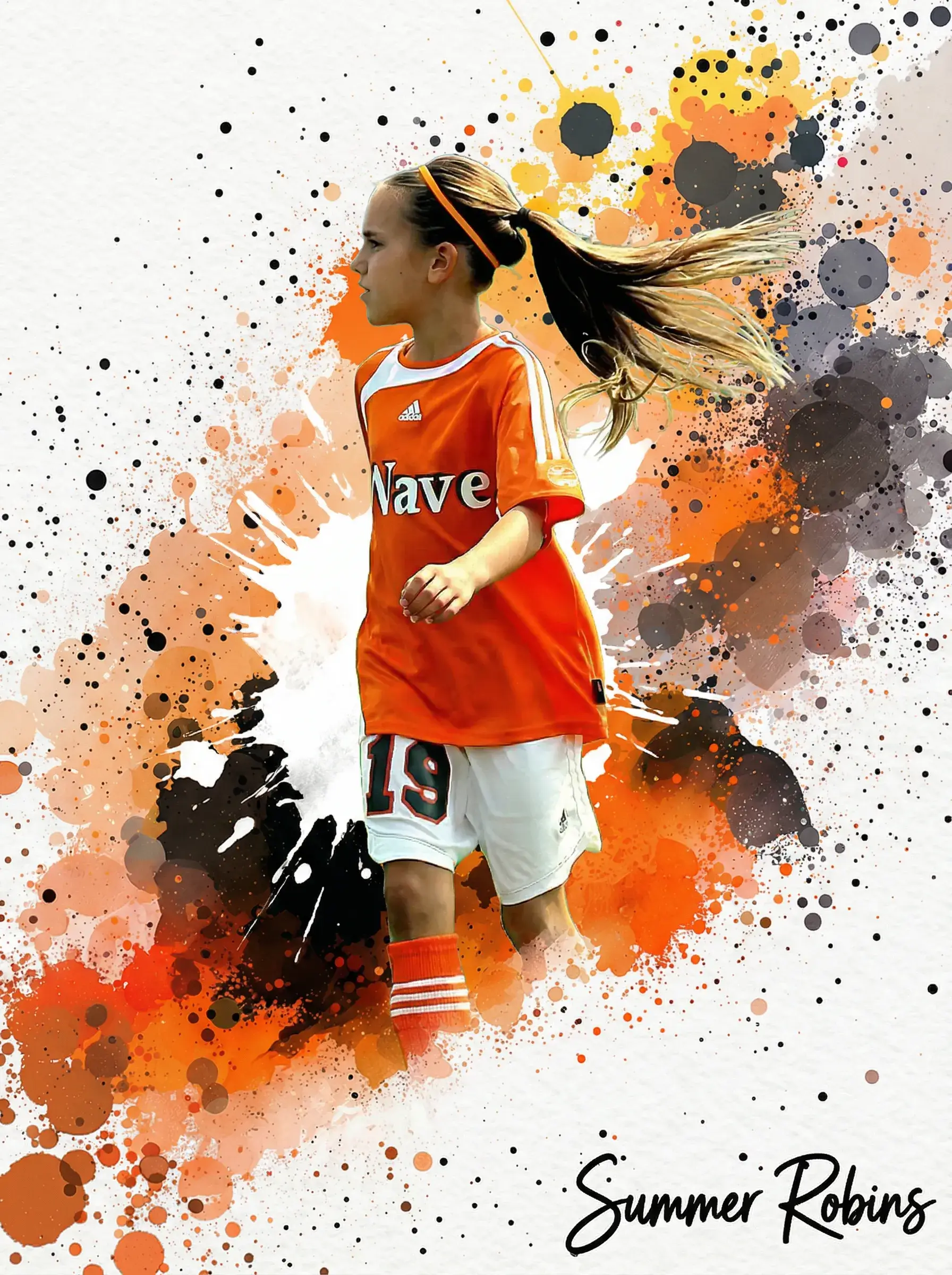
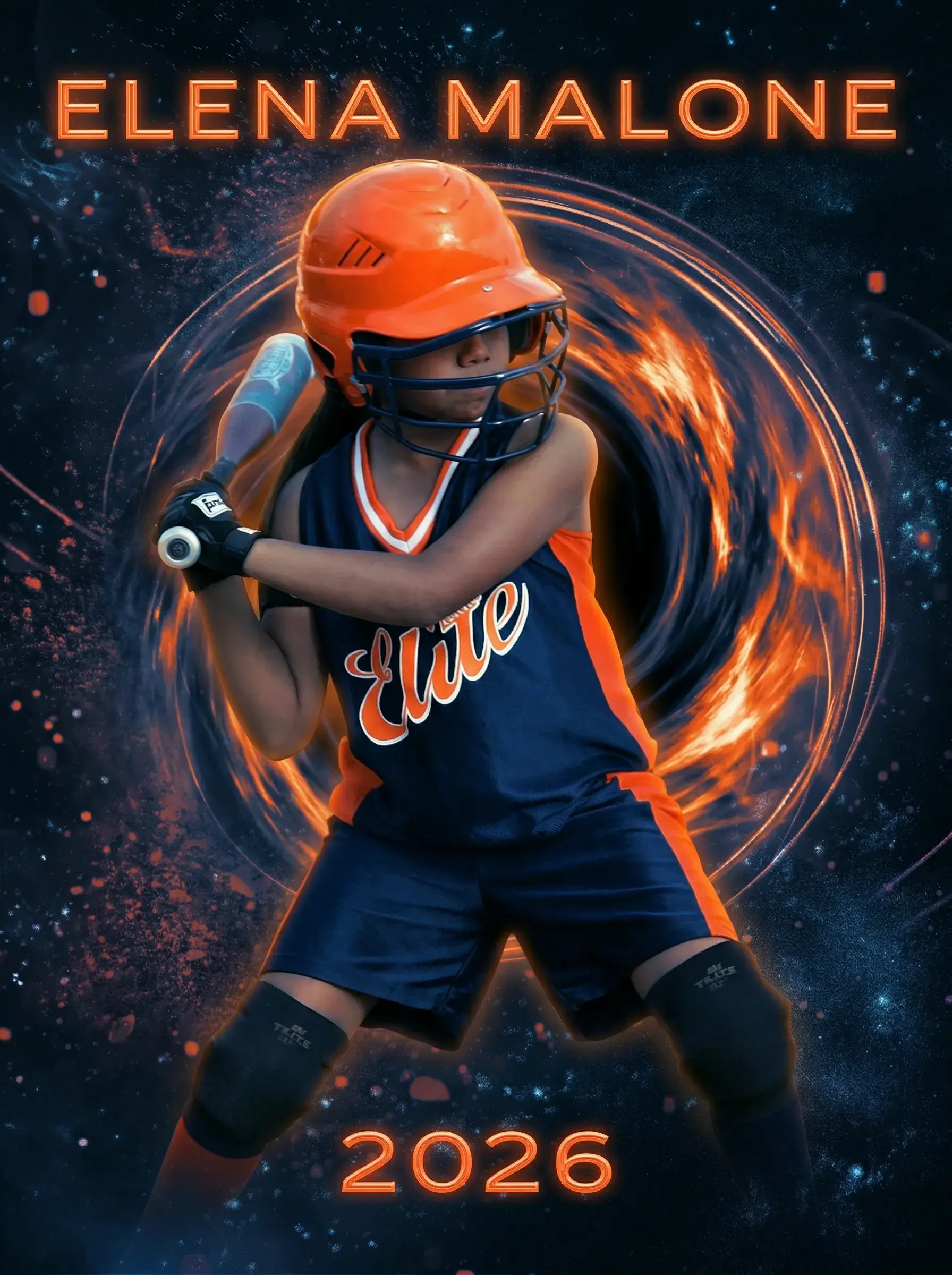
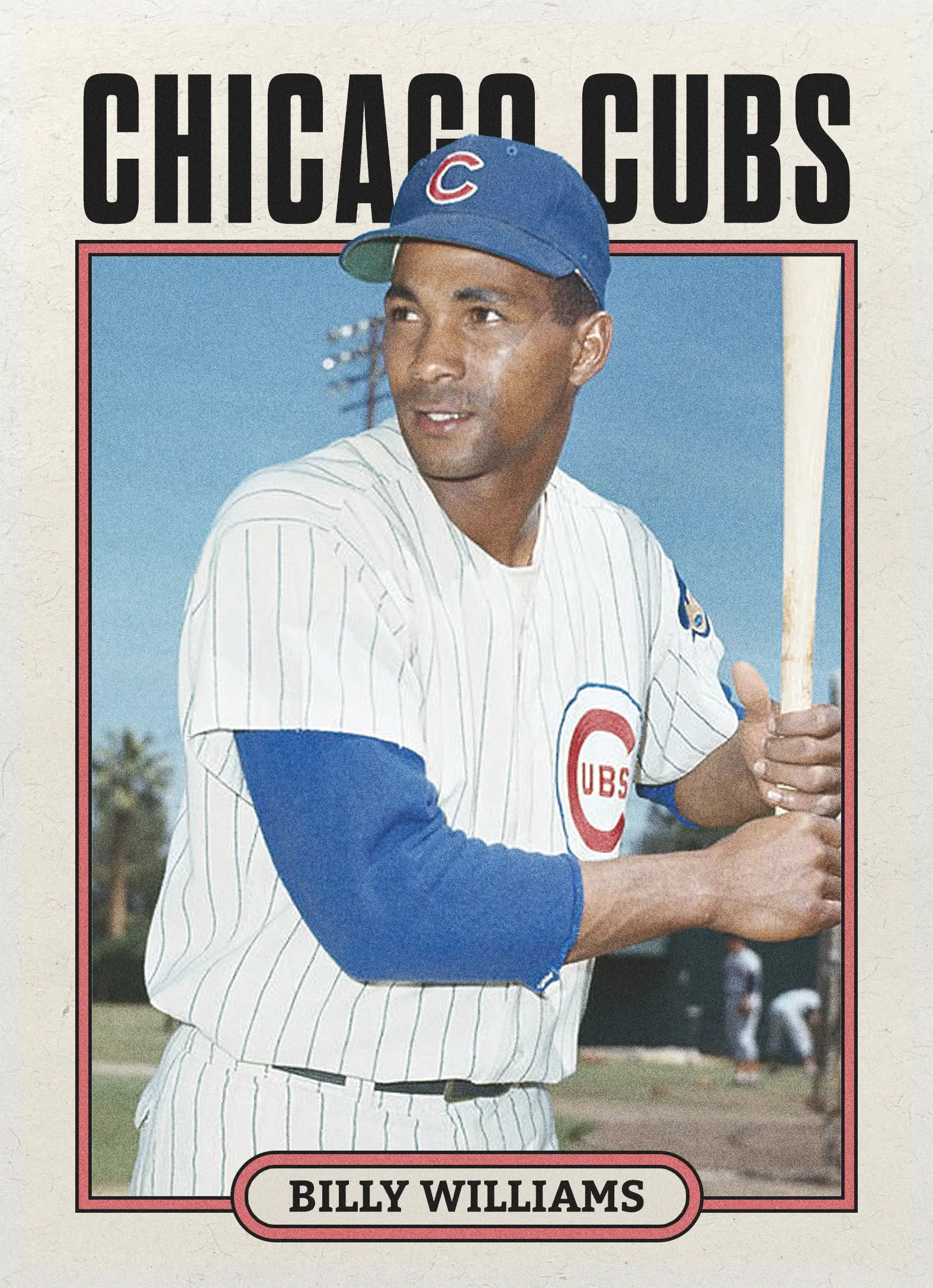
You've Got the Best Camera Settings — Now Make the Photo Last
The best camera settings for sports photography give you the shot. Snapshot gives it a permanent home. Upload your best frame, pick a pro template, and get a premium custom trading card shipped in 2-3 days with a free magnetic case. Printed in the USA. Free shipping nationwide.
Build Your Card NowNo credit card required | Instant preview | Pro-quality designs
Explore More Card Options
Discover more custom trading card options for every sport and occasion