Best Canon DSLR Camera for Sports Photography
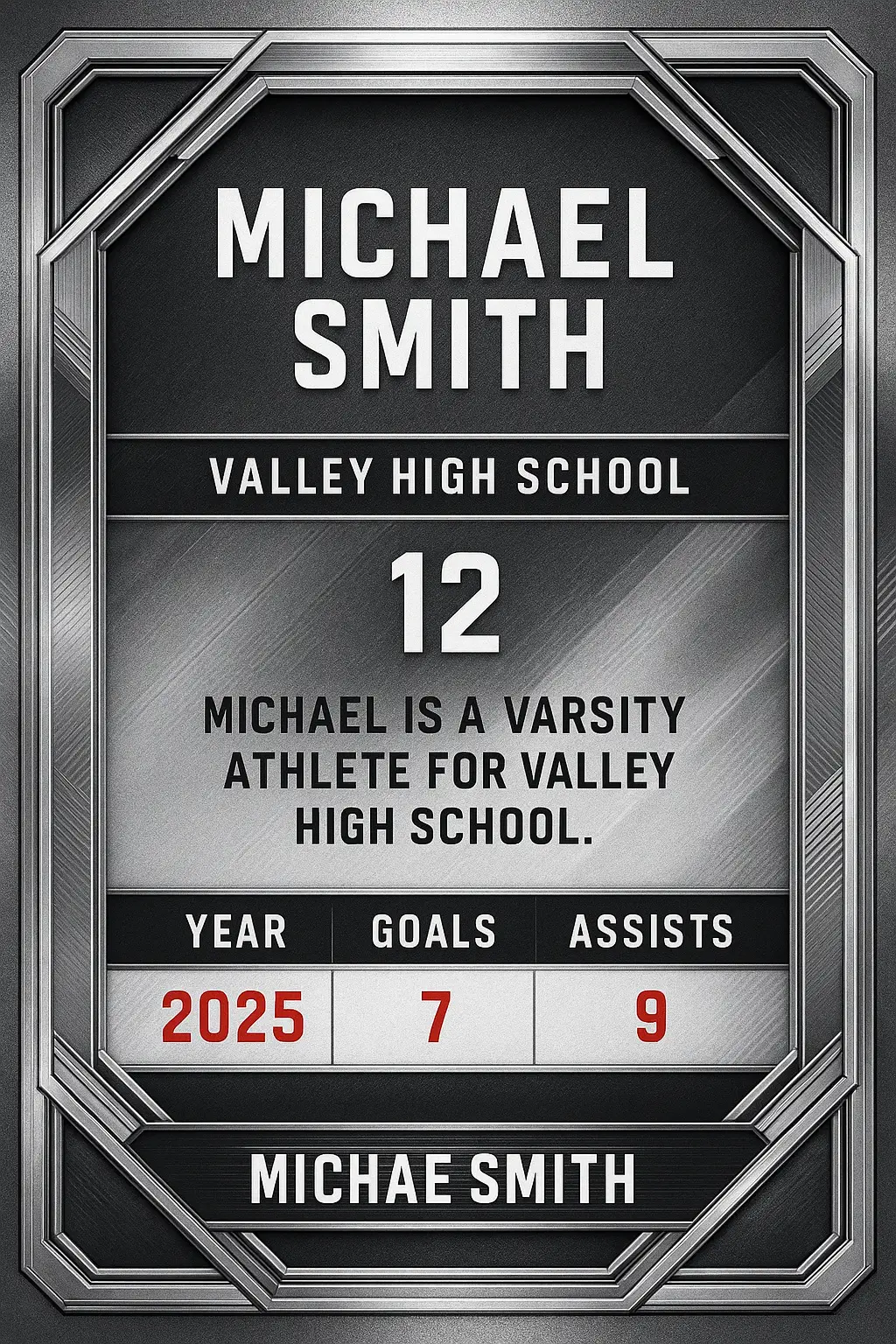
Great sports photos deserve more than a folder on your hard drive. They deserve a card.
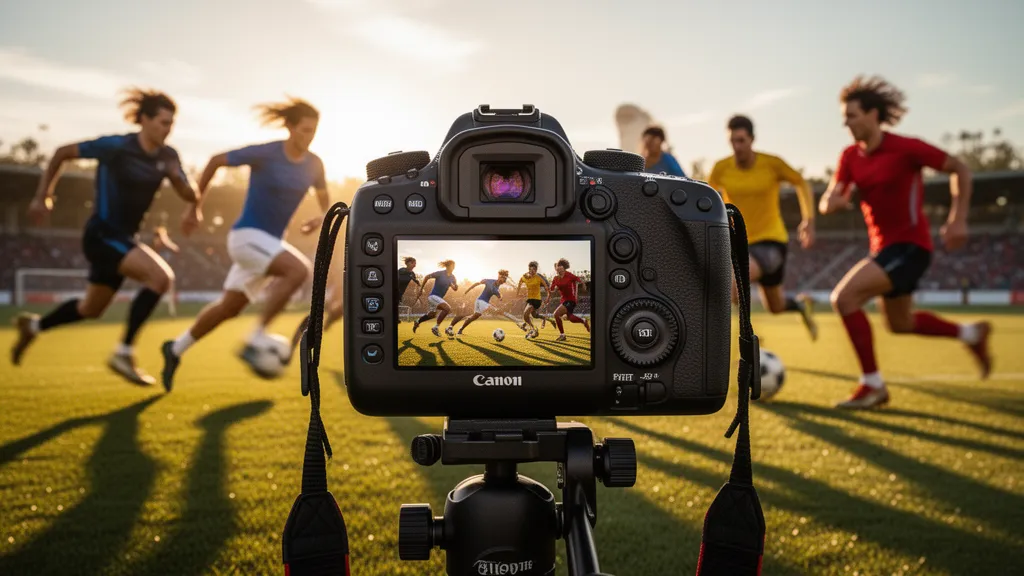
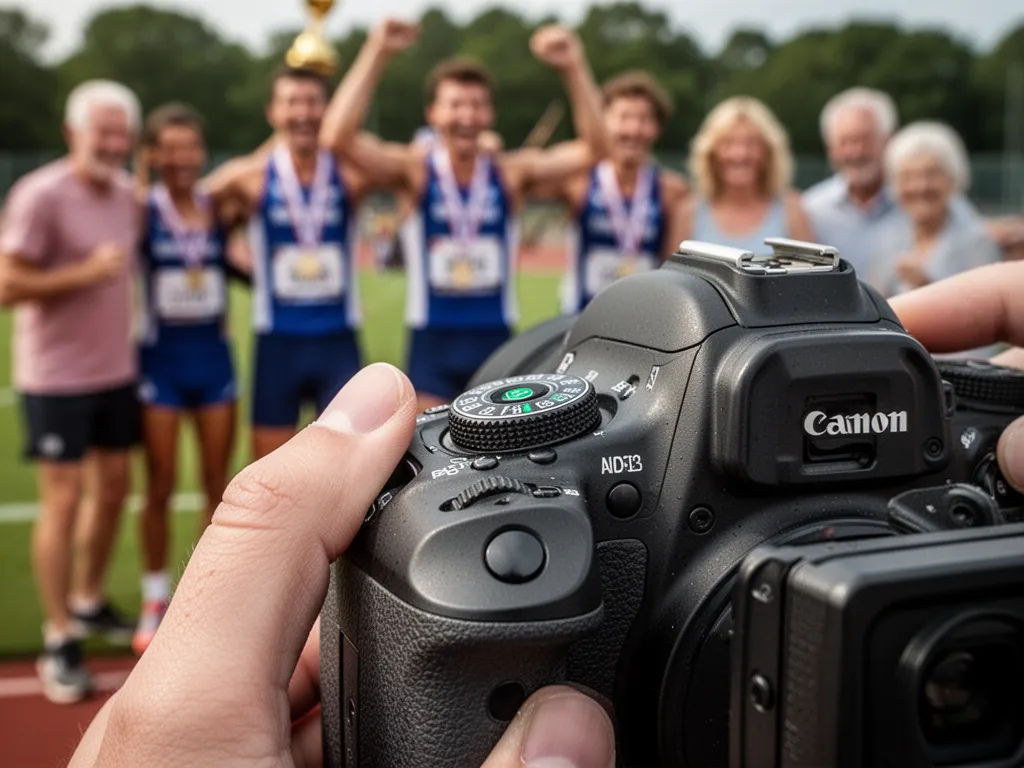
You've done the research on the best Canon DSLR camera for sports photography — autofocus speed, burst rate, ISO range. You've invested real money. And now you've got hundreds of frames that nail the moment: a diving catch, a sprinter at full extension, a goalie's outstretched save. Most of those images will sit unprinted forever. That's the real problem. The camera question is solved. What happens after the shot is where most sports photographers and sports parents completely drop the ball.
Snapshot turns your best action frames into professional custom sports trading cards — printed on premium card stock, shipped in 2-3 days, with a free magnetic case included. Upload your photo, pick a pro-grade template, and we handle the rest from our production facility in Des Moines, Iowa. Single cards start at $17.99. It's the simplest way to honor a moment that the camera worked hard to capture.
Here's how to choose your Canon DSLR and make every sharp frame count for life.
We ship custom sports trading cards to customers in all 50 states every week, and we've seen firsthand how Canon DSLR files from every type of shooter — youth parents, sideline photographers, and coaches — print cleanly on our professional card stock.
How the Best Canon DSLR Cameras for Sports Photography Connect to Custom Cards
The workflow is shorter than you'd think. Three steps take you from shutter click to a card you can hold, give away, or frame.
Shoot with Your Canon DSLR
Use a camera like the Canon EOS 7D Mark II or 90D to capture fast, sharp action at high burst rates. Both bodies deliver 10 fps continuous shooting, which means you're far more likely to land the exact frame where expression, form, and timing align. That specific shot is what makes a trading card look like a trading card — not just a snapshot.
Upload Your Best Frame to Snapshot
Head to Snapshot's site, upload your image, and browse pro sports-card templates built to complement action photography. High-resolution files from a Canon DSLR render crisply at card size. You'll see your photo placed inside a real card layout before you ever pay a cent. Adjust, confirm, and add to cart. The whole process takes under five minutes.
Receive Premium Cards in 2-3 Days
Snapshot prints your card on professional card stock and ships it free across the USA — usually within 2-3 business days. Each order arrives with a free magnetic case so your card is protected from day one. Order a single card or a full pack. Either way, what you get in the mail is something the athlete will keep for decades.
From lens to keepsake in less than a week. That's the full loop — and it starts with your camera.
What a Canon DSLR Actually Gives You (and Why It Matters for Cards)
The technical advantages of a Canon DSLR aren't abstract — each one directly affects how your finished trading card looks.
Tack-Sharp Detail at Card Size
Canon APS-C and full-frame sensors capture fine detail that survives being cropped and resized to 2.5×3.5 inches. You'll see individual jersey numbers, facial expressions, and airborne dust. That detail is what separates a memorable card from a blurry keepsake nobody looks at twice.
Clean Exposures in Any Light
Gym lighting, outdoor dusk games, overcast fields — Canon DSLRs handle them all. Bodies like the EOS 6D Mark II perform reliably at ISO 3200 without unacceptable noise, which means your card print won't have that muddy, grainy look that kills an otherwise great composition.
Burst Mode Catches the Real Moment
A good DSLR fires 8-12 frames per second. Across a single play, that's dozens of candidates. The more frames you have, the higher your odds of landing the peak-action shot: ball at the fingertips, foot breaking the tape, puck on the stick. Cards built from those peak frames simply look more professional.
Versatile Lens Options
Canon's EF and EF-S lens ecosystem is enormous. A 70-200mm f/2.8 telephoto keeps your subject large in the frame from the sideline. Longer primes work for track or baseball. Your lens choice shapes the compression and background blur that make sports cards visually striking without requiring any editing tricks.
Before You Order a Snapshot Card: Canon DSLR Photo Checklist
- ✓Image is in sharp focus at the subject — not the background
- ✓No significant motion blur on the athlete
- ✓File is at least 1500 pixels on the short edge (native DSLR files easily clear this)
- ✓Exposure isn't clipped to pure white or crushed to pure black
- ✓Subject fills at least 40% of the frame, or you've cropped to bring them forward
- ✓JPEG or PNG format (RAW files should be exported before uploading)
- ✓No heavy watermarks overlapping the subject's face or jersey
- ✓Colors look accurate — Canon AWB is generally reliable, but check skin tones
Canon DSLR Myths vs. Facts for Sports Photographers
Quick Facts: Canon DSLR + Snapshot Cards

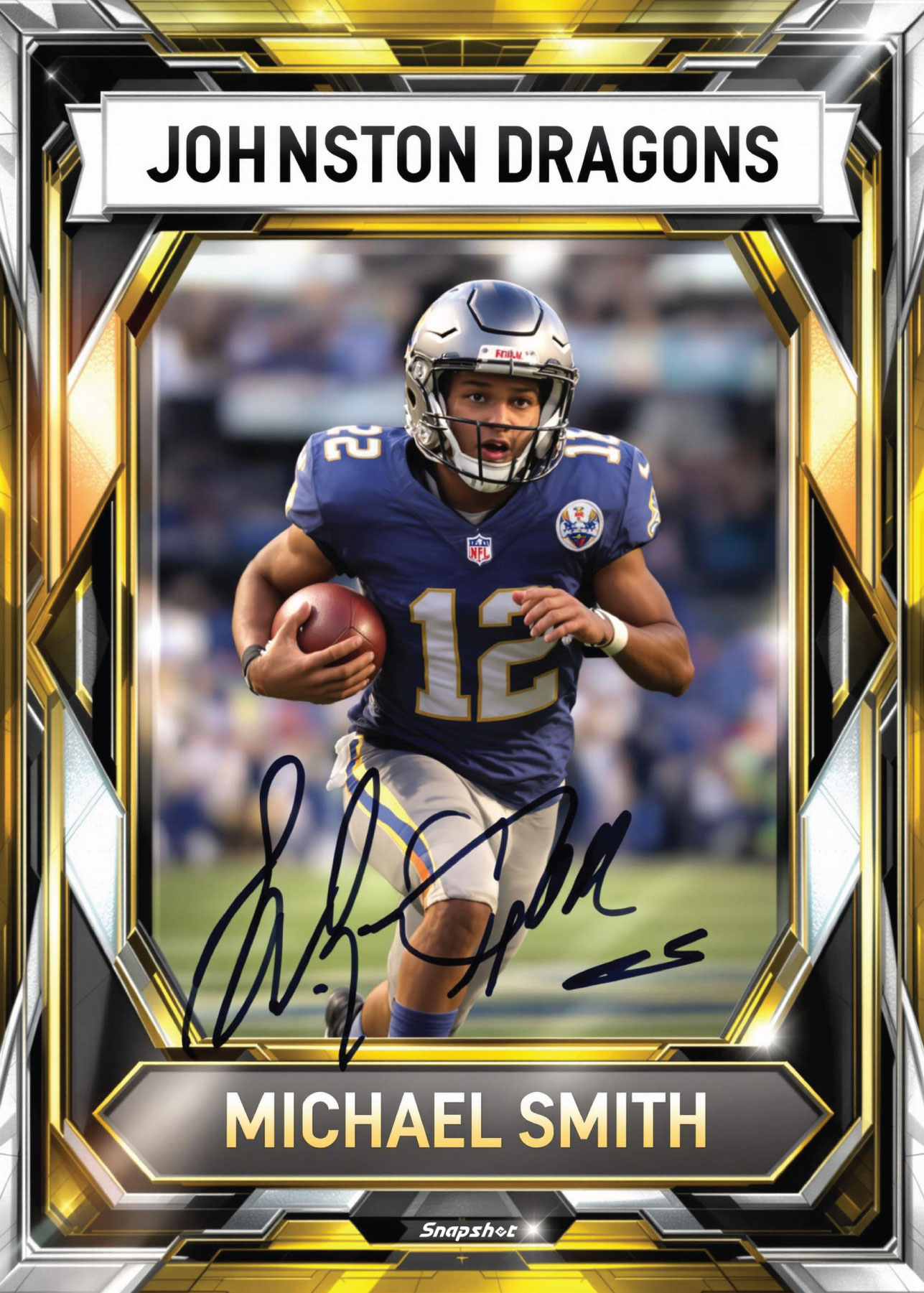

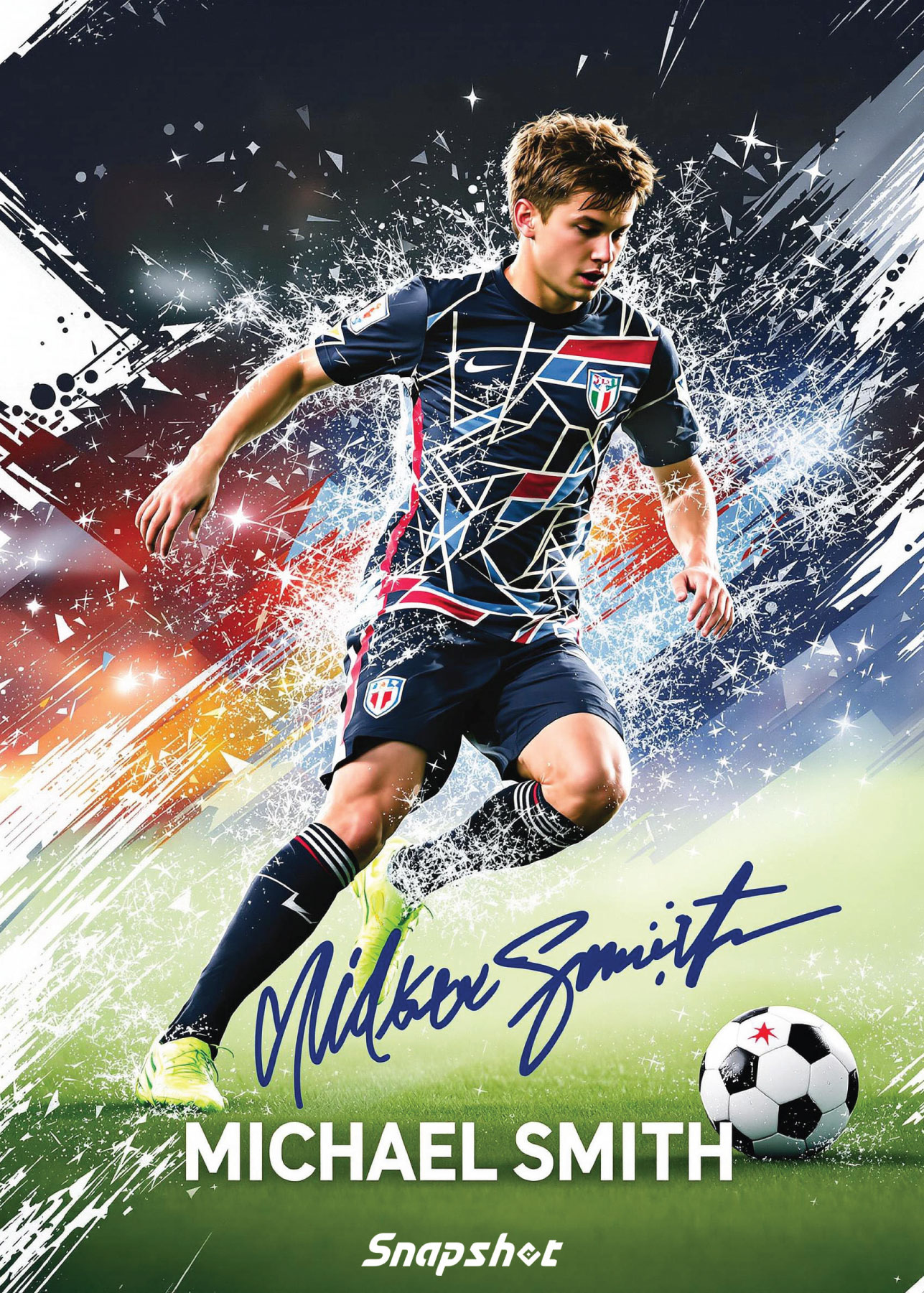
Who's Actually Ordering Cards After the Game
The photographers and parents turning their DSLR files into Snapshot cards come from every corner of sports. Here are three of the most common scenarios.
Youth Sports Parents
A parent shoots their kid's soccer season with a Canon EOS Rebel SL3 or 90D and ends up with thousands of frames. Snapshot lets them pick the single best shot from the championship weekend and turn it into a card that looks like something from a professional set. It's a tangible memento for a season that disappears faster than you expect. Single cards at $17.99 make it easy to order one per kid without breaking a budget.
Sideline Sports Photographers
Photographers covering high school and college athletics already understand focal length, shutter priority, and burst mode. What they're often missing is a product to offer families beyond a digital download link. Snapshot cards give photographers a physical premium product to bundle with session packages. The turnaround — 2-3 days — makes it practical to promise cards before a season wraps up.
Coaches and Team Programs
End-of-season card packs are increasingly common across youth leagues, travel teams, and high school programs. A coach who shoots with a Canon 7D Mark II can supply Snapshot with clean individual player portraits and receive full team packs priced up to $49.99. Each player gets a card that looks like the real thing. It doubles as a team-building gift that players actually keep.
Why Snapshot Has Earned a Reputation for Quality
Snapshot ships custom sports trading cards to customers across all 50 states every week, and the most consistent feedback we see is that the cards look more professional in-hand than buyers expected from a photo they took themselves. Printing in Des Moines, Iowa with professional card stock and quality controls built into every order means the gap between your DSLR image and the finished card is as small as it can possibly be. That's not an accident — it's the whole point.
Snapshot Pricing — Straightforward, No Surprises
Every order includes free shipping across the USA and a free magnetic case with your cards.
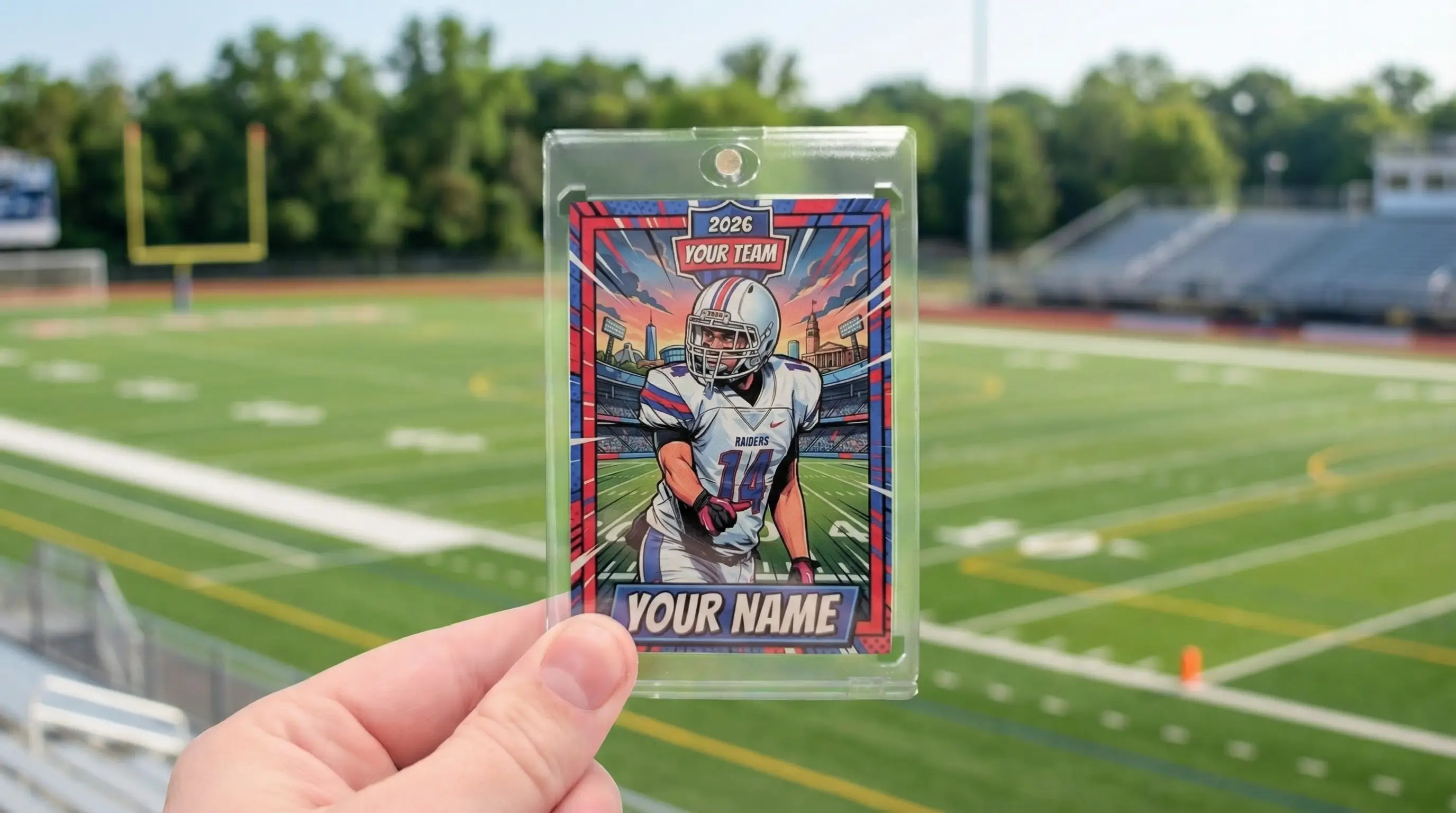
The Rookie Box
Perfect for those unforgettable moments
$17.99 - $49.99
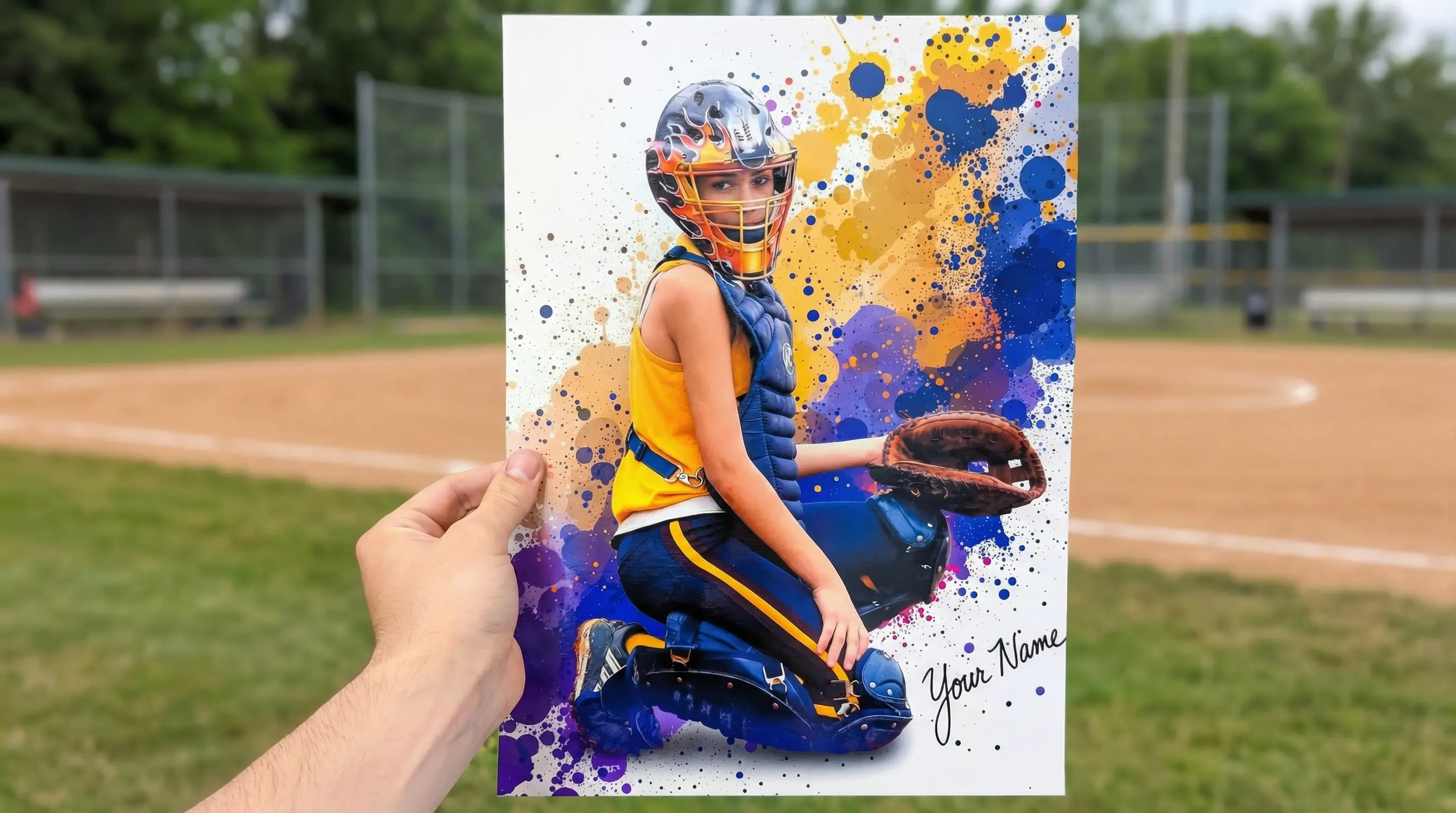
MEGA Card
Their moment, bigger than ever
$49.99
Create for free • Ships in 2-3 days • Made in Des Moines, IA, USA
Frequently Asked Questions
Everything you need to know about best canon dslr camera for sports photography
What's the best Canon DSLR camera for sports photography overall in 2025?
The Canon EOS 7D Mark II remains a strong pick for dedicated sports use — 10 fps burst, 65-point autofocus, and excellent battery life built for long shooting sessions. If you want a newer body, the Canon EOS 90D improves on the 7D Mark II's sensor with a 32.5 megapixel output, which gives you more room to crop before the image degrades. For photographers who need fast tracking above everything else, the 90D's Dual Pixel CMOS AF is noticeably better in unpredictable sports scenarios like basketball or wrestling. Either body produces files that look excellent when printed as Snapshot trading cards.
Does full-frame really matter for sports, or is APS-C good enough?
This is one of the most argued points in sports photography, and the honest answer is: APS-C is good enough for the vast majority of use cases. Canon's APS-C bodies like the 90D actually offer an effective focal-length multiplier of 1.6x, which extends the reach of a 200mm lens to an equivalent 320mm — a real advantage from the sideline. Full-frame bodies like the Canon EOS 6D Mark II offer better high-ISO performance, which helps in poorly lit gyms. But at card-print resolution, an APS-C image from a well-exposed shot is indistinguishable from a full-frame shot.
What shutter speed should I use for sports with a Canon DSLR?
Start at 1/1000s for most outdoor sports and push to 1/1600s or 1/2000s for faster subjects like sprinters, baseball pitchers, or lacrosse passes. Indoor sports in gym lighting often force you down to 1/500s or 1/640s to maintain a usable ISO. The goal is to freeze motion without introducing so much noise from high ISO that your card print looks muddy. Set your Canon to shutter priority (Tv mode) and let the camera choose aperture. That's the most practical starting point for anyone who doesn't want to think in manual every time.
Which Canon lenses pair best with a DSLR for sideline sports shooting?
The Canon EF 70-200mm f/2.8L IS III is the gold standard — it's fast, sharp, and stabilized, which matters when you're handholding at a long game. If that's outside your budget, the EF 70-200mm f/4L IS II is sharper than its price suggests and significantly lighter. For tighter venues like gyms or small fields, a 50mm or 85mm prime at f/1.8 lets you work closer with a wide aperture for background blur. The lens matters more than the body for sports — a mediocre body with an excellent lens will outperform the reverse.
How many megapixels do I need for a good-looking sports trading card?
Trading cards are 2.5×3.5 inches — a small physical format. You don't need a 45-megapixel medium-format sensor to produce a sharp, vivid card. Even an older Canon EOS Rebel T6 at 18 megapixels produces files that print beautifully at card size when the shot is in focus and properly exposed. What actually affects card quality more than megapixels is sharpness at the point of capture and exposure accuracy. Snapshot's professional printing process does the rest. More megapixels are helpful if you're cropping heavily, but for a well-framed shot they're not the deciding factor.
Can I use a Canon DSLR photo to make a Snapshot trading card, or does it need to be edited first?
You can upload a straight JPEG from your Canon without any editing and get a great-looking card. Canon's in-camera Picture Styles — particularly the 'Standard' or 'Landscape' profiles — tend to produce punchy, saturated JPEGs that translate well to print. That said, if you shoot RAW, a light edit in Lightroom to correct exposure and boost contrast before export will give you the best possible result. Snapshot's templates are designed to complement action photography, so strong colors and sharp subjects work naturally within the card layouts. You don't need to be a photo editor to get a card worth keeping.
What's the difference between a Canon DSLR and a mirrorless camera for sports photography?
Canon's mirrorless R-series cameras — like the EOS R7 — offer faster electronic shutters, eye-tracking autofocus, and a more compact form factor. DSLRs like the 90D and 7D Mark II use optical viewfinders and phase-detect autofocus through dedicated AF sensors, which many experienced sports photographers still prefer for its predictability and zero blackout between frames. For printing purposes, both produce files that are more than adequate for custom trading cards. The choice between DSLR and mirrorless comes down to your shooting style, not your final card quality. Either system will serve you well.
Is the Canon EOS Rebel series good enough for sports, or do I need a professional body?
The Rebel series — T7i, T8i, SL3 — is capable of real sports photography, especially for youth leagues and casual sideline shooting. The T8i offers 7 fps burst and Dual Pixel AF, which is genuinely competitive. The main limitations are buffer depth (the camera slows down after a long burst) and weather sealing (none, which matters at outdoor events in rain). For most parents and recreational photographers shooting youth or high school sports, a Rebel body with a fast lens is more than enough to capture card-worthy frames. You don't need a $3,000 body to get a $17.99 card that looks incredible.
How does Snapshot turn my sports photo into a trading card?
You upload your image directly on the Snapshot website, then select a template from a library of pro sports-card designs. The interface places your photo inside the chosen card layout so you can see exactly how it'll look before ordering. Once you confirm and pay, Snapshot's production team in Des Moines, Iowa prints your card on professional card stock and ships it with a free magnetic case within 2-3 business days. Free shipping is included on every USA order. There's no subscription, no minimum order, and no complicated upload process. One photo, one card, done.
What card formats does Snapshot offer, and which one should I choose?
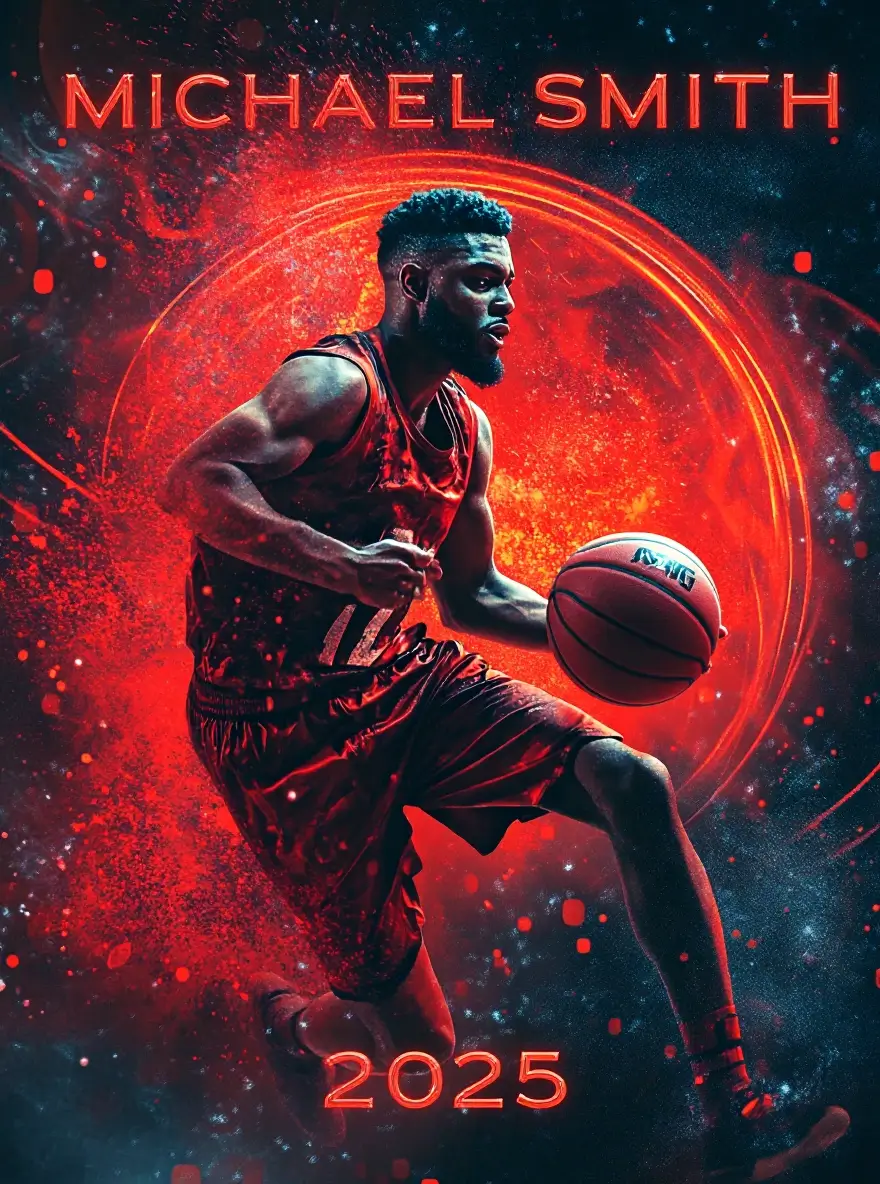
Snapshot offers three main options. A single standard card at $17.99 is the classic choice — trading-card sized, premium card stock, magnetic case included. Card packs run up to $49.99 and work well for team gifts or ordering multiple players from a single season. The MEGA card — an 11×15 poster card priced at $49.99 — is designed for a display-worthy statement piece. If you've got one exceptional frame from a highlight moment, the MEGA format lets that image breathe at a scale a standard card simply can't match. All formats include free USA shipping.
You Found the Best Canon DSLR Camera for Sports Photography — Now Use It
Your sharpest frame deserves more than a cloud folder. Upload your photo to Snapshot, pick a pro template, and get a premium custom sports trading card shipped free in 2-3 days. Single cards from $17.99. Made in Des Moines, Iowa.
No credit card required | Instant preview | Pro-quality designs
Explore More Card Options
Discover more custom trading card options for every sport and occasion
Custom Best Canon Camera For Sports Photography
Create custom cards →
Custom Best Dslr Camera For Sports Photography
Create custom cards →
Custom Best Canon Dslr For Sports Photography
Create custom cards →
Custom Best Nikon Dslr Camera For Sports Photography
Create custom cards →
Custom Canon Sports Photography Camera
Create custom cards →
Custom Best Camera For Sports Photography
Create custom cards →