
Canon Camera for Sports Photography: Separating Myth From Fact
Everyone assumes you need a $3,000 body to shoot usable sports photos. That's not quite true.
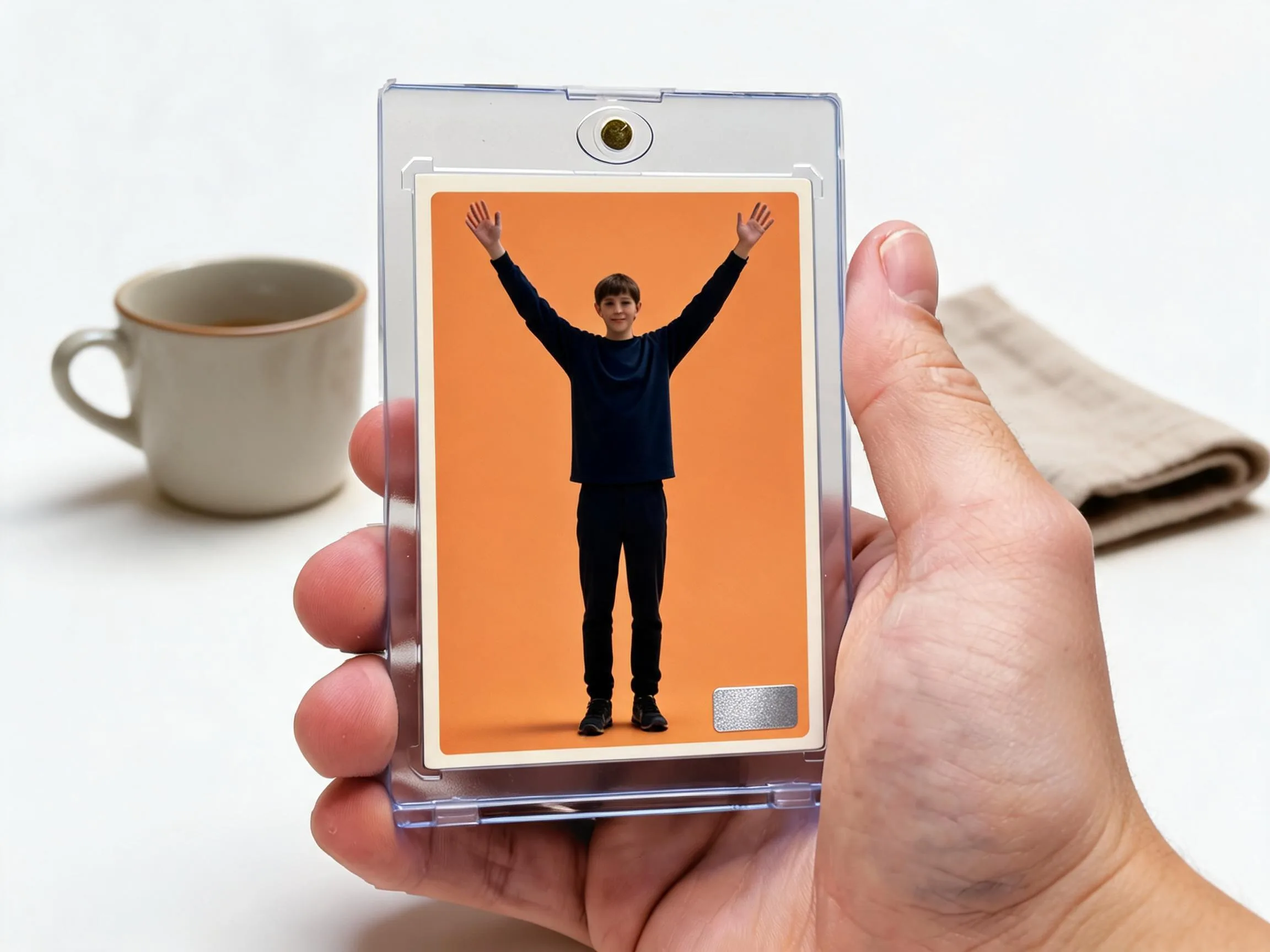
Upload any photo — your kid, your pet, your whole team — pick a pro template, and we print and ship a real, holdable card the next business day.
Search for a canon camera for sports photography and you'll hit forum threads arguing about frame rates, autofocus points, and whether crop-sensor bodies can 'really' freeze action. Parents on the sideline, rec-league coaches, and weekend hobbyists get buried under gear talk meant for photojournalists on NFL contracts. Most of it doesn't apply to someone photographing a kid's soccer game or a local tournament. The myths pile up fast: you need the newest model, you need a 400mm lens, you need to shoot RAW or your photos are worthless. None of that is strictly accurate for the person just trying to capture a great moment.
Here's the practical version: a mid-range Canon body with decent burst shooting and a used 70-200mm lens will outperform most photographers' skill level for years. What actually matters is shutter speed, timing, and knowing your sport. Once you've got a sharp image, the real payoff is what you do with it — and that's where a printed keepsake, not another folder on your hard drive, makes the photo mean something.
Let's walk through what's fact, what's myth, and what happens after you press the shutter.
We ship custom cards to teams, parents, and hobbyist photographers in all 50 states every week, printed from every camera type imaginable.
Frequently Asked Questions
Do I need the newest Canon camera model for sports photography?
No, and this is one of the most persistent myths out there. Autofocus tracking and burst speed improved a lot over the last decade, but even a five-year-old Canon Rebel or EOS body handles youth and rec-league sports just fine. What actually determines your success rate is shutter speed, light, and shooting in bursts around the action, not the manufacture date stamped on the body. A brand-new $2,500 camera in the hands of someone using the wrong shutter speed will still produce blurry photos. Meanwhile, a used $300 body set up correctly captures sharp, usable action shots consistently. Save the upgrade money for a better lens instead — that's where the real image quality gain happens for telephoto sports work. If you already own a Canon from several years back, there's a good chance it's more than capable, and the fastest way to find out is to shoot a game this weekend and review the results at 100% zoom.
What's the best Canon lens for sports photography on a budget?
A used Canon 70-200mm f/4 lens is the classic budget recommendation, usually running $150 to $400 depending on condition, and it covers most field and court sports without breaking the bank. It's lighter than the f/2.8 version too, which matters if you're holding it for two hours on a sideline. For tighter budgets, a 55-250mm kit-style zoom lens can still get you usable shots at rec-league distances, though it won't isolate subjects from the background as cleanly. Reach matters more than aperture for most amateur shooters, since you're usually shooting outdoors in daylight where a wide aperture isn't critical. Avoid buying a longer lens than you actually need; a 400mm prime is overkill and hard to handhold for anyone without practice. Renting a lens for one big tournament before committing to a purchase is also a smart, underused option many sideline parents don't consider.
Can I shoot good sports photos with a Canon Rebel?
Yes, absolutely, and this gets underestimated constantly in gear discussions online. The Rebel line shoots at roughly 5 frames per second on most models, which is plenty to catch a peak-action moment if you're shooting in bursts rather than single shots. Autofocus on newer Rebels includes Dual Pixel tracking, which handles moving subjects reasonably well for daylight games. The limitation shows up more in low light, like an indoor gym under weak fluorescent lighting, where a Rebel's smaller sensor struggles compared to full-frame bodies. Outdoors, on a bright afternoon field, the gap between a Rebel and a $3,000 body narrows dramatically. Most of what separates a great sports photo from a mediocre one comes down to positioning, timing, and shutter speed choices anyway. Plenty of standout action shots we've seen printed as custom cards came straight from an older Rebel body and a secondhand zoom lens.
What shutter speed should I use for sports photography?
Start at 1/1000th of a second for most field sports and adjust from there based on how fast the action is moving. Faster sports like sprinting, diving, or fast-break basketball benefit from 1/1600s or higher to fully freeze motion without any blur trailing off a limb or ball. Slower-paced moments, like a pitcher's windup or a golf swing, can work at 1/500s if you want a touch of motion blur for a dynamic feel. Indoor sports under artificial lighting are trickier because faster shutter speeds mean less light hits the sensor, so you'll often need to raise your ISO to compensate. Don't be afraid of some grain from a higher ISO setting; a slightly noisy but sharp photo prints far better than a smooth but blurry one. Shutter priority mode handles this automatically if you're not confident adjusting settings manually mid-game, which is honestly the easiest starting point for most beginners.
Is a mirrorless Canon camera better than a DSLR for sports?
For sports specifically, yes, mirrorless bodies generally have an edge, mainly because of faster continuous shooting speeds and more sophisticated eye and subject tracking autofocus. Canon's R-series mirrorless line, like the R7 or R6, shoots considerably faster bursts than comparable DSLR bodies, which helps when you're trying to catch a single decisive frame in a fast sequence. That said, a DSLR isn't obsolete or incapable — it's still a perfectly good tool, and the used market makes DSLR gear far more affordable right now. If budget is tight, a well-used DSLR with a good lens will outperform a brand-new mirrorless body paired with a cheap kit lens every time. The real question isn't DSLR versus mirrorless in the abstract; it's which system fits your budget and which lenses you can afford to pair with it. Either way, the photo you walk away with is what matters once it's printed.
How many photos should I take during a game?
Plan on shooting far more than you think you'll need, since sports photography has a low keeper rate even for experienced shooters. It's normal to take 300 to 600 photos across a single game and end up with only 10 to 15 genuinely sharp, well-composed shots worth keeping. Shooting in continuous burst mode around key moments, rather than single frames, dramatically improves your odds of catching the exact peak of action. Don't worry about filling up a memory card; a 32GB card holds thousands of images, so storage space is rarely the limiting factor. After the game, go through everything on a larger screen, not just your camera's small display, since blur and focus issues are much easier to spot that way. Once you've narrowed things down to your favorites, that's the moment to think about which shot deserves to become something more permanent, like a printed card instead of another buried photo file.
Do I need to shoot in RAW format for sports photos?
Not necessarily, and this is another area where online gear discussions overstate the requirement. RAW files give you more flexibility in editing exposure and color afterward, which is genuinely useful if you're shooting in tricky lighting like a gym with mixed fluorescent and window light. But RAW files are large, slow down your camera's burst rate slightly on some bodies, and require editing software to actually use. For most casual sports shooters, a high-quality JPEG setting captures more than enough detail for printing, including printing onto premium card stock for a keepsake. If you're comfortable with editing software and have the storage space, RAW is a nice-to-have upgrade. If you just want to shoot a game and get a great photo printed within a few days, JPEG at the highest quality setting is completely fine and honestly the simpler path.
What resolution do I need for a printed sports photo card?
Most modern Canon cameras, even older Rebel models, shoot at 18 megapixels or higher, which is more than enough resolution for a standard trading card size or even the larger 11 by 15 inch MEGA poster card format. As a rough guide, anything above 6 megapixels prints cleanly at standard trading card dimensions without visible pixelation. The bigger risk to image quality isn't megapixel count — it's cropping too aggressively after the fact, which can reduce an otherwise high-resolution photo down below a usable size. If you know you'll want to crop tightly on an athlete, try to fill more of the frame in-camera during the game rather than relying on cropping later. Phone photos work fine too, as long as they're taken in good lighting and aren't heavily zoomed digitally, which tends to introduce softness. When in doubt, upload the original file rather than a screenshot or compressed copy sent through text message.
Can I use photos from an indoor gym with bad lighting?
Yes, but indoor gym lighting is genuinely the hardest scenario for sports photography, Canon camera or otherwise, so it helps to know the workarounds. Raise your ISO significantly, often into the 1600 to 6400 range depending on your camera, to allow a fast enough shutter speed to freeze motion under weak artificial light. Expect more visible grain in these shots compared to outdoor daylight photos; that's a normal tradeoff, not a camera malfunction. Shooting wide open at your lens's lowest f-number lets in more light and helps offset the dim conditions somewhat. If your photos still come out too dark or blurry, positioning yourself closer to the action, rather than zoomed in from a distance, reduces the light loss that happens through a long telephoto lens. Once you've got a reasonably sharp indoor shot, printing tends to smooth over minor grain issues better than viewing the same photo zoomed in on a large screen.
How long does it take to get a custom card back after I upload a photo?
Snapshot prints and ships custom cards within 2 to 3 days of your order, which is considerably faster than most photo-printing services that batch orders weekly. That turnaround applies whether you're ordering a single $17.99 card, a full pack, or the 11 by 15 inch MEGA poster card at $49.99. Shipping is free anywhere in the USA, and every order includes a free magnetic case to protect the card once it arrives. This matters especially for time-sensitive requests, like wanting a card ready before an end-of-season banquet or a holiday gift deadline. Because everything is printed in Des Moines, Iowa, rather than outsourced overseas, the production timeline stays consistent and predictable rather than fluctuating with international shipping delays. If you're ordering for a specific date, we'd still recommend building in a couple of extra days of buffer for standard shipping transit time after production wraps up.
What sports card templates are available for a Canon-shot action photo?
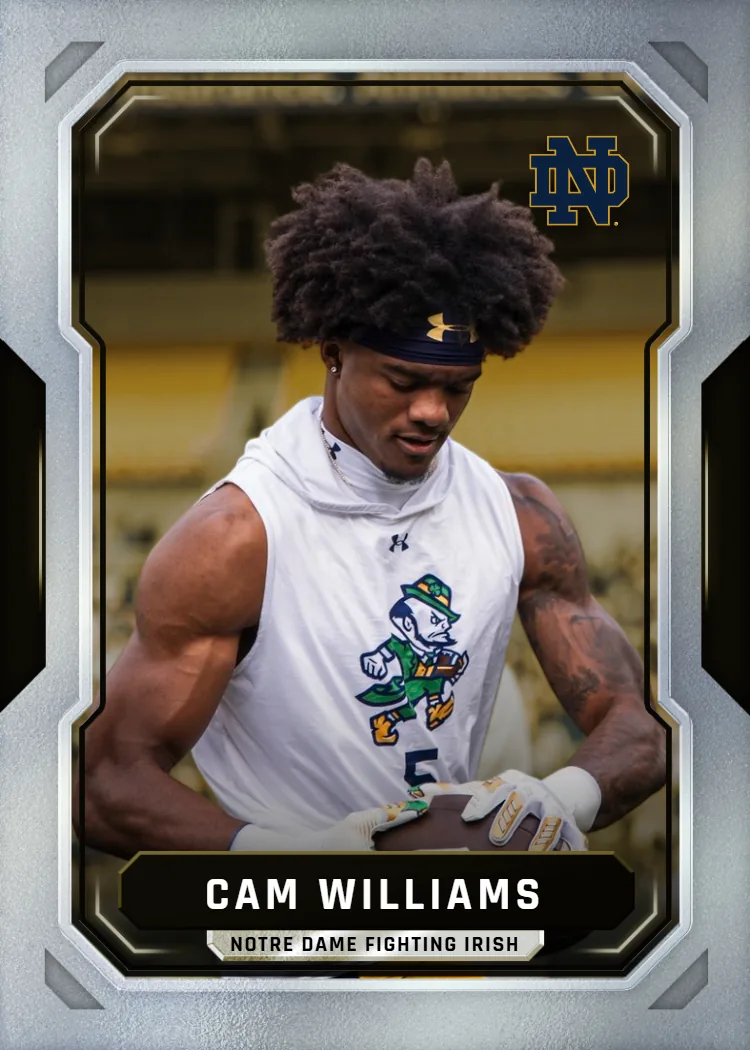
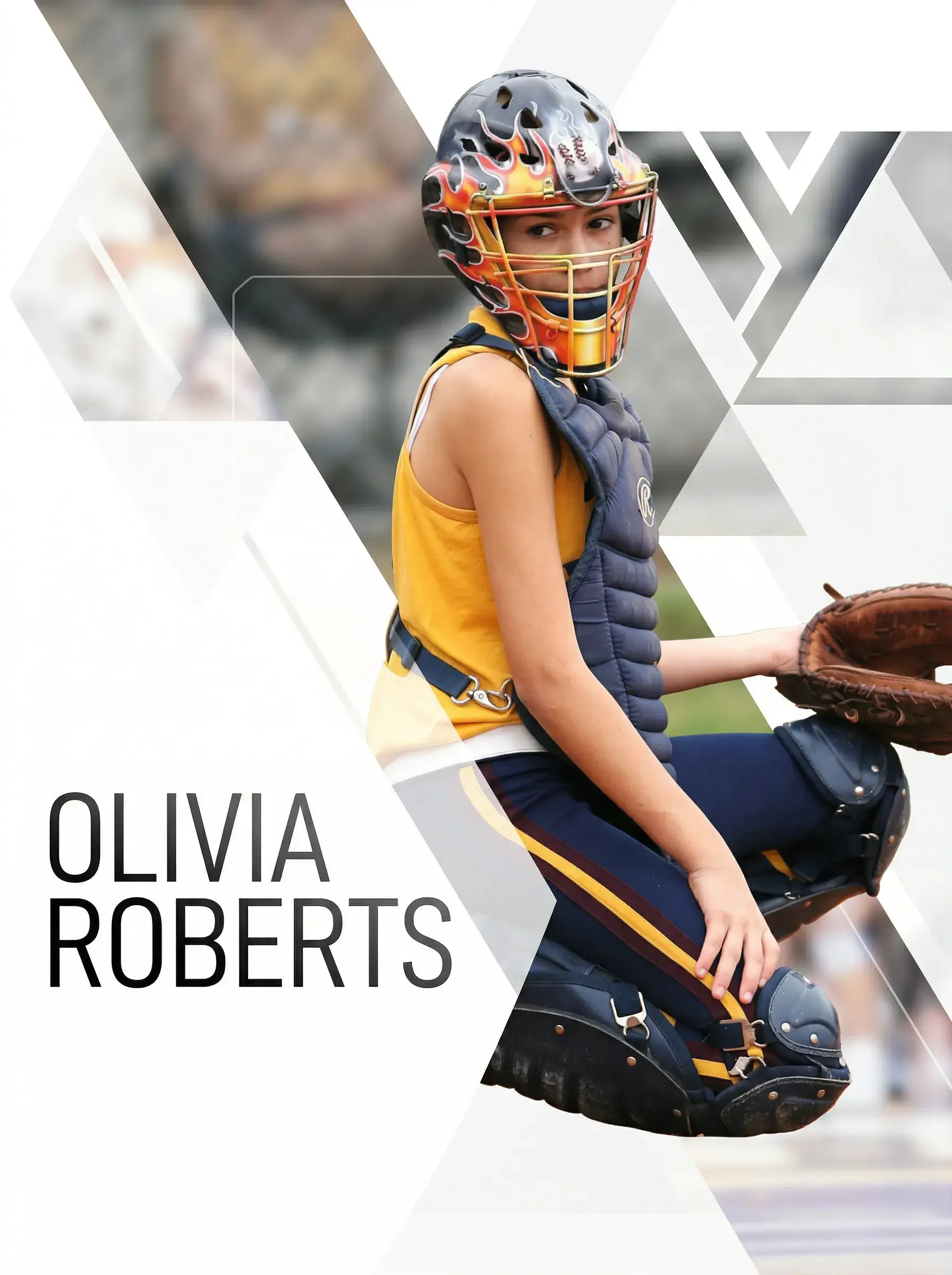
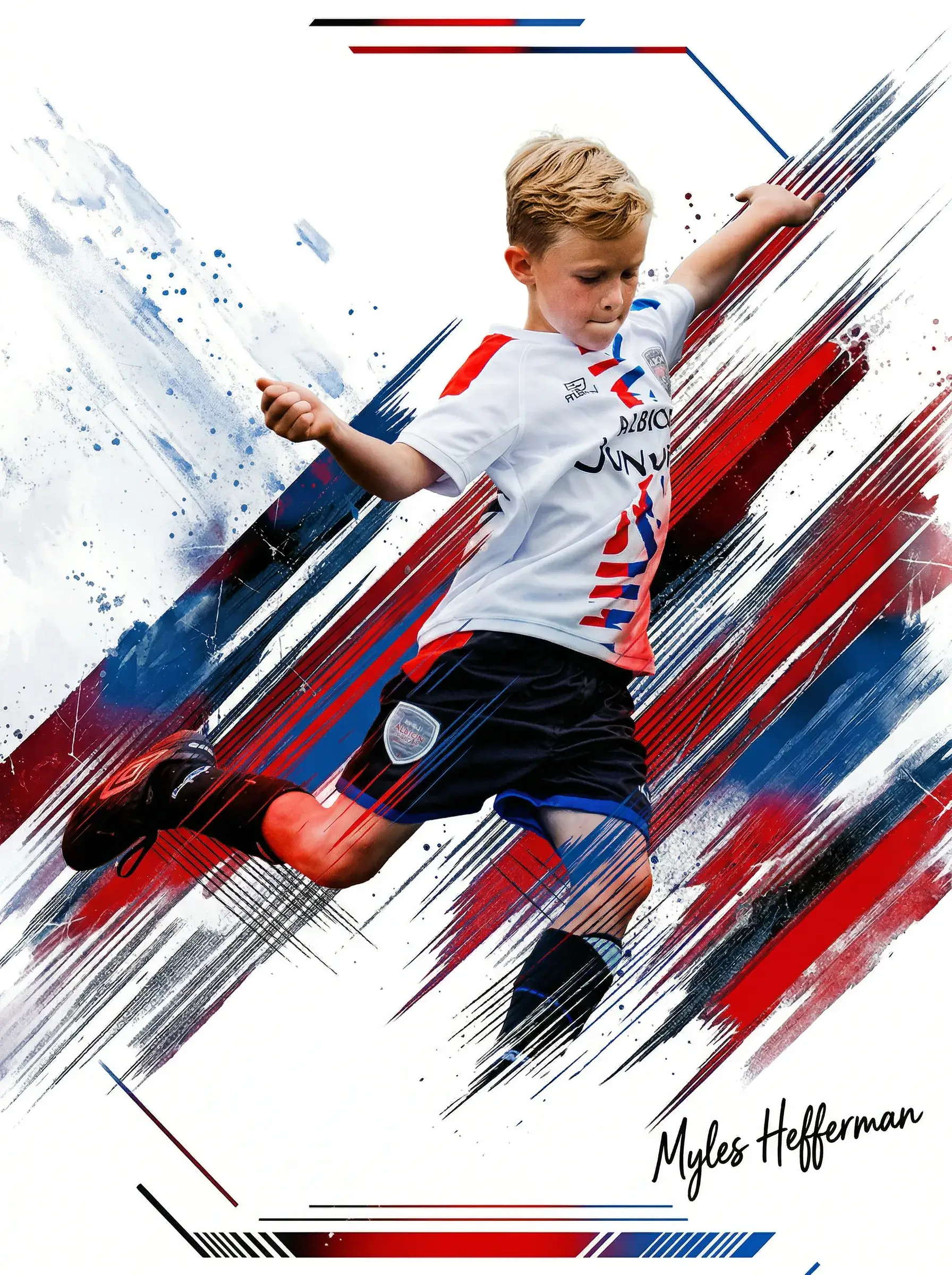
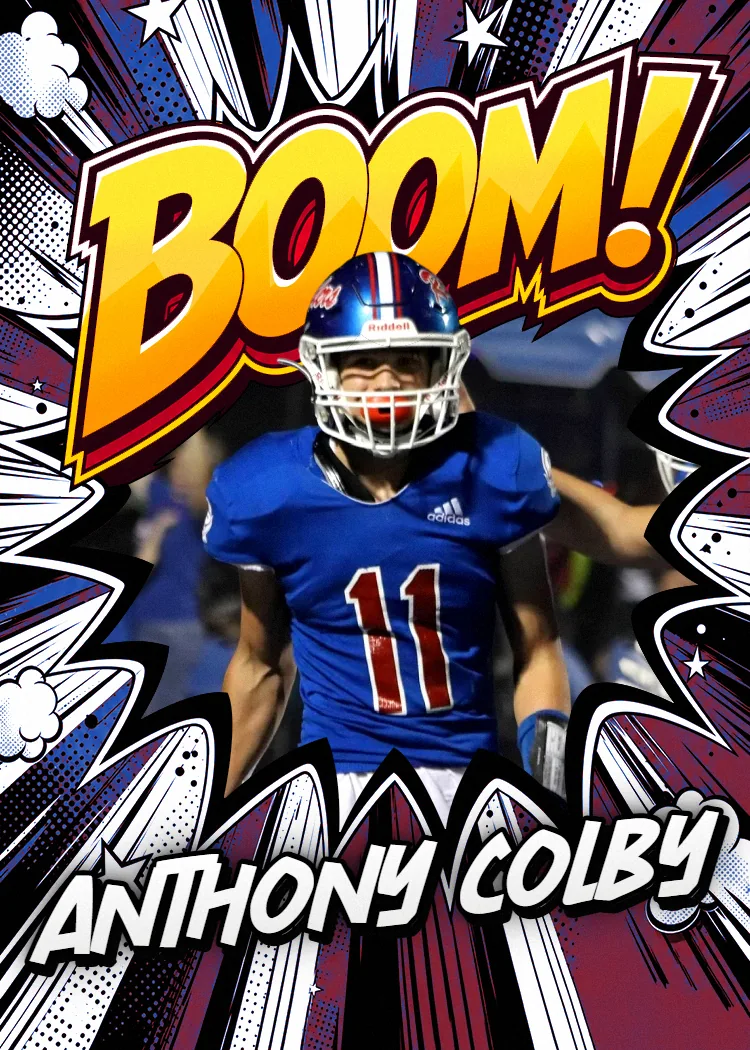
Snapshot offers a range of professional sports-card style templates modeled after major card designs, covering different sports, positions, and visual styles, from clean stat-line layouts to bold action-focused designs. You choose the template after uploading your photo, so you can preview roughly how the final card will look before committing to an order. This works well for any sport, whether it's a football lineman shot with a wide-angle lens or a track sprinter caught mid-stride with a longer telephoto lens. The template handles the surrounding design elements — borders, team colors, stat boxes — while your photo remains the centerpiece. If you're building a full team set, using a consistent template across every player's card gives the whole collection a cohesive, professional look rather than a mismatched pile of individual prints. Most customers browse a handful of options before settling on the one that best fits the mood of their specific photo.
Should I hire a professional photographer instead of shooting it myself?
It depends entirely on your goals and your comfort with a camera, but for most rec-league and youth sports situations, a hired professional isn't strictly necessary. Professional sports photographers bring faster gear and refined timing, sure, but the fundamentals — good light, fast shutter speed, burst shooting — are learnable skills that don't require years of experience to apply reasonably well. If you're documenting your own kid's games regularly, learning to shoot decently yourself means you're not paying per-session fees for every game across an entire season. On the other hand, for a one-time big event, like a championship game or senior night, hiring a professional might be worth the cost simply for peace of mind and guaranteed usable results. Either path leads to the same next step: picking your best shot and turning it into something you'll actually keep, rather than letting it disappear into a camera roll with thousands of other photos.
Free to design, instant preview. Ships the next business day.
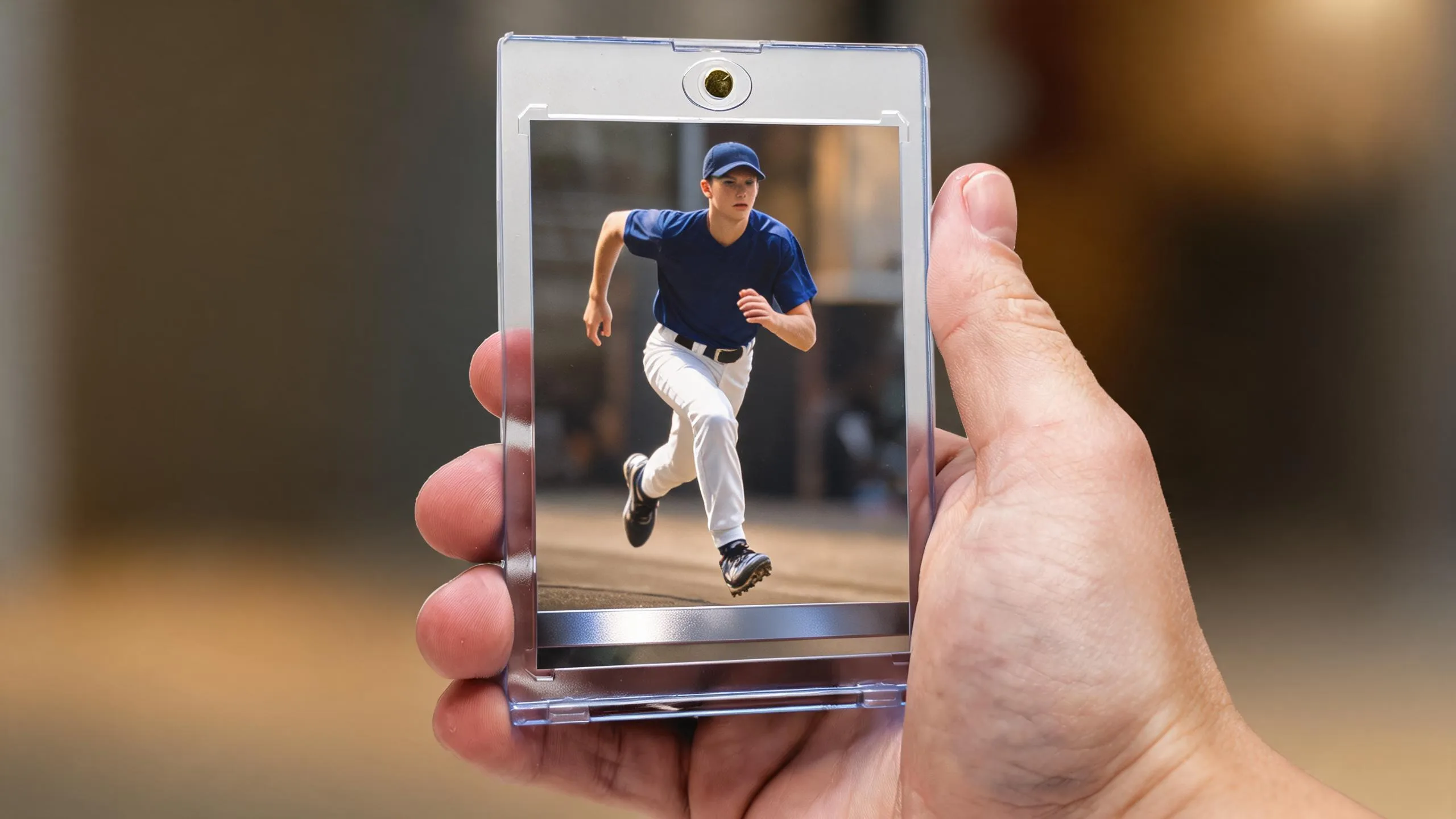
How Does a Canon Camera for Sports Photography Actually Perform in the Field?
Performance comes down to three settings you control, not the sticker price on the body.
Set Shutter Priority Mode First
Most sports blur happens because shutter speed is too slow, not because the camera is too cheap. Set shutter priority (Tv mode on Canon) to 1/1000s or faster for running, jumping, or ball sports, and let the camera handle aperture. This single setting fixes more blurry-photo complaints than any lens upgrade would.
Use Continuous Autofocus and Burst Mode
Switch to AI Servo (Canon's continuous autofocus tracking) and high-speed burst mode. Even an entry-level Rebel shooting 5 frames per second will catch a usable moment out of a six-shot sequence during a swing, tackle, or sprint finish. Speed of the camera matters less than shooting in bursts around the peak action.
Pick the Frame Worth Keeping
After the game, you'll have hundreds of shots. Narrow it down to the handful with sharp eyes, clean background separation, and a moment that tells a story — the catch, the celebration, the follow-through. That's the frame you upload to turn into something permanent, like a custom card instead of a buried camera roll file.
Get those three steps right and gear differences shrink to almost nothing for everyday use.
What Do You Actually Gain From Shooting Sports on Canon Gear?
Canon's ecosystem has specific practical advantages worth knowing before you assume you need the flagship model.
Wide Lens Compatibility
Canon's EF and RF mount lenses span decades of used inventory, meaning a $150 secondhand 70-200mm f/4 delivers pro-level reach without the pro-level invoice.
Reliable Autofocus Tracking
Dual Pixel autofocus, found in most Canon bodies from the last several years, tracks moving subjects well enough for youth sports, adult leagues, and everything short of Olympic sprinters.
Straightforward Menu System
Canon's control layout is famously approachable for beginners, which matters when you're adjusting settings mid-game instead of studying a manual on the sideline.
A Photo Worth Printing
None of the gear matters if the photo sits unopened on a phone. The real benefit shows up when that sharp action shot becomes a printed card someone actually holds onto.

Who's Actually Buying a Canon Camera for Sports Photography Right Now?
Three types of shooters make up most of the market, and each has a different endpoint for their photos.
The Sideline Parent
Weekend warriors photographing their kid's travel team or rec league games usually already own a Canon Rebel or older EOS body. They're not chasing gear upgrades — they want one great shot per game to remember the season by. That single shot is exactly the raw material a custom trading card was built for.
The Team Manager Documenting a Season
Coaches and team parents managing a roster often photograph every player across a full season using whatever Canon body they have on hand. The goal isn't magazine-quality work; it's consistent, usable images of every kid for end-of-season keepsakes, team gifts, or a printed card set the whole roster can share.
The Hobbyist Building a Portfolio
Photographers stepping up from a phone to a first real camera often pick Canon for the lens selection and community support. They shoot local leagues, adult rec sports, or pickup games to build a portfolio, and printing standout shots as cards gives that portfolio something tangible to show, not just a link to an online gallery.
Does This Actually Work for Everyday Photographers, Not Just Pros?
Snapshot processes photos from every kind of camera setup imaginable — phone shots, decade-old DSLRs, and this year's mirrorless releases — and prints them on the same premium card stock regardless of source. The photo quality that matters most is sharp focus and good light, not the brand or year of the equipment. We see plenty of standout cards come from a basic Canon Rebel and a steady hand on the sideline.
What Does It Cost to Turn a Canon Camera for Sports Photography Shot Into a Card?
Pricing is simple and doesn't change based on your camera, resolution, or file size.
Single custom card: $17.99. Packs: up to $49.99. MEGA 11"x15" poster card: $49.99. Free shipping across the USA, printed and shipped in 2-3 days with a free magnetic case included.
One sharp photo, any camera, becomes a keepsake priced like a nice team photo package — not a professional print run.
Box Options
Simple, collectible pricing. No subscriptions, no hidden fees.
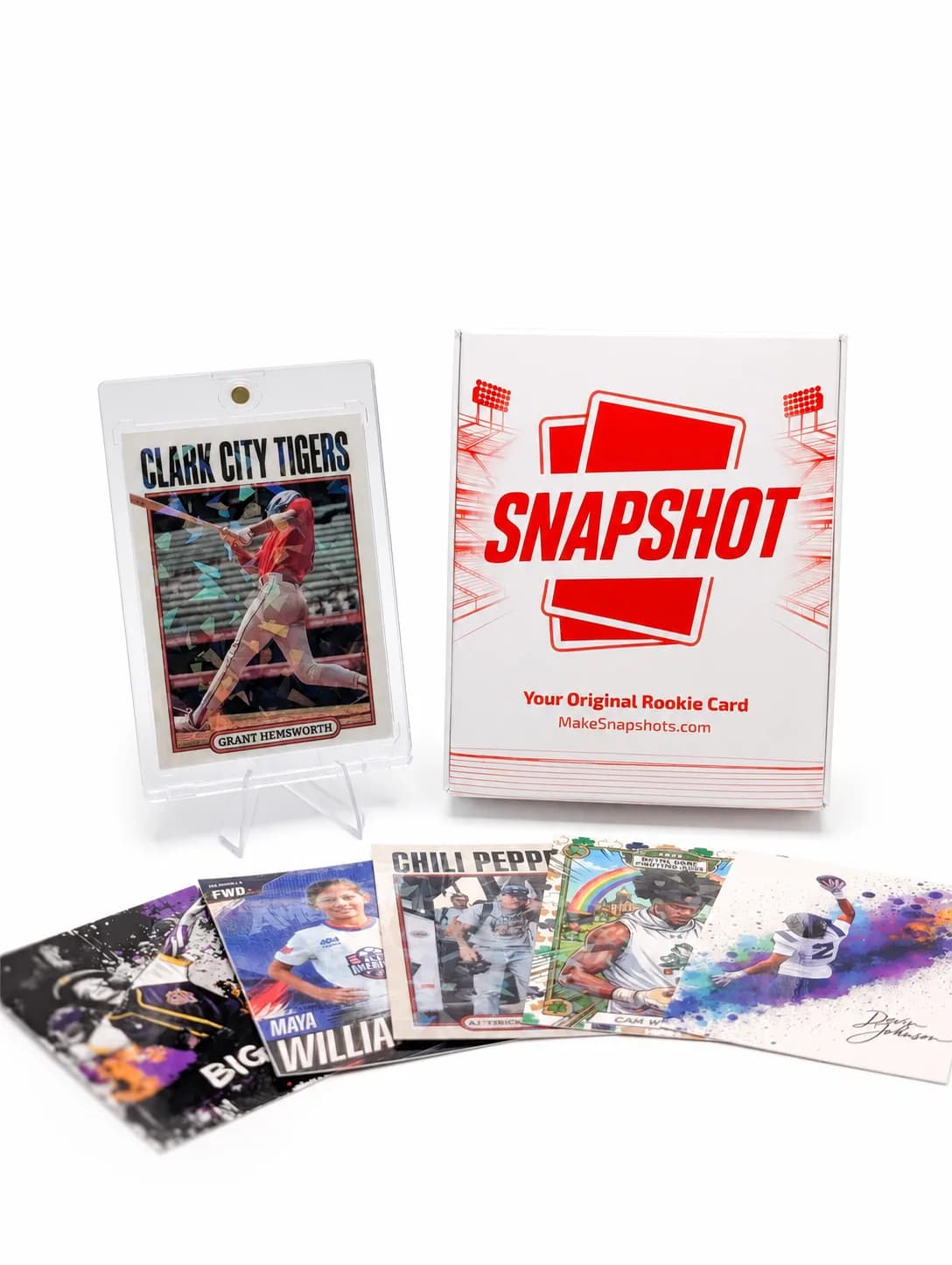
The Rookie Box
Perfect for those unforgettable moments
$17.99 - $49.99
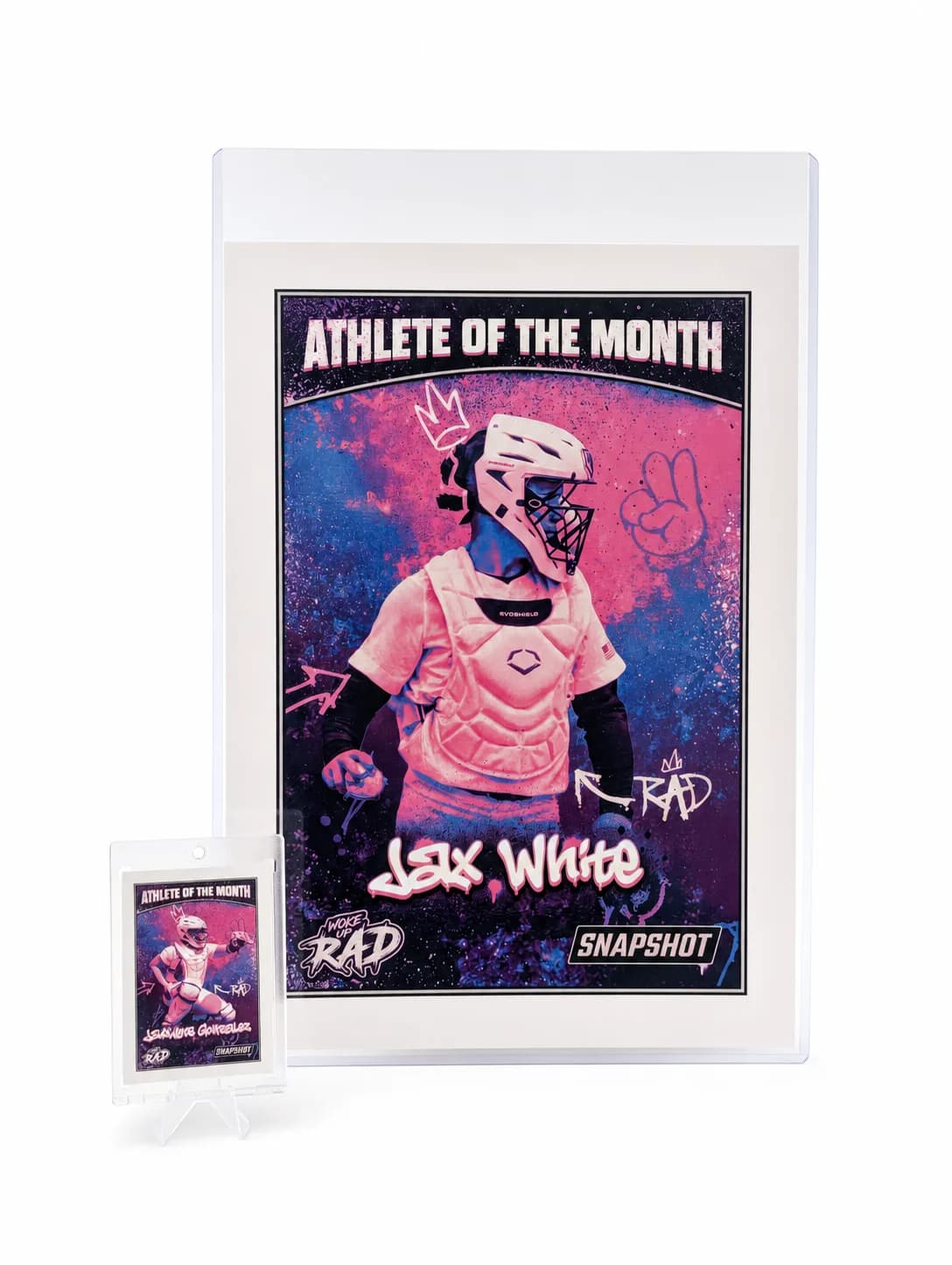
MEGA Card
Their moment, bigger than ever
$49.99
Create for free • Ships the next business day • Made in Des Moines, IA, USA
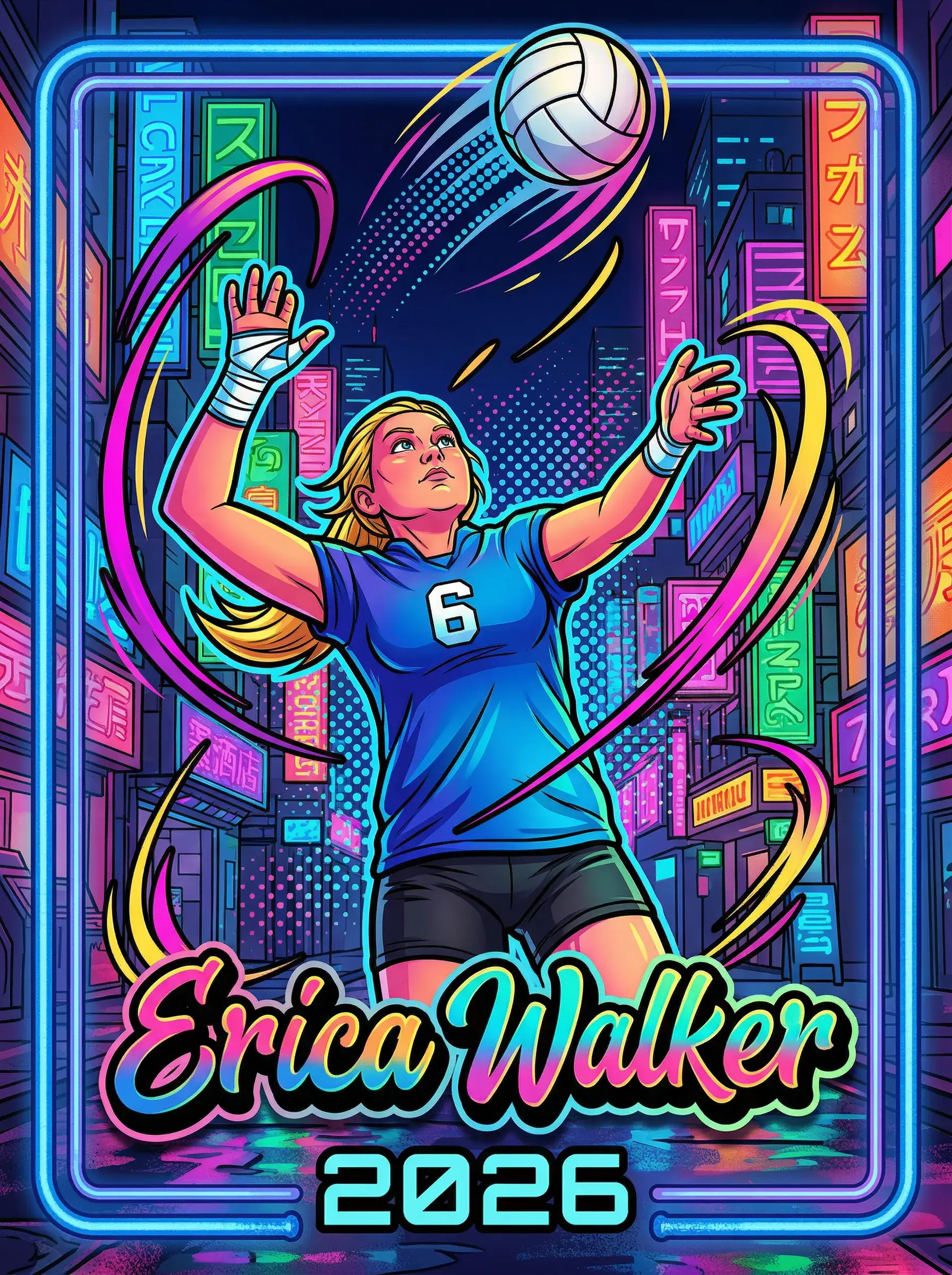
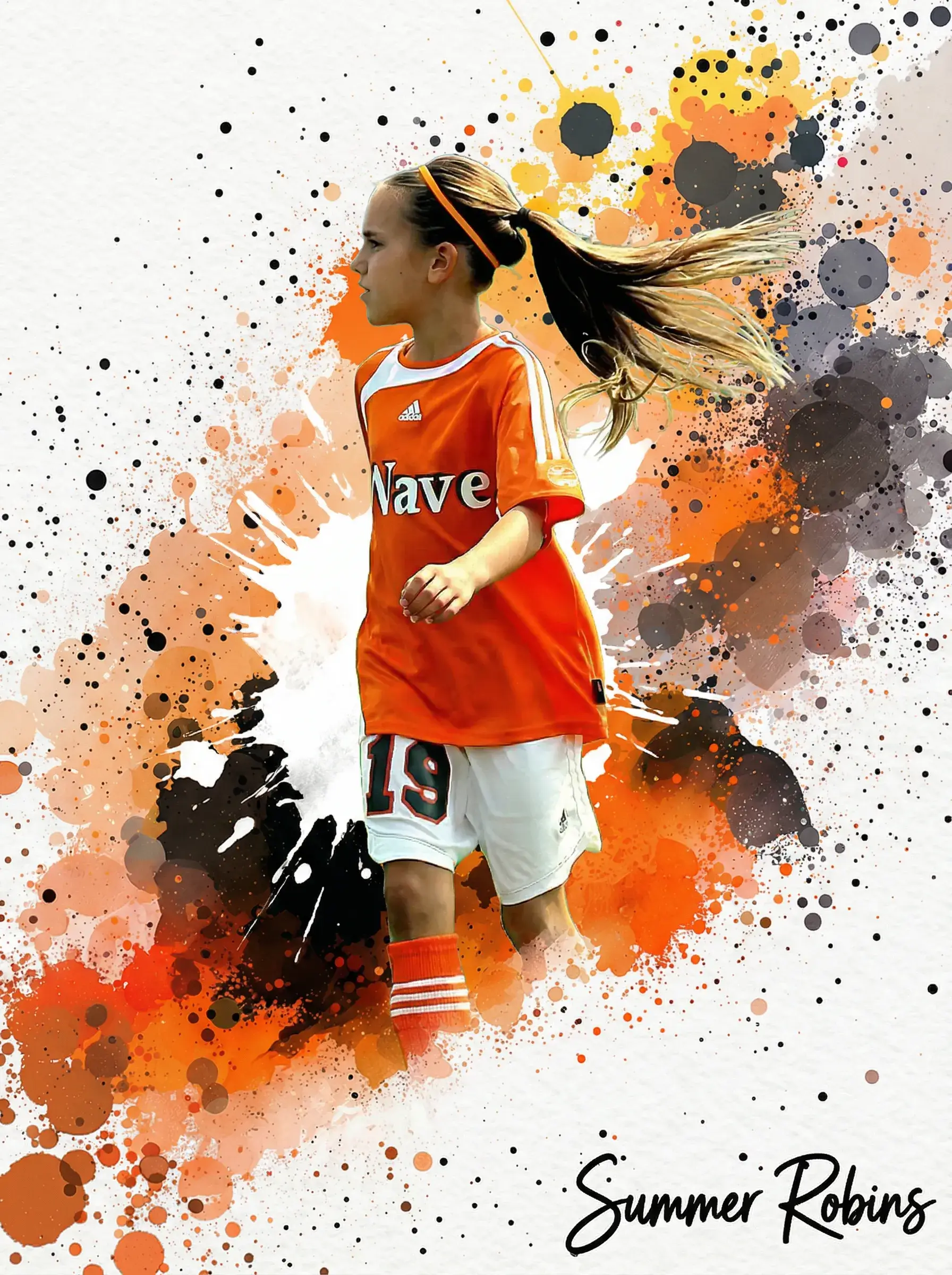
Got a Great Shot From Your Canon Camera for Sports Photography? Print It.
Upload your best action photo, pick a template, and we'll turn it into a premium custom card shipped in 2-3 days with a free magnetic case. No design skills needed, no minimum order, and free shipping anywhere in the USA.
Upload Your Photo NowNo credit card required | Instant preview | Pro-quality designs
Explore More Card Options
Discover more custom trading card options for every sport and occasion