
The Best Canon Lens for Sports Photography, Ranked and Explained
Your kid scores the game-winner. Your shutter fires. Was the glass on your camera actually up to the job?
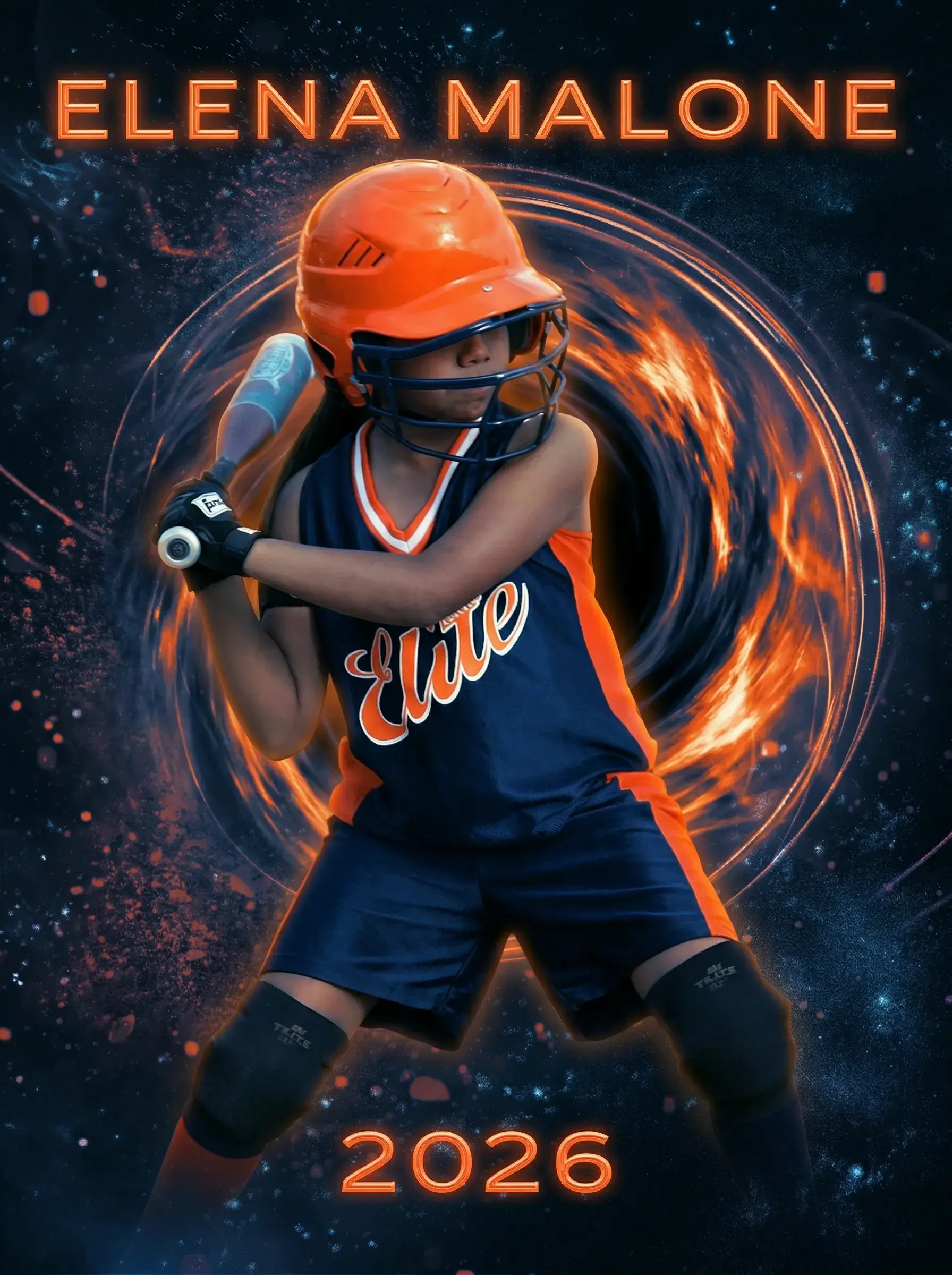
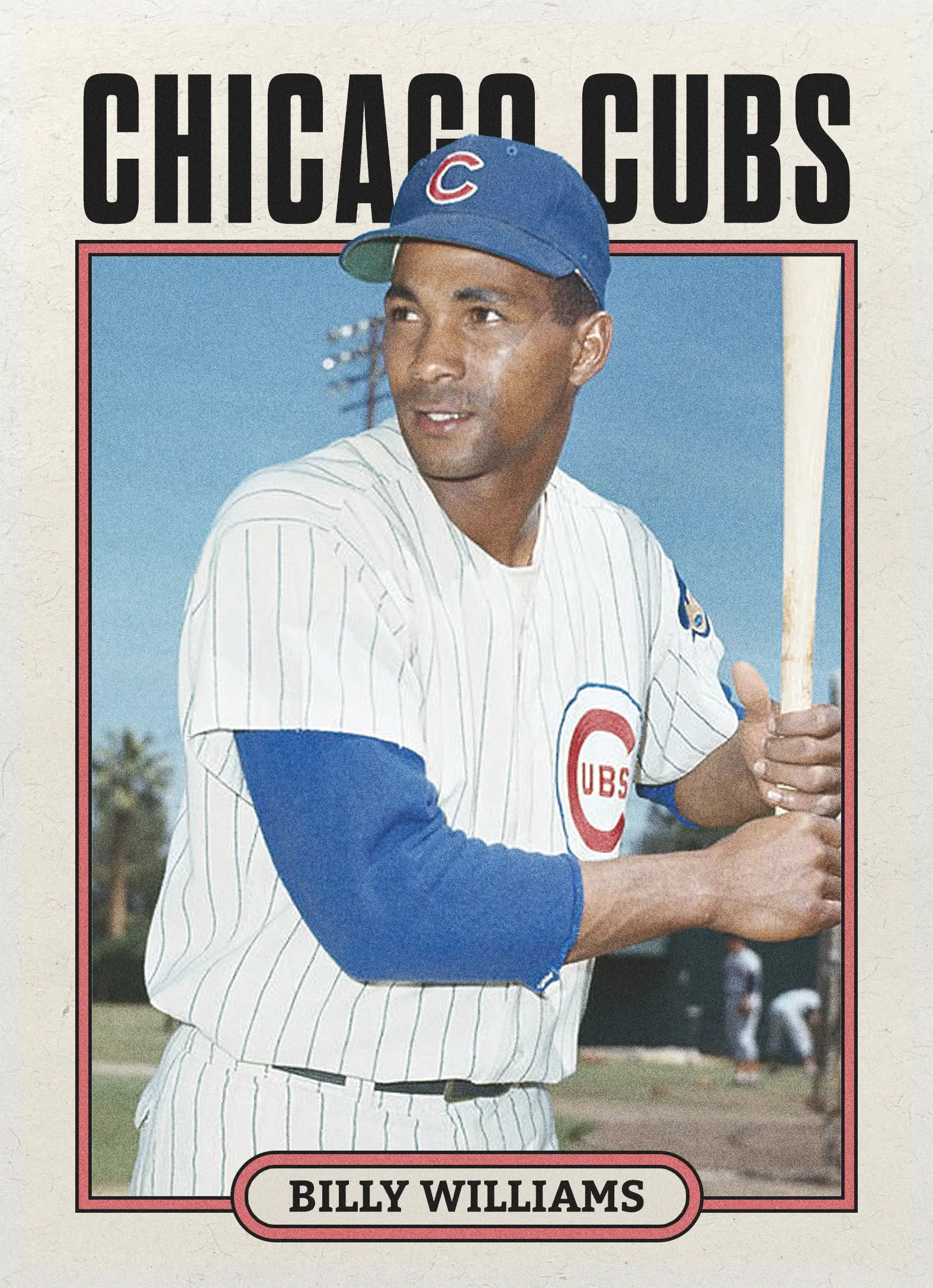
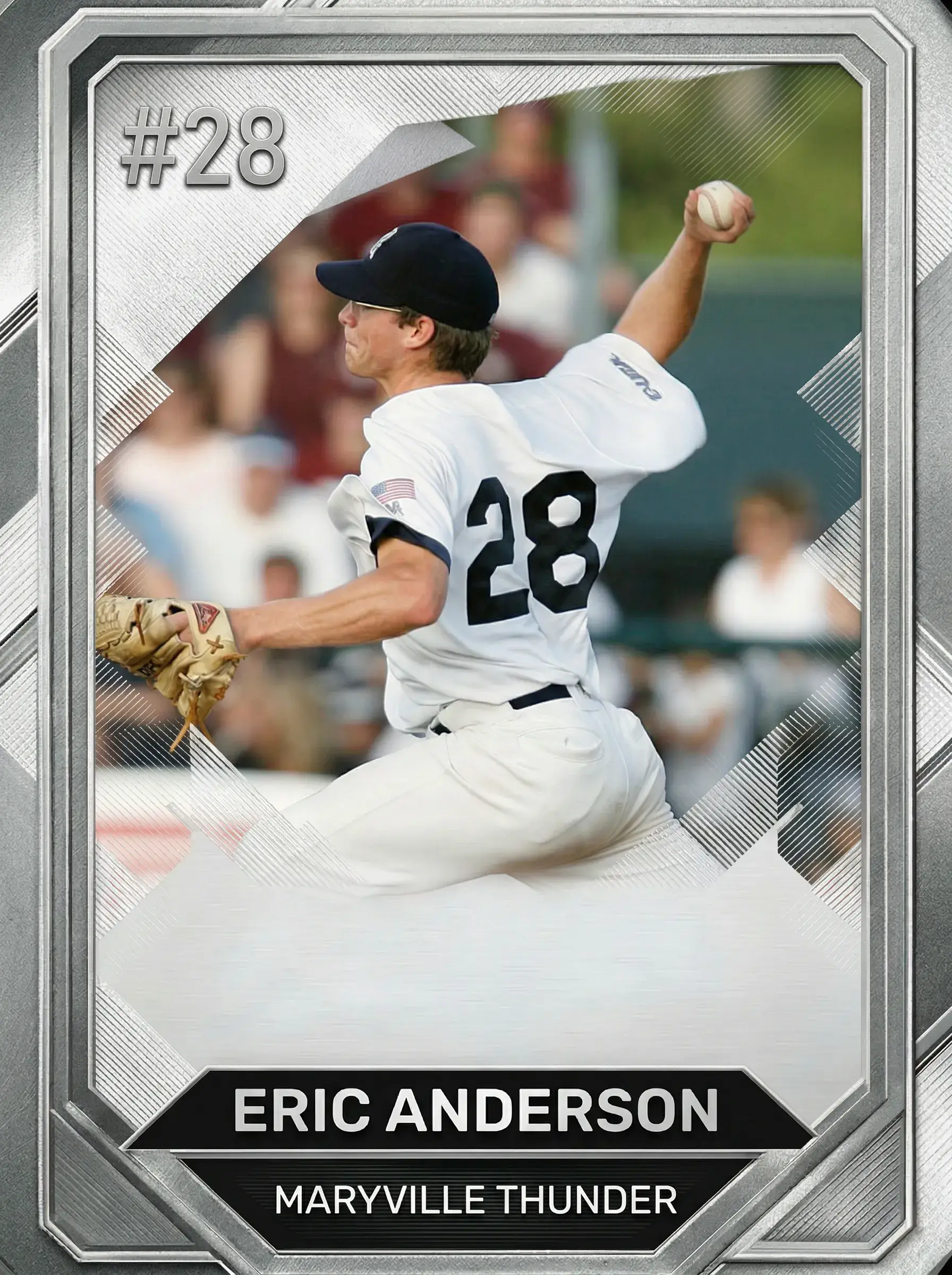
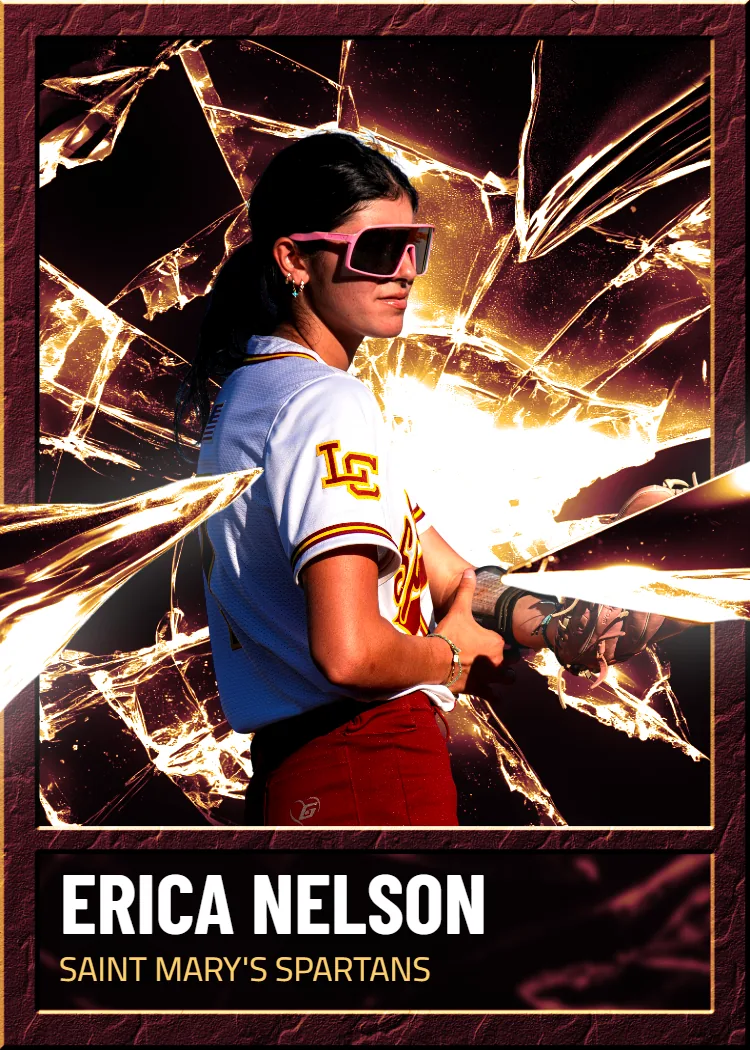
Upload any photo — your kid, your pet, your whole team — pick a pro template, and we print and ship a real, holdable card the next business day.
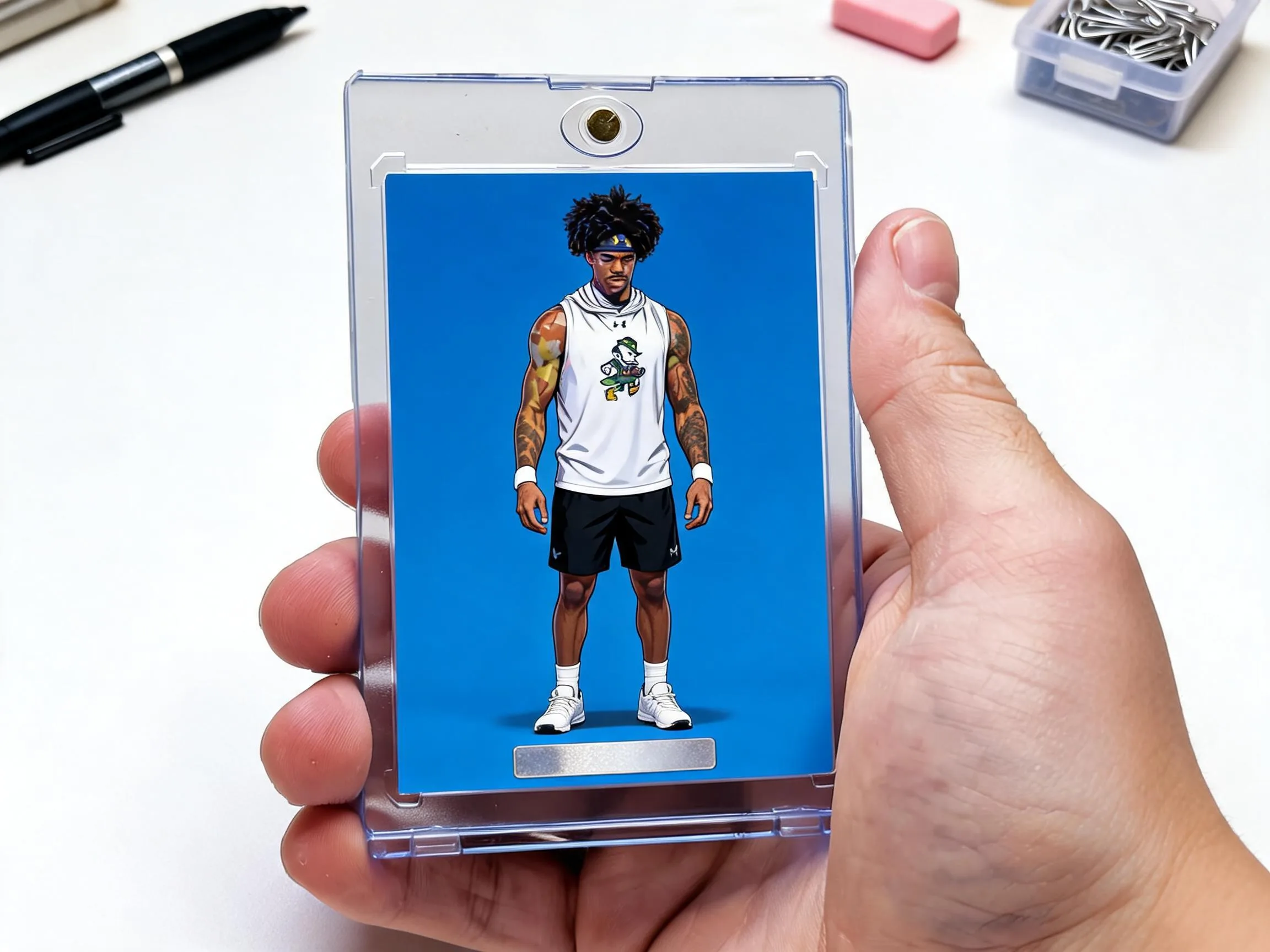
Here's the frustrating part: most parents and weekend photographers drop serious money on a Canon body, then slap on a kit lens and wonder why every action shot comes back soft or blurry. Sports move fast — sideline light shifts, players cut hard, the ball's already gone before autofocus locks. Picking the best Canon lens for sports photography isn't about buying the most expensive glass on the shelf. It's about matching focal length, aperture, and autofocus speed to the actual sport you're shooting, whether that's Friday night football under stadium lights or a Saturday morning travel soccer match.
This guide breaks down exactly which Canon lenses deliver sharp, fast, freeze-the-action results across budgets and skill levels, with a straight-up checklist you can run through before you buy. We'll cover telephoto zooms, prime lenses, and the aperture math that actually matters. Then, once you've got that career-defining shot in the camera roll, we'll show you what to do with it — because a great photo sitting on your phone isn't doing anyone any good.
Let's get into the gear that actually earns its spot in your camera bag.
We ship custom cards to teams and families in all 50 states every week, turning game-day photos into keepsakes people actually keep.
What Are Photographers Actually Saying About Their Results?
Across every level, the same pattern shows up: photographers who upgrade from a kit lens to dedicated telephoto glass report dramatically fewer blurry or missed shots per game. That improvement in image quality is exactly what feeds into something bigger than a camera roll — turning those crisp captures into keepsakes teammates and family actually want to hold onto.
Who Actually Needs This Kind of Lens?
The best Canon lens for sports photography looks different depending on who's behind the camera.
The Team Parent With a Weekend Hobby
You're not trying to shoot for a magazine — you just want crisp, clear shots of your kid's soccer or Little League games without lugging pro-level gear. A Canon EF 70-300mm or RF 100-400mm gives solid reach and decent low-light performance without draining your bank account. Pair it with burst mode and you'll walk away with dozens of usable frames per game.
The Team Manager Building a Season Highlight Reel
If you're documenting an entire roster across a full season — banquet boards, social posts, end-of-year keepsakes — you need consistency across dozens of games in varying light. A 70-200mm f/2.8 handles indoor and outdoor conditions equally well, which matters when you're shooting gyms one week and fields the next.
The Serious Hobbyist Chasing Portfolio Shots
Maybe you're building a name shooting local travel teams or high school programs. A prime lens like the Canon RF 200mm f/2 or EF 400mm f/2.8L delivers pro-level subject separation and sharpness, letting your action shots stand next to anything a college recruiter or local paper would run.
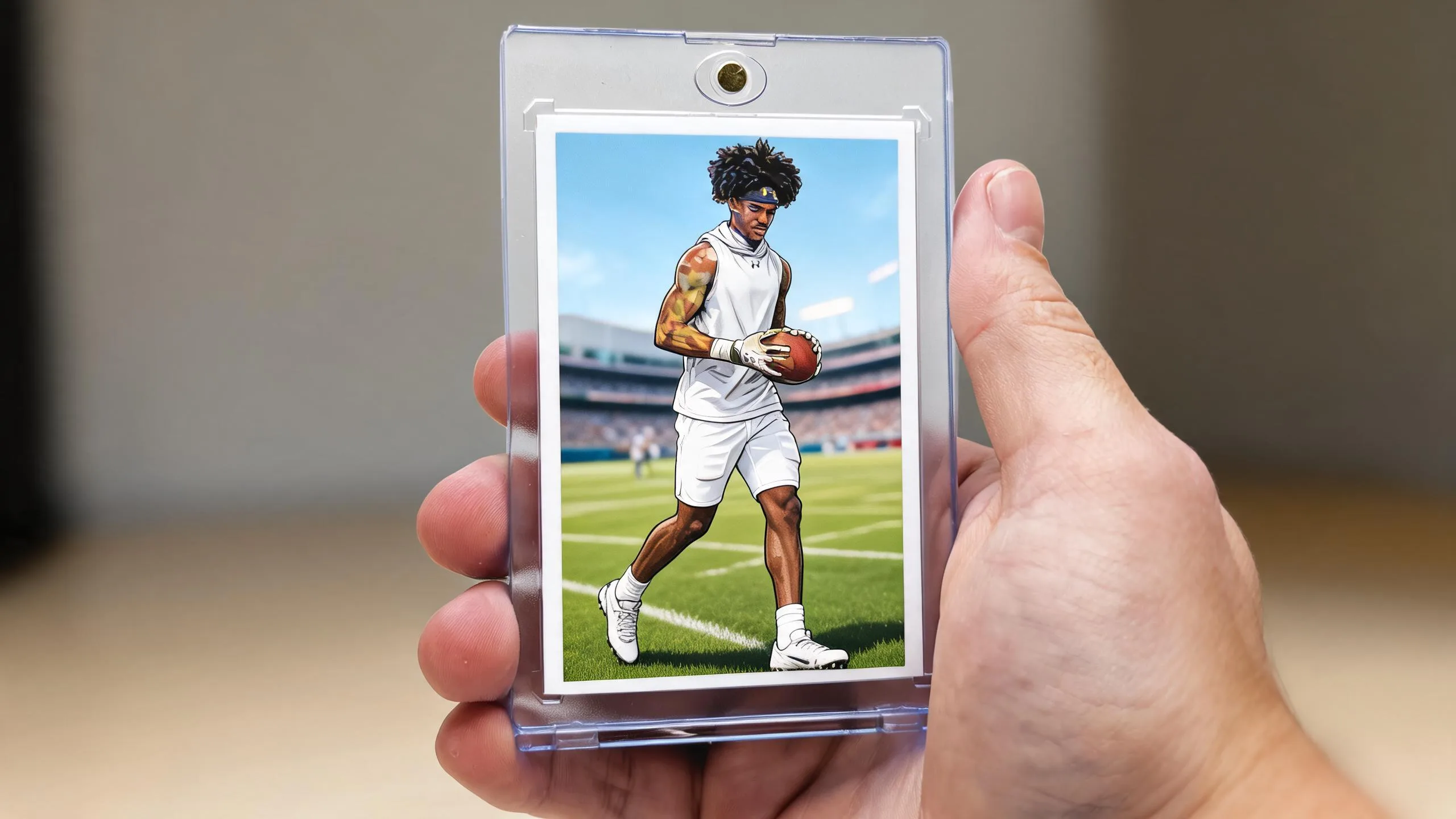
Free to design, instant preview. Ships the next business day.
How Do You Actually Choose the Best Canon Lens for Sports Photography?
Picking the right lens comes down to three decisions: focal length, aperture, and autofocus motor speed.
Match Focal Length to Your Sideline Distance
If you're shooting from bleachers 50+ feet from the action — football, baseball, soccer — you need reach. The Canon RF 100-500mm or EF 100-400mm are the workhorses here. Courtside sports like basketball or volleyball let you get closer, so a 70-200mm covers you without the extra weight. Measure your typical shooting distance before you spend a dime; it changes everything.
Prioritize Aperture for Low Light and Blur
Wider apertures like f/2.8 freeze motion in dim gyms and evening games, and they blur the background so your athlete pops off the frame. The Canon RF 70-200mm f/2.8L is the gold standard for this. Budget-friendly f/4 or f/5.6 zooms work fine outdoors in daylight but struggle once the sun drops or you're indoors.
Check Autofocus Speed and Tracking
A sharp lens with slow autofocus still gives you blurry action shots. Canon's USM and Nano USM motors lock focus fast and track moving subjects reliably, which matters more in sports than almost any other genre. Pair any of these lenses with continuous autofocus tracking mode on your body, and test it at a practice before game day.
Nail these three factors and you'll walk away with tack-sharp shots worth printing, not deleting.

What Do You Actually Gain From Better Glass?
The right lens changes more than sharpness — it changes what shots become possible.
Freeze Split-Second Action
Fast autofocus and wide apertures let you capture the exact moment of contact — bat on ball, cleat on turf — instead of the blur right after it. That's the difference between a snapshot and a keeper.
Shoot in Any Light
Indoor gyms, dusk games, overcast fields — an f/2.8 lens keeps shutter speeds fast enough to stop motion even when the light's working against you. No more grainy, dark photo dumps.
Get Closer Without Moving
Telephoto reach means you don't need field access to fill the frame with your athlete's face and jersey number. That's huge for parents stuck in the stands or behind a fence.
Photos Worth Printing and Sharing
Sharper, better-composed images are the ones that actually deserve to become something more than a camera roll scroll — like a custom card your kid keeps forever.
From Game Day to Custom Card: Your Timeline
Day 1: Shoot the game with your Canon lens dialed to fast shutter and continuous autofocus
Day 1-2: Pick your sharpest, best-composed action shot
Day 2: Upload the photo to Snapshot and choose a pro card template
Day 3-5: Card prints on premium card stock and ships free with a magnetic case
Day 5-7: Card arrives, ready to display or trade
What Does It Cost to Turn Your Best Shot Into a Custom Card?
Once you've got the shot, printing it as a custom trading card costs less than a single lens filter.
Single custom card: $17.99. Card packs: up to $49.99. MEGA 11"x15" poster card: $49.99. Free shipping across the USA, printed and shipped in 2-3 days.
Premium card stock, pro sports-card templates, and a free magnetic case — all from one photo you already captured.
Box Options
Simple, collectible pricing. No subscriptions, no hidden fees.
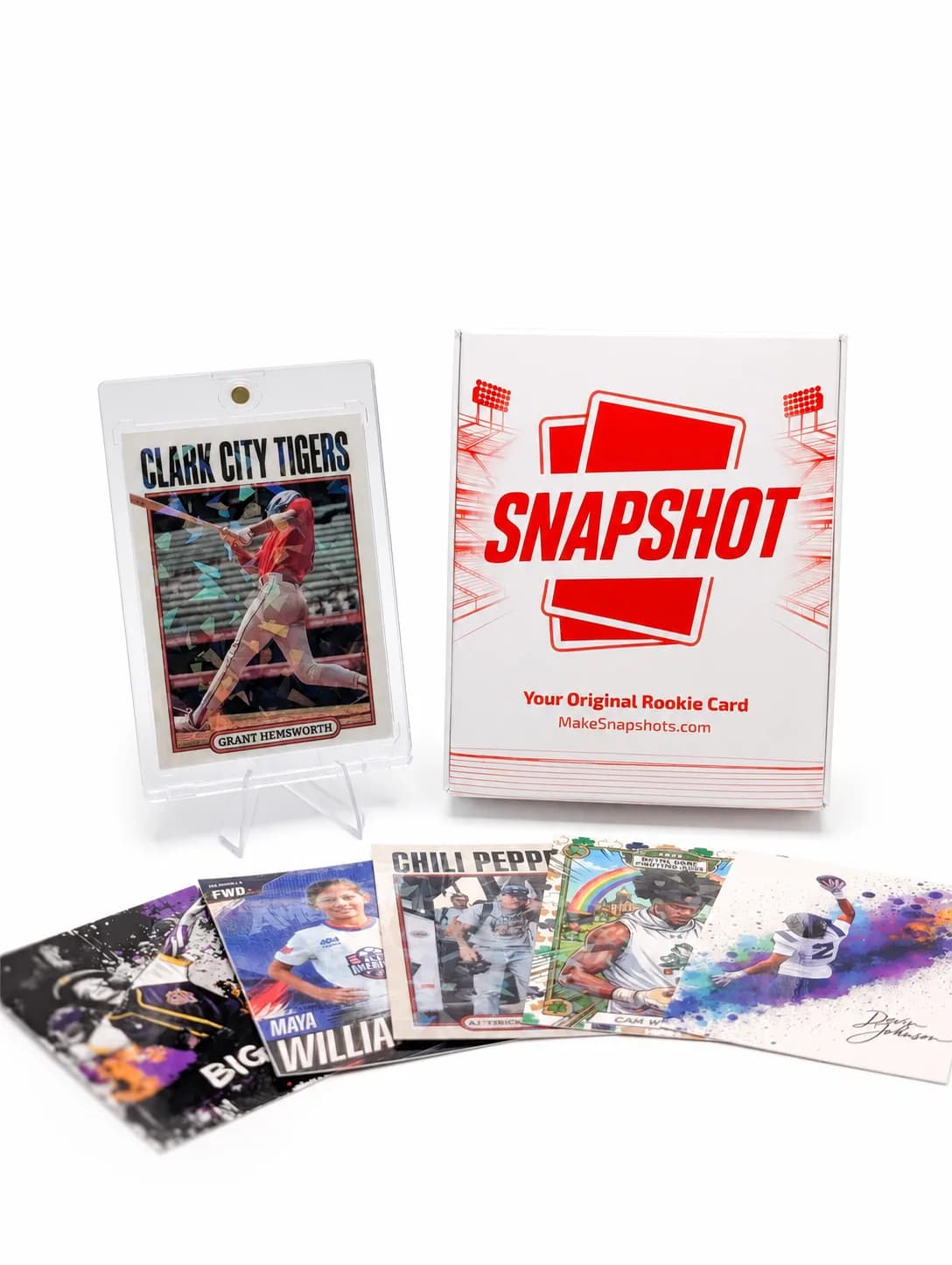
The Rookie Box
Perfect for those unforgettable moments
$17.99 - $49.99
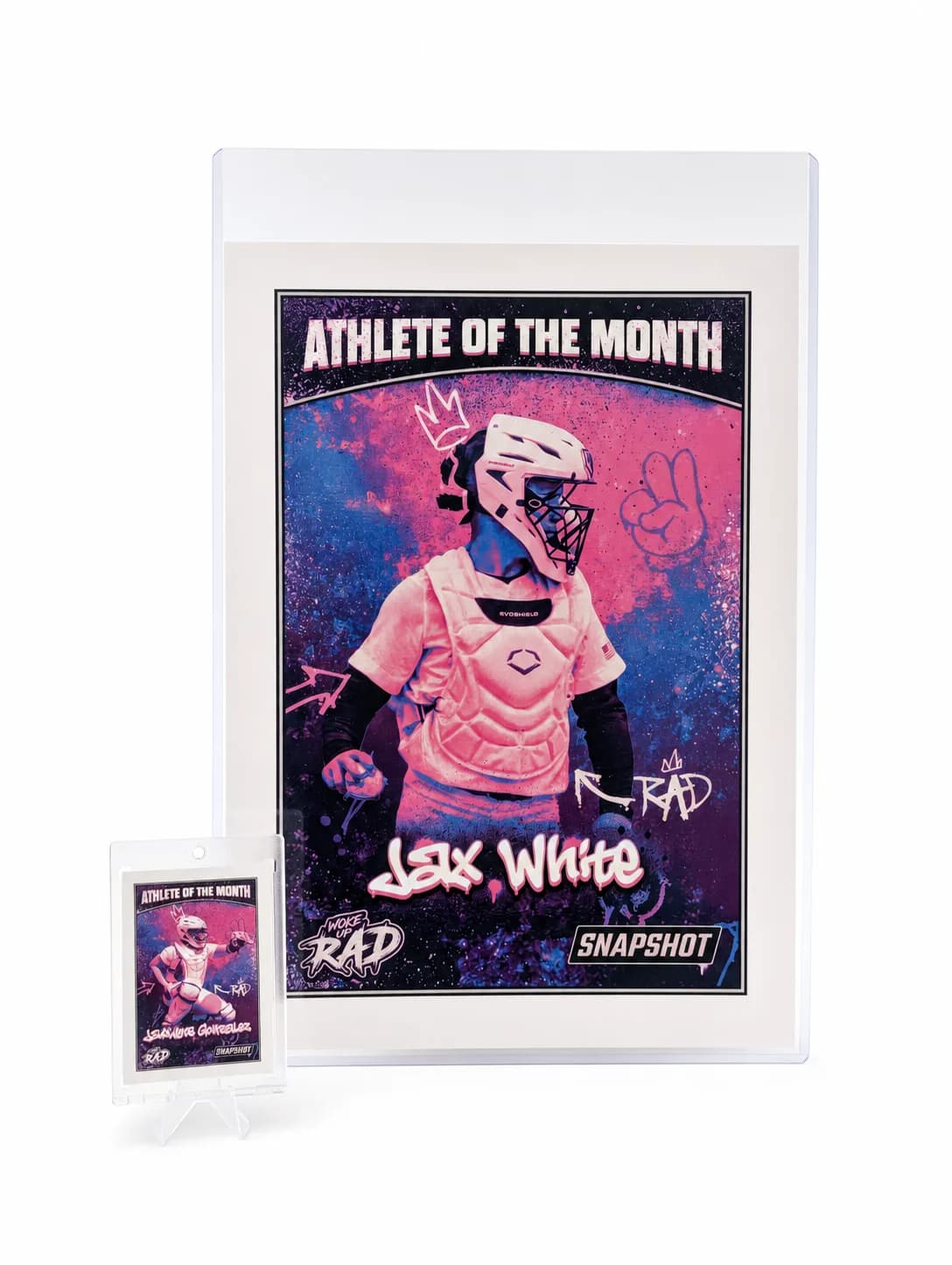
MEGA Card
Their moment, bigger than ever
$49.99
Create for free • Ships the next business day • Made in Des Moines, IA, USA
Frequently Asked Questions
What camera settings pair best with a sports lens?
Shutter speed matters more than almost anything else for freezing sports action, so aim for at least 1/1000th of a second, and 1/2000th for very fast sports like hockey or basketball. Set your camera to continuous autofocus tracking mode so it follows moving subjects rather than locking focus once and holding still. Burst or continuous shooting mode is essential too, since you want a sequence of frames around the peak action moment rather than one single shot. Aperture priority mode lets you control depth of field while the camera handles shutter speed automatically, which is a good starting point for beginners. As you get more comfortable, switching to manual mode gives you full control over all three settings at once. ISO will need to climb in dim gyms or evening games, and modern Canon bodies handle higher ISO noise well enough that it's rarely a dealbreaker. Practice these settings before game day, not during it.
Is image stabilization necessary for sports photography?
Image stabilization helps more with handheld sharpness at slower shutter speeds than it does with actually freezing fast action, so it's useful but not the deciding factor for sports. Since sports photography typically requires shutter speeds of 1/1000th or faster anyway, camera shake usually isn't the main cause of blur — subject motion is. That said, stabilization still helps a lot when you're panning to follow a runner or handholding a heavy telephoto lens for hours without a monopod or tripod. It also makes a real difference for video work if you're capturing highlight clips alongside stills. Most modern Canon telephoto lenses include some form of stabilization anyway, so it's rarely something you have to sacrifice for other features. If you're choosing between two similar lenses and one has better stabilization, it's a reasonable tiebreaker, but don't let its absence stop you from buying an otherwise great lens for the sport you're shooting.
What lens works best for indoor sports like basketball or volleyball?
Indoor gyms are notoriously tricky because the lighting is dim and inconsistent, so you want the widest aperture you can reasonably afford — ideally f/2.8 or wider. The Canon RF or EF 70-200mm f/2.8 is the standard choice among photographers who regularly shoot basketball, volleyball, or wrestling, since it lets in enough light to keep shutter speeds fast without pushing ISO into overly grainy territory. A prime lens like an 85mm f/1.4 can also work beautifully for portrait-style action shots close to the court, though it sacrifices zoom flexibility. Avoid slower kit lenses in these environments; f/5.6 simply doesn't let in enough light for a sharp, fast-shutter shot under typical gym lighting. If budget is genuinely tight, raising your camera's ISO higher than you're comfortable with is usually a better tradeoff than a slow shutter speed that blurs every fast movement on the court.
Do third-party lenses from Sigma or Tamron work as well as Canon glass?
Many Sigma and Tamron telephoto lenses built for Canon mounts perform impressively well and cost noticeably less than Canon's own L-series equivalents. Autofocus speed used to be the main gap between third-party and Canon glass, but recent Sigma and Tamron sports-line lenses have closed that gap considerably, especially on EF mount cameras. Build quality is generally solid, and image sharpness in real-world testing often rivals Canon's own lenses at a fraction of the price. The tradeoffs tend to show up in autofocus consistency in very low light or extremely fast-tracking scenarios, along with sometimes slower firmware support for new camera bodies. For most parents, team managers, and hobbyist photographers, a well-reviewed Sigma or Tamron telephoto is a completely reasonable choice that frees up budget for accessories like a monopod or extra memory cards. Just read recent reviews for your exact camera body before buying, since compatibility varies by model year.
How do I know if my lens is actually the problem versus my technique?
Before blaming your lens, check your shutter speed first — anything under 1/1000th for fast sports is a common cause of blur that no lens upgrade will fix. Next, review your autofocus mode; single-shot autofocus won't track a moving athlete the way continuous tracking mode will, and this mistake is incredibly common among photographers new to sports. Poor light combined with a slow lens is a real limitation, but plenty of blurry photos come down to settings rather than glass. Try shooting a practice session with deliberate settings changes — faster shutter, continuous autofocus, burst mode — before assuming you need new equipment. If you're still getting consistently soft images at correct settings with good light, that's when lens quality becomes the likely culprit. It's worth borrowing a friend's lens or renting one for a game to compare results directly before spending money on new gear.
What's the best lens for shooting multiple kids across different sports?
A versatile zoom in the 100-400mm or 70-300mm range is your best bet if you're bouncing between a soccer game one weekend and a baseball tournament the next. These focal lengths cover enough range to handle most field sports without needing to swap lenses constantly between games. If one of your kids plays an indoor sport like basketball while another plays outdoor soccer, you might eventually want two lenses — a fast 70-200mm f/2.8 for indoor light and a longer telephoto for outdoor reach. But if budget or bag space only allows for one lens, prioritize whichever sport you shoot most often and rent or borrow gear for occasional other events. Versatility matters more than specialization when you're a parent covering multiple kids and multiple sports rather than a dedicated single-sport shooter.
Once I have great action shots, what should I actually do with them?
This is where most people stop too early — the photo sits in a camera roll or gets posted once and forgotten. Turning a standout action shot into a custom trading card gives it a permanent home your athlete will actually keep and show off for years. Snapshot lets you upload any photo, choose from pro sports-card style templates, and get premium cards printed on professional card stock, shipped in just 2-3 days with a free magnetic case included. It works for any sport, any age level, and any moment worth remembering, not just the pros. A single card runs $17.99, packs go up to $49.99, and there's a MEGA 11-by-15-inch poster card option at $49.99 if you want something big enough for a wall. Shipping is free anywhere in the USA, and everything's produced right here in Des Moines, Iowa. It's genuinely the simplest way to make a great sports photo mean something more.
Free to design, instant preview. Ships the next business day.
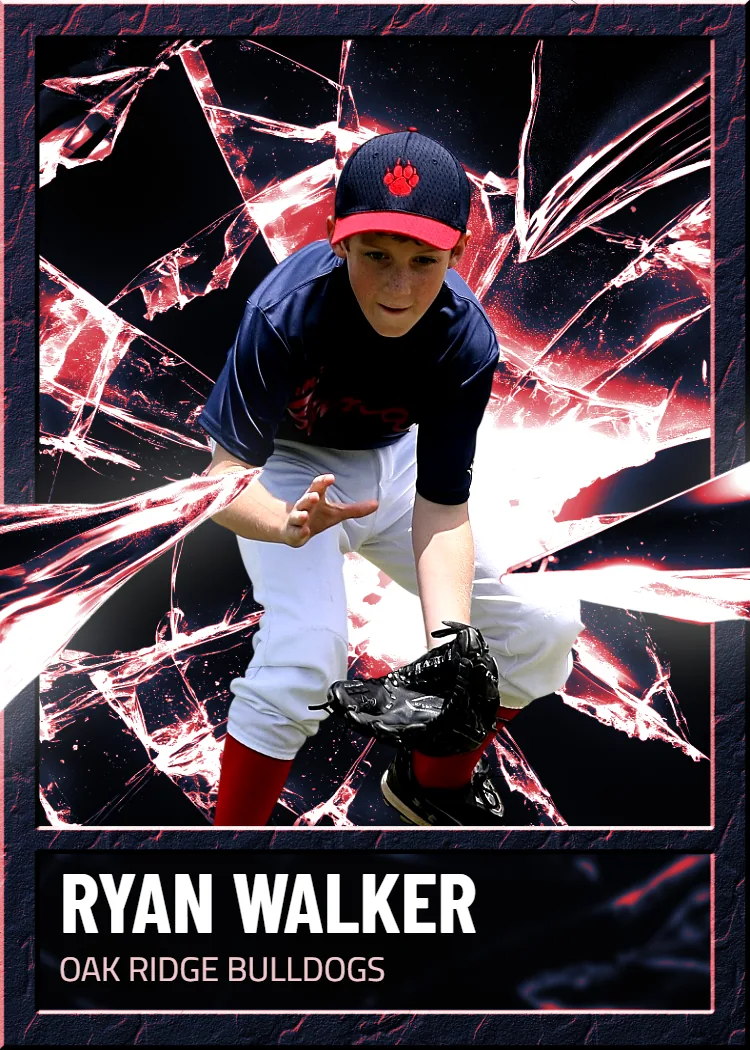
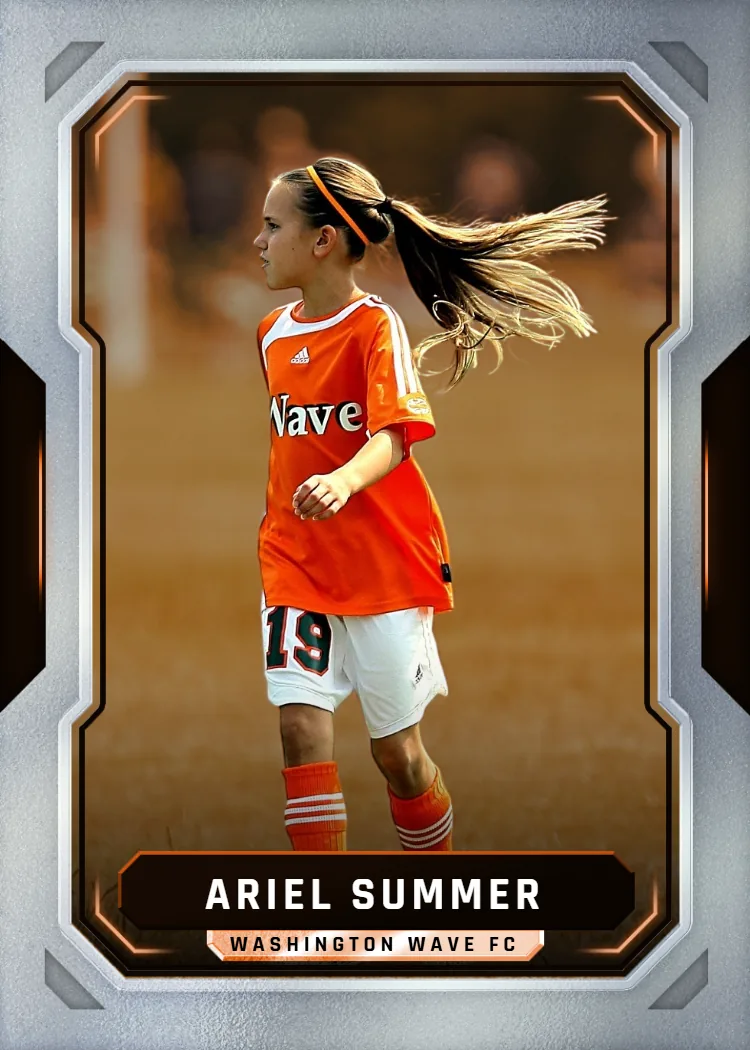
Found the Best Canon Lens for Sports Photography? Now Make That Shot Count
You've got the gear dialed in and the perfect action shot saved. Don't let it disappear into your camera roll — upload it to Snapshot and turn it into a premium custom trading card shipped in 2-3 days, free, anywhere in the USA.
Create Your Custom CardNo credit card required | Instant preview | Pro-quality designs
Explore More Card Options
Discover more custom trading card options for every sport and occasion