
The Best Nikon for Sports Photography — And What to Do With Those Shots
You bought the glass. You learned the settings. Now you need the camera body that actually keeps up with the play.
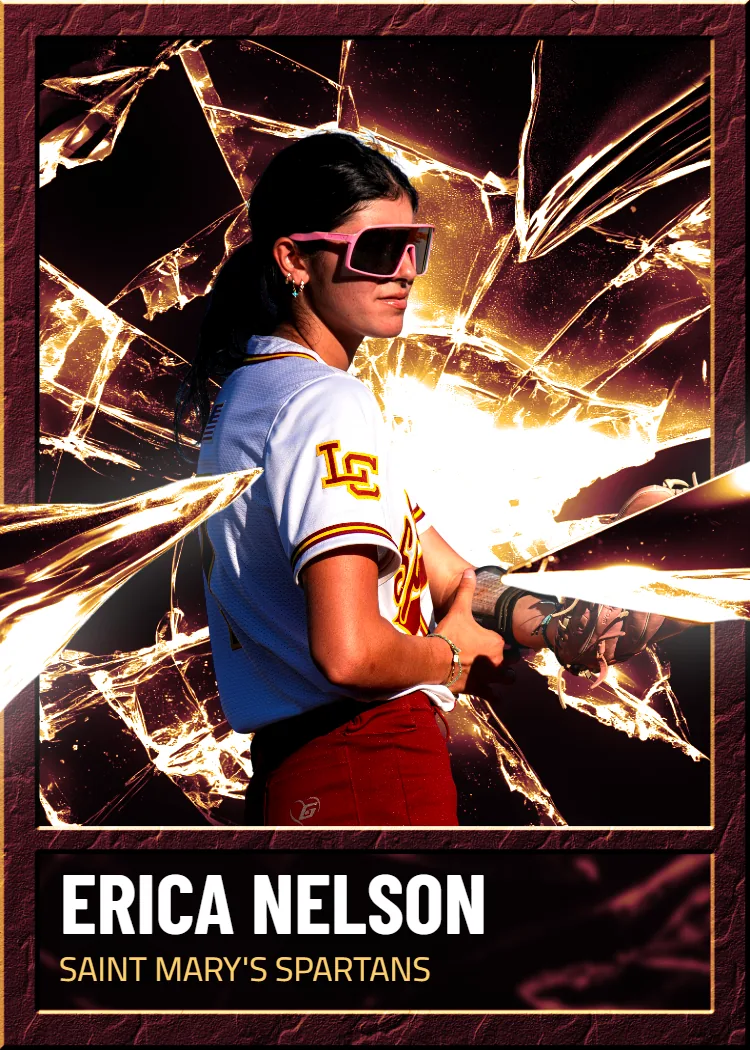
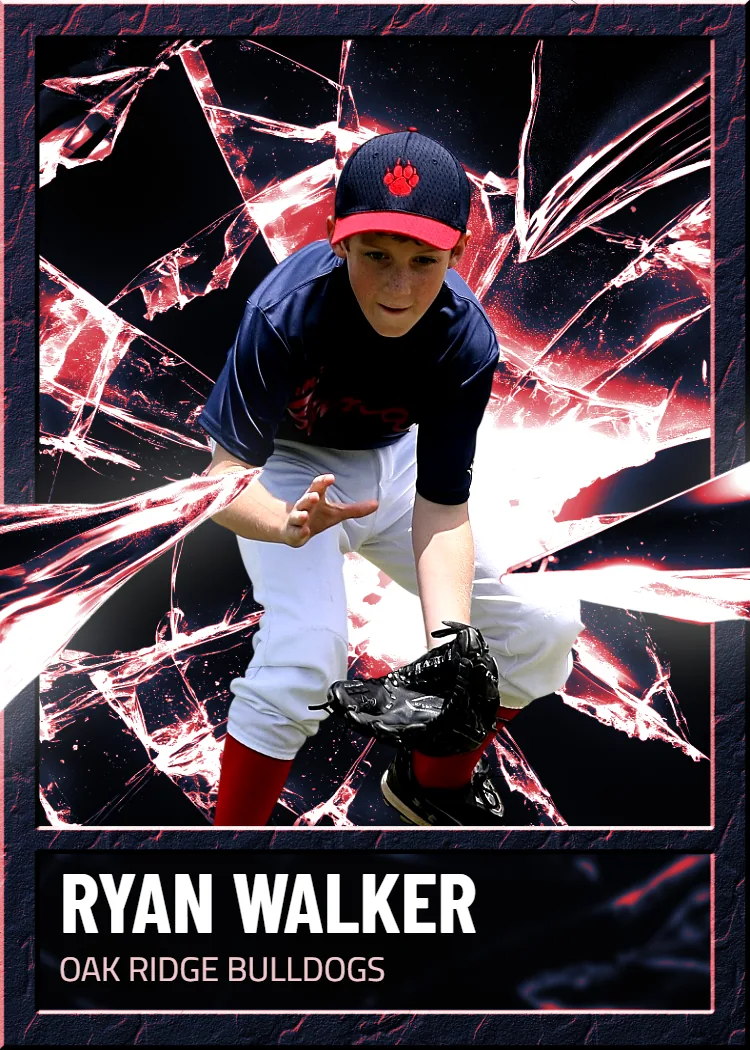
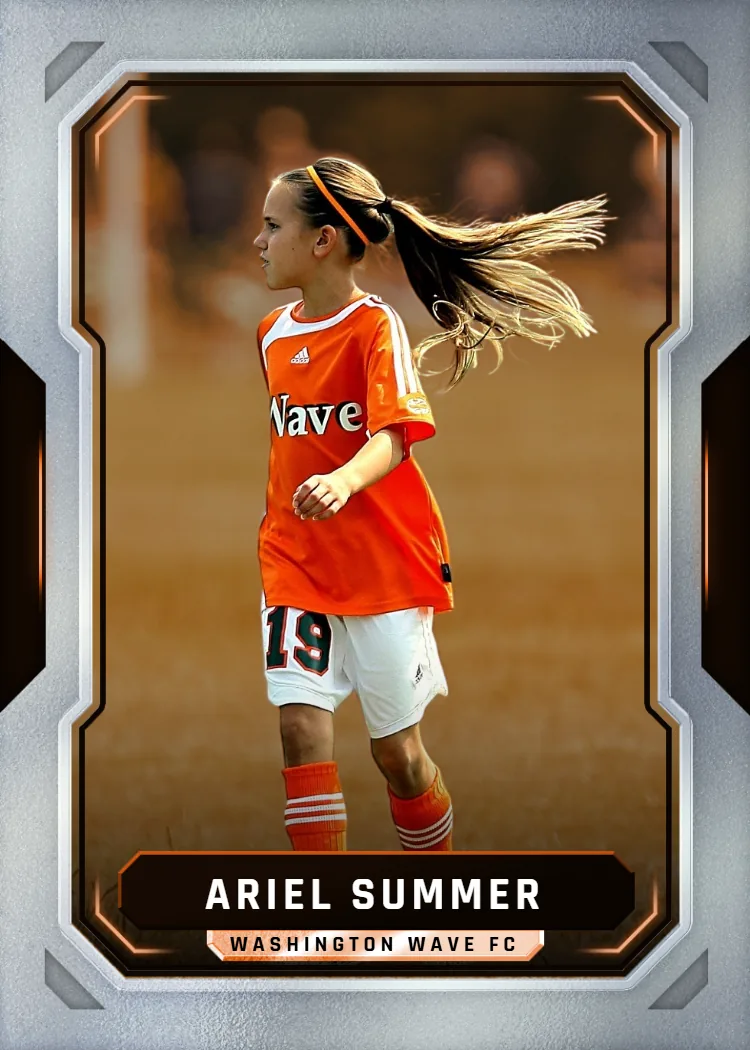
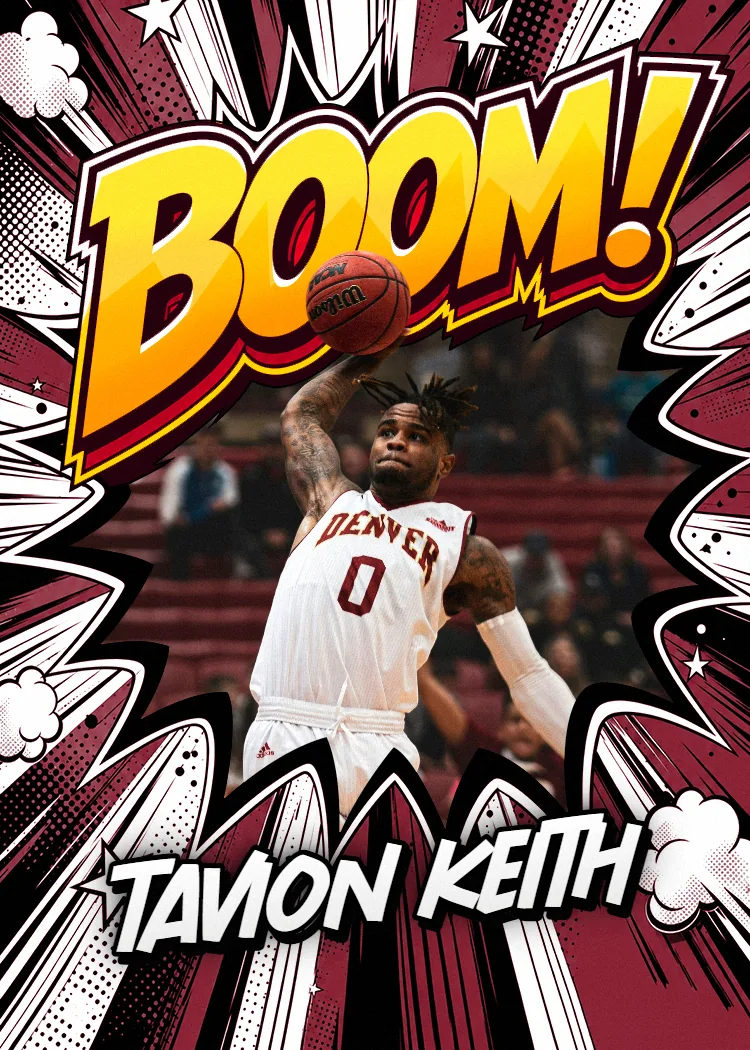
Upload any photo — your kid, your pet, your whole team — pick a pro template, and we print and ship a real, holdable card the next business day.
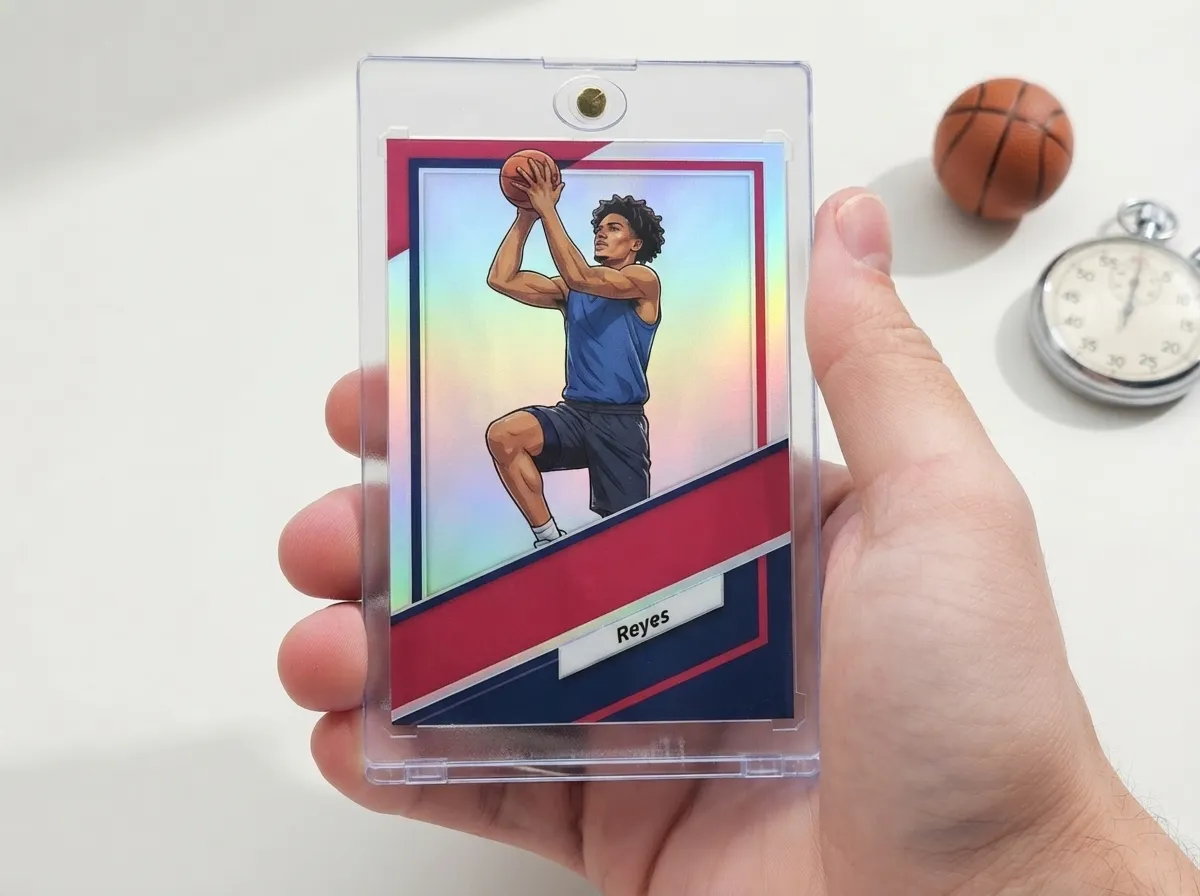
Here's the frustrating part: most buying guides rank cameras by spec sheets alone, ignoring what actually happens on a Saturday morning sideline when your kid's team is sprinting toward the end zone and your autofocus hunts for half a second too long. That missed frame is gone forever. Parents, team photographers, and weekend shooters all hit the same wall — too many megapixels, not enough frames per second, or a buffer that chokes right when the action peaks. Picking the best Nikon for sports photography isn't about brand loyalty. It's about matching burst speed, autofocus tracking, and low-light performance to the chaos of real games.
This guide breaks down the Nikon bodies that actually deliver on the sideline — from the flagship Z9 to budget-friendly options that still nail fast-moving subjects. We'll walk through what matters, what doesn't, and how to pick without overspending. Then we'll show you what to do with the images once you've got them: turning your best sideline captures into premium custom trading cards that outlast any Instagram post. Snapshot prints them on professional card stock and ships nationwide in 2-3 days.
Let's get you shooting sharper, then get those shots onto something a kid will keep forever.
We ship custom cards to teams and families in all 50 states every week, working with everything from phone photos to professional Nikon files.
Why Coaches and Parents Trust Snapshot With Their Best Shots
Snapshot works with team parents, league photographers, and hobbyists nationwide who send in their sharpest Nikon captures every week. Orders ship from Des Moines, Iowa, in 2-3 days regardless of the sport, roster size, or time of year. The most common feedback we hear is surprise at how close the printed card looks to the original file — no washed-out colors, no soft edges.
Who Actually Needs the Best Nikon for Sports Photography?
Not everyone needs a flagship body — the right choice depends on how often you shoot and what you do with the images afterward.
Team Parents Shooting Every Weekend
If you're the unofficial team photographer covering games from August through November, a mid-range body like the Z6 III gives you enough speed and low-light range without flagship pricing. You'll capture sharp action shots consistently, and those files translate beautifully into custom cards for the whole roster at season's end.
Serious Hobbyists Building a Portfolio
Shooters aiming to sell prints or build a reputation benefit from the Z8's pro-level autofocus and resolution. The extra dynamic range holds up under editing, and the frame rate ensures you're rarely choosing between two nearly identical shots of the same play.
Coaches and League Organizers
If you're documenting an entire league across multiple fields and age groups, reliability matters more than top-end speed. A weather-sealed body with solid autofocus, even a used Z6 II, holds up to a packed schedule and produces files clean enough for team card packs and season recap posters.
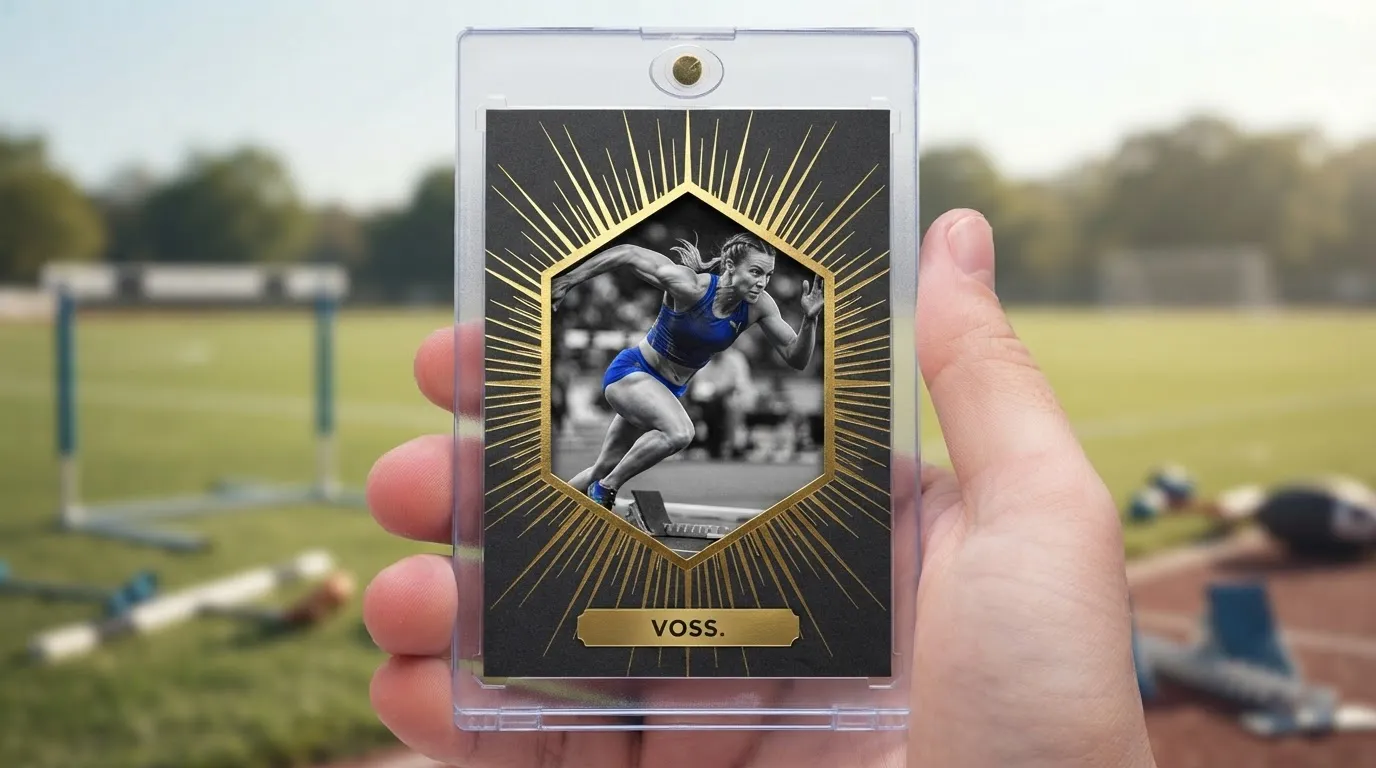
Free to design, instant preview. Ships the next business day.
How Do You Actually Choose the Best Nikon for Sports Photography?
Three factors decide whether a Nikon body can handle sports: autofocus tracking, continuous shooting speed, and buffer depth. Get those right and everything else is a bonus.
Check the Autofocus Tracking System First
Before you look at price or megapixels, check how the camera tracks a moving subject. Nikon's Z9 and Z8 use 3D tracking with subject detection that locks onto eyes, faces, and even helmets, following them across the frame automatically. Cheaper bodies like the Z50 II still track motion well but lose the subject faster in crowded scenes, like a soccer scrum or a basketball paint battle. If your sport involves tight, chaotic action, prioritize tracking sophistication over resolution every time.
Match Frames-Per-Second to Your Sport
A baseball pitcher's windup needs fewer frames per second than a hockey breakaway. The Z9 shoots 20 fps in raw, which is overkill for slower sports but essential for anything with sudden bursts of speed. Mid-range bodies like the Z6 III hit 14 fps, plenty for most weekend leagues. Figure out your sport's tempo first, then match the spec instead of chasing the highest number on the shelf.
Confirm Buffer Depth and Card Speed
A blazing burst rate means nothing if the buffer fills after 20 frames and the camera locks up mid-play. The Z9 and Z8 pair huge buffers with CFexpress cards, letting you shoot entire sequences without stalling. Budget bodies paired with slower SD cards will bottleneck fast, so factor card cost into your total spend before committing to a body.
Nail these three specs and you've found the best Nikon for sports photography for your budget and sport.

What Makes a Sports-Ready Nikon Worth the Investment?
A camera built for sports pays off in moments you can't get back — here's what separates a good body from a great one.
You Stop Missing the Peak Moment
Fast autofocus and high burst rates mean you catch the exact instant of contact, the leap, the release — not the frame before or after it. That's the difference between a forgettable photo and one worth printing.
Low Light Stops Being a Problem
Evening games and indoor gyms punish weaker sensors. Nikon's stacked sensor bodies handle high ISO with far less noise, keeping images sharp enough to crop and print without grain ruining the shot.
Weather-Sealing Keeps You Shooting
Rain delays end for the players, not for parents standing in it with a camera. Weather-sealed Nikon bodies keep working through drizzle, dust, and cold snaps without hesitation.
Better Files Mean Better Prints
A sharp, well-exposed raw file gives you room to crop tight and still print large. That matters when you're turning a game photo into a full-size MEGA card instead of a blurry phone snapshot.
Checklist: Picking the Best Nikon for Sports Photography
- Confirm autofocus subject-tracking capability, not just megapixels
- Match frames-per-second to your specific sport's tempo
- Check buffer depth and required memory card speed
- Verify weather-sealing if you shoot outdoors often
- Test high-ISO performance for indoor or evening games
- Budget for a fast telephoto lens alongside the body
What Does It Cost to Turn Your Best Shots Into Cards?
Pricing stays simple no matter which Nikon captured the shot or how many players you're printing for.
Single custom card: $17.99. Card packs: up to $49.99. MEGA 11"x15" poster card: $49.99. Free shipping across the USA on every order.
One sharp Nikon frame becomes a keepsake the whole team can hold, priced far below custom merchandise from most sports photography studios.
Box Options
Simple, collectible pricing. No subscriptions, no hidden fees.
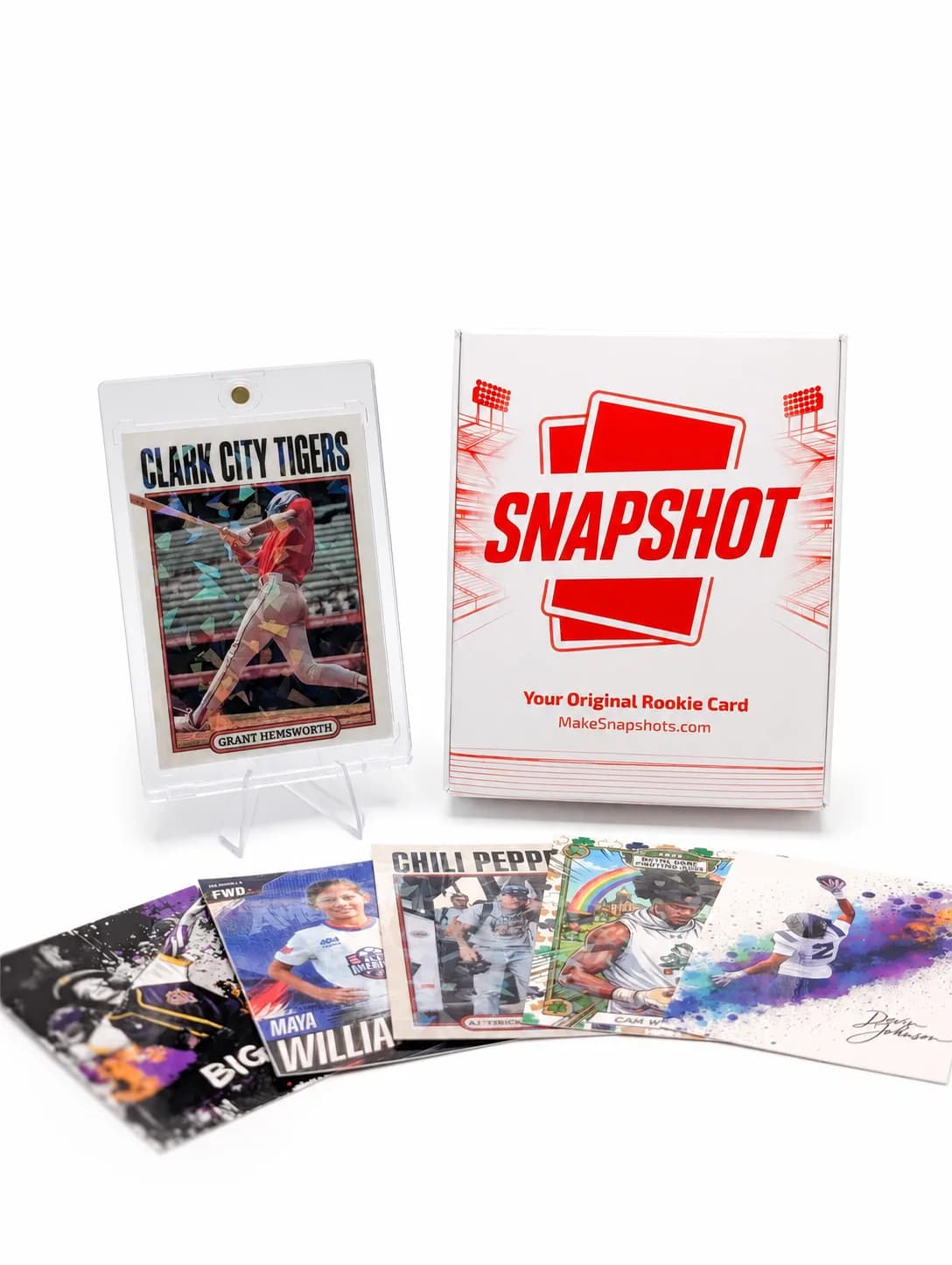
The Rookie Box
Perfect for those unforgettable moments
$17.99 - $49.99
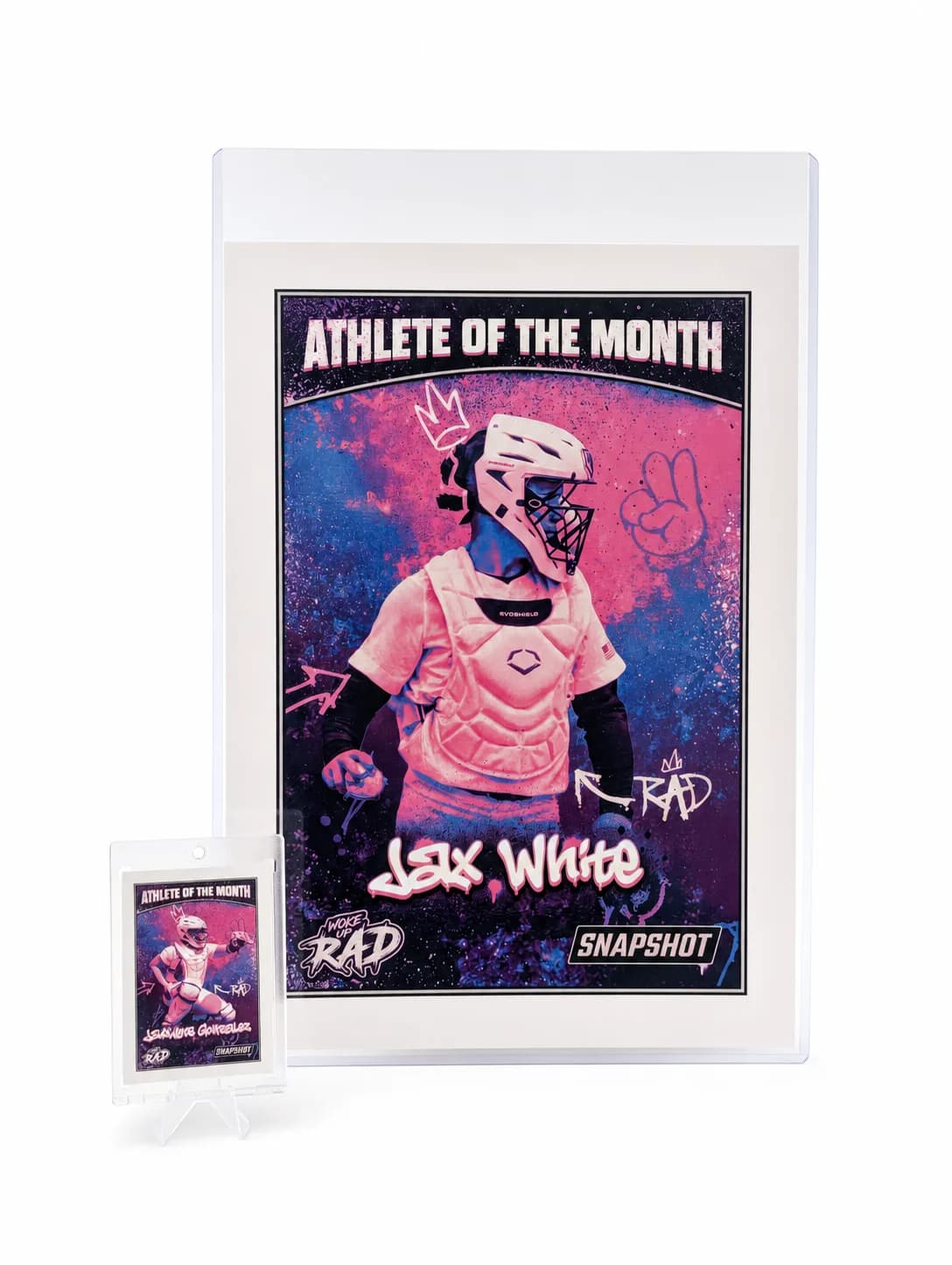
MEGA Card
Their moment, bigger than ever
$49.99
Create for free • Ships the next business day • Made in Des Moines, IA, USA
Frequently Asked Questions
What lens pairs best with a Nikon body for sports photography?
A 70-200mm f/2.8 is the standard workhorse lens for most sports shooters, and for good reason — it covers the distance range needed for sideline shooting while staying fast enough for lower light. For sports where you can get closer, like basketball or volleyball indoors, a 24-70mm f/2.8 offers more flexibility without the bulk of a longer telephoto. Field sports like football, soccer, and lacrosse often benefit from something longer, in the 100-400mm range, especially when you're stuck on one sideline and the action moves to the far end. Budget matters here too, since a good lens frequently costs more than the camera body itself, and it's usually the better investment long-term. If you can only afford one lens to start, the 70-200mm covers the widest range of realistic shooting scenarios. Image stabilization helps in lower light gyms and evening games, so prioritize it if your budget allows. Whatever you choose, pair it with a body that has fast, reliable autofocus, since a great lens can't compensate for a camera that hunts.
How long does it take to get custom cards printed after uploading a photo?
Snapshot ships every order within 2-3 days of upload, regardless of whether you're ordering a single card or a full team pack. That timeline holds steady whether it's mid-season with dozens of teams ordering at once or the off-season lull, since our production process in Des Moines, Iowa, is built to handle volume without slowing down. You'll want to double-check your photo's cropping and template choice before finalizing, since that's the step most likely to add delay if changes are needed afterward. Once the order is confirmed, printing and packaging move quickly, and shipping is free across the entire United States. Many customers order right after a big game or tournament win, wanting cards in hand before the next practice or banquet. That quick turnaround is intentional, since sports moments feel most exciting immediately after they happen, and waiting weeks kills that momentum. If you're planning around a specific event, like an end-of-season party, ordering a few days ahead gives you comfortable buffer time.
Is a mirrorless Nikon better than a DSLR for sports?
For sports specifically, yes, mirrorless has pulled ahead in almost every meaningful way over the past several years. Nikon's Z-series bodies offer faster, more accurate autofocus thanks to on-sensor phase detection covering nearly the entire frame, compared to the more limited autofocus points in older DSLRs like the D500 or D850. Mirrorless bodies also shoot silently and at higher frame rates using electronic shutters, which matters in quiet gyms or during ceremonies where a clacking DSLR shutter draws unwanted attention. Battery life used to favor DSLRs heavily, but newer mirrorless batteries have closed much of that gap, especially in bodies like the Z6 III. The one place DSLRs still hold an edge is affordability on the used market, since older bodies like the D500 remain excellent sports performers at lower prices. If budget is your primary constraint, a used DSLR is still a completely valid choice. But if you're buying new and want the best autofocus performance available today, mirrorless is the clear direction Nikon and the rest of the industry have moved.
What ISO range do I need for indoor sports photography?
Indoor gyms typically require shooting between ISO 3200 and 6400 to maintain a fast enough shutter speed to freeze motion under artificial lighting. This is exactly where sensor quality separates a good sports Nikon from a mediocre one, since noise at high ISO can ruin fine detail in a printed photo. The Z9, Z8, and Z6 III all handle this range remarkably well, producing usable, relatively clean files even at ISO 6400 in dim gymnasiums. Older or budget bodies tend to introduce more visible noise at these settings, which becomes especially noticeable when cropping in tight on a player's face or jersey number. Shutter speed should stay around 1/1000th of a second or faster to freeze fast movement, which forces the higher ISO in the first place. Shooting wide open at f/2.8 helps let in more light and keep ISO somewhat lower. If you're printing these shots later, slightly higher ISO with good in-camera noise handling still prints better than a properly exposed but blurry alternative caused by too slow a shutter speed.
Do I need a full-frame Nikon for good sports photos?
Not necessarily, and this is one of the more common misconceptions among photographers just getting into sports work. Crop-sensor bodies like the Z50 II actually offer an advantage for distant subjects, since the smaller sensor effectively extends your lens's reach, letting a 200mm lens behave more like 300mm. Full-frame bodies excel in low light and offer better dynamic range, which matters more for evening games or dimly lit gyms than for sunny weekend matchups outdoors. If you're shooting mostly outdoor daytime sports and want more reach without buying an expensive long lens, crop-sensor is a genuinely smart choice, not just a budget compromise. Full-frame becomes more valuable as you shoot more indoor sports, night games, or want maximum print quality for large-format prints like our MEGA poster card. Many serious sports shooters actually keep both types of bodies for different situations. If you're only buying one camera for now, base the decision on where and when you shoot most often, not on sensor size alone.
Can I print action shots as large as a poster?
Yes, and it's actually one of our most popular formats for standout sports moments. The MEGA card measures 11 inches by 15 inches, giving you a large, wall-worthy display piece rather than a small pocket-sized card. Files from any modern Nikon, even crop-sensor bodies around 20-24 megapixels, print beautifully at this size as long as the original shot is sharp and properly exposed. This is exactly where good autofocus pays off, since a slightly soft image that looks fine on a phone screen becomes obviously blurry once enlarged to poster size. We recommend choosing your sharpest, most in-focus frame from a sequence rather than the one with the best expression alone, since enlargement reveals focus issues quickly. The MEGA card costs $49.99, ships with free shipping, and arrives in the same 2-3 day window as our standard cards. It makes an excellent gift for a senior night, a championship win, or simply a standout game performance worth remembering permanently.
How do I know if my current Nikon is good enough before buying a new one?
Before upgrading, test your current body during an actual game rather than judging it by spec sheets alone. Shoot a full quarter or inning and review how many frames come out sharp and properly tracked, not just how many you captured overall. If you're consistently getting 70% or more usable, in-focus frames, your camera likely isn't the limiting factor, and a new lens or better shooting position might help more than a body upgrade. If instead you're seeing the camera hunt for focus repeatedly, or missing entire sequences because the buffer filled up, that's a legitimate sign it's time to consider a newer body. Also consider how you're using the images afterward. If you're printing large-format cards or posters, resolution and file quality matter more than they would for casual social media posts. Test in the exact conditions you shoot most, whether that's an evening gym or a sunny outdoor field, since performance varies dramatically between the two. Only upgrade once you've confirmed the limitation is genuinely the camera and not technique or lens choice.
Free to design, instant preview. Ships the next business day.
Found Your Best Nikon Shot? Turn It Into a Custom Card
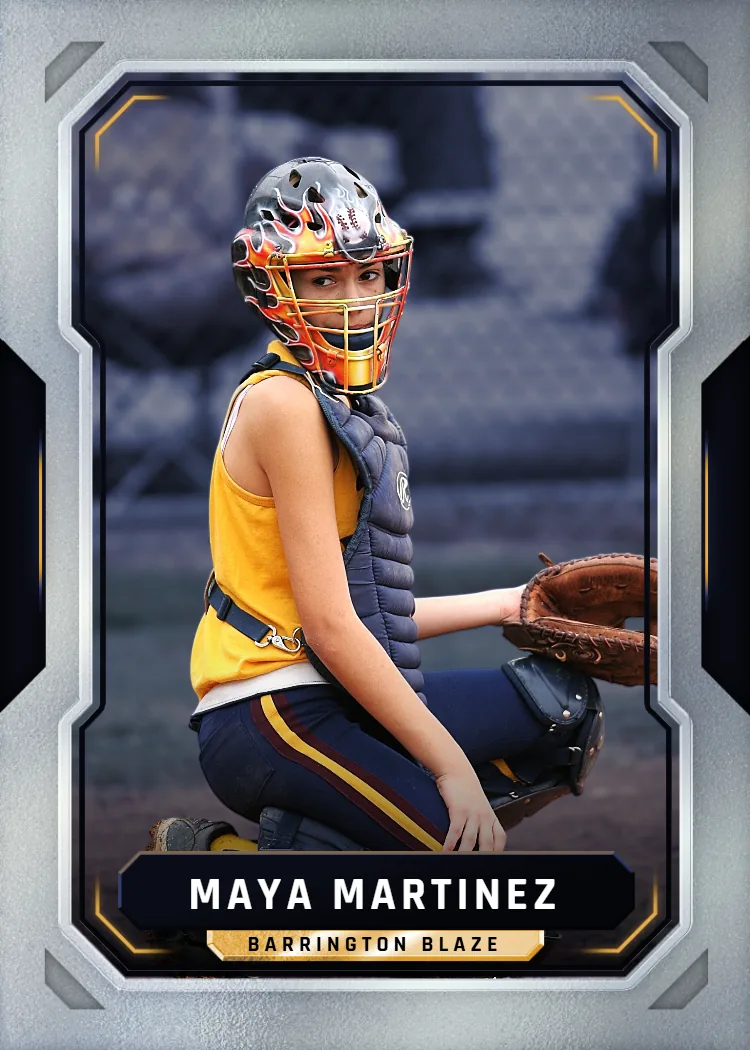
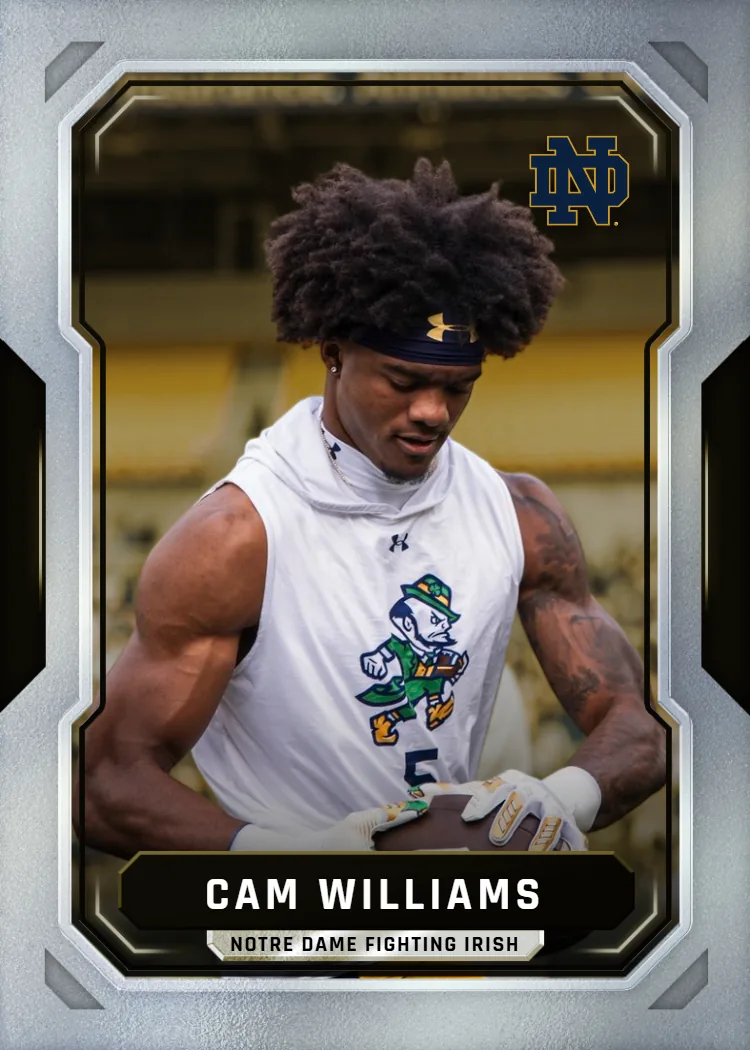
You've got the camera dialed in and the perfect frame captured. Don't let it sit buried in a camera roll. Upload it, pick a template, and get a premium custom card shipped to your door in 2-3 days, anywhere in the USA.
Create Your Card NowNo credit card required | Instant preview | Pro-quality designs
Explore More Card Options
Discover more custom trading card options for every sport and occasion