
Best Sports Photography Lenses for Cards Worth Keeping
You spent hours at the field. One frame was perfect. Now what do you do with it?
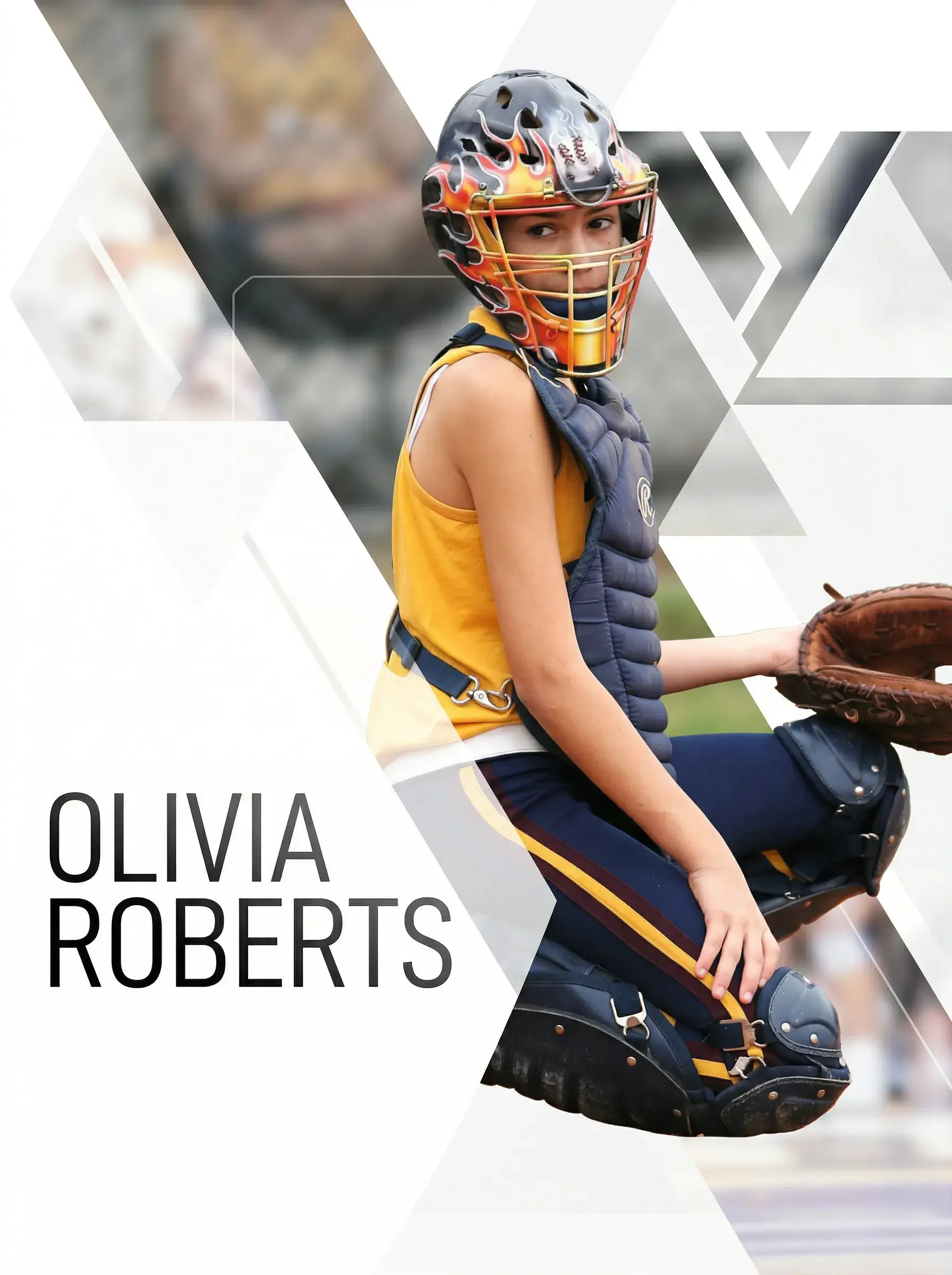
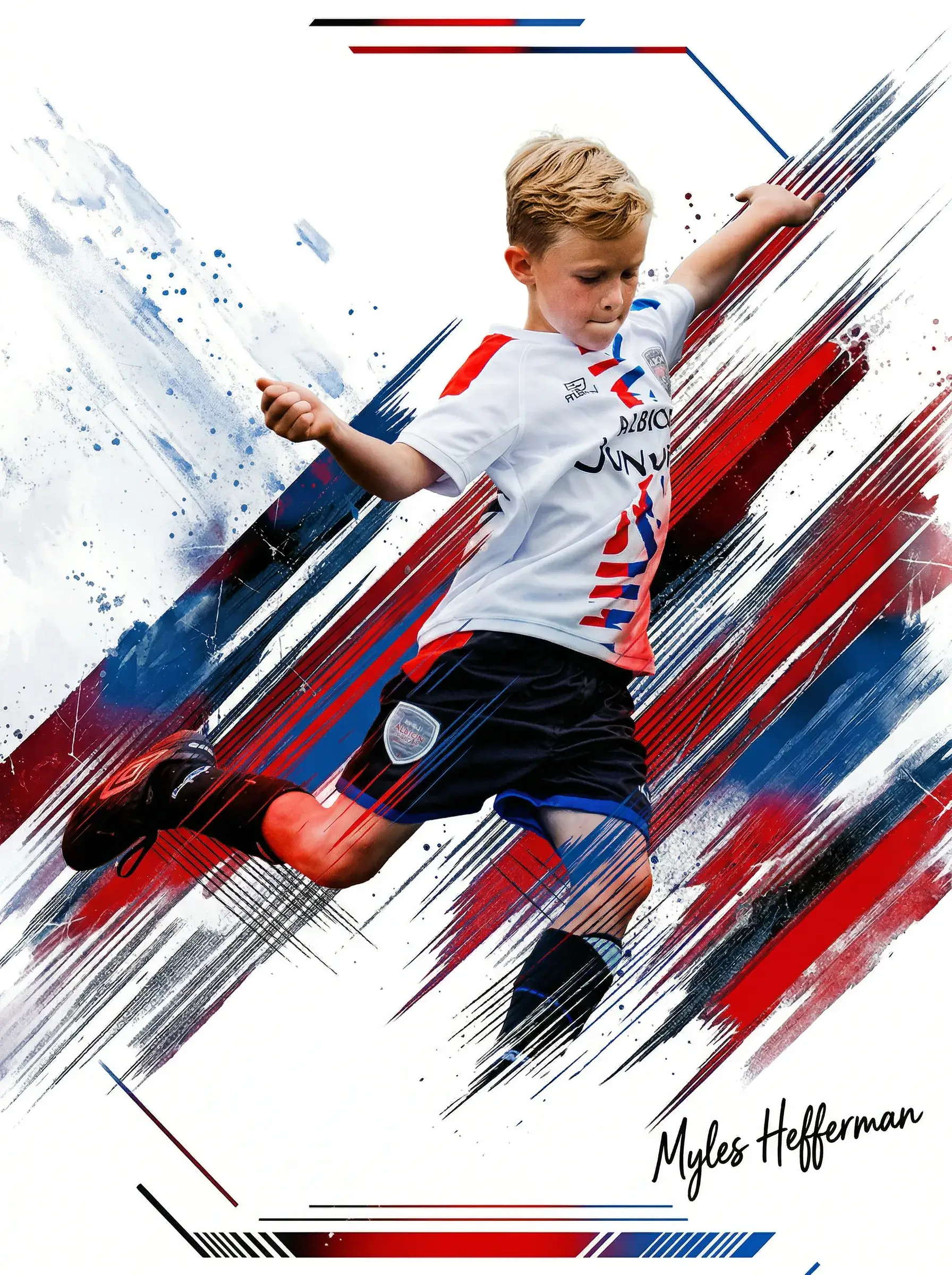
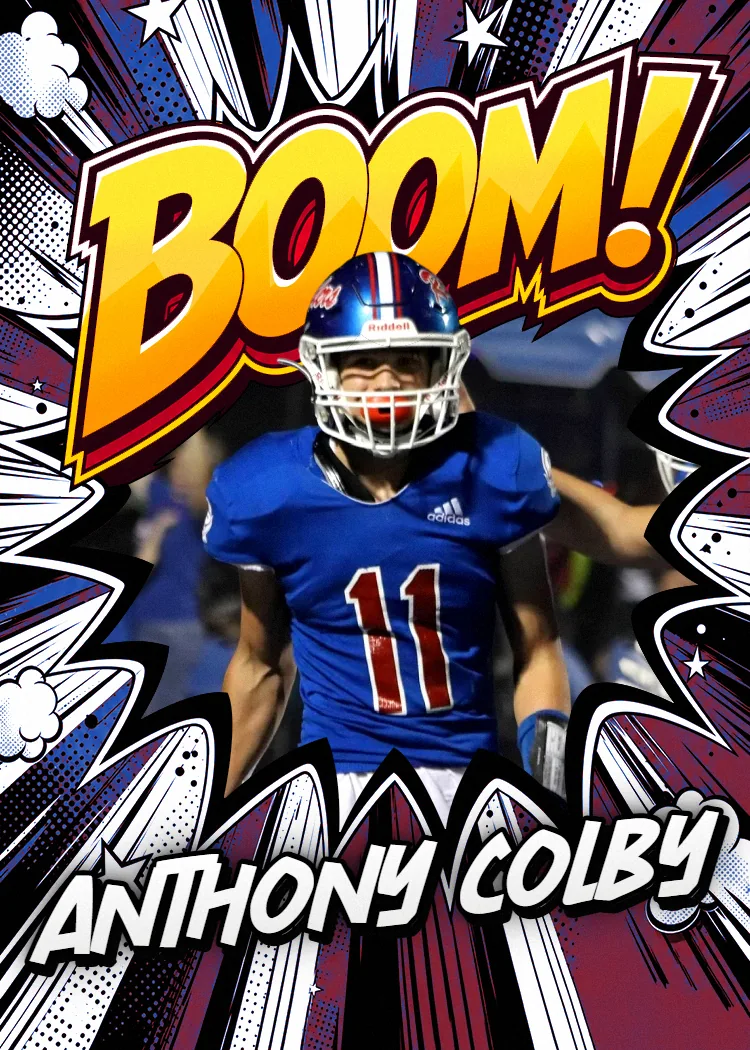
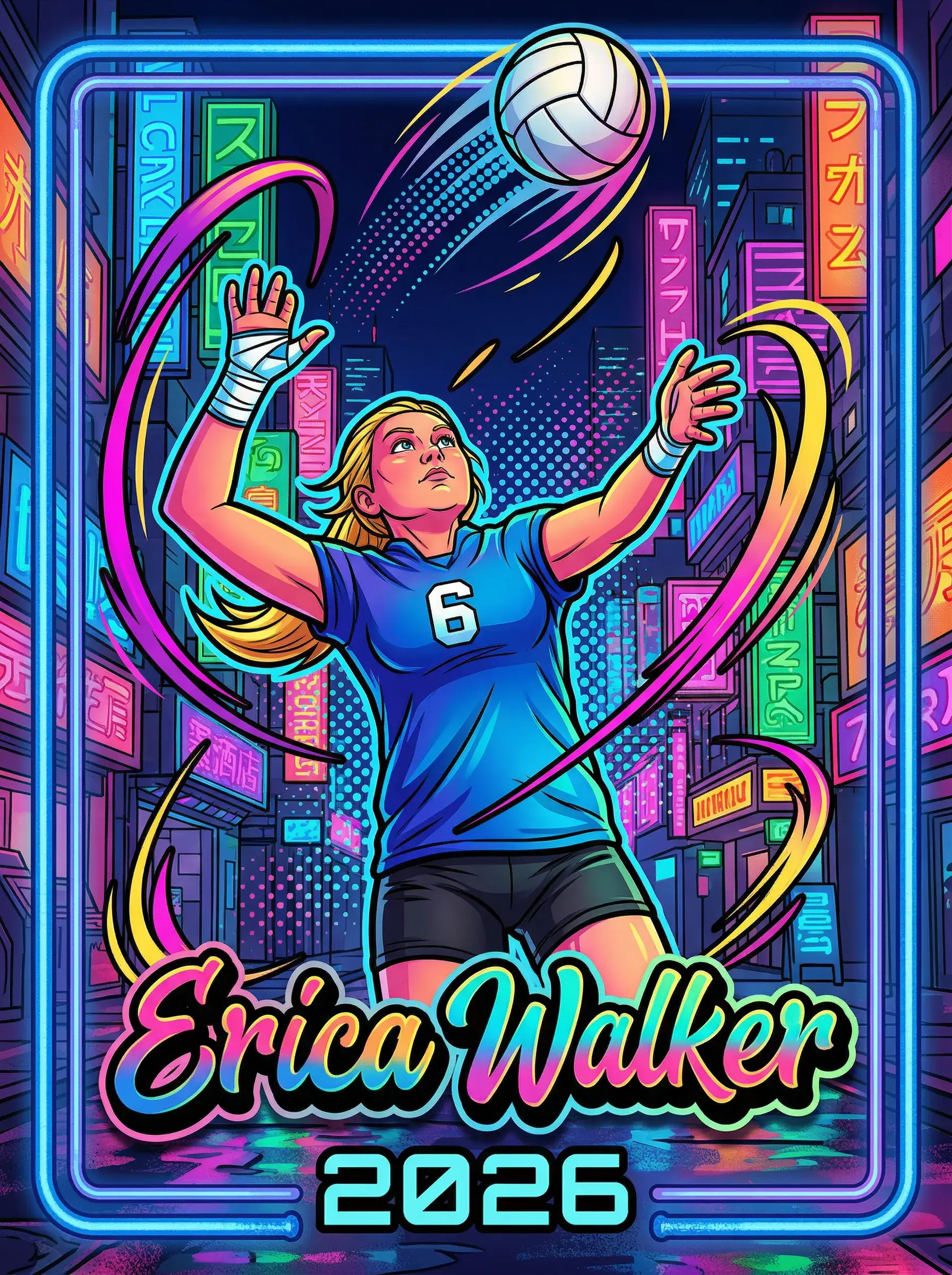
Upload any photo — your kid, your pet, your whole team — pick a pro template, and we print and ship a real, holdable card the next business day.
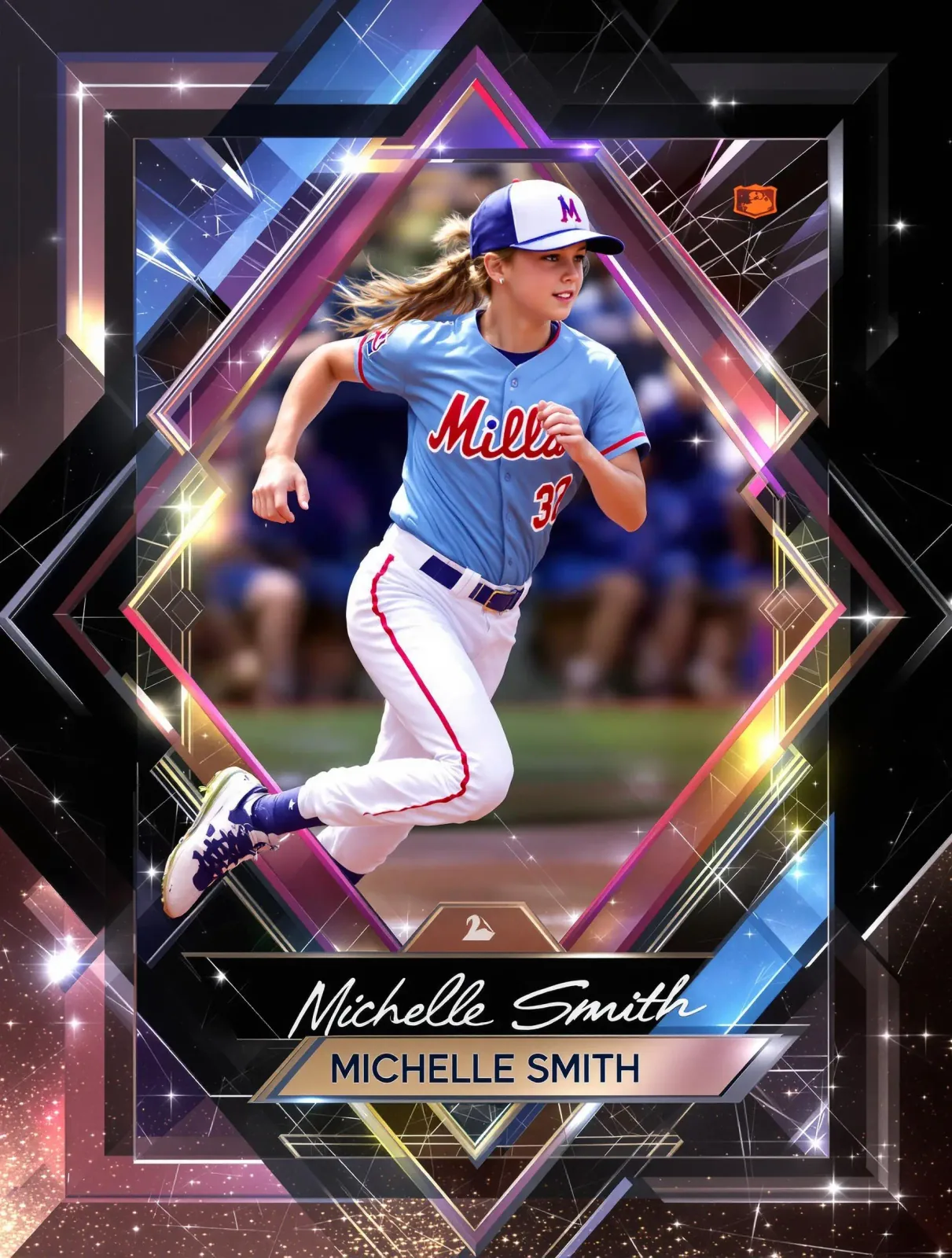
Most sports photos live and die on a phone screen — swiped past in a feed, forgotten in a camera roll, never printed. The frustrating part isn't taking the shot; it's that even a technically excellent photo taken with the best sports photography lenses rarely ends up as anything tangible. Parents miss milestone moments. Athletes never see themselves frozen mid-play. Coaches have no way to commemorate a season that mattered. The photo exists. The memory doesn't have a home.
Snapshot fixes that. Once you've captured the moment with the right lens, you upload it to our site, pick a pro sports-card template, and we print a custom trading card on premium card stock — shipped to your door in 2-3 days with a free magnetic case. Every card we make starts with a great photo, which is exactly why understanding the best sports photography lenses matters so much. Better glass means a better card.
Here's how to go from choosing the right lens to holding a card that actually does the moment justice.
We ship custom cards to athletes, parents, and coaches in all 50 states every week, and we've printed everything from youth tee-ball cards to college-level action shots.
Why Starting with the Right Lens Makes Your Cards Look Pro
The difference between a card that hangs on a wall and one that gets tucked in a drawer usually starts at the moment of capture — not at the printer.
Sharpness That Survives Print
Quality telephoto lenses resolve fine detail — jersey texture, facial expression, mid-air body position — that compressed phone photos lose entirely. That detail doesn't disappear when you print it; it shows up on the card in a way that makes the image genuinely striking rather than soft and muddy.
Background Separation That Pops
A wide aperture lens like an f/2.8 blurs the crowd and bench behind your subject. On a card template, that clean separation between athlete and background makes the subject feel intentional and professional — not like a snapshot pulled from a team photo.
Usable Images in Bad Light
Gyms and evening games are notoriously difficult. Fast lenses — 50mm f/1.8, 85mm f/1.8, or 70-200mm f/2.8 — keep shutter speeds high enough to freeze motion without introducing the grain and blur that kill print quality. Your indoor card shots can look just as good as your outdoor ones.
Flexibility Across Sports
A 70-200mm covers football, soccer, and basketball. A 100-400mm reaches baseball outfielders and track runners. Knowing which focal length fits your sport means you're not guessing at the sideline — you're walking away with a usable frame every time, ready to become a card.
Free to design, instant preview. Ships the next business day.
Why Snapshot Earns Repeat Orders from Sports Families Across the Country
We ship custom cards to customers in all 50 states every week, and the orders that come back most consistently are from parents and coaches who've seen the difference a high-resolution photo makes on a finished card. Every card is made in Des Moines, Iowa, and the production team reviews every print before it ships — because a card that looks great on screen needs to look just as good in your hand.
How the Best Sports Photography Lenses Connect to a Card You'll Actually Frame
There are three steps between the sideline and a finished custom card — and the quality of your lens shapes all of them.
Shoot with a Lens Built for Motion
Sports happen fast. A 70-200mm f/2.8 or a 300mm f/4 gives you the reach to isolate athletes and the aperture to freeze motion in low light — gyms, evening fields, indoor tracks. Shoot in RAW if your camera allows. That extra data means more room to crop and adjust before you upload, which translates directly to a sharper printed card.
Upload Your Best Frame to Snapshot
Go to our site and upload your sharpest image. Our templates are designed around high-resolution photos, so files shot with a quality lens — not a cropped smartphone snap — genuinely look different on the finished card. Choose from our pro sports-card designs, add a name, number, position, or season year, and preview your card before checkout. It takes about five minutes.
Receive a Premium Card in 2-3 Days
Every card ships from Des Moines, Iowa, printed on professional card stock and tucked inside a free magnetic case. Free shipping anywhere in the USA. Whether it's a single card at $17.99 or a full pack up to $49.99, the turnaround is fast enough for end-of-season gifts, award ceremonies, or surprise presentations. The lens got the shot. We handle the rest.
Good glass leads to a great photo. A great photo leads to a card that people actually keep.
Common Mistakes That Ruin an Otherwise Great Sports Photo for Print
These are the problems we see most often — and all of them happen before the photo ever reaches us.
Shooting in JPEG on the smallest file size setting
Switch your camera to Large/Fine JPEG or RAW. Small file settings discard detail you can't recover at print time.
Using digital zoom on a smartphone instead of moving closer
Walk closer to the action if possible, or use optical zoom. Digital zoom crops and degrades the image before you've even taken the shot.
Setting shutter speed too low for fast-moving subjects
For running, jumping, or throwing, use at least 1/800s. Slower speeds turn a sharp athlete into a motion-blurred ghost — unusable for a card.
Choosing the widest aperture without checking focus accuracy
Wide apertures like f/1.8 have razor-thin depth of field. If autofocus locks on the wrong spot, the subject is soft. Check your shots at 100% zoom before assuming you got the frame.
Uploading a heavily filtered or edited version of the photo
Heavy contrast or saturation filters that look good on a phone screen often print poorly. Submit the cleanest version of your image and let the card template do the design work.
Best Sports Photography Lenses: Which One Fits Your Sport?
Not every lens works for every situation. Here's a practical comparison of the most commonly used options — and which one is most likely to get you a card-worthy shot.
| Feature | Lens | Best For | Strength |
|---|---|---|---|
| 70-200mm f/2.8 | Basketball, football, indoor sports | Fast aperture handles low light, excellent autofocus | Heavy and expensive; overkill for bright outdoor games |
| 70-200mm f/4 | Outdoor soccer, track, youth sports | Lighter weight, sharp images, much more affordable | Struggles in dim gyms without a fast shutter speed |
| 100-400mm zoom | Baseball, track and field, lacrosse | Long reach for distant action, sharp at all focal lengths | Bulky; needs good light or image stabilization |
| 85mm f/1.8 prime | Pre-game portraits, gym sports, close sideline work | Stunning subject separation, excellent in low light | No zoom; you move your feet, not the focal length |
| 50mm f/1.8 prime | Team portraits, locker room moments, celebration shots | Inexpensive, sharp, works in almost any light | Too short for most action at field or court scale |
Who's Already Turning Their Best Lens Work into Custom Cards
From youth leagues to college programs, the people benefiting most from this combination are the ones who already invest in decent photography equipment.
Youth and High School Team Parents
A parent with a 70-200mm zoom knows what it's like to nail one perfect shot of their kid and then have nowhere to put it. Snapshot turns that single image into a custom card — one per athlete, one per family — that becomes a keepsake. At $17.99 a card with free shipping, it costs less than most custom photo prints and arrives in a magnetic case.
Coaches and Athletic Directors
End-of-season recognition is a real challenge at every level. A coach who photographs their team throughout a season — even with a mid-range zoom lens — can pull their best shots and order individual cards for every player. It's a practical, personal way to close out a season without the cost and lead time of a professional photo service.
Sports Photographers Building a Portfolio
A photographer who shoots high school or college sports regularly already has the glass and the eye. Offering custom cards as an add-on product — printed through Snapshot — gives clients something physical to take home. The MEGA 11×15 poster card at $49.99 is especially compelling for a standout action shot that deserves more space than a standard 2.5×3.5 card.
Simple, Honest Pricing — No Subscription Required
You don't need a bundle or a membership to get a professional custom card. Pick what fits your situation.
Single card from $17.99. Card packs available up to $49.99. MEGA 11×15 poster card at $49.99. Free shipping on every order to any address in the USA. Free magnetic case included with every card.
One great photo, shot with the right lens, printed on professional card stock, shipped free in 2-3 days. That's the whole deal — no hidden fees, no minimums.
Box Options
Simple, collectible pricing. No subscriptions, no hidden fees.
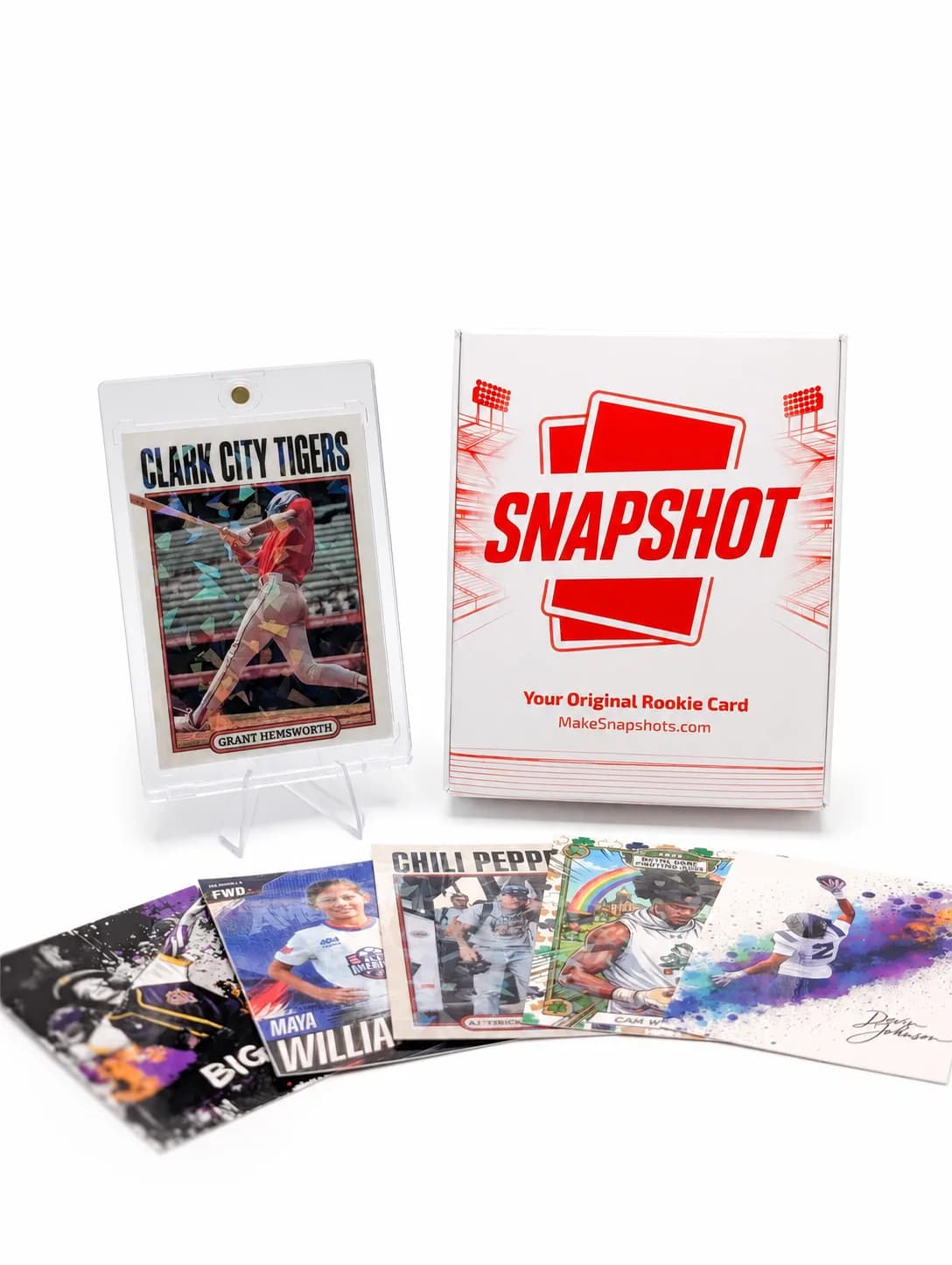
The Rookie Box
Perfect for those unforgettable moments
$17.99 - $49.99
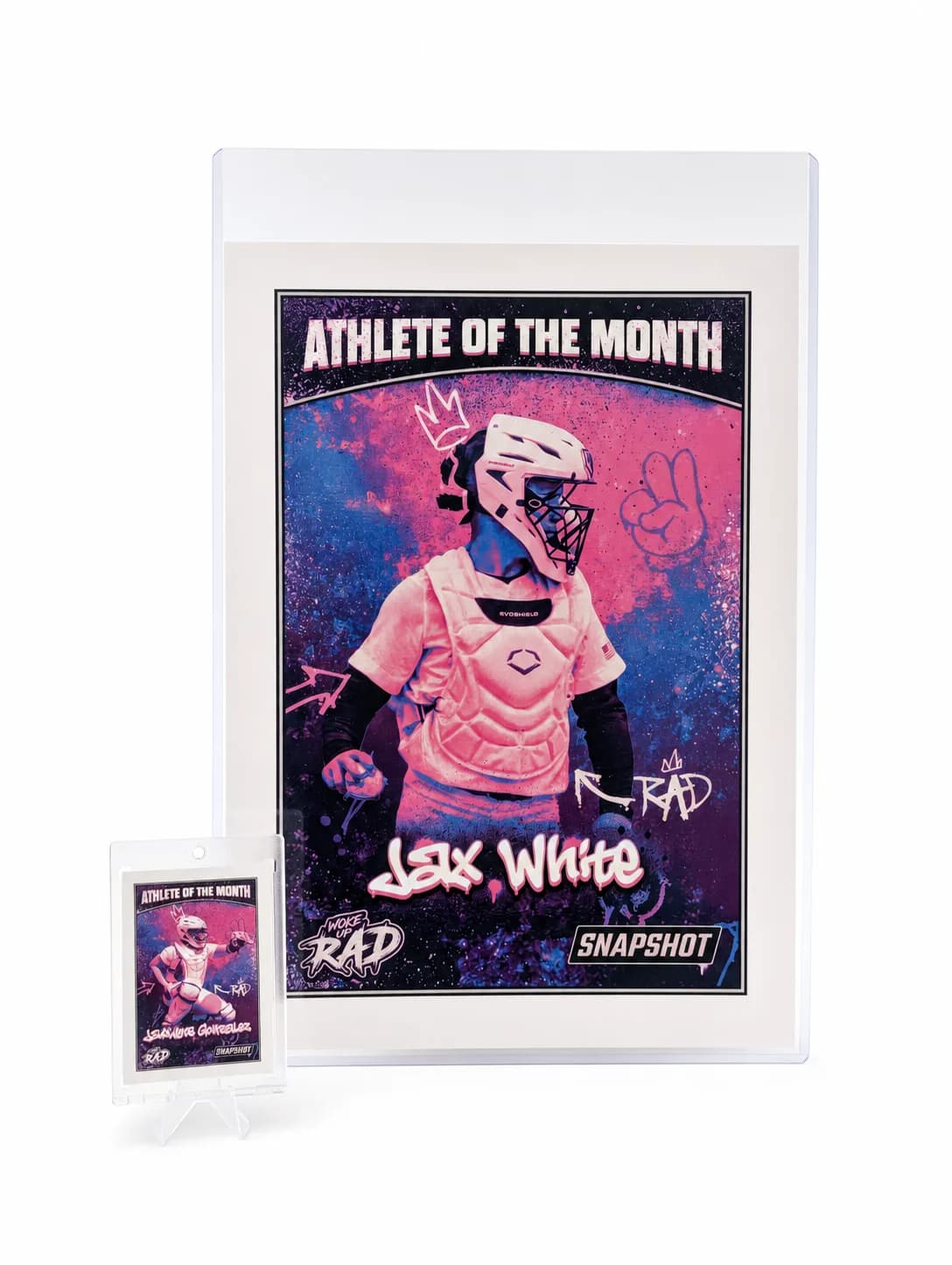
MEGA Card
Their moment, bigger than ever
$49.99
Create for free • Ships the next business day • Made in Des Moines, IA, USA
Frequently Asked Questions
What are the best sports photography lenses for beginners on a budget?
The 70-200mm f/4 is one of the smartest entry points for budget-conscious sports photographers. It's lighter than the f/2.8 version, significantly less expensive, and still delivers excellent sharpness and subject isolation. If you're shooting outdoors in daylight — youth soccer, track, baseball — it handles the majority of situations well. Pair it with a body that has solid autofocus tracking and you'll walk away with frames sharp enough to print beautifully on a custom card. For indoor sports, consider renting an f/2.8 version for low-light situations before committing to a purchase.
Does the lens quality really affect how my photo looks on a printed card?
Yes — more than most people expect. Professional card stock captures fine detail, and that means both the clarity and the flaws in your photo show up in print. A sharp, well-exposed image taken with a quality telephoto lens resolves jersey numbers, facial expressions, and motion-frozen body positions that a blurry or compressed image can't reproduce. When you upload a photo to Snapshot, our templates are designed to showcase the full image — there's no algorithm softening your shot. What you upload is what gets printed, so starting with a strong image matters.
What image resolution does Snapshot recommend for the best-looking cards?
For a standard 2.5×3.5 trading card, you'll want an image with enough resolution to print clearly without pixelation. Photos shot with a DSLR or mirrorless camera — especially with a prime or telephoto lens — typically far exceed the minimum requirements. If you're cropping significantly into a photo, start with the highest-resolution file your camera produces, ideally RAW converted to a high-quality JPEG. Smartphone photos can work in some cases, but images shot with dedicated camera lenses consistently produce more detailed, vibrant cards. When in doubt, upload the largest file version you have.
Which focal lengths work best for different sports?
Focal length selection depends almost entirely on how close you can get to the action. Football and soccer sidelines typically require 200-400mm to reach the field properly. Basketball in a gym can often be shot effectively at 85-135mm from a corner position. Baseball is one of the more demanding sports — outfield action benefits from 400-600mm. Track and field events vary by event: sprints might need 300mm, while field events like shot put or long jump can be approached closer. Knowing your sport's typical shooting distance before choosing a lens saves you from being under-gunned at the wrong moment.
Can I use a smartphone photo for a Snapshot custom card?
You can, and many customers do — especially for casual or youth sports moments where a dedicated camera wasn't available. The key is to use the highest resolution your phone produces, avoid digital zoom, and shoot in good natural light whenever possible. Flagship smartphones from the past few years produce files sharp enough for a standard card. That said, photos taken with dedicated camera lenses — especially telephoto zooms with optical stabilization — consistently print with more detail and color accuracy. If you have both options, submit the camera shot. If you only have the phone photo, it's still worth uploading and seeing the result.
How fast does Snapshot ship, and is shipping really free?
Every order ships free anywhere in the USA — no minimum, no code required. Standard production and shipping runs 2-3 days from the time your order is placed, which is fast enough to make Snapshot work for last-minute gifts, end-of-season parties, and award ceremonies. Every card ships from Des Moines, Iowa, and arrives with a free magnetic case included. If you're ordering for a team event, it's worth placing your order a few days early to account for any delivery variability, though most customers receive their cards within the stated window.
What is the MEGA poster card, and when does it make sense?
The MEGA is an 11×15 inch oversized card — same custom sports-card format as our standard cards but scaled up to poster size. It's priced at $49.99 and makes the most sense for a standout action shot that deserves more real estate than a wallet-sized card provides. If you've captured a genuinely exceptional image — a diving catch, a mid-jump slam dunk, a race finish — the MEGA format lets the photo breathe. It's also a popular choice for coaches and athletic directors who want a single card to frame and display rather than a set to distribute. High-resolution source images are especially important for this format.
How do I choose between a prime lens and a zoom for sports photography?
Zoom lenses win for sports in most situations because sports don't hold still. A 70-200mm or 100-400mm lets you reframe quickly without moving your feet — crucial when the action shifts direction unexpectedly. Prime lenses like an 85mm or 135mm can produce stunning results in controlled situations: portrait-style photos before a game, post-game celebrations at a fixed distance, or gym sports where you're shooting from a set position. For general sideline shooting across most team sports, a well-built zoom is more practical. The images you get from a sharp f/2.8 zoom are more than good enough to produce excellent custom cards.
Can Snapshot cards work as team gifts for an entire roster?
Absolutely — and it's one of the most popular things coaches and team parents order through us. If you photograph your team throughout a season, you can submit individual images for each player and order their cards separately or in a batch. A single card per player at $17.99 is an affordable end-of-season gift that feels personal and special. Packs are also available up to $49.99, which works well if you want to give each player a small set of cards. Free shipping applies to every order, making it easy to coordinate even when you're ordering for a full roster.
Free to design, instant preview. Ships the next business day.
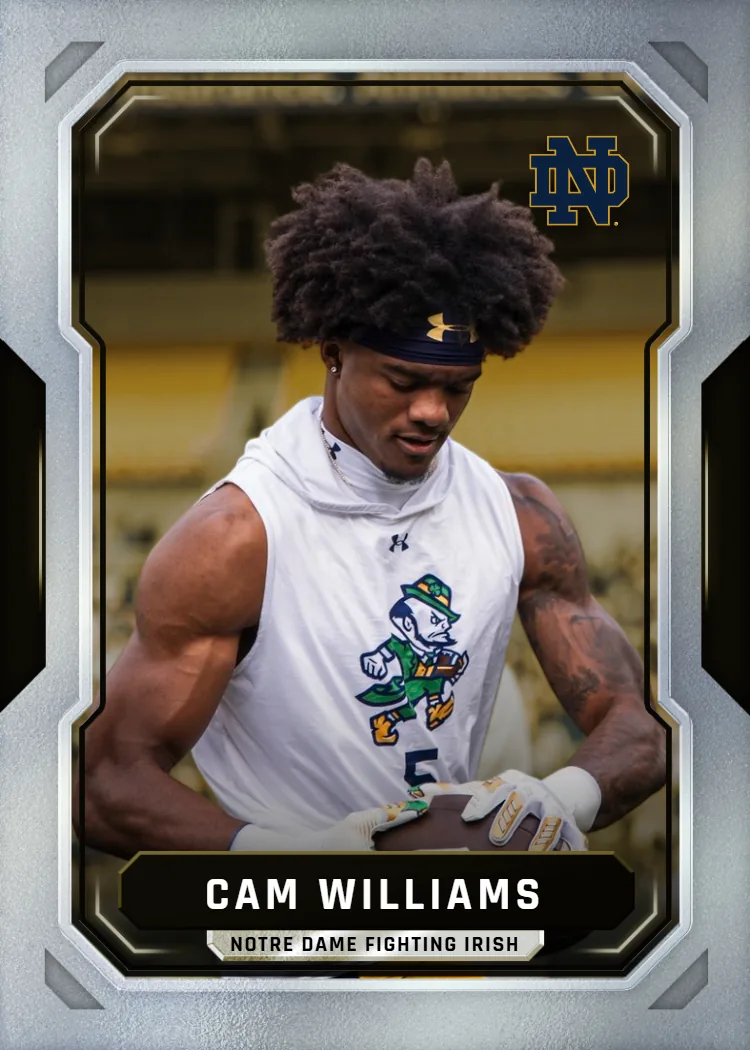
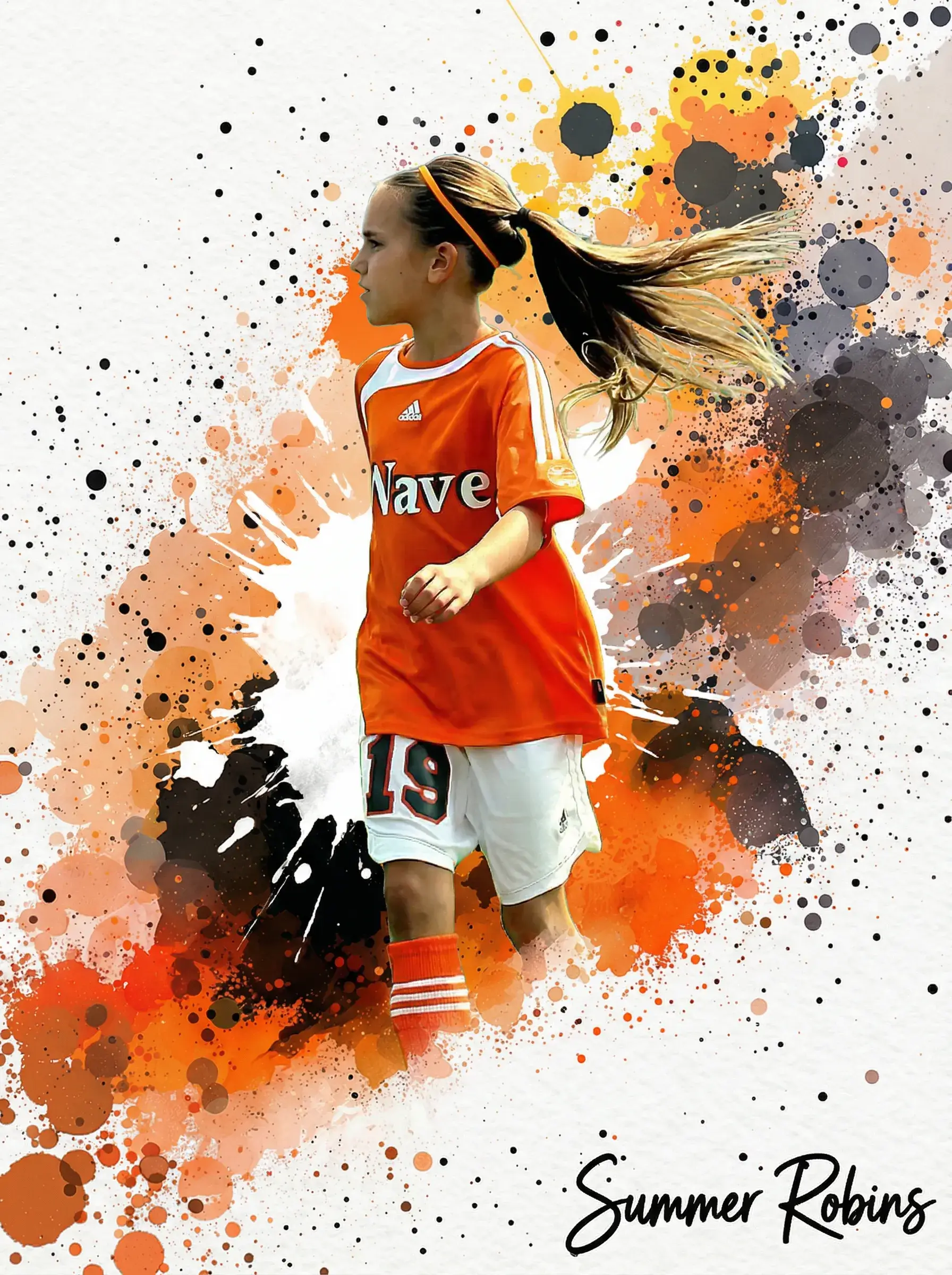
You Found the Best Sports Photography Lenses. Now Make the Shot Count.
Upload your sharpest image, pick a pro template, and get a custom trading card printed on professional card stock — shipped free in 2-3 days with a magnetic case included. One great photo deserves more than a folder on your desktop.
Build Your Card NowNo credit card required | Instant preview | Pro-quality designs
Explore More Card Options
Discover more custom trading card options for every sport and occasion