
The Best Tamron Lens for Sports Photography, Picked for Real Games
You've got three seconds to nail the shot before the play moves on. Your lens decides whether you get it.
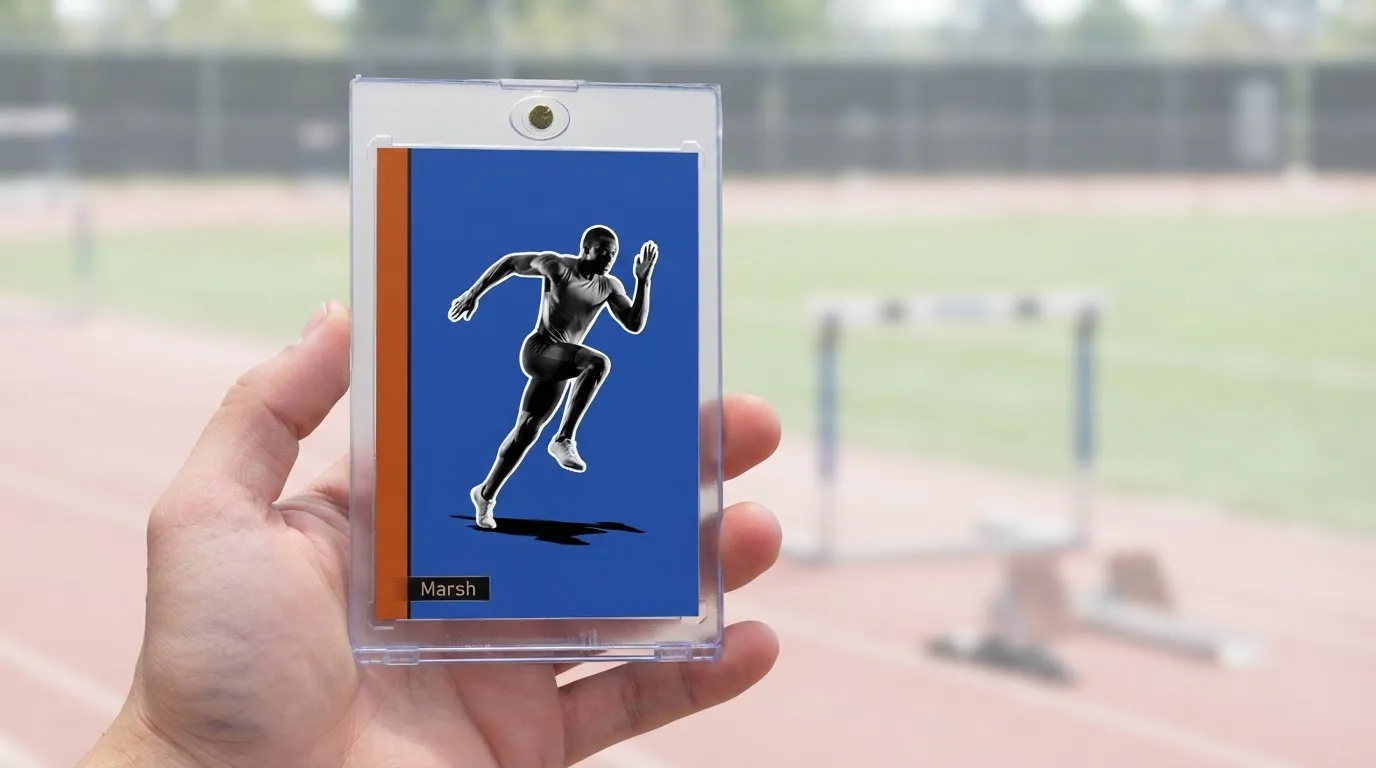
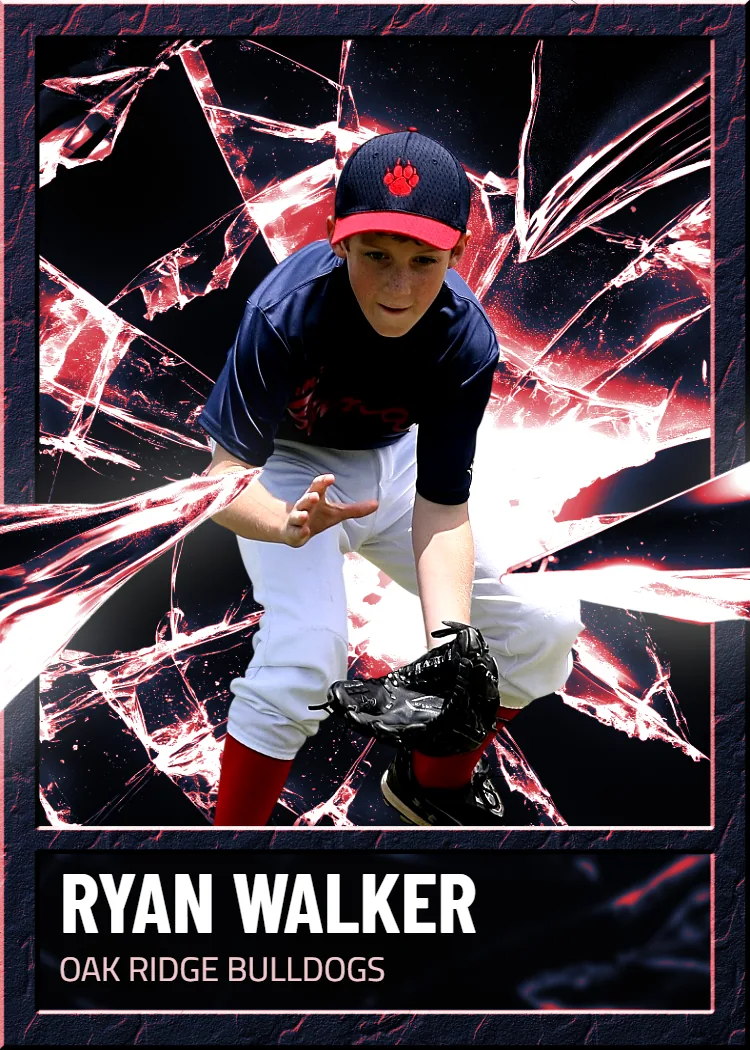
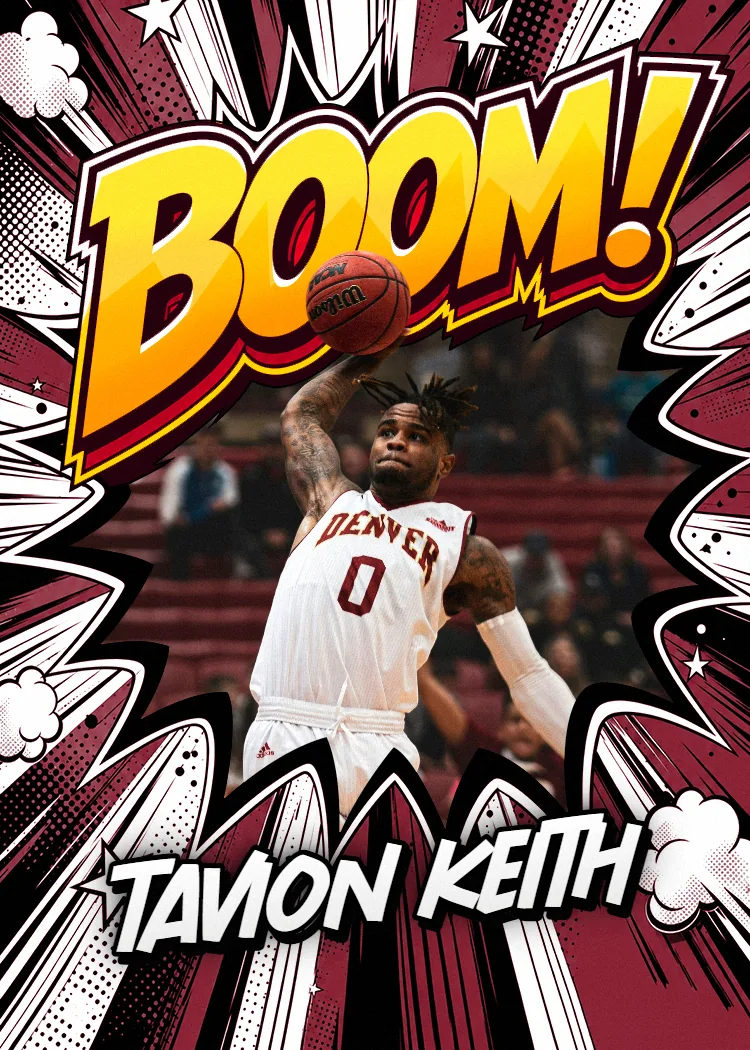
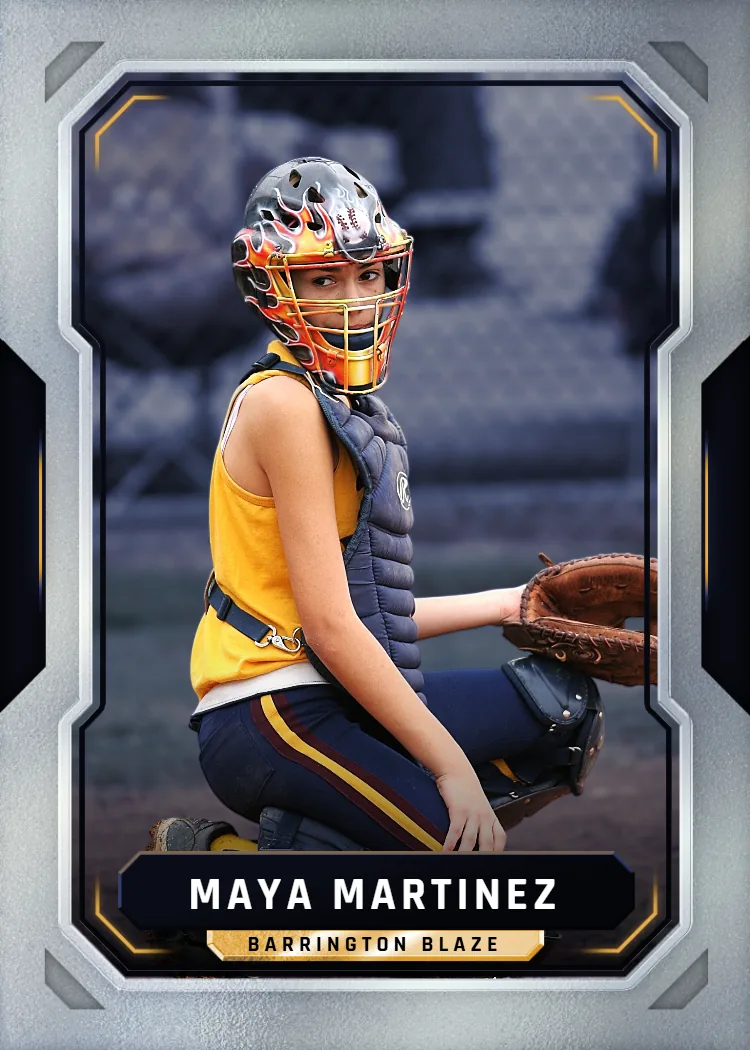
Upload any photo — your kid, your pet, your whole team — pick a pro template, and we print and ship a real, holdable card the next business day.
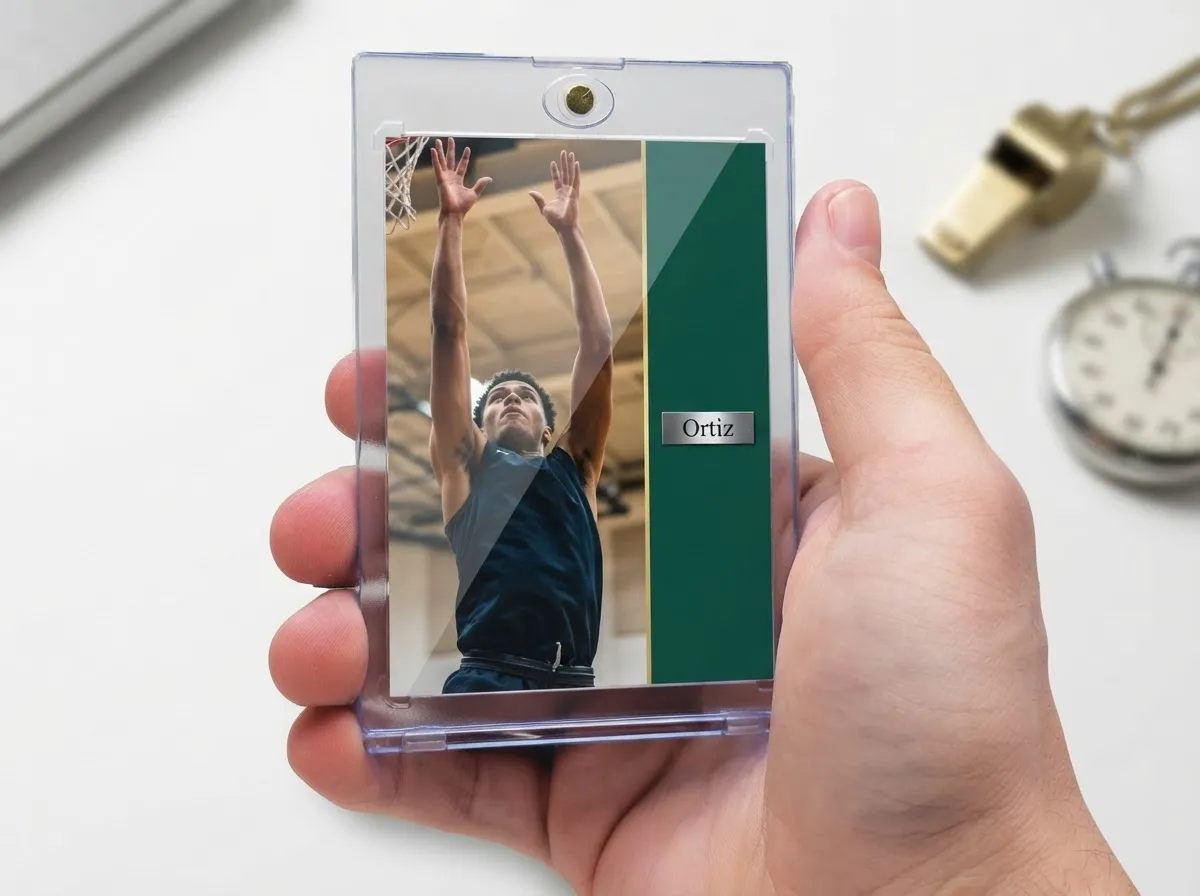
Most parents and hobbyist shooters walk into a gym or onto a sideline with a kit lens that hunts for focus at the worst possible moment. Sports move fast, light is unpredictable, and a lens built for portraits or landscapes just can't keep up with a kid sprinting down the field or a pitcher mid-windup. You end up with blurry knees, missed peak action, and a memory card full of near-misses instead of the one frame that actually captures the moment.
The best tamron lens for sports photography solves this by pairing fast autofocus with a wide aperture and reach that actually matches how sports unfold. Tamron's 70-180mm, 150-500mm, and 35-150mm lines each solve a different distance-and-light problem, and knowing which one fits your sport changes everything about your keeper rate. Once you've got the shot, that's where the fun really starts — turning it into something worth keeping.
Here's how to pick the right one, and what to do with the photo once you've nailed it.
We print and ship custom sports cards to teams and families in all 50 states every week, and we've seen firsthand how much sharper action photos improve the final product.
What Makes Tamron a Smart Pick Over Other Sports Lenses?
Tamron built its reputation on giving photographers pro-level performance without the pro-level price tag.
Lower cost than first-party equivalents
A Tamron 70-180mm f/2.8 typically runs hundreds less than Canon or Nikon's own 70-200mm f/2.8 lenses, with comparable sharpness and autofocus speed. That savings can go toward a second body, extra memory cards, or printing the shots you actually love.
Reach that rivals expensive super-telephotos
The 150-500mm gives you 500mm of reach for roughly a third of what a name-brand 150-600mm costs. For parents shooting from bleachers or fences, that reach is often the difference between a usable shot and a tiny speck on a field.
Versatility across multiple sports
The Tamron 35-150mm covers everything from tight indoor action to wider scene-setting shots at outdoor events, so you're not swapping lenses mid-game. One lens, several sports, less gear to haul to the car.
Fast, quiet autofocus motors
Tamron's VXD and RXD focus motors track erratic movement — think a soccer ball changing direction — without hunting or clicking loudly enough to distract players. That reliability matters more in sports than almost any other genre of photography.
Free to design, instant preview. Ships the next business day.
Why Parents and Team Photographers Keep Choosing This Approach
We hear from customers every week who upload photos shot on Tamron glass from Friday night games and weekend tournaments. The common thread is always the same — sharper action shots make dramatically better custom cards than anything pulled from a phone at max zoom.
How Do You Choose the Best Tamron Lens for Sports Photography?
It comes down to three things: your camera mount, your typical shooting distance, and how much light you'll have.
Match the lens to your sport's distance
Courtside basketball and indoor volleyball favor shorter zooms like the Tamron 70-180mm f/2.8, since you're often within 20-30 feet of the action. Football, soccer, and baseball from the stands need serious reach — that's where the Tamron 150-500mm earns its keep, letting you fill the frame from the fence line without cropping into mush.
Check your aperture needs against your lighting
Gyms and evening fields are darker than you think, even under lights. An f/2.8 lens like the 70-180mm keeps shutter speeds fast enough to freeze motion without cranking ISO into noisy territory. Variable-aperture zooms like the 150-500mm (f/5-6.7) work great outdoors in daylight but struggle once the sun drops.
Confirm autofocus speed and mount compatibility
Tamron's newer lenses use fast linear motors that track moving subjects reliably on Sony E-mount and select Nikon Z bodies. Double-check your camera's mount before buying — Tamron doesn't make every lens for every system, and an ill-fitting adapter will cost you more frustration than money.
Get these three right, and you'll spend less time chasing focus and more time reviewing keepers.

Checklist: Picking the Right Tamron Lens for Your Sport
- Identify your typical shooting distance (courtside vs. sideline vs. fence-line)
- Confirm your camera's mount (Sony E, Nikon Z, Canon EF/RF)
- Check available light — indoor gyms need f/2.8, outdoor daylight can use variable aperture
- Consider lens weight if you'll be handholding for full games
- Test autofocus tracking on a moving subject before buying used
- Budget for both the lens and a camera body with strong continuous autofocus
- Save your sharpest shots in full resolution for future printing
Which Tamron Lens Fits Your Specific Sport?
Different sports demand different glass — here's how the lineup breaks down by scenario.
Indoor basketball and volleyball
The Tamron 70-180mm f/2.8 is the go-to here. Gyms are dim, action is close, and you need an aperture wide enough to keep ISO reasonable. Shooters courtside get sharp, low-noise images of dribbles, spikes, and expressions without a flash disrupting the game.
Football, baseball, and soccer from the sidelines
The Tamron 150-500mm handles the distance problem outdoor field sports create. Whether you're behind the end zone or along the third-base line, 500mm brings the play to you, letting you fill the frame with a swing, tackle, or slide instead of a wide, empty field.
Track meets, swim meets, and multi-sport days
The Tamron 35-150mm's flexible range means you're not stuck picking one focal length before the event starts. You can shoot a wide relay handoff, then zoom in tight for a finish-line expression, all without changing lenses between heats.
What Does It Cost to Turn Your Best Shot Into a Card?
Once you've got a sharp action photo, printing it as a custom card is simple and affordable.
Single custom cards start at $17.99, packs run up to $49.99, and the MEGA 11"x15" poster card is $49.99. Shipping is free across the USA.
You've already invested in the right lens — spend a fraction of that turning your best frame into a keepsake worth displaying.
Box Options
Simple, collectible pricing. No subscriptions, no hidden fees.

The Rookie Box
Perfect for those unforgettable moments
$17.99 - $49.99

MEGA Card
Their moment, bigger than ever
$49.99
Create for free • Ships the next business day • Made in Des Moines, IA, USA
Frequently Asked Questions
What is the best tamron lens for sports photography overall?
For most shooters, the Tamron 70-180mm f/2.8 hits the sweet spot between speed, sharpness, and price, especially for indoor sports and closer-range outdoor action. It's fast enough to freeze motion in dim gyms and versatile enough to double as a portrait lens for team photos afterward. That said, 'best' really depends on your sport and typical shooting distance. If you're regularly shooting football or soccer from behind a fence or from the stands, the 150-500mm will serve you better despite its slower variable aperture, because reach matters more than light-gathering at that distance. Photographers who bounce between multiple sports throughout a season often end up happiest with the 35-150mm, since it avoids the need to swap lenses mid-event. Think about where you'll physically be standing during games before you commit to one lens — that single factor narrows the decision faster than any spec sheet comparison.
Is the Tamron 150-500mm good for youth sports photography?
Yes, it's actually one of the most popular choices among parents shooting youth football, soccer, and baseball from sidelines or bleachers. The 500mm reach lets you get tight, frame-filling shots even when you can't get close to the field, which is common at youth-league venues with strict sideline rules. Its variable aperture (f/5-6.7) means it performs best in daylight rather than under stadium lights, so afternoon games will give you noticeably better results than evening ones. Autofocus is quick enough to track a running back or a sprinting midfielder without much hunting, though it's not quite as snappy as Tamron's premium f/2.8 lenses. The lens is also relatively affordable for the reach it provides, which matters if you're buying gear on a family budget rather than a professional one. Pair it with a camera that has solid continuous autofocus and you'll get results that rival much pricier super-telephoto setups.
Does Tamron make lenses for both Canon and Nikon sports shooters?
Tamron's most current, fastest-focusing lenses are built primarily for Sony E-mount and Nikon Z mirrorless systems, with fewer new releases for Canon EF or RF mounts recently. If you shoot Canon DSLR, older Tamron lenses like the SP 70-200mm f/2.8 are still solid, reliable options, though they won't have the newest autofocus motors found in Tamron's mirrorless lineup. Nikon Z shooters have access to several of Tamron's newest releases, including the 150-500mm and 35-150mm, both built specifically with mirrorless autofocus systems in mind. Before buying anything, it's worth checking Tamron's current lens compatibility list directly, since mount support changes as new camera systems launch. Buying the wrong mount version is a surprisingly common and costly mistake, and returns on used gear aren't always straightforward. When in doubt, match the lens listing exactly to your camera's mount name, not just the brand.
How does Tamron compare to Sigma for sports lenses?
Both brands offer excellent third-party alternatives to first-party glass, but they differ slightly in focus. Tamron tends to prioritize compact size and lighter weight, which matters if you're carrying gear through a stadium or standing for hours at a meet. Sigma's Sports line, on the other hand, often leans heavier and larger but sometimes edges out Tamron in raw autofocus speed for erratic, fast-moving subjects like hockey pucks or race cars. Price-wise, they're usually comparable, so the decision often comes down to which brand's specific focal length matches your sport best. Some photographers own both, using Tamron for handheld, mobile shooting and Sigma for stationary, tripod-mounted setups. If you're just starting out and need one versatile lens, Tamron's lighter builds are usually the easier choice for beginners still learning to track action. Renting both before buying is a smart way to settle the debate for your specific needs.
What aperture do I need for indoor sports photography?
You'll want at least f/2.8, and ideally nothing slower, because indoor venues are darker than they appear to the naked eye. A wide aperture lets in more light, which allows faster shutter speeds without pushing ISO so high that grain ruins your images. The Tamron 70-180mm f/2.8 is built exactly for this scenario, giving you consistent light-gathering across its entire zoom range rather than dimming as you zoom in like variable-aperture lenses do. Slower lenses, like f/4 or f/5.6 zooms, will force you to raise ISO significantly under gym lighting, and the resulting noise can be especially visible when you crop in or print large. If you're planning to print your best shots as posters or cards, that noise becomes even more noticeable at larger sizes. For anyone serious about indoor basketball, volleyball, or wrestling photography, a constant f/2.8 aperture isn't a luxury — it's close to a requirement.
Can I use a Tamron lens with a crop-sensor camera?
Absolutely, and it can actually work in your favor for sports photography. Crop-sensor cameras apply a focal length multiplier, typically around 1.5x for Nikon and Sony APS-C or 1.6x for Canon, which effectively extends your reach without buying a longer lens. A Tamron 150-500mm on a crop body behaves more like a 225-750mm equivalent, giving you extra distance for sideline shooting at youth games where you can't get close to the field. The tradeoff is that crop sensors often perform slightly worse in low light compared to full-frame bodies, so indoor sports shooters may notice more noise at higher ISOs. Autofocus performance stays largely the same since it's a function of the lens and camera's focusing system, not sensor size. If you're shooting outdoor sports primarily, a crop-sensor body paired with a Tamron telephoto can actually be a smarter, cheaper setup than going full-frame. Just factor in the equivalent focal length when picking which lens covers your typical shooting distance.
What's the difference between the Tamron 70-180mm and 150-500mm?
The 70-180mm is a fast, constant f/2.8 zoom built for closer-range action in lower light, making it ideal for indoor sports and courtside shooting. The 150-500mm trades that wide aperture for serious reach, covering distances the 70-180mm simply can't touch, which makes it the better pick for outdoor field sports shot from a distance. Weight and size differ too — the 150-500mm is noticeably heavier and longer, which matters if you're handholding it through an entire game rather than using a monopod. Price-wise, they're fairly similar, so the decision really comes down to what you shoot most. Some serious hobbyists eventually own both, using the 70-180mm for basketball and volleyball season and switching to the 150-500mm for football and soccer season. If you can only buy one right now, think honestly about which sport you photograph more often and let that decide it rather than trying to find a lens that does everything equally well.
Do I need image stabilization for sports photography?
It helps, but it's not the deciding factor most people think it is. Image stabilization primarily compensates for camera shake during handheld shooting at slower shutter speeds, but sports photography typically demands fast shutter speeds anyway to freeze motion, which reduces the need for stabilization in the first place. That said, stabilization does make a real difference when you're shooting at longer focal lengths, like 500mm, where even small hand movements get magnified significantly. Many Tamron telephoto lenses include Vibration Compensation, which pairs well with in-body stabilization on newer mirrorless cameras for an extra layer of steadiness. If you're shooting handheld for hours at a tournament, stabilization also reduces physical fatigue and helps you frame shots more precisely between bursts. It's a nice-to-have feature worth prioritizing when comparing similarly priced lenses, but it shouldn't outweigh aperture and focal length when making your final decision.
How much should I expect to spend on a good sports lens?
Budget-friendly Tamron zooms for sports typically range from $900 to $1,500 depending on the model and mount, which is often 30-40% less than comparable first-party lenses from Canon, Nikon, or Sony. The 70-180mm f/2.8 tends to sit at the higher end of that range due to its fast constant aperture, while the 150-500mm often costs less despite offering more reach, since its variable aperture keeps manufacturing costs down. It's tempting to chase the cheapest option, but a slower, blurrier lens will cost you far more in frustration and missed shots than the price difference saves you upfront. Used and refurbished Tamron lenses from reputable retailers can also shave a few hundred dollars off, especially for older but still capable models. Whatever you spend on glass, remember that your camera body's autofocus system matters just as much as the lens itself, so budget for both rather than overspending on one and underspending on the other.
Free to design, instant preview. Ships the next business day.

Found the Best Tamron Lens for Sports Photography? Now Print the Shot
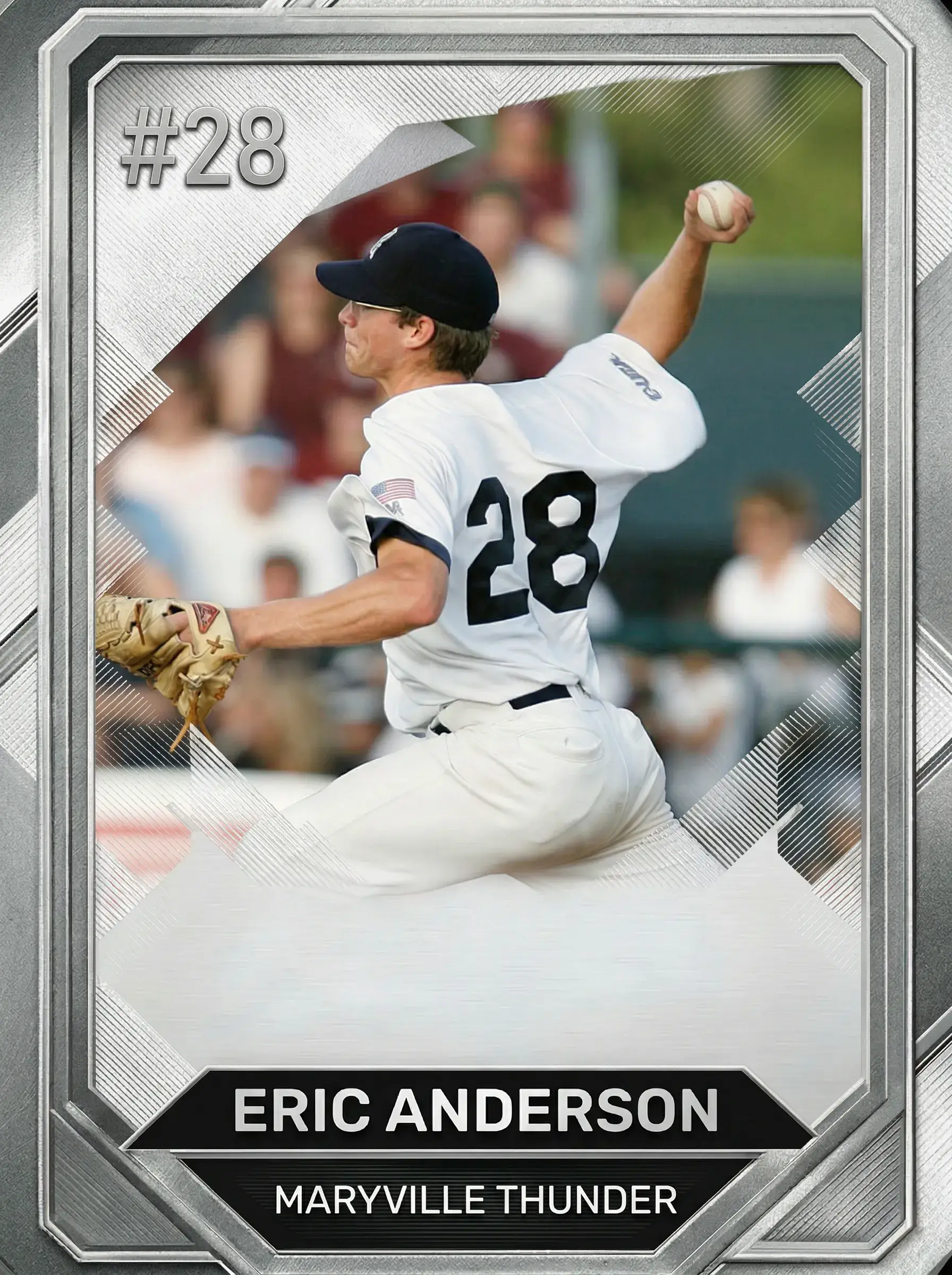
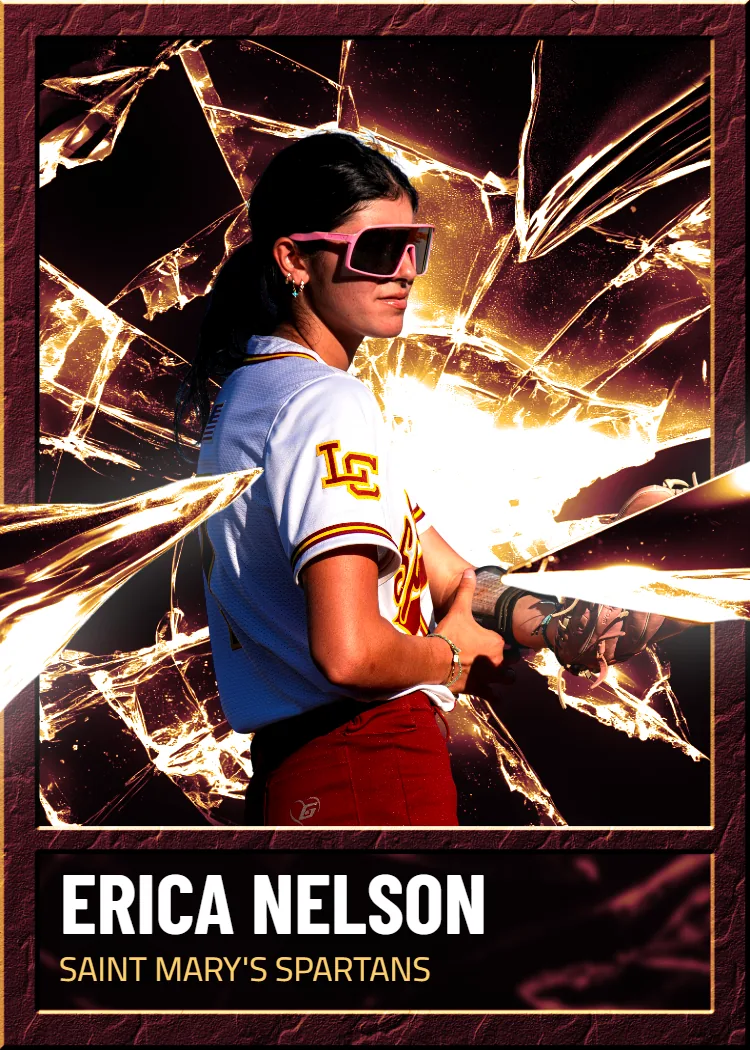
You've got the gear dialed in and the perfect action shot on your memory card. Upload it to Snapshot, pick a template, and get a premium custom card shipped in 2-3 days with a free magnetic case included.
Create Your Custom CardNo credit card required | Instant preview | Pro-quality designs
Explore More Card Options
Discover more custom trading card options for every sport and occasion