
Canon Lenses for Sports Photography: A Buyer's Guide
The right Canon lens separates a blurry sideline snap from a frame-worthy action shot worth printing forever.
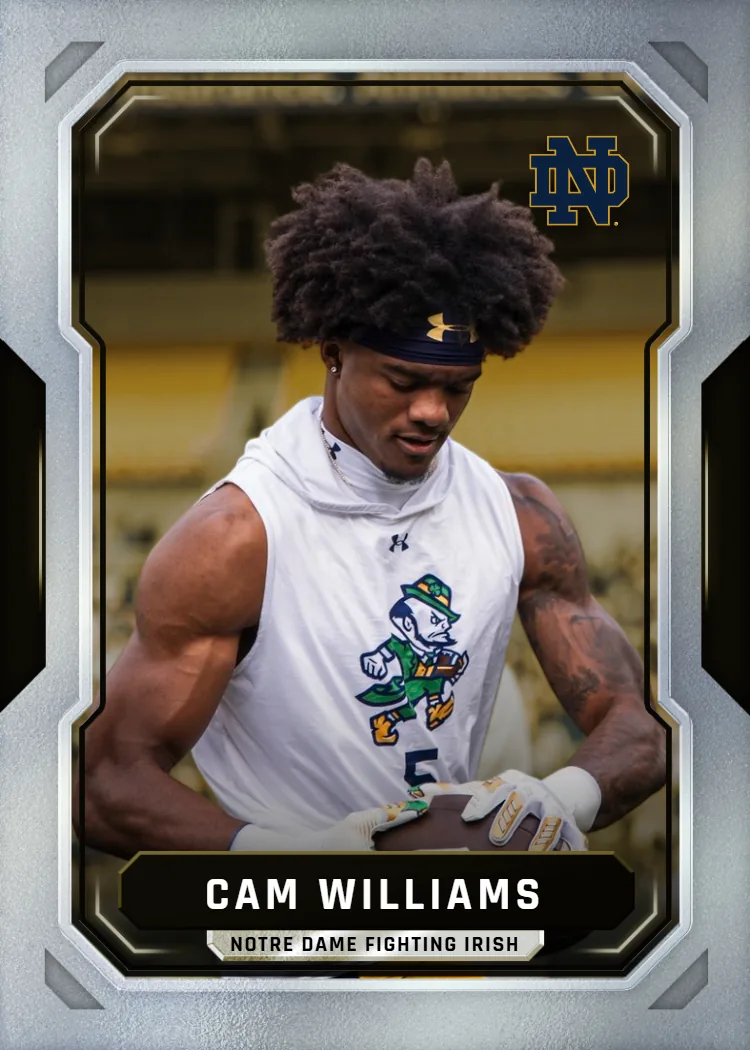
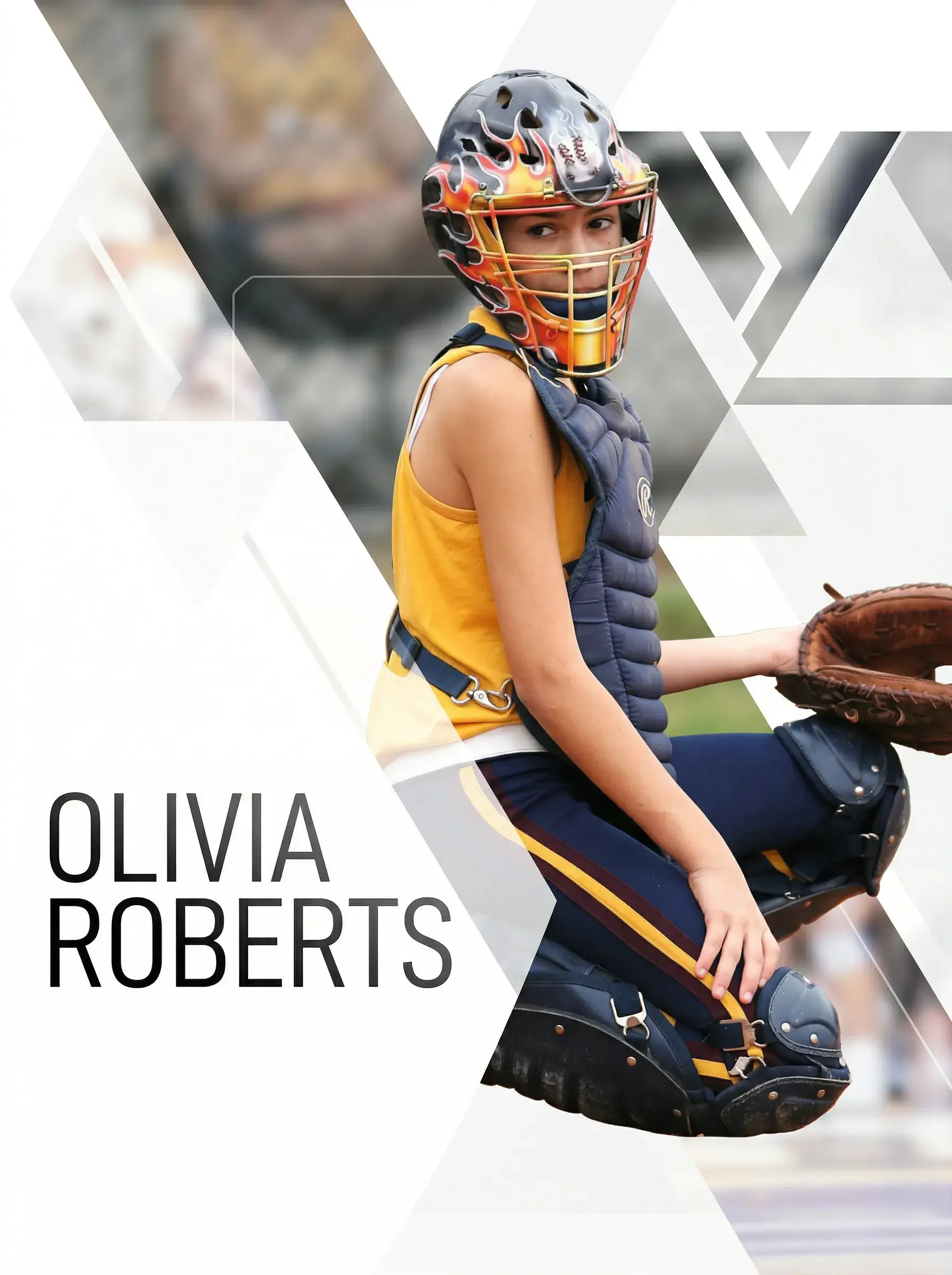
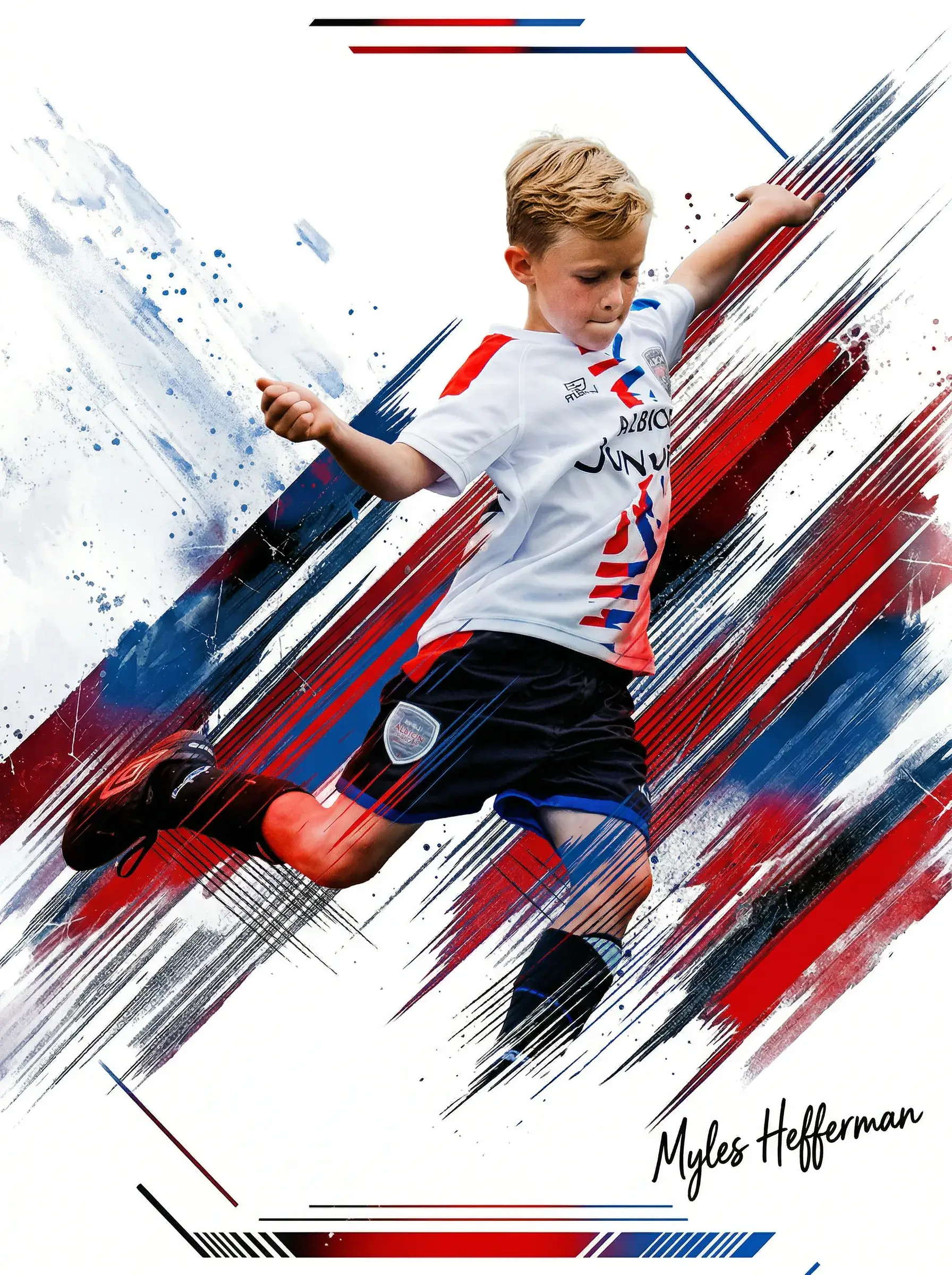
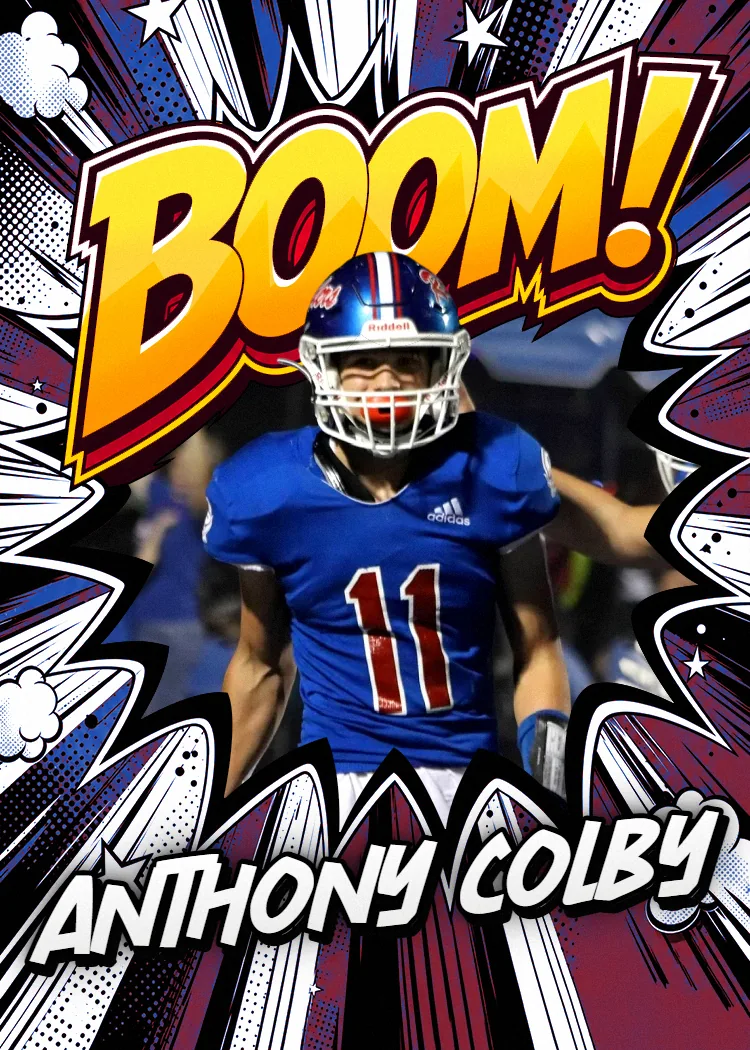
Upload any photo — your kid, your pet, your whole team — pick a pro template, and we print and ship a real, holdable card the next business day.
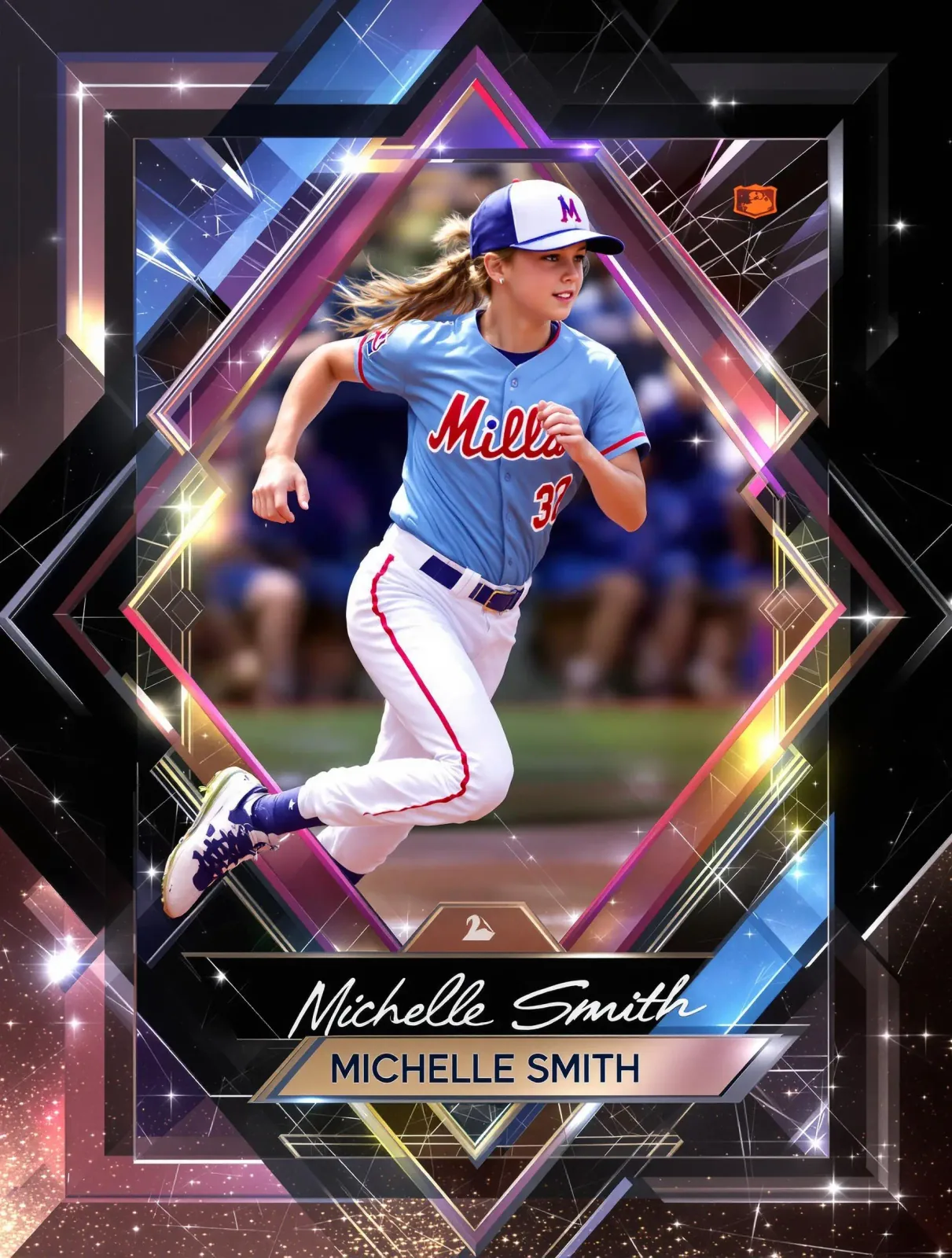
Sports photography is unforgiving. You're working with fast-moving subjects, unpredictable lighting, and split-second windows that don't repeat. Most photographers spend weeks researching Canon lenses for sports photography only to discover that sharpness alone isn't enough — the real frustration hits when those great shots sit buried on a hard drive, unseen and uncelebrated. You got the image. You froze the moment. But what happens next? That's where most sports photographers stall out.
This guide walks you through the Canon lenses that actually perform on the field, court, or track — and then shows you how to do something genuinely useful with your best frames. Snapshot turns any high-quality sports photo into a premium custom trading card, printed on professional card stock, shipped to your door in 2-3 days with a free magnetic case. Your sharpest Canon shot deserves more than a folder on your desktop.
Let's start with the glass, then talk about what to do with the shots you nail.
We ship custom cards to sports families, coaches, and photographers in all 50 states every single week from our production facility in Des Moines, Iowa.
Why Canon Glass Produces Photos Worth Turning Into Trading Cards
Canon lenses built for sports aren't just fast — they're engineered to deliver the kind of image clarity that looks genuinely impressive at trading card scale. Here's what makes them stand out.
Autofocus That Keeps Up
Canon's RF and EF Sport lenses use ring-type USM autofocus motors that track erratic movement with minimal hunting. A running back cutting left, a pitcher mid-windup, a defender going airborne — the AF system locks and holds. Sharp focus on a moving subject is non-negotiable for card-worthy images.
Aperture That Wins in Bad Light
Indoor gyms, early-morning meets, and cloudy Friday night games all punish slow glass. Canon's f/2.8 telephoto zooms let you push shutter speeds past 1/1000s even under poor light conditions. Frozen motion with clean backgrounds is the foundation of every great sports trading card photo.
Reach Without Sacrifice
The Canon 100-400mm f/4.5-5.6L IS II covers almost every outdoor sport scenario without requiring a fixed prime. It's the lens that fills the frame with an athlete 60 yards away while retaining enough resolution to crop tightly and still hit print quality. Versatility and image quality rarely coexist this well.
Build Quality That Goes Where Sports Happen
Canon L-series lenses are weather-sealed and built for field conditions — dust, light rain, turf grit, and the inevitable jostle of a crowded sideline. You don't want a lens failure at a tournament final. Canon's professional-grade construction means you can focus on timing the shot, not protecting the glass.
Free to design, instant preview. Ships the next business day.
Why Sports Photographers and Families Choose Snapshot
Snapshot ships custom sports cards to customers in all 50 states every week — from small-town youth leagues to college programs to individual photographers who want something tangible from their best shots. Every card is printed in Des Moines, Iowa on professional card stock and arrives with a free magnetic case, which tells you something about how seriously we take the finished product.
The repeat order rate among sports families and coaches speaks louder than any marketing claim we could make.
How Canon Lenses for Sports Photography Deliver Card-Ready Shots
Getting a print-quality sports photo starts before you ever open Snapshot — it starts with knowing which Canon lens to put on your camera. Here's how the process flows from glass to finished card.
Choose the Right Canon Lens for Your Sport
Focal length determines how close you can get without being physically close. For most outdoor field sports, Canon's 100-400mm zoom range is the workhorse. Indoor sports demand lenses with wider maximum apertures — f/2.8 or faster — so you're not sacrificing shutter speed under gymnasium or arena lighting. Match the lens to your shooting environment before anything else.
Capture the Shot at Full Resolution
Shoot in RAW if your workflow allows it, and aim for at least 20 megapixels of usable resolution after cropping. Canon's Image Stabilization and Dual Pixel CMOS AF make it dramatically easier to lock focus on fast subjects. The resulting files are large, sharp, and contain enough detail to hold up beautifully at trading card dimensions without pixelation or softness.
Upload to Snapshot and Build Your Card
Head to Snapshot, upload your best frame, and choose from pro sports-card templates designed to showcase action photography. The layout does the heavy lifting — your image drops into a professional card design instantly. Order a single card, a pack, or go big with the MEGA 11×15 poster card. Cards ship from Des Moines, Iowa in 2-3 days with free USA shipping.
From lens choice to finished card, the whole process is faster and more satisfying than you'd expect.
Before You Upload Your Sports Photo to Snapshot
- Confirm the subject is in sharp focus — zoom in at 100% in your editing software to check
- Crop conservatively; leave some breathing room around the athlete rather than cropping too tight
- Adjust white balance so jersey and uniform colors look accurate, not shifted warm or cool
- Export in sRGB color space for the most predictable print color results
- Check that the image is at least 1800 pixels on the short side for standard card dimensions
- For the MEGA 11x15 card, aim for a minimum 3000 pixels on the short side
- Remove any distracting logos, bystanders, or out-of-focus foreground objects if possible
- Choose a frame where the athlete's face or number is clearly visible — it's a trading card, not just a photo print
Which Athletes and Moments Translate Best to Custom Cards
Not every sport is the same to photograph, and not every moment makes an equally powerful trading card. Here are three scenarios where Canon lenses and Snapshot cards work together brilliantly.
Youth and High School Sports
Parents shooting youth athletes are one of the largest groups investing in Canon telephoto lenses right now. A Canon 70-200mm f/2.8 on a crop-sensor body gives effective 112-320mm reach — plenty for a basketball court or soccer field. Those sharp frames become custom trading cards that coaches give out at end-of-season banquets, or that families keep as keepsakes. No professional photographer required. Just good glass and a steady hand.
College and Club Sports
College athletes rarely appear on commercially produced trading cards. That's exactly what makes Snapshot cards so compelling at this level. A teammate, parent, or team photographer with a Canon 100-400mm can deliver genuine card-quality images from the stands or sideline. The resulting cards make outstanding senior night gifts, team fundraiser items, or personal mementos for athletes who played at a level that mattered even if the pros never came calling.
Sports Photographers Building a Portfolio
Photographers testing Canon's RF sport lenses or upgrading from EF glass need tangible proof-of-quality deliverables beyond a website gallery. A printed Snapshot trading card is a physical demonstration of your image resolution, color accuracy, and compositional eye. Hand a potential client a card printed from your photo and you've shown them your work in a format they'll actually hold onto. It's a portfolio piece and a marketing tool simultaneously.
Snapshot Pricing: From a Single Card to a Full Pack
Snapshot keeps pricing straightforward. No subscriptions, no minimums beyond a single card, and free shipping on every USA order.
Single card starts at $17.99. Card packs range up to $49.99. The MEGA poster card — 11 inches by 15 inches, printed on professional card stock — is $49.99 and genuinely stops people when they see it. Free shipping across the continental USA on all orders. Cards ship in 2-3 business days from Des Moines, Iowa.
One great Canon shot can become a card you're proud to give someone. At $17.99 for a single premium card with free shipping, it's an easy decision.
Box Options
Simple, collectible pricing. No subscriptions, no hidden fees.
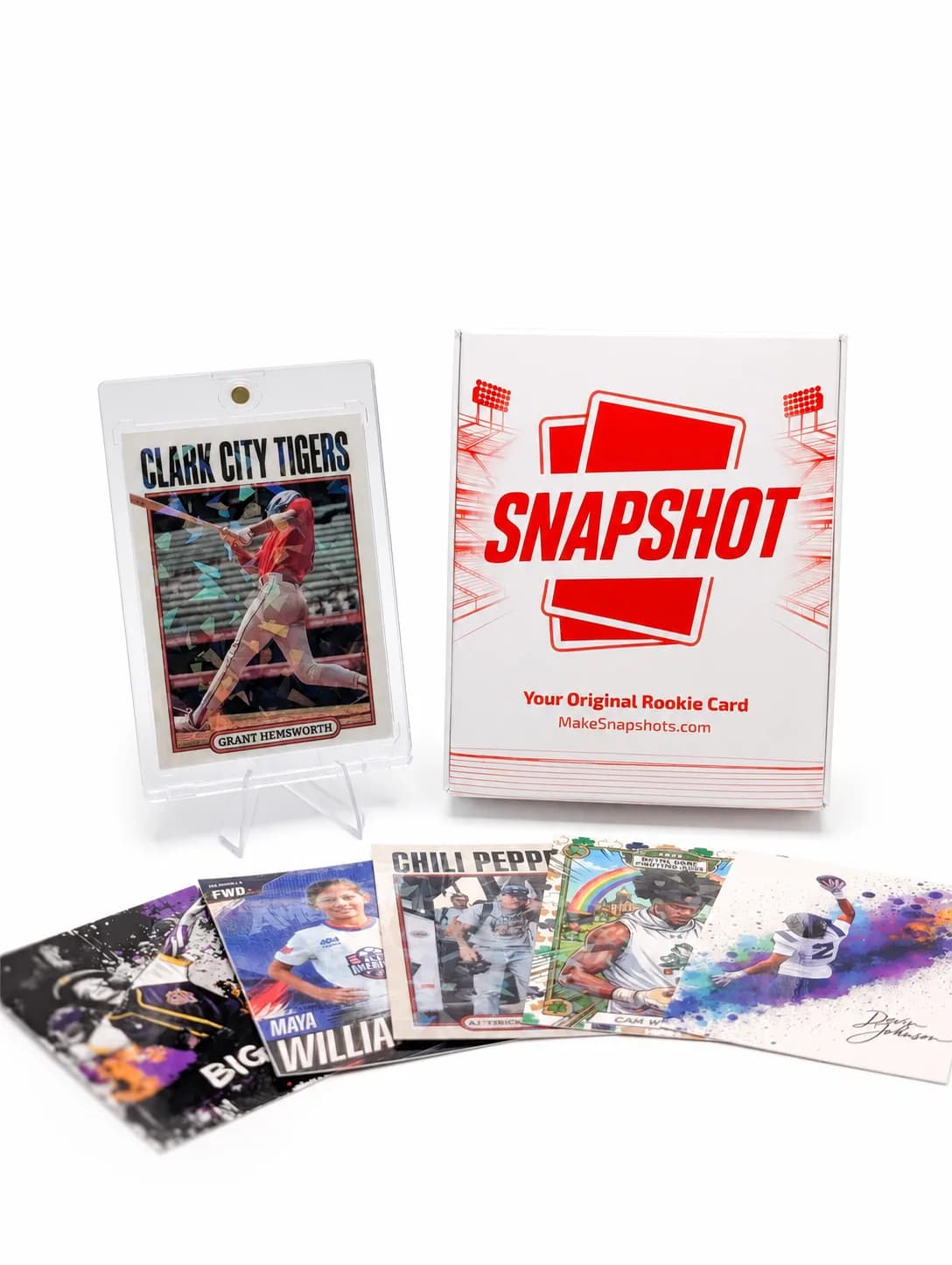
The Rookie Box
Perfect for those unforgettable moments
$17.99 - $49.99
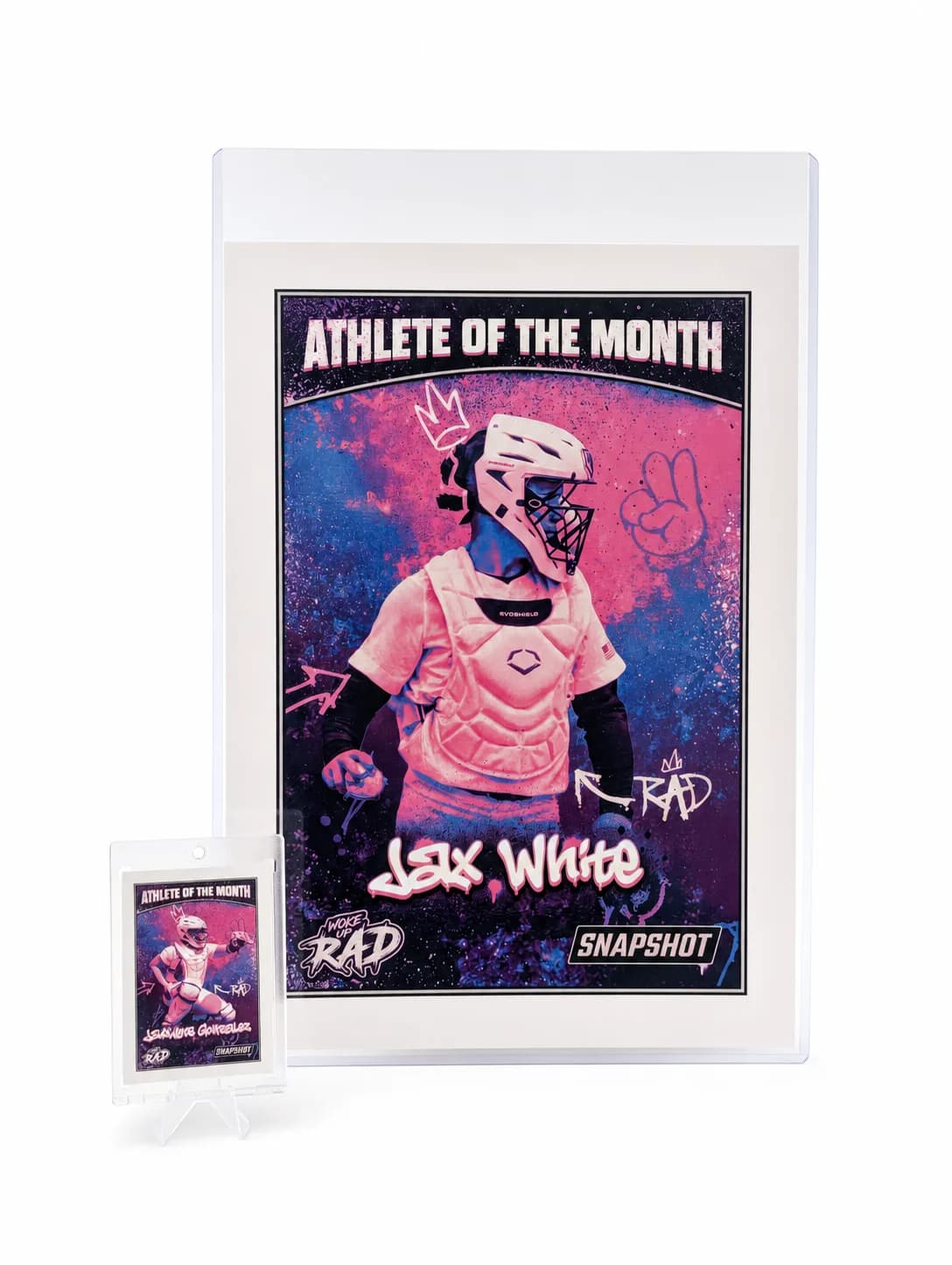
MEGA Card
Their moment, bigger than ever
$49.99
Create for free • Ships the next business day • Made in Des Moines, IA, USA
Frequently Asked Questions
Do I need full-frame or will a crop-sensor Canon body work for sports?
Crop-sensor Canon bodies like the R7 or older 7D Mark II are genuinely excellent for sports photography and are preferred by some photographers specifically because of the effective focal length multiplier. A 300mm lens on a 1.6x crop body effectively becomes 480mm — giving you more reach without the cost of longer glass. The tradeoff is higher pixel density per sensor area, which can mean more noise at high ISO settings. For outdoor sports in good light, a crop-sensor Canon with the right lens performs beautifully. Indoor low-light sports are where full-frame bodies earn their premium.
Which Canon lens is best for indoor sports photography like basketball or wrestling?
Indoor sports demand speed above everything else. The Canon RF 70-200mm f/2.8L IS USM or its EF predecessor are the gold standard for gymnasium and arena sports. The f/2.8 maximum aperture lets you maintain shutter speeds above 1/800s under typical indoor lighting without pushing ISO so high that your images become grainy. For wrestlers or martial arts photographers working at close range, the EF 85mm f/1.8 USM is an affordable alternative that performs exceptionally at wider apertures. Whatever lens you choose, prioritize aperture speed over focal length for indoor work.
How sharp does a photo need to be for a Snapshot trading card?
Snapshot trading cards are printed at trading card dimensions, so you don't need a studio-quality commercial file. That said, sharper is always better. A well-focused image from a Canon body in the 20-megapixel range or higher gives you plenty of data to work with after cropping. The key variables are focus accuracy — no motion blur or missed focus — and adequate exposure so shadows have detail. If you're shooting with Canon IS lenses and using burst mode to capture multiple frames per second, you'll almost certainly end up with several frames per sequence that are sharp enough to print beautifully.
Can I use Canon lenses for sports photography at night games or under stadium lights?
Stadium lights and field lighting have improved dramatically, but they still challenge telephoto lenses with smaller maximum apertures. For night games, you'll want an f/2.8 telephoto at minimum — the Canon EF or RF 70-200mm f/2.8 is the go-to. Pair it with a body that handles high ISO well, like the Canon R6 Mark II or the 1DX Mark III, and you can maintain clean images at ISO 3200-6400 with shutter speeds fast enough to freeze motion. Night game photography is absolutely possible with Canon glass, but it rewards investment in faster apertures more than any other shooting scenario.
What photo resolution does Snapshot recommend for the MEGA 11×15 poster card?
The MEGA poster card is 11 inches by 15 inches — significantly larger than a standard trading card — so it benefits from higher resolution source files. Images from modern Canon bodies in the 24-45 megapixel range are ideal if you're printing at that size. Canon's R5, R5 C, and 5D Mark IV all produce files with more than enough resolution for the MEGA format. Even if you've cropped your image to isolate a specific moment, start with a high-resolution file and crop conservatively to preserve as much image data as possible. The MEGA card is a showpiece, and image quality at that scale is noticeable.
How does Snapshot handle color accuracy for sports photography prints?
Sports photography often involves vibrant team colors — jersey reds, court blues, turf greens — and color accuracy matters. Snapshot prints on professional card stock calibrated for accurate color reproduction. If you're submitting files from Canon's Digital Photo Professional or Adobe Lightroom, exporting in sRGB color space gives you the most predictable results. Canon cameras generally capture excellent color out of camera, especially when shooting in RAW and processing with attention to white balance under artificial lighting. If you're shooting JPEGs under mixed stadium lighting, take a custom white balance reading before the event to ensure your team colors render accurately in the final print.
Can sports photographers order cards in bulk for teams or events?
Yes. Snapshot's pack options go up to $49.99 and are designed exactly for team and event use cases. Coaches, boosters, and team photographers regularly order packs to distribute at end-of-season events, senior nights, or team banquets. If you're a photographer who shoots multiple athletes at a tournament or invitational, you can upload individual photos and build cards for each athlete separately. The ordering process handles multiple cards without requiring any technical complexity. Just upload your Canon-shot images, build each card, and order them as a group. Free USA shipping applies to every order regardless of size.
Are Canon RF lenses better than EF lenses for sports photography?
Canon's RF mount lenses represent the current generation of Canon optics, and many RF Sport lenses outperform their EF predecessors in autofocus speed, optical sharpness, and size-to-performance ratio. The RF 100-500mm f/4.5-7.1L IS USM, for example, offers reach and sharpness that EF equivalents couldn't match at the same price point. That said, Canon's EF 70-200mm f/2.8L IS III and EF 100-400mm f/4.5-5.6L IS II remain outstanding lenses that produce card-quality images every day. If you're shooting with a Canon DSLR and an EF lens, you don't need to switch systems to get Snapshot-worthy results.
What makes a sports photo work well as a trading card design?
The photos that translate best to trading cards tend to have one clear subject in sharp focus, some visual separation between the athlete and the background — either through depth of field or contrast — and a composition that works in a vertical or near-vertical crop. Canon's background-blurring telephoto lenses naturally produce that separation. Peak-action moments freeze well at trading card scale: a jump shot at the apex, a slide into base, a serve at full extension. Avoid frames where the athlete is too small in the frame or obscured by other players. One subject, sharp and expressive, makes a card people want to hold.
Free to design, instant preview. Ships the next business day.
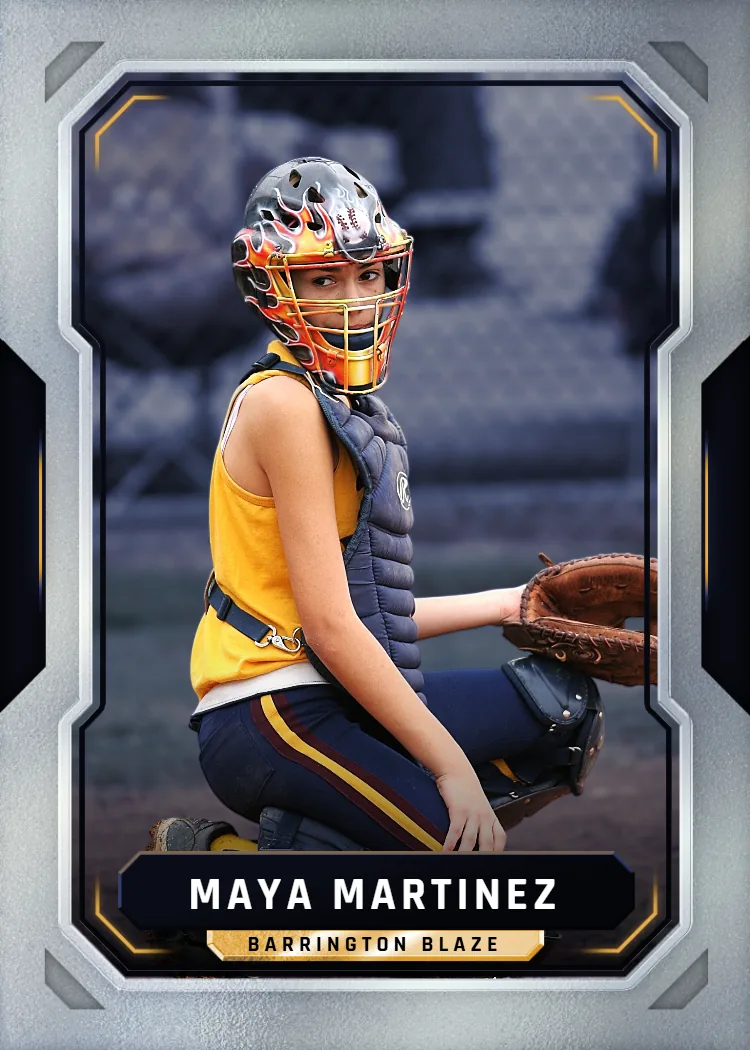
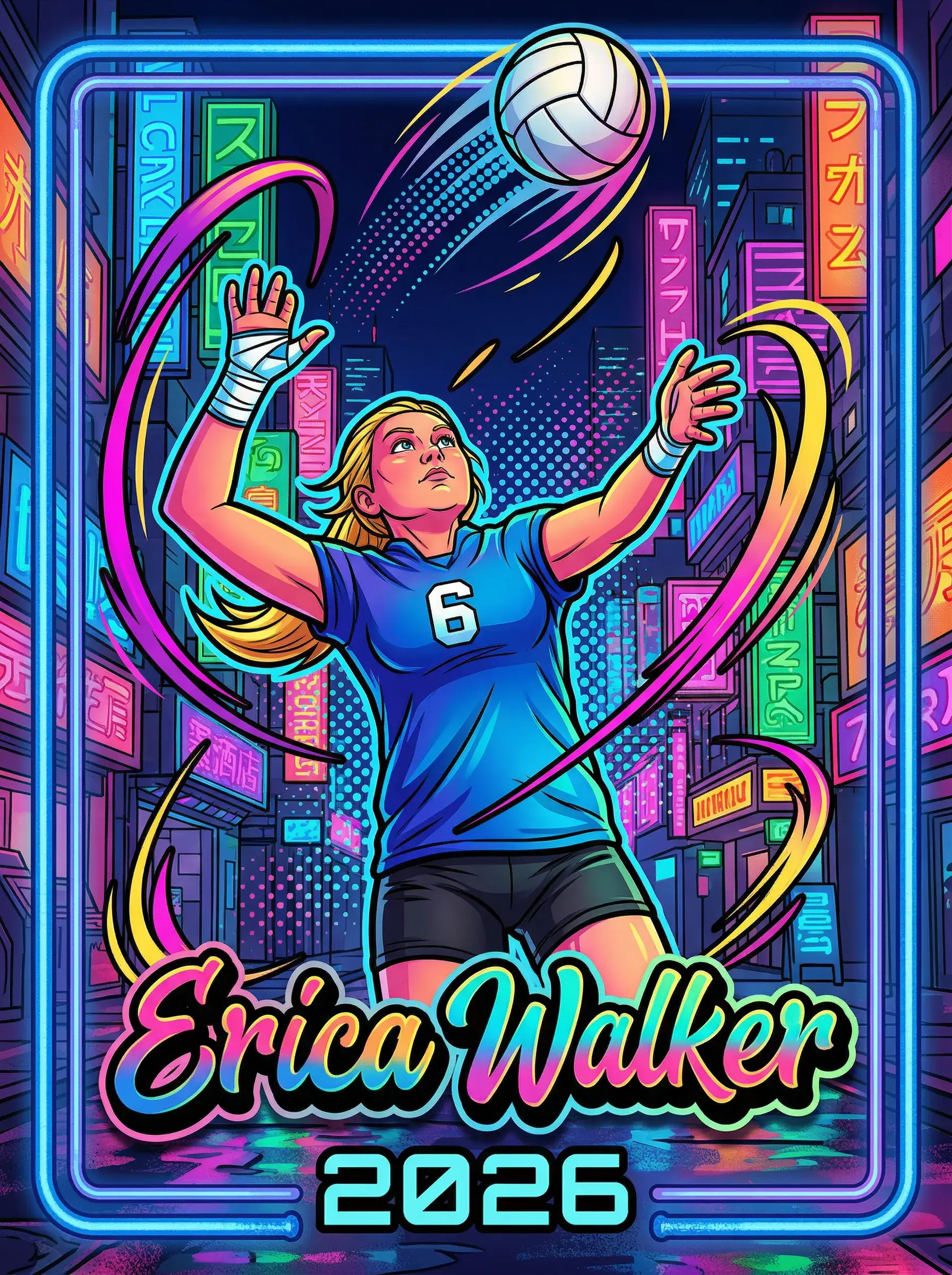
Turn Your Best Canon Lens Sports Photography Into a Real Trading Card
You've invested in the glass, you've got the shots. Now do something with them. Upload any photo to Snapshot, pick a pro card template, and get premium custom trading cards printed and shipped in 2-3 days. Free shipping everywhere in the USA.
Build Your Card NowNo credit card required | Instant preview | Pro-quality designs
Explore More Card Options
Discover more custom trading card options for every sport and occasion