
Canon Rebel T7 Sports Photography Settings for Sharp Action Shots
Blurry action shots ruin more sideline photos than bad light ever does.
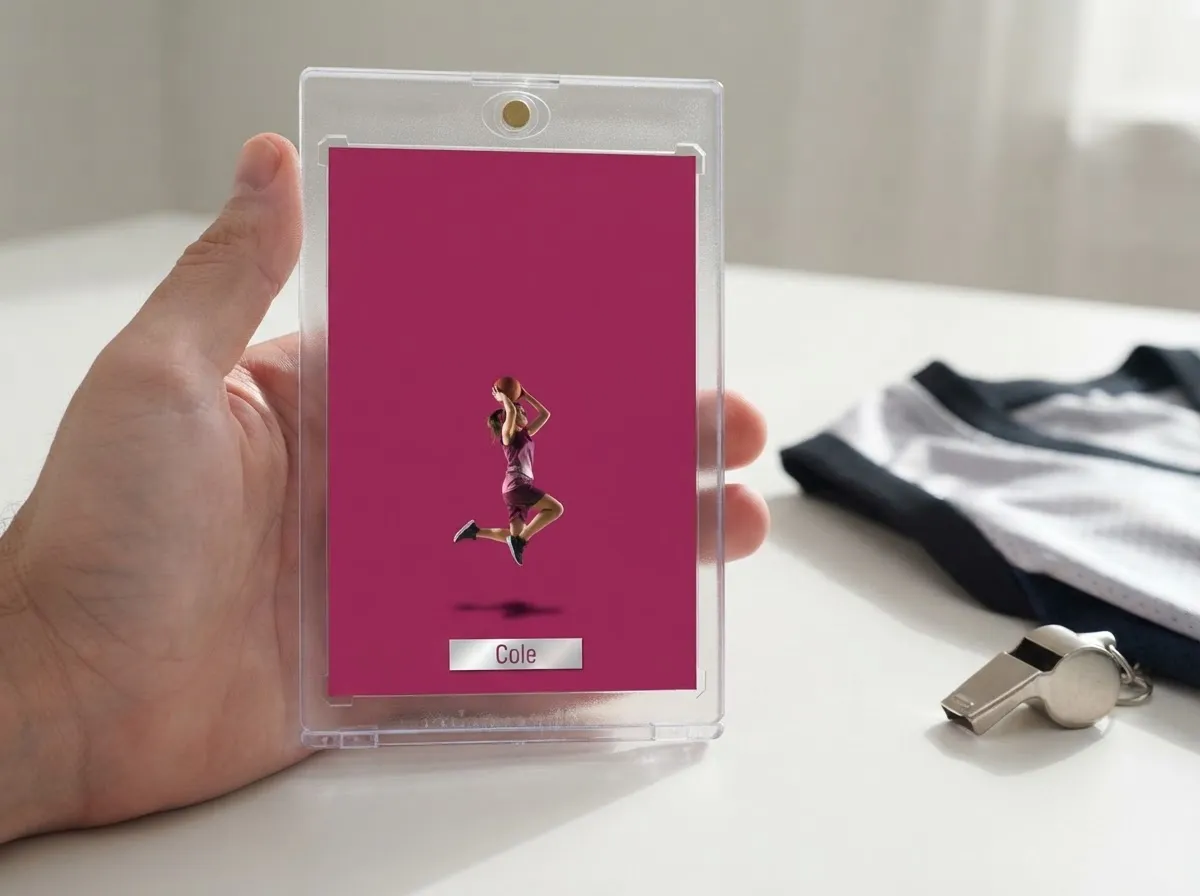
Upload any photo — your kid, your pet, your whole team — pick a pro template, and we print and ship a real, holdable card the next business day.
The Canon Rebel T7 is a solid entry-level DSLR, but its autofocus and burst rate weren't built with fast-moving sports in mind out of the box. Parents and volunteer team photographers grab it, switch to Auto mode, and end up with soft, motion-blurred images every single game. That's frustrating when you're trying to capture the one diving catch or buzzer-beater shot that actually matters. Without the right canon rebel t7 sports photography settings dialed in ahead of time, you're basically gambling on timing and hoping the camera guesses right.
This guide walks through the exact shutter speed, aperture, ISO, and autofocus mode combinations that work best on the T7 for baseball, soccer, basketball, and other fast sports. We'll also cover lens choices, drive mode settings, and common mistakes that quietly wreck otherwise good shots. Once you've got a sharp, well-framed image, you've got something worth printing — and that's where a custom trading card turns a good photo into a keepsake nobody throws away.
Let's start with the settings that actually matter, then talk about what to do with the results.
We ship custom cards to teams and families in all 50 states every week, and a huge share of those photos come straight off entry-level DSLRs like the Rebel T7.
Why Getting These Settings Right Actually Matters
Good settings aren't about gear snobbery — they're the difference between a photo you print and one you delete.
Sharper Faces in Fast Action
AI Servo tracking keeps a moving athlete's face and jersey number in focus, which is exactly the detail that gets lost when a photo is soft. Sharp faces are non-negotiable if you're planning to turn the shot into a card.
Fewer Wasted Shots Per Game
Dialing in shutter speed and ISO before kickoff means you're not chimping through blurry frames afterward. You'll walk away with more usable images from a single game, which gives you actual options when picking the one for a card.
Better Performance in Gym Lighting
Indoor sports like basketball and volleyball punish cameras with mixed, dim lighting. Knowing which ISO range keeps noise manageable on the T7 saves you from grainy, unusable shots when the gym lights just aren't cooperating.
A Print-Ready Final Image
A properly exposed, correctly focused photo scales up cleanly for printing. That matters when you're ordering something like a MEGA 11"x15" poster card — a soft or noisy photo just won't hold up at that size.
Free to design, instant preview. Ships the next business day.
What We See From Photographers Who Shoot With This Setup
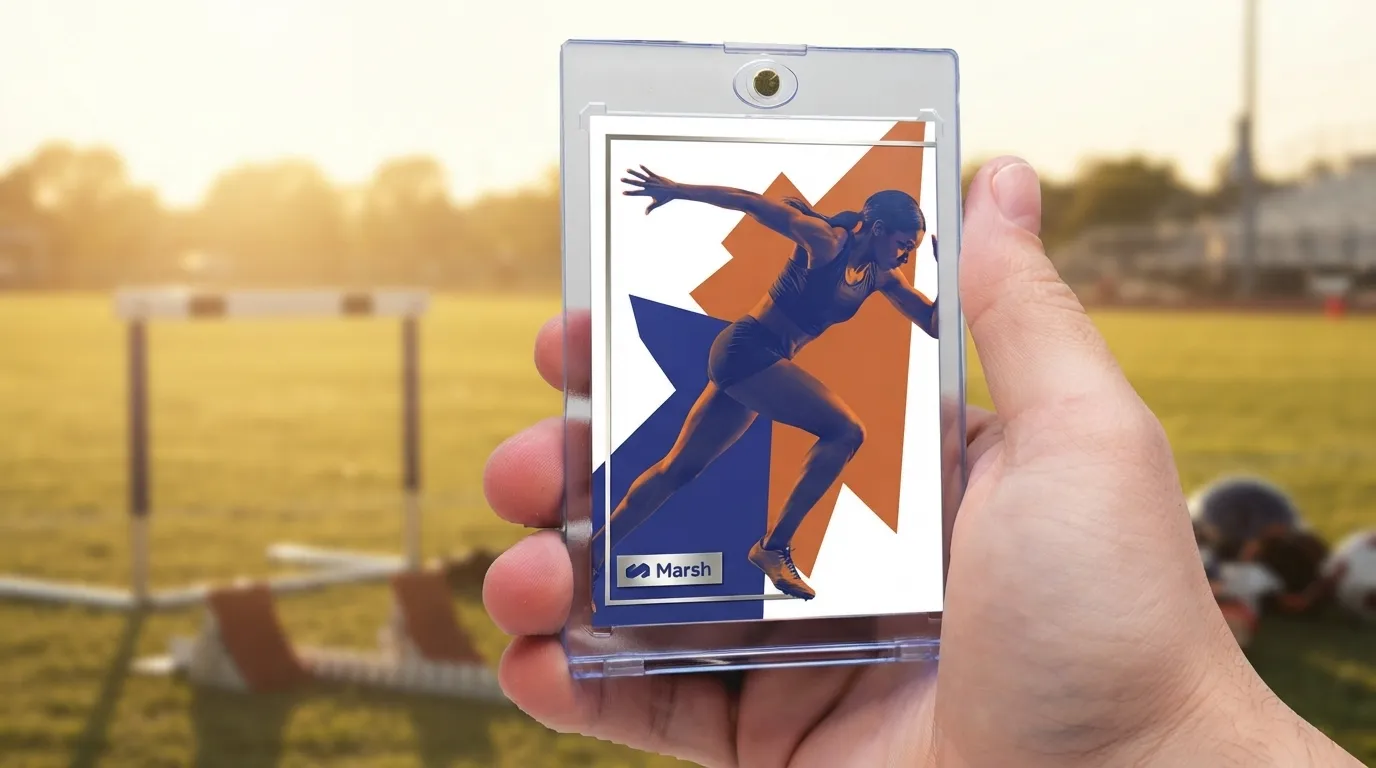
We print thousands of cards a month from photos shot on entry-level DSLRs like the Rebel T7, and the pattern is consistent — the sharpest submissions almost always come from parents and coaches who took ten minutes before the season to learn shutter priority and AI Servo AF. It's not about owning expensive gear. It's about knowing which three settings to change before the first pitch or opening whistle.
What Canon Rebel T7 Sports Photography Settings Should You Start With?
Start with Shutter Priority mode, a fast shutter speed, and continuous autofocus — that combination handles roughly 90% of youth and adult sports scenarios.
Set Shutter Speed First (Tv Mode)
Switch the mode dial to Tv (Shutter Priority) and set your speed to at least 1/1000s for fast sports like basketball or soccer, or 1/500s for slower action like baseball fielding drills. The camera will handle aperture automatically. If your images still show motion blur on a running player, bump the shutter speed higher before touching anything else — this is the single biggest fix for sharpness on the T7.
Switch Autofocus to AI Servo Mode
One Shot AF locks focus once and won't track a moving player, so switch to AI Servo AF in the camera's menu. This mode continuously adjusts focus as your subject moves toward or away from you, which matters a lot when a receiver is sprinting downfield. Pair it with a single, centered focus point for the most reliable results — the T7's 9-point AF system gets confused if you let it choose automatically in busy scenes.
Bump ISO and Use Continuous Shooting Drive Mode
Set ISO to 400-800 outdoors in daylight, or 800-1600 under typical gym lighting, so your shutter speed stays fast without underexposing the shot. Then switch the drive mode to continuous high (the burst icon) so you're capturing a sequence of frames instead of a single click. The T7 only shoots around 3 frames per second, so timing your burst just before the peak action — the jump, the swing, the catch — matters more than it would on a pricier body.
Once these three settings are locked in, focus your energy on anticipating the play instead of fiddling with menus mid-game.
Where These Settings Get Used Most
Different sports push the Rebel T7 in different ways, and the right settings shift a bit depending on the venue.
Youth Baseball and Softball
Batting stances and pitching wind-ups are semi-predictable, which gives the T7's AI Servo AF time to lock on. Shoot from behind the dugout at 1/1000s, ISO 400 outdoors, and burst through the swing. This is one of the more forgiving sports for entry-level DSLRs, and it's a favorite for parents building a keepsake card from a single standout at-bat.
Soccer and Youth Football
Wide fields mean you'll want a longer lens (55-250mm works well) plus a shutter speed of 1/1000s or faster to freeze sprinting players. AI Servo struggles more here because players cross the frame quickly, so pre-focus on a zone of the field where the action tends to funnel, like near the goal box.
Indoor Basketball and Volleyball
Gym lighting is the real challenge. Push ISO to 1600 if needed, keep shutter speed around 1/800s minimum, and shoot wide open at your lens's lowest f-number to let in more light. Expect more noise than outdoor shots, but a sharp, well-timed frame still prints beautifully once cleaned up.
What It Costs to Turn Your Best Shot Into a Card
Once you've got a sharp photo, printing it as a custom card is simple and affordable.
Single custom card: $17.99. Card packs: up to $49.99. MEGA 11"x15" poster card: $49.99. Free shipping across the USA, with orders printed and shipped within 2-3 days.
You already put in the work getting the shot right — a premium printed card makes sure it doesn't just sit buried in a camera roll.
Box Options
Simple, collectible pricing. No subscriptions, no hidden fees.
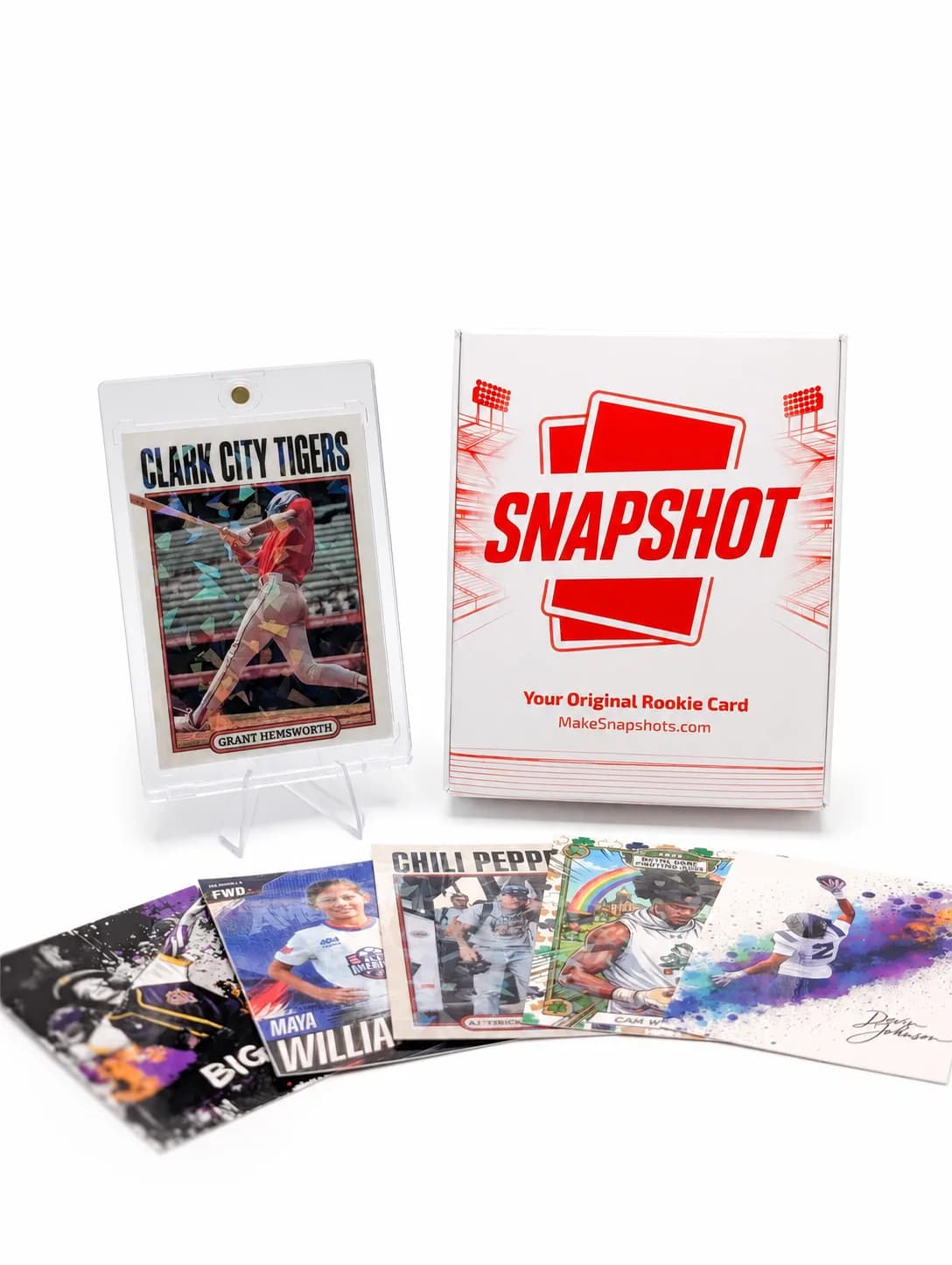
The Rookie Box
Perfect for those unforgettable moments
$17.99 - $49.99
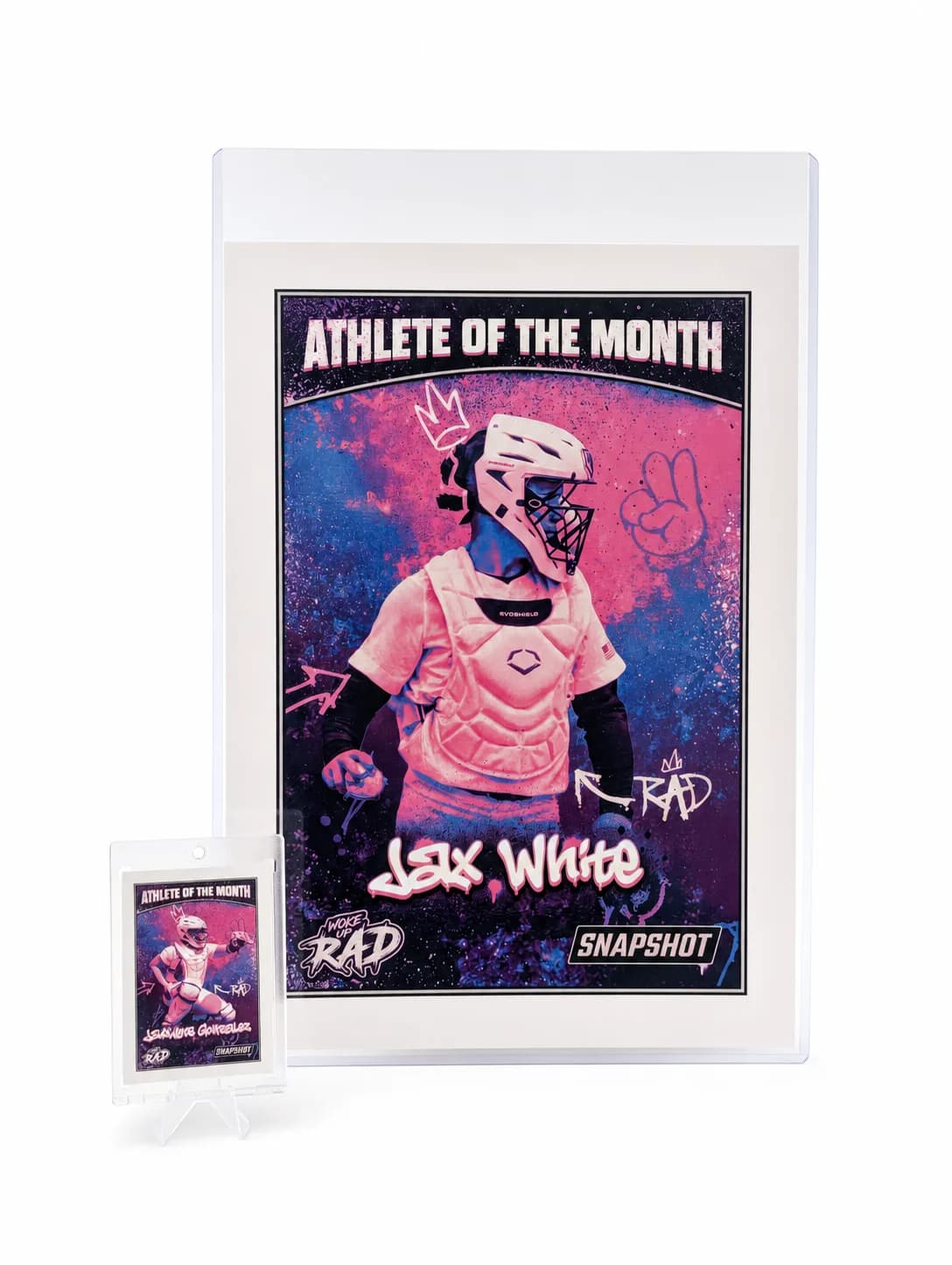
MEGA Card
Their moment, bigger than ever
$49.99
Create for free • Ships the next business day • Made in Des Moines, IA, USA
Frequently Asked Questions
What lens works best on the Rebel T7 for youth sports photography?
The kit 18-55mm lens works fine for close-range sports like basketball or volleyball where you're shooting from the sideline near the action. For anything on a larger field — soccer, football, baseball from the outfield — a 55-250mm telephoto zoom gives you the reach to fill the frame without physically moving closer to the play. Both lenses are affordable and pair well with the T7's crop sensor, which actually extends your effective focal length compared to a full-frame camera. If you can only own one lens for multi-sport shooting, the 55-250mm is the more versatile choice since you can back off it for closer action too. Wider apertures (lower f-numbers) help in dim gym lighting, but budget zoom lenses typically max out around f/4-5.6, which is workable but not ideal indoors. If indoor sports are your main focus, consider a used 50mm f/1.8 prime lens as a cheap, fast-aperture addition to your kit.
Should I shoot in RAW or JPEG for sports photos I want to print as cards?
Shoot RAW whenever storage space allows, since it captures more detail and gives you far more flexibility when adjusting exposure, sharpness, and color balance before printing. Sports photography often produces slightly imperfect exposures because you're reacting to fast-moving action rather than composing a controlled shot, and RAW files forgive small mistakes much better than JPEG. That said, RAW files are large and fill memory cards quickly, and they require a program capable of processing them before you can upload a final image anywhere. If you're not comfortable editing RAW files, shoot RAW+JPEG so you get a usable JPEG immediately while still keeping the RAW backup in case you need to fix something later. For a card that's going to be printed at sizes up to 11x15 inches, that extra detail from a RAW file genuinely makes a visible difference in sharpness and color accuracy. JPEG is fine for casual sharing, but it's a riskier choice for anything you plan to print large.
What ISO should I use for indoor gym sports like basketball or volleyball?
Indoor gyms are one of the toughest lighting environments for the Rebel T7, so plan on ISO 800-1600 to keep your shutter speed fast enough to freeze motion. Most gyms use overhead lighting that's dimmer and less consistent than it looks to the naked eye, and the T7's sensor needs that higher ISO to compensate without dragging shutter speed down into blur territory. You'll notice more visible grain or noise at ISO 1600 compared to shooting outdoors, but a sharp, slightly grainy photo is almost always more usable than a smooth, blurry one. If your lens has a wider maximum aperture like f/2.8 or f/1.8, use it — that lets in more light and lets you keep ISO a bit lower. Try to position yourself where the lighting is most even, usually center court, rather than near the ends where shadows tend to pool. Testing your settings during warmups before the game starts saves you from missing the opening tip-off while adjusting.
How many photos should I take per game to get one good enough to print?
It varies by sport, but plan on taking anywhere from 150 to 400 photos during a typical game if you're shooting continuous bursts around key moments. Fast sports with unpredictable action, like soccer or basketball, require more shots simply because the timing window for a great frame is so narrow. Slower sports like baseball give you more predictable moments — the pitch, the swing, the catch — so you can be more selective with when you fire off a burst. Out of a few hundred shots, it's realistic to end up with only 10-20 that are both sharp and well-composed, and maybe just a handful that are truly card-worthy. Don't get discouraged by that ratio; even professional sports photographers work with similar odds. The goal isn't perfection on every frame, it's making sure you're firing bursts at the right moments so you've got options afterward. Reviewing shots on your camera's LCD between plays helps you adjust settings on the fly if something's clearly off.
Can I use Auto mode and still get good sports photos with the Rebel T7?
Auto mode can occasionally produce a usable shot in bright outdoor light, but it's unreliable for sports because it prioritizes balanced exposure over fast shutter speed. The camera doesn't know you're trying to freeze a sprinting player, so it might choose a shutter speed too slow to avoid motion blur, especially as clouds pass over or lighting shifts slightly. It also defaults to One Shot autofocus in most Auto configurations, which won't track continuous movement the way AI Servo does. If you're only shooting casual photos of kids standing around before a game, Auto is fine. But for actual in-action shots — a swing, a jump, a sprint — you'll get dramatically better results switching to Tv mode and manually selecting AI Servo AF. It genuinely only takes a few minutes to learn, and the improvement in sharpness is immediate and obvious once you compare the two side by side.
What's the difference between AI Focus, One Shot, and AI Servo on the T7?
One Shot AF locks focus once you half-press the shutter and won't adjust even if your subject keeps moving, which makes it a poor choice for sports. AI Servo AF continuously refocuses as long as you hold the shutter halfway, tracking a moving athlete as they run, jump, or change direction — this is the mode you want for almost all sports photography. AI Focus tries to automatically detect whether your subject is moving and switch between the other two modes accordingly, but in practice it's slower to react and less predictable than just manually selecting AI Servo yourself. For fast, unpredictable sports, skip AI Focus entirely and commit to AI Servo full time. The only downside is that AI Servo can occasionally hunt for focus in low light or low-contrast scenes, so pairing it with a single, precise focus point rather than the full array helps keep it locked onto your subject instead of the background.
Do I need a monopod or tripod for sports photography with the T7?
A monopod is genuinely useful if you're shooting with a longer telephoto lens like the 55-250mm for extended periods, since it reduces arm fatigue and minor camera shake without restricting your ability to pan and follow action. A full tripod is far less practical for sports because you need to move quickly to track players, and a tripod's fixed position fights against that. If you're shooting handheld, just make sure your shutter speed stays high enough (1/1000s or faster) to compensate for any small movements in your grip. Bracing your elbows against your torso or leaning against a fence or dugout rail also helps stabilize shots without any extra gear. For most weekend sideline photographers, a monopod is a nice-to-have rather than a necessity, especially if budget is tight and you'd rather spend that money on a better lens instead.
How do I photograph sports in bad lighting, like overcast days or late afternoon games?
Overcast days and late afternoon games cut available light significantly, so you'll need to raise ISO to 400-800 and possibly accept a slightly slower shutter speed around 1/800s if 1/1000s leaves your shots underexposed. Shooting toward the sun during late afternoon games creates harsh silhouettes, so try to position yourself so the light source is behind or to the side of your camera rather than directly in front of it. If your lens supports it, opening up the aperture to its widest setting (lowest f-number) lets in more light without sacrificing shutter speed. Overcast skies actually diffuse light more evenly than harsh midday sun, which can reduce shadows on players' faces — it's not all bad news. The biggest adjustment is simply accepting more grain in exchange for a sharp, well-timed shot, since a slightly noisy photo still prints better than a blurry one. Testing settings during warmups gives you a chance to fine-tune before the real action starts.
What file format and resolution do I need for printing a custom sports card?
Aim to shoot at the Rebel T7's full resolution, which captures around 24 megapixels, and save as either RAW or high-quality JPEG rather than a compressed or resized version. Higher resolution gives you room to crop tightly on a great moment — like a diving catch or a game-winning shot — without losing sharpness once it's printed. For a standard card size, resolution requirements are pretty forgiving, but if you're ordering something larger like the MEGA 11x15 poster card, starting resolution matters more since the image is scaled up significantly. Avoid taking a screenshot of a photo or downloading a heavily compressed version from social media, since that strips out detail that can't be recovered later. When in doubt, upload the largest, least-compressed version of the file you have. It genuinely makes a visible difference in the final printed card's clarity, especially around fine details like jersey numbers and facial features.
Free to design, instant preview. Ships the next business day.
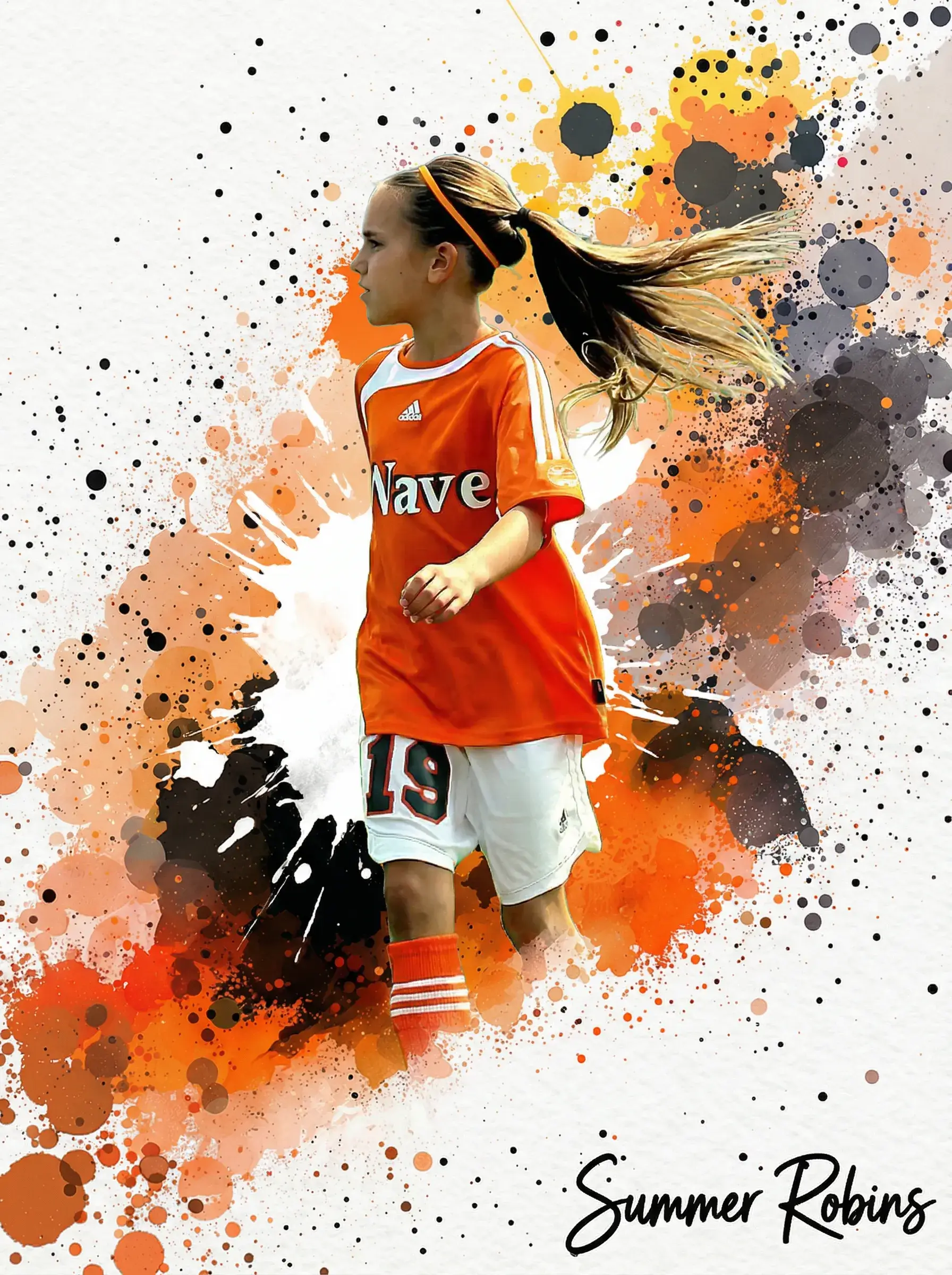
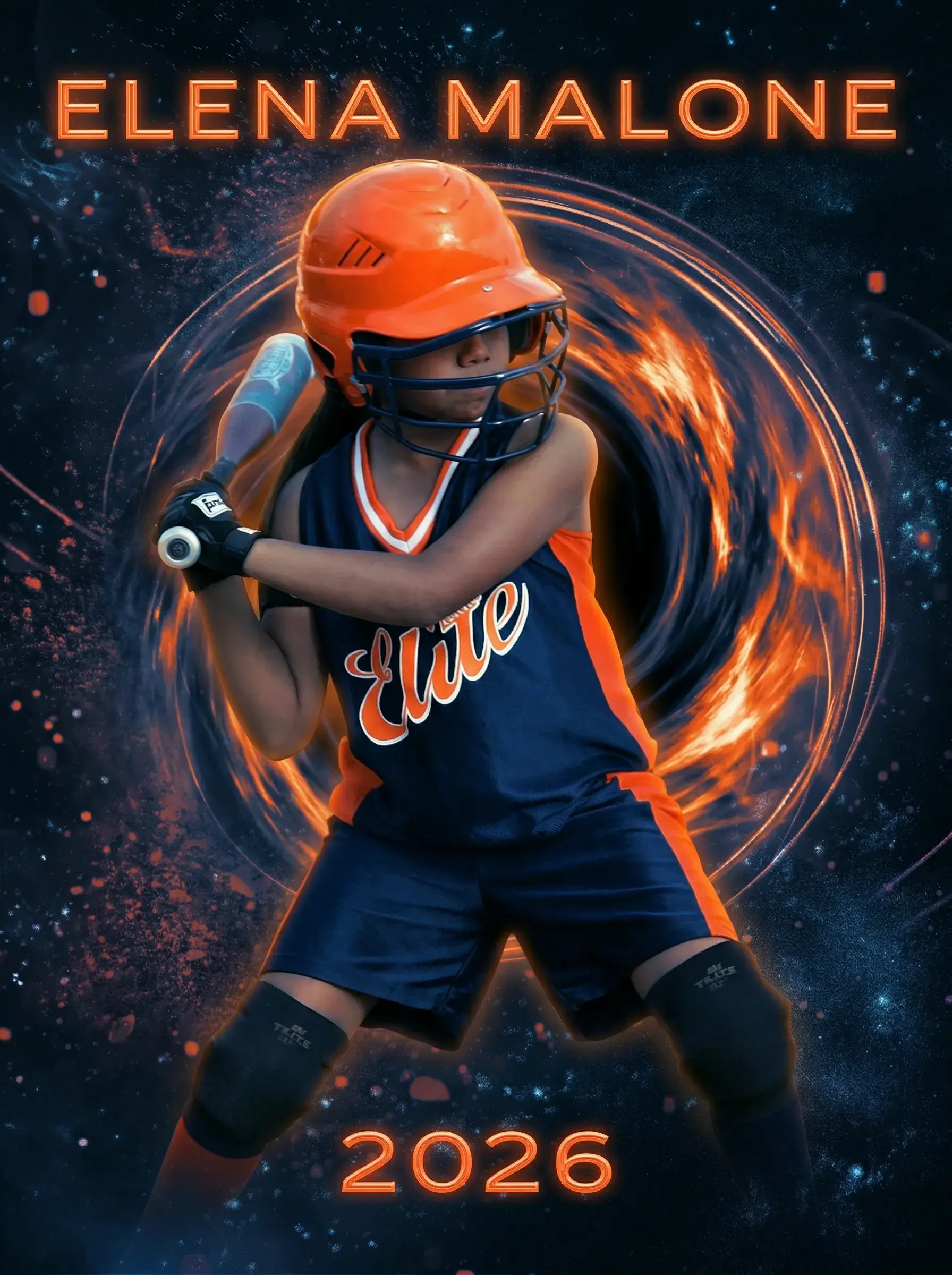
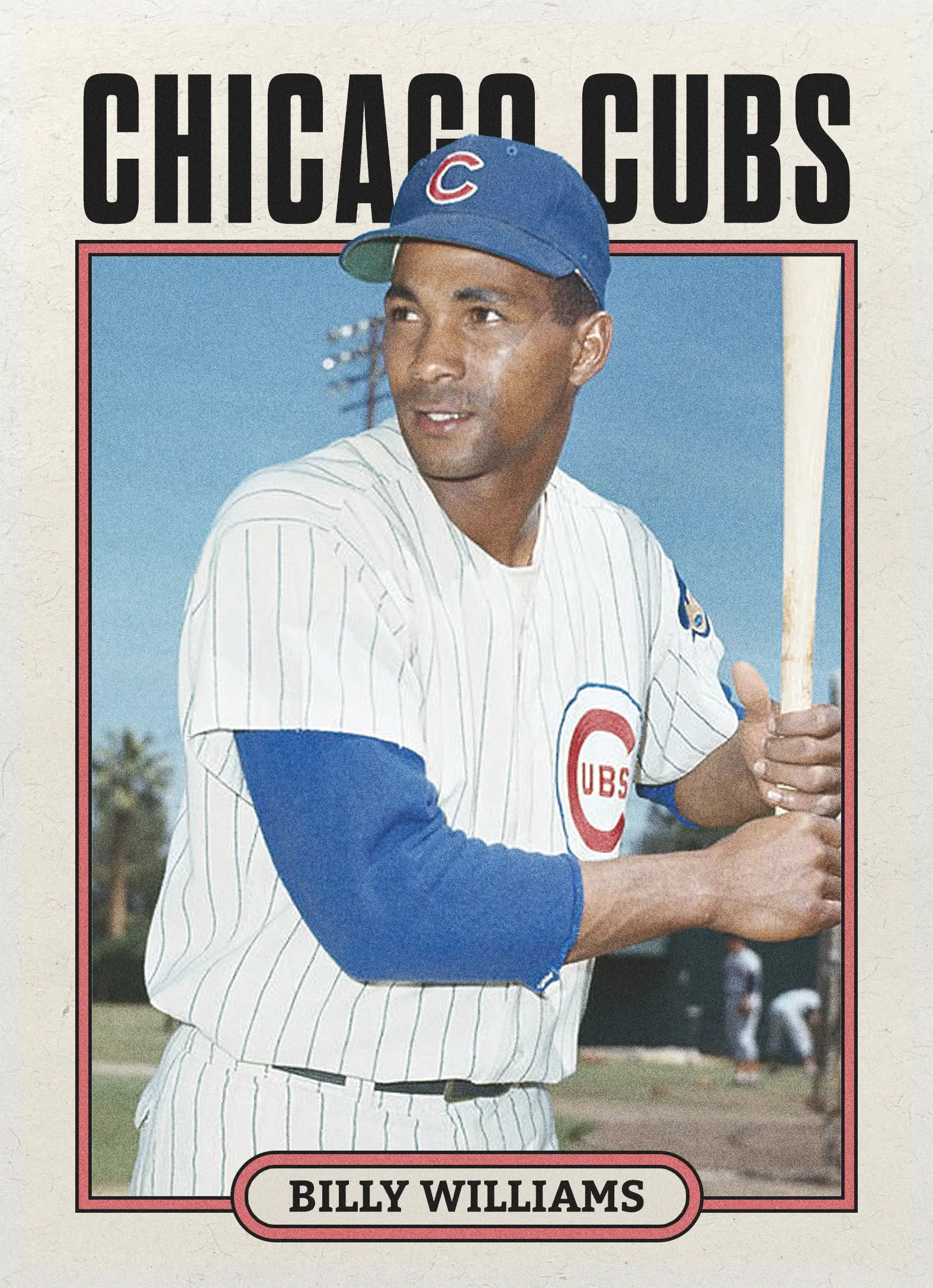
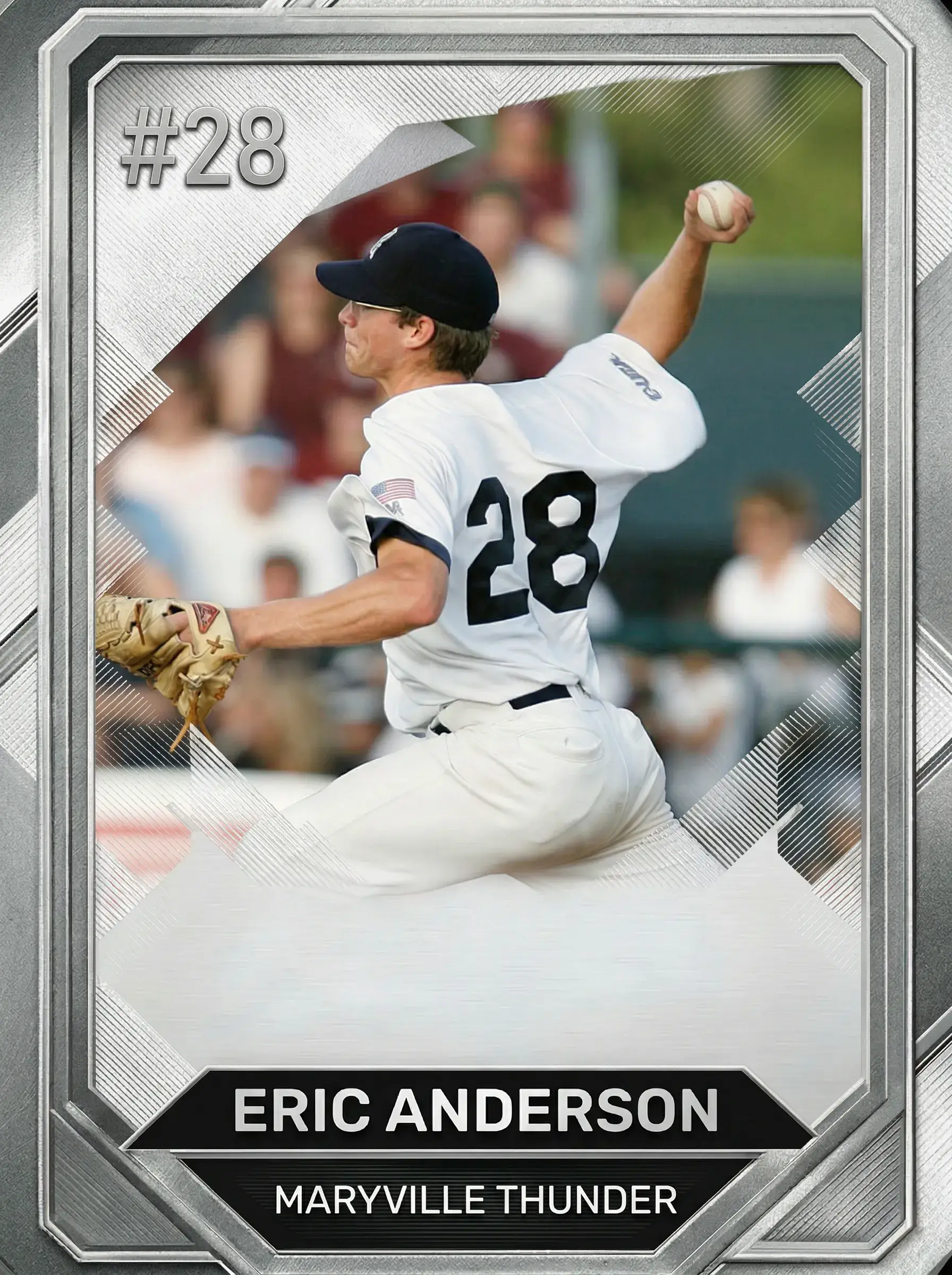
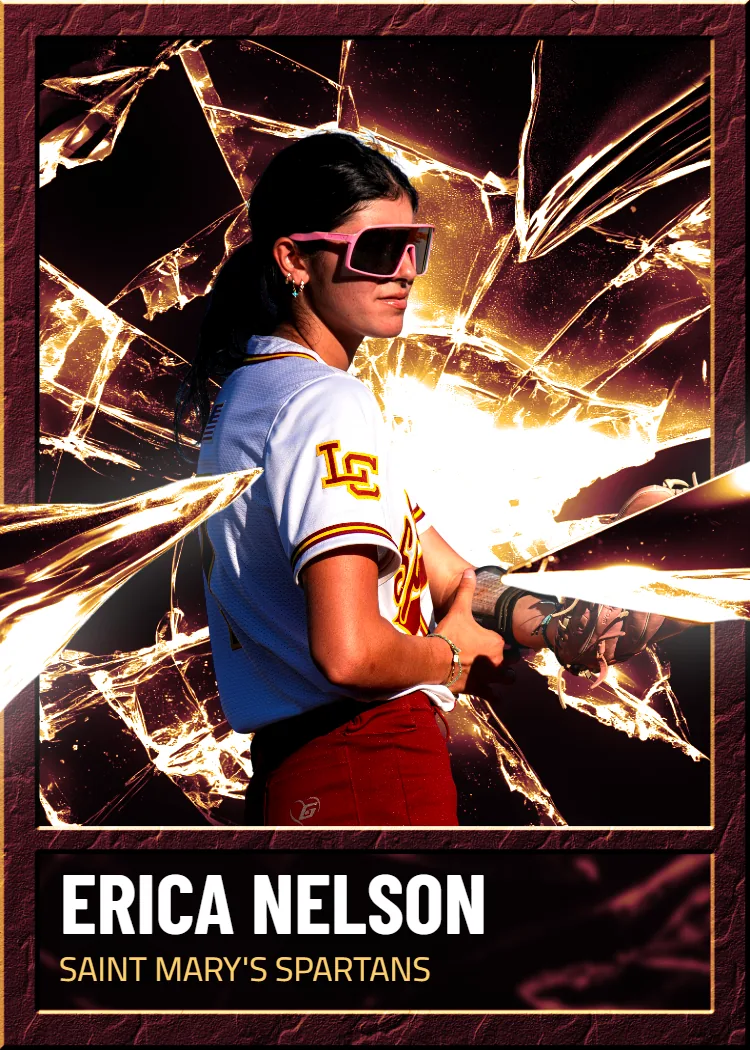
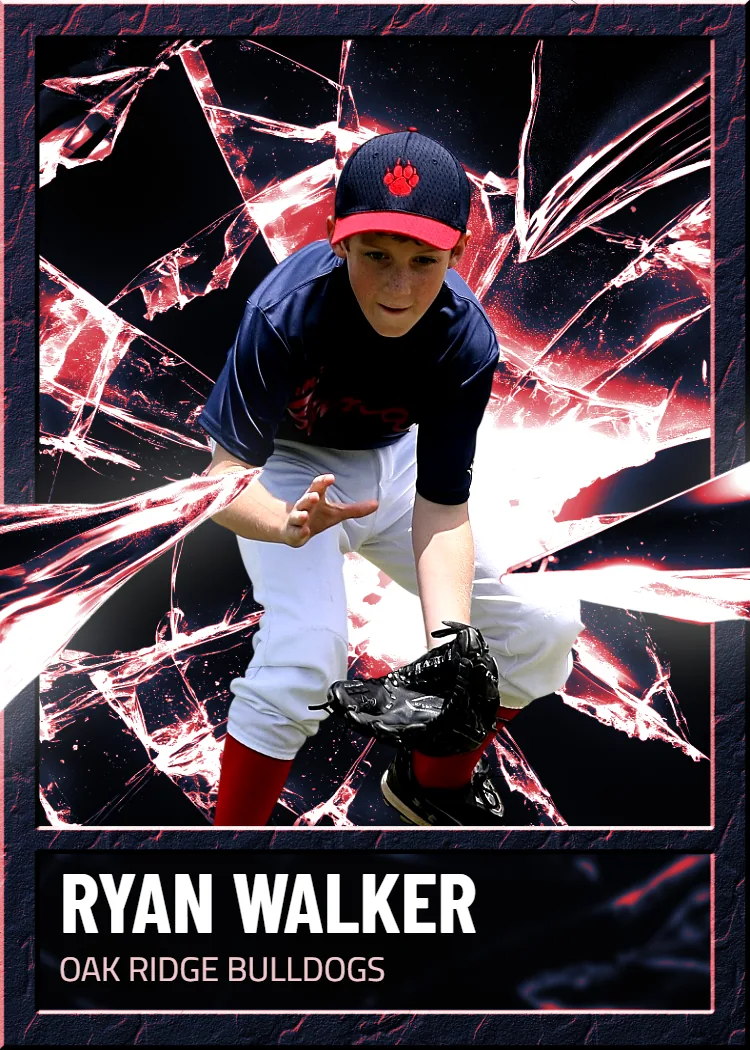
Got the Shot? Turn Your Canon Rebel T7 Sports Photography Settings Into a Printed Card
You did the hard part — nailing focus, timing, and exposure on the field. Now upload that photo, pick a pro-style template, and we'll print it on professional card stock with a free magnetic case, shipped in 2-3 days.
Upload Your PhotoNo credit card required | Instant preview | Pro-quality designs
Explore More Card Options
Discover more custom trading card options for every sport and occasion