
Easy Fundraisers for Sports Teams That Coaches Actually Finish
Coaches don't fail at fundraising because they lack effort. They fail because the fundraiser they picked was never actually easy.
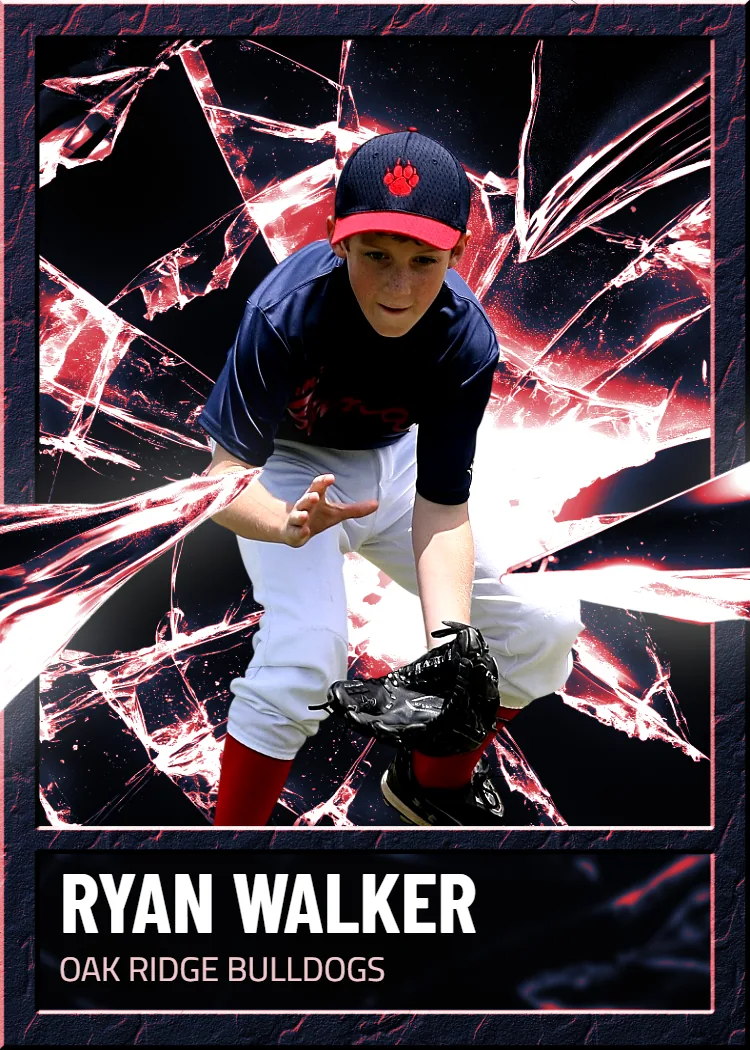
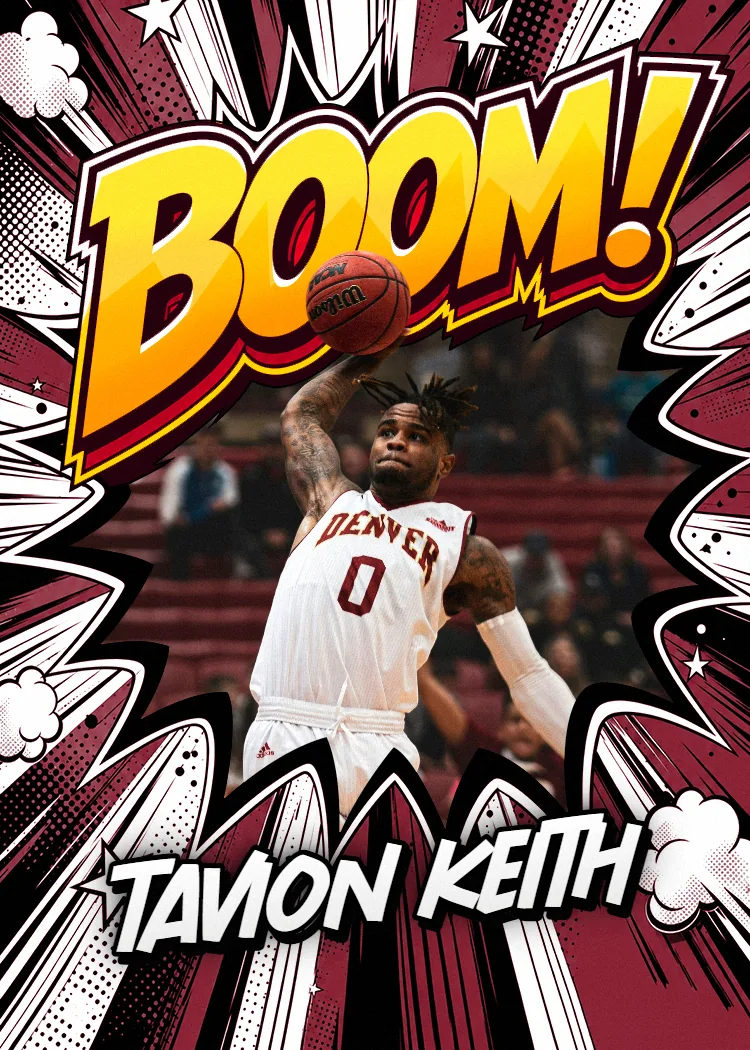
Upload a photo of your player, pet or team, choose an available template, and preview your design before ordering a printed card.
Search 'easy fundraisers for sports teams' and you'll get a hundred lists promising the same tired options: candy bars nobody wants, car washes that depend on weather, restaurant nights that net $40. Most of these aren't easy at all once you factor in the coordination, the unsold inventory, and the parent volunteers who quietly stop responding to texts by week two. The myth is that 'easy' means 'low effort.' The fact is that easy means low friction from start to finish — something that doesn't require chasing down cash, tracking boxes of merchandise, or begging for one more shift at the concession stand.
A cleaner model exists: give families something they already want to buy, make it a single upload-and-order step, and let a print shop handle the rest. Custom trading cards built from a player's own photo hit that mark — no inventory sitting in a coach's trunk, no unsold product, and a turnaround measured in days, not months. Snapshot prints them on professional card stock and ships anywhere in the country in 2-3 days.
Here's what separates a genuinely easy fundraiser from one that just sounds easy on paper.
Related Topics
We ship custom cards to teams in all 50 states every week, from small rec leagues to high school booster clubs running department-wide fundraisers.
Frequently Asked Questions
How much money can a small team realistically raise with a card fundraiser?
It depends heavily on team size and markup, but a 15-player team selling one pack per family at a modest markup can clear a few hundred dollars without much effort. Larger programs with 40-60 athletes and multiple purchases per family — grandparents often buy extra packs — can raise well over a thousand dollars in a single push. Unlike raffle tickets or car washes, there's no ceiling created by foot traffic or a single event day, since orders can trickle in over a two-to-three-week window. The MEGA poster card at $49.99 also gives families a higher-ticket option for those willing to spend more on a keepsake. Coaches should set a modest per-unit margin rather than a huge markup, since affordability drives volume more than price per card does. Realistically, this fundraiser works best as a supplement to a season budget, not a total replacement for larger capital campaigns like uniform overhauls.
Do we need special equipment or software to run this kind of fundraiser?
No special equipment is required beyond a smartphone camera and an internet connection to upload photos. Coaches don't need a photography background, a laptop with design software, or any prior fundraising platform experience. The template selection happens directly on Snapshot's site, where families choose a pro-style layout and drop in their photo. There's no printer to manage, no card stock to purchase separately, and no shipping labels to print at home. This is different from older fundraiser models that required a coach to physically distribute catalogs or track a spreadsheet of orders and payments. Because everything routes through individual online orders, the administrative burden on the coach or team manager is close to zero once the initial link or instructions go out. That's a meaningful difference for volunteer coaches already stretched thin managing practices, games, and everything else a season demands.
How fast can we actually get cards if we're fundraising for an upcoming trip or tournament?
Snapshot prints and ships within 2-3 days of an order being placed, which means a fundraiser launched three to four weeks before a trip has plenty of runway. That's considerably faster than traditional fundraising catalogs, which often take four to six weeks between ordering and product delivery. If a tournament is only two weeks away, it's still possible to run a compressed version of the fundraiser by setting a hard order deadline early and giving the full remaining time to production and shipping. Coaches should build in a buffer of at least a week past the expected delivery date in case of address errors or shipping delays, though these are uncommon given free US shipping over $30 is standard. The bigger risk with tight timelines isn't production speed — it's giving families enough notice to actually place orders. A rushed one-day announcement will always underperform a fundraiser given two full weeks of visibility.
Is this fundraiser appropriate for younger kids, like 6-8 year old rec teams?
Yes, and it often performs better with younger age groups because parents are more inclined to buy keepsakes of their child at that stage. A 7-year-old's first season of soccer or T-ball is exactly the kind of moment families want captured on something more polished than a phone photo. The template options work regardless of age since they're built around the photo itself, not a specific skill level or highlight reel. Coaches of younger teams often pair the card fundraiser with picture day, having a designated helper snap photos of each player in uniform. That single session becomes the entire supply of raw material needed for every family's order. The only adjustment worth making for younger teams is keeping communication simple — a printed flyer or a text with a link works better than a multi-step email chain that parents skim past. Simplicity matters more with this age group's already-busy parents.
What if a family doesn't have a good photo of their kid playing the sport?
That's a common concern, and it's less of an obstacle than it seems. Most templates work fine with a posed photo, a practice shot, or even a casual photo taken on a phone in decent lighting — professional photography isn't required. Coaches can designate one practice or game as an informal photo day, asking a parent volunteer with a decent phone camera to snap quick shots of each athlete during a break. That single session usually solves the problem for the entire roster at once, rather than leaving it to each family individually. For teams with an existing photographer relationship, those images work too and often produce sharper results. The templates are designed to make a wide range of photo quality look sharp on the final printed card, so a slightly blurry or off-center shot won't ruin the outcome. The main thing to avoid is an extremely dark or distant photo where facial features aren't clearly visible.
How does this compare to running a GoFundMe or online donation page instead?
A donation page asks people to give money for nothing tangible in return, which tends to produce smaller amounts from a narrower circle — mostly immediate family. A card fundraiser gives buyers something physical and personal, which historically drives higher participation because it doesn't feel like charity, it feels like a purchase. Donation pages also carry the awkwardness of essentially asking for a handout, something many parents are uncomfortable posting on social media repeatedly. Cards sidestep that discomfort entirely since the transaction is framed as buying a keepsake, not asking for help. That said, donation pages can work well as a secondary option for extended family who live far away and want to contribute without ordering a physical product. Many coaches actually run both simultaneously — a card fundraiser for anyone wanting a tangible item, and a simple donation link for those who'd rather just contribute directly to the trip or equipment fund.
Can we run this fundraiser for a whole athletic department instead of just one team?
Yes, and larger scale actually makes the economics better since shipping and setup effort don't multiply proportionally with roster size. A high school with a booster club overseeing multiple sports can run one coordinated card fundraiser each fall, collecting photos from every team roster at once rather than staggering it sport by sport. This centralizes communication to parents, since one announcement covers volleyball, football, cross country, and soccer simultaneously instead of four separate asks throughout the semester. It also gives the booster club a predictable, repeatable fundraiser to schedule annually rather than reinventing a fundraising plan each season. The main coordination point is collecting photos on time from each team's coach, since a department-wide fundraiser is only as fast as its slowest-responding team. Setting a firm submission deadline for photos, with a reminder a week out, keeps the whole department-wide effort on track for a single shipping window.
What's the biggest mistake coaches make when running this kind of fundraiser?
The most common mistake is launching without a clear deadline, which causes orders to trickle in indefinitely and kills momentum. Fundraisers with no end date consistently underperform ones with a visible countdown, because urgency drives action more than a good product does on its own. A second mistake is failing to communicate the 'why' — parents respond better when they know the specific goal, like covering tournament travel or new equipment, rather than a vague 'team fundraiser.' A third mistake is not designating a single point of contact for questions, which leads to confused parents messaging multiple coaches or assistant coaches with the same question. Coaches should also avoid over-complicating pricing with too many package tiers; two or three clear options outsell five confusing ones. Production takes one business day; shipping time is quoted at checkout for your address.
Do we have to order a minimum number of cards to make this worth doing?
No minimum order is required, which is one of the bigger differences from traditional fundraising catalogs that often require a case minimum or a set number of participating sellers. A single family can order just one card if that's all they want, and the team still benefits from that individual sale's markup. This makes the fundraiser viable even for very small teams, like a 6-player wrestling squad or a niche club sport with limited roster size. It also means there's no pressure on the coach to hit an arbitrary sales threshold before the fundraiser becomes worthwhile financially. Compare that to popcorn or cookie dough fundraisers, which often require ordering a minimum case size upfront, leaving the team financially exposed if sales fall short. Because production is per-order rather than bulk, the financial risk sits much closer to zero regardless of how many total units the team ultimately sells.
How do we actually collect the profit margin if there's no cash changing hands at pickup?
Teams typically set pricing by adding a fixed markup on top of Snapshot's base cost — for example, selling a $17.99 single card for $25 and keeping the $7.01 difference per unit. That markup can be collected through whatever payment method the team already uses for other fees, like a team management app, a simple online form with payment processing, or even a shared spreadsheet with Venmo requests. The key is deciding on the markup before launching so every family sees consistent pricing rather than negotiating individually. Some coaches simplify further by having families pay Snapshot's price for personal copies and separately collect a flat 'fundraiser fee' per order to fund the specific goal. Both methods work, but consistency matters more than the specific structure chosen. Whatever method is used, it helps to communicate clearly upfront exactly how much of each purchase goes toward the team goal versus the product cost itself, since transparency tends to increase how many families choose to order extra packs.
Is there a way to make the cards feel more like a fundraiser and less like a product for-sale?
Framing matters more than most coaches expect. Simply calling it a 'card fundraiser' rather than 'team merchandise' shifts how families perceive the purchase, even though the product is identical. Including a short note about the specific goal — new equipment, tournament fees, senior night — alongside the order link reinforces that framing every time someone sees it. Coaches can also set a visible team-wide goal, like a thermometer graphic tracking progress toward a dollar amount, which taps into the same motivation that makes crowdfunding pages effective. Timing also helps: launching around a milestone, like the start of playoffs or a senior class's final season, gives the purchase emotional weight beyond just owning a nice card. None of this requires extra cost or complexity — it's purely communication. The product itself does a lot of the emotional lifting already, since it's a personalized image of someone's own child or teammate, but pairing it with clear framing about the fundraising goal noticeably increases order volume.
Can multi-sport athletes or players who switch teams mid-season still be included?
Yes, since each card order is tied to an individual photo rather than a fixed team roster locked in at the start of the season. A multi-sport athlete can have separate cards made for each team they play on, using different templates matched to each sport's look and feel. A player who transfers mid-season simply submits their new photo whenever the fundraiser is running for their new team, without needing to coordinate with their prior team's fundraiser timeline. This flexibility also helps programs with fluctuating rosters, like travel teams that add players for specific tournaments, since latecomers can still be included as long as they submit a photo before the order deadline. There's no roster lock-in required at the software level the way some team merchandise platforms require pre-set player lists. The only real constraint is the coach's own communicated deadline, which exists to keep the shipping and production timeline predictable for the whole group.
Free to design, instant preview. Free US standard shipping on orders $30+. Review delivery options at checkout.
How Do Easy Fundraisers for Sports Teams Actually Work Step by Step?
Most viable options follow three stages: collect, produce, distribute — and the fewer hands touching each stage, the smoother it runs.
Collect photos and player info
A team manager sends one link to parents, or a coach snaps photos at practice with a phone. Each player picks a favorite action shot or a posed team photo. There's no fundraising kit to distribute, no order forms to print, and no cash envelopes to track down — just a folder of images and a roster.
Choose a template and set pricing
Families pick from pro-style sports card templates matched to the sport, then decide what to charge — a single card, a pack, or a MEGA poster card. Since Snapshot's cost per card starts at $17.99, teams typically mark up modestly and keep the difference, without needing a minimum order size to make it worthwhile.
Print, ship, and collect the difference
Production takes one business day; shipping time is quoted at checkout for your address. There's no bulk shipment for the coach to sort, box by box, in a gym closet — everything routes directly to the buyer.
Three steps, no unsold inventory, and nothing left over to store after the season ends.
What Makes This Approach Better Than Traditional Team Fundraising?
Traditional fundraisers ask families to sell to strangers. Card fundraisers ask families to buy something they already want.
Zero unsold inventory risk
There's no leftover box of wrapping paper or popcorn tins sitting in a coach's garage come June. Every card is made to order, so the team never fronts money for product that doesn't sell.
Built-in demand, not forced selling
Parents aren't knocking on neighbors' doors. A card featuring their own kid in a custom design sells itself — it's a keepsake first, a fundraiser second, which removes the awkward sales pitch entirely.
Fast enough for last-minute fundraising
Need money before a tournament in three weeks? Production takes one business day; shipping time is quoted at checkout for your address.
Works at any team size or level
A 9-player rec basketball team and a 60-athlete varsity football program can both run this without adjusting the process — it scales by simply adding more players' photos, not more logistics.
Where Do Coaches Actually Use This for Fundraising?
The format flexes across youth leagues, school programs, and travel teams with different budget goals.
Youth rec leagues covering uniform costs
A 10-team soccer league facing rising jersey costs runs a card fundraiser at the season kickoff, timing photo day to double as the collection point. Families order packs alongside team photos, and the extra revenue offsets uniforms without a separate bake sale or car wash.
Travel teams funding tournament trips
A club volleyball team headed to a regional tournament needs quick cash, not a six-week sales cycle. Because cards ship in days, the team can launch the fundraiser a month out and still have funds cleared before the trip, something canister collections can't guarantee.
High school booster clubs building senior gifts
Booster clubs often want a senior-night keepsake and a fundraiser rolled into one. A MEGA 11x15 poster card doubles as a framed gift for the athlete's family while the standard packs sold to the broader school community generate the actual fundraising dollars.
Do Teams Nationwide Actually Use Card Fundraisers?
Snapshot ships custom cards to teams across all 50 states, from small-town rec leagues to high school athletic departments, every week. Orders come from every sport imaginable — not just baseball and football — because the format doesn't depend on a specific sport's culture or merchandise history.
What Do Easy Fundraisers for Sports Teams Cost to Run?
Pricing starts at $17.99 for a single card, with packs scaling up to $49.99 and free US standard shipping on orders $30+.
Single card $17.99, packs up to $49.99, MEGA 11x15 poster card $49.99, free shipping over $30 anywhere in the USA
Teams set their own markup on top of Snapshot's base pricing, meaning profit margin is controlled entirely by the program, not fixed by a fundraising company's catalog.
Box Options
Simple, collectible pricing. No subscriptions, no hidden fees.
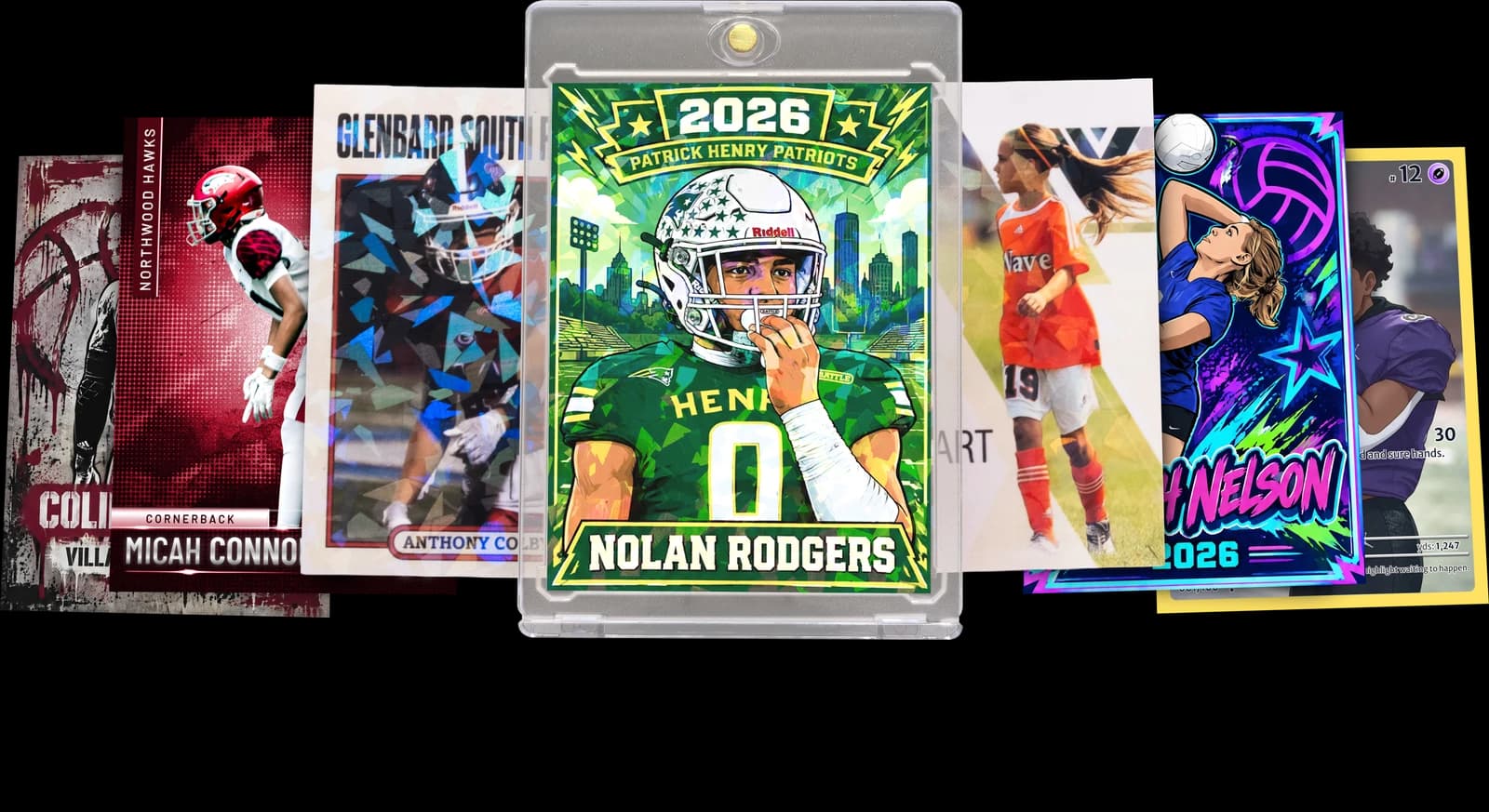
The Rookie Box
Perfect for those unforgettable moments
$17.99 - $49.99
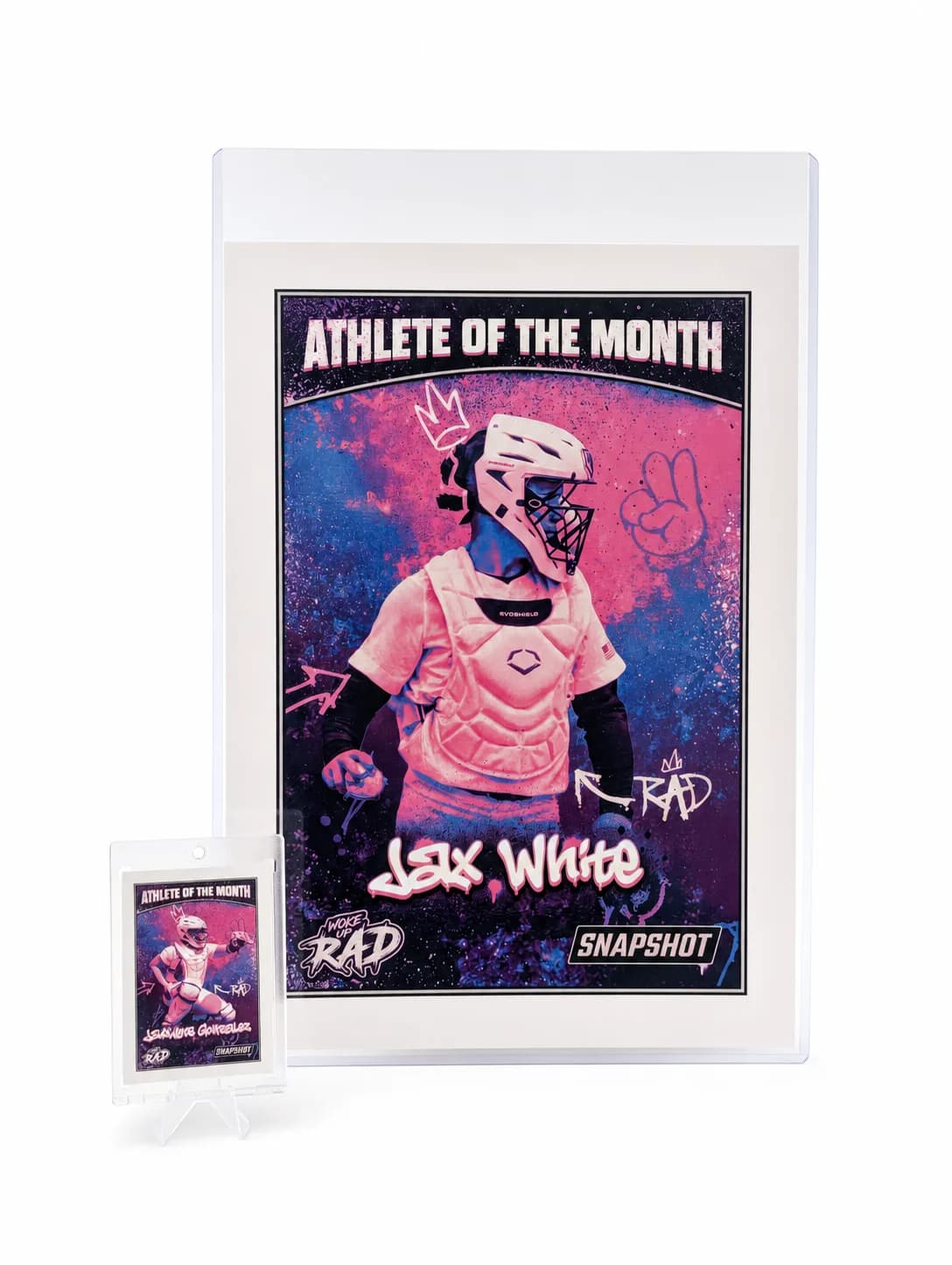
MEGA Card
Their moment, bigger than ever
$49.99
Create for free • Ships the next business day • Made in Des Moines, IA, USA


Ready to Try One of the Easier Fundraisers for Sports Teams This Season?
Upload a few player photos, pick a template, and let Snapshot handle printing and shipping. Production takes one business day; shipping time is quoted at checkout for your address.
Start Your Team OrderNo credit card required | Instant preview | Pro-quality designs
Explore More Card Options
Discover more custom trading card options for every sport and occasion