
How Much Is My Topps Card Worth?
You pulled a card from an old box and now you're asking how much is my Topps card worth. Fair question.
Upload a photo of your player, pet or team, choose an available template, and preview your design before ordering a printed card.

"I created a few AI cards for my kids. I started collecting back on February and the boys love the Kaboom cards. My daughter loves princesses so I made her a Disney card through AI. I looked for a company to actually make the card and found Snapshots. Very easy to use, very fast, excellent price. They actually called me to verify some of the information on the picture and offered to make any changes. I received them very quickly. I rarely leave reviews, but I felt this company deserved to hear that they are doing it right and I will definitely be using them again very soon."
— jimmy P. · 3 months ago
"We had my son’s senior pictures taken at Target field so I wanted to put those images on a baseball card to give out at his graduation party! I had so much fun creating them on the website! I ordered them on a Wednesday night and they were at my door that Saturday! Very quick! I couldn’t wait to open them! They are awesome! Better than I could have ever imagined! The quality is well worth the money! Amazing job! Will definitely recommend to anyone looking for a unique way to capture a forever memory!"
— Greg S. · 5 months ago
"These are great quality cards and look amazing will be ordering more from them."
— Blaine R. · 5 months ago
"I ordered cards on a Monday so they would be shipped and arrive by Friday. The next day through a series of unexpected events and missed communications on my part, I discovered my order was delayed. I reached out to see if there was anyway my order could still be processed and shipped out on time. Graham (CTO) reached out to me personally via email and phone to fix the issue and ensure my order was processed and shipped out on time. I received them on that Friday as I was originally hoping. Upon opening they were better than expected. The card stock is sturdy and the printing was high quality! I would definitely recommend this company and will be making more cards to order."
— Ron D. · 4 months ago
"This was perfect! Ordered and was in my mailbox within a week. They were exactly what I imagined! I can’t wait for my Kickin Nuggets U4 Soccer team to get their player cards!!!"
— Brittany C. · 5 months agoReviews from Google
Topps card values swing hard — a 1986 Topps Pete Rose might fetch $8 on a good day, while a 2011 Topps Update Mike Trout rookie PSA 10 has sold north of $50,000. Most cards land somewhere far less glamorous. The problem is that casual collectors often overestimate value based on the player's name alone, ignoring condition, print run, year, and the current market. You could be sitting on something real — or something worth less than the sleeve it's in. Knowing which is which matters before you sell, trade, or store it.
The honest answer to how much is my Topps card worth lives at the intersection of grade, year, and recent sales data — not nostalgia. Check PSA population reports, recent eBay sold listings, and condition grading guides before drawing any conclusions. Once you have that answer, you'll know exactly what you've got. And if your collection's true value is in the memories, not the market, Snapshot can turn your favorite player photo — or your own — into a premium custom baseball card that holds a different kind of worth forever.
Here's the playbook for valuing your Topps cards and what to do with that knowledge.
See your photo on a card
Pick a photo and preview it on a real Snapshot template, right here.
Your photo stays on your device.
Frequently Asked Questions
How much is my Topps card worth if it's from the late 1980s?
Most late '80s Topps cards — especially 1987, 1988, and 1989 base sets — are worth between $0.05 and $0.50 each because they were printed in enormous quantities. Topps produced hundreds of millions of cards per year during that era, flooding the market permanently. Exceptions include Ken Griffey Jr.'s 1989 Topps Traded rookie, which in PSA 10 condition has sold above $200. The rule of thumb: condition and the player's legacy are the only two variables that rescue late-'80s base cards from bulk bin pricing.
Does getting my Topps card professionally graded increase its value?
It can — but it depends entirely on the card. Professional grading through PSA, BGS, or SGC adds authentication, a standardized condition score, and a tamper-evident case. For a key rookie or low-print-run parallel in near-mint condition, grading can multiply the value by 5x to 20x compared to raw sales. For a common base card grading PSA 8, the grading fee will likely exceed what the card gains in market value. Grade strategically: high-value targets in strong condition, not bulk submissions hoping for surprises.
Where's the most accurate place to check Topps card prices?
eBay's completed and sold listings filter is the most reliable real-time market data available to the average collector. It shows actual transaction prices, not asking prices. For graded cards specifically, 130point.com aggregates PSA population data alongside recent sale prices, which adds important context. PWCC auction archives work well for high-value vintage cards. Price guide apps like Beckett's are useful for quick reference but can lag behind the actual market by weeks or months, particularly during player performance surges.
What Topps cards are worth the most money right now?
High-grade rookie cards of active superstars and Hall of Famers dominate the top of the market. Mike Trout's 2011 Topps Update rookie in PSA 10 remains one of the hobby's benchmark cards. Ronald Acuña Jr., Shohei Ohtani, and Juan Soto rookie Topps variants consistently trade at strong premiums. Vintage cards — pre-1975 Topps Mickey Mantle, Willie Mays, Roberto Clemente — command serious collector interest when graded. Autograph relics from Topps Finest and Topps Dynasty add scarcity on top of player value for modern cards.
How does card condition affect how much my Topps card is worth?
Condition is the single biggest price variable for most cards, often outweighing the player's star power at lower tiers. A common example: a 1984 Topps Don Mattingly rookie in PSA 10 can sell for $300+, while the same card in PSA 6 sells for under $20. Corners, edges, surface gloss, print defects, and centering all factor into the grade. Cards stored in binders with pocket sleeves often suffer edge wear. Cards kept in original wax packs fare better. Always examine under natural light before estimating your card's grade.
Should I sell my Topps card now or wait?
Timing the card market is genuinely difficult, but a few principles hold up. Sell during peak attention moments — after a World Series MVP, a no-hitter, a contract extension announcement, or a Hall of Fame induction vote. Player card values spike fast and fade fast around news cycles. For vintage cards, the market is more stable and patient holding often rewards. If you're unsure whether to sell or hold, check the 90-day price trend on recent sold listings. A steady upward trend signals hold; a plateau or decline typically means sell sooner than later.
What's the difference between a Topps base card and a parallel?
A base card is the standard, mass-produced version of a player's card — identical design, printed in the millions. A parallel uses the same photo and layout but features a different color foil, border treatment, or finish, and is printed in far smaller quantities. Topps parallels are often serial-numbered: Gold /2025, Blue /150, Red /50, and so on down to 1/1 Superfractors. The lower the print run number, the scarcer the card and the stronger its market value relative to the base version. Parallels are where modern Topps sets generate most of their collector excitement.
Can I make my own custom baseball card if my Topps cards aren't worth much?
Absolutely — and honestly, a custom card made through Snapshot might mean more to you than most of your Topps base cards. Snapshot lets you upload any photo, pick from professional sports-card templates, and get a premium custom baseball card printed and shipped the next business day. It's a completely different kind of value: personal, specific, and one-of-a-kind. Single cards start at $17.99 and come with a free magnetic display case. Every card is made in Des Moines, Iowa, and ships free over $30 anywhere in the USA.
Do Topps error cards have extra value?
Some error cards command strong premiums — but not all errors are created equal. The most valuable errors are those where Topps corrected the mistake mid-print run, creating a scarce 'error' version and a more common 'corrected' version. The 1990 Topps Frank Thomas no-name error is a classic example: the corrected version is common and worth little, while the error is relatively scarce and more desirable. Random misspellings or photo errors that were never corrected hold less value because both versions exist in equal abundance. Always research whether a corrected version exists before assuming your error card is rare.
How much is my Topps card worth if it has a signature on it?
A signed Topps card's value depends entirely on two things: authentication and the player's significance. Raw autographs — not authenticated by PSA, JSA, or Beckett — are very difficult to sell at premium prices because buyers can't verify authenticity. Authenticated autos can be worth dramatically more than the unsigned version. A PSA-authenticated signature from a current MVP or Hall of Famer on a key Topps card can push values into the hundreds or thousands of dollars. Without authentication, even a genuine signature is a hard sell at a fair price in today's skeptical collector market.
Free to design, instant preview. Free US standard shipping on orders $30+. Review delivery options at checkout.
How Much Is My Topps Card Worth: The Three-Step Valuation Playbook
Most collectors skip one of these steps and end up with a number that's either inflated or flat-out wrong. Don't shortcut this.
Identify the Exact Card
Year, set name, card number, and any parallel or variation designation — these details are non-negotiable. A 2018 Topps Shohei Ohtani base card and a 2018 Topps Gold parallel are completely different listings with completely different prices. Flip the card over, read the copyright line, and cross-reference on Cardboard Connection or Trading Card Database before you do anything else.
Grade the Condition Honestly
Condition crushes or creates value. A PSA 10 can be worth 10 to 50 times more than the same card in PSA 7. Examine corners under bright light, check for print lines, surface scratches, and centering. Be hard on yourself. Most cards pulled from shoeboxes grade PSA 6 or lower, and that significantly changes your market expectation. Wishful grading is the biggest mistake new sellers make.
Check Recent Sold Listings
Price guides are reference points, not gospel. The real market is eBay's completed sales filter, PWCC auction results, and 130point.com. Search your exact card with condition noted and sort by sold — not listed. Listings mean nothing. What someone actually paid in the last 90 days is the only number that matters when you're setting a realistic price or deciding whether to get it graded.
Three steps, done right, give you a defensible number — not a guess. Now you know exactly what you've got.
Topps Card Valuation Checklist: Run Through This Before You Price Anything
- Identify the exact year, set, and card number — not just the player name
- Confirm whether it's a base card, parallel, short print, or error variant
- Check the serial number if present — /50 and under is where real scarcity starts
- Examine corners, edges, surface, and centering under bright natural light
- Search eBay completed sales — sold listings only, not active listings
- Cross-reference on 130point.com if the card is professionally graded
- Check the last 90 days of sales, not just the highest result ever
- Factor in grading fees before deciding whether professional submission makes financial sense
- Note any upcoming player milestones that could spike demand before you list
- Decide: sell, hold, grade, or display — every card deserves a clear next move
What Makes a Topps Card Actually Valuable
Not every card in your collection is going to retire your mortgage, but understanding these factors tells you where to focus your energy.
Rookie Cards Command the Market
A player's first officially licensed Topps card — especially those produced before the hobby fragmented into hundreds of parallels — consistently holds the strongest long-term value. Derek Jeter's 1993 Topps rookie, graded PSA 10, regularly sells above $500. First appearances matter to serious collectors above almost everything else.
Low Print Runs Drive Prices Up
Topps numbered parallels — /50, /25, /10, or 1/1 — are scarce by design. A card numbered to 10 copies will always attract more competitive bidding than a base card printed in the millions. Serial numbers stamped on the card face are the clearest scarcity signal the hobby has standardized.
Professional Grades Are the Universal Language
PSA, BGS, and SGC grades remove subjectivity from the conversation. A graded card sells faster, sells for more, and carries less buyer risk. If your card is genuinely high-grade, the cost of professional submission often pays for itself many times over — especially for key rookies or short prints.
Player Performance Is a Real-Time Variable
Card values track careers. Ohtani's 2018 Topps cards spiked every time he broke a record. A prospect's rookie card can double overnight after a call-up. Selling at peak performance windows — awards season, playoff runs, record-setting games — typically yields the strongest returns in the secondary market.
Who's Actually Searching for Topps Card Values — and Why
The people asking this question aren't all the same. Here's how the context changes what matters most.
The Attic Discovery Collector
You found a box of childhood cards and suddenly you're curious. Most of this collection will be common base cards from the late '80s and early '90s — produced in massive quantities and worth little on today's market. But every box has its surprises. The key move here is sorting by player first, then year, then condition. Spend your research time on cards from players with Hall of Fame careers and pre-1980 production runs.
The Active Hobbyist Building a PC
Player collectors — known as PC builders — track values constantly to know when to buy, not just sell. If you're chasing a complete Topps Shohei Ohtani rainbow or building a vintage Hank Aaron run, understanding value floors and ceilings helps you negotiate smart trades. Patience and market timing separate strategic collectors from impulsive buyers who overpay.
The Fan Who Wants to Celebrate a Moment
Sometimes the answer to how much is my Topps card worth is: enough to frame, not enough to sell. Plenty of fans aren't looking to profit — they want to honor a player, a season, or a personal memory tied to the game. That's exactly the fan Snapshot was built for. Turn a meaningful photo into a custom premium baseball card that carries real personal value, not just market value.
Why Fans Across the Country Trust Snapshot
Production takes one business day; shipping time is quoted at checkout for your address.
Snapshot Pricing: Premium Cards at a Straight Price
No subscriptions, no guesswork.
Single custom card starts at $17.99. Card packs available up to $49.99. MEGA poster card — a massive 11×15.4 inch showpiece — also $49.99. All cards are printed on premium card stock right here in Des Moines, Iowa.
One custom Snapshot card costs less than a pack of hobby boxes and delivers something no mass-produced Topps set ever will — a card that's actually about you or someone you love.
Box Options
Simple, collectible pricing. No subscriptions, no hidden fees.
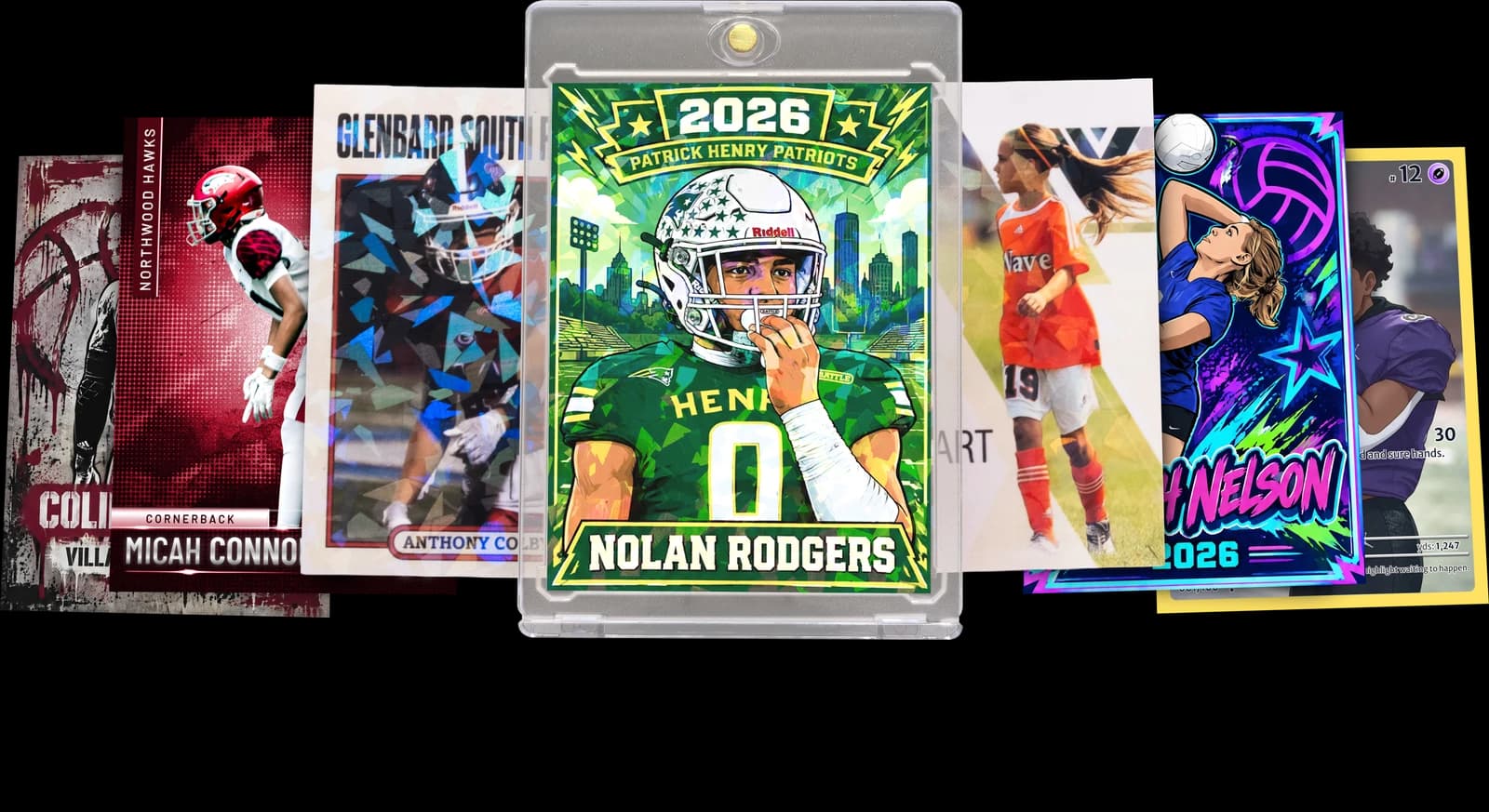
The Rookie Box
Perfect for those unforgettable moments
$17.99 - $49.99
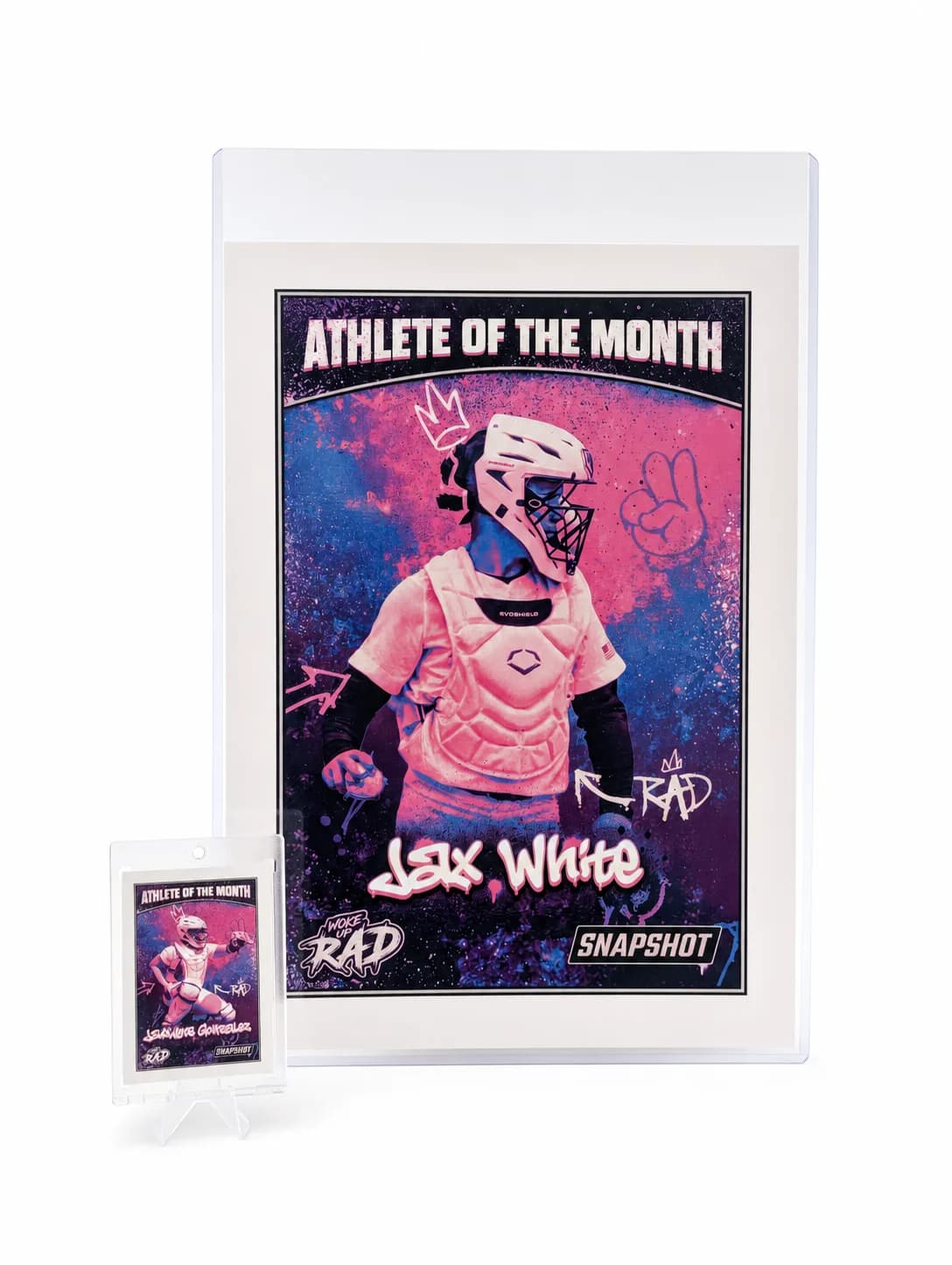
MEGA Card
Their moment, bigger than ever
$49.99
Create for free • Ships the next business day • Made in Des Moines, IA, USA
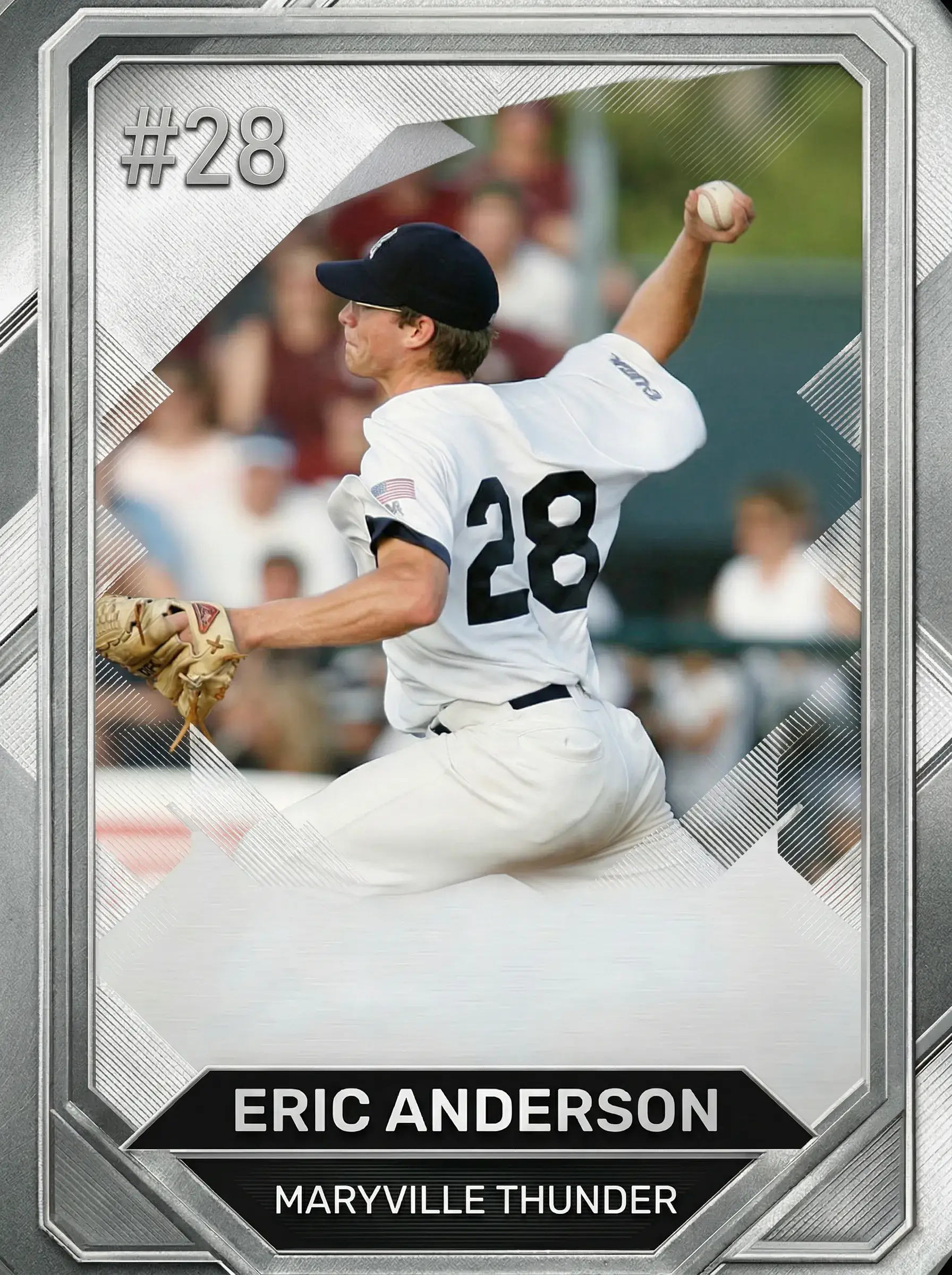
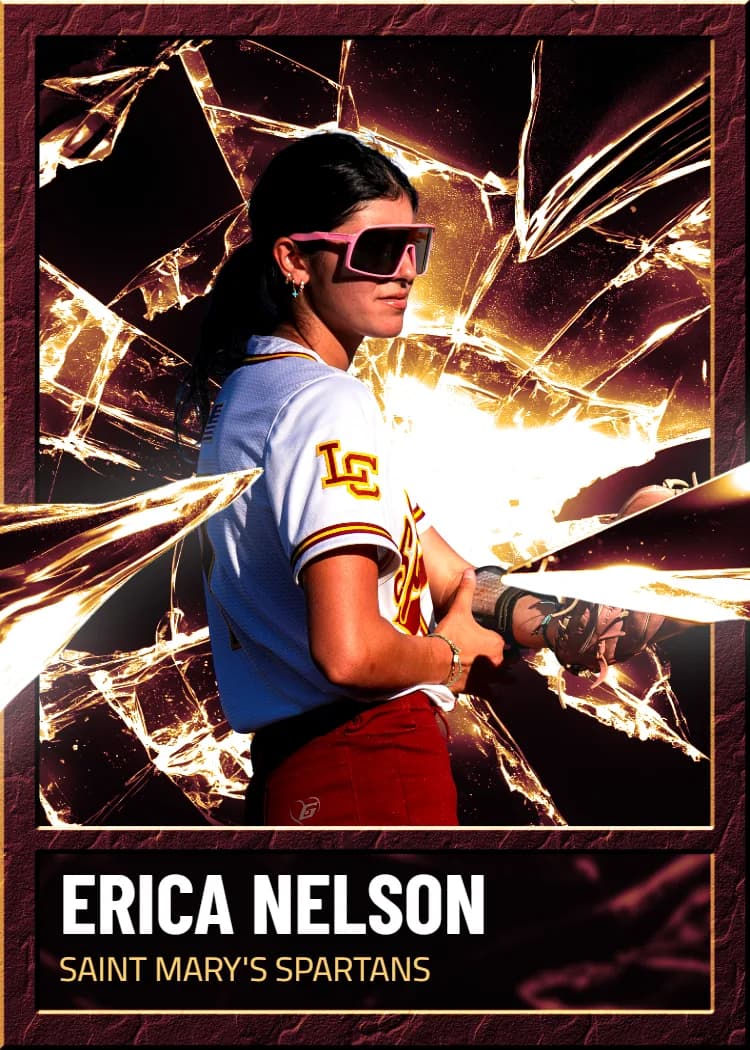
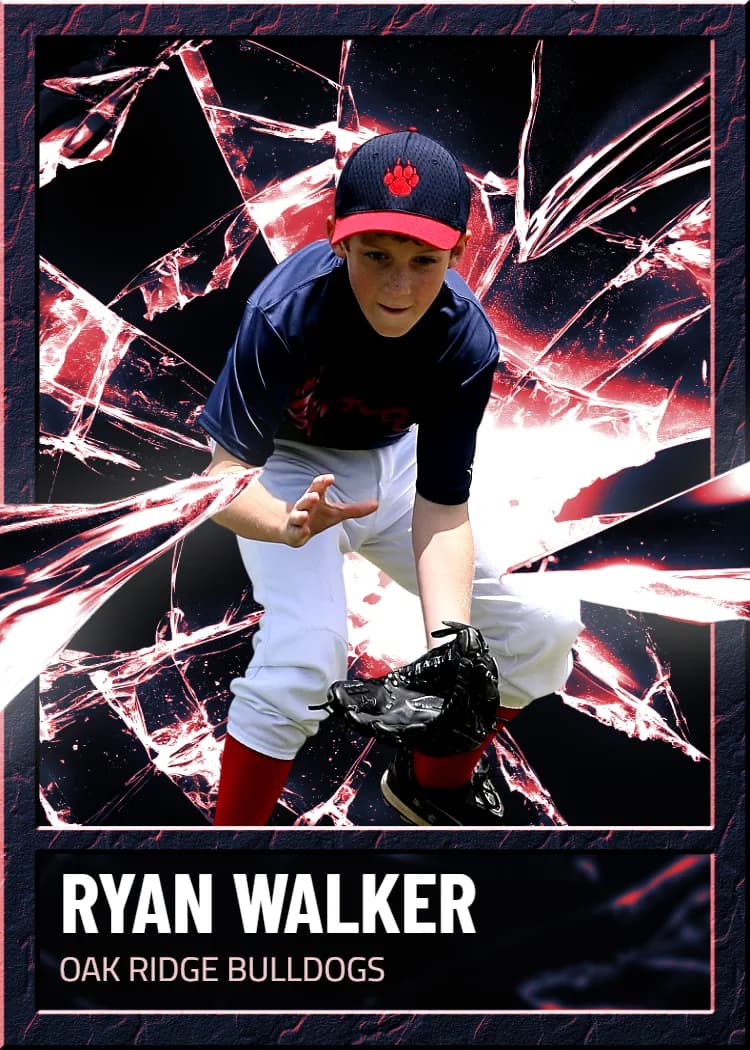
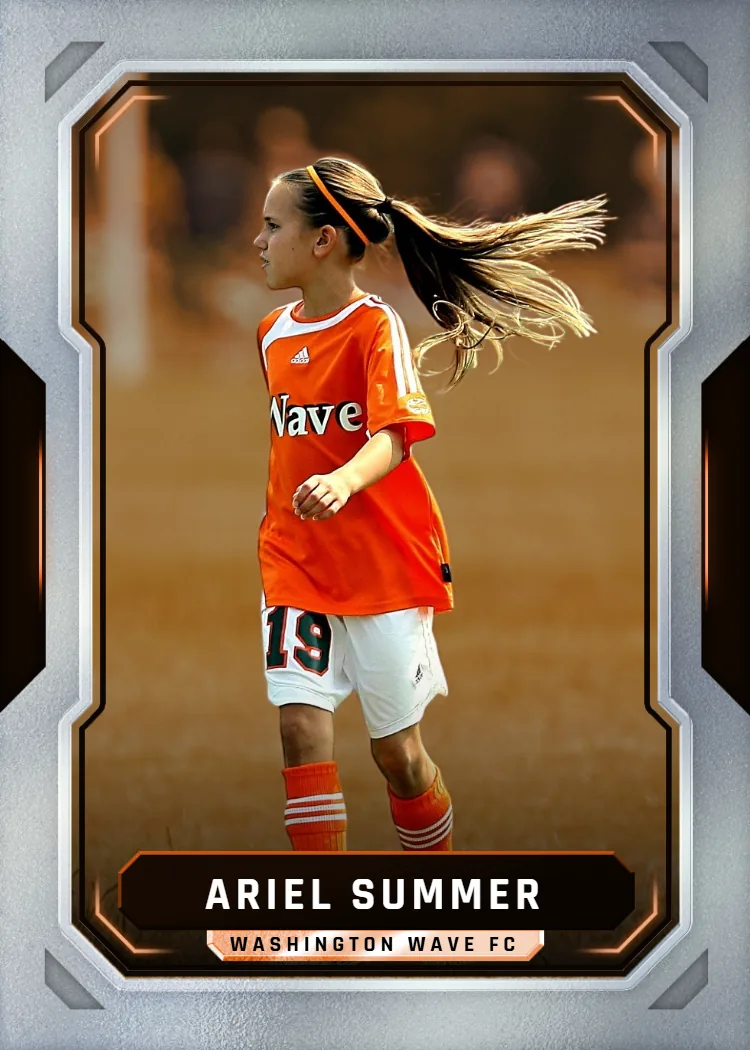
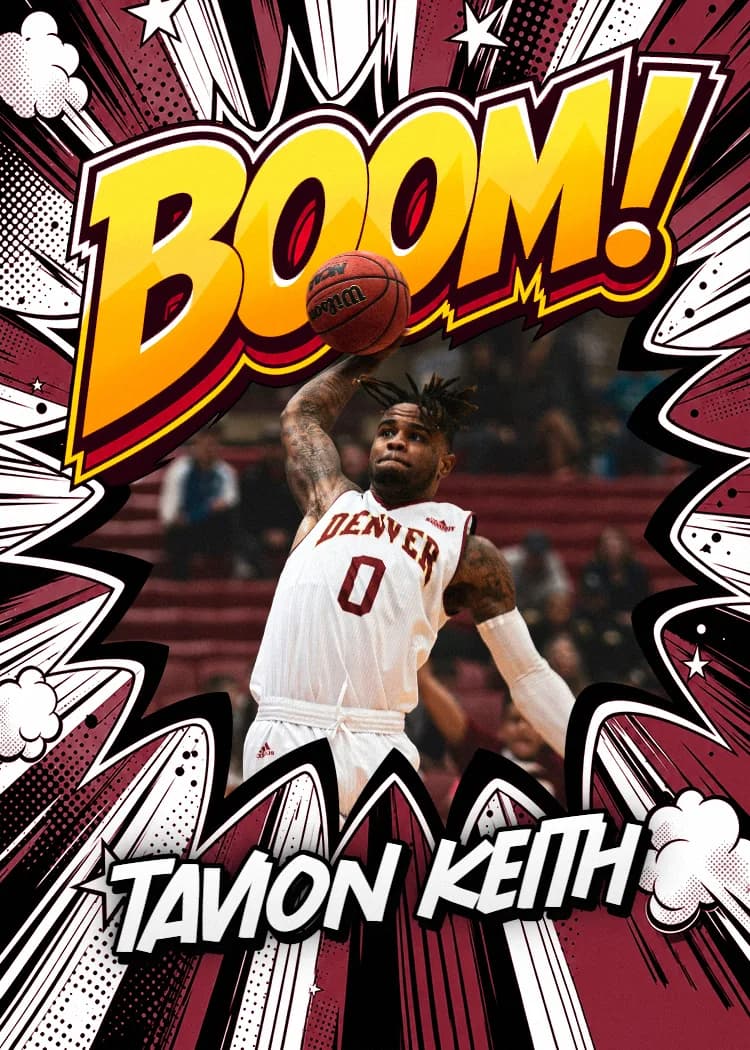
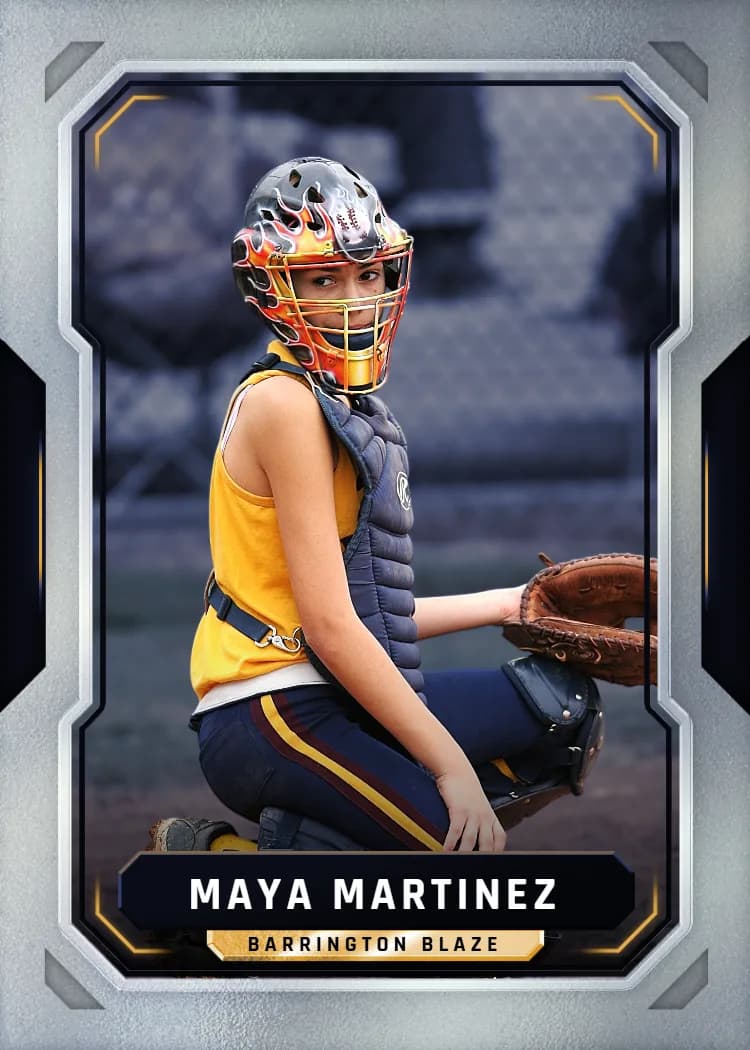
Stop Asking How Much Is My Topps Card Worth — Make One Worth Keeping
Your memories don't need a PSA grade to matter. Build a custom Snapshot baseball card from any photo, printed on premium card stock, shipped free over $30 the next business day. One card, $17.99. Made in the USA. Yours forever.
Build Your Card NowNo credit card required | Instant preview | Pro-quality designs
Explore More Card Options
Discover more custom trading card options for every sport and occasion