
How Much Is This Baseball Card Worth?
You're holding a card and wondering: how much is this baseball card worth? The answer is more complicated than most people expect.
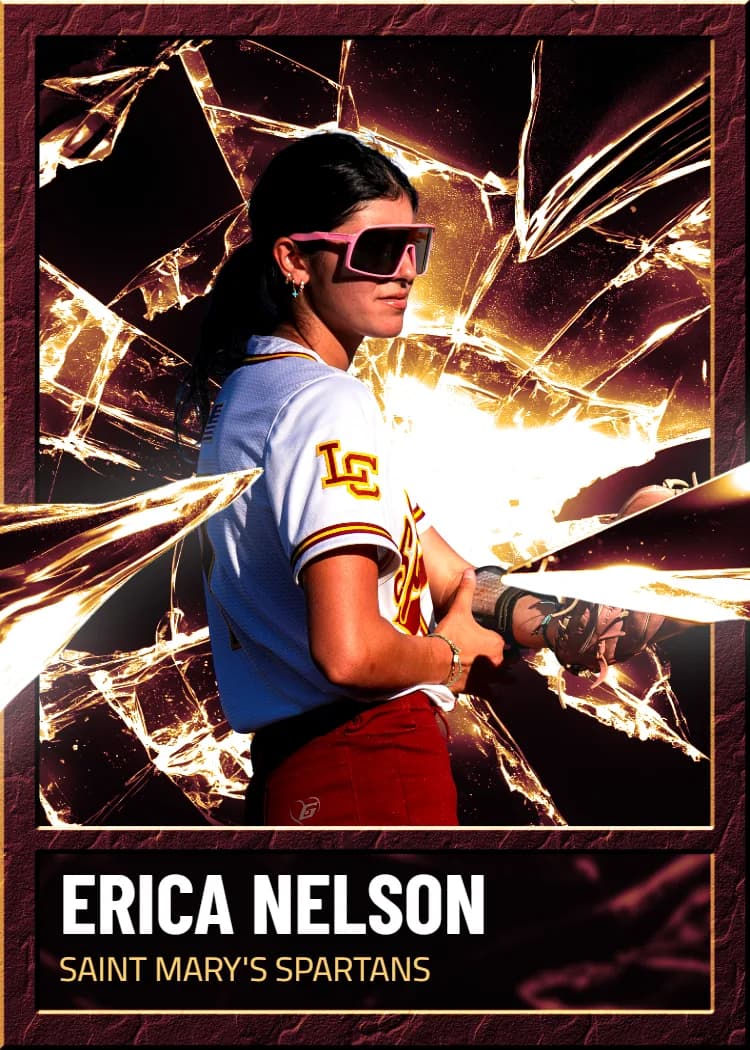
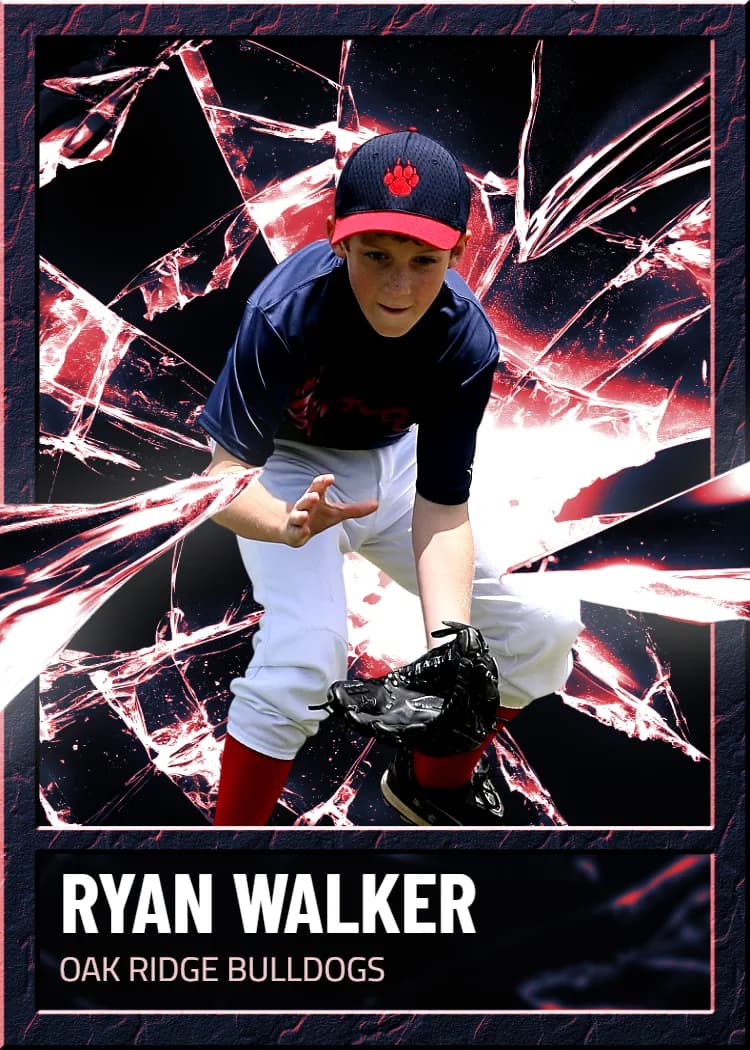
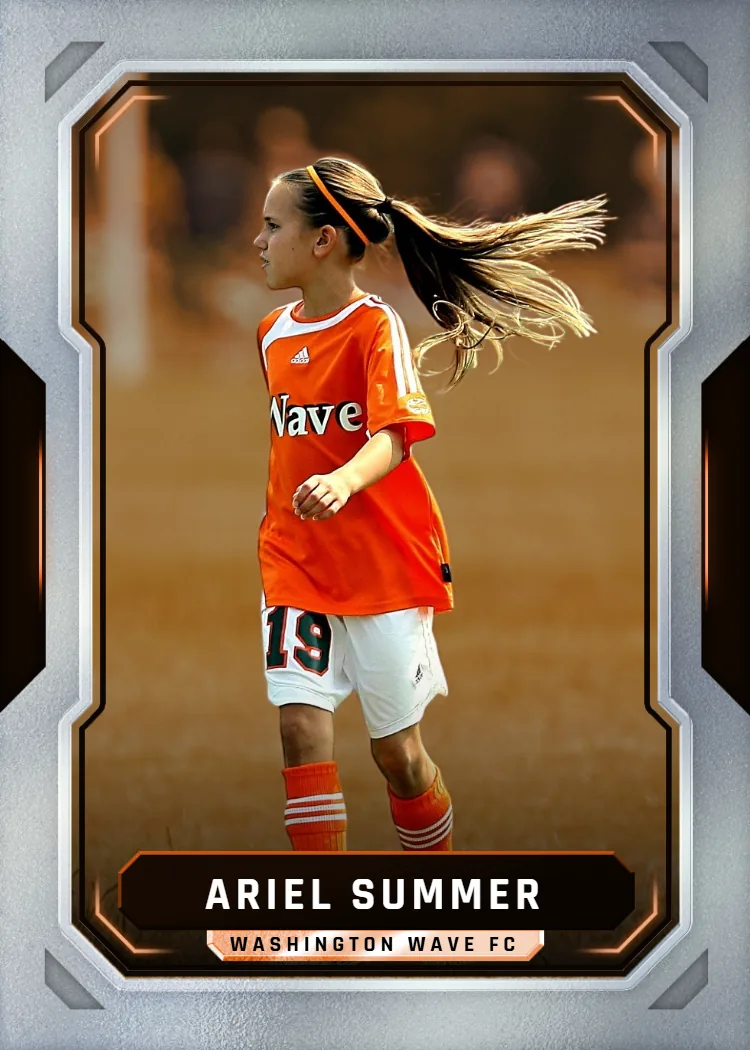
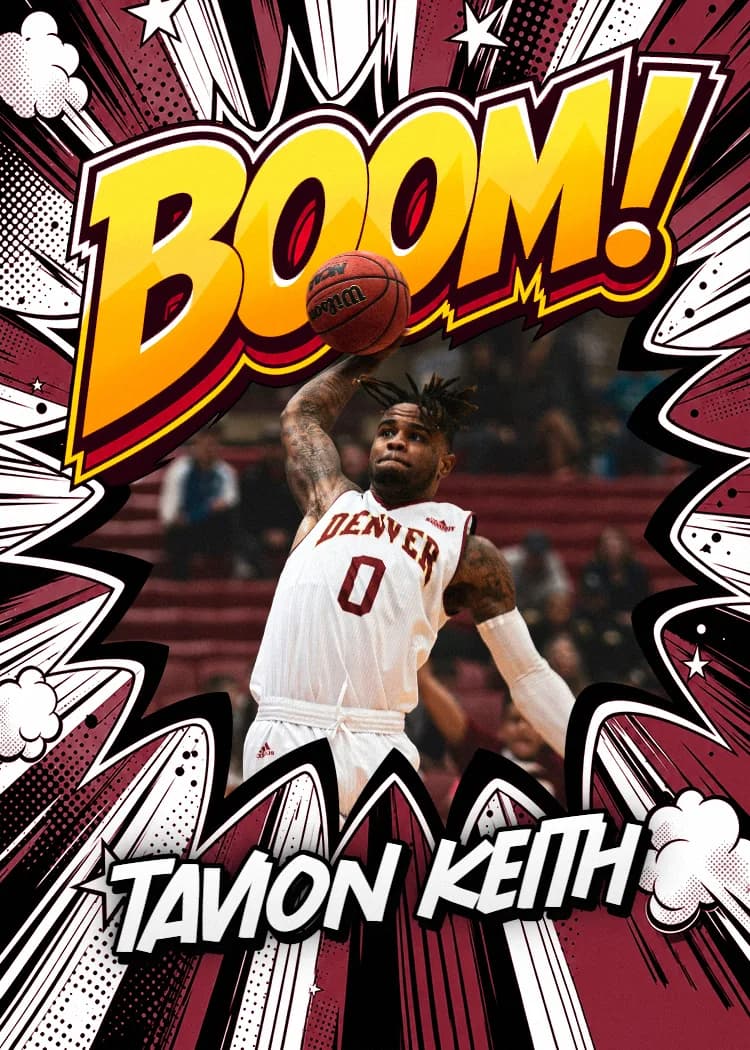
Upload a photo of your player, pet or team, choose an available template, and preview your design before ordering a printed card.
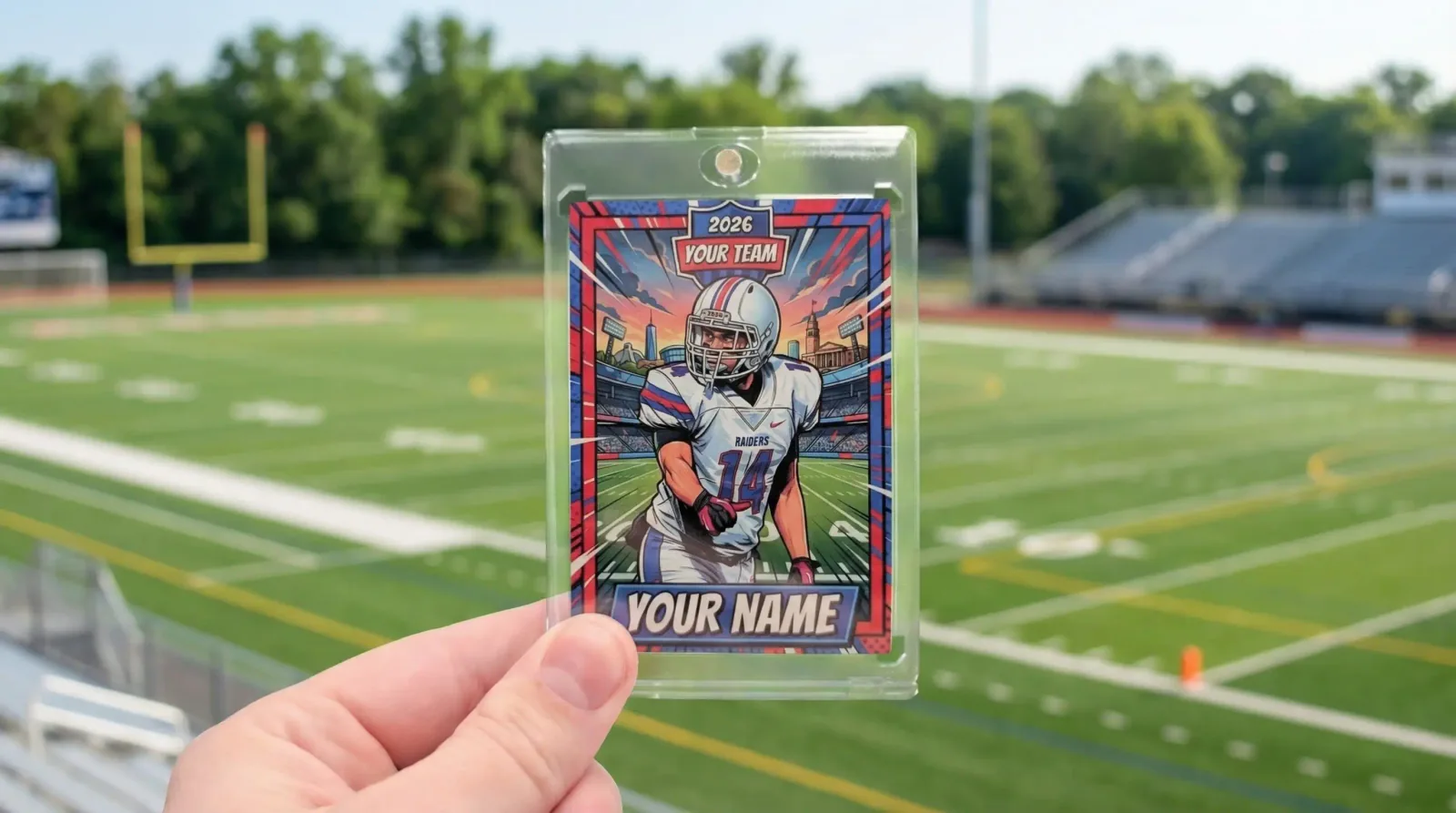

"I created a few AI cards for my kids. I started collecting back on February and the boys love the Kaboom cards. My daughter loves princesses so I made her a Disney card through AI. I looked for a company to actually make the card and found Snapshots. Very easy to use, very fast, excellent price. They actually called me to verify some of the information on the picture and offered to make any changes. I received them very quickly. I rarely leave reviews, but I felt this company deserved to hear that they are doing it right and I will definitely be using them again very soon."
— jimmy P. · 3 months ago
"We had my son’s senior pictures taken at Target field so I wanted to put those images on a baseball card to give out at his graduation party! I had so much fun creating them on the website! I ordered them on a Wednesday night and they were at my door that Saturday! Very quick! I couldn’t wait to open them! They are awesome! Better than I could have ever imagined! The quality is well worth the money! Amazing job! Will definitely recommend to anyone looking for a unique way to capture a forever memory!"
— Greg S. · 5 months ago
"These are great quality cards and look amazing will be ordering more from them."
— Blaine R. · 5 months ago
"I ordered cards on a Monday so they would be shipped and arrive by Friday. The next day through a series of unexpected events and missed communications on my part, I discovered my order was delayed. I reached out to see if there was anyway my order could still be processed and shipped out on time. Graham (CTO) reached out to me personally via email and phone to fix the issue and ensure my order was processed and shipped out on time. I received them on that Friday as I was originally hoping. Upon opening they were better than expected. The card stock is sturdy and the printing was high quality! I would definitely recommend this company and will be making more cards to order."
— Ron D. · 4 months ago
"This was perfect! Ordered and was in my mailbox within a week. They were exactly what I imagined! I can’t wait for my Kickin Nuggets U4 Soccer team to get their player cards!!!"
— Brittany C. · 5 months agoReviews from Google
Most fans pull a card from an old box, spot a familiar name, and immediately start imagining big numbers. But card value isn't just about the player. Condition, print run, year, manufacturer, grading status, and recent sales all play into it. A 1989 Ken Griffey Jr. Upper Deck rookie in near-mint condition can fetch $50 to $200 depending on the day. That same card with a crease? Maybe $8. The gap between 'this might be worth something' and 'this is actually worth something' is wider than most collectors realize going in.
This page breaks down exactly what determines a baseball card's market value — condition grading, rarity factors, how to research recent sales — so you can make an informed call. And once you understand what makes a card special, you might also want to create one of your own. Snapshot lets you turn any personal baseball photo into a custom premium trading card, printed on professional card stock, shipped the next business day with a free magnetic case.
Let's start with what actually moves the needle on card value, then show you how to research your specific card.
See your photo on a card
Pick a photo and preview it on a real Snapshot template, right here.
Your photo stays on your device.
5 Mistakes People Make When Valuing a Baseball Card
Using asking prices instead of sold prices
Always filter eBay to 'Sold Listings' — what someone asks and what someone pays are very different numbers.
Assuming all rookie cards are valuable
Only rookie cards of players who became stars hold long-term value. There are thousands of rookie cards worth under $1.
Overlooking condition issues on vintage cards
A crease, rounded corner, or surface scratch can cut a card's value by 60-80%. Grade honestly before pricing.
Cleaning or pressing a card before selling
Any physical alteration can trigger an 'Altered' designation from graders, which permanently reduces the card's value and marketability.
Submitting low-value cards for professional grading
Grading fees range from $20 to $100+. A card worth $10 ungraded won't justify the cost even if it grades well.
Before You Research Your Card's Value — Check These 7 Things First
- Identify the exact year, manufacturer, and set name — not just the player
- Locate the card number (printed on the back, usually bottom corner)
- Determine if it's a base card, rookie card, insert, or parallel
- Check for a serialized print run number stamped on the front or back
- Assess corners, edges, surface, and centering honestly before assuming grade
- Search eBay Sold Listings — filter by your exact card number and condition
- Use at least 3 recent sold comps from the last 60 days before settling on a number
Free to design, instant preview. Free US standard shipping on orders $30+. Review delivery options at checkout.
What Actually Makes a Baseball Card Valuable
Four factors consistently separate a $5 card from a $500 card. Understanding each one changes how you look at every card in your collection.
Rookie Card Status
A player's first officially licensed card from their debut MLB season carries the most long-term upside. Bowman prospects and Topps Update rookies drive huge volume every fall. If a player becomes a star, that first card is where collectors anchor value. Non-rookie cards of the same player typically sell for a fraction of the RC price.
Print Run and Numbered Parallels
Cards numbered out of 10, 25, or 50 copies are genuinely scarce. Modern Topps and Panini sets produce rainbow parallels — the lower the print run, the higher the ceiling. A base card might be worth $2. The same card numbered /10 could bring $500. Serialization is printed directly on the card, usually on the front or back.
Condition and Grade
PSA, Beckett, and SGC all grade cards on condition. A PSA 10 'Gem Mint' is the gold standard. Sharp corners, perfect centering, clean surface — graded 10s sell at massive premiums. Submitting a card for grading costs money and takes time, so it only makes sense for cards that would justify the fee at any grade above 7.
Player Relevance and Timing
Cards of active stars spike during playoff runs, award announcements, and trade deadlines. Hall of Fame induction announcements reliably move prices for retired legends. Timing a sale to player momentum can meaningfully affect what you get. A Shohei Ohtani card the week he wins an MVP will sell higher than the same card in February.
How Much Is This Baseball Card Worth — And How Do You Find Out?
Card valuation isn't guesswork — there's a clear process collectors use to land on an accurate number. Follow these three steps before you sell, trade, or grade anything.
Identify the Card Completely
Before you can price anything, you need the full picture: player name, year, manufacturer (Topps, Upper Deck, Donruss, Bowman, etc.), set name, card number, and whether it's a base card, rookie card, insert, or parallel. Rookie cards and numbered parallels almost always carry a premium. Flip the card over — most sets print this info clearly. A 2011 Mike Trout Topps Update RC #US175 is a very different card than a 2011 Topps base Trout.
Assess Condition Honestly
Condition is the single biggest driver of price spread on any individual card. Grading agencies like PSA and Beckett use a 1-10 scale. A PSA 10 card can sell for 5-20x what an ungraded version of the same card brings. Check corners, edges, centering, and surface for scratches or print defects. Don't assume — be honest. Most vintage cards pulled from shoeboxes grade PSA 5 or 6, not 9s and 10s.
Check Recent Sold Listings
Asking prices mean nothing. Sold prices mean everything. Head to eBay and filter by 'Sold Listings' for your exact card. Sort by most recent. Prices fluctuate based on player performance, card season, and hobby trends. A pitcher who just threw a no-hitter will have cards selling 30% higher than last week. COMC, 130point, and PSA's price guide are also solid references. Always use at least three recent comps before settling on a value.
Once you know what your card is worth, you'll have a much clearer sense of whether to sell, hold, or get it graded.
Why Fans Trust Snapshot for Custom Baseball Cards
Snapshot ships custom baseball cards to fans, families, coaches, and players in all 50 states. From Little League portraits to adult rec league champions, our cards are designed to sit alongside any pro card in a binder and hold their own — same premium printing, same clean design, same sharp edges. Customers who order once tend to come back for birthdays, team gifts, and end-of-season traditions.
Who Asks 'How Much Is This Baseball Card Worth' — And Why It Matters
Card valuation questions come from very different situations. Here's how the answer changes depending on what you're actually trying to do.
The Collector Who Found Dad's Old Box
Millions of collections from the late '80s and early '90s exist in attics across the country. The hard truth: most mass-produced 1988-1993 cards are worth under $1 each due to massive print runs. But mixed in those boxes you might find a 1989 Griffey, a 1990 Frank Thomas, or a 1992 Mariano Rivera — cards that do carry real value. Taking 30 minutes to sort and check sold comps before assuming everything is junk is worth the effort.
The Fan Who Wants to Sell a Modern Card
Modern hobby boxes have produced massive hits — Topps Chrome autos, Bowman Draft prospects, Stadium Club color portraits. If you pulled something that looks special, slow down before listing it. Check the print run, confirm the player's current status, and look at 10+ recent sold comps. Underpricing a legitimate hit by $100 because you didn't do 15 minutes of research is a mistake that's easy to avoid.
The Fan Who Wants to Create Something Personal
Sometimes the most meaningful baseball card isn't a rookie card or a rare parallel — it's a photo of your kid rounding third, your rec league team after a championship, or your grandfather playing ball in the 1970s. Snapshot turns personal baseball photos into professionally printed custom trading cards that look and feel like the real thing. Same premium card stock, same sharp printing, shipped in a free magnetic case.
Snapshot Custom Card Pricing — Clear and Simple
No mystery pricing. Here's exactly what it costs to create your own premium custom baseball card.
Single Card: $17.99 — professional card stock, free magnetic case, ships the next business day. Card Packs: up to $49.99 — perfect for teams or multi-photo sets. MEGA Poster Card: $49.99 — an oversized 11"×15.4" statement piece that doubles as wall art. Free US standard shipping on orders $30+ within the USA. Every card is printed and shipped from Des Moines, Iowa.
For $17.99, you get a card that looks and feels like a pro-printed collector item — not a home inkjet printout. Free magnetic case included, no extra charge.
Box Options
Simple, collectible pricing. No subscriptions, no hidden fees.
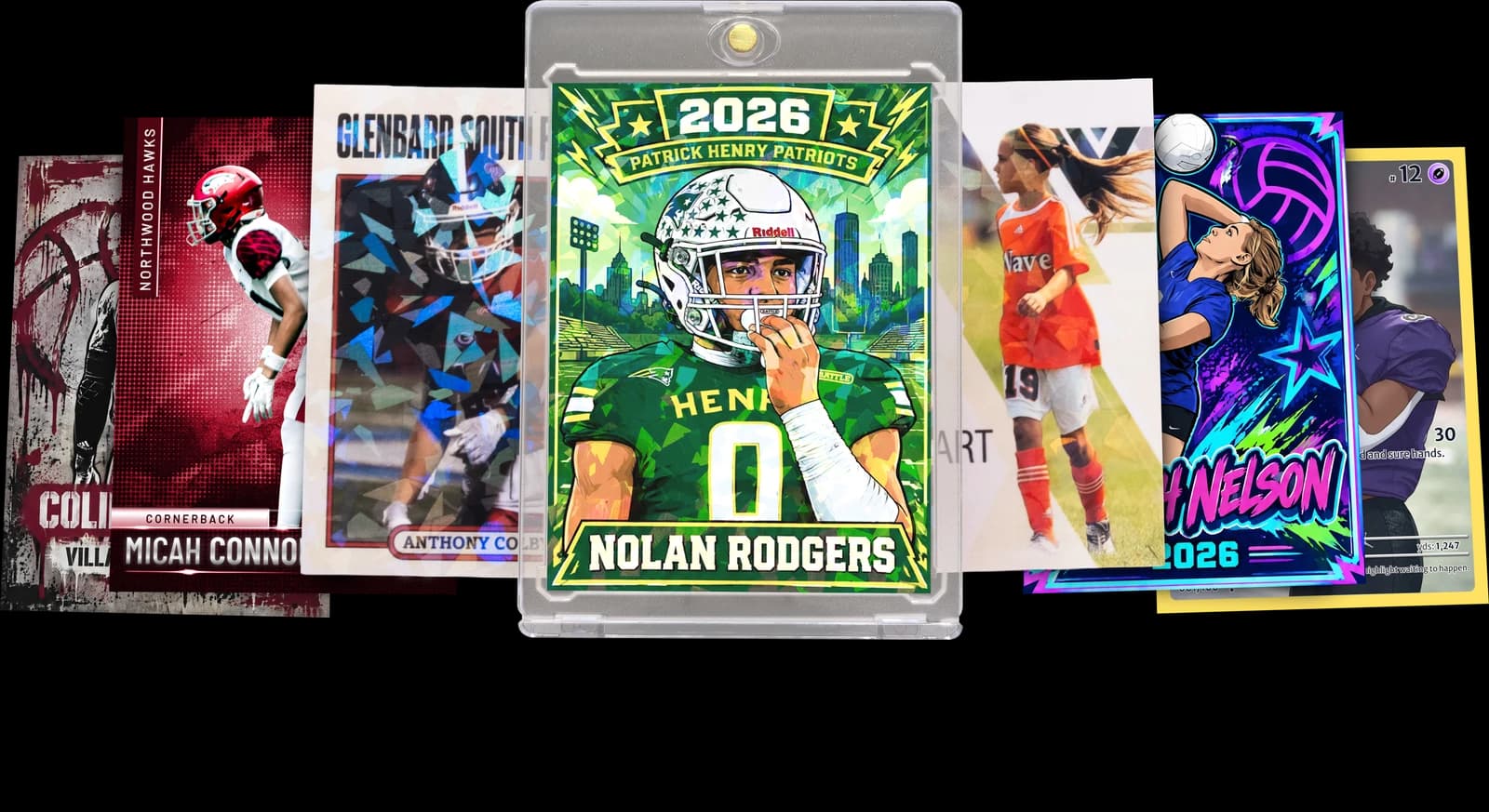
The Rookie Box
Perfect for those unforgettable moments
$17.99 - $49.99
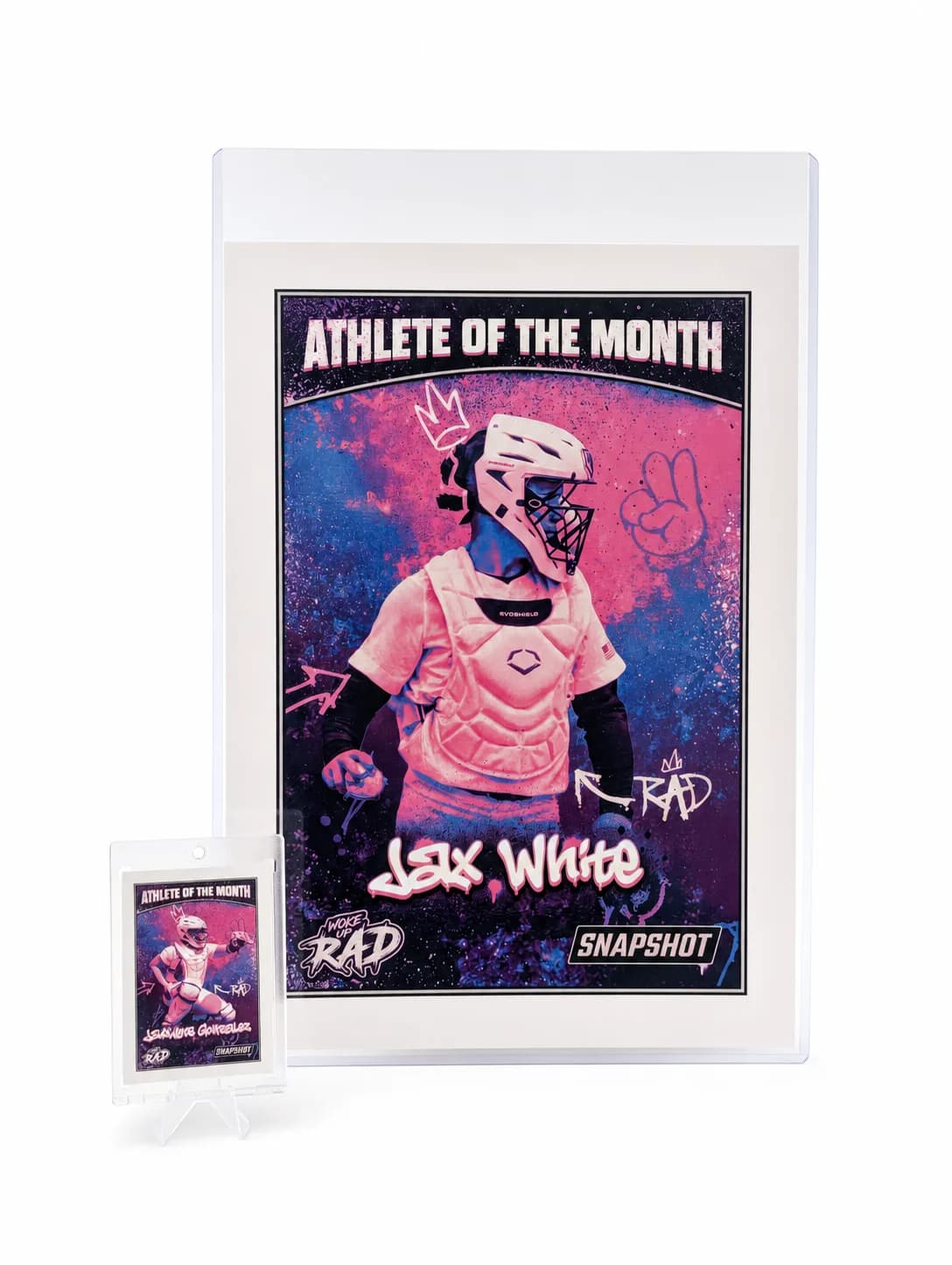
MEGA Card
Their moment, bigger than ever
$49.99
Create for free • Ships the next business day • Made in Des Moines, IA, USA
Frequently Asked Questions
What's the difference between a rookie card and a prospect card?
A true rookie card — officially designated RC in modern sets — is a player's first licensed MLB card from their official debut season. Prospect cards (common in Bowman sets) are produced before a player reaches the majors and are not designated RCs. Bowman Chrome prospect autos have become enormously popular because collectors want early exposure to future stars, but the official rookie card from Topps or a licensed set still carries a separate layer of collector significance. Both can be valuable, but they serve different purposes in a portfolio. Always check whether the card carries the official RC logo.
Where's the best place to check what a baseball card is actually selling for?
eBay's sold listings are the most real-time, highest-volume reference point for most cards. Filter by 'Sold' — not active listings — and sort by date. Look at the last 5-10 comparable sales. For graded cards, PSA's auction results and the Pop Report are useful tools. COMC (Check Out My Cards) shows listed prices from dealers. 130point.com aggregates recent eBay sold data and makes it easy to search by card number. For vintage cards, Beckett's price guide is a respected reference, though it can lag behind live market conditions for hot players.
Can a baseball card lose value over time?
Yes, absolutely. Card values are tied to player performance, hobby trends, and broader market cycles. A player who underperforms, gets injured, or retires without meeting expectations can see their cards drop significantly. The 2020-2021 card market saw inflated prices across the board; many of those cards have since corrected downward. Overproduced parallels lose steam as newer sets launch. The only cards with reliable long-term hold have been Hall of Fame-caliber players in high grade — and even those fluctuate. Don't treat cards as guaranteed investments without understanding the hobby's volatility.
How do I know if my card is a rare parallel or just a base card?
Parallel cards are typically distinguished by visual differences from the base version — foil finishes, colored borders, different background treatments, or a serialized number stamped directly on the card. Refractors in Bowman and Topps Chrome have a prismatic rainbow effect when held at an angle. Numbered parallels have a printed stamp like '47/99' on the front or back. If your card has a shiny, holographic, or distinctly different finish compared to a standard version, it's worth identifying the exact parallel. Use Beckett's database or a set checklist to confirm the specific parallel and its print run.
Is a signed baseball card worth more than an unsigned one?
An autograph adds value only when it's authenticated. A raw signature on a card without third-party authentication (PSA/DNA, Beckett Authentication, or JSA) is difficult to sell at a premium because buyers can't verify it. Certified autographs — cards that came from the manufacturer with an authenticated on-card or sticker auto — carry significant premiums over base cards. A Topps Chrome auto RC of a top prospect can be worth 50-100x the base card. If you have a card someone personally signed for you at a game, it has personal sentimental value, but market value without authentication is limited.
What's a 'print run' and why does it matter so much?
Print run refers to how many copies of a specific card were produced. Modern cards often stamp this number directly on the card — you'll see notations like '12/25' meaning your copy is number 12 out of only 25 made. Lower print runs mean genuine scarcity, which drives collector demand. A base parallel might be produced in the thousands with no serialization. A gold refractor might be numbered to 50. A superfractor is typically one-of-one. The lower the number, the rarer the card, and scarcity is one of the most reliable drivers of sustained price premiums in the modern hobby.
Can I make a custom baseball card that looks like a real trading card?
Yes — Snapshot does exactly that. You upload any photo, choose from templates designed to look like professional sports card layouts, and we print on the same premium card stock you'd expect from a licensed product. Cards ship the next business day from Des Moines, Iowa, and come with a free magnetic case. A single card is $17.99 with free shipping over $30. It's a great option for Little League photos, adult league teams, personal milestone gifts, or recreating an old photo in card format. The result is a card you'd actually want to display, not just a sticker on cardboard.
Should I clean or restore an old baseball card before selling it?
No. Cleaning or restoring a card is one of the most damaging things you can do to its value. Any physical alteration — even wiping the surface — can leave micro-scratches visible under a grader's loupe and result in a lower grade or an 'Altered' designation that destroys value entirely. Some unscrupulous sellers attempt to press, trim, or recolor cards to improve appearance; graders are trained to detect this and will note it on the label. If you have a card you think is valuable, store it in a penny sleeve inside a rigid top-loader and let a professional grader assess it as-is.
Free to design, instant preview. Free US standard shipping on orders $30+. Review delivery options at checkout.
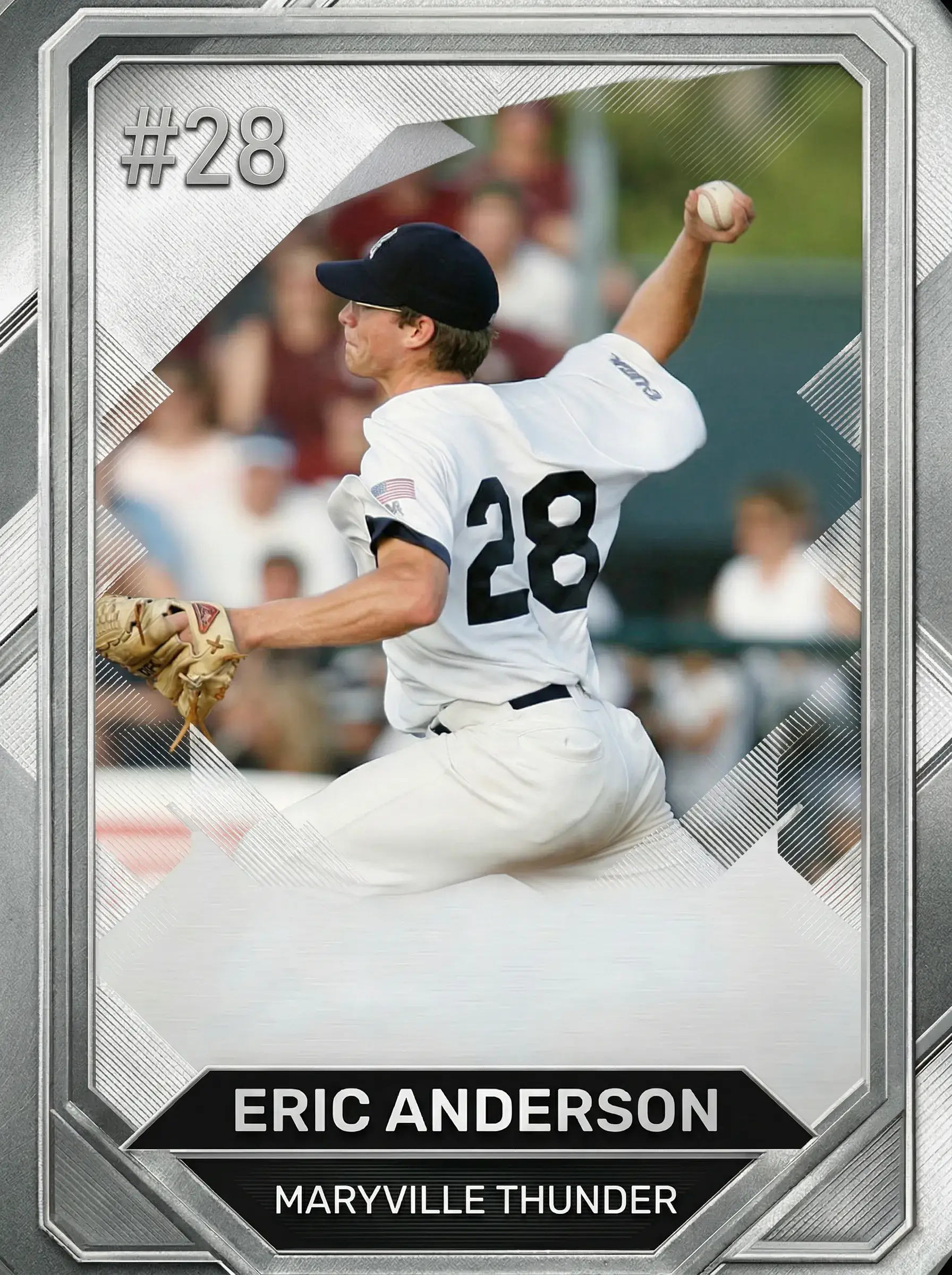
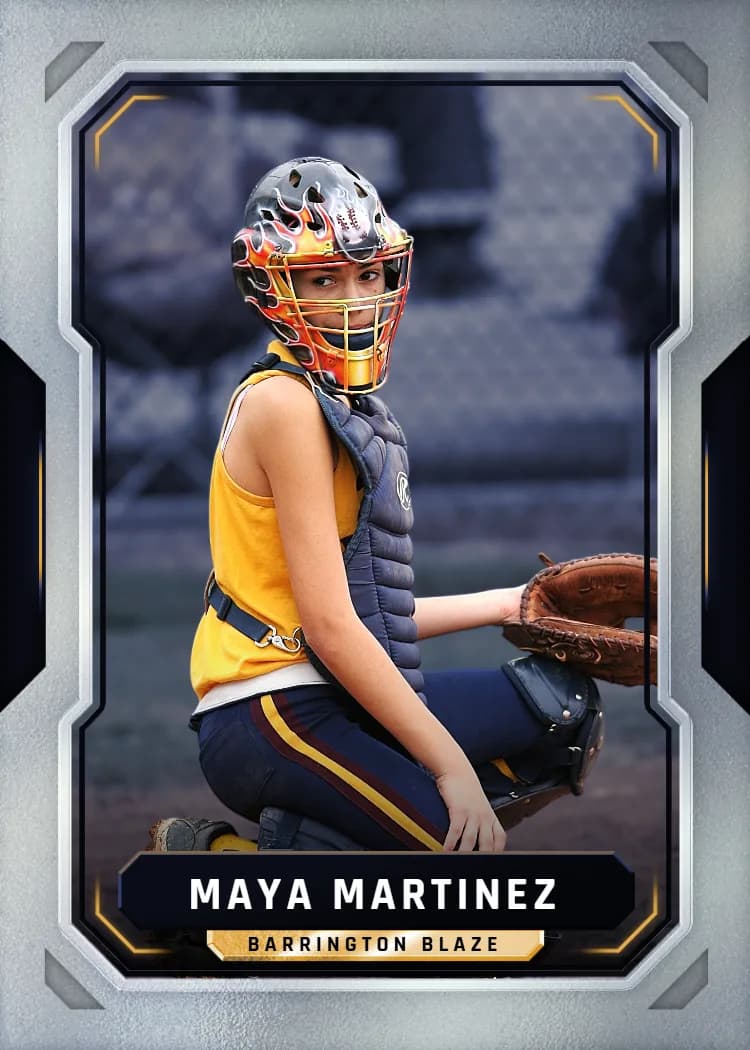
Stop Asking How Much Is This Baseball Card Worth — Make One That's Priceless
Some cards carry a price tag. Others carry a story no price can touch. Production takes one business day; shipping time is quoted at checkout for your address.
Build Your Card NowNo credit card required | Instant preview | Pro-quality designs
Explore More Card Options
Discover more custom trading card options for every sport and occasion