
How to Make a TCG Game Without Getting Stuck at Step One
You've got a notebook full of card ideas and zero clue what to do with them next. Sound familiar?
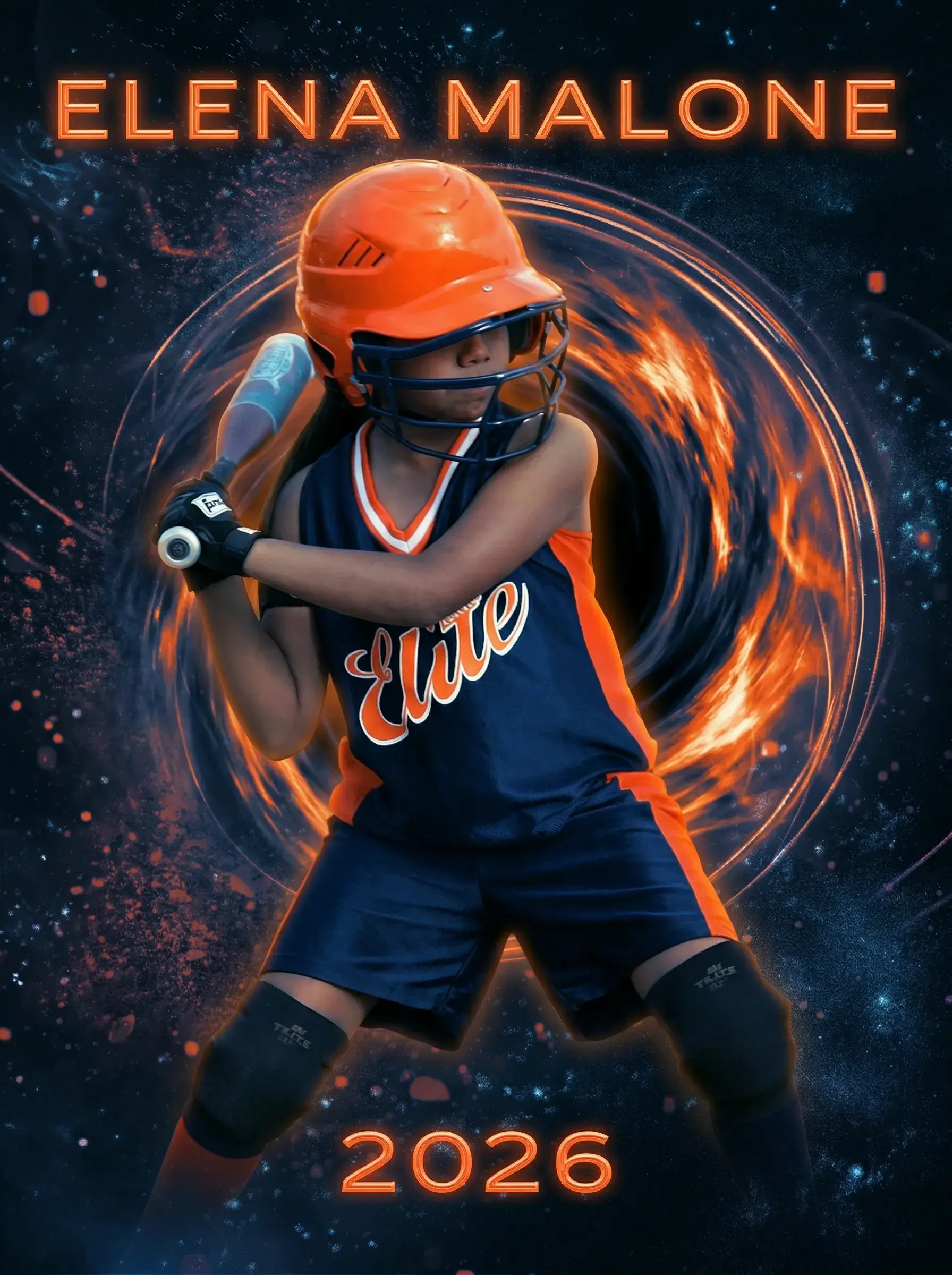
Upload your own artwork or photo, choose an available template, and preview your design before ordering a printed card.
Most people who search for how to make a tcg game get stuck in the same place: they design a dozen cards on paper or in a design app, then realize printing them so they actually feel like a real trading card game is a completely different skill. Free templates online look flimsy. Print shops want minimum orders of 500+. Home printers spit out cards that bend, fade, or feel like a school project instead of something you'd actually want to shuffle and play with friends.
Here's the workaround nobody tells you about: you don't need a print shop contract or a game-publishing deal to make a real, physical card set. You need a way to turn your artwork or photos into premium-stock cards, printed fast, in small batches. Production takes one business day; shipping time is quoted at checkout for your address.
Let's walk through the actual process, from design to something you can hold in your hand.
Related Topics
We print custom card orders out of our Des Moines facility every day, from single test prints to full packs for hobby projects nationwide.
Before You Print: A Quick Pre-Flight Checklist
- Card rules and stats are locked, not still changing
- Every card follows the same layout and font sizing
- Images are high resolution, not stretched or pixelated
- You've playtested with paper cutouts at least once
- You know whether you're testing one card or ordering a full pack
Free to design, instant preview. Free US standard shipping on orders $30+. Review delivery options at checkout.
Why Printing Your Own Cards Beats DIY Paper Prototypes
A paper prototype tells you if the game works. A printed card tells you if the game feels real.
It Actually Feels Like a Trading Card
Cards printed on premium card stock have the weight and snap of the packs you grew up opening. That tactile difference changes how playtesters react — they take the game more seriously when it doesn't look like a printer-paper hack job.
Small Batches, No Publisher Needed
You don't need 500 units to justify a print run. Order a single card to test one design, or a pack when you're ready to build out a full set. That flexibility matters when you're still iterating on mechanics.
Fast Turnaround Keeps Momentum Going
Creative projects die in the gap between idea and result. A 2-3 day turnaround means you can design on Monday and be playtesting with real cards by the weekend, instead of losing steam waiting on a slow print vendor.
Protection Built In
Every order ships with a free magnetic case, so your first printed cards — the ones you'll want to keep even after the game evolves — don't get bent, scratched, or lost in a junk drawer.
How to Make a TCG Game From Idea to Printed Deck
The process breaks into three real phases — most guides skip straight to design and ignore the printing part, which is where projects actually die.
Design Your Cards and Lock the Rules
Before anything gets printed, nail down your card categories — stats, abilities, rarity tiers, whatever your game needs. Sketch a few by hand or mock them up in any free design tool. This is also when you decide on card size and layout consistency, since every card in your set should feel like it belongs to the same family. Don't skip playtesting with paper cutouts first; it's cheaper to fix balance issues now than after 60 cards are printed.
Prepare Your Artwork for Print
Once your designs are locked, you need clean image files — one for each card front. This is where a lot of home-brew TCG projects stall out, because standard printers and paper don't hold up to shuffling or repeated play. You want files sized correctly and saved at high resolution, so text stays sharp and colors don't wash out when they hit professional card stock.
Upload, Choose a Template, and Print
This is the step that actually gets your game into the world. With Snapshot, you upload each card image, pick a template style that matches your game's aesthetic, and order your run — single cards for testing or packs for a full set. Production takes one business day; shipping time is quoted at checkout for your address.
Three phases, one deck in hand — no minimum order of 500, no waiting weeks.
What People Building Their Own Card Games Are Saying
Custom card projects have become one of the more surprising uses for Snapshot's printing service, alongside team and family cards. Hobbyists and small groups regularly order single test cards before scaling up to full packs once their designs are finalized, which tells us the iterate-then-scale approach genuinely works for game builders.
Who's Actually Using This to Build Their Own Game
Not everyone building a card game is chasing a publishing deal — most are doing it for the love of the project.
The Solo Hobbyist Building a Passion Project
Someone spends months designing a fantasy or sci-fi card game on nights and weekends. They don't want a factory run — they want 20-30 beautifully printed cards to show friends, playtest, and eventually expand. Ordering a pack at a time lets the project grow at their own pace without upfront risk.
Friend Groups Making a Custom Game Together
A group of friends invents an inside-joke card game based on their own lives, stats, or running gags. Printing real cards turns it from a Google Doc into an actual keepsake game night activity, something they'll pull out for years instead of forgetting in a shared folder.
Teachers and Parents Building Educational Decks
A teacher designs a trivia or vocabulary-based trading card set for their classroom, or a parent builds a custom card game to teach a kid math facts or history. Small custom print runs make it possible to test the concept before committing to a bigger classroom set.
What It Costs to Print Your Own TCG Cards
Pricing scales with how far along your project is — test a single design or print a full deck without guessing at bulk minimums.
Single card $17.99, packs up to $49.99, MEGA 11x15 poster card $49.99, free shipping over $30 across the USA.
Start with one test card for $17.99, then scale to a full pack once your design and rules are locked in — no bulk order required.
Box Options
Simple, collectible pricing. No subscriptions, no hidden fees.
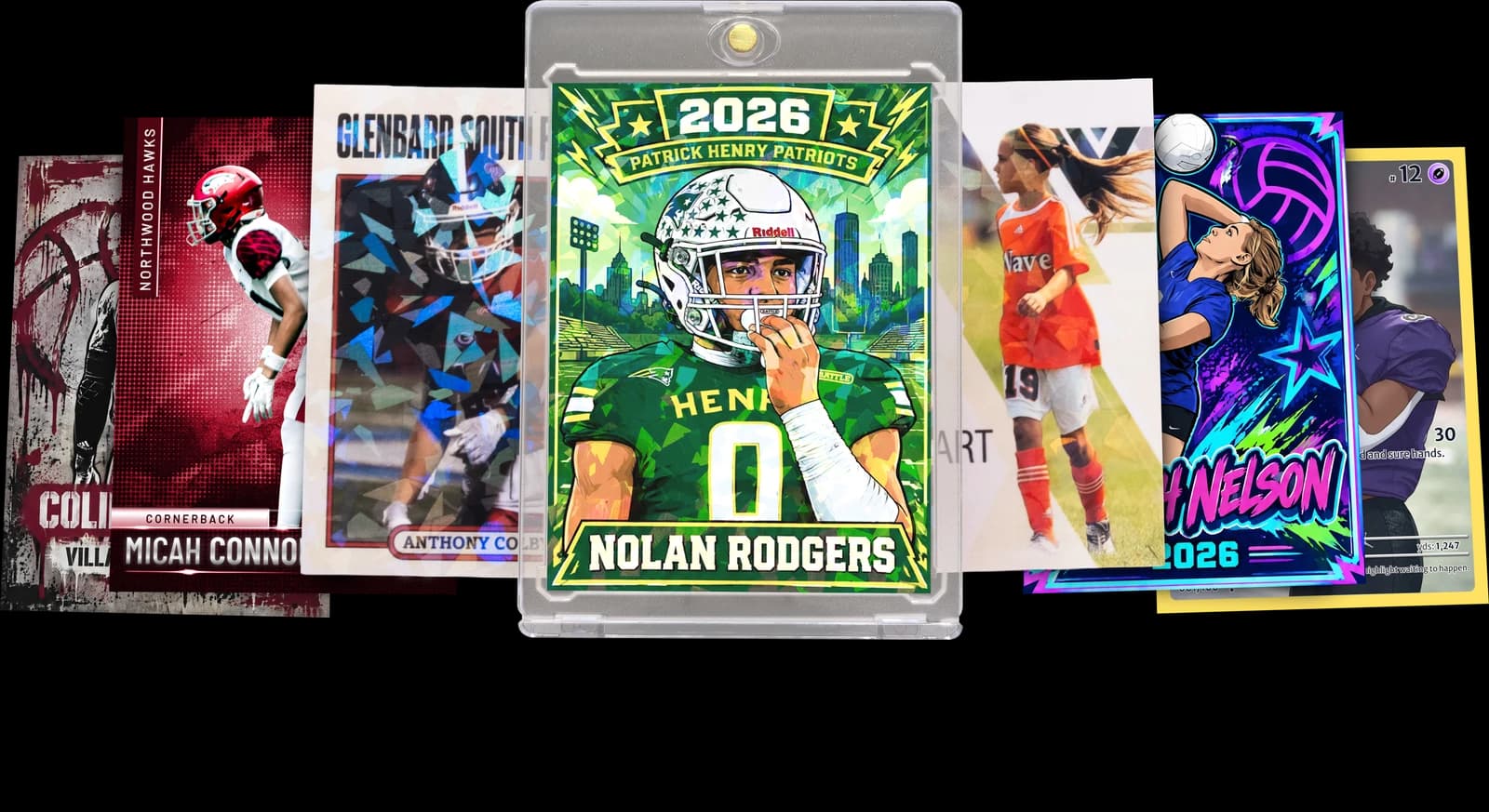
The Rookie Box
Perfect for those unforgettable moments
$17.99 - $49.99
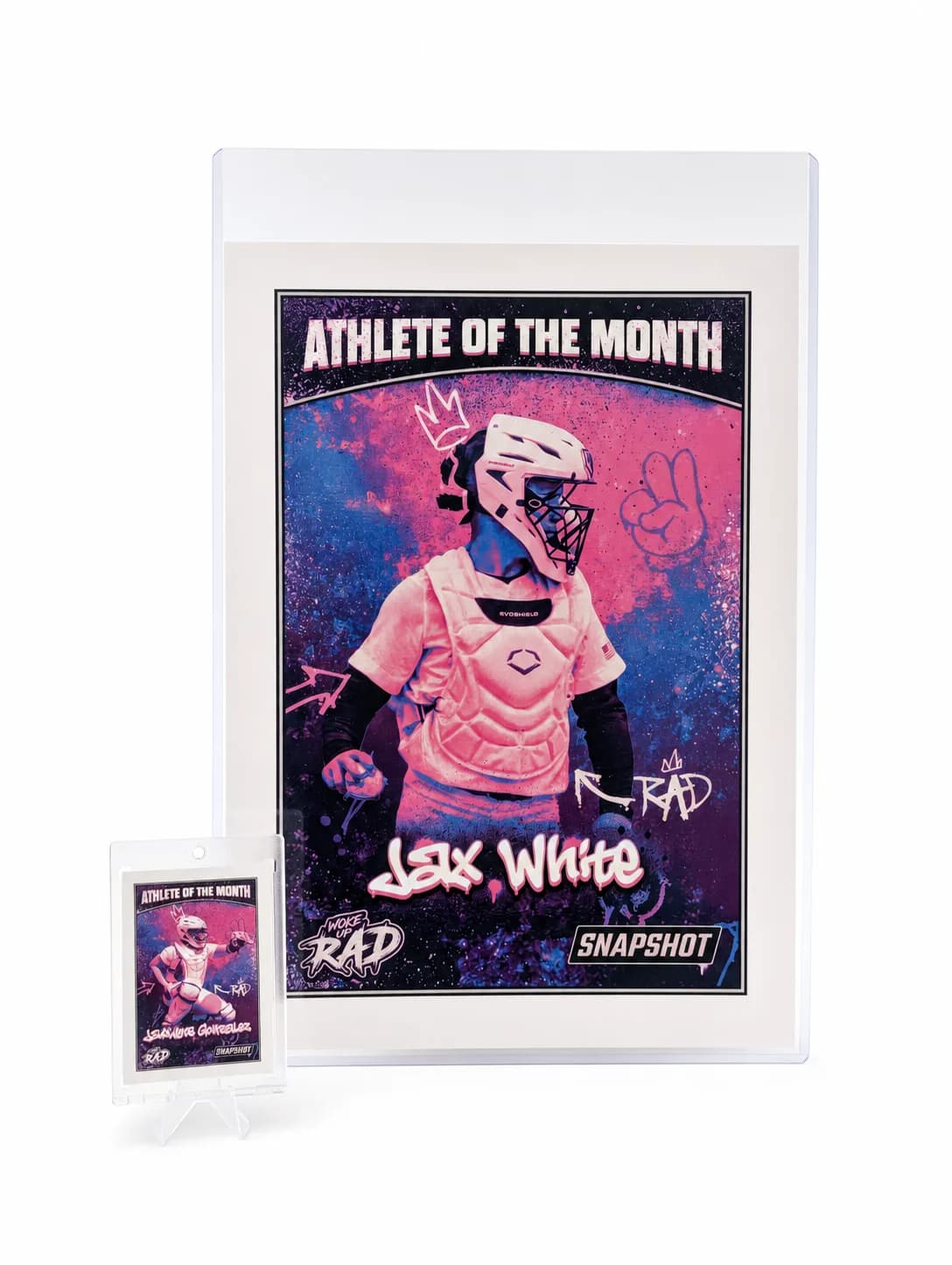
MEGA Card
Their moment, bigger than ever
$49.99
Create for free • Ships the next business day • Made in Des Moines, IA, USA
Frequently Asked Questions
What image resolution do I need for my cards to print clearly?
Higher resolution always prints cleaner, especially for small text like stat numbers or ability descriptions. Low-resolution images that look fine on a phone screen often turn blurry or pixelated once they're blown up onto premium card stock, so it's worth exporting your designs at the highest quality setting your software allows. If you're using photos as part of your card art, make sure the original photo file is sharp and well-lit before you drop it into your design. Avoid screenshots of images pulled from the web, since those are almost always compressed and will look rough printed. A good rule of thumb: if you zoom into your file at 100% and the text or image looks crisp on your screen, it'll likely print crisp too. When in doubt, re-export at a larger size rather than stretching a small file to fit.
Can I really print just one card to test a design before committing to a full set?
Yes, and that's actually the smartest way to approach this. Ordering a single card first lets you check your layout, colors, and text sizing on real card stock before you commit to printing an entire pack. It's a small investment that saves you from discovering a typo or a color mismatch after you've already printed thirty cards. Plenty of people building their own game go through two or three single-card test rounds, tweaking small details each time, before finalizing their full deck. This also gives you a physical card to hand to friends for feedback, which tends to be more useful than showing them a screen mockup. Once you're happy with how the test card looks and feels, scaling up to a pack for your full set is a straightforward next step. Think of the single card order as your proof stage, not your final product.
How long does it actually take to get printed cards back?
Cards typically ship within 2-3 days of ordering, which is fast compared to traditional print shops that often quote weeks for small custom runs. That turnaround matters a lot when you're in the middle of designing a game, because long waits kill momentum and make it easy to abandon a project halfway through. Getting cards back quickly means you can test, adjust, and reorder in a tight loop instead of losing weeks between iterations. If you're building toward a deadline, like a game night or a convention table, planning around a few days rather than a few weeks makes scheduling much easier. Just make sure your files are finalized before you submit an order, since changes after printing obviously mean starting the process again.
What's the difference between printing a prototype and printing a finished game?
A prototype is about testing — checking layout, balance, and feel with a small batch of cards, often just one of each design. A finished game print run is about producing enough copies of a locked, tested set to actually play full games or share with a group. The mistake a lot of first-timers make is skipping the prototype stage entirely and printing dozens of cards for a game that hasn't been playtested yet, which usually means reprinting later anyway once balance issues show up. Treat your first order as a rough draft you're allowed to throw away. Once your rules are stable and your friends have played a few rounds without major complaints, that's when a full pack order makes sense. This staged approach costs less overall than printing everything at once and discovering problems too late to fix cheaply.
Can I make a card game based on real photos instead of illustrated art?
Definitely, and it's actually one of the more popular approaches for personal projects. Using real photos — of friends, family, pets, or even personal collections — gives a card game a different kind of charm than illustrated fantasy art, especially for games meant to be played within a specific group rather than sold publicly. You'll want photos that are well-lit and reasonably high resolution so details hold up once printed. Photo-based cards work great for inside-joke games, family trivia decks, or even fitness and hobby-tracking card games where each card represents a real achievement or person. The design process is the same as illustrated cards: drop your photo into your layout, add stats or text, and export at high resolution. Just double check that any photo you use is one you actually have rights to use, especially if you're sharing the game beyond your immediate circle.
How many cards do I need for a real trading card game?
There's no strict minimum, but most functional card games land somewhere between 20 and 100 cards depending on complexity. A simple game with a few mechanics can work fine with 20-30 cards, while something with multiple card types, rarities, or expansion potential often needs closer to 60-100 to feel varied enough to replay without getting stale. Start smaller than your final vision and expand once the core mechanics are proven fun. It's much easier to add 20 more cards to a working game than to trim down 100 cards that don't quite balance. Consider printing your first batch as a core set, then treating any future ideas as an expansion pack you print later. This keeps your upfront cost lower and lets your card count grow naturally as you playtest and get feedback from whoever you're playing with.
Do the printed cards feel like real trading cards or more like cardstock printouts?
They're printed on premium card stock, which gives them noticeably more weight and rigidity than anything you'd get from a home printer or a copy shop. That difference actually matters more than people expect — a floppy paper card breaks the illusion during a game night, while a sturdy card holds up to shuffling, dealing, and repeated handling without curling or tearing. Colors also print more vividly on professional stock compared to standard printer paper, which helps your artwork or photos actually pop the way you designed them to. Every card ships in a free magnetic case too, so even your very first prototype stays protected instead of getting bent in a backpack or drawer. If you've ever compared a bootleg card to an officially printed one, that's roughly the gap you're closing here, minus the factory minimum order.
Can I order more cards later if my game grows or changes?
Yes, and that flexibility is part of why testing in small batches makes sense from the start. Since there's no requirement to print your entire set at once, you can order a core batch now and add expansion cards, updated designs, or corrected cards later as your game evolves. This is especially useful if playtesting reveals that a card needs rebalancing — instead of being stuck with 50 copies of a broken design, you can adjust the file and reorder just that card. Many people building a long-term game project treat it as an ongoing process: print a set, play it for a few months, then print an updated or expanded version based on what they learned. Free US standard shipping on orders $30+ makes these smaller, repeated print runs more practical than trying to guess your final card count upfront and over-ordering.
Free to design, instant preview. Free US standard shipping on orders $30+. Review delivery options at checkout.
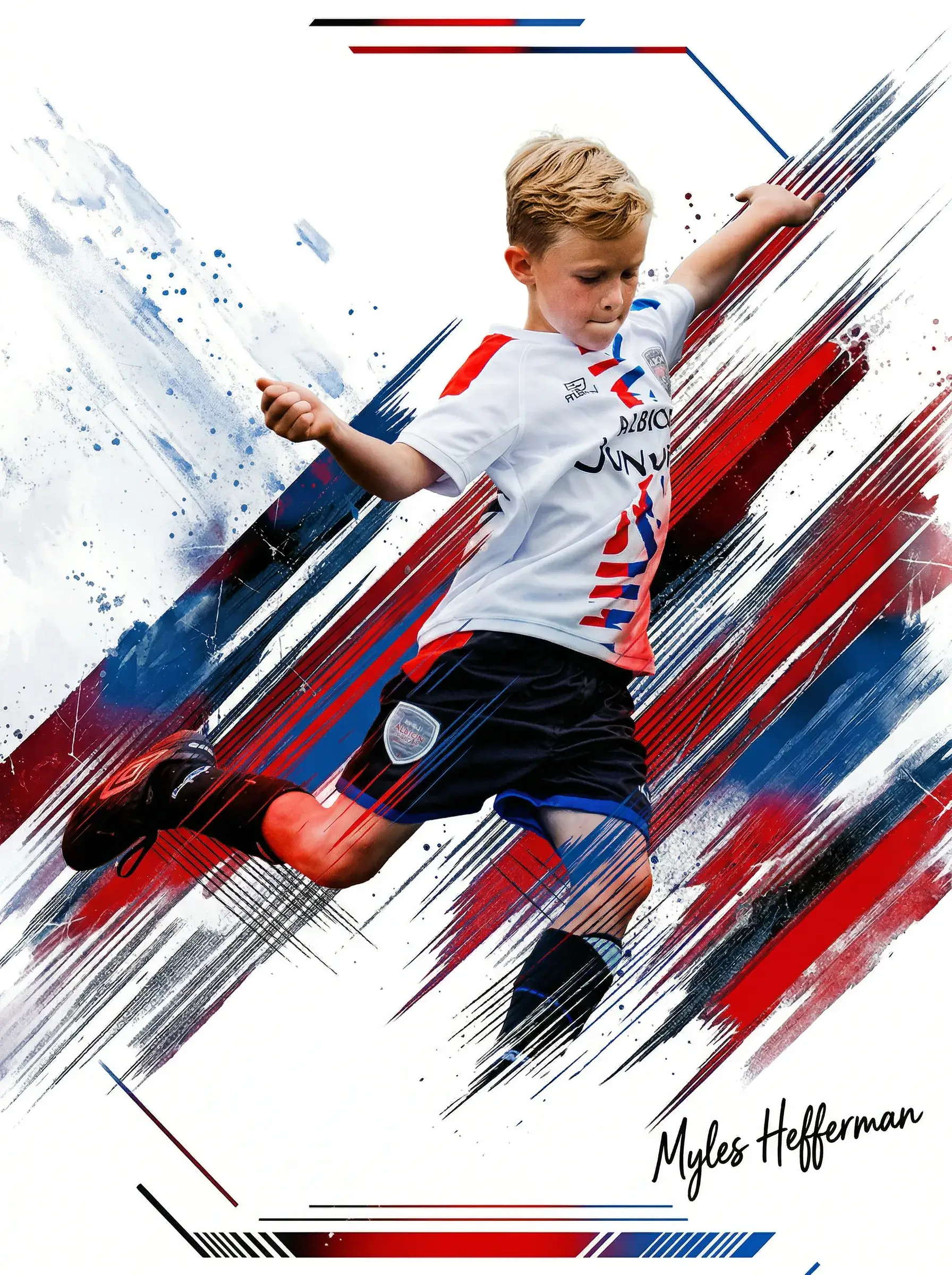

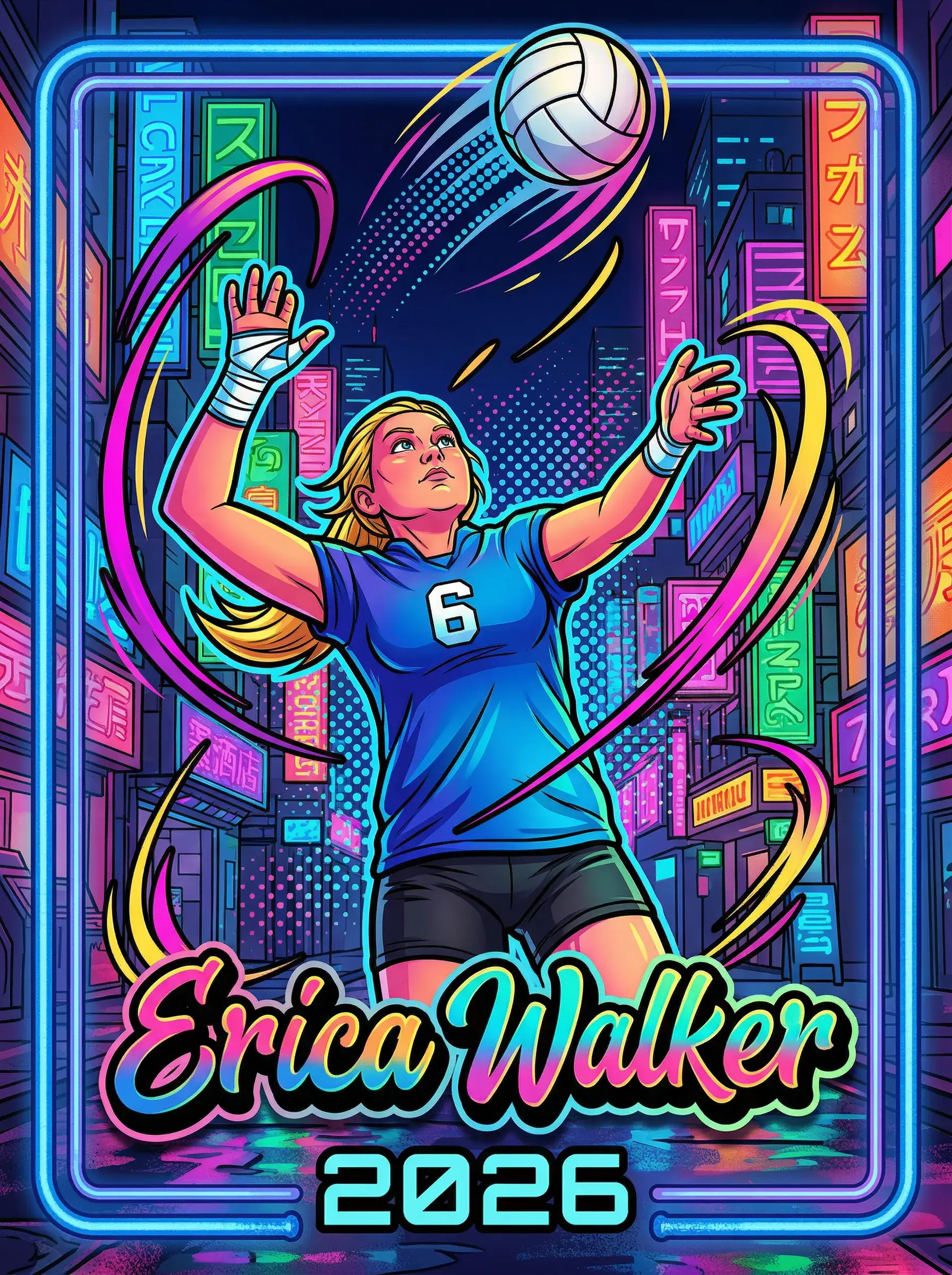

Ready to Turn Your Card Game Idea Into Something Real?
You've done the hard part — designing the rules and the cards. Learning how to make a tcg game is only half the battle; getting it into your hands is the other half. Upload your designs, pick a template, and see your game printed in days.
Start Printing Your CardsNo credit card required | Instant preview | Pro-quality designs
Explore More Card Options
Discover more custom trading card options for every sport and occasion