
How to Shoot Sports Photography Worth Printing
Most sports photos sit on a phone forever. The best ones deserve something more permanent than a camera roll.
Upload any photo — your kid, your pet, your whole team — pick a pro template, and we print and ship a real, holdable card the next business day.
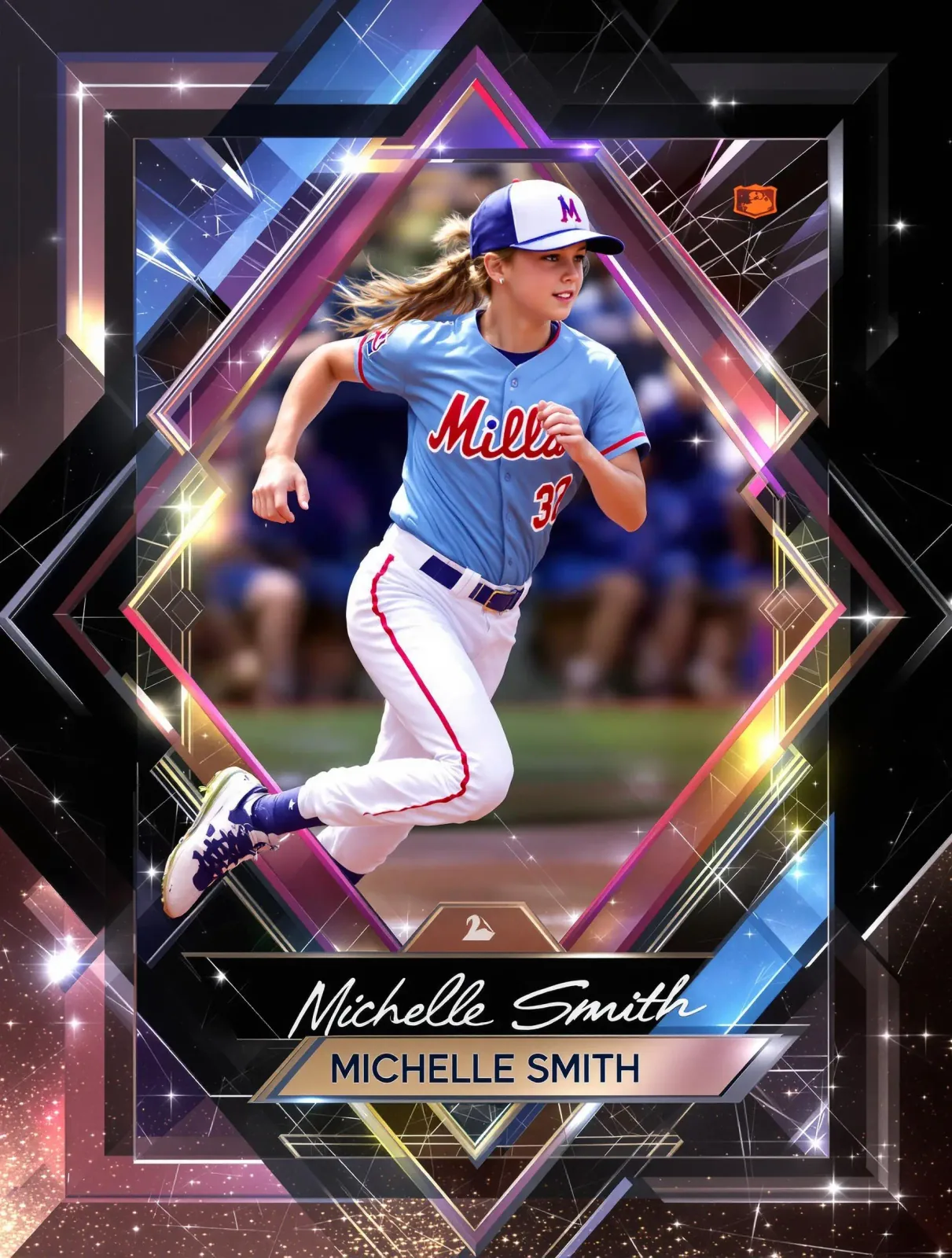
If you've ever tried to figure out how to shoot sports photography and ended up with blurry, poorly lit, or weirdly cropped images, you're not alone. Sports move fast. Light changes. Players don't pose. You're working against motion blur, bad stadium lighting, and split-second timing — all at once. Most beginners assume better gear is the fix. It usually isn't. The real problems are technique, anticipation, and knowing where to stand before the action starts. Thousands of great athletic moments go undocumented every weekend because the photographer wasn't ready.
The good news: sports photography is learnable, and it doesn't require a $5,000 camera. It requires understanding a handful of core principles — shutter speed, burst mode, positioning, light reading — and then practicing them deliberately. This page walks you through exactly that. And once you've captured something genuinely great, Snapshot lets you turn that photo into a real, premium custom trading card printed in Des Moines, Iowa and shipped to your door in 2–3 days. Your shot. Your card. Something you can actually hold.
Let's start with what actually separates sharp, memorable sports photos from forgettable ones.
We ship custom trading cards to athletes, parents, and coaches in all 50 states every single week, and we've seen firsthand which photos make cards people actually treasure.
Why Athletes and Families Trust Snapshot With Their Best Shots
Snapshot ships custom trading cards to customers in all 50 states every week — from single cards celebrating a personal athletic milestone to full team packs ordered by coaches and parents. Every card is printed on premium card stock in Des Moines, Iowa, and comes with a free magnetic case. When people finally capture a photo they're proud of, Snapshot is where they go to make it real.
Who's Using These Techniques (And What They're Doing With the Shots)
These skills aren't just for professionals. Plenty of real people at all levels are putting them to work for personal projects, gifts, and keepsakes.
Parents at Youth Games
A parent who learns how to shoot sports photography at their kid's soccer or baseball games walks away with something genuinely different from everyone else's phone clips. Sharp action shots from the sideline, real expressions at the finish line. Those photos become custom Snapshot trading cards — birthday gifts, end-of-season surprises, or just something the kid can keep for the next twenty years.
Amateur Athletes Documenting Their Own Journey
Adult league softball players, marathon runners, recreational wrestlers — more athletes than ever want documentation of their own athletic moments. A friend or training partner with even basic sports photography skills can capture that. The resulting photos make genuinely personal custom cards that commercial portrait studios can't replicate. Your specific moment, your specific sport, your card.
Team Managers and Coaches Building Culture
Coaches at every level from club youth teams to adult recreational leagues are ordering custom trading card packs as end-of-season awards. The photography process starts weeks earlier — shooting games with intention, selecting the best action frames for each player. Snapshot packs let you put every athlete on their own card, which lands differently than a participation trophy ever will.
Free to design, instant preview. Ships the next business day.
How to Shoot Sports Photography: The Three Core Principles
Nail these three things and your hit rate on great sports photos goes up dramatically. Everything else is refinement on top of this foundation.
Control Your Shutter Speed First
Shutter speed is the single biggest factor in sports photography. A sprinter at full stride needs at least 1/1000s to freeze cleanly. For most field sports, 1/800s is your minimum. Don't let your camera choose this for you — switch to Shutter Priority (Tv or S mode) and set it manually. Then let ISO and aperture adjust around it. A slightly grainy, sharp photo beats a perfectly exposed blur every time.
Anticipate the Peak Moment
Great sports photographers don't react — they predict. Watch for patterns: where does the batter's swing peak? Where does the receiver typically make the catch? Position yourself there before the play develops. Enable burst mode so you're capturing 8–10 frames per second through the action. You'll delete 90% of them. That's normal. One frame where the expression, body position, and ball placement all align is worth the full card.
Work the Light, Not Against It
Outdoor sports in midday sun create harsh shadows across faces — not ideal. Golden hour light (roughly one hour after sunrise or before sunset) produces warm, flattering tones that make sports photos look cinematic. For indoor gyms or covered stadiums, crank your ISO higher and accept some grain rather than slowing your shutter. Front-lit subjects (light source behind you) will always be sharper and more detailed than backlit ones.
Master these three and you'll start coming home from games with photos worth showing off — and worth printing.
What Changes When You Shoot With Intention
The difference between snapshots and real sports photography isn't equipment — it's decision-making. Here's what shifts when you apply these principles deliberately.
Sharper Action Frames
Once you're shooting at 1/1000s or faster, motion blur stops being a problem. You get crisp detail — laces on a football in mid-flight, a swimmer's splash frozen in mid-air. That clarity is what makes a photo good enough to print large.
Better Composition Instincts
Anticipating action naturally forces better framing. You're not chasing the play — you're waiting for it. That patience produces tighter compositions with the subject centered and background clutter out of frame.
Photos With Real Emotional Weight
Peak-moment photography captures expressions that candid phone shots miss entirely. The raw celebration, the intense focus before a free throw, the exhausted relief after a race finish — these moments tell the real story of competition.
Prints That Actually Hold Up
A technically sound photo — properly exposed, sharp, well-composed — can be printed large without degrading. That's the difference between a photo that looks great on a phone screen and one that looks incredible on a custom MEGA 11×15 poster card.
Common Sports Photography Mistakes (And the Quick Fix for Each)
Shooting in Auto mode
Switch to Shutter Priority and set 1/800s minimum. Let the camera adjust everything else around that anchor.
Standing where you're comfortable, not where the action peaks
Watch two or three plays first without shooting. Identify where the peak moment consistently happens, then relocate there.
Keeping single-shot autofocus on moving subjects
Switch to continuous AF tracking (AF-C or AI Servo) so focus follows the athlete through the full burst.
Shooting backlit subjects without compensation
Reposition so the light source is behind you, or use exposure compensation (+1 to +2 stops) to correct for a bright background.
Heavy post-shoot cropping on photos destined for large prints
Frame tighter in camera. Aggressive cropping destroys resolution needed for printing at MEGA poster card size.
Simple, Honest Pricing for Every Budget
No subscription fees, no design complexity. Upload your photo, pick a template, check out.
Single card starts at $17.99. Card packs range up to $49.99. The MEGA poster card — an oversized 11×15 showpiece — is $49.99. Free shipping on every order to anywhere in the USA.
One card. One great photo. One premium product shipped in 2–3 days with a free magnetic case included. That's the whole deal.
Box Options
Simple, collectible pricing. No subscriptions, no hidden fees.
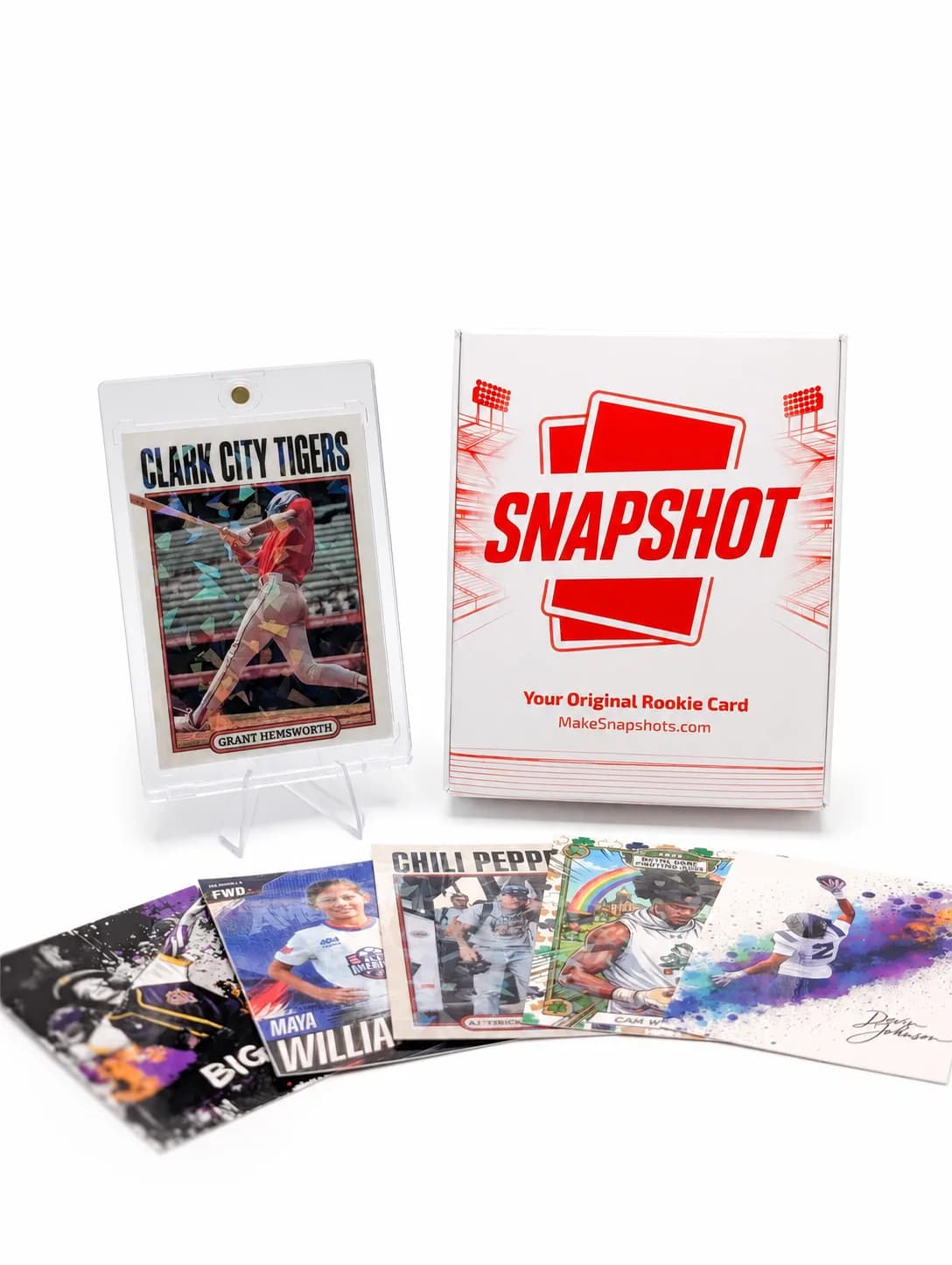
The Rookie Box
Perfect for those unforgettable moments
$17.99 - $49.99
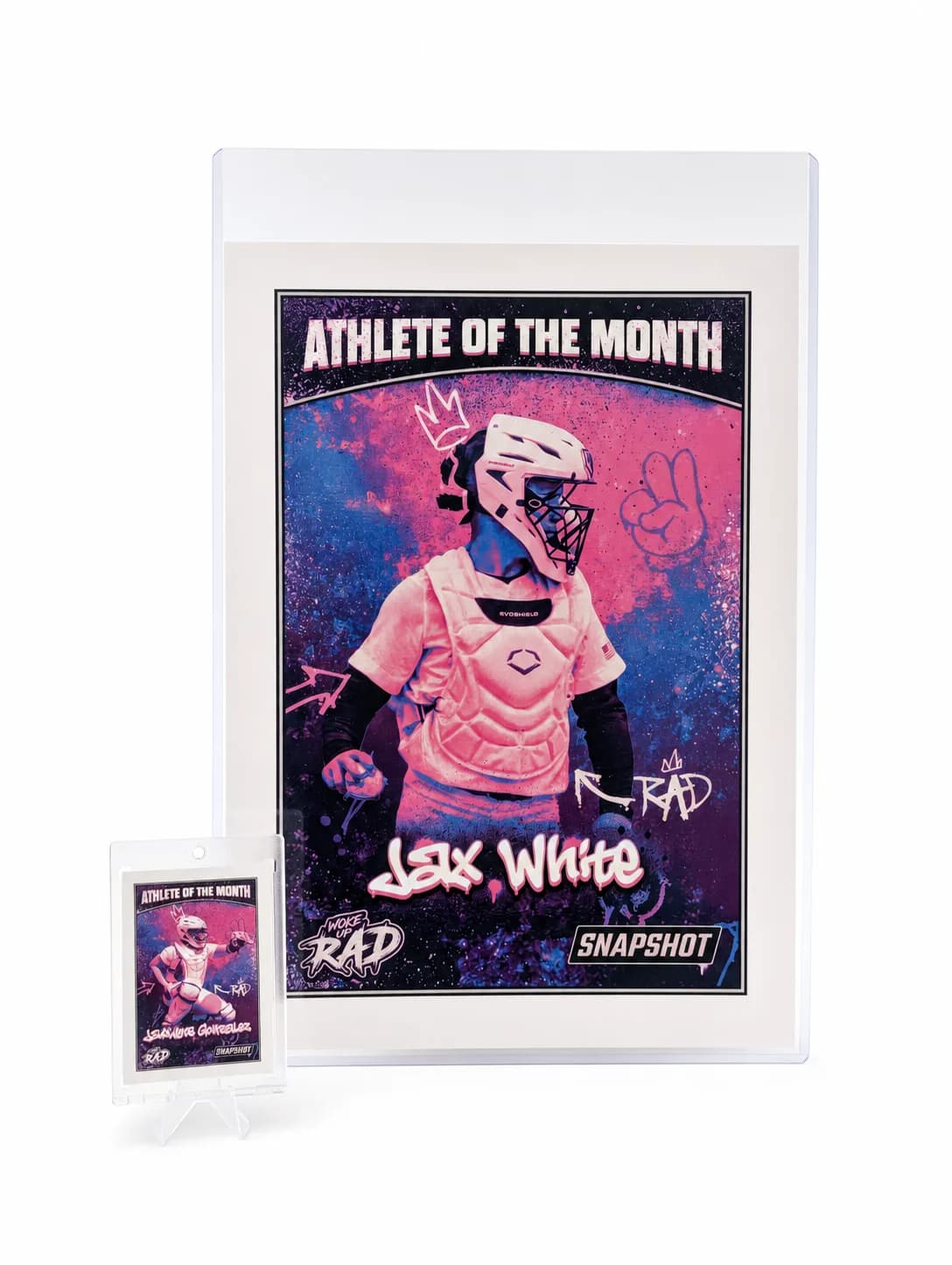
MEGA Card
Their moment, bigger than ever
$49.99
Create for free • Ships the next business day • Made in Des Moines, IA, USA
Frequently Asked Questions
Where should I stand to get the best sports photos?
Position matters as much as any camera setting. For team field sports, get low — knee height or lower — to isolate subjects against open sky or field rather than messy crowd backgrounds. Stand on the side of the field where the light source is behind you, so athletes are front-lit and their faces are clearly visible. Anticipate where the action peaks and get there early rather than chasing play. For track events, the finish line and hurdle sections are peak-moment zones. For basketball, baseline corners give you clear angles on drives and layups. Don't just follow the ball — watch for the emotional reactions happening off the main play too.
What's the best lens for sports photography?
A 70–200mm f/2.8 lens is the gold standard for sports photography and works across almost every sport. The f/2.8 aperture lets in enough light to maintain fast shutter speeds in lower-light conditions. If that's outside your budget, a 70–300mm f/4–5.6 zoom handles outdoor daylight sports well at a fraction of the cost. For smaller venues like indoor gymnasiums, a 50mm f/1.8 prime can work well up close and handles low light better than any zoom at the same price point. Prime lenses are sharper and faster, but zooms give you flexibility to adjust framing without moving your feet — valuable when you're working a sideline.
How do I shoot sports photography indoors with bad gym lighting?
Indoor gyms are the hardest environment for sports photography. Fluorescent lighting is dim and creates a yellow-green color cast that requires correction in post-processing. Set your white balance to Fluorescent or shoot in RAW format so you can correct it later. Raise your ISO aggressively — ISO 3200 or even 6400 on modern cameras is acceptable if it lets you maintain 1/800s or faster. Don't fear grain: a sharp, slightly grainy photo is always better than a clean, blurry one. Shoot with your widest aperture (smallest f-number your lens allows) to let in maximum light. If your lens has optical stabilization, make sure it's enabled.
How do I photograph multiple athletes and still get usable shots of each?
Covering multiple athletes in one shoot requires planning, not just more shooting. Before the event, identify two or three key athletes you specifically want to feature and track their numbers or jersey colors. Prioritize getting clean, unobstructed shots of each person during the highest-action moments of their involvement. Shoot in burst mode through key moments to maximize your chances of capturing each athlete with optimal expression and body position. After the event, sort photos by athlete rather than by time. Having strong individual shots of each player is what makes team-wide custom card packs possible — Snapshot's pack options are built exactly for this scenario.
What photo resolution do I need for printing on a trading card?
For a standard trading card (roughly 2.5 × 3.5 inches), you don't need an enormous file — most photos taken on modern smartphones or entry-level DSLRs in the last five years will work fine. For Snapshot's MEGA poster card at 11×15 inches, you'll want a higher-resolution image — ideally something shot on a camera rather than a heavily cropped phone photo. As a general rule, avoid heavy cropping if you're planning to print large. If you're not sure whether your photo is high enough resolution, upload it to Snapshot's tool and you'll see how it previews at print size before you commit to ordering.
Can I turn a single great photo into a custom trading card even if I'm not a professional photographer?
Absolutely — that's exactly who Snapshot is built for. You don't need a professional portfolio or a commercial sports photographer's license. You need one great shot. If you've applied even basic sports photography technique and caught a clean, sharp, well-exposed image of an athlete during a genuine moment of competition, that's more than enough to make a card worth keeping. Snapshot's templates are designed to frame your photo the way pro cards do, so even a technically modest-but-sharp image looks polished printed on premium card stock. Upload it, pick a template, and see how it looks before you ever pay.
How fast does Snapshot ship and what comes with the card?
Snapshot prints and ships within 2–3 business days of your order being placed. Every card and pack ships free anywhere in the United States — no minimum order required. Single cards come with a free magnetic case included in the price, which protects the card and makes it display-ready right out of the package. Everything is printed and fulfilled in Des Moines, Iowa. If you're ordering a card pack as a gift or team award, the timeline from order to delivery is fast enough to work for most end-of-season events as long as you're not ordering the day before the party.
Free to design, instant preview. Ships the next business day.
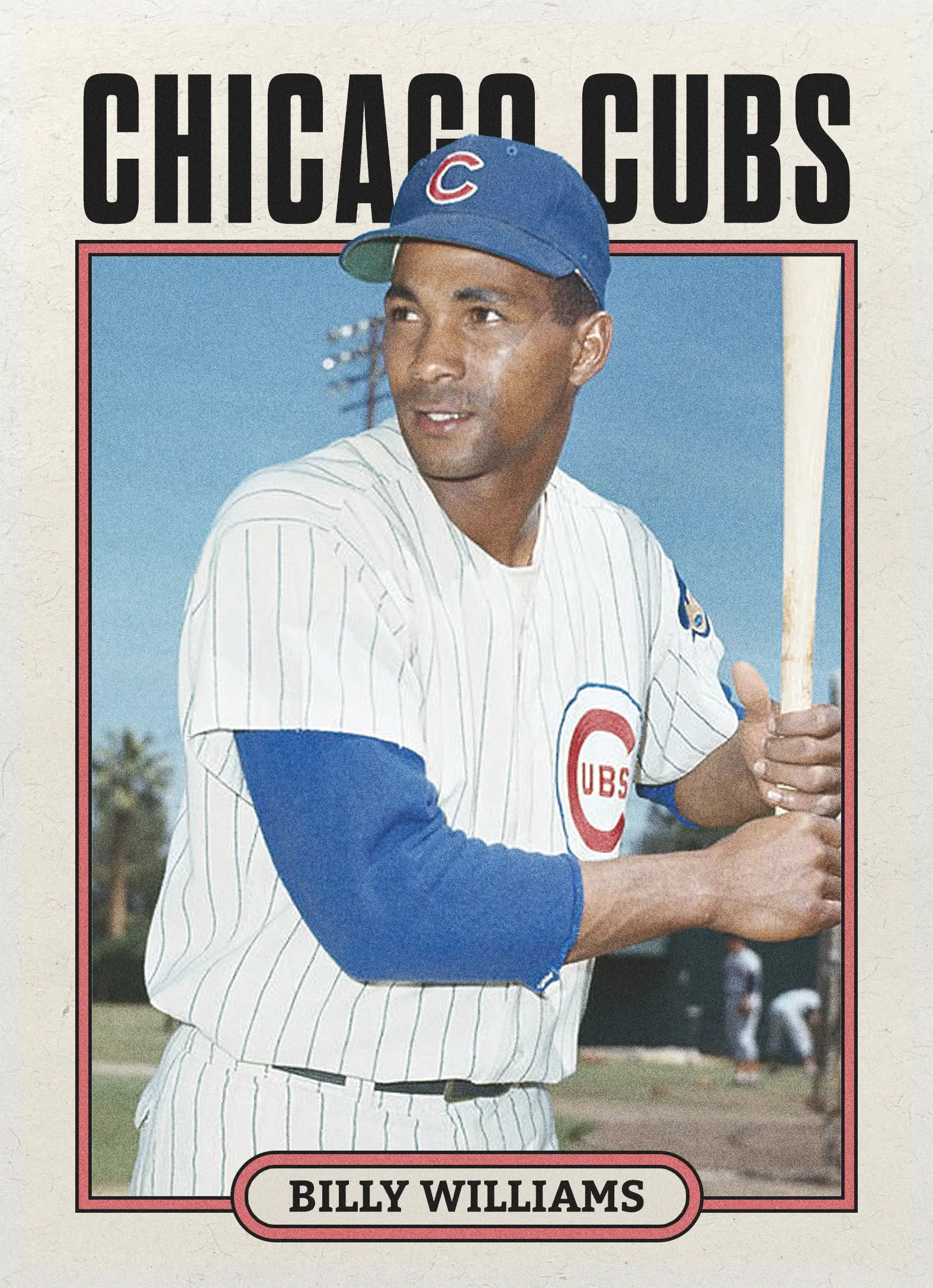
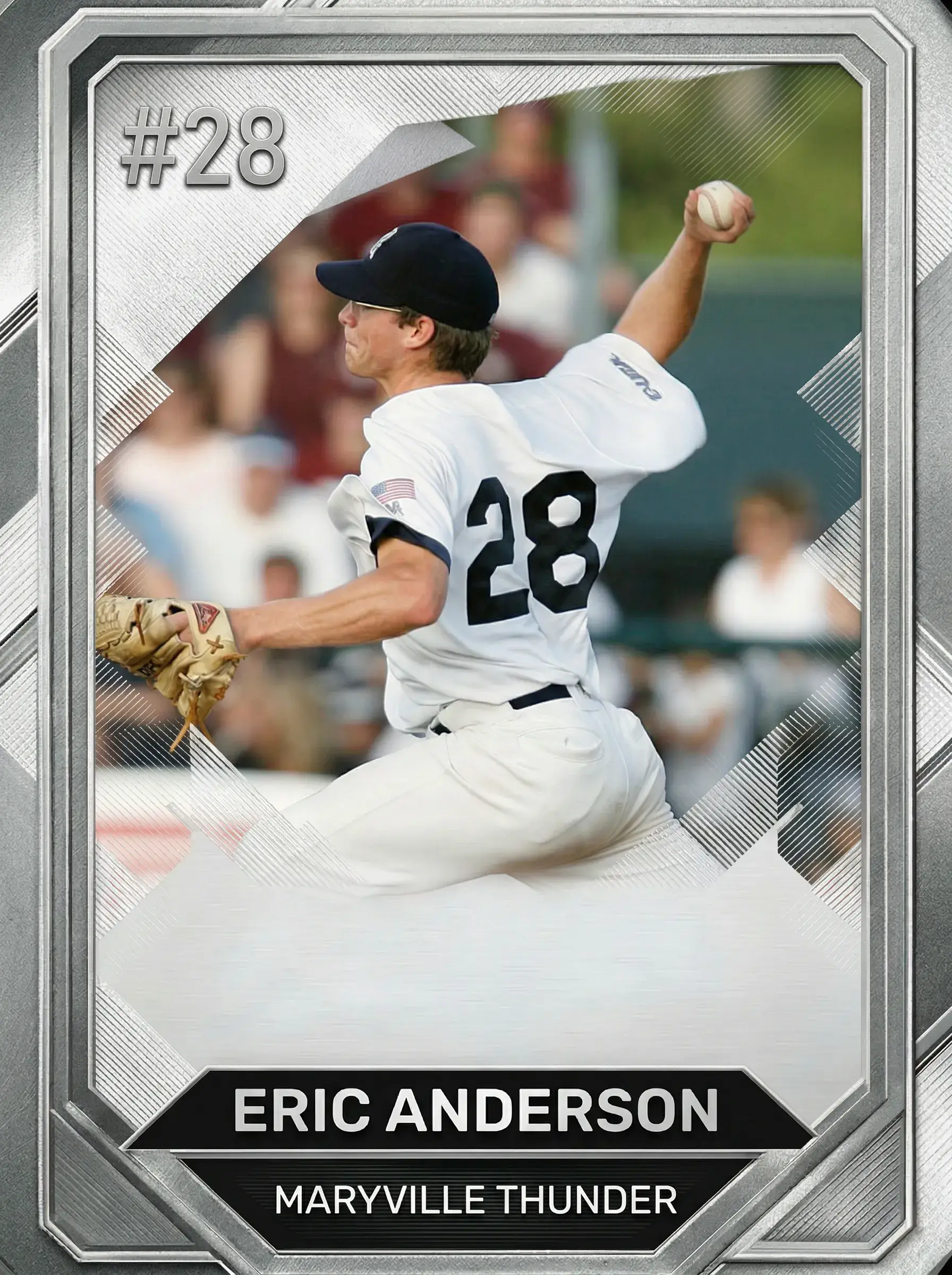
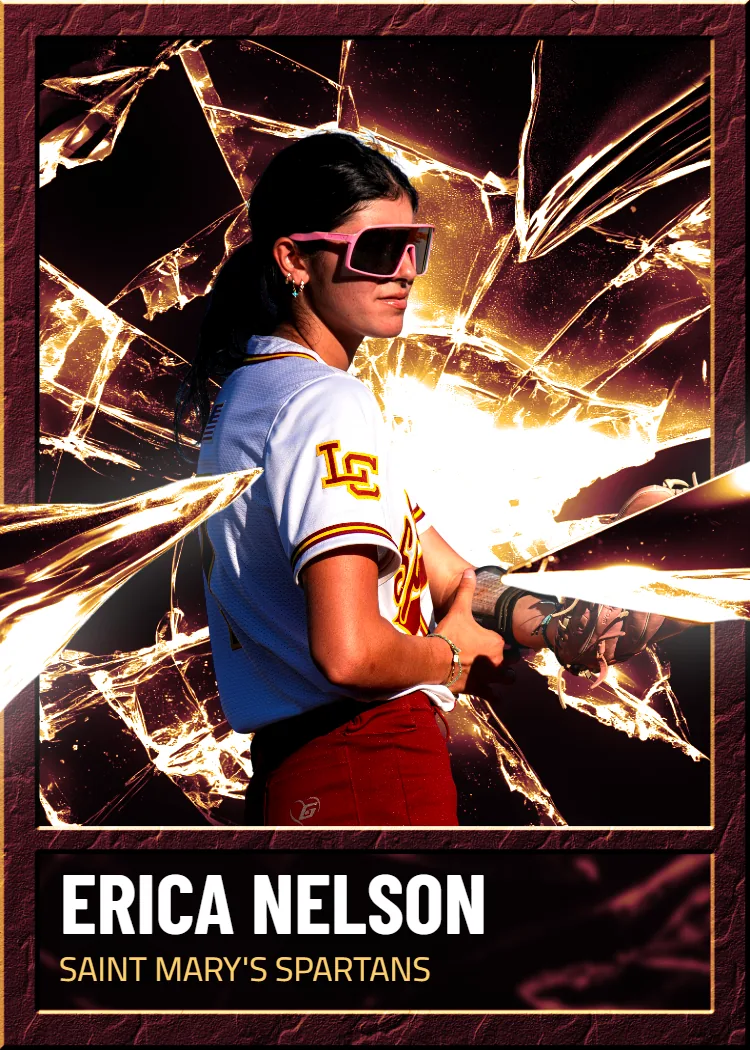
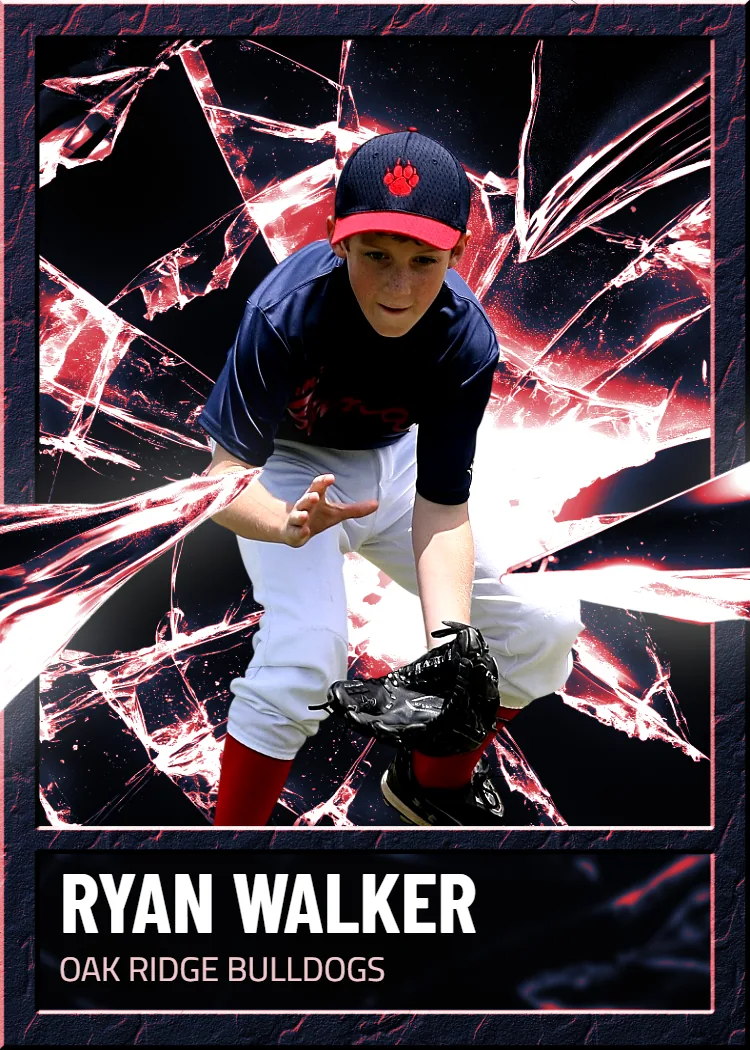
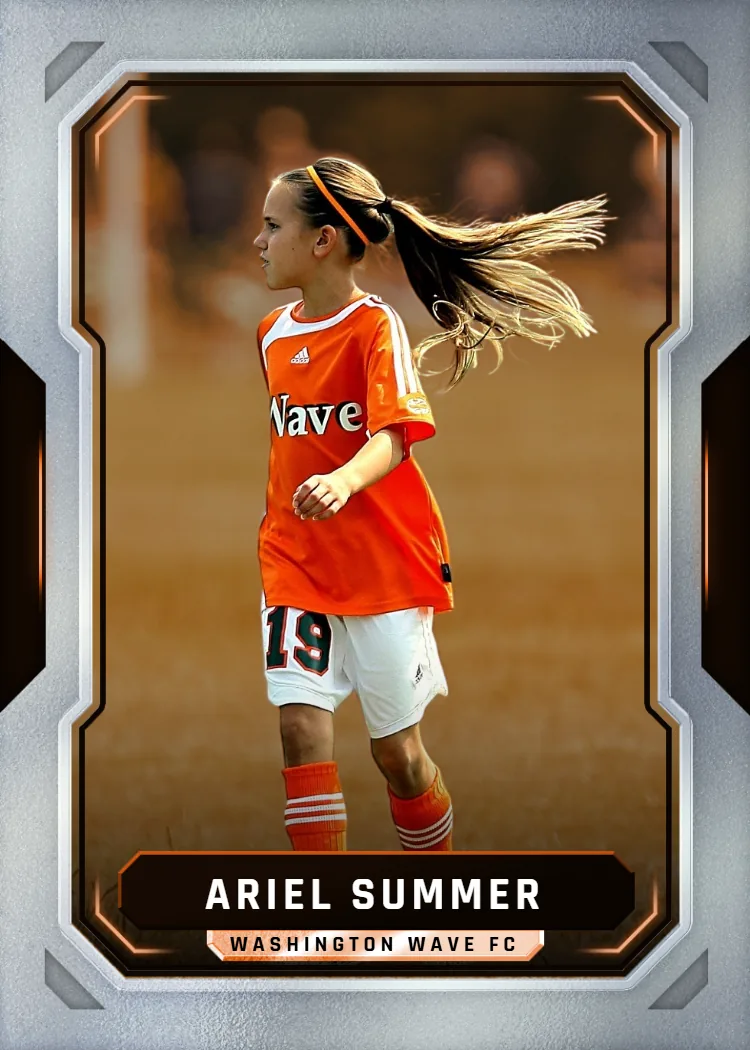
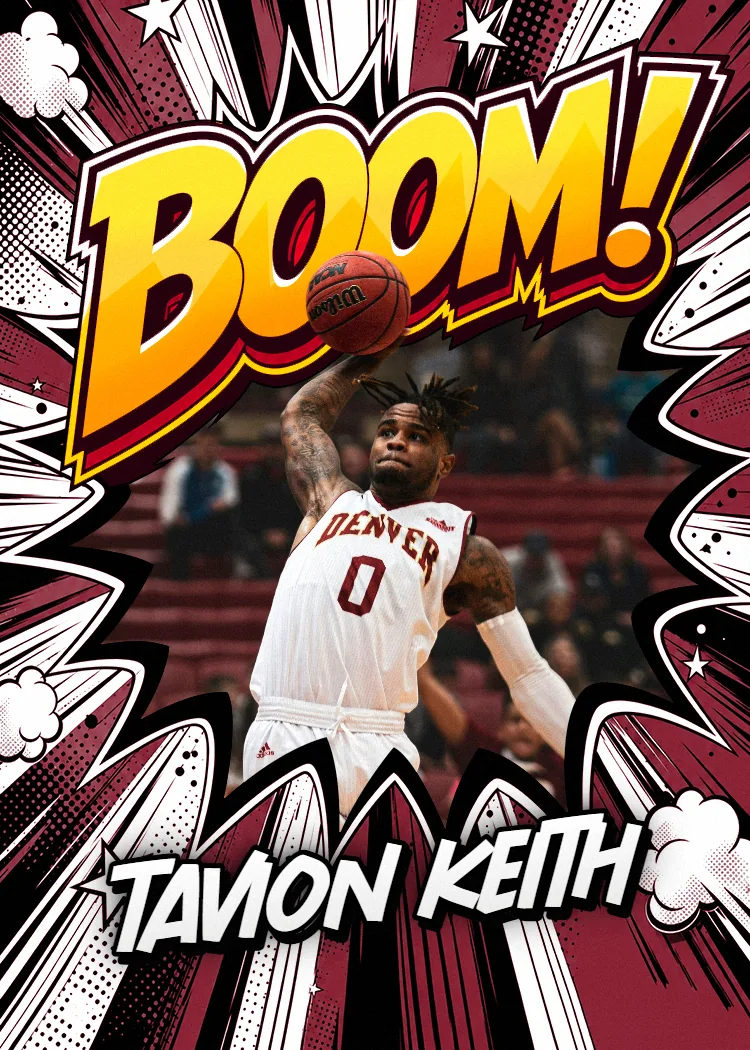
You Learned How to Shoot Sports Photography — Now Make It Real
The best sports photo you've ever taken deserves more than a camera roll. Upload it to Snapshot, choose from pro-style templates, and get a premium custom card printed and shipped in 2–3 days. Free shipping. Free magnetic case. Made in Iowa.
Build Your Card NowNo credit card required | Instant preview | Pro-quality designs
Explore More Card Options
Discover more custom trading card options for every sport and occasion