
Indoor Sports Photography Settings That Get the Shot
Blurry gym photos don't do your athlete justice. The right indoor sports photography settings change everything.
Upload any photo — your kid, your pet, your whole team — pick a pro template, and we print and ship a real, holdable card the next business day.
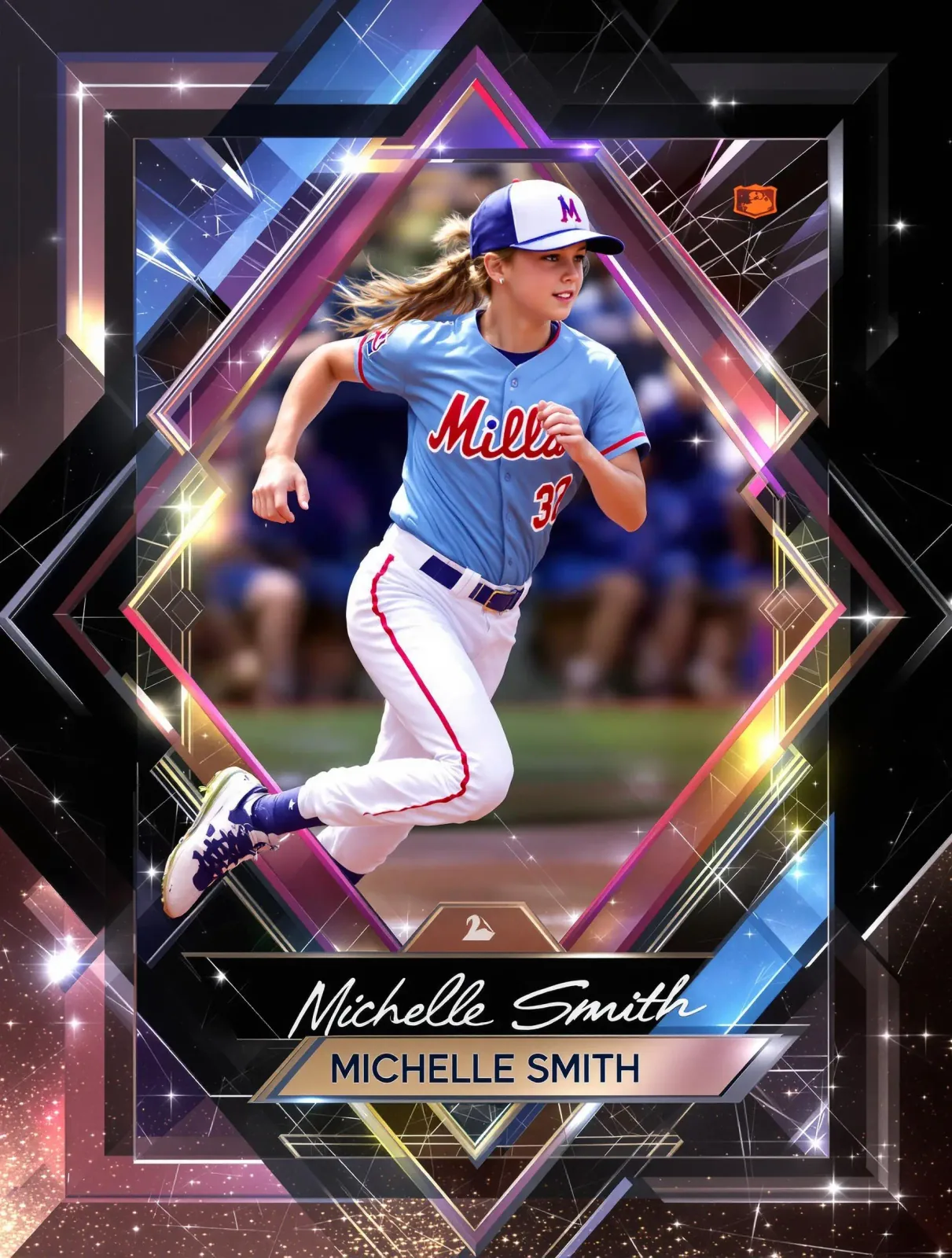
Indoor venues are brutally unforgiving for photographers. Gymnasium lighting flickers at frequencies your eyes can't detect but your camera sensor absolutely will. Pools reflect glare unevenly. Wrestling mats sit under sodium vapor lights that drain color from every frame. Most parents and coaches grab their phones or point-and-shoot cameras and walk away disappointed — soft focus, orange tint, players caught mid-blur instead of mid-triumph. The problem isn't the athlete. It's the settings.
Getting sharp, vibrant indoor action shots comes down to three core camera adjustments: shutter speed, ISO, and aperture. Dial those in correctly for your specific venue and you'll walk away with photos sharp enough to print at poster size. And once you've got that hero shot? Snapshot turns it into a premium custom sports trading card — printed on professional card stock, shipped anywhere in the USA in two to three days, starting at $17.99.
Here's how to nail indoor sports photography settings before your next game, meet, or match.
We ship custom trading cards to athletes and families in all 50 states every week, and we've seen firsthand how a technically sharp indoor sports photo transforms into a card that looks like it came straight from an official licensed set.
Indoor Sports Photography Mistakes That Kill an Otherwise Great Shot
Relying on Auto Mode in Low Light
Forgetting to Adjust White Balance
Shooting from the Bleachers Every Time
Not Shooting in RAW
Waiting for the Perfect Moment Instead of Bursting
Your Game-Day Photography Timeline: From Arrival to Card Order
30 Minutes Before the Event
Arrive early and walk the venue. Identify your shooting positions, check the lighting type overhead (fluorescent, LED, sodium vapor), and take test shots of an empty mat, court, or floor. Review them at 100% zoom to assess sharpness and color cast before athletes arrive.
20 Minutes Before the Event
Set your custom white balance using a white card or gray card under the venue lights. Lock in your shutter speed at 1/500s minimum, open aperture to the widest your lens allows, and set ISO to a starting point — typically 1600 to 3200. Do a final test burst.
During the Event
Shoot in burst mode. Anticipate peaks — the top of a jump, the release point of a throw, the finish of a race. Recheck your exposure every 15 minutes as lighting conditions can shift subtly during long events. Don't chimp (stare at the screen after every shot) — stay ready.
Immediately After the Event
Back up your files to a second location before doing anything else. Card failures happen. Once backed up, do a first cull — flag the technically sharp frames and delete obvious misses. Don't over-edit at this stage; choose your candidates first.
Within 24 Hours
Process your top three to five shots. Correct white balance, adjust exposure, and apply targeted sharpening to the athlete's face and eyes. Export at full resolution. Upload your hero shot to Snapshot, select a template, and place your order. It ships in two to three days.
Free to design, instant preview. Ships the next business day.
What Sharp Indoor Photos Actually Unlock for Your Athlete
Getting indoor sports photography settings right isn't just about technical satisfaction. The payoff is tangible, lasting, and deeply personal.
Moments Worth Preserving
A sharp photo captures emotion — a swimmer's face at the wall, a gymnast's peak height on a vault. Blurry versions of those moments get deleted. Clear ones become the photos families frame, share, and print on custom trading cards that last decades.
Print-Ready Resolution
When your settings are correct, your photos will hold up at large sizes. Snapshot's MEGA 11×15 poster card requires a genuinely high-quality source image. A technically sound photo straight from your camera delivers exactly that — no cropping workarounds needed.
Consistent Results Every Venue
Once you've internalized the exposure triangle for indoor shooting, you adapt quickly. New gym? Check the light, adjust ISO, confirm shutter speed. You're not starting over — you're calibrating a system you already understand. That consistency means fewer missed shots.
Cards That Actually Look Pro
Snapshot's templates are designed for strong source images. When your photo is sharp, well-exposed, and has genuine visual impact, the finished trading card looks like something pulled from an official set — not a school fundraiser photo.
Which Indoor Sports Benefit Most From These Settings
These camera techniques apply across nearly every indoor sport, but a few disciplines demand especially precise execution — here's what to watch for in each.
Gymnastics and Cheer
Aerial elements happen fast — a back handspring is over in under half a second. You'll need 1/800s or faster to freeze a tumbling pass cleanly. Gymnasts and cheerleaders also perform under highly directional stage lighting, which means you may need to adjust white balance manually to avoid sickly yellow or green skin tones. Shoot in RAW if your camera supports it; you'll thank yourself in post-processing.
Martial Arts and Wrestling
Mats are typically lit by fluorescent or sodium vapor fixtures that render poorly on auto white balance. Set a custom white balance using a gray card or dial in a Kelvin temperature around 3200–4000K. Grappling sports also mean your subject's face isn't always facing you — burst mode at five or more frames per second helps ensure you capture the defining moment of a match.
Swimming and Aquatic Sports
Pool natatoriums are among the trickiest indoor environments. Water reflects light unpredictably, and many pools use mixed lighting sources. Position yourself at the end of the lane for finish-line shots and use spot metering focused on the swimmer's face rather than the bright water surface. A polarizing filter can reduce glare if you're shooting through glass.
Why Athletes Across the Country Choose Snapshot
Snapshot ships custom trading cards to athletes, families, coaches, and teams in all 50 states every single week. Customers consistently come back to order packs after getting their first single card — once they see how a technically strong photo looks on professional card stock, they want the whole team covered.
Our Des Moines production team handles every order with care, which is why two-to-three day turnaround is the standard, not the exception.
Frequently Asked Questions
What shutter speed should I use for indoor sports photography?
For most indoor sports, start at 1/500s and go faster if you're still seeing blur. Basketball and volleyball players generate a lot of upper-body movement, so 1/640s is a safer floor. For gymnastics, martial arts, or any sport with explosive aerial elements, push to 1/800s or 1/1000s. The tradeoff is that faster shutter speeds require more light to hit your sensor, meaning you'll need to compensate by opening your aperture wider or raising your ISO. It's a balancing act, but shutter speed is the variable you should protect first.
What ISO is too high for indoor sports photos?
There's no universal ceiling — it depends entirely on your camera body. Entry-level DSLRs and mirrorless cameras tend to produce acceptable results up to ISO 3200. Higher-end bodies from Sony, Canon, and Nikon can push to ISO 6400 or even 12800 while keeping noise manageable. The practical rule: shoot a test burst when you arrive at the venue, zoom into the face at 100% on your screen, and assess the noise level. Grainy but sharp beats smooth but blurry every time. When editing, luminance noise reduction in Lightroom recovers a lot.
How do I fix the orange or green color cast in gym photos?
That color cast comes from your camera's auto white balance reading the artificial lights incorrectly. The fix is to set a custom white balance. Most cameras let you photograph a white or gray card under the venue lights and use that reading to calibrate color temperature. Alternatively, shoot in RAW format and correct the white balance in post-processing — RAW files give you full latitude to shift color temperature without quality loss. If you must shoot JPEG, try the Fluorescent or Tungsten white balance preset and fine-tune from there. It makes a significant visible difference.
Do I need an expensive camera to take good indoor sports photos?
Not necessarily, but your lens matters more than most people realize. A modern mid-range mirrorless camera paired with a fast prime lens — like a 50mm f/1.8 — will outperform a high-end body paired with a slow kit lens in low light. If you're working with a smartphone, use the manual or pro mode app to lock shutter speed above 1/500s and let the ISO float. You'll get more noise, but you'll freeze the action. For print-worthy results at large sizes, a dedicated camera with a fast lens is genuinely worth the investment.
Should I shoot in RAW or JPEG for indoor sports?
RAW is strongly recommended for indoor sports photography. Artificial lighting creates color casts and exposure challenges that RAW files handle far more gracefully than JPEGs. When you correct white balance or recover blown highlights in a RAW file, the quality holds. The same corrections applied to a JPEG degrade the image noticeably. The downside of RAW is file size and the requirement to process images before sharing or uploading. But if you're planning to print a photo on a custom card or poster-size print, starting from RAW gives you the cleanest possible source file.
What lens focal length works best for indoor sports?
It depends on the venue size and where you can position yourself. For a standard gymnasium, a 50mm to 85mm prime lens gives you tight, flattering compression without needing courtside access. For larger arenas or venues where you're shooting from a distance, a 70-200mm f/2.8 zoom is versatile and bright enough for indoor use. For close-quarters sports like wrestling or martial arts, a 35mm prime lets you get tight without crowding the action. Avoid slow zoom lenses — anything with a maximum aperture of f/4 or f/5.6 will force you into very high ISO territory.
Free to design, instant preview. Ships the next business day.
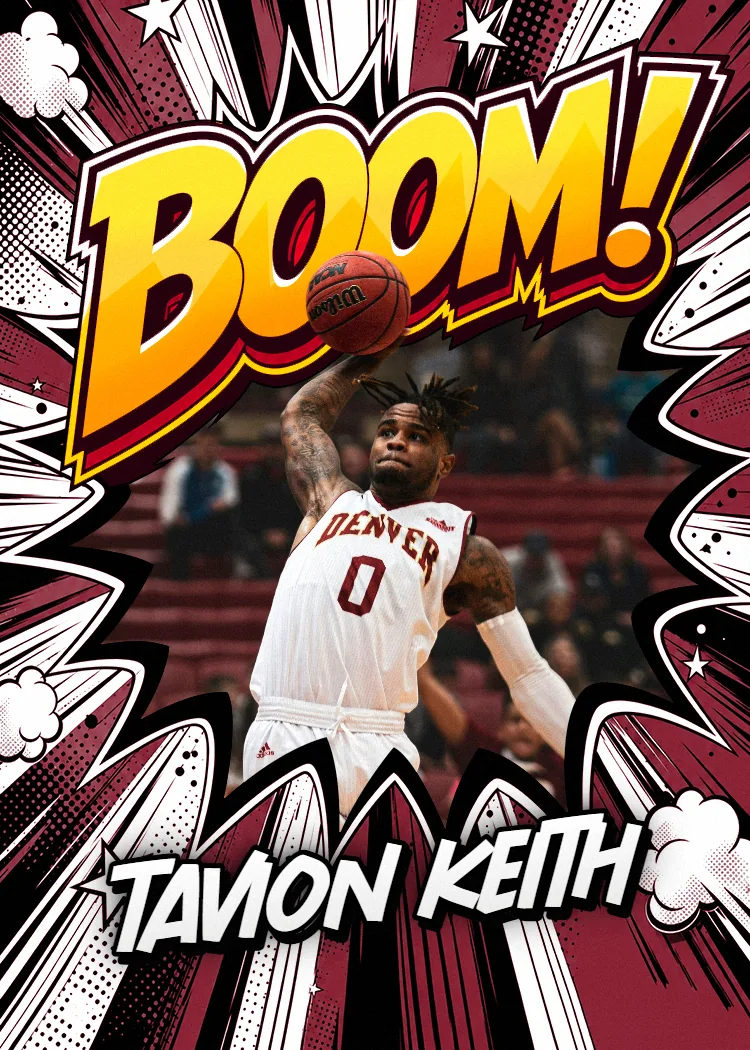
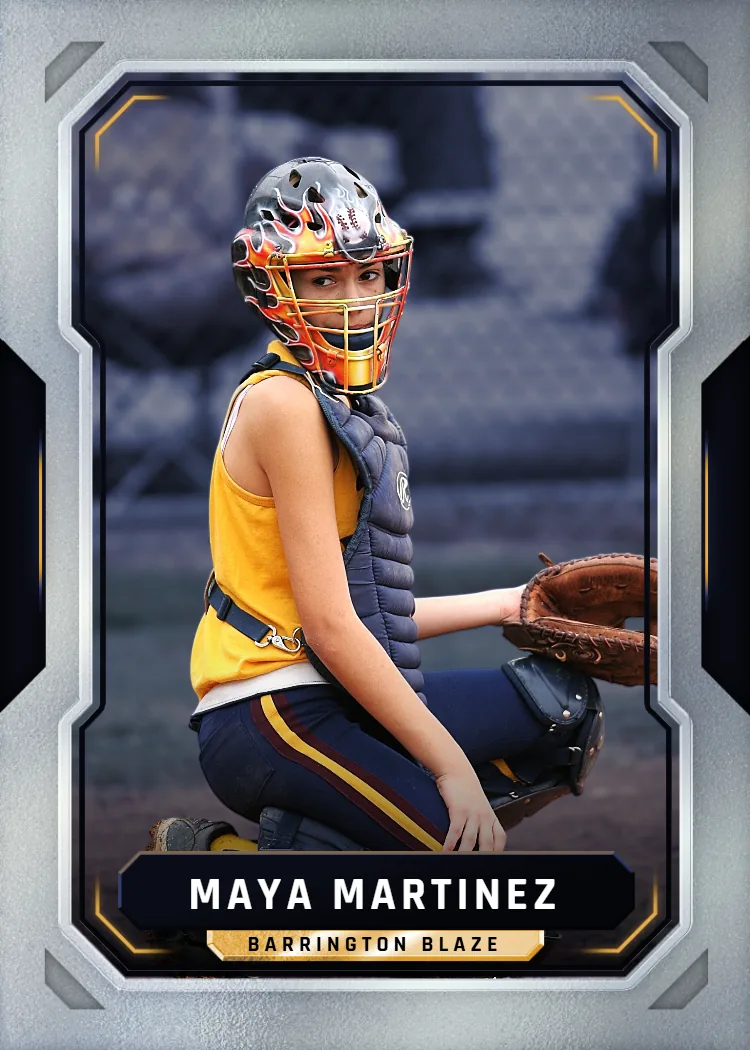
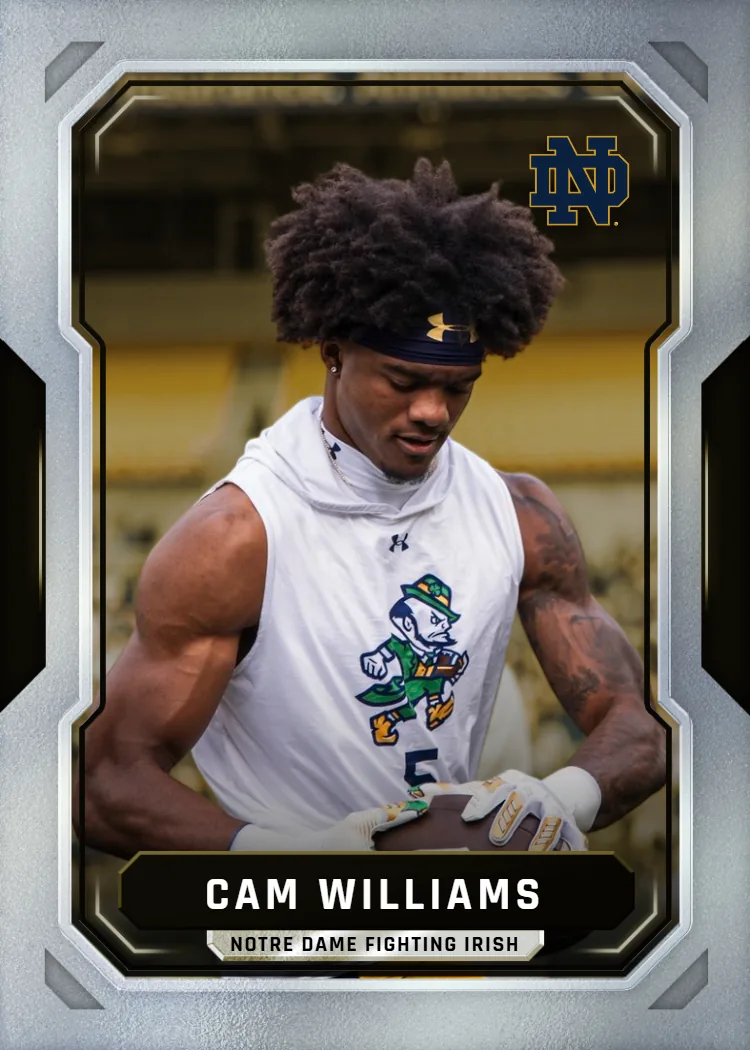
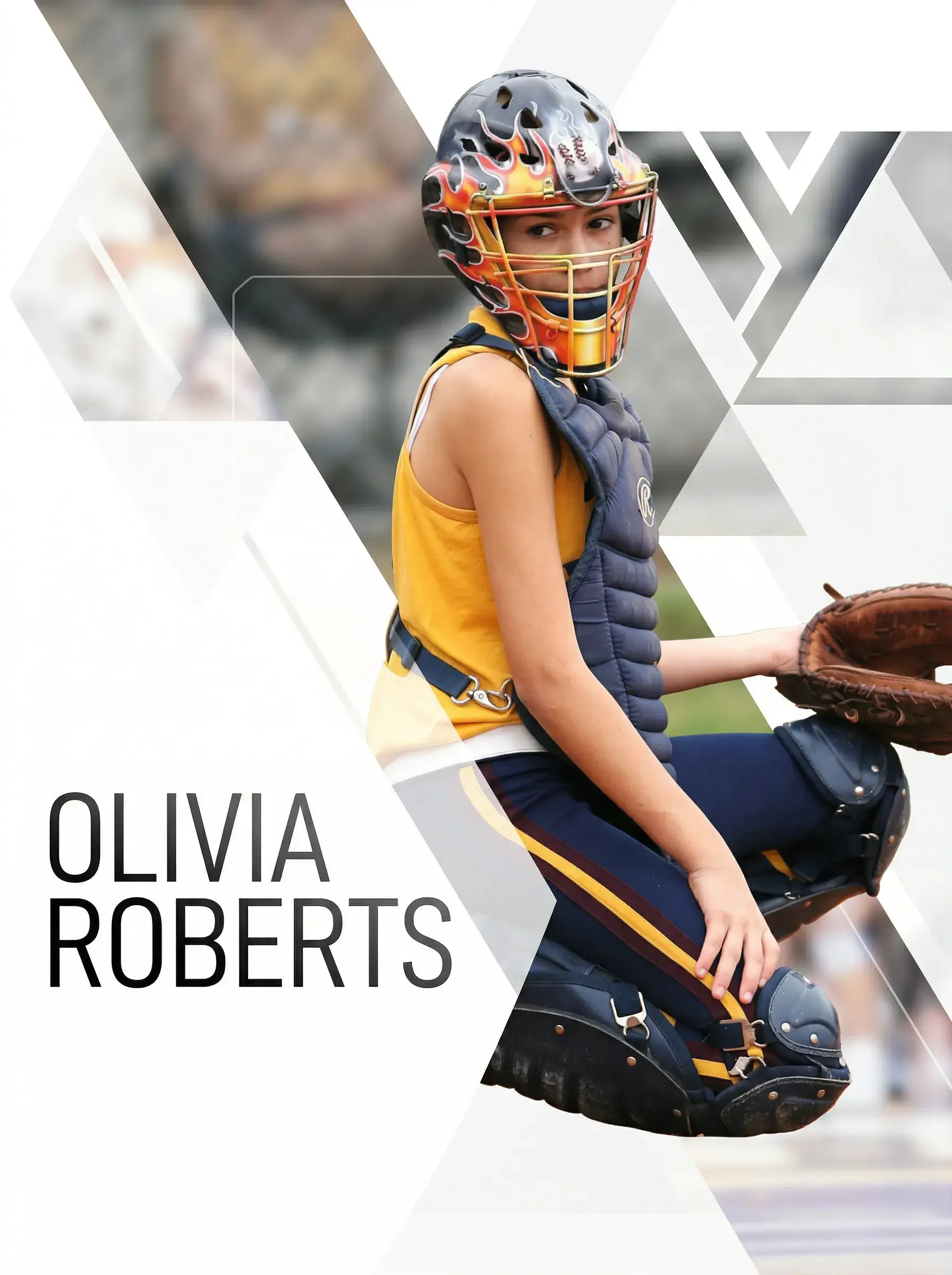
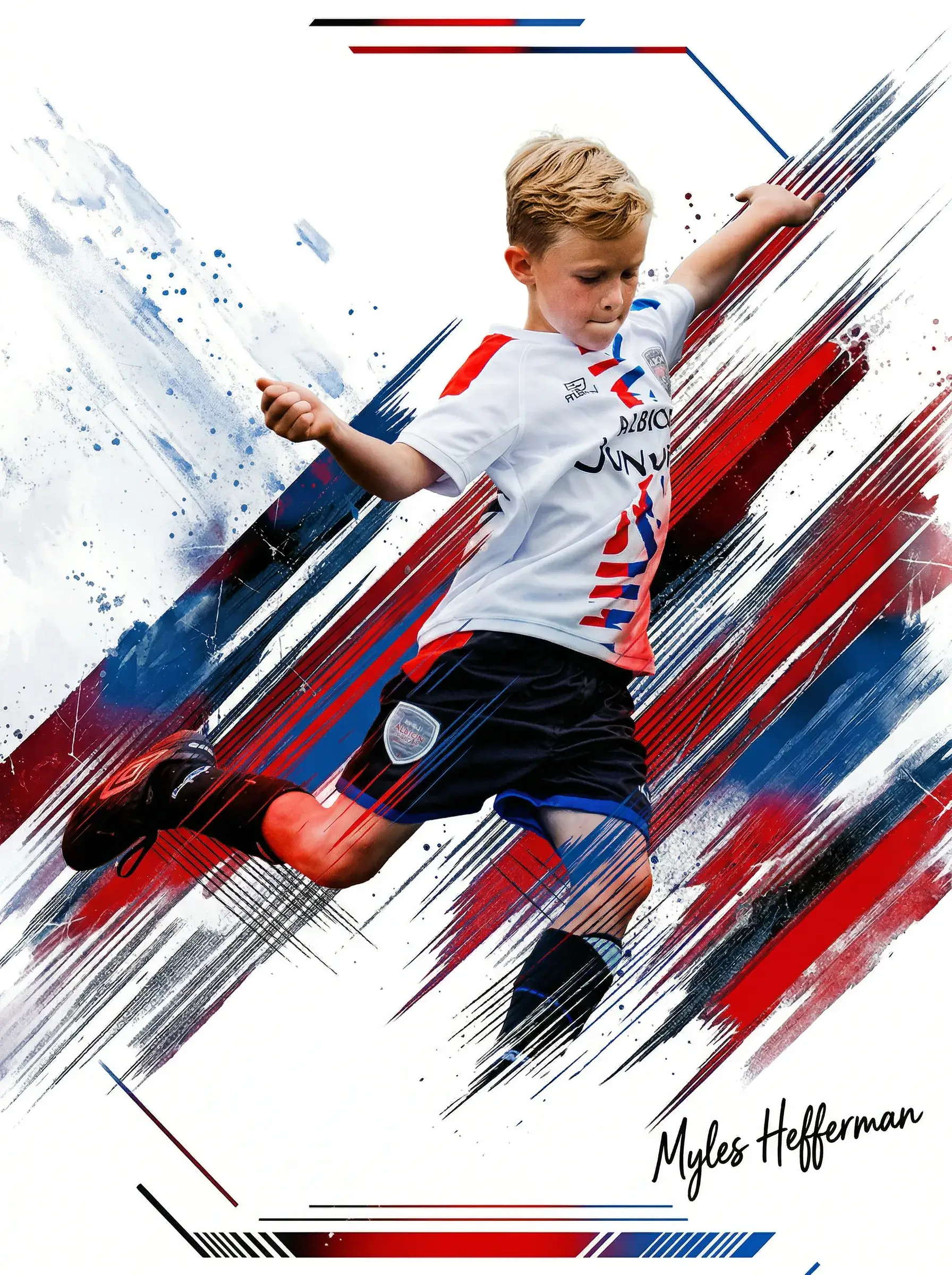
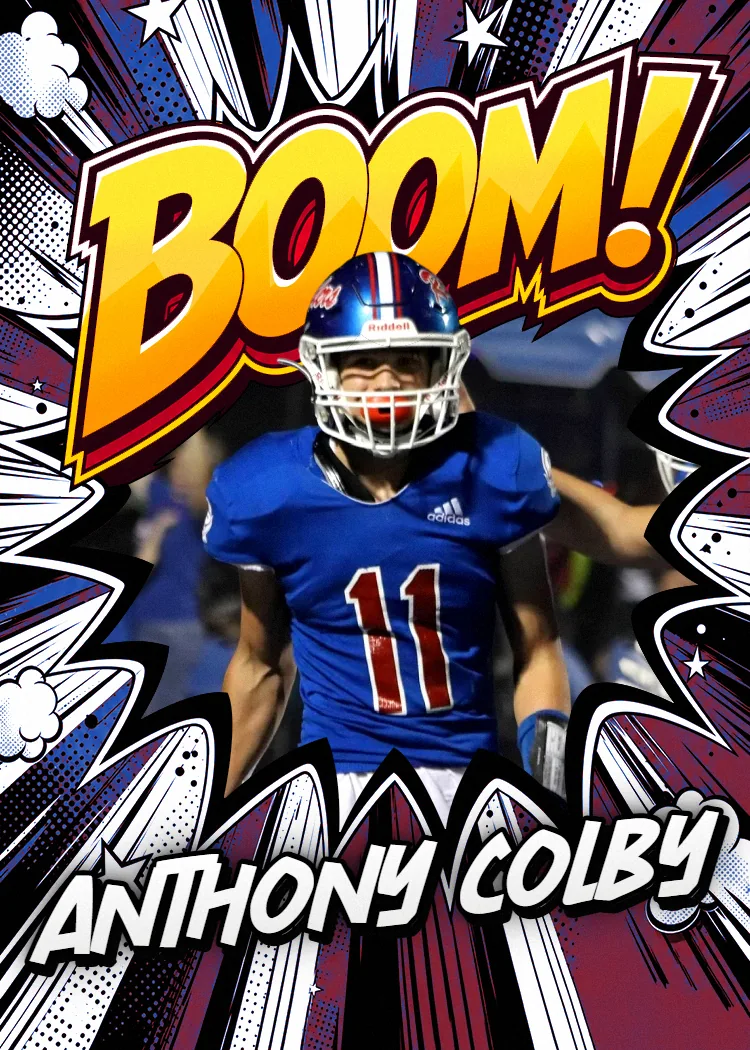
Got the Shot? Turn It Into a Card With the Right Indoor Sports Photography Settings
You've put in the work to capture a great indoor action photo. Don't let it sit in a camera roll. Upload it to Snapshot, pick a template, and we'll print it on premium professional card stock and ship it to you in two to three days — free shipping included, anywhere in the USA.
Build Your Card NowNo credit card required | Instant preview | Pro-quality designs
Explore More Card Options
Discover more custom trading card options for every sport and occasion