Jobs in Sports Photography: Your Complete Career Guide
Sports photography jobs don't wait. The photographers who land them prepare long before the opportunity shows up.
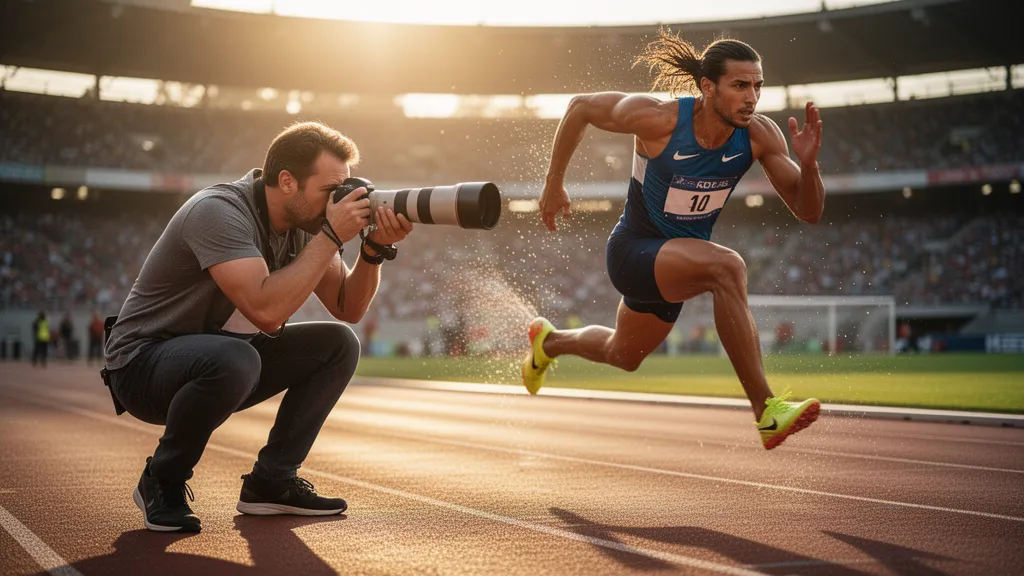
Breaking into jobs in sports photography is genuinely hard. Most postings get flooded with applicants, and the difference between a callback and a rejection isn't talent alone—it's preparation, positioning, and a portfolio that stops someone mid-scroll. You're competing against photographers who've been shooting varsity games, minor league stadiums, and local tournaments for years. Without a clear strategy, real-world samples, and an understanding of what employers actually want, even strong shooters get passed over. The market is competitive at every level, from college athletics departments to national wire services.
The good news: there's a proven path into this field, and it's more accessible than most people think. You don't need a journalism degree or a press pass to a major league stadium to start building credentials. Shooters at every level—high school sidelines, youth leagues, amateur tournaments—are landing real assignments by building sharp portfolios and treating every shoot like a job. This guide breaks down exactly what those jobs look like, what they pay, how to get them, and how to keep proving your value once you're in the room.
Start here. Every section is built to move you forward faster.
We ship custom cards to photographers, athletes, and teams in all 50 states every single week from our production facility in Des Moines, Iowa.
Frequently Asked Questions
What qualifications do I actually need to get jobs in sports photography?
How much do sports photography jobs pay?
Do I need expensive camera gear to start applying for sports photography positions?
What's the best way to build a portfolio when I don't have press credentials yet?
Are there jobs in sports photography outside major cities?
How do I use social media to land sports photography jobs?
What's the difference between staff and freelance sports photography positions?
Can sports photography be a full-time career long-term?
How does offering custom trading cards benefit a sports photographer professionally?
What should I look for in a sports photography job posting to know if it's legitimate?
How to Actually Land Jobs in Sports Photography: A Realistic Timeline
Most photographers who break into sports photography follow a recognizable progression—it's not random, and it's not just luck. Here's how the path typically unfolds.
Build a Sport-Specific Portfolio from Day One
Don't wait for a paid assignment to start shooting. Photograph local high school games, recreation leagues, and community tournaments. Editors and hiring managers want to see peak-action moments, not posed shots. Aim for at least 30-40 strong images across multiple sports and lighting conditions. That range shows versatility. A focused, well-edited portfolio of 20 great shots beats 200 mediocre ones every single time.
Get Credentials, Then Use Them Aggressively
Apply for media credentials at local college games, minor league teams, and regional sporting events. Many organizations will grant access to photographers who present themselves professionally and have even a basic web presence showing prior work. Once you're credentialed, shoot constantly. Submit your best work to student newspapers, local news outlets, and team social media accounts—often for free at first—to get published bylines you can point to.
Apply Strategically and Follow Up
Job boards like LinkedIn, TeamWork Online, and individual team or media organization career pages post sports photography positions regularly. Tailor every application to the specific role. Athletic departments, regional newspapers, Getty Images, and wire services each want different things from a candidate. Know the difference. A follow-up email three to five days after applying—brief, professional, referencing a specific image in your portfolio—can move you from the stack to the shortlist.
Stick to this sequence and you're not guessing anymore. You're building a real track record.
A Realistic 12-Month Timeline to Your First Paid Sports Photography Job
What Makes Sports Photography Jobs Worth Pursuing
Beyond the obvious thrill of being courtside or on the sideline, a career in sports photography comes with tangible, lasting advantages that most people underestimate.
Access That Most People Never Get
Press credentials open doors—literally. Field-level access, locker room media availability, and behind-the-scenes moments are yours once you're working. That access compounds over time. The relationships you build with athletes, coaches, and PR staff become career infrastructure.
Multiple Revenue Streams from One Skill
Sports photographers can earn through staff positions, freelance contracts, photo licensing, editorial sales, and team portrait packages. Diversifying across streams protects your income during slow seasons and lets you grow deliberately without depending on a single employer or client.
A Portfolio That Keeps Growing in Value
Unlike many creative fields, sports photography archives appreciate. A sharp photo from tonight's game could be licensed or reprinted years from now. Building a well-organized, rights-managed archive of your work is a long-term asset that pays dividends beyond the initial assignment fee.
Real Demand at Every Level of Competition
High schools, colleges, semi-pro leagues, youth organizations, and amateur clubs all need quality photography. You're not just competing for NFL sideline spots. The demand at grassroots and local levels is massive—and often easier to break into while you build the resume that gets you to bigger stages.
Where Sports Photography Jobs Actually Exist Right Now
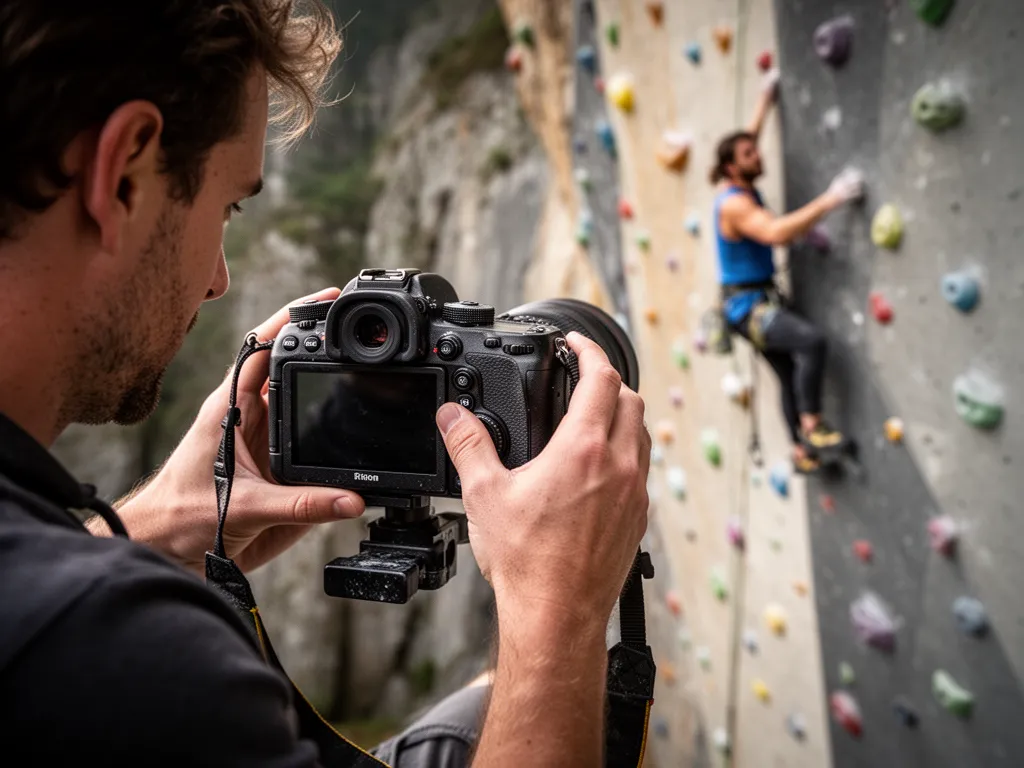
The job market is bigger than most new photographers realize. Here are three categories where real, paying opportunities are consistently available across the country.
College and University Athletics Departments
Athletic departments at schools of all sizes—Division I powerhouses down to small NAIA programs—hire staff photographers and contract freelancers year-round. They need game-day coverage, recruiting material, social media content, and archival documentation. These roles often come with benefits at the staff level and provide incredible volume of experience. Check university HR job boards directly, not just general job sites, for the most current postings.
Local and Regional News Outlets
Newspapers, regional sports networks, and digital news publications still employ photographers specifically for sports coverage. These roles are competitive but very much alive, especially at the regional level where wire service photos don't fully cover local high school and community college events. A solid portfolio of local sports work plus a willingness to shoot on deadline makes you a genuinely attractive candidate for these staff and freelance positions.
Team and League Photography Contractors
Minor league baseball teams, professional indoor football leagues, regional soccer clubs, and even large youth athletic organizations hire photographers on contract for full seasons. These gigs often include exclusive access, consistent pay, and the chance to develop a deep stylistic relationship with one organization. They're excellent resume builders and sometimes transition into staff roles or larger team contracts as your work quality and relationship with the organization grow.
Why Photographers at Every Level Trust Snapshot for Their Best Work
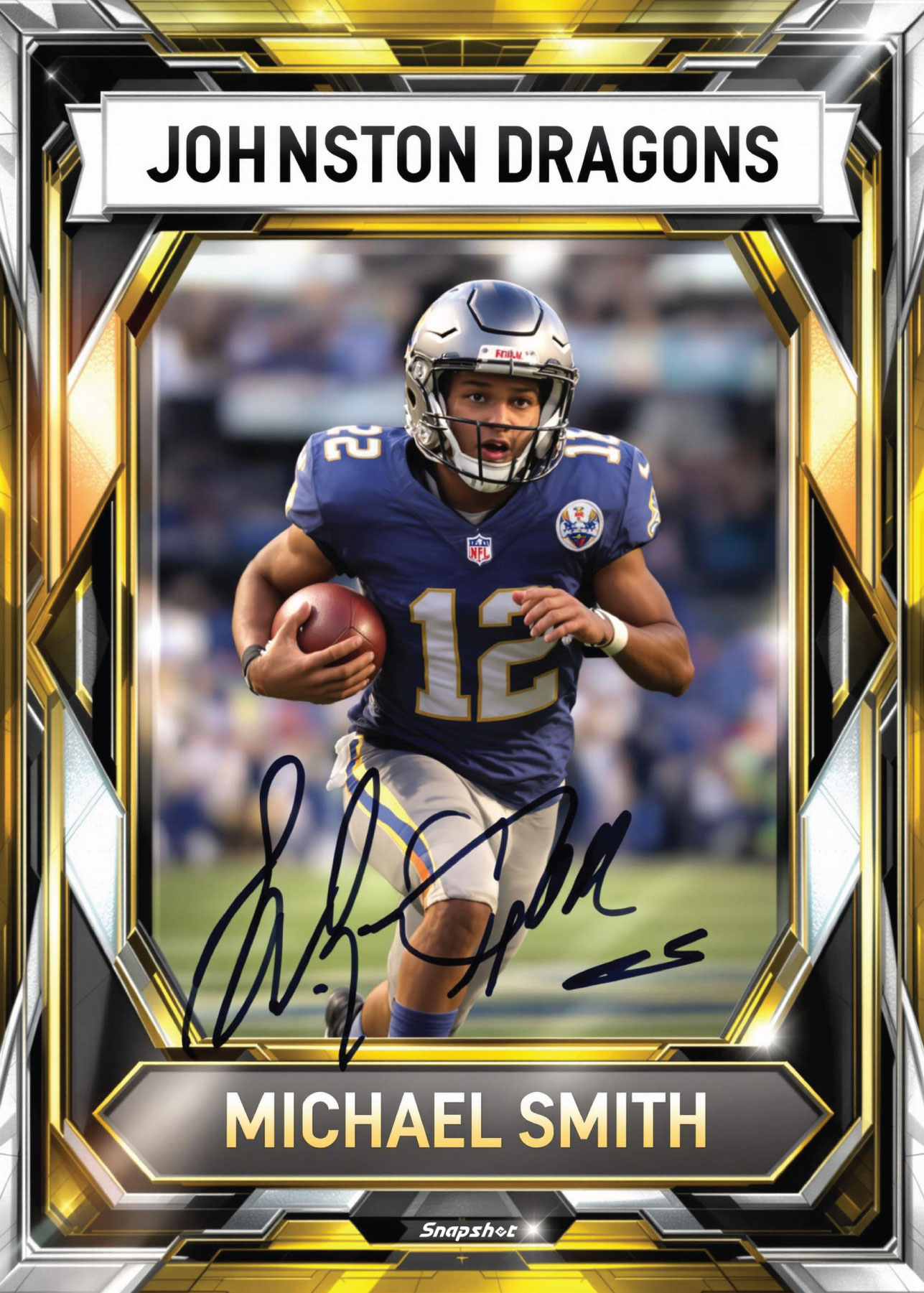
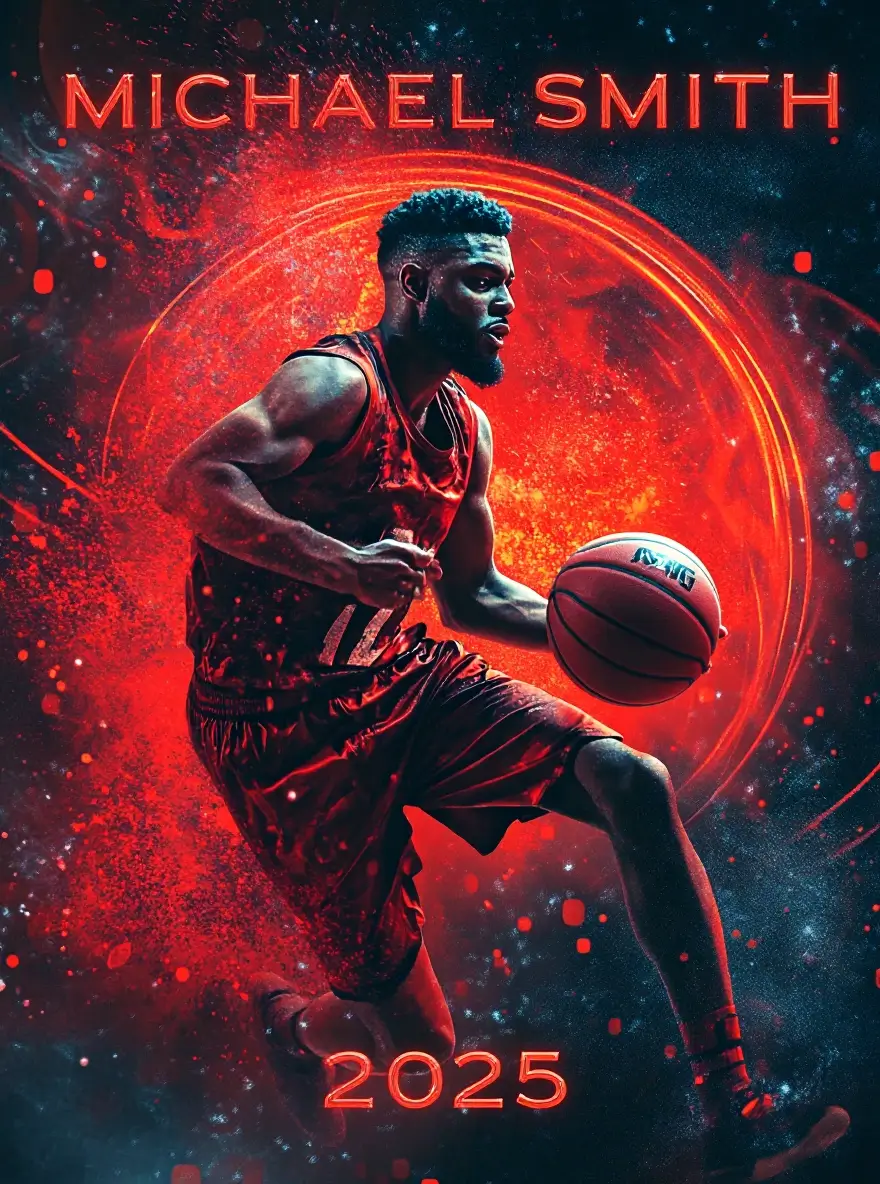
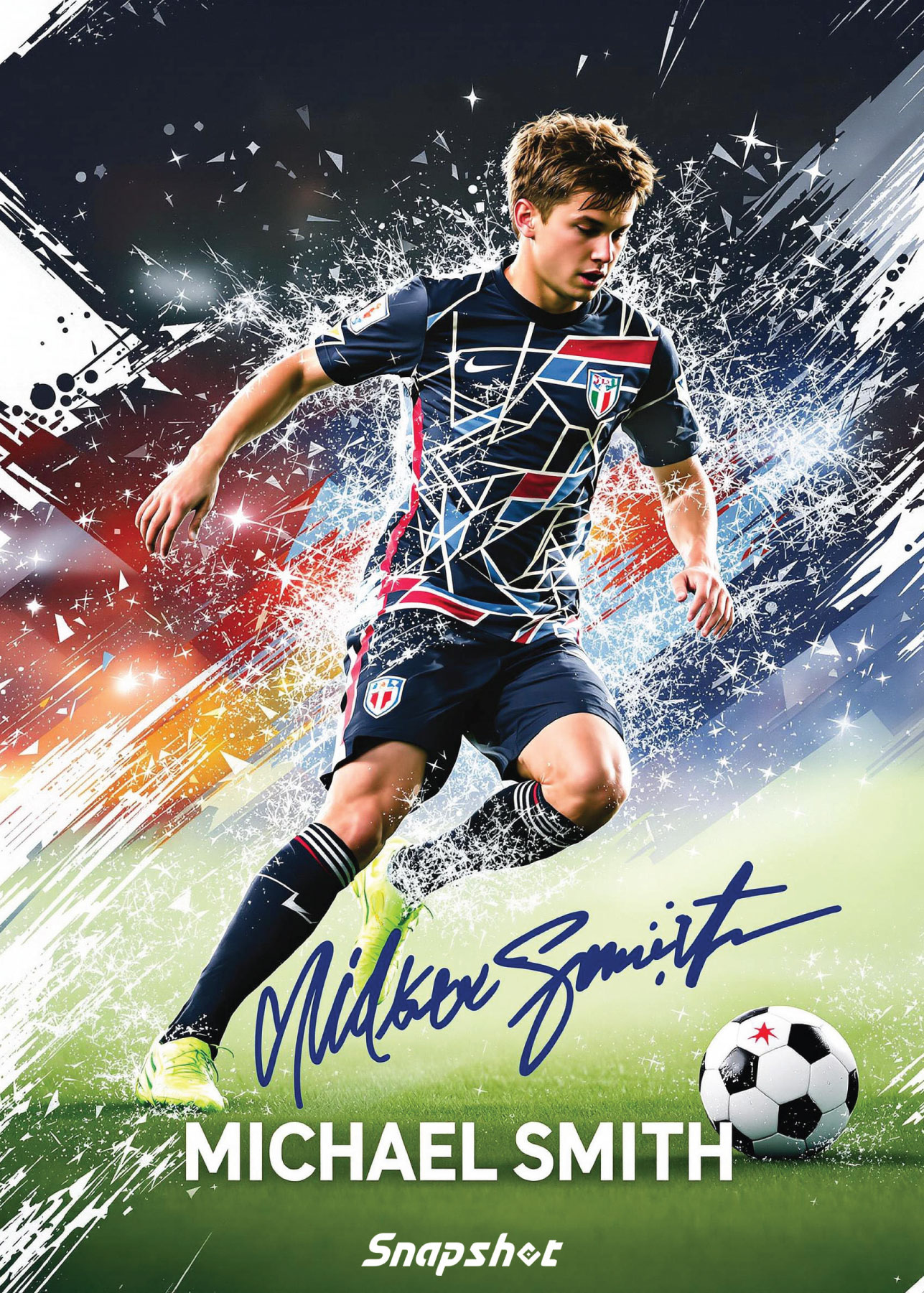
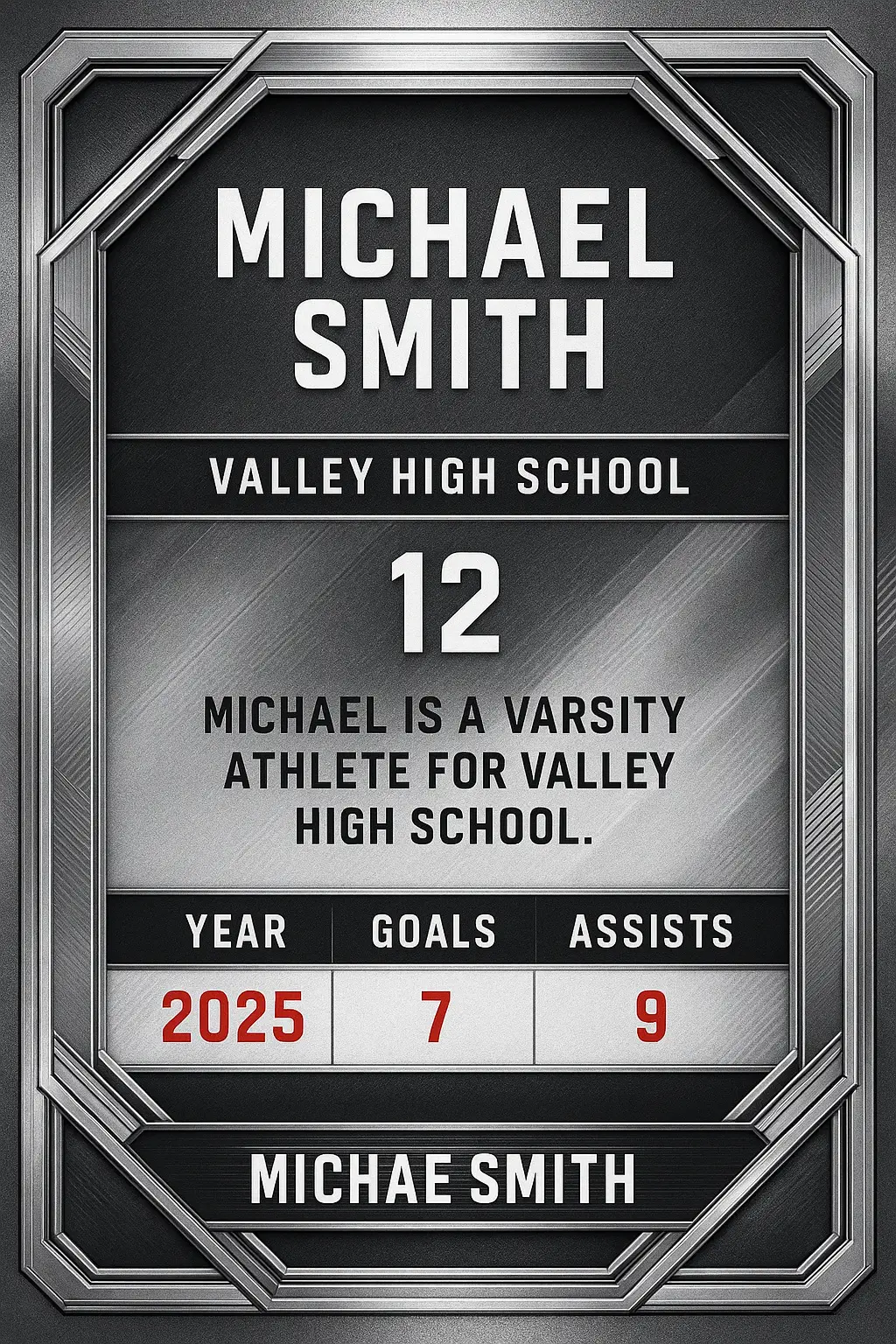
Photographers working jobs in sports photography across all 50 states have used Snapshot to transform their strongest images into premium custom trading cards—for athletes, teams, and personal portfolio showcases. We ship thousands of cards each month out of Des Moines, Iowa, and we hear constantly from photographers who give custom cards to their subjects as a deliverable that gets shared, displayed, and remembered far longer than a digital file ever is. When your photo becomes someone's trading card, your work stops being invisible.
Snapshot Pricing: Simple, Flat, and Worth Every Cent
Every order is printed on professional card stock in Des Moines, Iowa, and ships free anywhere in the USA within 2-3 days. No hidden fees, no minimums on single cards.
Single Card: $17.99 | Card Packs: up to $49.99 | MEGA Poster Card (11"×15"): $49.99 | Free shipping on all USA orders | Free magnetic case included
One great sports photo. One premium card. A physical deliverable your clients will actually keep—and show off—for years.


Where Sports Photography Jobs Actually Exist Right Now
Pursuing Jobs in Sports Photography? Make Your Best Shots Unforgettable
Every great sports photo deserves more than a hard drive folder. Upload your image, pick a pro template, and get premium custom trading cards printed and shipped in 2-3 days—free shipping included. Starting at $17.99, it's the easiest way to turn your work into something people actually hold onto.
No credit card required | Instant preview | Pro-quality designs
Explore More Card Options
Discover more custom trading card options for every sport and occasion
Custom Sports Photography Jobs
Create custom cards →
Custom Photography Jobs In Sports
Create custom cards →
Custom Pj Sports Photography
Create custom cards →
Custom Sports Photography
Create custom cards →
Custom Tk Sports Photography
Create custom cards →
Custom Photography Sports
Create custom cards →