
Nutrition for Young Athletes: A Parent's Buyer Guide
Your child trains hard every week. What they eat between practices shapes everything that happens during them.
Upload a photo of your player, pet or team, choose an available template, and preview your design before ordering a printed card.
Most parents searching for guidance on nutrition for young athletes run into the same wall: advice that's either too clinical or too vague to actually use. Broad recommendations like 'eat more protein' or 'stay hydrated' don't tell you what to pack in a pre-game bag, what to feed a 10-year-old after two hours of practice, or why your child seems exhausted by the third quarter. Without a clear framework, it's easy to default to whatever's convenient — and convenient doesn't always mean effective for a growing, competing kid.
This guide breaks nutrition for young athletes into practical, age-appropriate decisions parents can actually act on. You'll learn which nutrients matter most at different stages of a training week, how to time meals around practice schedules, and what common mistakes drain a young athlete's energy before the game even starts. And when your child earns a milestone worth remembering — first goal, tournament win, personal best — Snapshot's custom sports trading cards are a tangible way to celebrate the athlete they're becoming.
Start with the fundamentals, then work toward the details that genuinely move the needle for your young athlete.
Related Topics
We ship custom sports trading cards to families in all 50 states every single week, and we've seen firsthand how much it means to a young athlete to hold a card with their own photo on it.
What Do Young Athletes Gain from Proper Nutrition?
The benefits aren't just athletic — they're developmental, cognitive, and emotional. Here's what a well-fueled young athlete looks like compared to one running on convenience food.
Sustained Energy Across Full Games
Carbohydrates stored as glycogen are the primary fuel for high-intensity activity. When stores are topped off, athletes maintain speed and decision-making late in the second half — the moments that often decide outcomes. Poor carbohydrate intake shows up as fading performance in the final stretch.
Faster Recovery Between Sessions
Young athletes who practice three or four times a week need to recover quickly. Adequate protein — roughly 0.6 to 0.9 grams per pound of body weight daily for active youth — supports muscle repair. Without it, soreness lingers longer, and the next practice starts with a deficit.
Better Focus and Mood
The brain runs on glucose just like muscles do. Skipping meals or relying on highly processed snacks causes blood sugar swings that show up as irritability, poor concentration, and slow reactions. Steady, balanced eating keeps a young athlete mentally sharp from warm-up to final whistle.
Healthy Long-Term Development
Nutrition habits formed between ages 8 and 16 tend to stick. Teaching young athletes to connect food with performance — rather than restriction or reward — builds a relationship with eating that supports health well beyond their playing years. That's a gift worth prioritizing.
Free to design, instant preview. Free US standard shipping on orders $30+. Review delivery options at checkout.
Parents Across the Country Are Investing in Their Young Athletes
Every week, Snapshot ships custom sports trading cards to families in all 50 states — parents celebrating the athletes their kids are becoming, one milestone at a time. The same dedication parents put into nutrition planning, practice schedules, and travel weekends deserves a moment of recognition that lasts longer than a trophy shelf. A custom card does exactly that.
How Does Nutrition for Young Athletes Actually Work Day-to-Day?
Fueling a young athlete isn't a single meal — it's a repeating rhythm built around practice days, rest days, and competition. Understanding that rhythm makes the whole process far less overwhelming.
Build the Base: Everyday Eating
On non-practice days, the goal is recovery and growth. Carbohydrates replenish muscle glycogen, protein rebuilds tissue, and healthy fats support brain development — all of which matter enormously for kids still physically maturing. Aim for balanced meals with whole grains, lean protein, vegetables, and fruit. This isn't glamorous, but consistency here does more than any single 'superfood' ever will.
Time Meals Around Practice
A meal two to three hours before practice gives the body time to digest without discomfort. If practice is too close to mealtime, a light snack — banana with peanut butter, or a small cheese sandwich — works well. Post-practice is the critical window: within 30 to 45 minutes, a combination of carbohydrates and protein accelerates recovery. Chocolate milk is genuinely one of the most effective and accessible recovery options available.
Hydrate Before You Think You Need To
Thirst is a lagging indicator — by the time a young athlete feels thirsty during competition, they're already mildly dehydrated. Start hydration the night before a game day. Water is the primary tool; sports drinks have a role during sessions lasting longer than 60 to 90 minutes with high sweat output, but they shouldn't replace water as a daily habit. Urine color is the most practical at-home hydration check.
Nail these three steps consistently and you've covered roughly 80 percent of what nutrition for young athletes actually requires.
Pre-Game Day Nutrition Checklist for Parents
Run through this list the evening before a competition to make sure your young athlete is set up for their best effort.
- Hydration started: child drank at least 16 oz of water in the evening before game day
- Pre-game meal planned: balanced carb-and-protein meal timed 2 to 3 hours before start
- Snack bag packed: banana, pretzels, or a small sandwich for between-game recovery
- Water bottle filled and labeled with child's name
- Sports drink included only if session exceeds 90 minutes or heat is significant
- Post-game recovery meal or snack identified and ready for the 30-minute window after
- Heavy, high-fat foods avoided the night before and morning of competition
- Child got adequate sleep — 9 to 11 hours for ages 6 to 12, 8 to 10 hours for teens
Fueled vs. Under-Fueled: What Parents Actually See
The differences between a well-fueled young athlete and one running on empty aren't always obvious at warm-up. They show up most clearly in the second half.
| Category | Well-Fueled Athlete | Under-Fueled Athlete |
|---|---|---|
| Energy in final quarter | Maintains pace and decision speed | Visibly slower, more errors |
| Mood after practice | Tired but regulated, recovers quickly | Irritable, slow to bounce back |
| Injury frequency | Normal baseline for sport and age | Higher frequency, slower healing |
| Focus during school post-practice | Alert, able to complete homework | Difficulty concentrating, fatigue |
| Sleep quality | Falls asleep easily, sleeps deeply | Restless, slow to fall asleep |
| Recovery between sessions | Ready to train within 24 hours | Lingering soreness beyond 48 hours |
Which Situations Call for Different Nutrition Strategies?
Not every practice week looks the same. A travel tournament weekend requires a completely different approach than a standard Tuesday evening session. Here's how to adapt.
Tournament Weekends
Multiple games across one or two days create a recovery challenge most parents underestimate. Between games, the window for a full meal is often short — prioritize quick-digesting carbohydrates like white rice, bananas, or pretzels paired with a moderate protein source. Avoid high-fat, high-fiber foods that slow digestion. Start hydrating before the first game and don't wait for thirst to trigger a water break between rounds.
Early-Morning Practices
Six a.m. ice time or a 7 a.m. field session means eating before most kids want to. A small, easily digestible snack eaten 30 to 45 minutes before — a piece of toast with honey, a small smoothie, or a banana — is far better than nothing. Larger breakfasts can follow after practice. Skipping pre-practice fuel to avoid waking up earlier is one of the most common performance mistakes parents make.
Growth Spurts and High-Volume Training Phases
During a growth spurt, a young athlete's caloric needs can jump significantly and quietly. If your child is suddenly fatigued, losing strength, or getting injured more frequently, under-fueling during a growth phase is worth examining before looking at training load. Increasing portion sizes — especially carbohydrates and protein — during these periods supports both athletic performance and healthy physical development simultaneously.
Snapshot Pricing: Celebrate Every Milestone
Free US standard shipping on orders $30+ — $5.00 flat under that.
Single cards start at $17.99. Packs run up to $49.99. The MEGA 11×15 poster card — a genuine showstopper for any young athlete's room — is $49.99. Production takes one business day; shipping time is quoted at checkout for your address.
For less than the cost of a sports registration fee, you can give a young athlete a keepsake they'll still have decades from now. That's real value.
Box Options
Simple, collectible pricing. No subscriptions, no hidden fees.

The Rookie Box
Perfect for those unforgettable moments
$17.99 - $49.99

MEGA Card
Their moment, bigger than ever
$49.99
Create for free • Ships the next business day • Made in Des Moines, IA, USA
Frequently Asked Questions
What are the best pre-game snacks for young athletes?
The best pre-game snacks are high in carbohydrates, moderate in protein, and low in fat and fiber — foods that digest quickly and don't cause stomach discomfort during activity. Strong options include a banana with peanut butter, a turkey and white bread sandwich, low-fat yogurt with granola, or a small bowl of oatmeal with honey. Timing matters too: a full snack works best two to three hours before game time. If it's closer than 60 minutes, stick to something small and simple like a banana or a handful of pretzels.
Is protein powder safe for youth athletes?
For most youth athletes, protein powder isn't necessary and whole food sources are always preferred. Eggs, chicken, Greek yogurt, cottage cheese, beans, and milk all provide high-quality protein without the added ingredients found in supplements. Most youth athletes meet their protein needs through regular meals without supplementation. That said, if a child genuinely struggles to eat enough whole food protein due to a packed schedule, a plain, low-ingredient protein shake can fill a gap. Consult a pediatrician or registered dietitian before introducing any supplement to a child's routine.
Should young athletes use sports drinks, or is water enough?
Water is sufficient for most youth athletic activities under 60 minutes in moderate conditions. Sports drinks become genuinely useful during prolonged, high-intensity sessions — think 90-minute tournament games in summer heat — because they replace sodium and electrolytes lost through sweat in addition to fluids. The problem is that many kids consume sports drinks as everyday beverages, adding unnecessary sugar without a performance benefit. Reserve them for the situations where they earn their place: long sessions, hot conditions, or back-to-back games with minimal recovery time between.
What should a young athlete eat after a game or practice?
The 30 to 45 minutes after practice or competition is when the body is most receptive to refueling. A combination of carbohydrates and protein is the target — the carbs replenish depleted glycogen stores and the protein begins muscle repair. Practical options include chocolate milk, a turkey sandwich, peanut butter on toast with a glass of milk, or rice with chicken. Don't skip the post-practice meal even if your child isn't very hungry — appetite can be blunted right after intense effort but recovery still needs fuel to happen.
How do I handle picky eaters who are also active in sports?
Picky eating and athletic performance don't have to be in constant conflict. The strategy most dietitians recommend is broadening the accepted food list gradually rather than forcing new foods — repeated low-pressure exposure tends to work better than pressure at the dinner table. Focus on making sure the foods a child does eat cover the major nutrient categories. If a young athlete reliably eats eggs, bread, fruit, pasta, and a few vegetables, they're likely covering their bases. Smoothies are a useful workaround for adding nutrition without triggering texture or flavor sensitivities.
Does nutrition matter differently for boys and girls in youth sports?
Before puberty, nutritional needs are largely similar between boys and girls. Once puberty begins, the differences become more pronounced. Adolescent girls are at higher risk for iron deficiency due to menstruation, which can significantly impact endurance and energy levels — iron-rich foods like red meat, spinach, lentils, and fortified cereals deserve particular attention. Adolescent boys typically have higher caloric and protein needs as muscle mass increases rapidly. Both groups need adequate calcium and vitamin D for bone development during years when peak bone mass is still being established.
What are the warning signs that a young athlete isn't eating enough?
Under-fueling in youth athletes is often subtle at first. Watch for persistent fatigue that doesn't improve with rest, declining performance despite consistent training, frequent illness or injury, difficulty concentrating in school, mood changes, or unexplained weight loss. In adolescent girls, loss of menstrual periods can indicate under-fueling serious enough to affect hormonal health. The condition known as Relative Energy Deficiency in Sport, or RED-S, is increasingly recognized in youth athletes of all genders. If multiple warning signs appear together, a conversation with a sports medicine physician or registered dietitian is worth having promptly.
How can parents build better nutrition habits without making food a stressful topic?
The goal is performance-focused framing rather than appearance or restriction. Conversations that connect food to how a child feels during a game — 'remember how strong you felt after that pregame meal?' — tend to build healthier long-term habits than conversations about weight or body composition. Keep a variety of quality foods accessible at home without labeling anything as forbidden. Involve young athletes in grocery shopping or meal prep when possible — kids who participate in food preparation are measurably more likely to eat a wider range of foods. Make fueling feel like part of training, not separate from it.
How does Snapshot fit into celebrating a young athlete's journey?
Nutrition, practice, and dedication are investments that accumulate over months and seasons. When a young athlete reaches a milestone — whether that's a first tournament, a season-best performance, or just finishing a tough training year — a custom Snapshot sports trading card makes that moment permanent. You upload a photo, choose from professional sports-card templates, and we print it on premium card stock and ship it to your door in two to three days with a free magnetic case. It's a concrete, lasting way to tell a young athlete that the work they're putting in is seen and worth celebrating.
Free to design, instant preview. Free US standard shipping on orders $30+. Review delivery options at checkout.




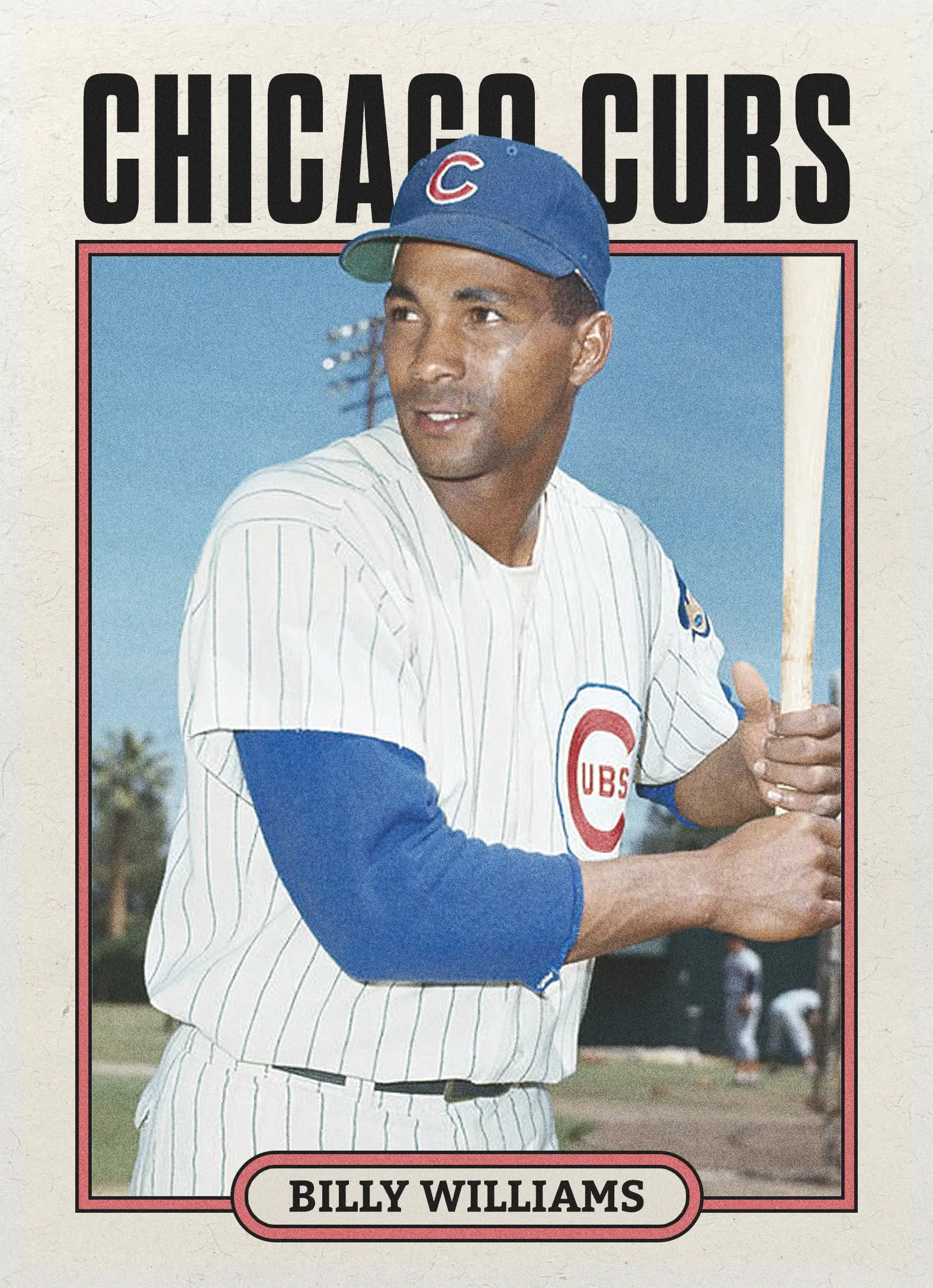
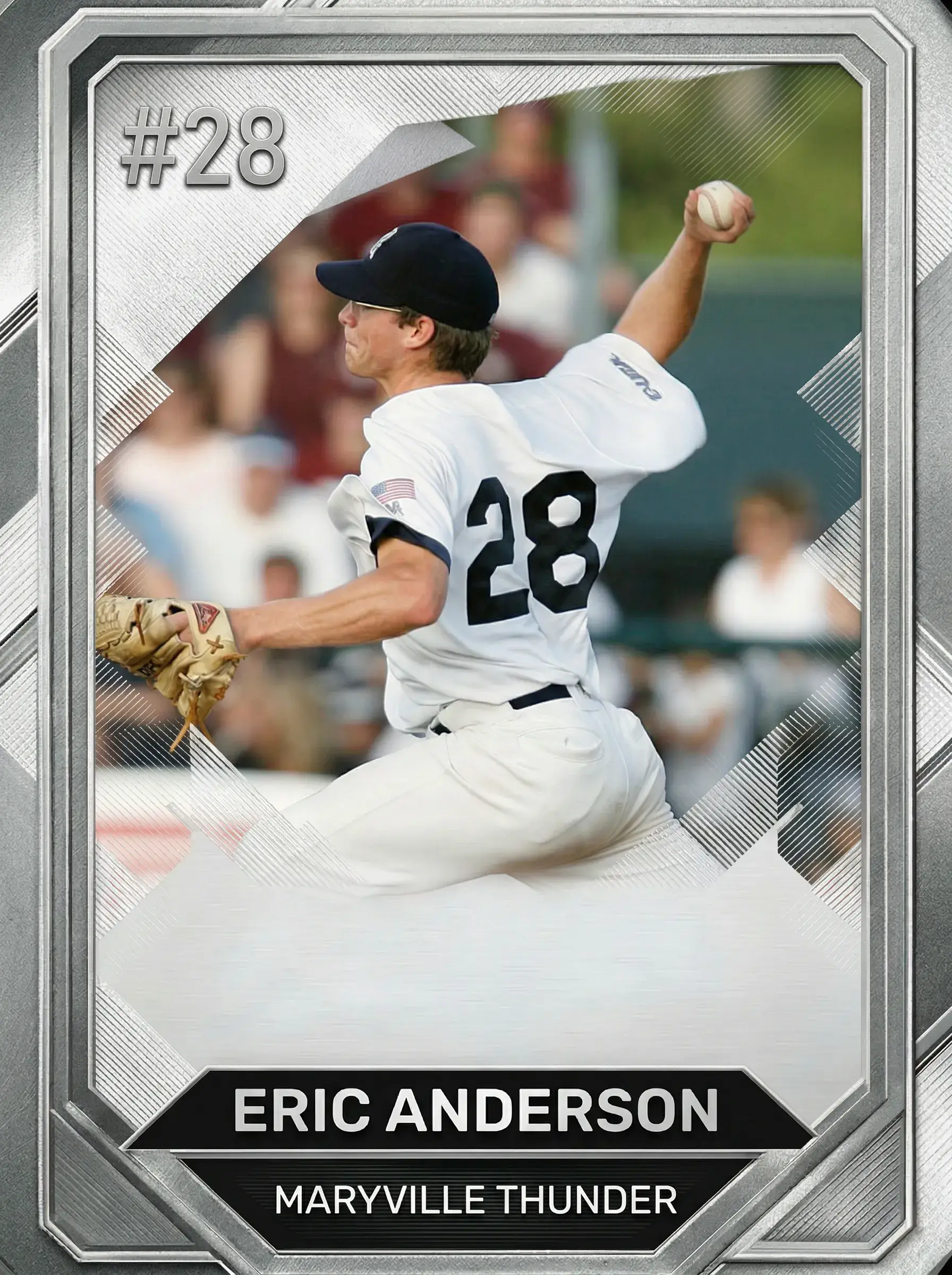
Celebrate the Young Athlete Fueling Their Best Performance
You've invested in nutrition for young athletes — the right foods, the right timing, the right habits. Now invest two minutes in a custom Snapshot card that captures who they are right now. Upload a photo, pick a template, and we'll handle the rest. Free shipping over $30. Ships in 2 to 3 days.
Build Their CardNo credit card required | Instant preview | Pro-quality designs
Explore More Card Options
Discover more custom trading card options for every sport and occasion