
Strength and Conditioning Training for Young Athletes: Myth vs Fact
Half of what parents believe about lifting weights before puberty is flat wrong — and it's costing kids strength they'll need for years.
Upload a photo of your player, pet or team, choose an available template, and preview your design before ordering a printed card.
Search any parenting forum and you'll find wildly conflicting advice on strength and conditioning training for young athletes. One thread says weights stunt growth. Another insists kids should be squatting by age eight. Coaches disagree, pediatricians hedge, and parents end up doing nothing or overdoing it out of confusion. Meanwhile, youth sports injury rates keep climbing, and a lot of those injuries trace back to muscles and joints that simply weren't prepared for the demands being placed on them.
The research on strength and conditioning training for young athletes is actually pretty settled, even if the internet chatter isn't. Properly supervised programs don't stunt growth — they build coordination, bone density, and injury resilience that carry into the teen years. This page separates the myths from what the evidence actually shows, section by section, so you can make decisions based on data instead of gym-parking-lot rumors.
Let's start with what a real program looks like before we tackle the myths head-on.
Related Topics
We ship custom cards to youth teams and training programs in all 50 states every week, including plenty celebrating off-season strength milestones.
Frequently Asked Questions
At what age should kids start strength and conditioning training?
Most pediatric sports medicine guidelines suggest kids can start structured strength work as young as seven or eight, as long as the program is appropriate for their developmental stage. At that age, training looks like bodyweight squats, animal-crawl patterns, and basic coordination drills rather than anything resembling adult weightlifting. The goal early on is movement literacy, not maximal strength, and that foundation matters more than people realize. Around age eleven or twelve, once movement patterns are solid, light external resistance can be introduced gradually. By the young teen years, kids can handle more traditional strength programming with proper supervision and progressive loading. The exact starting age matters less than the quality of coaching and the appropriateness of the program for that child's current ability. A mature eight-year-old with good coordination might be ready sooner than an uncoordinated eleven-year-old, so individual assessment beats any hard age rule.
Do kids need special equipment to get started?
Not at all, and this surprises a lot of parents who assume they need a home gym before their kid can begin. Bodyweight movements — squats, lunges, push-ups, planks, and simple jumps — cover the vast majority of what a young athlete needs in the first year or two of training. Resistance bands are inexpensive and versatile, offering just enough load to build strength without the risk profile of heavy weights. Medicine balls and light dumbbells can be added later once movement quality is established and a coach is comfortable progressing the athlete. What actually matters far more than equipment is coaching quality — someone who can spot poor mechanics and correct them before bad habits set in. Plenty of youth programs run entirely out of a school gym or even a backyard with minimal gear. If you're evaluating a program, ask about coaching credentials and group size before asking about the equipment list.
How many days a week should a young athlete train?
Two to three non-consecutive days per week is the sweet spot for most young athletes, especially those still developing basic strength and movement skills. This frequency allows enough stimulus to build strength and coordination while leaving adequate recovery time, which growing bodies need more than adults typically do. Daily training, particularly at high intensity, increases overuse injury risk without producing proportionally better results — more isn't automatically better here. For multi-sport athletes already getting several hours of practice and games each week, two dedicated strength sessions often suffice since the sport itself provides conditioning volume. Single-sport athletes in an off-season block might handle three sessions since practice volume is lower. The right frequency also depends on total workload across school, sport, and social life — a packed schedule calls for fewer, more efficient sessions. A good coach adjusts frequency based on how the athlete is recovering, not just a fixed calendar.
What's the difference between strength training and conditioning?
Strength training focuses on building force production — how much a muscle can generate against resistance — through movements like squats, presses, and rows performed with progressively heavier load. Conditioning, on the other hand, targets the energy systems that fuel sustained or repeated effort, like sprinting, jumping, or playing a full game without gassing out. Both matter for young athletes, but they train different qualities and often get confused as the same thing. A kid can be strong in the weight room but poorly conditioned for a 90-minute soccer match, or vice versa. Good programs blend both, dedicating certain sessions to force production and others to work capacity and recovery between efforts. The ratio shifts depending on sport demands — a sprinter needs different conditioning than a distance runner or a lineman. Understanding this distinction helps parents ask better questions when evaluating a program, since a coach who can explain the difference clearly usually knows what they're doing.
Can strength training help prevent sports injuries?
Yes, and the evidence here is some of the strongest in all of youth sports medicine. Multiple long-term studies tracking youth athletes show that structured strength programs reduce non-contact injuries — ACL tears, ankle sprains, hamstring strains — by roughly a third compared to athletes who don't train outside their sport. The mechanism makes sense biomechanically: stronger muscles and tendons absorb force better, and improved movement control reduces the awkward positions that lead to injury. Programs that specifically include landing mechanics, deceleration drills, and single-leg stability work show even stronger injury-reduction numbers, particularly for ACL prevention in adolescent girls. This doesn't mean injuries become impossible — contact sports carry inherent risk no program eliminates. But the data consistently favors athletes who train proactively over those who rely solely on sport practice for physical preparation. If injury prevention is your main concern as a parent, ask whether a program includes landing and deceleration work specifically, since general strength alone captures only part of the benefit.
Will lifting weights make my child bulky or hurt their agility?
This worry comes up constantly, especially with parents of athletes in sports like gymnastics, soccer, or dance where leanness feels important. The reality is that prepubescent and early-adolescent bodies lack the hormonal environment needed for significant muscle bulk, regardless of training volume. What strength training actually produces at this age is neuromuscular improvement — better coordination between brain and muscle — rather than dramatic size increases. Agility, if anything, tends to improve with strength training because better force production and joint stability support quicker, more controlled movement. Athletes who train properly often become more explosive off the line and quicker to change direction, not slower or stiffer. The bulky, muscle-bound outcome parents picture typically requires years of specific hypertrophy-focused training combined with a caloric surplus, which isn't what youth programs are built around. If a program is producing genuinely bulky results in a twelve-year-old, that's a sign of unusual programming, not a normal outcome.
How do I find a qualified strength coach for my young athlete?
Start by asking about certifications specific to youth training, such as credentials from the National Strength and Conditioning Association or similar accredited bodies, since general personal training certs don't always cover pediatric-specific considerations. Ask how the coach structures progression — a good answer mentions movement assessment before loading, not just a generic workout plan applied to every kid. Watch a session if possible, and pay attention to group size; a coach overseeing fifteen kids alone can't correct individual form effectively. Ask what happens when a kid shows poor technique — the answer should involve regression to an easier variation, not pushing through with worse form. It's also worth asking how the coach communicates with parents about progress and any concerns, since transparency signals professionalism. Local youth sports organizations, physical therapy clinics, and even school athletic departments often maintain referral lists of vetted coaches. Word of mouth from other sports parents tends to be reliable too, especially if you can ask specifically about injury history under that coach's programs.
What's a common mistake parents make with youth strength training?
The most common mistake is treating strength training like an extracurricular to schedule around everything else, rather than an integrated part of the athlete's overall workload. Parents often add strength sessions on top of an already packed practice and game schedule without reducing volume elsewhere, which leads straight to overtraining and burnout. Another frequent error is chasing intensity too early — wanting to see heavier weights or faster progress before the athlete has mastered basic movement patterns. This rushes the foundational phase that actually prevents injury down the road. Some parents also assume more sessions automatically mean better results, when recovery is just as critical a variable as the training stimulus itself. A third mistake is ignoring sleep and nutrition, both of which matter enormously for a growing body recovering from training stress. Finally, some parents disengage entirely, assuming the coach handles everything, when staying informed about programming and progress actually helps catch problems — like persistent soreness or fatigue — before they become bigger issues.
How long before we see results from a structured program?
Coordination and movement quality improvements often show up within the first four to six weeks, even before measurable strength gains appear on paper. This is sometimes called the neural adaptation phase — the nervous system gets better at recruiting muscles efficiently before the muscles themselves change much. Actual strength gains, measurable through things like a heavier squat or more push-ups, typically become noticeable around eight to twelve weeks into consistent training. Conditioning improvements, like recovering faster between sprints, tend to follow a similar timeline. Visible physical changes, if they happen at all at this age, take considerably longer and are usually modest compared to strength and performance gains. Patience matters here — parents sometimes expect NFL-training-camp transformations in a few weeks, and that's not realistic or appropriate for a growing athlete. The more meaningful markers are things like improved confidence, better mechanics during actual games, and fewer nagging injuries over a season, all of which take a full training cycle to show clearly.
Is strength training safe for kids with growth plates still open?
Yes, extensive research confirms that properly supervised resistance training is safe for athletes with open growth plates, and no credible study links appropriate strength training to growth plate injury. The injuries that do occur in youth strength training almost always trace back to poor supervision, improper technique, or excessive load applied too quickly — not the presence of open growth plates themselves. In fact, some evidence suggests loaded movement during these years may support healthy bone development by stimulating mineral density at a critical developmental window. The key safety factors are qualified coaching, appropriate load progression, and technique correction before problems compound. Growth plate injuries in youth sports are far more commonly caused by acute trauma in contact sports or overuse from repetitive single-sport specialization than from a well-run strength program. Parents concerned about this should focus their vetting energy on coaching quality and program structure rather than avoiding strength training altogether, since avoidance actually removes a protective factor against other injury types.
Can strength and conditioning help with sports beyond just physical performance?
Absolutely, and this is an underappreciated benefit that shows up consistently in coach and parent feedback. Athletes who commit to a structured training routine often develop better time-management skills simply from balancing training, practice, and schoolwork on a consistent schedule. The discipline of showing up for early-morning sessions or pushing through a tough conditioning circuit builds mental resilience that transfers to academic pressure and other challenges. Kids also report feeling more confident in their bodies generally, which can influence everything from posture to social interactions at school. Team-based training environments, common in group strength programs, build communication and encouragement skills as young athletes support each other through difficult sets. Some coaches even report improved classroom focus among athletes who train regularly, likely tied to better sleep habits and stress management that often accompany consistent exercise. None of this replaces the physical benefits, but it's worth remembering that a good program shapes more than just the athlete's body.
How does Snapshot fit into celebrating a young athlete's training progress?
After a season of early mornings, sore muscles, and hard-won personal records, a lot of families like having something tangible to mark that progress, and that's where Snapshot comes in. You upload a photo — maybe from the last day of a strength camp or a personal-best lift — and choose from pro-style sports card templates built to make that moment feel official. Single cards start at $17.99, packs run up to $49.99, and the MEGA 11x15 poster card at $49.99 works well for a whole team's off-season achievements displayed together. It's a small gesture, but for a kid who just finished a grueling conditioning block, holding a card that looks like something from a real trading pack lands differently than a certificate ever could. Coaches sometimes order sets for an entire training group as a season-ending gift, which turns an individual keepsake into a shared team memory too.
Free to design, instant preview. Free US standard shipping on orders $30+. Review delivery options at checkout.
How Does Strength and Conditioning Training for Young Athletes Actually Work?
A well-built program moves through predictable stages tied to a child's development, not a rigid age cutoff.
Movement Literacy First
Before anyone touches a barbell, kids need to master bodyweight patterns — squatting, hinging, lunging, pushing, pulling, and bracing. This phase usually runs 8-12 weeks and focuses on control, not load. A coach watches for compensations, like knees caving in during a squat, and corrects them early. Skipping this stage is the single biggest reason young athletes get hurt once weights enter the picture.
Progressive Loading
Once movement quality is solid, light external load gets introduced — resistance bands, medicine balls, or empty bars. Loads increase only when form stays clean under fatigue, not on a fixed schedule. This is where strength and conditioning training for young athletes starts producing measurable gains in power and stability, typically over a 12-16 week block with two to three sessions weekly.
Sport-Specific Conditioning
The final stage layers in movements that mirror the athlete's sport — change of direction, deceleration, jumping mechanics, and energy-system work matched to game demands. This is also where injury-prevention screening gets built into warmups permanently. Programs at this stage often run year-round, adjusting intensity around the competitive season.
Each phase builds on the last — rushing the sequence is where most injuries and burnout start.
A Realistic 12-Month Progression for Young Athletes
Months 1-2
Movement literacy — bodyweight squats, hinges, and core control, no external load, twice weekly.
Months 3-5
Light resistance introduced with bands and medicine balls; technique still the priority over load.
Months 6-9
Progressive loading with light dumbbells or barbells, sport-specific conditioning layered in.
Months 10-12
Peak preparation phase ahead of competitive season, with injury-prevention screening built into every warmup.
What Are the Real Benefits of Structured Youth Training?
The upside goes well beyond getting stronger for the next game.
Lower Injury Rates
Studies tracking youth athletes over multiple seasons show structured strength programs cut non-contact injuries — think ACL tears and ankle sprains — by roughly a third. Stronger tendons and better movement control absorb forces the body used to take unprepared.
Better Bone Density
Loaded movement during growth years stimulates bone mineral density more effectively than almost any other activity, including running. That density pays off well past the playing years, reducing fracture risk into adulthood.
Improved Motor Skills
Kids who train movement patterns deliberately develop better balance, coordination, and reaction time than peers who only play their sport. That translates to cleaner mechanics on the field, not just in the weight room.
Confidence That Carries Over
Mastering a new lift or hitting a personal best builds a kind of self-assurance that shows up in school and social settings too. Coaches consistently report better focus and coachability in athletes who train consistently.
Where Does This Training Fit Into a Young Athlete's Week?
Programs look different depending on age, sport, and how many other commitments a kid is juggling.
The Multi-Sport Kid
A 10-year-old playing soccer in fall, basketball in winter, and baseball in spring needs general athletic development, not sport-specific overload. Two 30-minute sessions a week focused on movement quality and light conditioning keep them durable across all three seasons without adding burnout risk.
The Single-Sport Specialist
A 14-year-old committed to one sport year-round benefits from periodized strength blocks that peak around tryouts or championship stretches. Here, strength and conditioning training for young athletes gets more targeted — building the specific power and endurance their sport demands most.
The Post-Injury Comeback
A young athlete returning from a sprain or growth-plate issue needs a conditioning plan built around clearance from a physical therapist, with gradual reintroduction of load. This is the scenario where cutting corners costs the most, since re-injury rates spike when kids return too fast.
What Do Coaches and Trainers Actually Report?
Youth performance coaches across the country consistently report that athletes who complete a full off-season strength block show up to preseason tryouts noticeably more confident and less fatigued during conditioning tests. Physical therapists working with youth sports programs also note fewer repeat visits for overuse injuries among kids in structured programs compared to those training on their own.
None of this requires elite facilities — consistency and good coaching matter more than equipment.
How Much Does It Cost to Celebrate a Season of Hard Training?
Snapshot custom cards turn a season of strength gains and personal records into something a young athlete can actually hold onto.
Rookie Box $17.99-$49.99, MEGA 11"x15" poster card $49.99, free shipping over $30 across the USA
Free US standard shipping on orders $30+ — $5.00 flat under that.
Box Options
Simple, collectible pricing. No subscriptions, no hidden fees.

The Rookie Box
Perfect for those unforgettable moments
$17.99 - $49.99

MEGA Card
Their moment, bigger than ever
$49.99
Create for free • Ships the next business day • Made in Des Moines, IA, USA



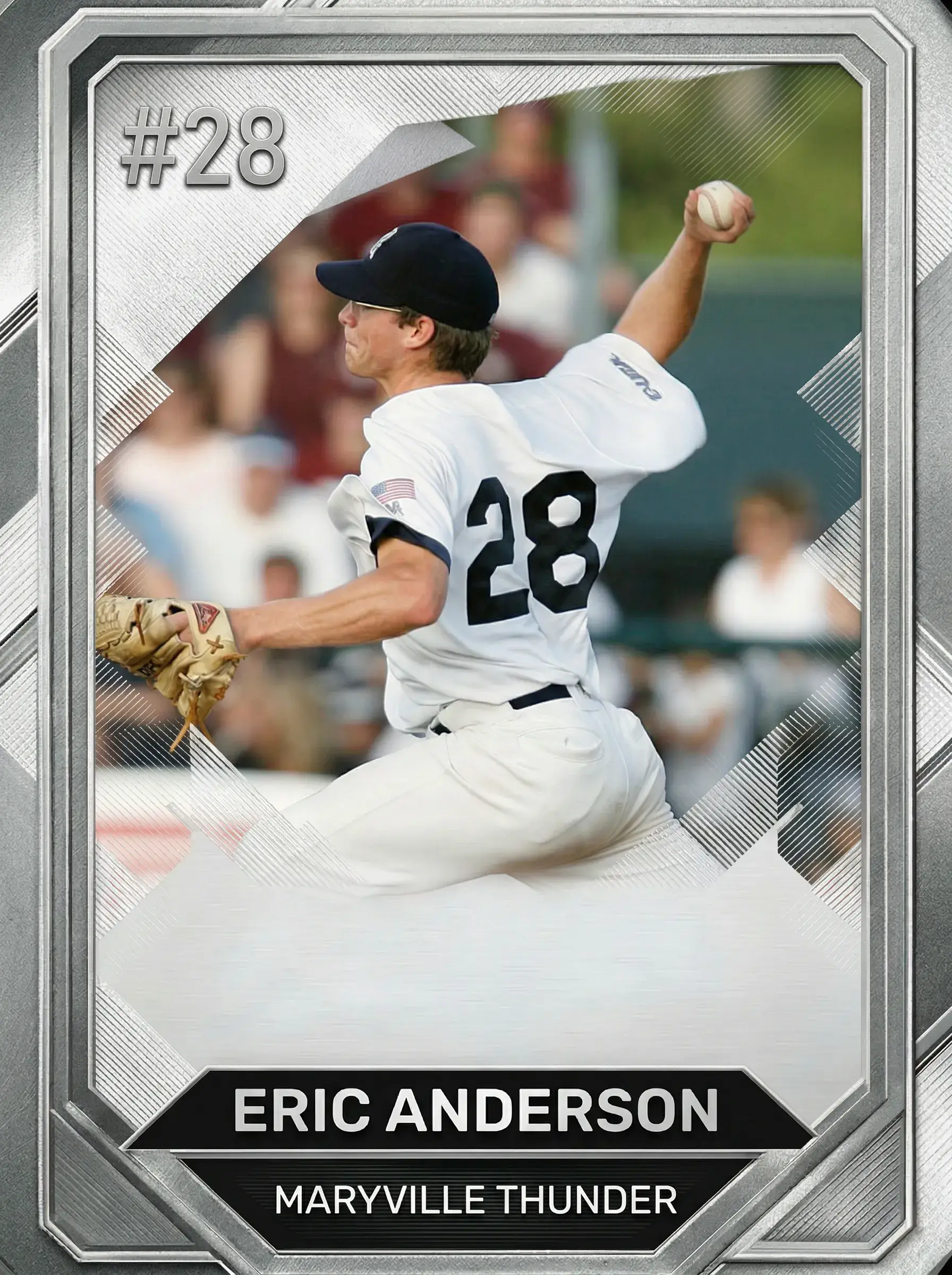

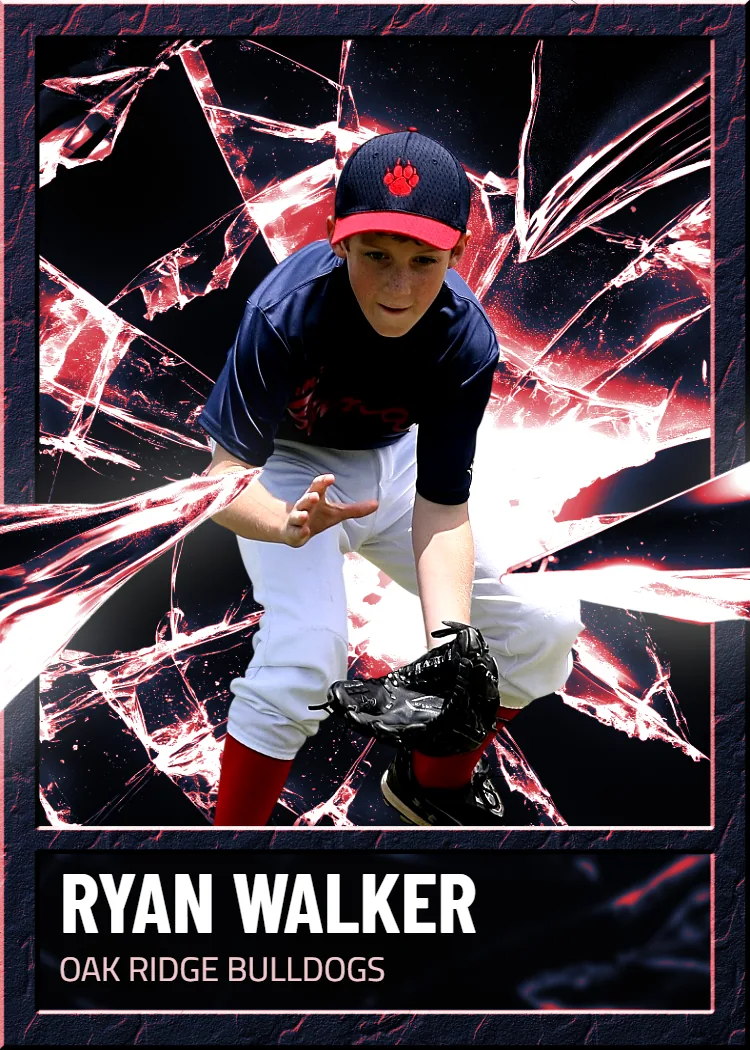
Turn Strength and Conditioning Training for Young Athletes Into a Lasting Memory
Every squat, sprint, and personal record deserves more than a sore-muscle memory. Upload a photo from training and get a custom Snapshot card printed on premium card stock, shipped free over $30 in 2-3 days.
Create Your Card NowNo credit card required | Instant preview | Pro-quality designs
Explore More Card Options
Discover more custom trading card options for every sport and occasion