
Sports on Resume: What Counts and What Doesn't
A lot of athletes undersell themselves on paper — not because they lack achievements, but because they frame them wrong.
Upload a photo of your player, pet or team, choose an available template, and preview your design before ordering a printed card.

Including sports on resume sections isn't as simple as listing your sport and calling it done. Recruiters, coaches, and admissions officers see hundreds of athletes who write 'played varsity soccer' without connecting that experience to anything meaningful. If your athletic background doesn't translate into specific, provable qualities — leadership, time management, resilience under pressure — it reads like a line item instead of a differentiator. Most players genuinely don't know what's worth including, what framing actually works, or how to make their athletic identity feel real and credible to someone reading a stack of applications.
The good news: sports experience is genuinely valuable — you just have to present it right. This page breaks down the myths and facts around putting sports on resume documents, gives you a clear checklist of what to include, and shows how a Snapshot custom trading card works as a tangible proof piece that backs up everything you've written. Production takes one business day; shipping time is quoted at checkout for your address.
Let's separate what actually works from what wastes resume space.
Related Topics
We ship custom cards to athletes in all 50 states every single week, and we've seen firsthand how a well-made card changes the way coaches and recruiters respond to a player's story.
Why Athletes Across the Country Choose Snapshot
Snapshot ships custom sports trading cards to players in all 50 states every week — from high school athletes building college recruitment packets to adult league players who want a professional-quality keepsake of their career. Every card is printed and packaged in Des Moines, Iowa, and arrives with a free magnetic case that protects the card and makes it display-ready from day one.
Players consistently tell us the card makes their athletic story feel real in a way that words on paper alone don't.
Who Should Actually Include Sports on Resume Applications
The answer isn't 'everyone' — but it covers more people than you might expect. Here's where athletic experience carries the most weight.
Recent Graduates with Limited Work History
If you're graduating with a thin professional background, your athletic career may be your most substantial evidence of discipline and sustained performance. A four-year collegiate sport — even at the club or NAIA level — shows more about your character than a summer internship often does. Frame it as a full-time commitment that ran parallel to your academic workload and it holds up.
Athletes Pursuing Sports Industry Roles
If you're applying to work in athletic administration, youth coaching, sports media, event management, or recreation programming, your playing background isn't background information — it's directly relevant experience. Name your sport, your level, and what the competitive environment taught you about the industry you're entering. First-hand athletic perspective is something a non-athlete candidate simply can't offer.
Players Entering Competitive or High-Performance Workplaces
Sales, finance, military, first responder roles, and similar fields actively value athletic backgrounds because they self-select for people who perform when the stakes matter. In these contexts, specifically noting team sport experience, leadership roles, or high-volume competitive seasons signals exactly the temperament these employers are hiring for. Don't bury it at the bottom of the page.
Free to design, instant preview. Free US standard shipping on orders $30+. Review delivery options at checkout.
How to Put Sports on Resume Sections the Right Way
Three steps separate a forgettable athletic credential from one that genuinely strengthens your application. Follow this sequence and you'll stop underselling what you've actually done.
Translate Athletic Experience into Professional Language
Don't just name the sport — describe what it demanded of you. 'Competed in NCAA Division II cross-country while maintaining a 3.4 GPA' tells a different story than 'ran cross-country.' Quantify where you can: years of participation, leadership roles, hours of weekly training commitment. Specific numbers make vague claims credible and give the reader something concrete to hold onto.
Connect Athletic Qualities to the Role You're Targeting
Every sport builds transferable skills — but you have to name the connection explicitly. Captaining a team demonstrates leadership. Competing through injury shows follow-through. Training year-round while balancing academics proves time management. Don't assume the reader makes that leap for you. One or two targeted sentences showing how your sport made you better at exactly the thing they need is far more persuasive than a bullet point.
Add a Physical Proof Piece That Stands Out
A Snapshot custom sports trading card gives your athletic background a tactile, memorable form. Upload your best action shot, choose a professional card template, and we'll print it on premium card stock with your stats and highlights. Include it with a portfolio, hand it at a combine, or bring it to an in-person interview. It's one of the few resume supplements that people actually keep.
Get those three elements working together and your sports background becomes an asset, not an afterthought.
Why Athletic Experience on a Resume Still Carries Real Weight
The benefits aren't just about standing out — they're about proving qualities that are genuinely hard to demonstrate any other way.
Demonstrated Commitment Over Time
Years of athletic participation — especially through high school and college — prove sustained effort in a way that short-term projects can't. Recruiters know it's hard to fake a four-year varsity career. That kind of consistent commitment reads as reliability before you've said a word about your work ethic.
Coachability and Adaptability
Athletes who've played under multiple coaches, adapted to new systems, or changed positions on a team have a documented track record of adjusting quickly. That translates directly to any workplace that evolves, pivots, or requires you to take direction without ego getting in the way.
High-Stakes Performance Experience
Competing in elimination rounds, performing under a scoreboard, or playing injured in a playoff game — these aren't just motivational anecdotes. They're evidence that you've operated under real pressure and still executed. That's a quality most candidates can only claim in theory.
Team Accountability and Leadership
Any team sport puts you in situations where letting your teammates down has immediate, visible consequences. That builds a kind of accountability you don't develop in solo pursuits. Employers know this, and a well-framed sports credential gives them confidence you'll show up for the people around you.
Sports on Resume: What to Include vs. What to Cut
- Sport name, level of competition (varsity, collegiate, club, travel), and years of participation
- Any formal leadership role — captain, team rep, position leader, or unofficial mentor
- Quantifiable achievements: conference honors, personal records, roster rank, team GPA impact
- The coachable skills developed: adaptability, high-pressure performance, team accountability
- Commitment metrics: hours per week trained, seasons completed, academic load carried simultaneously
- Recreational or social league sports unless directly relevant to the role or company culture
- Sport names listed without any context, description, or transferable skill connection
- High school experience if you're 10+ years out and have stronger professional credentials
- Generic phrases like 'team player' or 'hard worker' without evidence to back them up
- Lengthy play-by-play game narratives that don't connect to professional relevance
Weak vs. Strong: Sports on Resume Language Side by Side
| Category | Weak | Strong |
|---|---|---|
| Sport Listing | Played soccer in college | Competed as a starting midfielder on a 22-player NCAA Division III roster for four consecutive seasons |
| Leadership Claim | Was team captain | Served as team captain junior and senior year; coordinated weekly film sessions and communicated player concerns to coaching staff |
| Achievement | Won some awards | Earned All-Conference recognition twice; team finished top-4 in regional standings both seasons |
| Transferable Skill | Sports taught me teamwork | Managed 20+ hours of weekly training alongside a full academic course load for three years — evidence of consistent time management under competing demands |
| Resume Supplement | Nothing beyond the resume | Included a Snapshot custom card with action photo and career stats in recruitment packet — tangible, memorable, and immediately professional |
Snapshot Pricing: Simple, Transparent, No Surprises
Here's what each option covers.
Single card starts at $17.99 — ideal for a personal keepsake or a recruitment supplement. Multi-card packs run up to $49.99, great for sharing with coaches, scouts, or family. The MEGA poster card (11"×15") is $49.99 and makes a statement that no standard resume page can match. All cards ship with a complimentary magnetic case.
Every card is printed on professional card stock in the USA. You upload the photo, we handle everything else — fast, affordable, and built to last.
Box Options
Simple, collectible pricing. No subscriptions, no hidden fees.
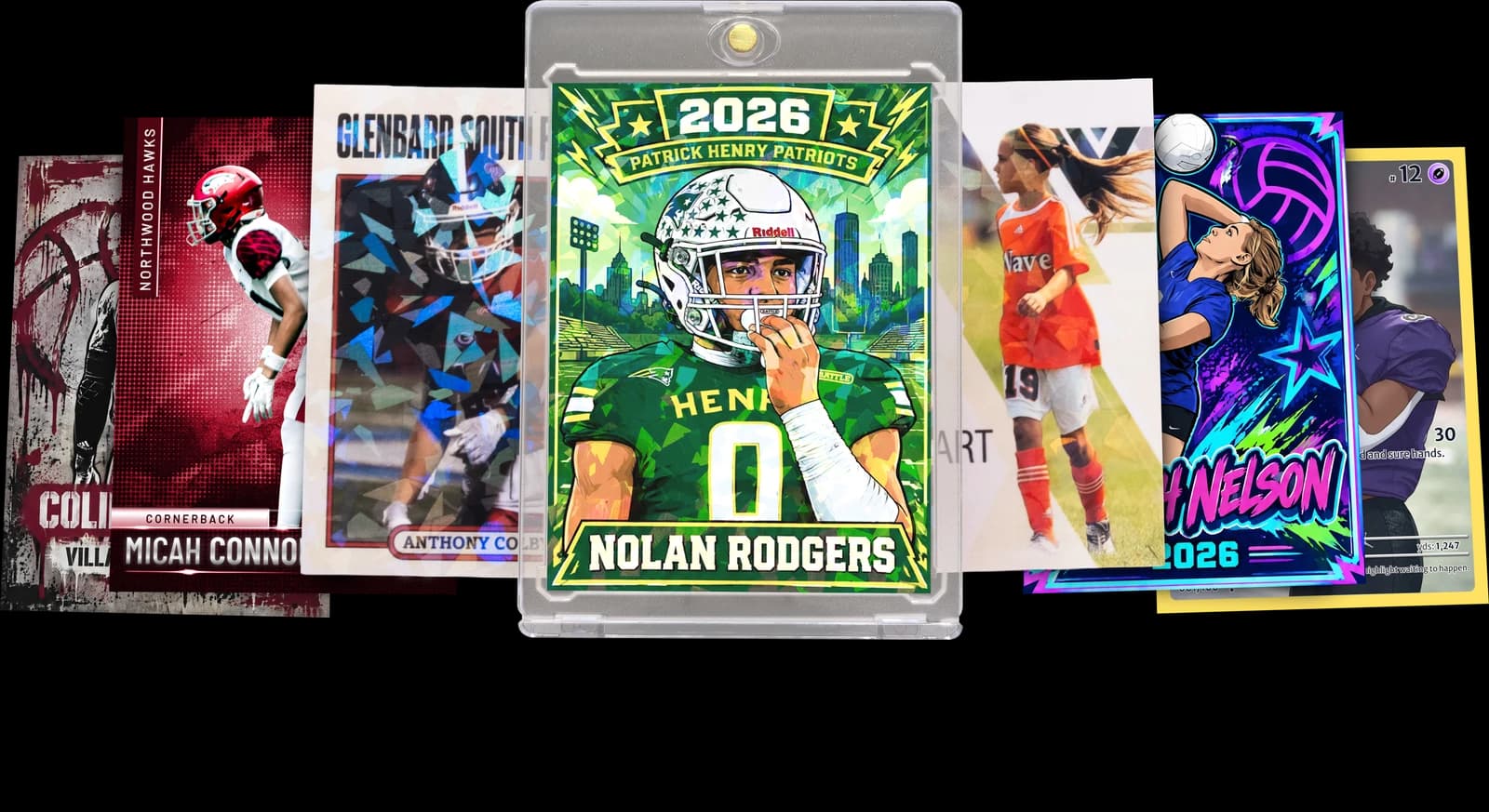
The Rookie Box
Perfect for those unforgettable moments
$17.99 - $49.99
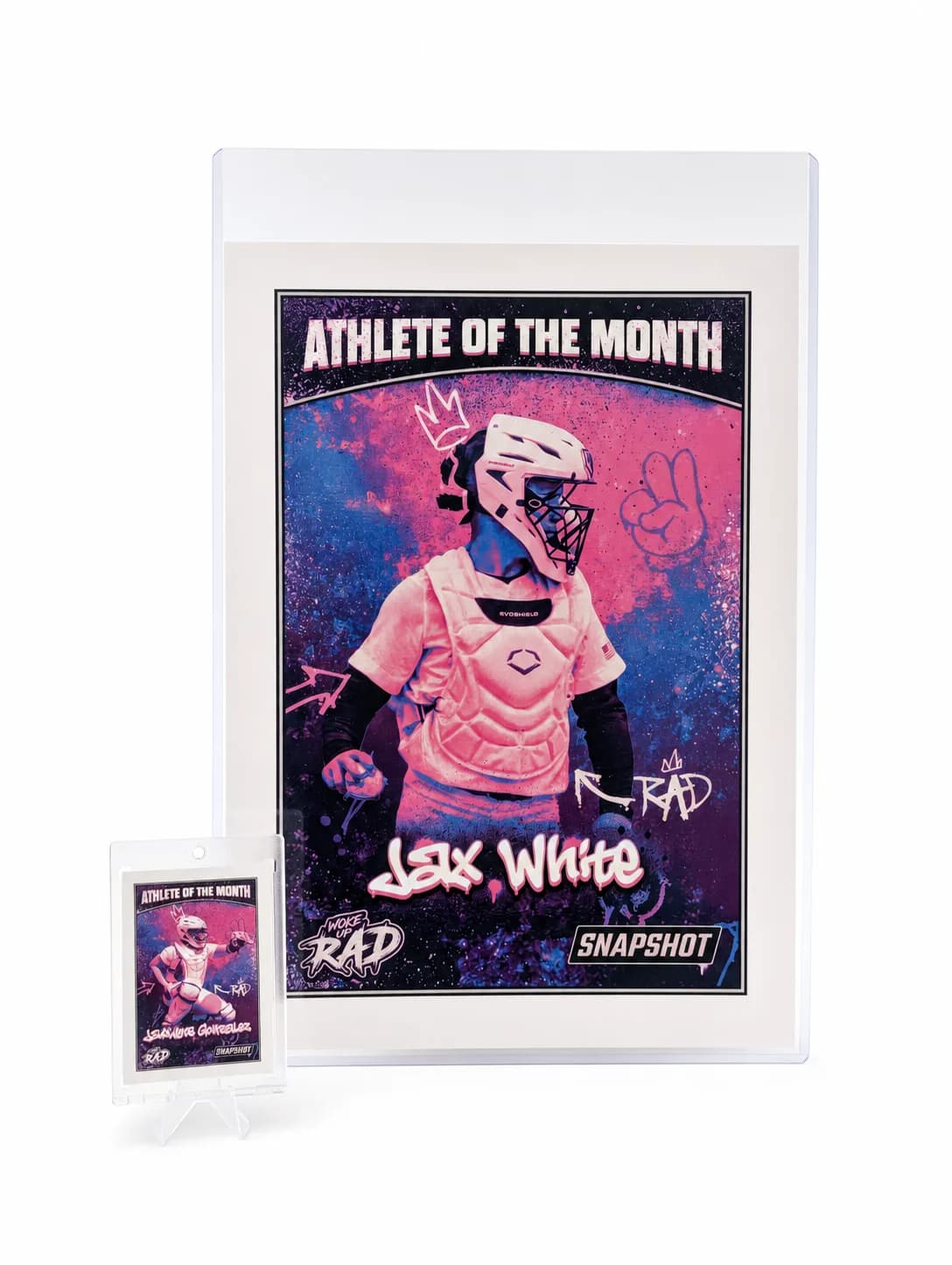
MEGA Card
Their moment, bigger than ever
$49.99
Create for free • Ships the next business day • Made in Des Moines, IA, USA
Frequently Asked Questions
Should you put sports on resume if you only played recreationally?
It depends on context and how you frame it. Recreational or adult league sports generally don't belong in a formal work experience section, but they can fit naturally in an 'Interests' or 'Activities' section if the sport is relevant to the role or company culture. For most professional applications, stick to competitive experience — varsity, collegiate, club, or travel-level participation. Recreational leagues typically don't demonstrate the commitment level that makes athletic experience a meaningful credential. If you're applying somewhere with a strong culture around health or sport, it becomes more relevant and worth a brief mention.
What's the myth that holds athletes back most when listing sports on resume sections?
The biggest myth is that simply naming the sport is enough. Listing 'Basketball — 4 years' without context tells the reader almost nothing useful. The fact that you played doesn't automatically signal leadership, discipline, or teamwork — you have to draw that line explicitly. The other common myth is that athletic experience only matters for sports jobs. In reality, fields like sales, logistics, healthcare, and the military actively value athletic backgrounds because they correlate with performance under pressure, coachability, and physical stamina. Don't assume the connection is obvious — make the case clearly.
How far back should sports experience go on a resume?
For most adults, don't go back further than college unless the high school experience was genuinely exceptional — state championship, all-conference recognition, or a captaincy that shaped your leadership development in a measurable way. For recent high school graduates or college freshmen, varsity high school experience is absolutely fair game and often the strongest credential you have. The general rule: if the experience is more than a decade old and you have stronger professional credentials, it should move to a brief mention rather than a featured entry. Recency matters for relevance.
Where exactly should sports go on a resume layout?
Competitive athletic experience that was essentially a part-time or full-time commitment — like college athletics — can go in an 'Experience' section, treated with the same structure as a job: organization, role, years, and two to three accomplishment bullets. Less intensive experience works better under 'Activities,' 'Leadership,' or 'Extracurriculars.' An 'Interests' section at the bottom is appropriate for casual or recreational involvement. The placement signals how seriously you're presenting the experience, so don't put a four-year varsity career in 'Interests' — that undersells it considerably.
Can a custom sports card actually help with resume submissions or recruitment?
Yes — but it works best as a supplement, not a replacement. A Snapshot custom trading card gives coaches, scouts, or employers a physical, photo-forward representation of your athletic background that a PDF resume simply can't replicate. Hand it at a campus visit, include it in a recruitment packet, or bring it to an in-person interview for a sports-adjacent role. The card arrives printed on premium card stock with a free magnetic case — professional enough to leave on a desk and memorable enough that it won't end up in the recycling bin. It makes your athletic identity tangible.
What leadership roles from sports carry the most resume weight?
Team captain is the most universally recognized, but it's not the only one that matters. Positions like team representative, unofficial mentor to younger players, community liaison, or training leader all demonstrate leadership without a formal title. The key is to describe the actual responsibilities, not just the label. 'Led pre-game warm-ups and coordinated with coaching staff on player wellness' is far more compelling than 'Captain.' Quantify where you can — how many teammates you led, how long you held the role, or what improved during your tenure. Specificity makes the claim credible.
Is there a sport that looks better on a resume than others?
Not inherently — but team sports generally read slightly better than individual sports in contexts where collaboration is valued, because they demonstrate you've operated within a group dynamic under competitive pressure. That said, individual sports like wrestling, swimming, tennis, or gymnastics demonstrate extraordinary self-discipline and personal accountability that team sports don't always require. The sport itself matters less than how you describe what it demanded of you. A wrestler who articulates mental toughness and weight-class discipline is just as compelling as a football captain who describes leadership under Friday night pressure.
Free to design, instant preview. Free US standard shipping on orders $30+. Review delivery options at checkout.




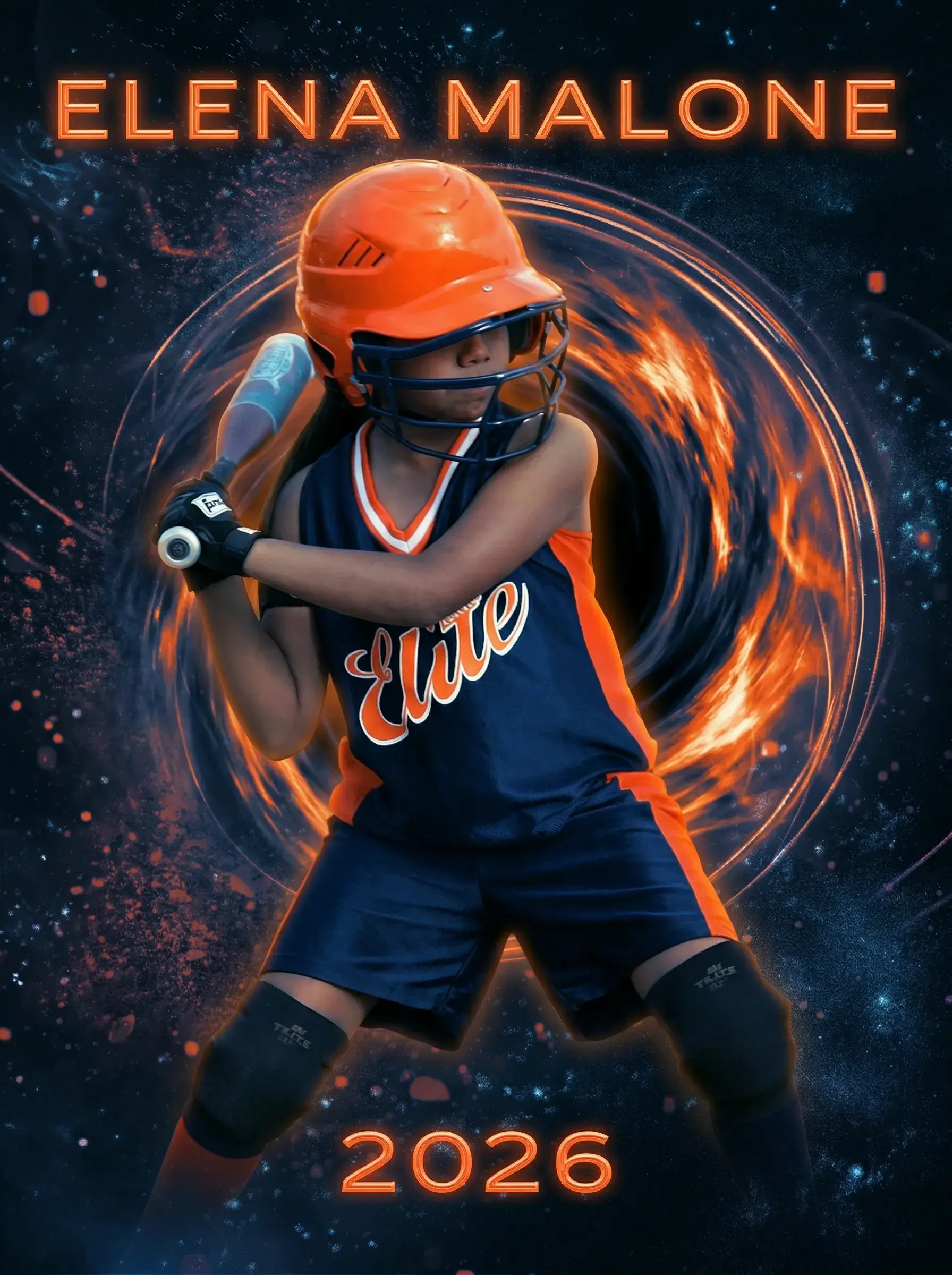
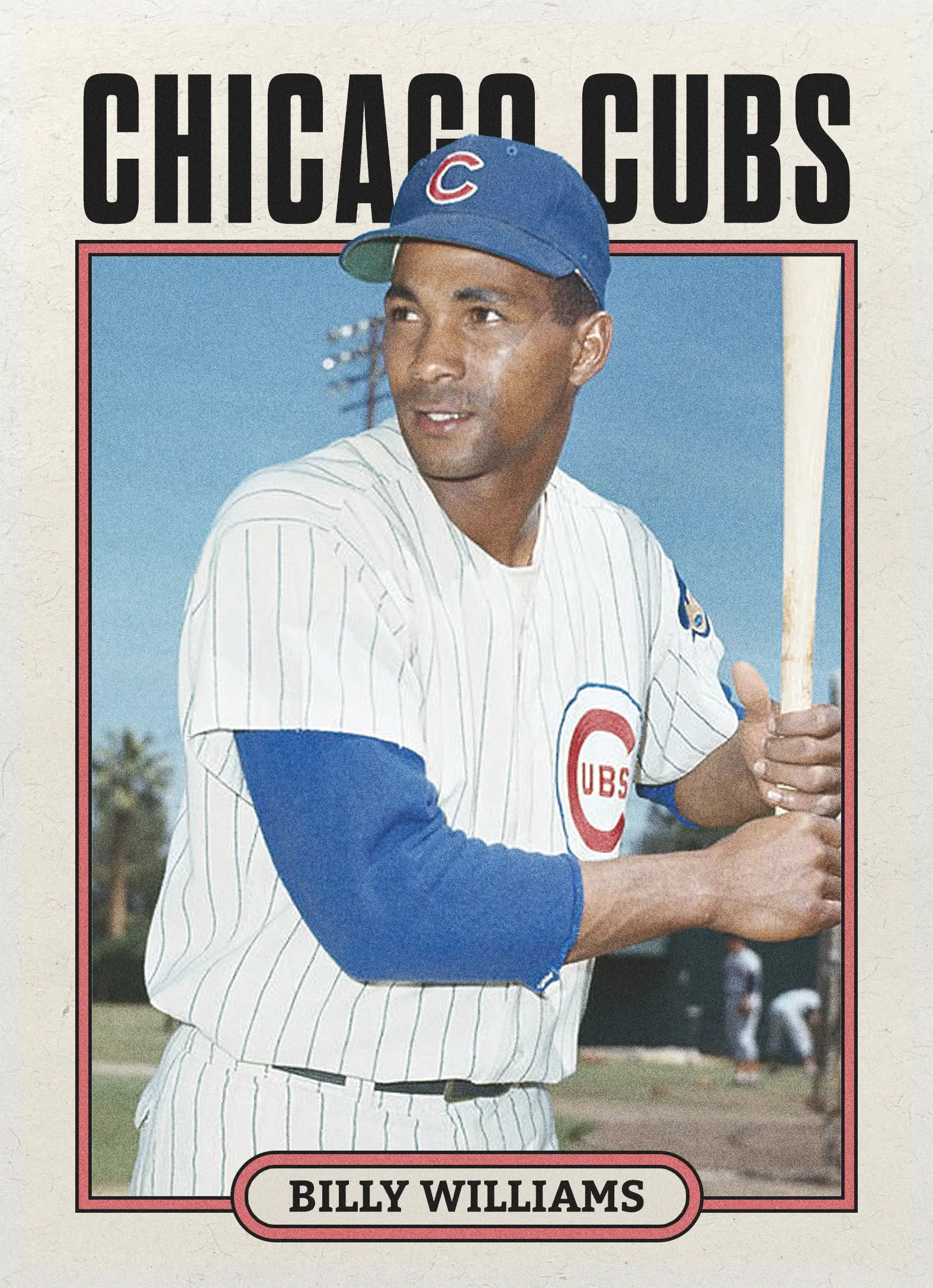
Put Your Sports on Resume — Then Back It Up With a Snapshot Card
Your athletic career deserves more than a bullet point. Order a custom Snapshot trading card, upload your best photo, and we'll print it on premium card stock and ship it free in 2-3 days. Single cards from $17.99. Every order includes a free magnetic case.
Order Your Card NowNo credit card required | Instant preview | Pro-quality designs
Explore More Card Options
Discover more custom trading card options for every sport and occasion