
Sports Photography Definition: What It Means for Your Cards
One good photo turns a random game-day snapshot into something you'll actually keep for years.
Upload any photo — your kid, your pet, your whole team — pick a pro template, and we print and ship a real, holdable card the next business day.
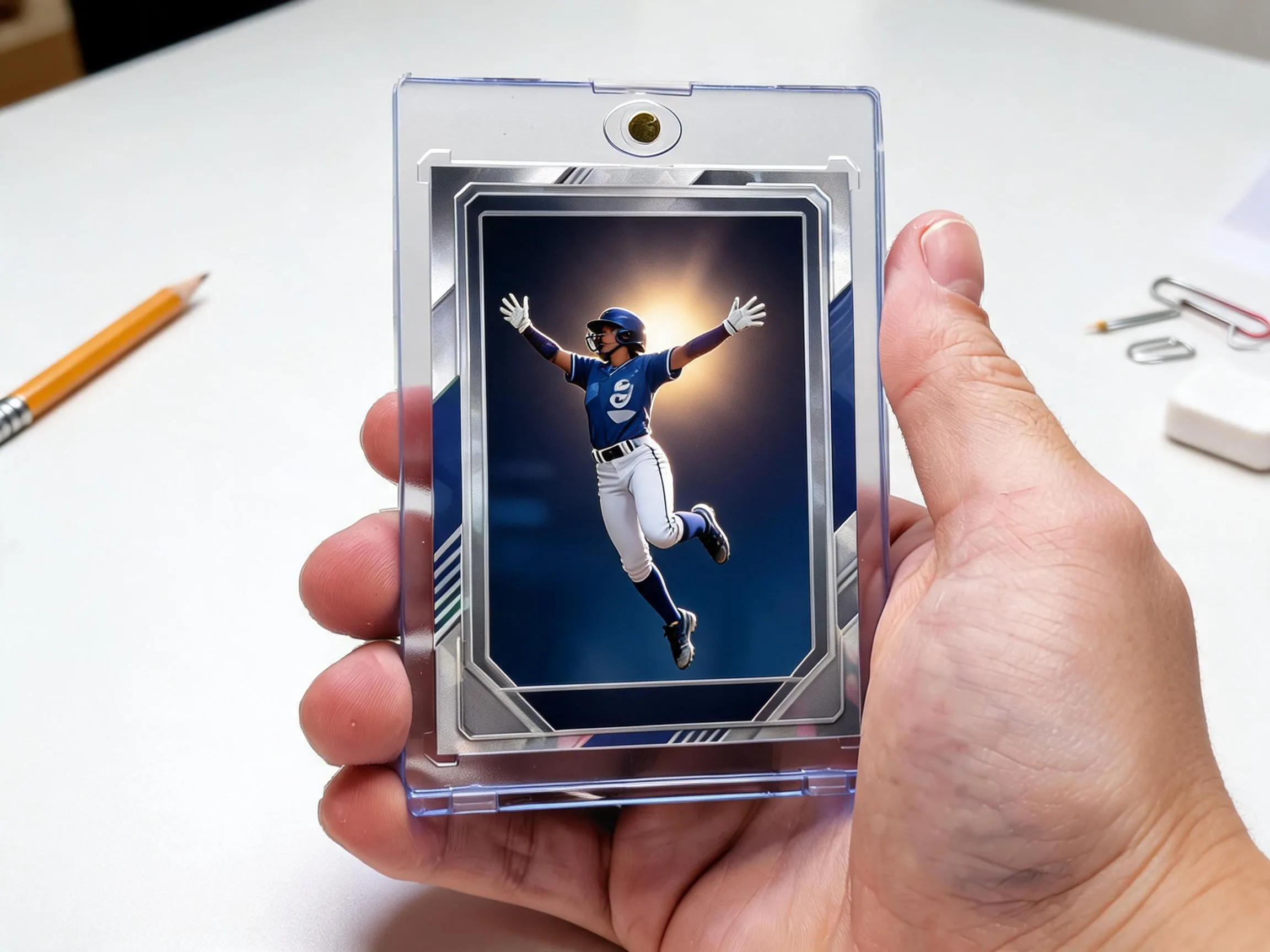
Most people search for a sports photography definition expecting a textbook answer, but they're usually really asking something different: which of my photos is good enough to print? You've got a phone full of shots from your kid's soccer season or your own weekend league games, and half of them are blurry, poorly lit, or cropped wrong. Without knowing what actually makes a sports photo work, it's easy to pick the wrong one and end up disappointed when it's printed big or turned into something permanent.
At its core, sports photography definition means capturing athletic movement, emotion, and competitive moments with enough clarity and composition to tell a story at a glance. That's it — no fancy gear required. Once you understand the handful of technical basics (focus, lighting, framing, timing), you can look at your own camera roll and immediately spot which photos have real print potential. This guide breaks that down step by step, then shows you what to do with the winner once you find it.
Let's get into what actually makes a sports photo worth printing.
We ship custom cards to teams, parents, and coaches in all 50 states every week, and we've seen firsthand which types of photos hold up best once printed.
Why Understanding This Actually Helps You
Knowing what makes a photo strong before you print it saves you from wasted money and disappointing results.
Fewer Wasted Prints
When you understand focus and framing, you stop printing photos that looked fine on a small phone screen but turn blurry or awkward once blown up onto premium card stock at a larger size.
Better Emotional Payoff
A well-timed action shot captures the intensity of the moment — the concentration, the effort, the split-second win. Cards made from these photos get pulled out and shown off years later, not shoved in a drawer.
Smarter Photo Selection From a Big Batch
Parents and coaches often have hundreds of photos from a single season. Knowing the basics of sports photography lets you filter fast instead of scrolling endlessly trying to guess which shot is the keeper.
Confidence When Choosing a Card Template
Different templates highlight different things — some crop tight on the face, others leave room for full-body action. Understanding your photo's strengths helps you match it to the right layout instead of guessing.
Free to design, instant preview. Ships the next business day.
What People Notice Once Their Cards Arrive
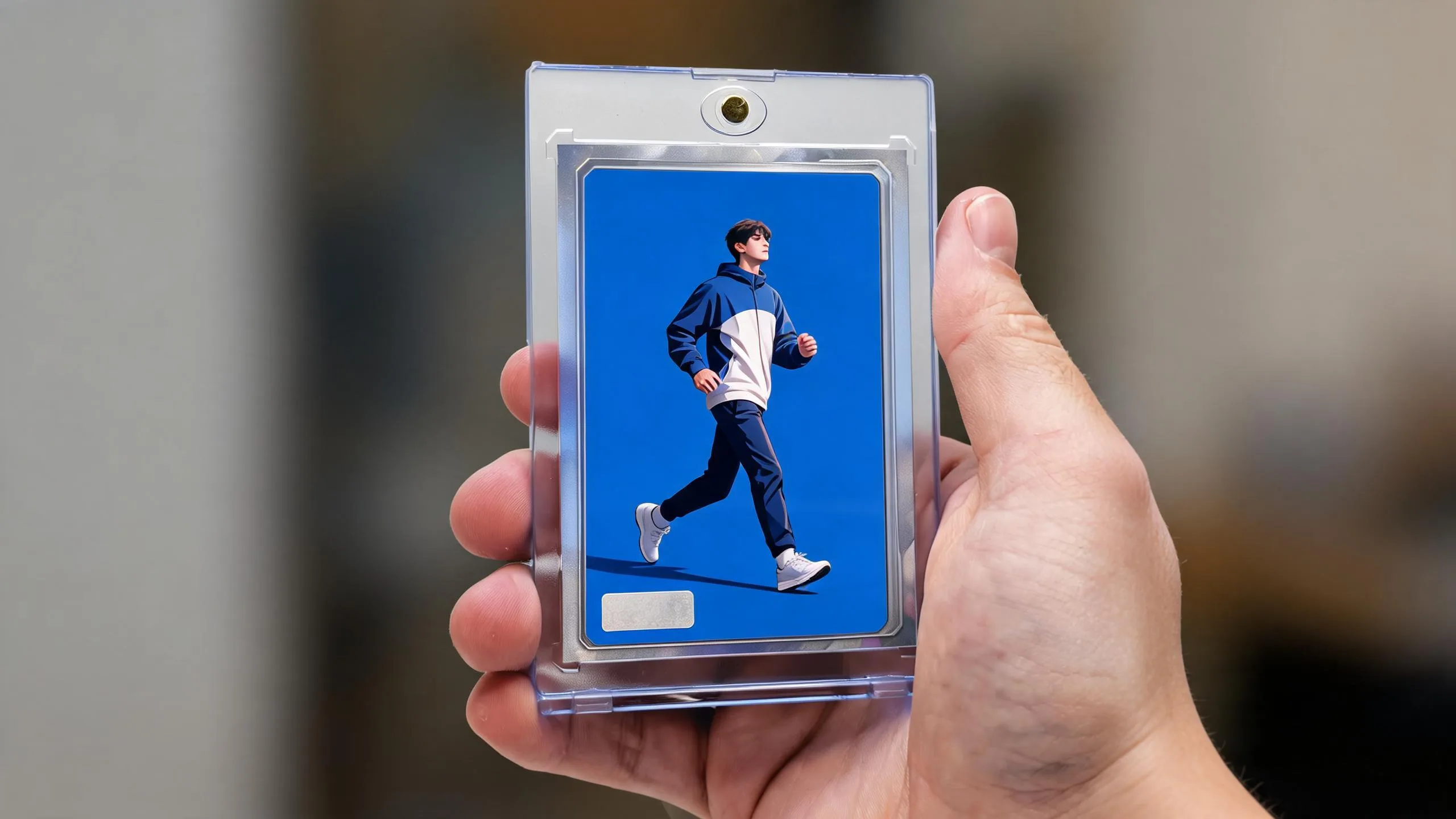
Customers consistently tell us the difference between a good photo and a great one becomes obvious once it's printed on a physical card in hand. Coaches and parents across the country send in everything from grainy phone pics to sharp DSLR shots, and the sharper, well-lit action photos always come out looking more like something you'd pull from a pack at a card shop.
What Is the Sports Photography Definition, Really?
Strip away the jargon and the sports photography definition comes down to three things working together: sharp focus, good light, and a moment that matters.
Freezing the Right Moment
Sports photography is defined first by timing — catching the bat mid-swing, the diver at the peak of the jump, the exact second a hand touches a ball. A photo taken half a second too early or late tells a weaker story. Fast shutter speeds help, but even phone cameras can nail this if you snap several shots in a burst and pick the sharpest one afterward.
Reading Light and Shadow
Outdoor games under midday sun create harsh shadows on faces, while evening games under stadium lights add grain if your camera struggles in low light. Good sports photography accounts for this by positioning the shot so the subject's face is lit, not backlit. Even a simple adjustment — shooting from the sun's direction instead of into it — makes a massive difference in the final print.
Framing the Story
A technically sharp photo still falls flat if the framing is off — too much background, too little context, or the subject cut awkwardly at the edge. The best sports photos leave room to breathe around the action while keeping the athlete as the clear focal point. This matters even more once you're printing, since cropping for a card template will trim the edges further.
Once you can spot these three elements, picking a print-worthy photo gets a lot easier.

Where This Knowledge Actually Comes in Handy
This isn't just theory — it plays out in real, everyday situations for anyone with a camera and a favorite athlete.
Youth League Parents
You're standing on the sideline with a phone, trying to catch your kid mid-play. Understanding basic timing and light means you shoot in bursts during the action instead of one shot after the play's already over, giving you way better odds of catching a sharp, printable moment worth turning into a card.
Adult Rec League Teammates
Weekend leagues rarely have a dedicated photographer, so teammates end up trading phone photos after games. Knowing what separates a usable shot from a throwaway one helps your group pick the best images to commemorate a winning season or a rivalry game everyone still talks about.
Coaches Building Team Keepsakes
Coaches often want to give players something memorable at season's end. Understanding photo quality basics means picking images that'll actually hold up printed on card stock, rather than settling for whatever photo happens to be on hand from a team group chat.
What It Costs to Turn Your Photo Into a Card
Pricing stays simple no matter which photo or template you choose.
Single custom cards start at $17.99, packs run up to $49.99, and the MEGA 11"x15" poster card is $49.99. Every order ships free within the USA.
You're not paying extra for premium card stock, fast turnaround, or the free magnetic case — it's all included in one straightforward price.
Box Options
Simple, collectible pricing. No subscriptions, no hidden fees.
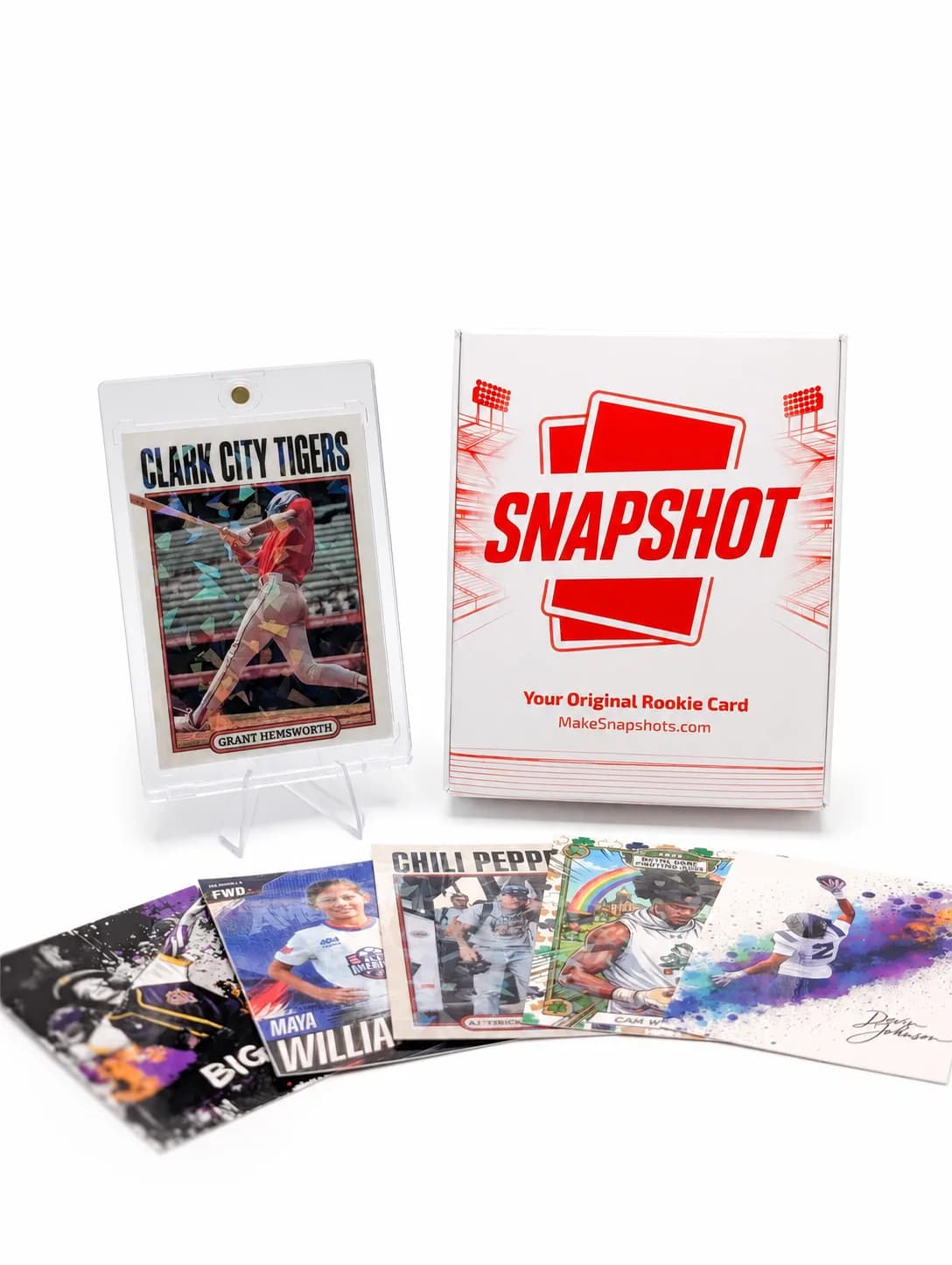
The Rookie Box
Perfect for those unforgettable moments
$17.99 - $49.99
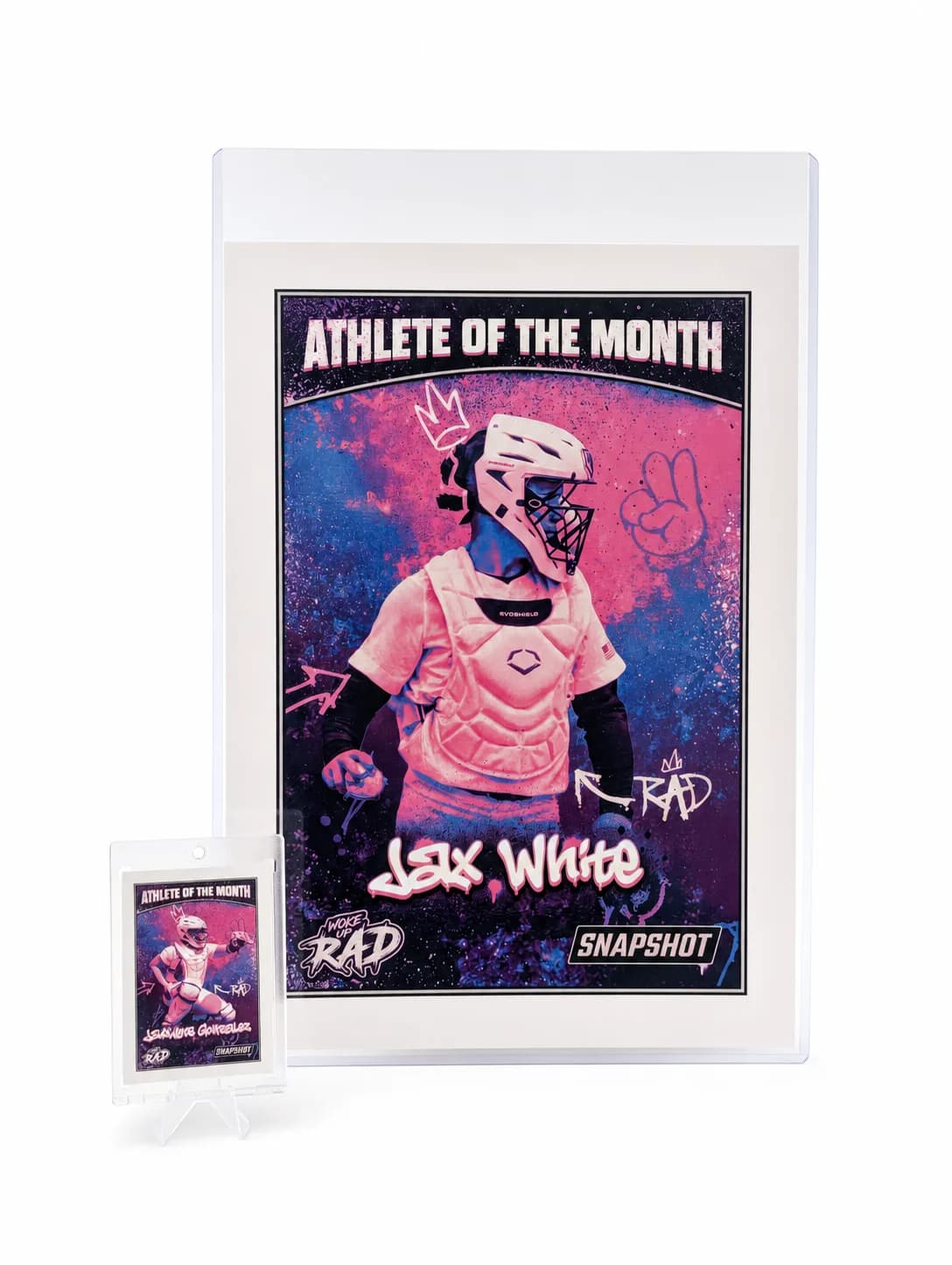
MEGA Card
Their moment, bigger than ever
$49.99
Create for free • Ships the next business day • Made in Des Moines, IA, USA
Frequently Asked Questions
Can I use a photo that's a little blurry if it's the only one I have?
You can, but it's worth understanding what happens when you do — mild blur usually softens slightly more once printed, especially at larger sizes like the MEGA poster card. If the blur is subtle and mostly in the background while your subject stays reasonably sharp, it can still work fine for a standard card. Heavy motion blur across the entire image, though, tends to look noticeably worse once printed than it did on a small phone screen. If it's genuinely the only photo you have of a meaningful moment, we'd still rather you use it than lose the memory entirely. Just set expectations accordingly and maybe size it for a standard single card instead of a larger poster format. In some cases, cropping tighter on the sharpest part of the image can help mask blur in other areas. When in doubt, send it in and we can give you honest feedback before you commit to an order.
How does lighting affect a sports photo's print quality?
Lighting is one of the biggest factors separating a great sports photo from a mediocre one, even more than the camera used to take it. Harsh midday sun creates deep shadows across faces, which can hide expressions and make skin tones look uneven once printed. Indoor gyms and evening games under artificial lights often introduce a color cast — a yellow or greenish tint — that shows up more obviously on card stock than it does on a phone screen. The best light for sports photos tends to be soft and even, like an overcast day or golden hour near sunset. If you're shooting indoors, try to angle your body so the subject isn't backlit by a window or scoreboard. Small adjustments like these make a real difference in the final printed colors. If a photo does have a slight color cast, it's still usually printable — just know the tones may look a touch different than what you remember seeing live.
What size photo works best for a custom trading card versus a poster card?
Standard trading cards are small and forgiving, so a wide range of photo qualities will print acceptably fine on that format. The MEGA 11"x15" poster card is a different story — because it's so much larger, any softness, compression, or low resolution becomes far more noticeable up close. If you're deciding between the two formats, it helps to zoom into your photo on a larger screen and check for sharpness before committing to the poster size. Photos taken in good light with a steady hand or burst mode tend to hold up best at that larger scale. If your favorite photo isn't quite sharp enough for the poster, it can still make an excellent standard card instead. We always recommend matching the photo's actual quality to the print size rather than forcing a lower-quality image into the biggest possible format. That way, you're happy with the result either way.
Should I crop my photo myself before uploading it?
You don't have to, but a rough crop beforehand can help you visualize how the final card will look, especially if your original photo has a lot of extra background or people in the frame. Card templates already crop to fit specific shapes, so tight, precise cropping isn't strictly necessary on your end. What matters more is making sure your main subject isn't right at the very edge of the frame, since template cropping might cut off part of them unexpectedly. If you're torn between a wide shot and a tighter one, it's often safer to upload the wider version and let the template handle the framing. That gives more flexibility if you want to try a different template later. If you do crop yourself, avoid cropping so tight that the image becomes pixelated or stretched, since that will show up clearly once printed.
Why do some of my photos look great on my phone but bad once printed?
Phone screens are backlit, which makes colors look more vibrant and details appear sharper than they actually are compared to a printed surface. A photo that looks perfectly fine at phone-screen brightness can reveal softness, noise, or color imbalance once it's printed on physical card stock under normal room lighting. This is especially common with photos taken in low light, where phones apply processing that smooths out grain on-screen but can't fully hide it in print. It's also common with heavily zoomed photos, since digital zoom loses detail that becomes obvious at a larger printed size. To avoid this, try viewing your photo at full size on a computer monitor before ordering, since that's closer to how it'll appear printed than a small phone screen. If it still looks sharp and well-lit there, it'll almost certainly print well. If it looks a little soft on a bigger screen, expect similar softness in the final card.
How fast can I get my custom card after uploading a photo?
Most orders print and ship within two to three business days once you've uploaded your photo and chosen a template, and shipping is free anywhere in the USA. That timeline covers everything from a single card to a full pack, so you're not waiting weeks to hold the finished product. Because everything is produced here in Des Moines, Iowa, there's no overseas shipping delay to account for. If you're ordering for a specific event — like a season-ending banquet or a birthday — it's smart to place your order a little ahead of time just to build in a buffer for standard shipping transit after production. We know timing matters, especially for gifts tied to a specific date, so we keep the production side as fast and consistent as possible. If you ever have a tight deadline, reaching out to our team directly is the best way to confirm realistic timing for your situation.
Can I turn an old, low-quality photo into a good card?
Sometimes, yes — it really depends on how the photo was originally captured and stored. An old printed photo scanned at a decent resolution can still translate well, especially if the original wasn't blurry or overly faded to begin with. A photo that's already low resolution because it was compressed and shared repeatedly through text messages or social media, though, will show that quality loss more once printed larger. If you have access to the original file rather than a screenshot or forwarded copy, always use that version instead. For genuinely treasured old photos — a parent's old game-day shot, for example — it's often worth printing even if the quality isn't perfect, simply because of the sentimental value. We'd rather be upfront that a photo might come out a little soft than let you be surprised after the fact. Sending it in for a quick check before ordering is always a smart move.
What's the best way to photograph fast-moving sports like basketball or hockey?
Fast sports benefit most from burst mode, where your camera or phone captures a rapid sequence of shots so you can pick the sharpest one afterward rather than relying on a single perfectly timed click. Positioning matters too — being closer to where the action is likely to happen, like near the hoop or the goal, gives you a better shot at catching the peak moment. Panning, where you move the camera to track the athlete's motion, can also help keep the subject sharp while blurring the background slightly for a sense of speed. Indoor sports like basketball and hockey often have trickier lighting, so a faster shutter setting or bright arena helps avoid motion blur. If you're using a phone, tapping to focus on the athlete just before the play starts can improve your odds significantly. None of this requires professional gear — just a little planning and a handful of burst shots to choose from afterward.
Do black and white photos work well for custom sports cards?
They can look genuinely striking, especially for action shots with strong contrast, dramatic lighting, or a more classic, vintage feel reminiscent of old-school trading cards. Black and white tends to forgive minor color imbalances that might otherwise be distracting in a color photo, like a slight yellow tint from indoor lighting. That said, it also means losing team colors and jersey details that some people specifically want visible on their card. If the moment itself is more important than the color accuracy — a dramatic diving catch, for example — black and white can actually elevate the emotional impact. If you're unsure, it's worth ordering the same photo in both color and black and white to compare side by side once printed. Some templates pair especially well with black and white treatments, so it's worth browsing a few options before deciding which route fits your photo best.
Free to design, instant preview. Ships the next business day.
Ready to Put Your Sports Photography Definition Knowledge to Use?
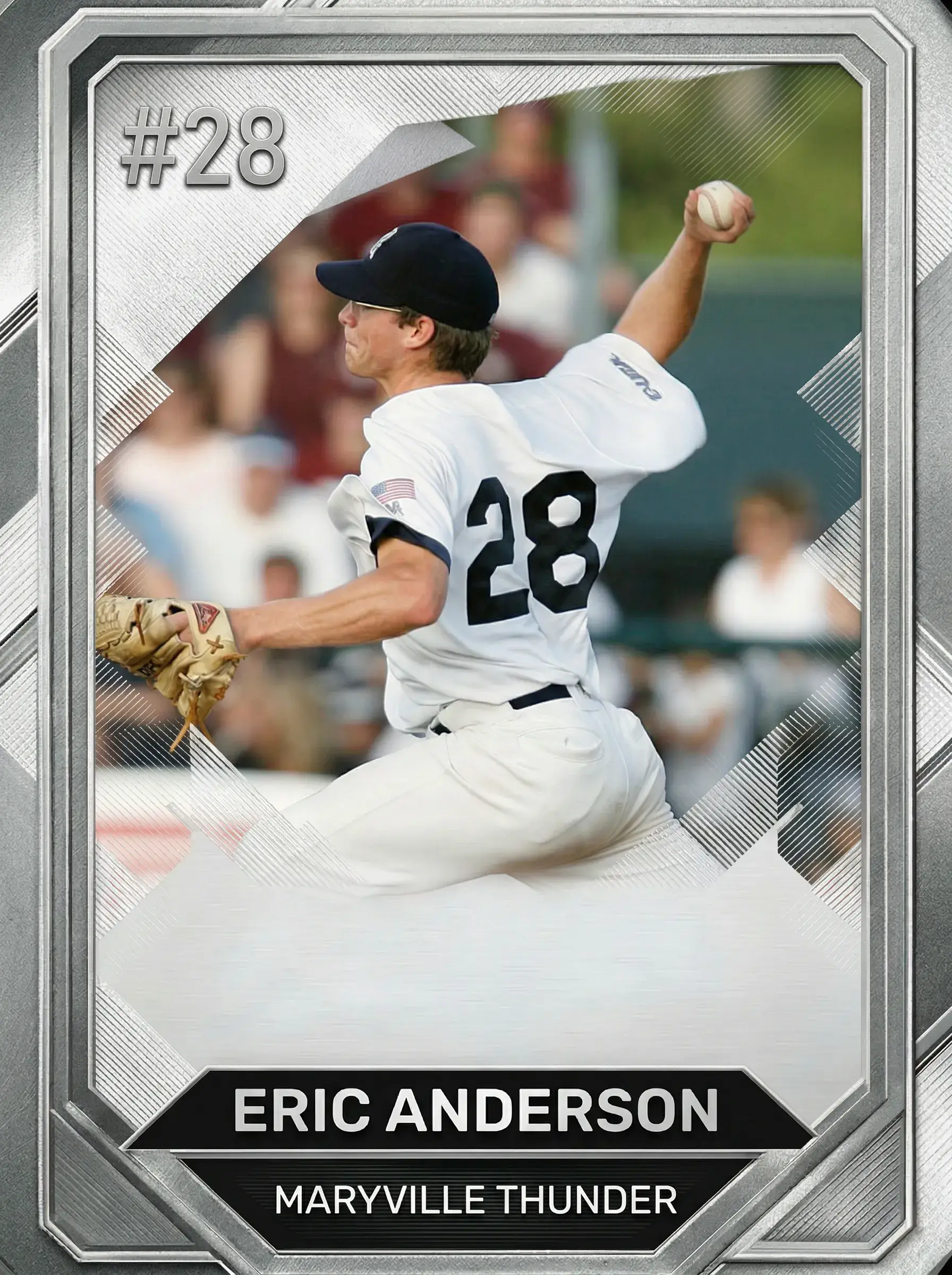
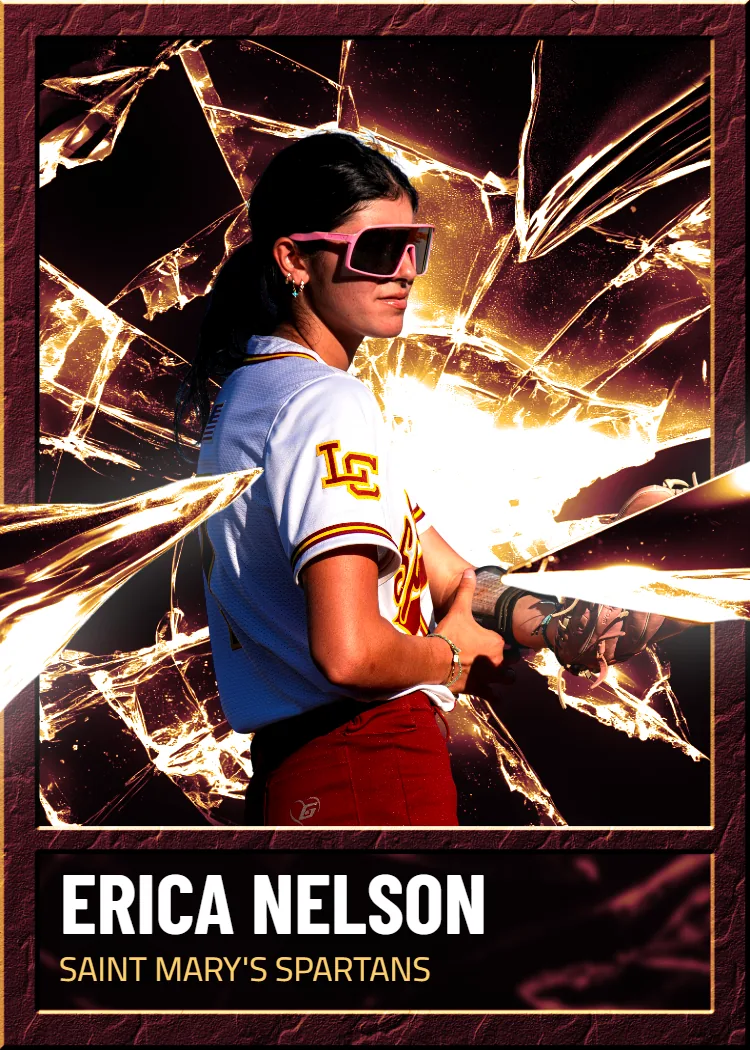
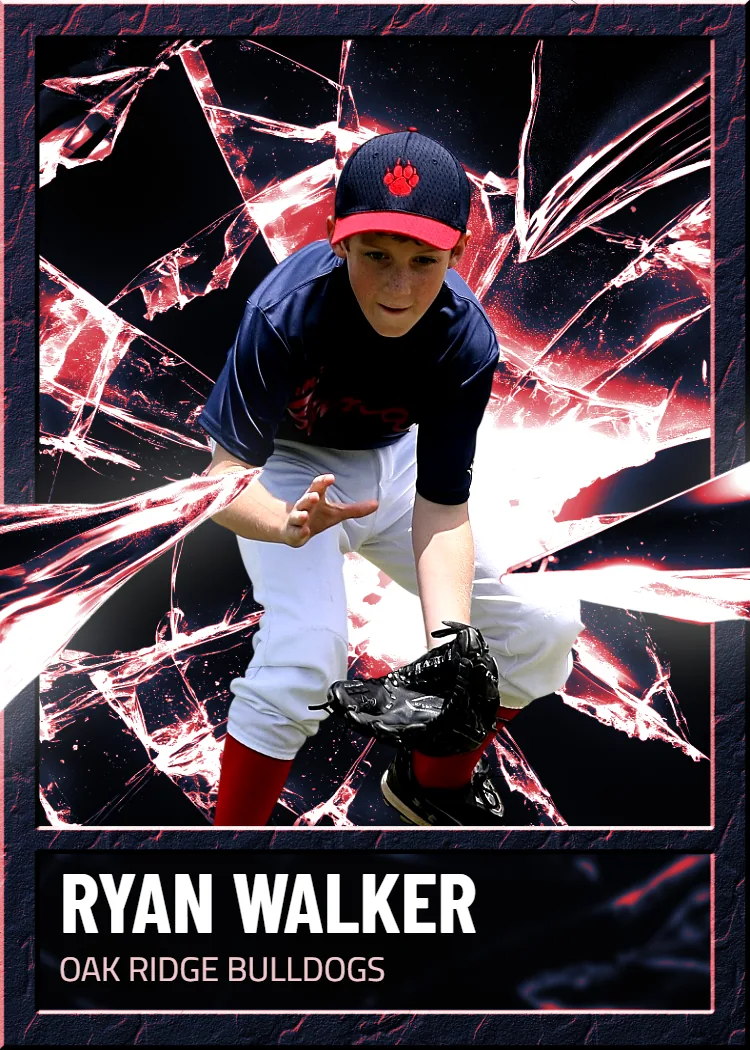
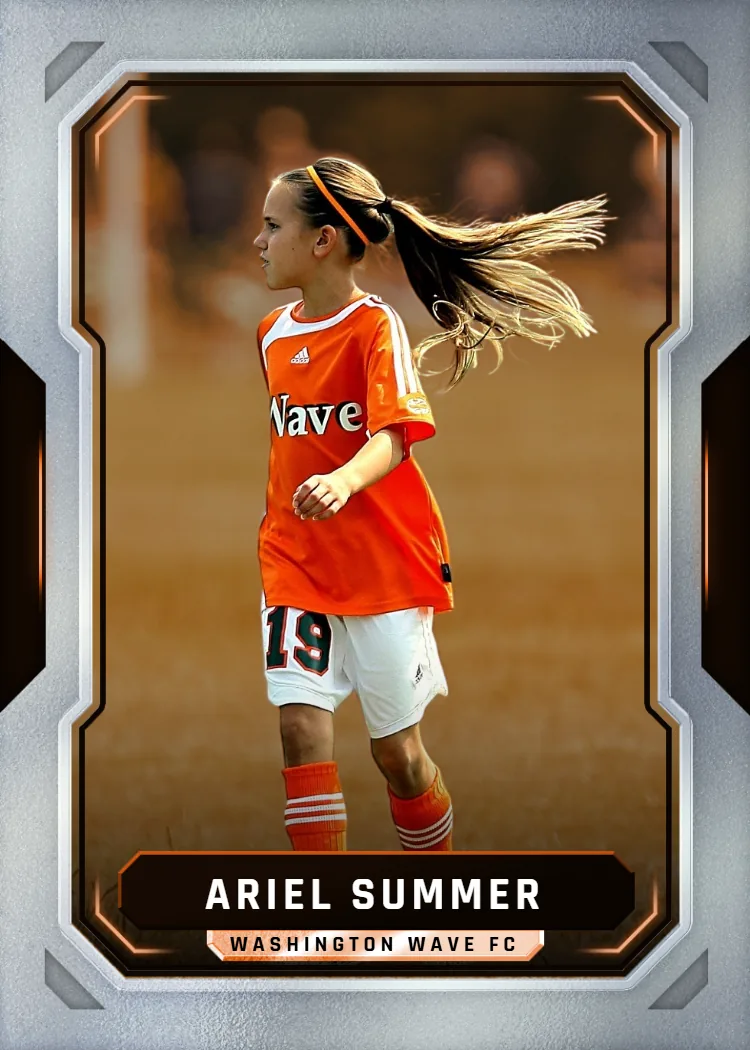
You already know what makes a great sports photo now — timing, light, and framing. Upload your best shot, pick a pro-style template, and let us turn it into a custom card printed on premium card stock, shipped free in 2-3 days.
Upload Your Photo NowNo credit card required | Instant preview | Pro-quality designs
Explore More Card Options
Discover more custom trading card options for every sport and occasion