
Sports Photography How To: Shoot, Perfect & Immortalize
Most action shots end up blurry, dark, or cropped wrong—and the best moments disappear forever.
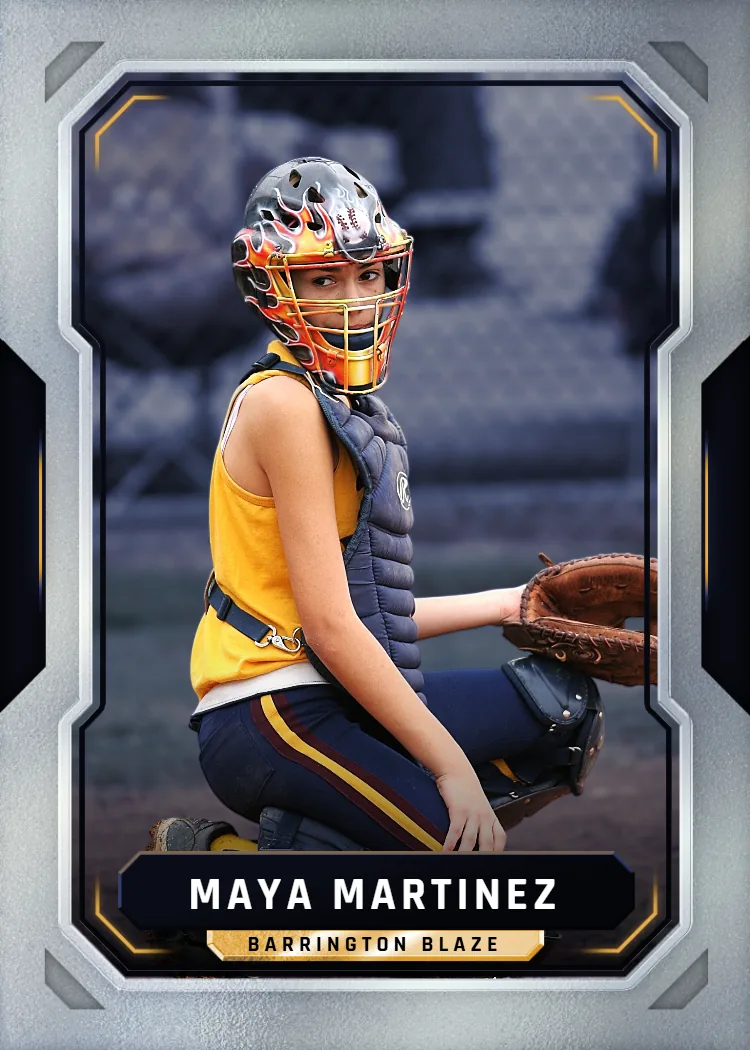
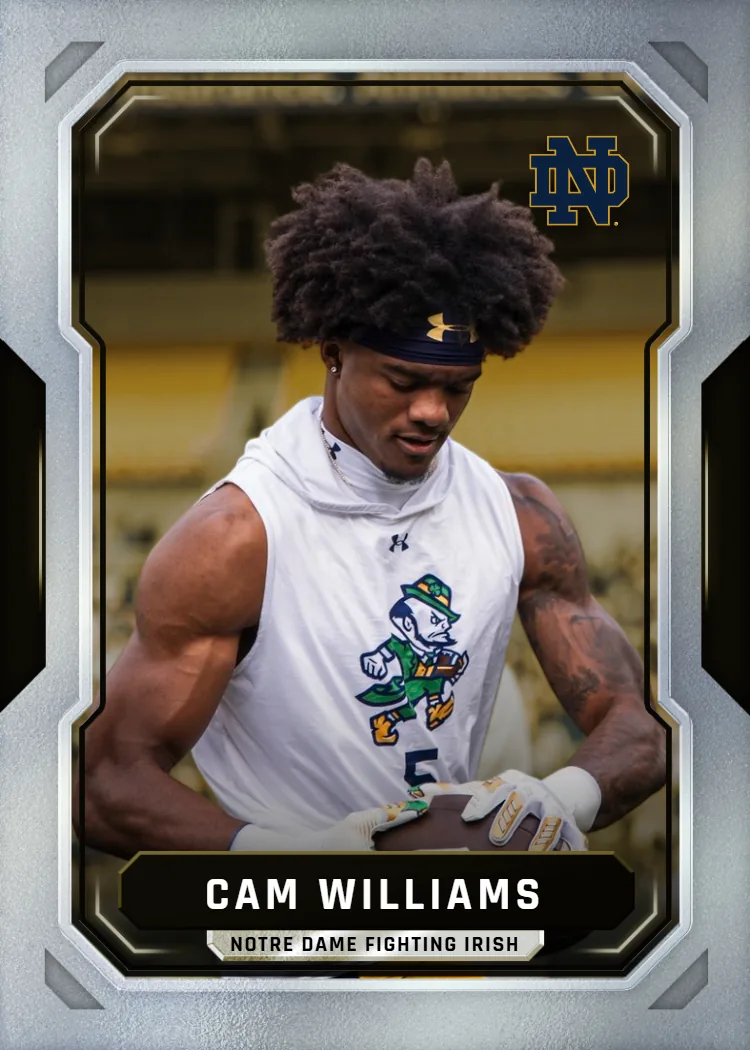
Upload any photo — your kid, your pet, your whole team — pick a pro template, and we print and ship a real, holdable card the next business day.
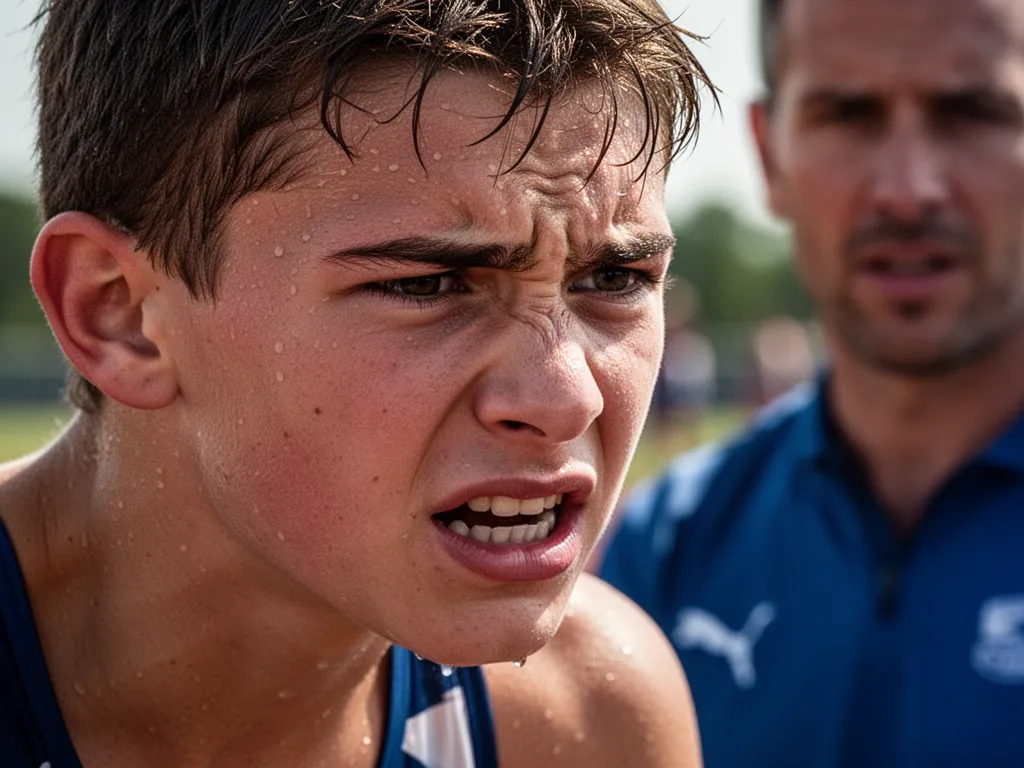
Here's the honest problem: capturing sports photography isn't just about pointing a camera and hoping for the best. Low gym lighting kills sharpness. Outdoor fields blow out highlights. Youth games move faster than most phones can track. Parents, coaches, and photographers alike come home with hundreds of shots and maybe two or three worth keeping. Even those keepers sit buried in a camera roll, never printed, never shared, slowly forgotten. That gap between 'I was there' and 'I have something to show for it' is exactly where memory gets lost.
The good news? You don't need a professional camera rig to fix this. You need a sharper understanding of shutter speed, light, and framing—plus a plan for what happens after you get the shot. This guide walks you through sports photography how to fundamentals that work at every level, from youth rec leagues to competitive club sports. And once you've captured something worth keeping, Snapshot turns that single image into a premium custom trading card, printed in Des Moines, Iowa, and shipped to your door in two to three days.
Let's start with the shot itself, because everything else depends on getting that right.
We ship custom sports cards to customers in all 50 states every week, and we've seen firsthand that the photos people are proudest of are almost always from real games, not posed shoots.
Why Snapshot Cards Actually Get Used
Snapshot ships custom sports cards to customers across all 50 states every week—end-of-season orders, birthday gifts, and one-of-a-kind keepsakes for athletes who've never had their own card before. Every card goes out with a free magnetic case because we know it's going on a shelf or in a wallet, not in a drawer. Cards made from real game photos—not studio portraits—are the ones people hold onto.
Who Actually Uses These Sports Photography Tips
The sports photography how-to question comes from a surprisingly wide range of people. Here's how this plays out in real situations.
Youth Sports Parents
A parent standing on a sideline with a smartphone is dealing with real constraints: inconsistent gym lighting, kids who don't hold still, and phone cameras that can't always keep up. Learning to use burst mode, tap-to-focus before the action starts, and crop for vertical framing makes an enormous difference. And when one shot finally nails it, turning it into a Snapshot card gives it a permanent home beyond the camera roll.
Club and Rec League Coaches
Coaches who document their seasons create something powerful: proof that the work happened. End-of-season recognition feels different when a player holds a physical card with their face on it versus getting a ribbon. Many coaches order a pack of cards—up to $49.99 for a multi-card pack—and hand them out at the final practice. It's a small gesture that players don't forget.
Amateur Sports Photographers
Someone building a portfolio from local games needs to prove they can handle movement, light, and composition under real conditions. Learning the settings that consistently produce sharp action shots—and then showing them printed as professional-looking trading cards—demonstrates more than a digital gallery alone. It's a concrete way to show what your work looks like off a screen, in hand.
Free to design, instant preview. Ships the next business day.
Sports Photography How To: Three Steps From Shot to Card
The path from a blurry action photo to a polished keepsake card is shorter than most people expect. Three focused steps cover the whole journey.
Nail the Shot With the Right Settings
Set your shutter speed to at least 1/500th of a second—1/1000th if you're outdoors in bright sun. This single adjustment eliminates most motion blur. Use burst mode so you're capturing five to ten frames per second during peak action. Don't rely on autofocus in low gym light; switch to continuous AF and track your subject before they make their move. Position yourself at a 45-degree angle to the action so depth and movement read clearly in the frame.
Select and Crop for Card Proportions
Not every shot from burst mode is a winner. Look for peak action—the moment of contact, the jump at its apex, the sprint at full extension. Once you've picked the frame, crop tightly. Standard trading cards run 2.5 by 3.5 inches, so a vertical crop centered on the athlete works best. You want the subject filling roughly 70 percent of the frame with just enough background to show context. A cluttered background pulls attention away from the athlete.
Upload to Snapshot and Choose a Template
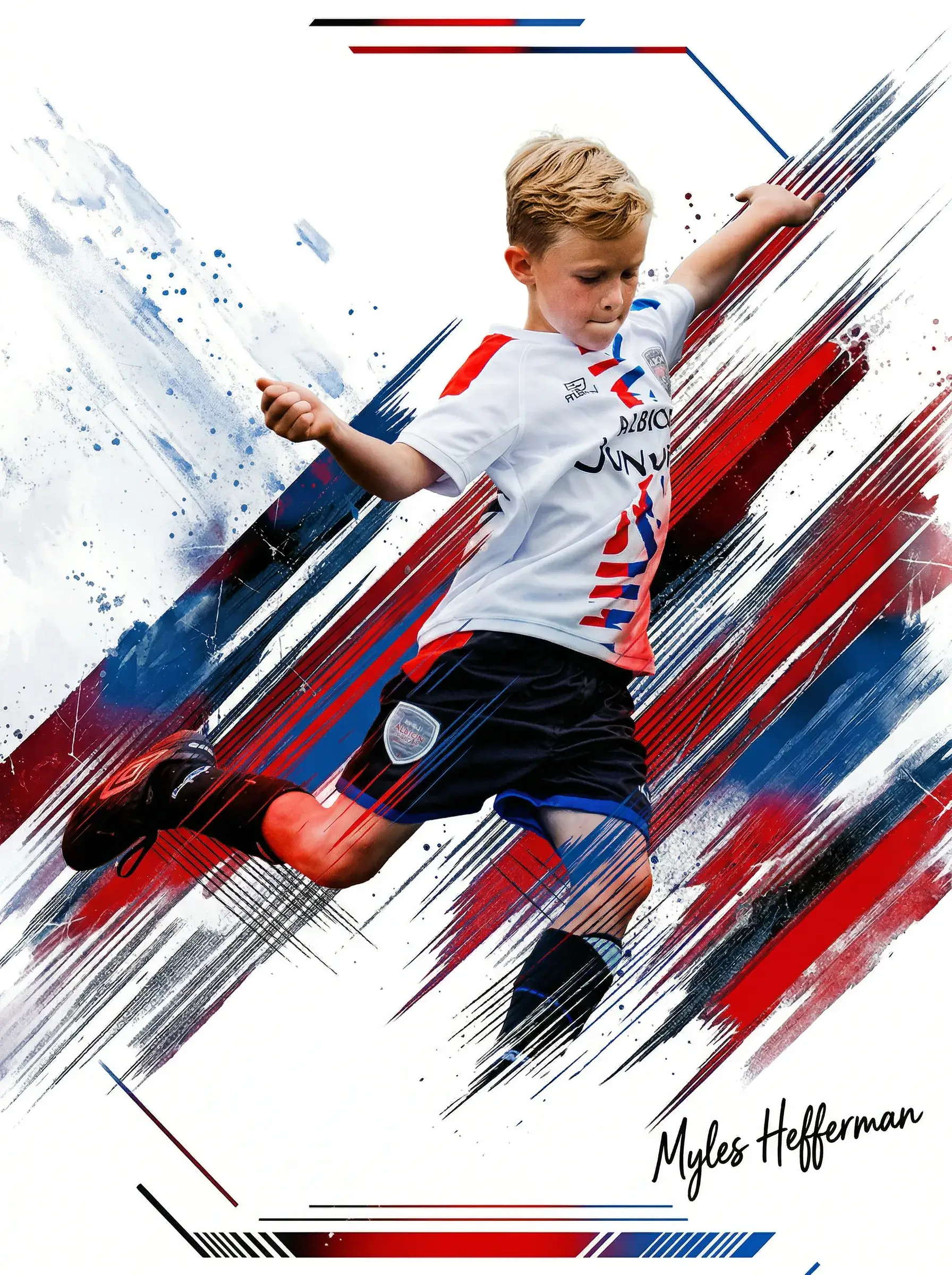
Head to Snapshot's site, upload your selected photo, and browse professionally designed card templates built specifically for sports subjects. Pick the style that fits your sport—clean action borders, bold name plates, stats sections—then preview the layout before ordering. Cards print on premium card stock, ship with a free magnetic case, and arrive in two to three days. Single cards start at $17.99. It's genuinely one of the fastest ways to turn a good photo into something tangible.
That's the full loop: better photography technique, smart selection, and a card that actually shows up at your door.
Why Getting Sports Photography Right Changes Everything
Better technique doesn't just produce sharper photos—it produces photos worth doing something with. Here's what changes when you close the gap.
Frozen Peak Moments
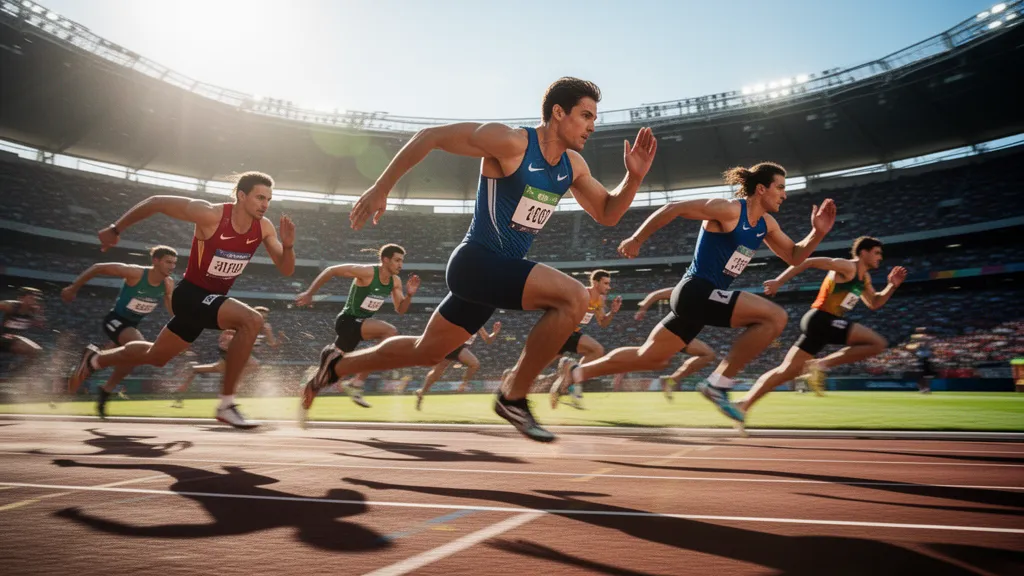
A shutter speed of 1/1000th of a second stops a sprinter mid-stride or a basketball at the peak of a jump shot. You're not guessing anymore—you're capturing the exact instant that tells the story. That clarity is what separates a memorable image from a blurry keepsake nobody frames.
Photos That Print Beautifully
Sharp, well-lit images with clean backgrounds translate directly to high-quality print output. When you upload a properly shot photo to Snapshot, the card template does the rest. Soft or washed-out images fight the template; crisp images make every design option look intentional and professional on premium card stock.
Meaningful Gifts That Last
A custom trading card built from a real game photo isn't generic. It's that specific player, that specific moment, that specific season. Coaches use them as end-of-season gifts. Parents frame them. Athletes keep them for decades. A photo sitting in a cloud folder can't do any of that.
Skill That Compounds Every Season
Sports photography technique isn't something you figure out once and forget. Each season brings new lighting conditions, new venues, and athletes who've grown and changed. The habits you build—burst mode, manual shutter settings, smart cropping—get sharper every time you use them, and so do your photos.
Sports Photography Mistakes That Kill Otherwise Great Shots
Most failed action photos share one of these five problems. Recognizing them is half the fix.
Using Auto Mode in Changing Light
Auto mode can't react fast enough when a player moves from shadow to sunlight mid-play. Switch to shutter-priority mode and lock your minimum speed at 1/500th. Let the camera adjust ISO automatically within that constraint.
Standing Too Far Back
Distance kills detail. Move closer, or use the longest focal length available to you. The athlete should fill a significant portion of the frame—not appear as a small figure in a wide landscape shot.
Waiting for the Perfect Moment Instead of Shooting Continuously
Peak action lasts a fraction of a second. If you're pressing the shutter once and hoping, you'll miss it most of the time. Hold burst mode through the entire sequence and select the best frame afterward.
Ignoring the Background
A chain-link fence or cluttered parking lot directly behind the subject's head is distracting. Shift your angle even slightly—a few feet left or right—and a bad background often becomes a usable one.
Uploading a Horizontal Photo for a Card
Trading cards are vertical. Horizontal (landscape) photos can technically be used, but you'll lose significant resolution after cropping, and the athlete may appear small in the frame. Always shoot vertical or plan your crop before uploading to Snapshot.
Sports Photography How To: Pre-Game Checklist
Run through this before every shoot. Five minutes of preparation prevents most common failures.
- Set shutter speed to 1/500th minimum (1/1000th in bright outdoor light)
- Switch autofocus to continuous tracking mode, not single-shot
- Enable burst mode for peak-action sequences
- Check your battery and storage—full cards and dead batteries end shoots early
- Scout your position before the game starts; identify where peak action typically happens
- Set your crop orientation to vertical (portrait) to match card proportions
- Review your first five shots after the warm-up to confirm exposure and focus before the game begins
Simple Pricing, Fast Turnaround
Snapshot keeps pricing straightforward so there's nothing to second-guess.
Single card at $17.99. Card packs ranging up to $49.99. MEGA 11×15 poster card at $49.99. Free shipping on all USA orders. Every order includes a free magnetic case and ships from Des Moines, Iowa in two to three business days.
One great photo, professionally printed on premium card stock, shipped with a free magnetic case—for less than most people spend on a team photo package that takes six weeks to arrive.
Box Options
Simple, collectible pricing. No subscriptions, no hidden fees.
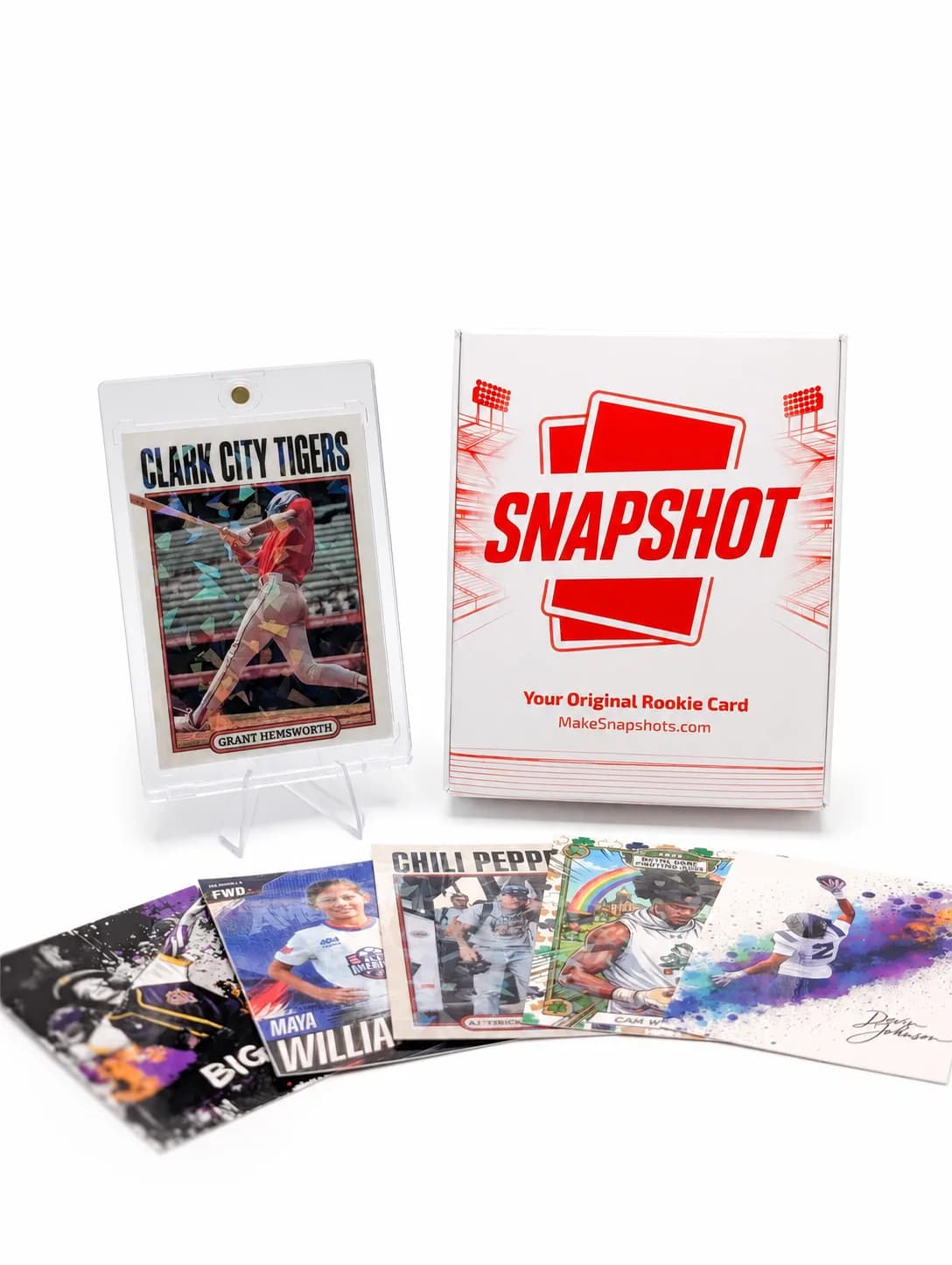
The Rookie Box
Perfect for those unforgettable moments
$17.99 - $49.99
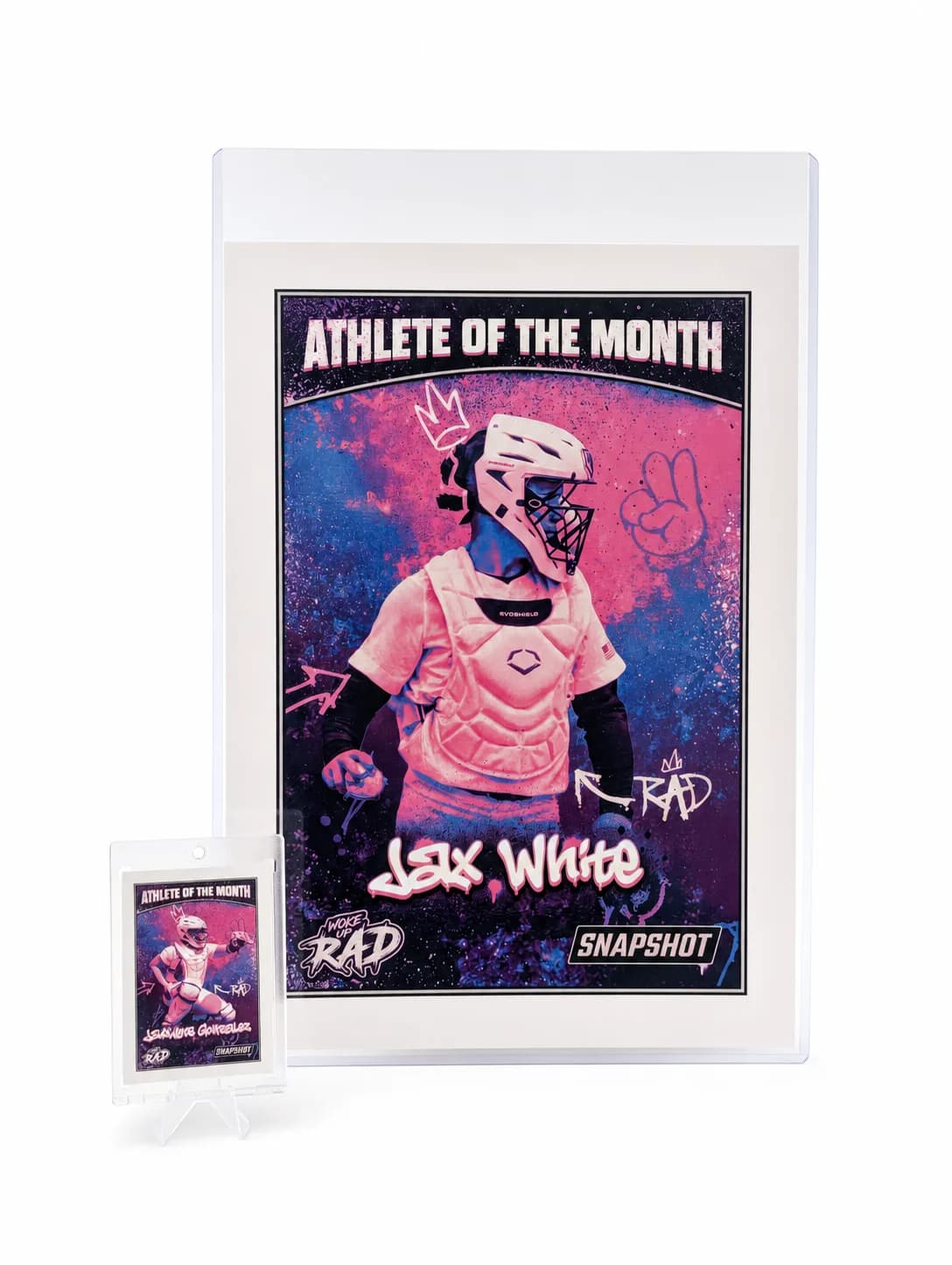
MEGA Card
Their moment, bigger than ever
$49.99
Create for free • Ships the next business day • Made in Des Moines, IA, USA
Frequently Asked Questions
What's the best way to crop a sports photo for a trading card?
Trading cards are vertical, with a 2.5 by 3.5 inch aspect ratio—roughly a 5:7 portrait crop. When you're editing your photo, switch to a portrait crop and center the athlete in the frame. Give them roughly 70 percent of the frame height, with a little space above their head and enough of their body visible to show the action. Avoid cropping at joints—don't cut the photo at the wrist, knee, or ankle. It looks unnatural. A little background showing the venue or field adds context and depth without competing with the subject. Most phones and photo apps let you set a custom crop ratio manually.
How does burst mode help in sports photography?
Burst mode shoots multiple frames per second—usually five to twenty, depending on your device. Sports action happens in fractions of a second, and the difference between a photo where the ball is perfectly positioned and one where it's already past the player is often less than 100 milliseconds. Burst mode gives you a sequence of frames to choose from rather than one chance. After shooting, go through the burst and look for peak action: the moment of highest tension, clearest expression, and best body position. Delete the rest. It's a simple habit that dramatically increases the number of usable photos you come home with.
What background works best for sports trading card photos?
Clean, non-distracting backgrounds make trading cards look sharper and more professional. A green field, a plain gym wall, or an out-of-focus crowd works well. Avoid shots where there are signs, other players, or clutter directly behind the subject's head—that visual noise fights your athlete for attention. If your best action shot has a busy background, try applying a slight blur in editing or cropping tighter so the background is a smaller portion of the frame. Snapshot's card templates also help—strong borders and design elements can minimize the visual impact of an imperfect background.
How long does it take to get a Snapshot card after I upload a photo?
Snapshot's standard turnaround is two to three business days from order to delivery, and shipping is free throughout the USA. Cards are printed and fulfilled in Des Moines, Iowa, so you're not waiting on an overseas production pipeline. Every card ships with a free magnetic case, which means it arrives ready to display or gift—no additional packaging needed. If you're ordering for an end-of-season event or birthday, placing the order five to seven days out gives you comfortable buffer time. Single cards, packs, and MEGA poster cards all follow the same fulfillment timeline.
What's the difference between a single card, a pack, and a MEGA card?
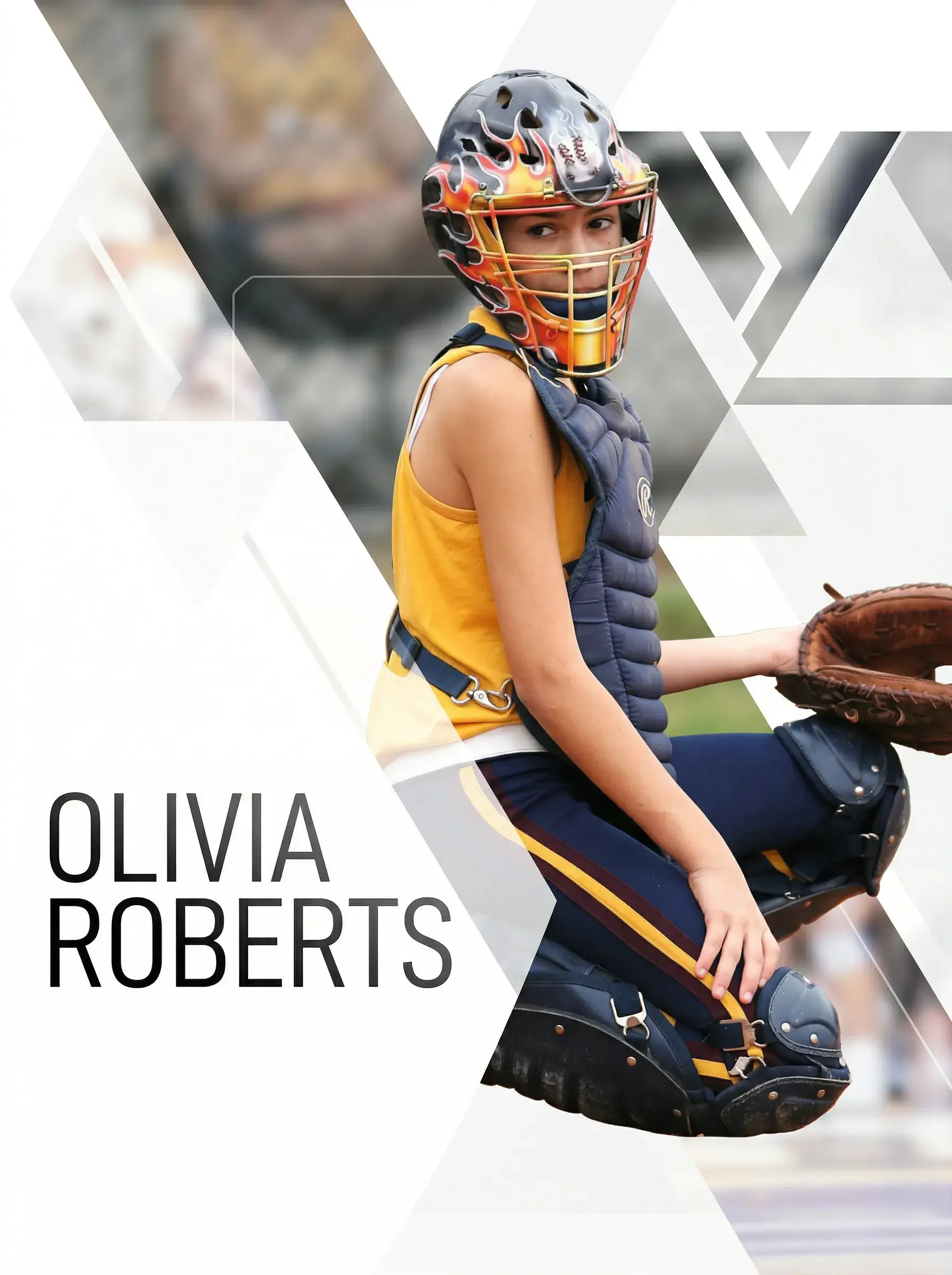
A single card is one custom 2.5 by 3.5 inch trading card for $17.99—perfect for gifting one athlete or testing the product for the first time. Card packs let you order multiple cards, scaling up to $49.99, which makes them practical for coaches ordering for a full roster or parents who want extras for grandparents and relatives. The MEGA card is a completely different format: an 11 by 15 inch oversized poster card for $49.99. It's designed to be displayed on a wall rather than held in a hand, and the larger format lets the photo detail really show. All three options ship free within the USA.
Can I use a photo from a past season for a Snapshot card?
Absolutely. There's no requirement that the photo be recent—some of the best cards are made from photos that were sitting in a camera roll for years, finally given a format that matches how meaningful they actually are. The only thing to check is image quality: make sure the photo is sharp, reasonably well-lit, and high enough resolution for print. Most photos taken after 2016 on a standard smartphone will have enough resolution. If the image is very dark or heavily compressed, quality may suffer in print. When in doubt, upload it and preview the card before committing to an order.
Do I need photo editing skills to make a good Snapshot card?
Not really. Snapshot's templates are designed to work with real-world photos, not just studio-perfect images. That said, a few simple edits before uploading can make a noticeable difference: straightening the horizon, bumping up brightness if the shot is dark, and cropping to a portrait ratio all help the template work better. These adjustments take two to three minutes in any free phone editing app. You don't need Photoshop or advanced skills—just enough to clean up the obvious issues. The template design handles everything else, including borders, text placement, and the overall card layout.
Free to design, instant preview. Ships the next business day.
Ready to Put Your Sports Photography How To Skills to Work?
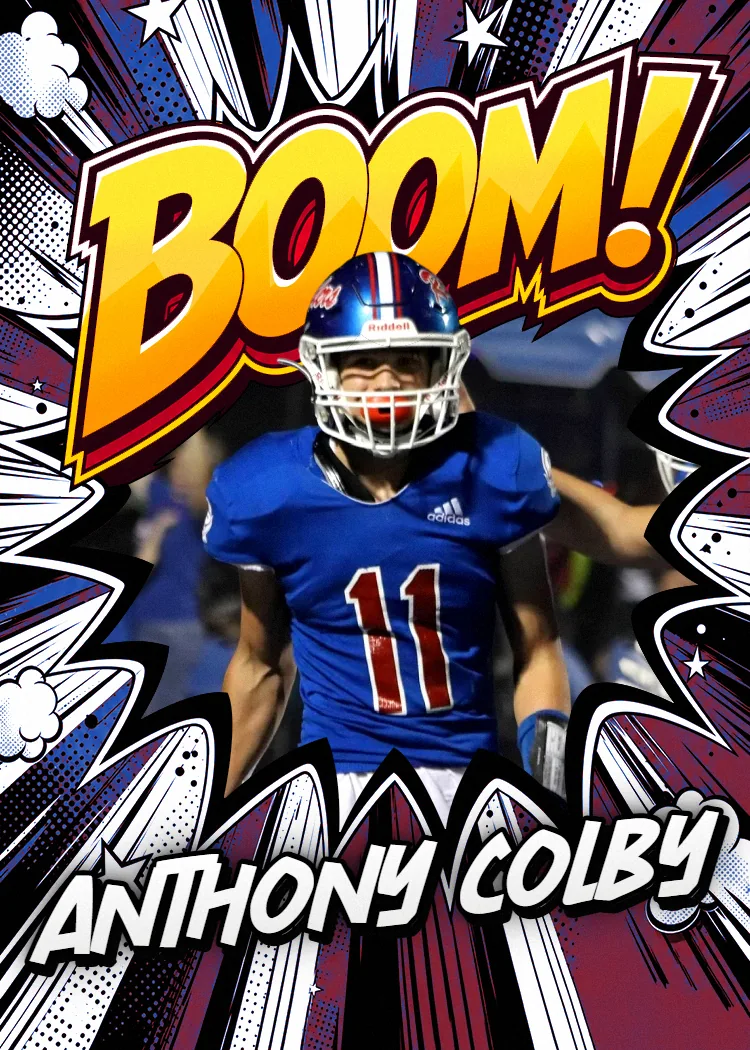
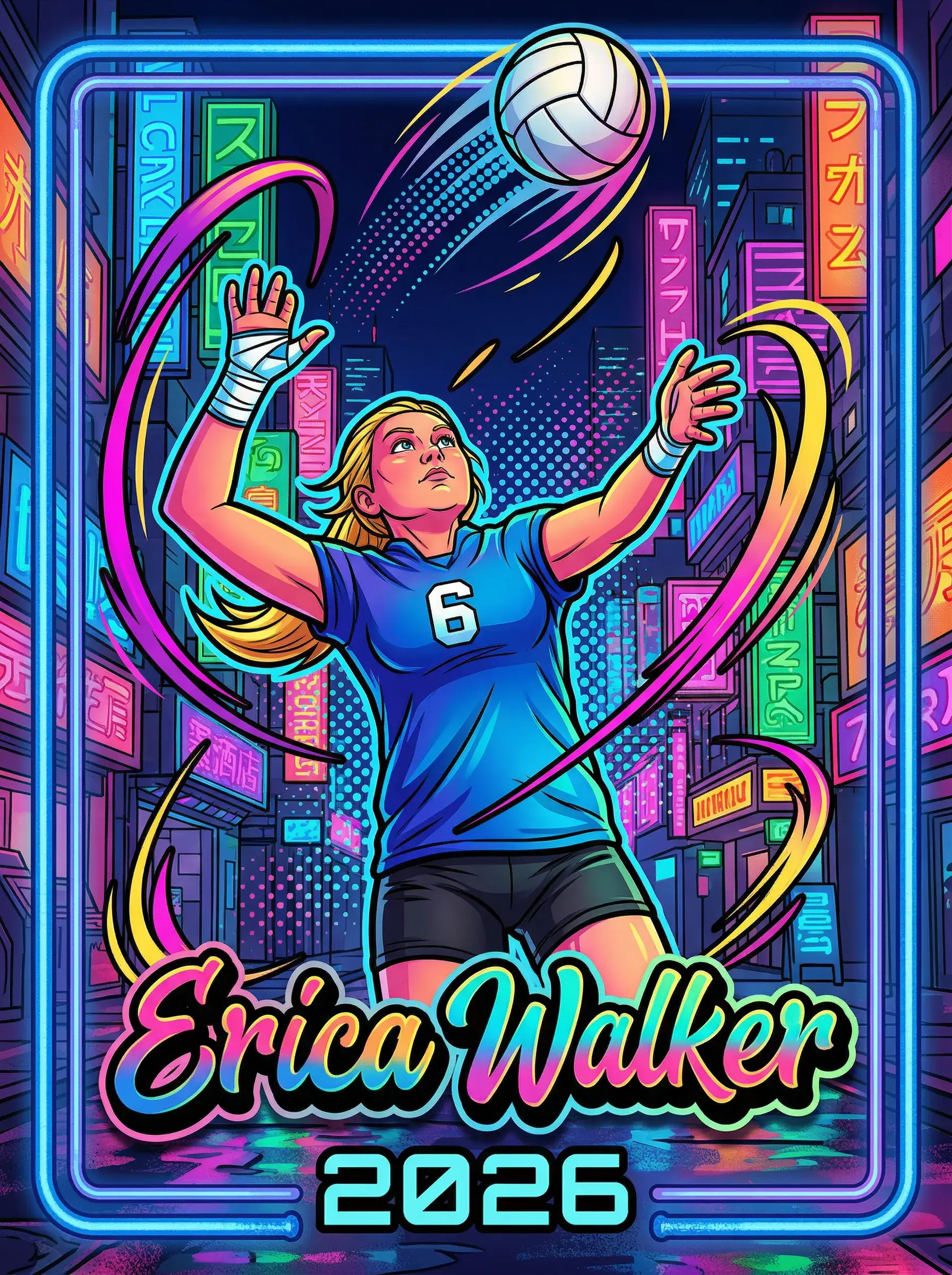
You've got the shot. Now give it a home. Upload your best sports photo to Snapshot, pick a pro template, and we'll have a premium custom trading card printed and shipped to you in two to three days—free shipping, free magnetic case, made in the USA.
Build Your Card NowNo credit card required | Instant preview | Pro-quality designs
Explore More Card Options
Discover more custom trading card options for every sport and occasion