
Sports Photography Shutter Speed: Freeze Every Peak Moment
One blurry frame costs you the perfect card. Sports photography shutter speed is the setting that makes or breaks your shot.
Upload any photo — your kid, your pet, your whole team — pick a pro template, and we print and ship a real, holdable card the next business day.
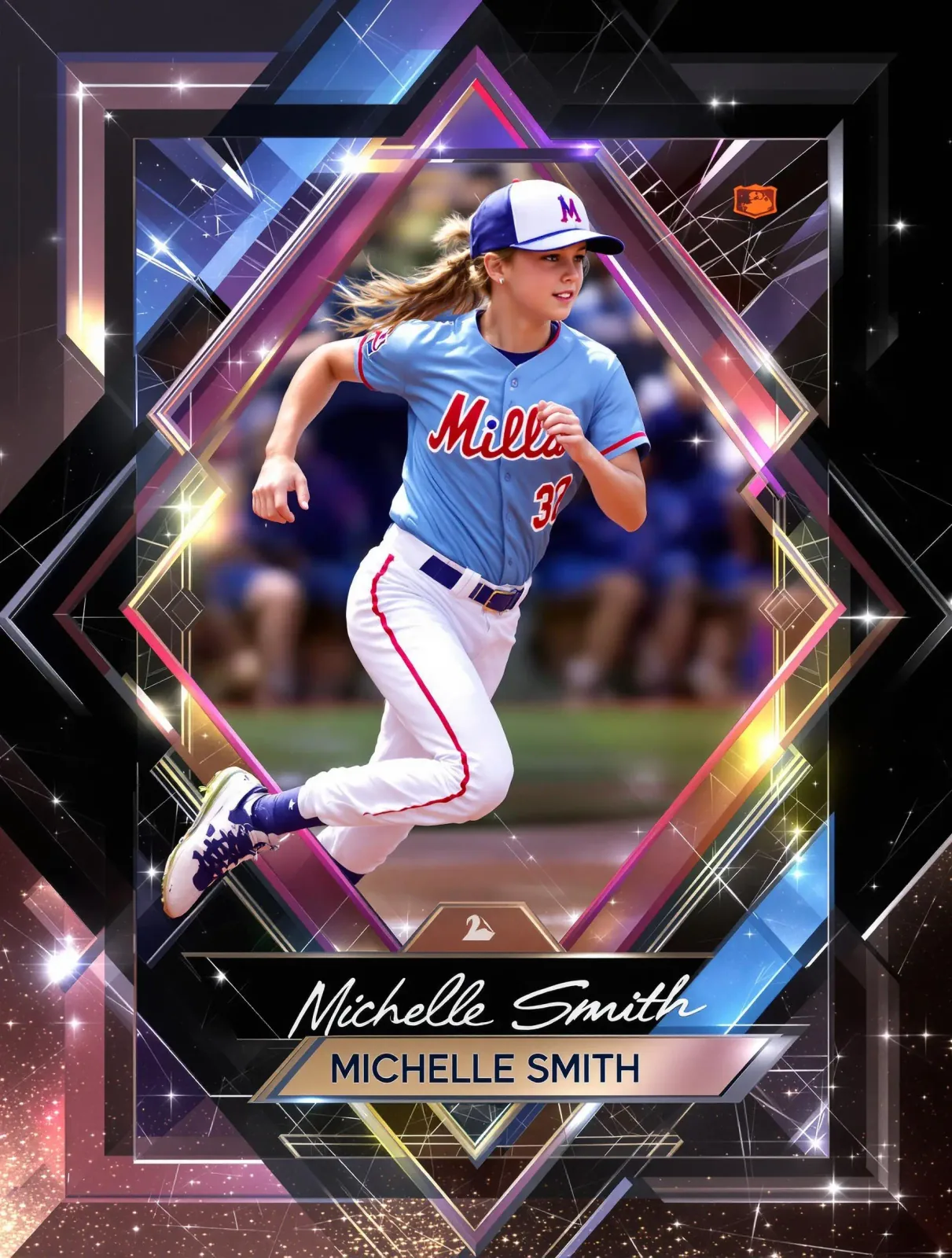
Most people grab their camera at a game and let the auto settings handle it. The result? Smeared motion, ghosted jerseys, and athletes who look more like impressionist paintings than the real deal. You're there for the decisive moment — the diving catch, the finish-line lean, the celebration jump — and your camera is averaging everything into mush. Slow shutter speeds forgive nothing in sports. A runner covers six feet in the time it takes a 1/60s shutter to blink. That's not a photo; it's a blur with good intentions.
Getting sports photography shutter speed right isn't complicated once you know the target numbers for each sport and lighting situation. This guide breaks it down fast: the exact settings, the common traps, and how to read your environment so you're ready before the action starts. And once you've nailed those crisp, frozen frames? Snapshot turns your best shots into professional custom trading cards — printed on premium card stock, shipped free anywhere in the USA in two to three days.
Let's get your camera dialed in so every shot is card-worthy.
We ship custom trading cards to athletes, parents, and coaches in all 50 states every single week — and we see firsthand how a sharp, well-timed action photo transforms into a card that genuinely looks professional.
Cards That Ship Fast and Look Like the Real Thing
Snapshot ships custom sports trading cards to customers in all 50 states every week — from Little League parents in rural Iowa to adult rec-league teams in major cities. Cards are designed on pro sports-card templates, printed on premium card stock, and arrive in a free magnetic case that makes every card feel like it belongs behind glass.
The two-to-three day production window means you're not waiting weeks to see your best frozen-action photo transformed into something you can actually hold.
Who's Using These Shutter Speed Settings Right Now
Sports photography shutter speed know-how applies across every level and every sport. Here's how three different photographers are putting it to work.
Youth League Parents
A parent shooting a youth soccer game doesn't have a sideline press pass or a $10,000 lens. They're working with a mirrorless consumer body and whatever light the field offers. Setting 1/800s in Shutter Priority mode and letting the camera choose aperture automatically produces consistently sharp action shots — even in late-afternoon shade. Those sharp frames become custom Snapshot trading cards the whole team is proud to carry.
High School Booster Photographers
School photographers covering football, wrestling, and swimming often work under mixed artificial lighting — a nightmare for auto settings. Manually locking 1/1000s for football, bumping ISO to 2000, and shooting RAW for post-processing latitude produces sellable, print-ready images. Snapshot's two-to-three day turnaround means cards can arrive before the season ends — perfect for senior night or playoff week.
Amateur Sports and Adult Recreation Leagues
Adult league players in softball, volleyball, and martial arts want photos that make them look as serious as the pros. A teammate with a decent mirrorless camera shooting at 1/640s–1/1000s can capture those serious athletic moments. Print a custom Snapshot card as a birthday gift or end-of-season keepsake. It hits different than a phone screenshot ever could.
Free to design, instant preview. Ships the next business day.
How Sports Photography Shutter Speed Actually Works
Shutter speed controls how long your camera's sensor sees light — and in sports, shorter exposure time equals sharper athletes. Here's the practical breakdown.
Set Your Baseline Speed for the Sport
Start at 1/500s for moderate-speed sports like baseball batting or basketball. Bump to 1/1000s for soccer, football, and track sprints. For motorsports, martial arts, or gymnastics with fast rotational movement, you'll want 1/2000s or faster. These aren't suggestions — they're the tested minimums that consistently freeze peak-action moments without motion blur.
Compensate for Light Loss
Faster shutters let in less light, so you'll need to open your aperture (lower f-stop number) or raise your ISO to compensate. Shoot at f/2.8–f/4 when possible, and don't fear ISO 1600–3200 in indoor gyms or evening games. Modern cameras handle high ISO cleanly. A sharp, slightly grainy photo beats a blurry bright one every single time.
Time Your Shot to the Peak of Action
Even at 1/1000s, timing matters. Every fast movement has a momentary pause — the peak of a jump, the top of a swing, the instant before a collision. That's your window. Anticipate the action rather than reacting to it. Shoot in burst mode and review your keeper rate. You'll quickly train your eye to predict those frozen-in-time instants worth printing.
Nail these three steps consistently and you'll fill your memory card with card-worthy frames every game.
Why Dialing In Your Shutter Speed Changes Everything
Sharp photos aren't just prettier — they tell a story that blurry ones simply can't. Here's what correct sports photography shutter speed actually unlocks for you.
Crystal-Clear Peak Action
At 1/1000s and above, you freeze details invisible to the naked eye — laces spinning on a thrown ball, water spraying from a swimmer's stroke, chalk puffing off a gymnast's hands. These micro-moments are what make a photo feel electric. They're also exactly what makes a trading card pop.
Printable-Quality Photos
Snapshot prints on premium card stock at a resolution that exposes every flaw in a soft image. A tack-sharp photo at 1/1000s holds up beautifully in print. A mushy 1/125s shot looks fine on a phone screen but falls apart at card size. Your shutter speed is your quality filter before editing even starts.
Consistent Keeper Rate
Shooting a three-hour game at correct shutter speeds turns a 10% keeper rate into 40% or better. Fewer throwaways, more selects, less time culling. You'll spend more time celebrating good shots and less time apologizing for blurry ones.
Emotion and Story in One Frame
The best sports photos freeze emotion alongside motion — the scream after a goal, the focus on a free-throw shooter's face. Proper shutter speed ensures the expression is as sharp as the action. That combination is what transforms a photo into something people actually want to hold in their hands.
Pre-Game Shutter Speed Checklist — Run This Before Every Shoot
Don't figure out your settings when the action starts. Run through this list in the parking lot.
- Set shutter speed to 1/1000s as your baseline — adjust after your first test burst
- Switch autofocus to continuous tracking mode (AF-C, AI Servo, or equivalent)
- Enable burst mode at your camera's highest frame rate
- Open aperture to f/2.8 or f/4 for fastest light intake
- Set ISO to Auto with a ceiling of 6400 for outdoor, 12800 for indoor
- Check memory card space — you'll fill it faster than you expect at burst rates
- Position yourself with the primary light source (sun, arena lights) behind you
- Shoot 10 test frames during warmup and review sharpness before the game starts
- Identify the peak-action moments for your specific sport before they happen
- After the game: cull ruthlessly, pick your sharpest frame, upload it to Snapshot
Common Sports Photography Shutter Speed Mistakes to Avoid
These are the errors that cost photographers their best shots — and their best card photos.
Shooting in Auto mode at a game
Auto mode prioritizes exposure over shutter speed and routinely selects speeds too slow for sport. Always use Shutter Priority or Manual. Lock your speed first.
Using 1/250s because 'it worked for portraits'
Portrait speeds fail completely at sports. An athlete's limbs at full extension move faster than a portrait subject will ever move. Start at 1/500s as your absolute minimum floor.
Ignoring ISO out of fear of grain
A sharp ISO 3200 image beats a blurry ISO 400 image every time. Grain can be reduced in post. Blur cannot be fixed. Raise ISO without guilt.
Firing burst mode non-stop for the entire event
Holding the shutter for five minutes straight produces thousands of frames of nothing useful and fills your card. Burst strategically around peak moments only.
Uploading a blurry photo to Snapshot expecting print to fix it
Premium printing on professional card stock reveals every soft edge. Sharp in camera means sharp in print. Get the shutter speed right first — then order your card.
Simple, Flat Pricing — No Subscriptions, No Surprises
Snapshot keeps pricing straightforward. You pick your format, upload your photo, choose a template, and order. Free shipping on every order, anywhere in the USA.
Single card starts at $17.99. Card packs run up to $49.99. The MEGA poster card — an oversized 11×15-inch collectible — is $49.99. Every order ships free with a magnetic display case included.
One great shutter speed setting produces one great photo. One great photo becomes one premium custom card — shipped to your door in days, not weeks.
Box Options
Simple, collectible pricing. No subscriptions, no hidden fees.
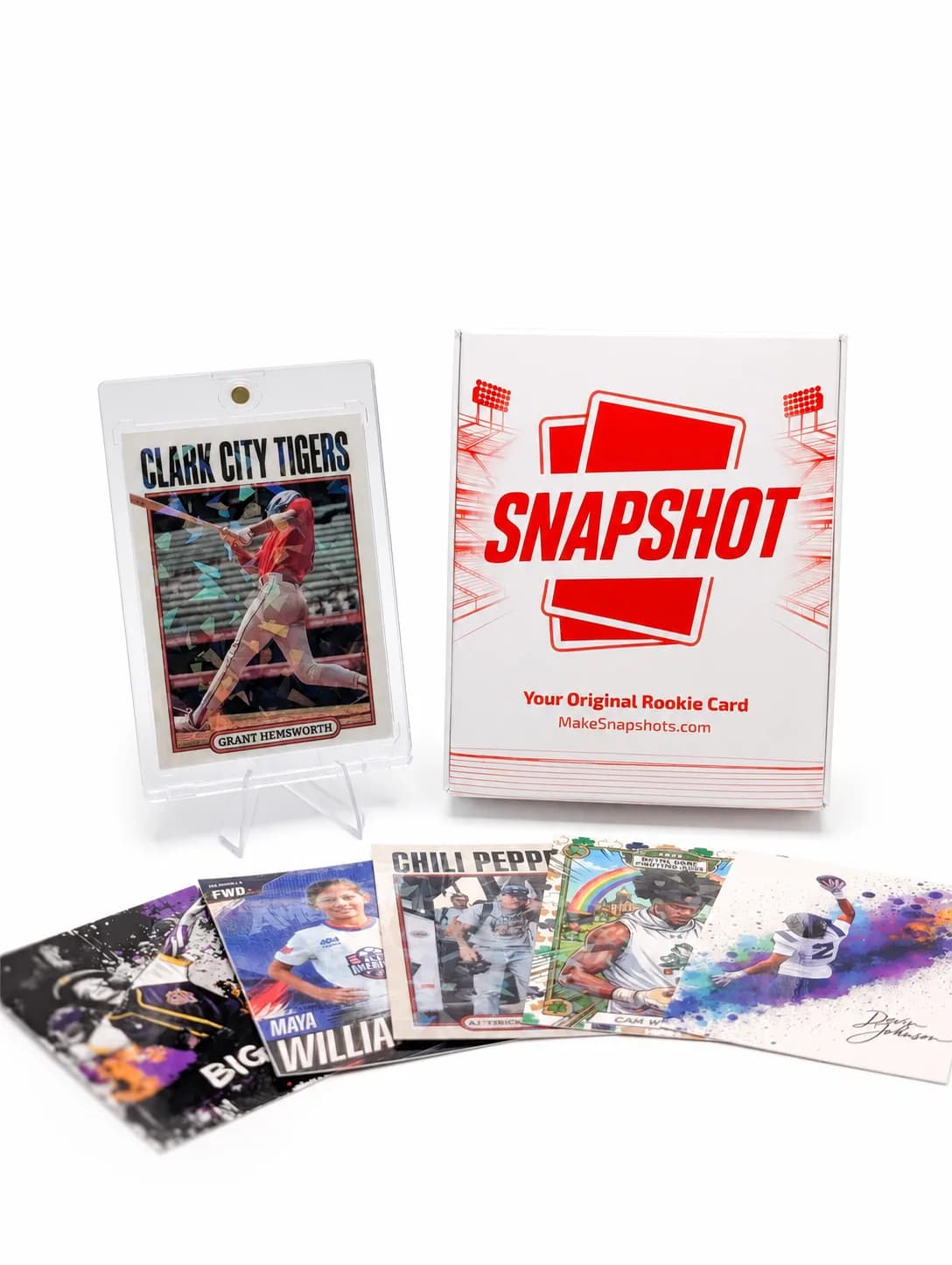
The Rookie Box
Perfect for those unforgettable moments
$17.99 - $49.99
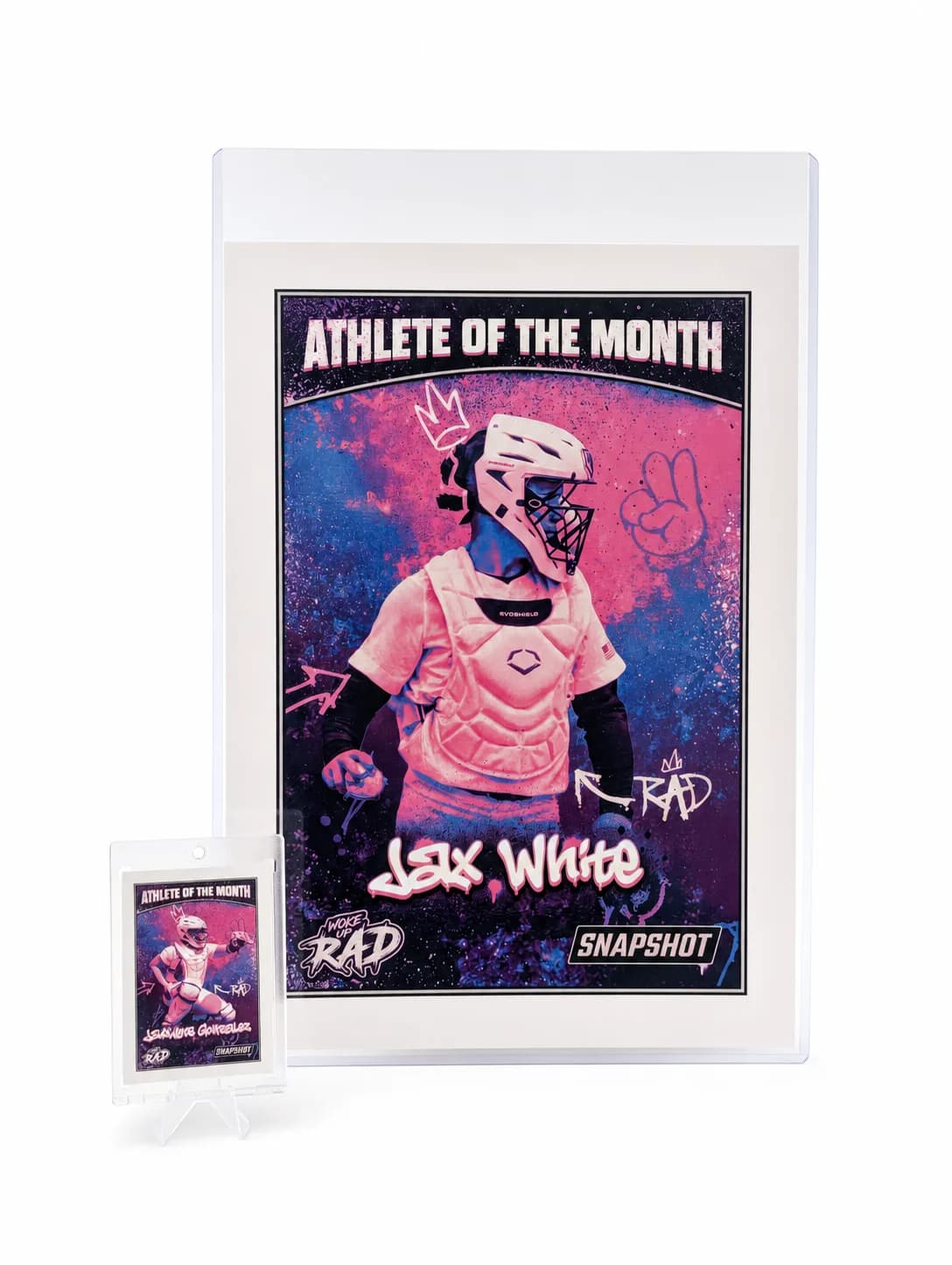
MEGA Card
Their moment, bigger than ever
$49.99
Create for free • Ships the next business day • Made in Des Moines, IA, USA
Frequently Asked Questions
What's the difference between Shutter Priority and Manual mode for sports?
Shutter Priority (S or Tv mode) lets you lock the shutter speed while the camera automatically adjusts aperture to maintain correct exposure. It's fast to set up and forgiving in changing light — great for outdoor games where clouds roll in mid-quarter. Manual mode gives you total control over both shutter and aperture, which experienced photographers prefer indoors under consistent artificial lighting. Neither is wrong. If you're still learning, Shutter Priority gets you sharp results faster. Once you understand how light behaves in your specific shooting environment, Manual gives you more consistency.
Why are my indoor sports photos blurry even at 1/500s?
Indoor gyms and arenas are brutal for shutter speed. Even 1/500s can produce blur under fluorescent lighting if your ISO isn't high enough to maintain proper exposure. When the camera underexposes, it sometimes compensates in ways that soften the image. Push your ISO to 1600, 3200, or even 6400 and open your aperture as wide as it goes. Some grain from high ISO is always preferable to motion blur. Also check that you're using continuous autofocus (AF-C on Sony/Nikon, AI Servo on Canon) so the camera tracks moving subjects rather than locking focus once.
How do I use burst mode effectively with fast shutter speeds?
Burst mode and fast shutter speeds are a powerful combination but can fill a memory card fast. Don't hold the shutter down for the entire play — that produces 200 frames of nothing useful. Instead, anticipate the peak moment and burst for a two-to-three second window: the jump, the swing, the slide. Review your burst frames and look for the sharpest image at maximum extension or expression. That's your card photo. Shooting RAW in burst mode gives you more editing flexibility but requires a fast memory card — use UHS-II or CFexpress for best results.
Does shutter speed affect background blur (bokeh) in sports photos?
Shutter speed alone doesn't create background blur — that's aperture's job. But they're deeply connected. To hit 1/1000s in lower light, you open your aperture wide (f/2.8, f/1.8), which naturally throws the background out of focus and creates that clean, professional bokeh that makes athletes pop from the frame. So fast shutter speeds often produce beautiful background separation as a side effect of the settings required to achieve them. It's one of the reasons well-exposed sports photos at fast shutter speeds tend to look so polished, even without heavy editing.
What sports require the fastest shutter speeds?
The fastest shutter speeds — 1/2000s to 1/4000s — are needed for motorsports (cars, motorcycles, BMX), baseball pitching and hitting, tennis serves, martial arts strikes, and competitive swimming at the turn. These sports involve rapid, unpredictable motion across a small frame area, where even 1/1000s can introduce subtle blur at the extremities. Track and field sprinters, gymnasts mid-rotation, and volleyball spikes also benefit from 1/2000s. When in doubt, go faster than you think you need. Storage is cheap; reshoot opportunities at a championship meet are not.
How do I choose a shutter speed for panning shots?
Panning is the intentional opposite of freezing — you deliberately use a slower shutter speed (1/60s to 1/250s depending on subject speed) and track the athlete laterally with your camera. The result: a sharp subject against a motion-blurred background that conveys speed visually. It takes practice to execute well, but a successful pan shot is stunning. For trading cards, though, a frozen moment at 1/1000s typically reads cleaner and more dramatically. Panning works beautifully for cycling, running, and motorsports features, but it's a creative choice, not a default setting.
How do I get card-ready photos from my phone at a sports event?
Modern flagship smartphones shoot surprisingly well at sports if you know the tricks. Enable your phone's Sport or Action mode if it has one — this automatically prioritizes faster shutter speeds. In bright outdoor light, 1/1000s is often achievable. Avoid digital zoom; crop in post instead. Shoot in burst mode by holding the shutter button. Focus on positioning: get as close to the action as allowed, and shoot with the sun behind you. Good light covers a lot of limitations. Many Snapshot customers order cards made entirely from phone photos — and they look great.
Free to design, instant preview. Ships the next business day.
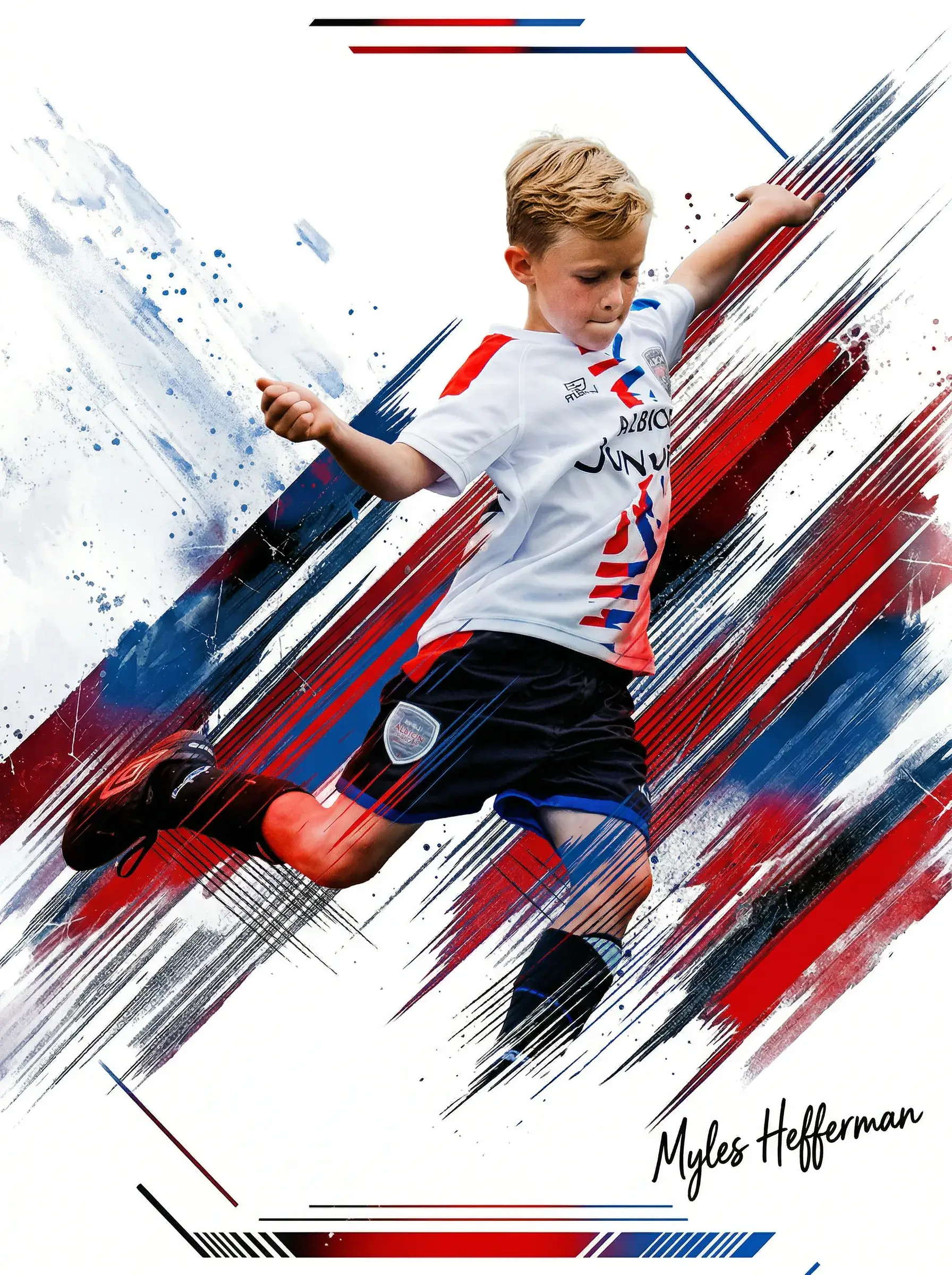


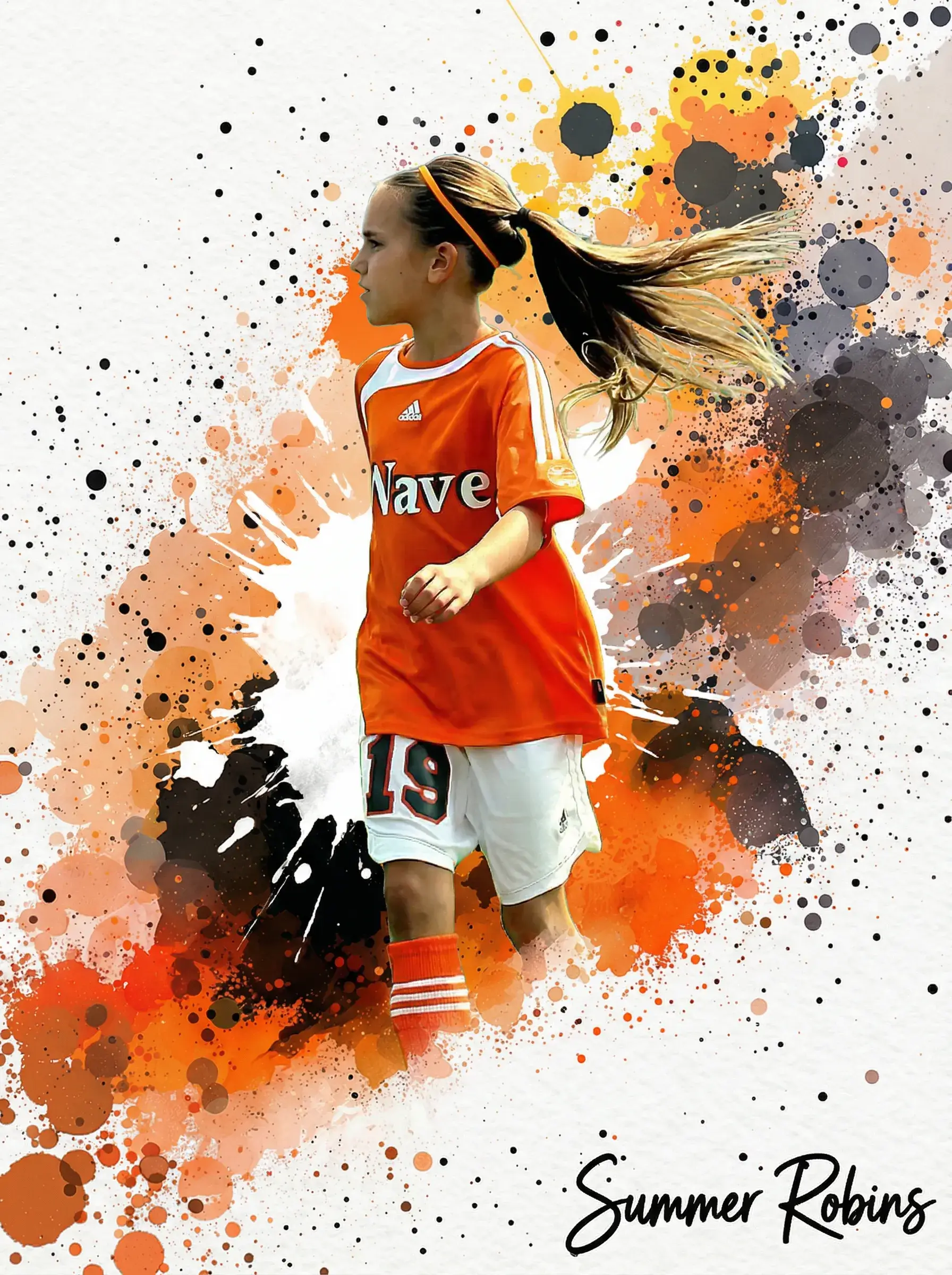

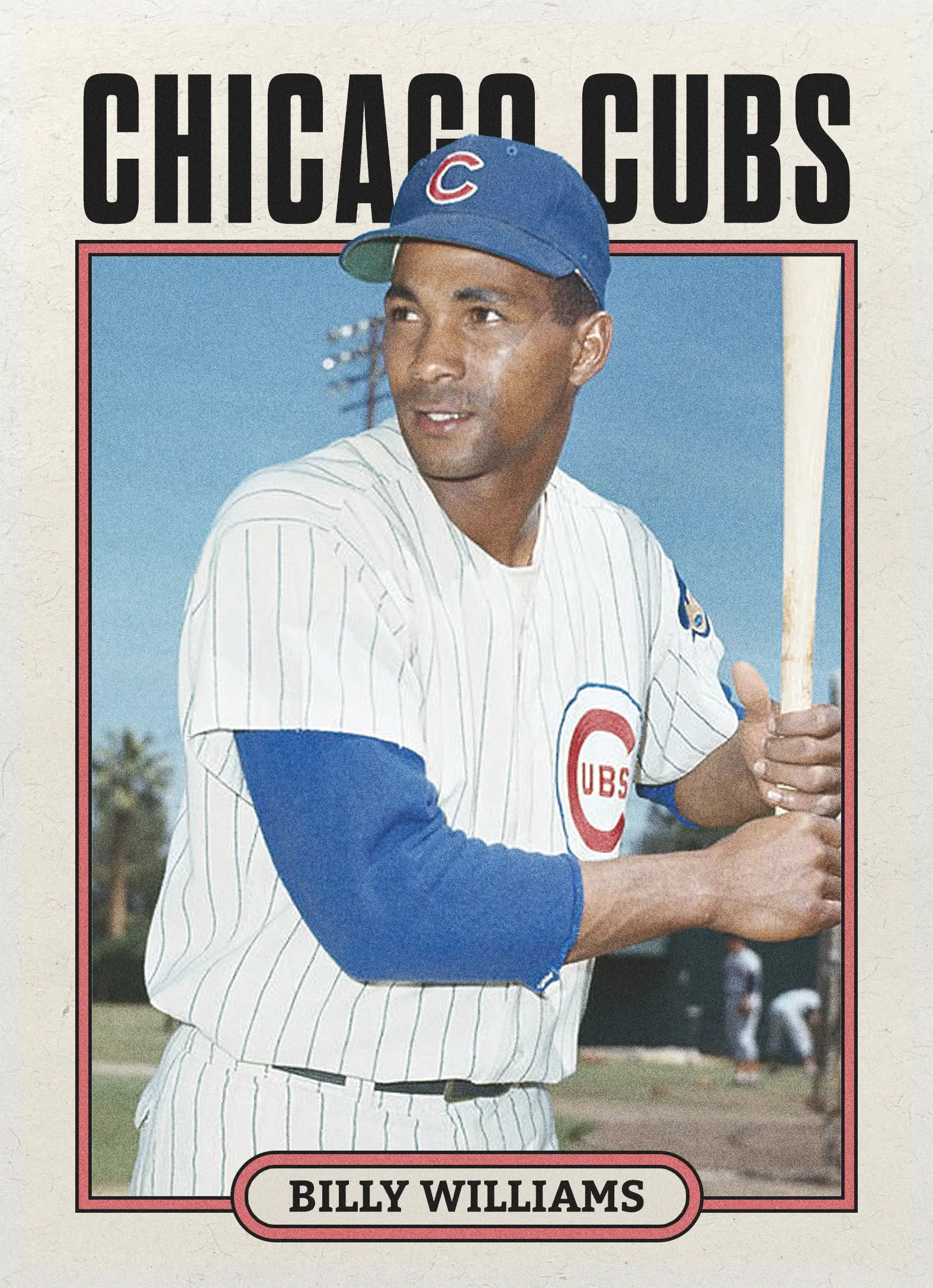
Got the Shot? Use Your Best Sports Photography Shutter Speed Moment to Make a Card
Upload your sharpest action frame to Snapshot and we'll turn it into a pro-quality custom trading card in two to three days. Free shipping. Free magnetic case. Premium card stock. Made in Des Moines, Iowa. Your best frozen moment deserves more than a phone gallery.
Build Your Card NowNo credit card required | Instant preview | Pro-quality designs
Explore More Card Options
Discover more custom trading card options for every sport and occasion