
Telephoto Lens Sports Photography: What's Myth, What's Fact
Everyone assumes telephoto lens sports photography requires a $6,000 rig. That assumption is wrong more often than it's right.
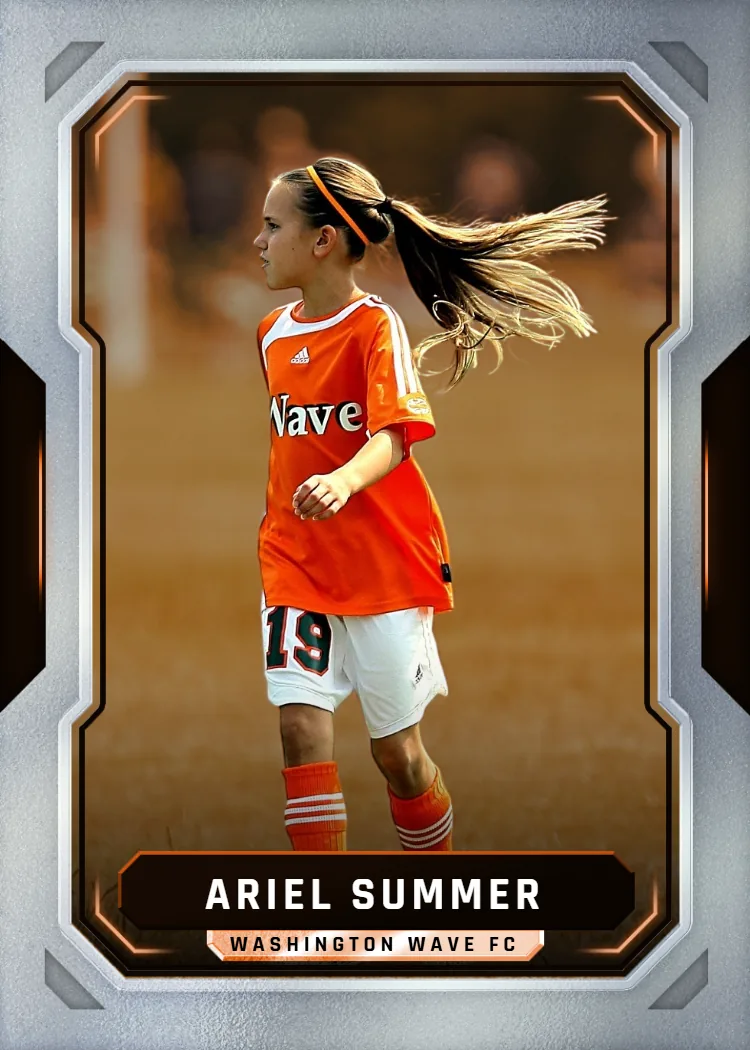
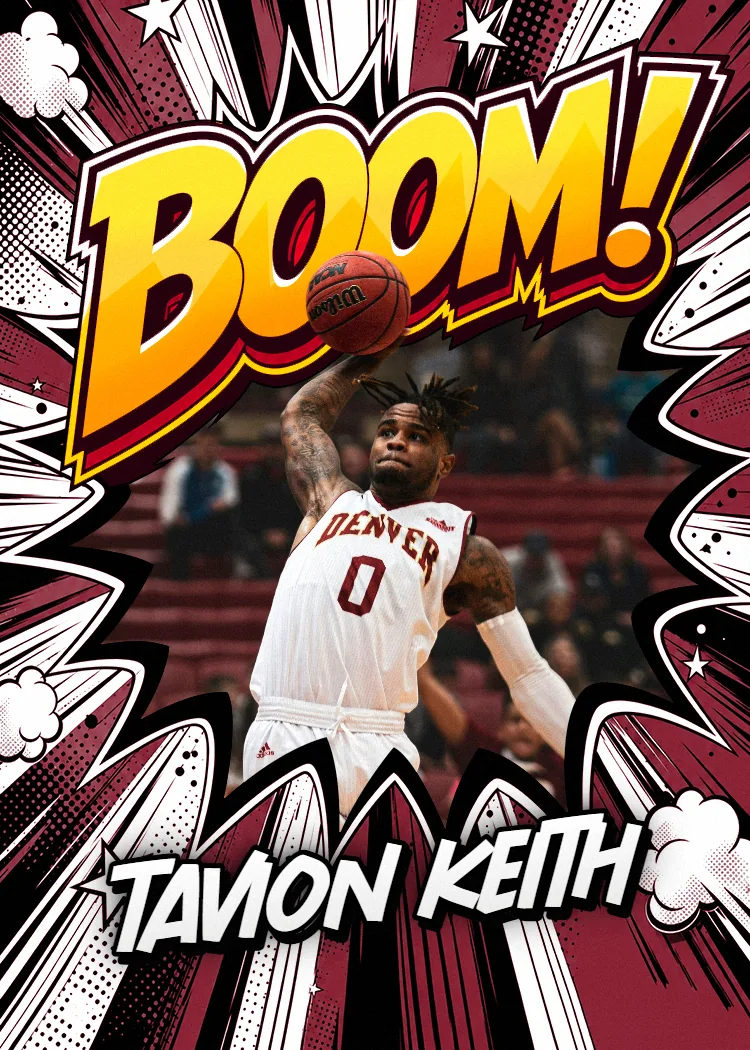
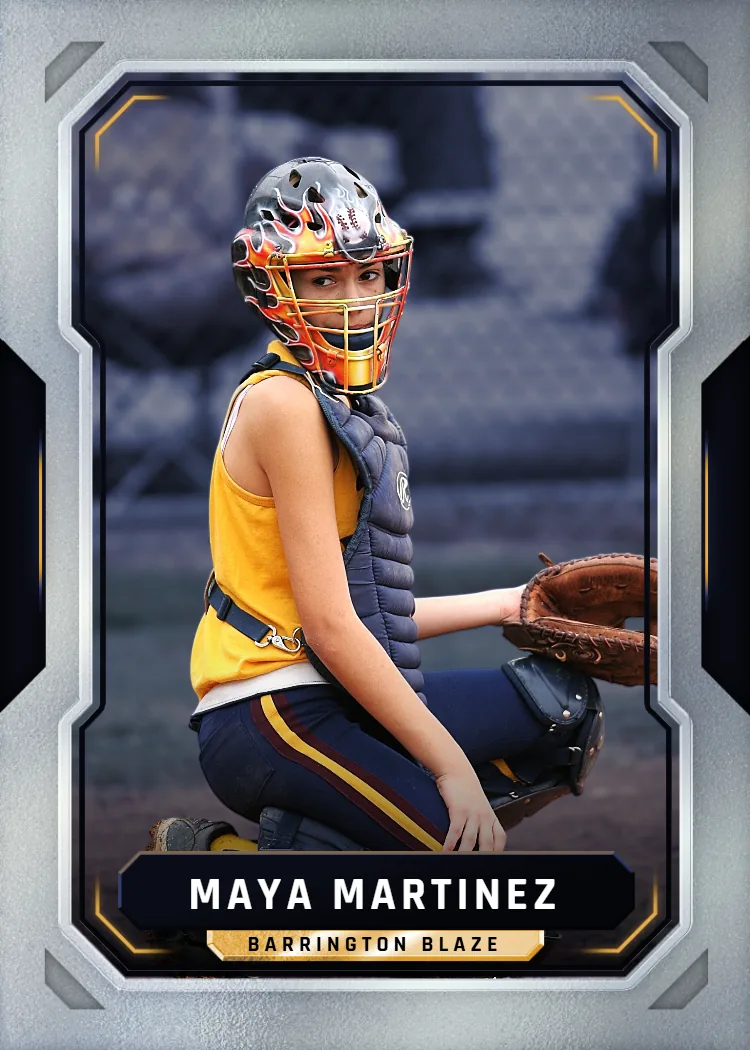
Upload any photo — your kid, your pet, your whole team — pick a pro template, and we print and ship a real, holdable card the next business day.
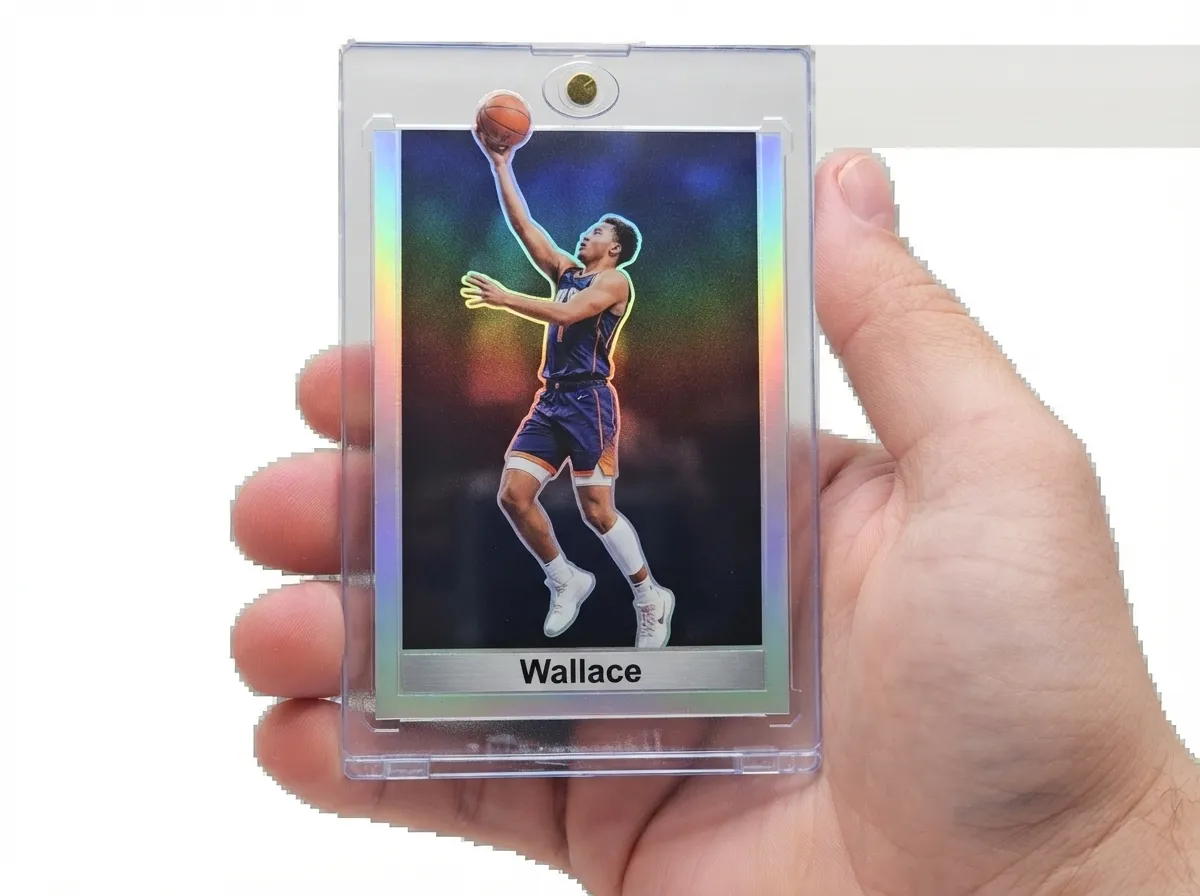
Parents and hobbyist shooters on the sidelines see pro photographers with foot-long lenses and figure their own photos don't measure up. That belief stops a lot of good moments from ever getting captured — or worse, from ever being used for anything beyond a phone camera roll. The truth is, telephoto lens sports photography has a lot of myths baked into it: myths about gear cost, about camera settings, about what actually makes a shot 'good enough' to print. Most of those myths just discourage regular people from documenting the games that matter to them.
This page breaks down what's actually true about telephoto lens sports photography versus what's internet folklore, then shows you what to do with the shot once you've got it. Because a sharp, well-framed image of your kid stealing second base or your buddy sinking a three isn't just a memory — it's raw material. At Snapshot, we turn photos like that into premium trading cards printed on professional card stock, shipped in 2-3 days with a free magnetic case.
Let's separate the myths from the facts, then walk through turning your shot into something you can hold.
We ship custom cards to teams and families in all 50 states every week, and most of the photos we receive come from parents and hobbyists shooting with consumer telephoto lenses, not professional gear.
Frequently Asked Questions
Is it true that phone cameras can't do telephoto lens sports photography at all?
That's not entirely true anymore, though it comes with real limits. Modern phones with a dedicated telephoto camera module, usually labeled 2x, 3x, or 5x optical zoom, can capture usable sports shots in good outdoor light, especially at kids' games or rec league events where you're not too far from the action. The problem shows up when you push past the phone's native optical zoom into digital zoom territory, where the image gets soft and blocky fast. Indoor gyms and evening games under stadium lights are where phones really struggle, since the sensor is small and needs a lot of light to keep the shutter speed fast enough to freeze motion. If you're relying on a phone, get as physically close to the action as the rules allow rather than zooming digitally. For a printed card, a phone shot taken at native zoom in daylight often looks just as good as a shot from a basic dedicated camera lens.
What camera settings actually matter most for telephoto lens sports photography?
Shutter speed matters more than almost anything else when you're shooting fast-moving sports through a telephoto lens. A good starting point is 1/1000th of a second or faster for anything involving running, jumping, or a ball in flight, since anything slower tends to blur the exact moment you're trying to capture. Aperture matters too, but mostly for separating your subject from the background — a wider aperture like f/4 or f/2.8 blurs the crowd or field behind the player, which telephoto lenses are naturally good at anyway. ISO is the setting most beginners get wrong by leaving it too low, which forces the shutter speed down and introduces motion blur. It's better to bump the ISO up and accept a little digital noise than to end up with a technically clean but blurry photo. Autofocus mode should be set to continuous or tracking rather than single-shot, since athletes rarely stay still long enough for single-point focus to keep up. Get those three settings right and the lens itself becomes less critical.
Do I need a tripod or monopod for telephoto lens sports photography?
Not always, but it depends heavily on the lens length and how long you're shooting. Anything under 200mm is usually light enough to handhold comfortably for a full game without much stabilization trouble, especially with image stabilization built into modern lenses or camera bodies. Once you get past 300mm, the lens gets heavier and harder to hold steady, and even small hand shake gets magnified at that zoom level, which shows up as softness in the final image. A monopod is a nice middle ground for sidelines, since it supports the weight without locking you into one fixed position the way a tripod does. If you're shooting from bleachers or a fixed seat, a tripod can work fine and actually helps with consistent framing across an entire game. For casual shooters just capturing weekend games, though, a fast shutter speed alone often solves the stability problem without needing extra gear at all.
Is it a myth that you need to shoot in RAW format for good sports photos?
It's partly a myth, at least for casual and semi-serious shooters. RAW files do preserve more editing flexibility, particularly around exposure and white balance corrections after the fact, which matters if you shot in tricky stadium lighting or a poorly lit gym. But RAW files are large, slower to shoot in burst mode, and require editing software before you can actually use the image anywhere. For someone shooting a weekend game and planning to print a card or two, a well-exposed JPEG straight out of the camera is often perfectly sufficient. The real advantage of RAW shows up when the lighting was inconsistent or you need to recover shadow detail from a poorly exposed frame. If your camera settings were dialed in correctly to begin with, shooting JPEG saves time and storage without meaningfully hurting the final printed result. Save RAW for situations where you genuinely expect to need heavy edits afterward.
Can I use a telephoto sports photo I took myself to make a custom card on Snapshot?
Absolutely, and honestly that's the majority of what we print. You don't need professional credentials or studio equipment — you just need a photo that's reasonably sharp and well-lit, whether it came from a dedicated telephoto lens, a phone's zoom camera, or a borrowed camera from a teammate's parent. Once you upload the image, you'll choose from sports card templates designed to frame action shots well, with borders and layouts that complement a zoomed-in, tightly cropped photo. The template does a lot of visual heavy lifting, so even a slightly imperfect amateur shot ends up looking polished once it's placed inside a pro-style card design. We print on professional card stock and ship within 2-3 days with a free magnetic case included on every order. There's no minimum photography skill required — plenty of the best cards we've printed came from parents with basic zoom lenses standing behind a chain-link fence.
What's the ideal focal length for youth sports photography specifically?
For most youth sports fields and courts, something in the 100-300mm range covers the majority of situations well. Baseball and softball fields are large enough that you'll often want the longer end of that range, closer to 300mm, especially if you're shooting from the stands rather than field level. Basketball and volleyball courts are much smaller, so 100-200mm is usually plenty and lets you avoid being cropped in so tight that you lose context around the play. Soccer and football fields fall somewhere in between, and a zoom lens that covers 70-300mm gives you flexibility to adjust as play moves closer or farther away. It's worth noting that going longer isn't always better, since very long lenses narrow your field of view so much that fast-moving action can be hard to track and keep in frame. A versatile mid-range zoom often produces more usable frames over a full game than a single fixed super-telephoto lens would.
How many photos should I take during a game to get one good print-worthy shot?
Plan on shooting far more than you'll ever use — a ratio of 50 to 100 frames per one final printable shot isn't unusual, even for experienced photographers. Sports move unpredictably, and continuous burst shooting is the only reliable way to catch the exact peak moment, whether that's contact with the ball or a jump at its highest point. Most cameras and even many phones support a burst or continuous shooting mode, and it's worth using it liberally rather than trying to time single shots perfectly. Expect a lot of your frames to be thrown away due to blur, awkward expressions, or bad timing, and don't treat that as a failure. The goal of any single game isn't a high keeper rate, it's getting a handful of genuinely strong frames you can choose from afterward. Reviewing photos on a bigger screen rather than a camera's small display also helps you spot the sharpest, best-composed shots you might otherwise scroll past.
Does bad weather ruin telephoto lens sports photography?
It complicates things but doesn't necessarily ruin them. Overcast skies are actually often better for outdoor sports photography than harsh direct sunlight, since clouds diffuse the light and reduce harsh shadows across a player's face. Rain and heavy fog are more genuinely difficult, both because visibility drops and because most lenses and camera bodies aren't fully weatherproof without extra protective gear. Wind can be an underrated problem too, since it shakes long telephoto lenses more than people expect, especially on a monopod rather than a solid tripod. Bright, harsh sun creates its own issues, casting deep shadows under helmets or caps that can obscure faces in a way that's hard to fix afterward. If you're shooting in tricky weather, raising your shutter speed slightly and paying closer attention to where shadows fall on faces will save you more frustration than any piece of gear will. Overall, moderate weather conditions are far more forgiving than people assume, and only genuinely severe conditions cause real problems.
Is a used or older telephoto lens good enough for sports photography?
In most cases, yes, and this is another place where the myth of needing the newest gear falls apart. Autofocus technology has improved over the years, but a used lens from a reputable brand still focuses fast enough for the vast majority of amateur and youth sports situations. What matters more than the release year is whether the lens has been well maintained, since scratched glass or a damaged autofocus motor will hurt image quality regardless of how new the model originally was. Buying used also frees up budget to get a longer or faster lens than you could otherwise afford new, which often matters more for sports specifically than having the latest autofocus algorithm. It's worth testing any used lens before an important game, checking focus speed and sharpness in conditions similar to what you'll actually shoot. For printing a card afterward, the resolution difference between a five-year-old lens and a brand-new one is rarely visible at the final print size anyway.
How long does it take to get a custom card printed after uploading a photo?
Snapshot ships every order within 2-3 days of you finalizing your design, and that timeline holds whether you're ordering a single card or a full pack. There's no separate rush fee tier because the standard turnaround is already fast enough for most needs, including last-minute team gifts or end-of-season surprises. Shipping itself is free anywhere in the USA, so the price you see at checkout is the full price, without a shipping charge added later. The production happens at our facility in Des Moines, Iowa, where cards are printed on professional card stock and paired with a free magnetic case before shipping out. If you're ordering for a specific date, like a banquet or a birthday, it's smart to order at least a week ahead just to build in a comfortable buffer for transit time. Most customers report the whole process, from upload to unboxing, taking well under two weeks door to door.
What resolution does my telephoto sports photo need to be for a good print?
Higher resolution helps, but it's less critical than people assume, especially for single cards rather than large poster prints. Most modern cameras and phones capture images well above the minimum resolution needed for a sharp single card print, so resolution usually isn't the limiting factor — focus and lighting are. Where resolution starts to matter more is with the MEGA 11-inch by 15-inch poster card, since a heavily cropped or low-resolution photo will show softness at that larger size. If you shot with a telephoto lens and didn't crop the image aggressively afterward, you're almost always working with plenty of resolution for any of our print sizes. The bigger risk to image quality is actually digital zoom on phones, which effectively lowers real resolution even though the file size looks unchanged. When in doubt, upload the original, uncropped file straight from your camera or phone rather than a version that's already been resized or heavily edited down.
Can I turn a series of photos from an entire season into multiple cards?
Yes, and a lot of customers do exactly that rather than picking just one photo. Ordering a pack lets you include several different shots, which works well for parents who've collected telephoto images across an entire season and don't want to choose just one favorite moment. Packs run up to $49.99 and are a genuinely efficient way to cover multiple games, multiple poses, or even multiple kids on the same team without paying full single-card price for each. Some families use this to build a mini season recap, ordering shots from the first game, a big midseason play, and a final tournament all as one set. Others split a pack across teammates, giving each family a card featuring their own player from the same game. There's no requirement that all the photos in a pack be from the same event, so you can mix a telephoto action shot with a posed team photo just as easily.
Free to design, instant preview. Ships the next business day.
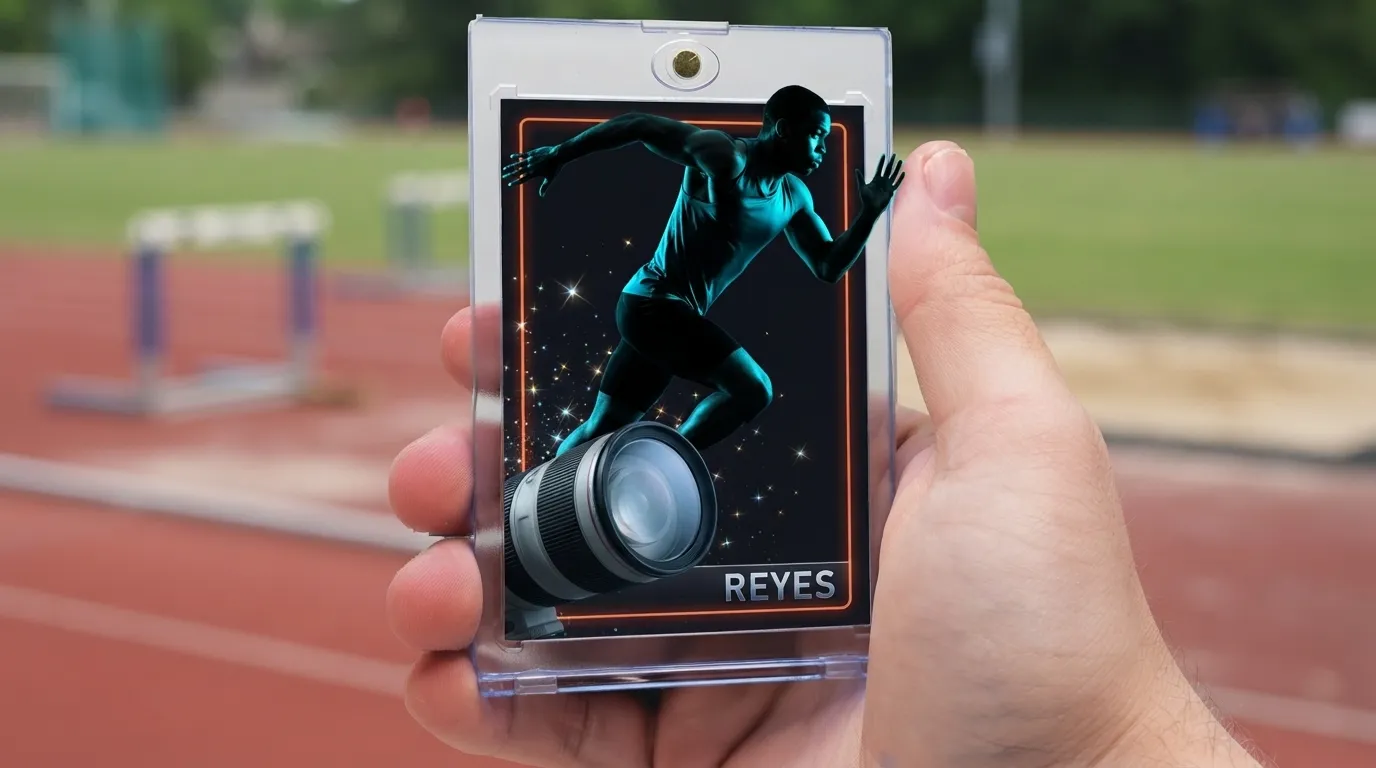
How Does Telephoto Lens Sports Photography Actually Turn Into a Printed Card?
The process is shorter than most people expect — three steps, a few minutes of your time.
Shoot or Select the Frame
Whether you caught it with a 200mm zoom or a phone with digital telephoto crop, pick the frame with clean focus on the face or ball. You don't need studio lighting. A crisp, well-exposed action shot from the sideline works fine — the kind telephoto lens sports photography is built to produce, where the subject fills the frame and the background falls away.
Upload and Choose a Template
Upload the image to Snapshot and pick from pro-style sports card templates. Templates are built for the visual language of trading cards — bold borders, stat boxes, team colors — so even a slightly imperfect telephoto shot gets framed like it belongs on a shelf next to a rookie card.
Print and Ship
We print on professional card stock and ship in 2-3 days with free shipping anywhere in the USA. Every single card comes with a free magnetic case, so the thing that started as a zoomed-in action photo ends up protected and display-ready within the week.
No design software, no waiting weeks — just a photo and a few clicks.
Why Bother Printing Telephoto Shots Instead of Just Posting Them?
A photo that lives only on a phone gets buried within days. A printed card doesn't.
Zoomed-In Detail Actually Shows
Telephoto compression flattens distance and sharpens the subject, which is exactly the kind of detail that gets lost when a photo is shrunk down for a social feed. Printed at card size, that detail holds up.
Works for Any Sport, Any Level
You don't need a pro athlete or a stadium. Rec league soccer, backyard baseball, a weekend 5K — telephoto lens sports photography works the same way at every level, and so does the card it becomes.
Fast Turnaround Beats Custom Framing
A framed print can take weeks and costs more than most people expect. Snapshot ships finished cards in 2-3 days, starting at $17.99, with the case included.
Built for Sharing, Not Just Storing
Cards get handed out, traded, mailed to grandparents, tucked into a team gift bag. A phone photo doesn't do any of that on its own.
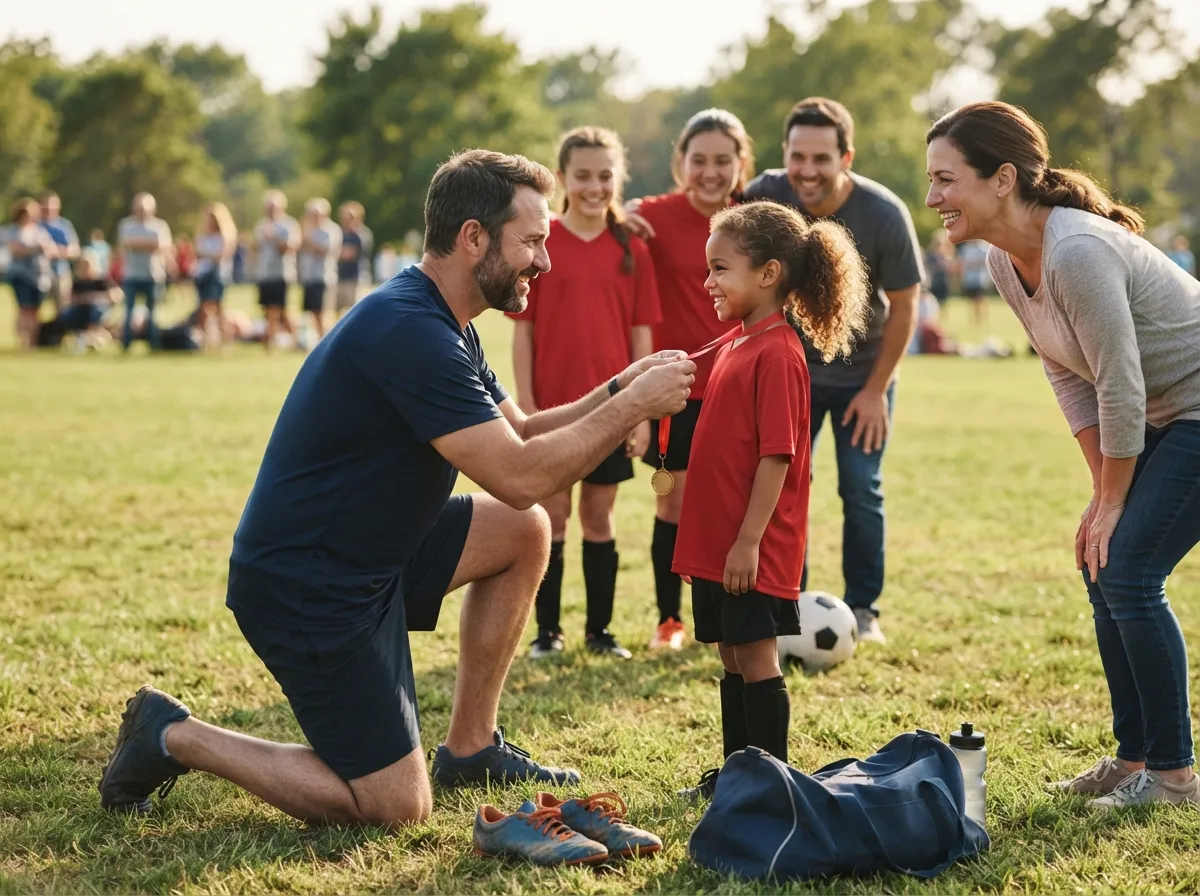
Who Actually Uses Telephoto Shots for Custom Cards?
It's rarely just the star player. Here's who we see uploading photos most.
Parents Documenting a Season
A parent with a basic zoom lens shoots every home game from the bleachers. By the end of the season they've got a handful of sharp shots worth keeping. Instead of scrolling through a camera roll, they turn the best three or four into cards — one for the kid, one for grandparents, one for a coach's gift.
Adult League and Weekend Athletes
Adult rec teams don't get professional photographers, but plenty of teammates carry a telephoto lens as a hobby. Those shots — a diving catch, a game-winning shot — become cards the whole team splits up as keepsakes after the season wraps.
Coaches Building Team Culture
Some coaches ask a parent volunteer to shoot practices and games with a telephoto lens specifically so every player gets at least one usable action photo. Those photos become end-of-season cards, distributed as a low-cost, high-impact team gift.
Do People Actually Use Their Own Telephoto Photos for This?
Yes — the majority of photos we receive aren't from professional shoots. They're from parents, teammates, and hobbyist photographers using consumer zoom lenses on the sideline. We ship these custom cards to addresses in all 50 states every week, and a large share start as amateur telephoto shots, not studio portraits.
What Does It Cost to Turn a Telephoto Shot Into a Card?
Pricing is flat and simple, with no hidden framing or shipping fees.
Single cards start at $17.99, packs run up to $49.99, and the MEGA 11"x15" poster card is $49.99. Shipping is free across the USA, and every order ships in 2-3 days.
One sharp telephoto frame becomes a printed keepsake for less than the cost of a frame at most craft stores.
Box Options
Simple, collectible pricing. No subscriptions, no hidden fees.
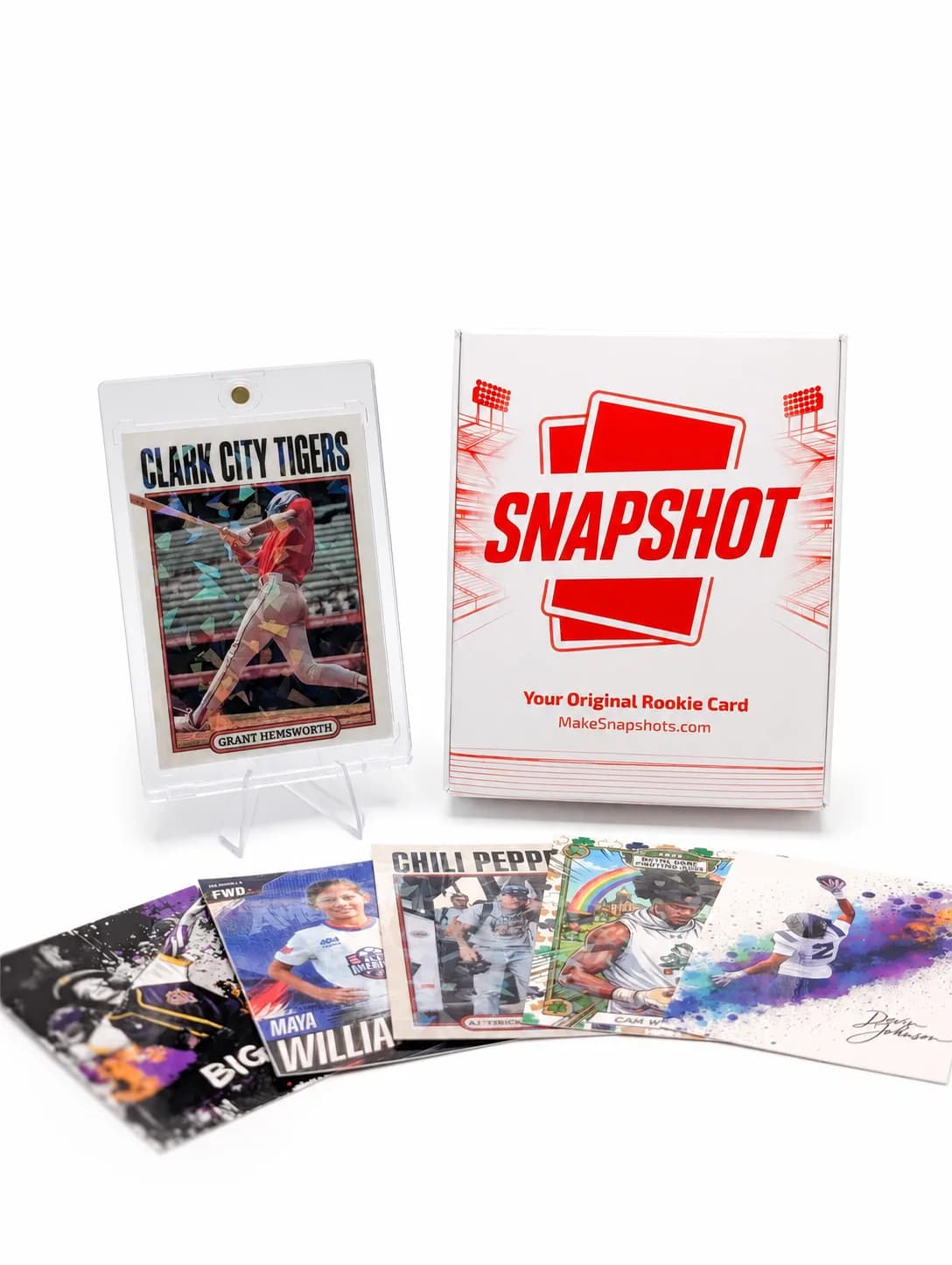
The Rookie Box
Perfect for those unforgettable moments
$17.99 - $49.99
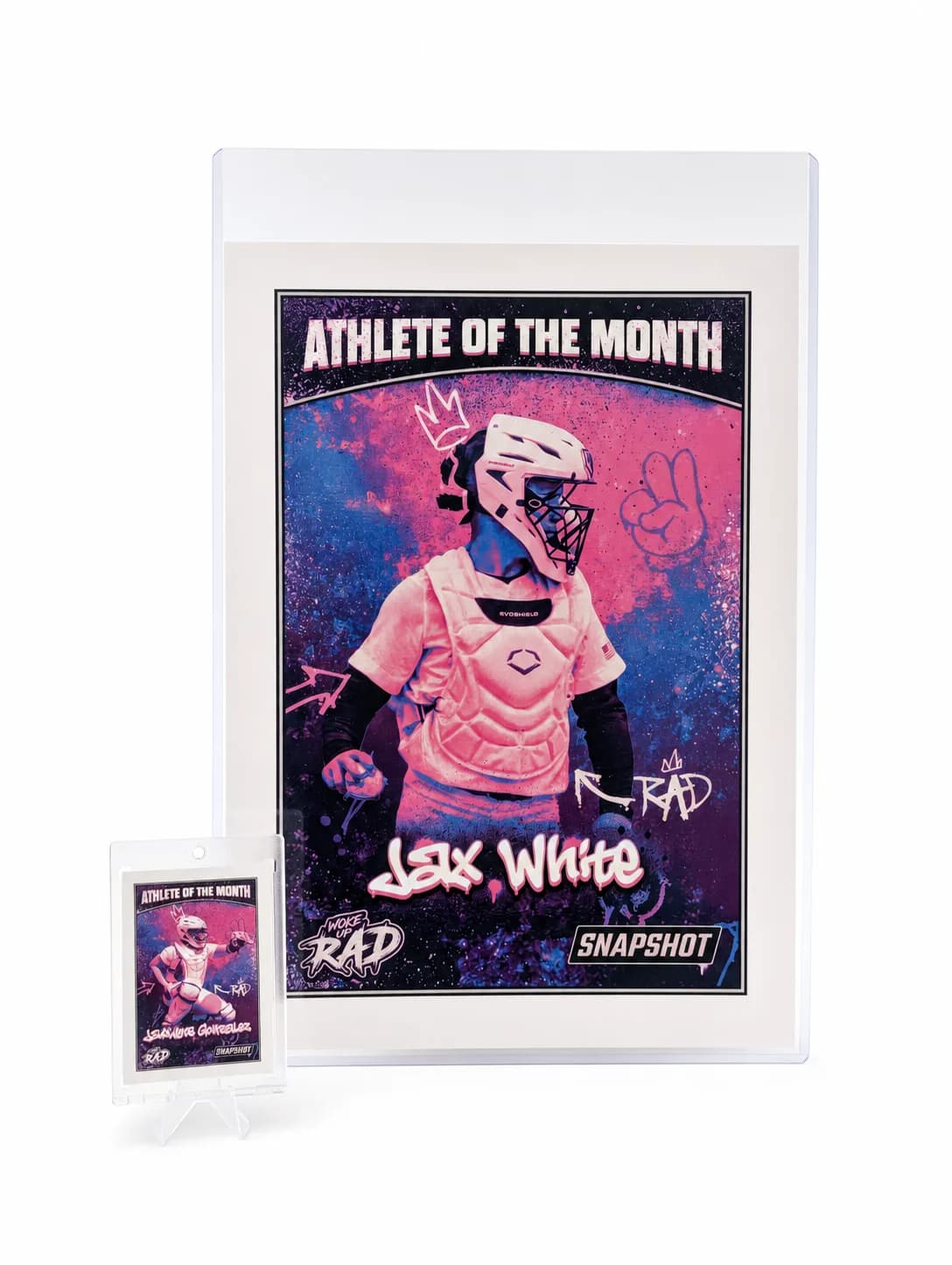
MEGA Card
Their moment, bigger than ever
$49.99
Create for free • Ships the next business day • Made in Des Moines, IA, USA
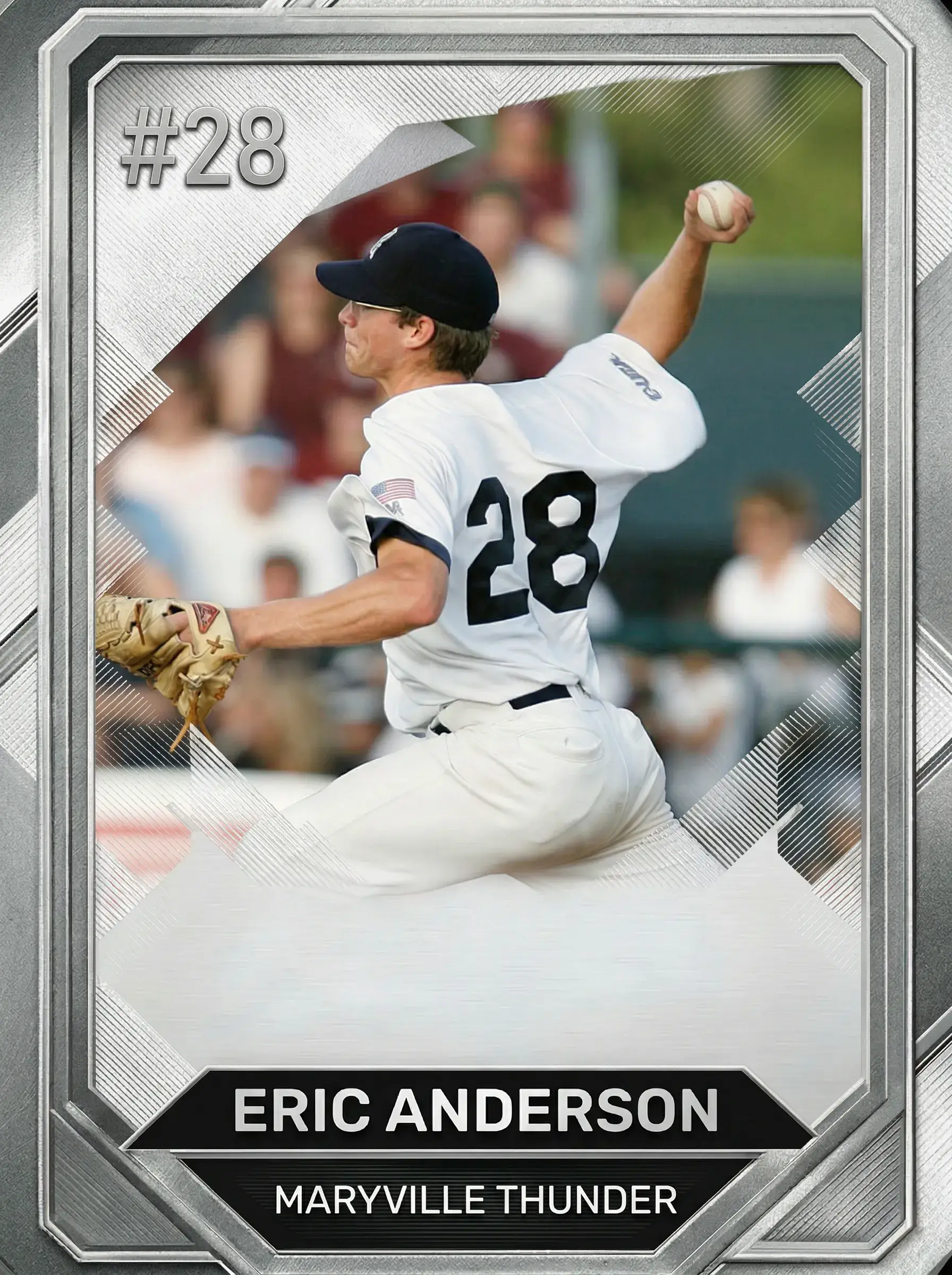
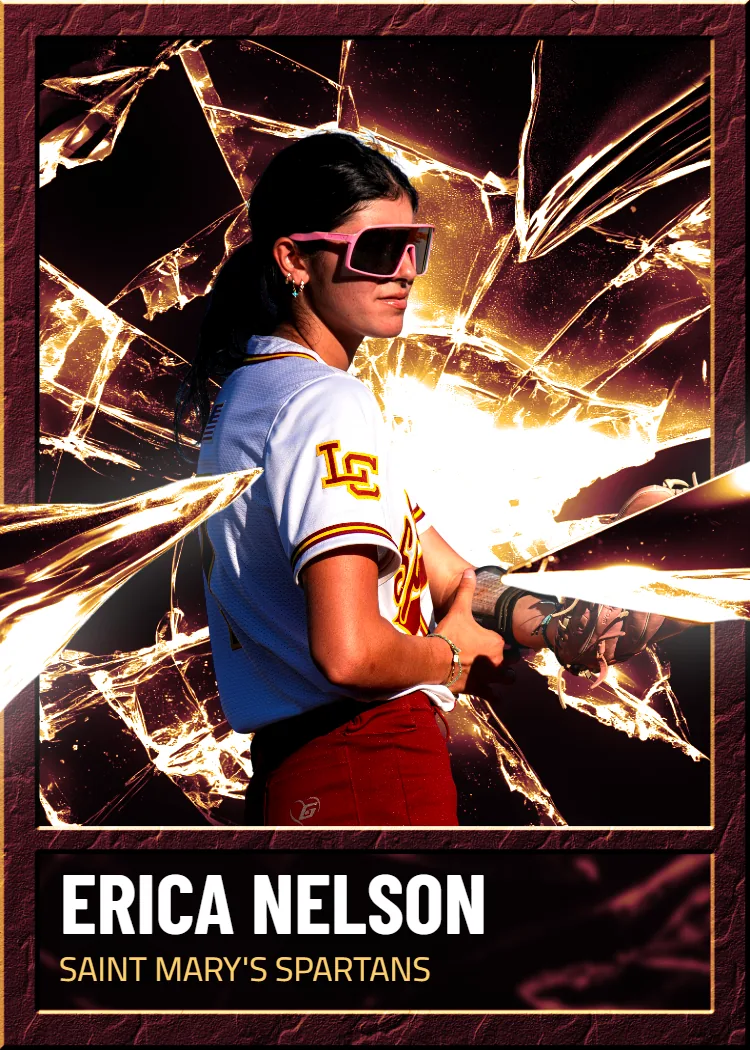
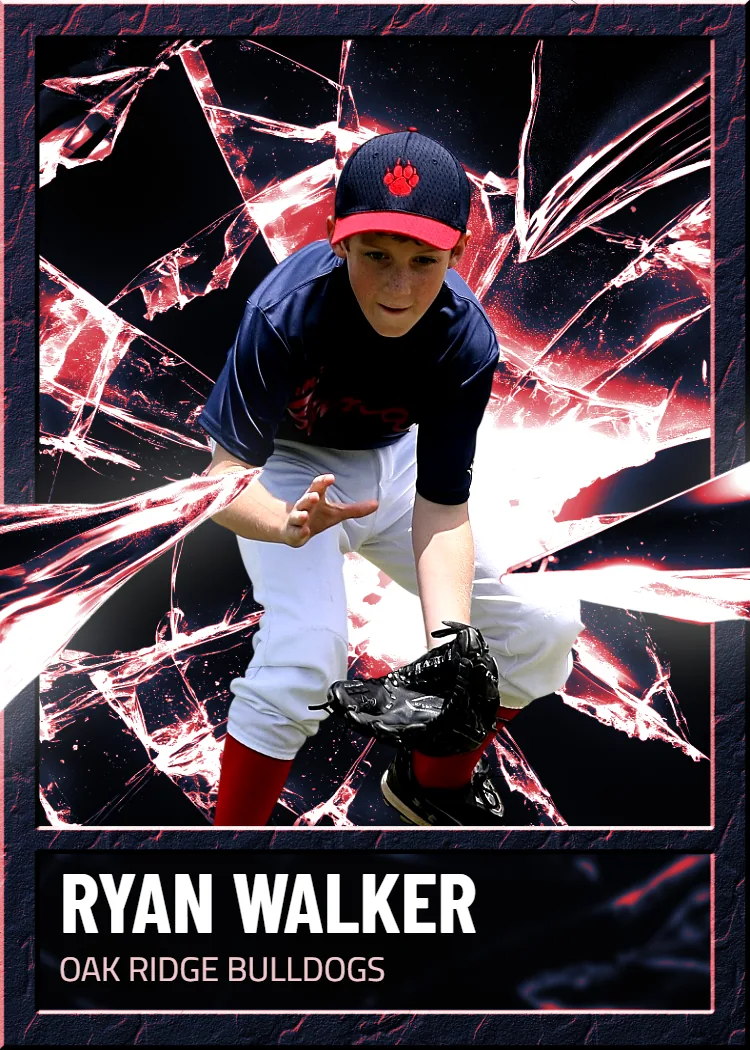
Turn Your Telephoto Lens Sports Photography Into a Card Today
You've already got the hard part done — a sharp, well-timed shot. Upload it, pick a template, and let us handle the rest. Cards ship in 2-3 days with free shipping and a free magnetic case included.
Upload Your Photo NowNo credit card required | Instant preview | Pro-quality designs
Explore More Card Options
Discover more custom trading card options for every sport and occasion