
Topps Card Value: Myths, Facts & What Really Matters
Topps card value isn't random — it follows patterns most collectors only learn the hard way.
Upload a photo of your player, pet or team, choose an available template, and preview your design before ordering a printed card.
Scroll through any sports card marketplace and you'll find the same Topps base card listed anywhere from $0.50 to $500. That gap isn't a pricing glitch — it's the result of several compounding factors that most casual buyers don't fully understand: print run size, centering grades, rookie year timing, and population reports from grading companies. Without that context, you're either overpaying for average cards or underselling valuable ones. The confusion is real, and it costs collectors money every single week.
This page breaks down exactly what drives topps card value using a myth-vs-fact lens — stripping out the speculation and focusing on what's verifiable. You'll also see how Snapshot's premium custom sports cards fit into the broader card culture, giving fans a way to create collectibles that carry personal meaning. Custom cards don't replace Topps, but they fill a gap that mass-market print runs never will: your photo, your player, your moment.
Let's separate card-collecting fact from persistent fiction, starting with the biggest myths.
We ship custom sports cards to customers in all 50 states every week, from youth league end-of-season orders to individual one-card gifts that arrive in time for birthdays, graduations, and game-day celebrations.
Why Custom Cards Are Growing Alongside the Topps Market
The sports card market has seen sustained collector interest across all age groups over the past several years, with hobby shops, card shows, and online marketplaces expanding significantly. Inside that broader trend, custom card services have carved out a distinct lane — not competing with Topps, but filling the personal moments that mass production can't touch.
Snapshot ships custom cards to customers in all 50 states, with orders consistently covering youth sports, family milestones, and team celebrations that no Topps set will ever include.
Who Cares Most About Topps Card Value — And Why
The card market serves several distinct audiences, each with different goals and different definitions of 'value.' Here's who's actually driving demand.
Longtime Collectors Building Portfolios
These buyers approach Topps cards the way others approach equities — with spreadsheets, condition targets, and exit strategies. They're not sentimental about selling. They watch population reports, track recent sales data, and often hold cards for years before moving them. For this group, topps card value is a financial conversation first and a nostalgia conversation second. Custom cards from services like Snapshot complement this lifestyle by memorializing meaningful moments outside the investment portfolio.
Parents Introducing Kids to the Hobby
For families, the entry point is usually a hobby box ripped together on a Saturday afternoon. The monetary value matters less than the experience. But over time, kids start asking which cards are worth more and why — and that curiosity builds financial literacy in a format that doesn't feel like a lesson. A custom Snapshot card of a child's own youth sports moment often becomes a treasured parallel to whatever Topps pack they just opened.
Coaches and Teams Creating Collectible Memories
High school coaches, rec league organizers, and club sports directors have started using custom cards as end-of-season awards that feel premium without the Topps price point. A coach doesn't need a serial-numbered parallel to make a 12-year-old feel like a professional athlete. A Snapshot card printed on professional card stock, shipped in a magnetic case, does exactly that — and it's a card the kid will actually keep.
Free to design, instant preview. Free US standard shipping on orders $30+. Review delivery options at checkout.
How Topps Card Value Is Actually Determined
Three forces control topps card value more than any other: scarcity, condition, and demand timing. Understanding each one changes how you buy, sell, and collect.
Scarcity — Print Run Is the Starting Point
A Topps base card printed in the hundreds of thousands will almost never hold significant value. Serial-numbered parallels — /25, /10, /1 — are a different story entirely. The smaller the print run, the higher the ceiling. A 1/1 superfractor of a rising star can command four figures. That's not hype; it's basic supply economics applied to cardboard.
Condition — Grading Separates Value Tiers
A PSA 10 and a PSA 7 of the same card aren't close in value — they can differ by 300% or more. Centering, surface scratches, corner wear, and print defects all factor into professional grades. Collectors who pull a hot rookie and immediately submit it for grading are protecting potential value. Those who toss it in a shoebox are usually disappointed six months later.
Demand Timing — Peaks and Valleys Move Markets
A player's best card values often spike during awards season, playoff runs, and Hall of Fame announcements — then correct afterward. Topps card value is a living market, not a fixed ledger. Selling into hype typically outperforms holding through it. Collectors who watch sales trends on major platforms rather than relying on published price guides make better decisions, consistently.
Know these three levers and you'll read the card market far more accurately than most collectors at your level.
What Smart Collectors Actually Get Right About Card Value
The collectors who hold valuable cards long-term aren't just lucky — they apply specific, repeatable strategies that most beginners skip entirely.
They Buy Graded, Not Raw
Professional grading by PSA, BGS, or SGC creates a verifiable condition record that protects resale value. Raw cards carry risk; the buyer can't independently confirm condition. Graded slabs command premiums because they reduce uncertainty — and in any market, reduced uncertainty has real dollar value.
They Track Population Reports
Population reports show how many copies of a card exist at each grade level. A PSA 10 that's one of 400 is worth less than a PSA 10 that's one of 12. Smart collectors check pop reports before buying, especially on vintage or low-print-run inserts where true scarcity isn't always obvious from the card itself.
They Diversify Across Sets
Betting everything on one player or one Topps set is risky. Collectors who spread across different years, sports, and insert types are less exposed to any single market correction. Topps releases dozens of products annually — flagship, Chrome, Allen & Ginter, Stadium Club — and each carries its own value dynamics.
They Store Cards Properly From Day One
Penny sleeves, top loaders, and climate-controlled storage aren't optional for serious collectors. A card that grades PSA 10 in ten years was stored correctly from the moment it was pulled. Humidity, direct sunlight, and improper stacking destroy surface quality slowly — and by the time you notice, the damage is already priced in.
Topps Cards vs. Snapshot Custom Cards: Two Different Kinds of Value
| Category | Topps Card | Snapshot Custom Card |
|---|---|---|
| Value Type | Market / financial | Personal / sentimental |
| Scarcity Source | Print run limits set by manufacturer | Inherently one-of-one — your photo |
| Condition Risk | High — grading determines resale tier | None — kept, displayed, gifted |
| Turnaround | Varies by product release schedule | Production takes one business day; shipping time is quoted at checkout for your address. |
| Price Entry Point | $1 (base) to thousands (PSA 10 parallels) | Starts at $17.99, free shipping over $30 |
| Best For | Collectors, investors, hobbyists | Athletes, families, coaches, fans |
Snapshot Pricing: Premium Cards Without the Auction Markup
Topps card value can mean thousands of dollars for the right serial-numbered rookie. Snapshot's custom cards start at $17.99 — and what you get is something no Topps set can produce: a card built around your photo.
Single custom card: $17.99. Card packs: up to $49.99. MEGA poster card (11"×15"): $49.99. Free US standard shipping on orders $30+. Production takes one business day; shipping time is quoted at checkout for your address.
You're not buying a mass-market commodity — you're creating a one-of-one card with your image, your design, and your story. That's a different kind of value entirely.
Box Options
Simple, collectible pricing. No subscriptions, no hidden fees.
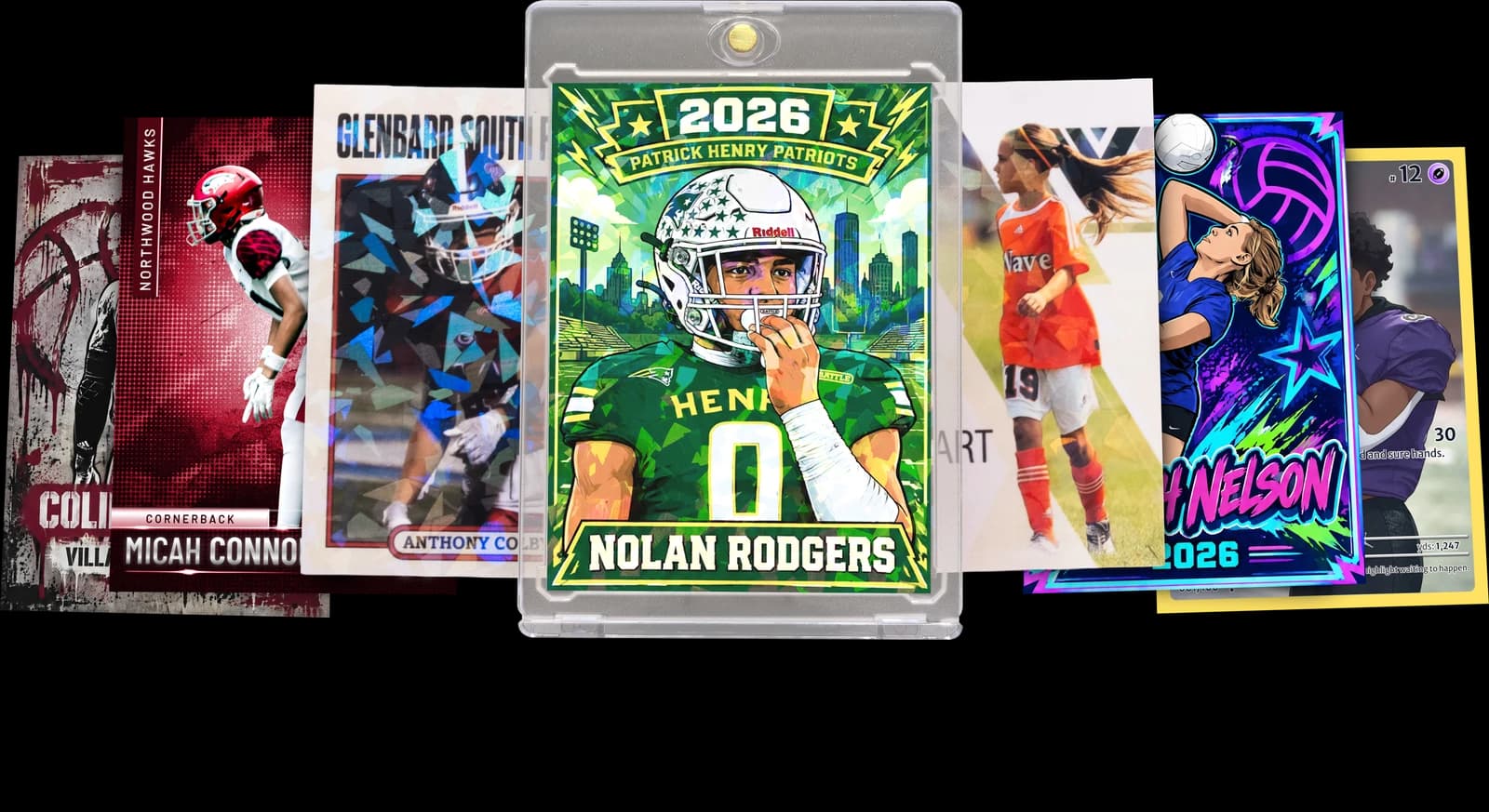
The Rookie Box
Perfect for those unforgettable moments
$17.99 - $49.99
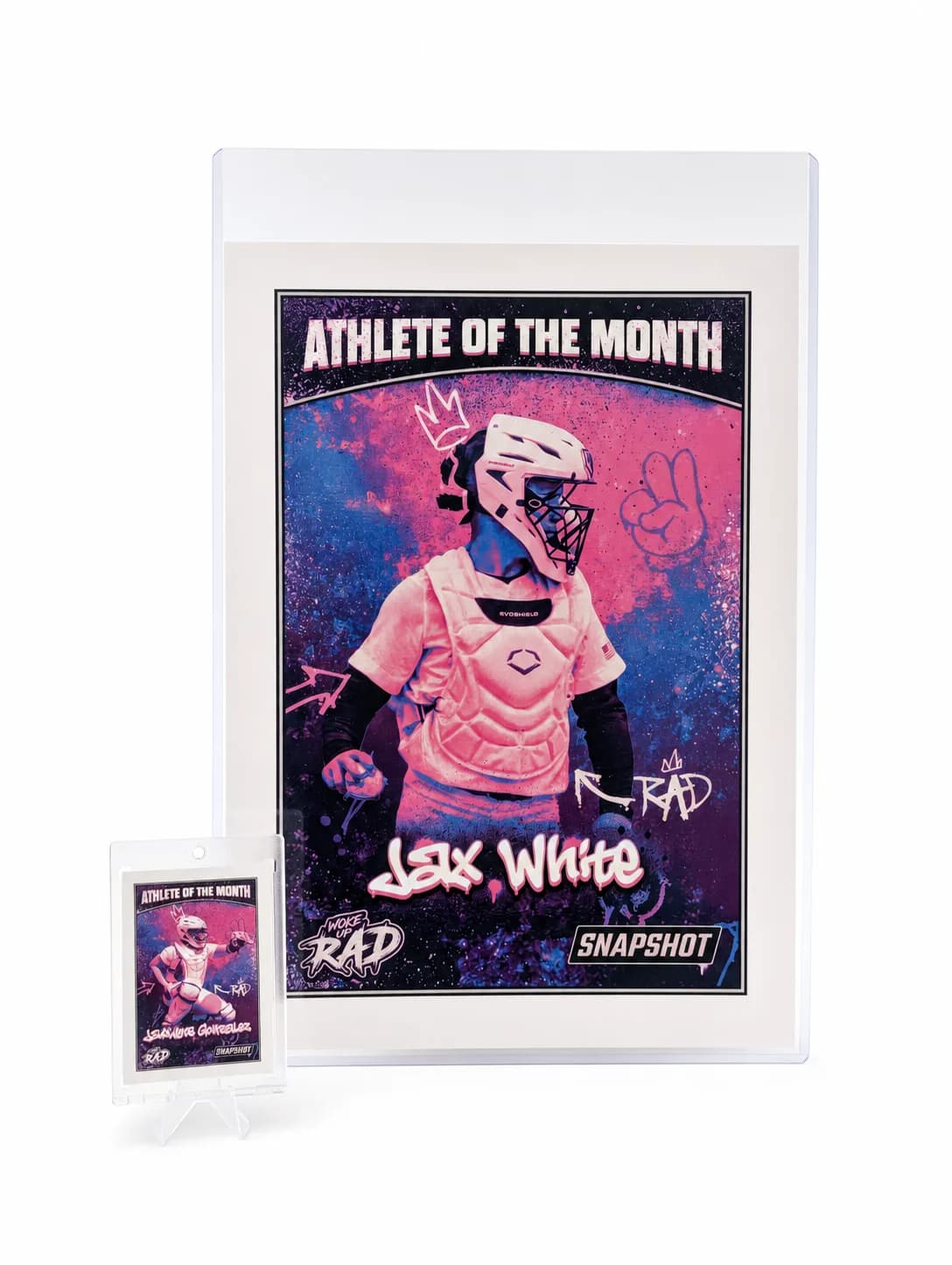
MEGA Card
Their moment, bigger than ever
$49.99
Create for free • Ships the next business day • Made in Des Moines, IA, USA
Frequently Asked Questions
Do Topps rookie cards always hold value long-term?
No — and this is one of the most persistent myths in the hobby. Most Topps rookie cards lose value unless the player sustains elite performance, earns major awards, or reaches milestones like Hall of Fame induction. Players who flame out after a promising first season leave collectors holding cards that never recover. The safest long-term holds are established stars with shortened supply and verified demand, not speculation on unproven prospects regardless of how much hype surrounded their debut.
How does centering affect topps card value in grading?
Centering is one of the first things grading companies assess, and it's one of the most common reasons cards miss PSA 10. Even a visually clean card with razor-sharp corners can grade PSA 8 or 9 if the image is noticeably off-center. Standards vary slightly between grading companies, but PSA typically requires centering within 55/45 or better front and back. Cards pulled from packs and immediately sleeved without handling have the best shot at preserving their centering from the print process.
What's the difference between a Topps parallel and a base card in terms of value?
Base cards are printed in enormous quantities — sometimes hundreds of thousands — which caps their value permanently unless the player becomes an all-time legend. Parallels exist in controlled, lower quantities and are visually distinct through foil, color, or texture treatments. A gold parallel numbered to /50 of the same base design can be worth 10–50 times more than the base version. The most valuable parallels — 1/1 superfractors, printing plates — routinely sell for hundreds or thousands of dollars regardless of the player's current status.
Can topps card value drop even for Hall of Fame players?
Yes. Market saturation happens even with legends. If a Hall of Famer's cards were printed in large quantities across many sets over many years, the sheer volume of supply suppresses prices on most of those cards. The exceptions are vintage pre-war or early post-war cards in high grade, significant rookie cards from key production years, and ultra-rare serial-numbered inserts. Common base cards of even the most celebrated players frequently sell for under a dollar because supply simply overwhelms demand at every price point.
How is a Snapshot custom card different from a Topps card in terms of collectibility?
Topps cards derive value from scarcity within a mass-production system — thousands of collectors competing over the same limited cards. A Snapshot custom card is inherently a one-of-one: your photo, your template choice, your recipient. It's not traded on secondary markets, and its value is personal rather than financial. That makes it a different category of collectible entirely. Many collectors actually use both — Topps for the investment angle, Snapshot for the emotional moments that no licensed product will ever cover.
Does the Topps set year affect card value significantly?
Absolutely. Certain production years are considered benchmarks in the hobby — 1952 Topps baseball, for example, is iconic and commands serious premiums in high grade. More recently, 2011 Topps Update (Mike Trout rookie) reshaped expectations for what a modern base card could be worth. Set year interacts with player trajectory and production volume. A card from a low-distribution test set in a pivotal year for a generational player is about as favorable a combination as the hobby offers for long-term appreciation.
What should I do with a valuable Topps card I found in an old collection?
Handle it as little as possible first — oils from your fingers cause surface damage. Sleeve it in a penny sleeve, then a top loader, immediately. Research the card on recent sales platforms to establish current raw market value before making any decisions. If raw value exceeds $75–100, professional grading is worth considering. Document the card with photos before submitting anywhere. If you're unsure whether it's valuable, post clear photos in established collector communities — experienced collectors can usually identify key cards within minutes.
Free to design, instant preview. Free US standard shipping on orders $30+. Review delivery options at checkout.





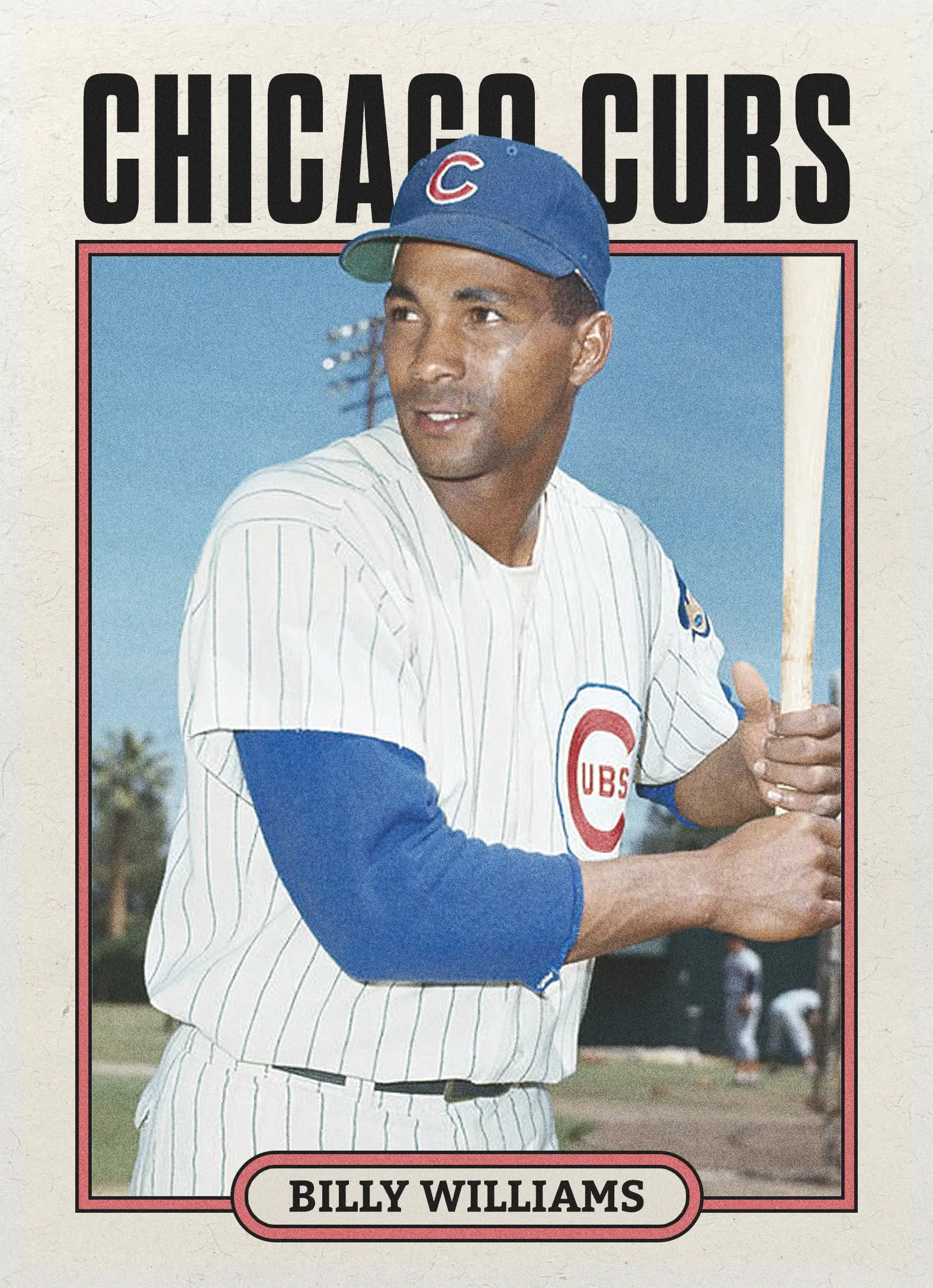
Create a Card That Holds Value You Can't Put a Price On
Topps card value is a market calculation. The value of a custom Snapshot card is personal — and that kind of value doesn't fluctuate with pop reports or auction trends. Upload your photo, choose a pro template, and get a premium card shipped in 2–3 days. Free shipping over $30, free magnetic case.
Build Your Card NowNo credit card required | Instant preview | Pro-quality designs
Explore More Card Options
Discover more custom trading card options for every sport and occasion
baseball cards
View card options →
buying baseball cards
View card options →
baseball card packs
View card options →
baseball card size
View card options →
topps card trader
View card options →
topps custom cards
View card options →