
Trading Card Grading Companies: What You Need to Know
Trading card grading companies can protect your investment — but they're not the right move for every card.
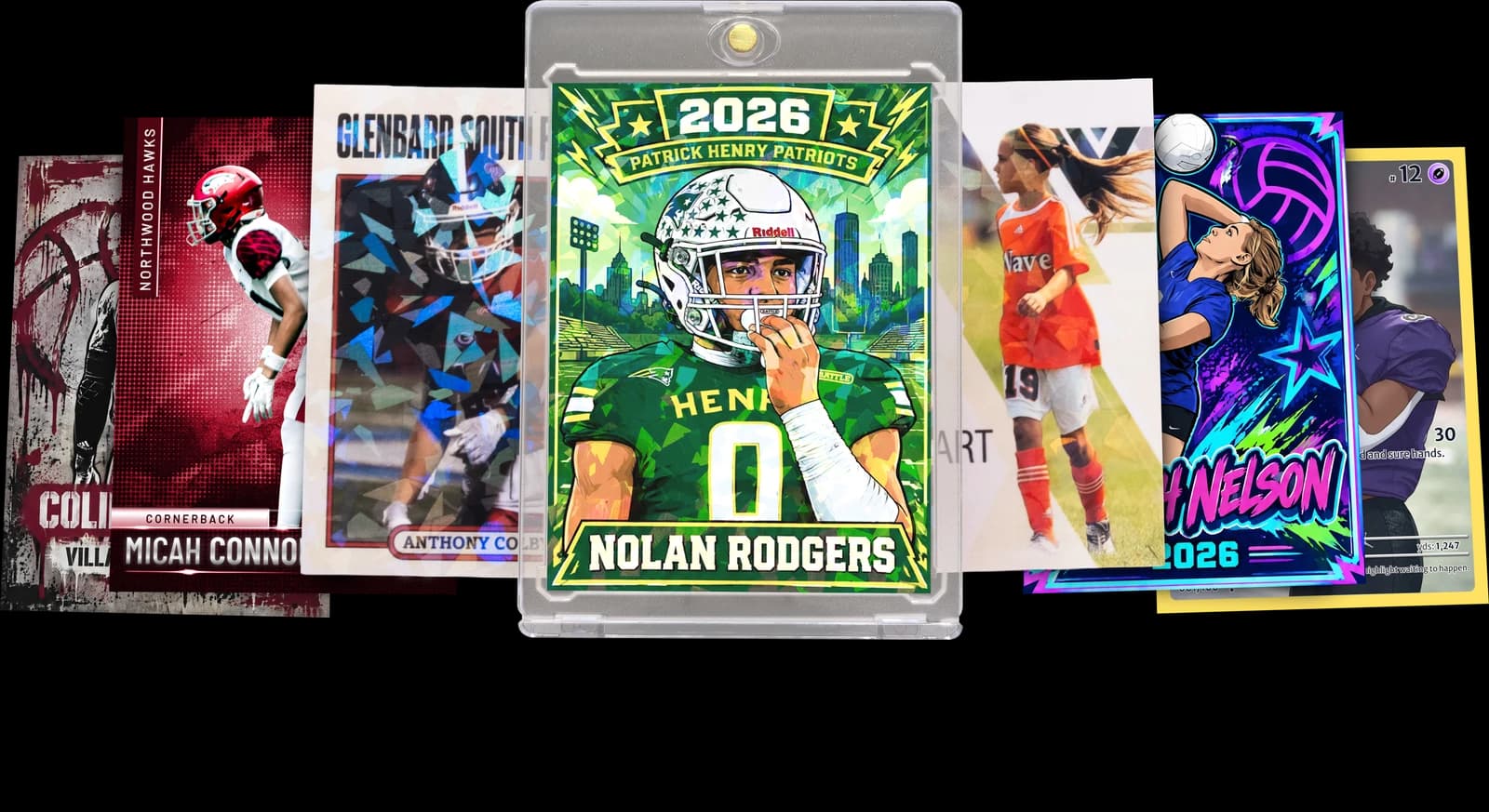
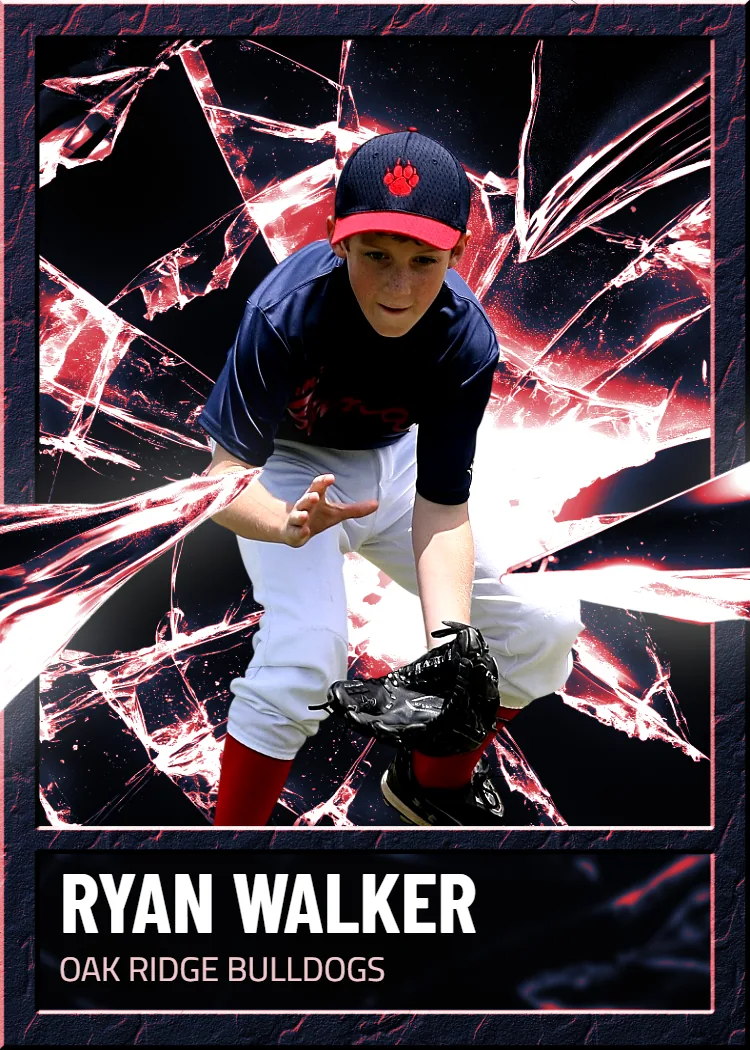
Upload a photo of your player, pet or team, choose an available template, and preview your design before ordering a printed card.
Most people stumble onto trading card grading companies after hearing a friend got a PSA 10 and sold it for serious money. Suddenly, grading sounds essential. But the process is slow — submissions routinely take months — fees stack up fast, and not every card qualifies for meaningful value gain. If you're holding a mass-produced rookie card from last year's retail pack, grading costs could easily outpace any return. You need to understand what grading actually does before you spend money on it.
Here's the short version: grading makes sense for vintage, rare, or high-value collectibles where condition dramatically affects resale price. For custom memorabilia — cards made from your own photos, team photos, or personal sports milestones — grading isn't the play. That's where Snapshot comes in. We print professional-grade custom sports trading cards from your photos, ship them in two to three days, and include a free magnetic case. No waiting. No mystery grades. Just a card you're proud to display or give.
Let's break down exactly how grading works, when it matters, and what your real options are.
We ship custom sports trading cards to customers in all 50 states every week, from youth rec leagues in small towns to high school championship teams in major metros.
Trading Card Grading Companies vs. Snapshot Custom Cards
Two different tools built for two completely different goals. Here's the honest side-by-side.
| Feature | Snapshot | Grading Companies |
|---|---|---|
| Purpose | Create premium custom memorabilia from personal photos | Establish condition grade and authentication for commercial cards |
| Turnaround Time | 2–3 business days, every order | Weeks to months depending on service tier |
| Starting Cost | $17.99 per card, free US shipping over $30 | $20–$150+ per card, plus shipping both ways |
| Cards Eligible | Any photo you upload — sports, personal, team | Licensed commercially manufactured cards only |
| What You Receive | Brand-new premium custom card with free magnetic display case | Your original card sealed in a graded plastic slab |
| Best For | Gifts, memorabilia, team awards, personal milestones | Investors, resellers, vintage and rookie card collectors |
Common Mistakes People Make With Trading Card Grading Companies
These are the errors that cost collectors real money — avoid every one of them.
Submitting low-value commons expecting a return
Always verify the graded sale price at your expected grade tier against your total submission cost before committing. If the math doesn't work at a 9, it definitely doesn't work at a 7.
Ignoring population reports
A card with 5,000 PSA 10s already in circulation won't command a premium no matter how perfectly yours grades. Check population first — scarcity at the top grade is what drives value.
Choosing the wrong service tier
Economy tiers save money but can mean six-month waits. If you're holding a card tied to a hot news cycle — a trade, a record, a championship — slow turnaround means your submission arrives after the hype has cooled.
Handling cards by the face or surface
Skin oils and fingerprints damage card surfaces permanently. A single bad handle can drop a potential Gem Mint 10 to an 8 or lower. Always hold cards by the edges, always, starting from the moment you decide to submit.
Using grading for personal or custom memorabilia
Grading companies only grade commercially licensed cards. For photos of your own athletic moments, your kid's team, or personal sports milestones, a custom card from Snapshot is the right move — faster, more personal, and ready to display.
Free to design, instant preview. Free US standard shipping on orders $30+. Review delivery options at checkout.
What Grading Companies Actually Deliver
There are four real benefits to professional grading — and being honest about all four helps you spend your money wisely.
Independent Condition Verification
A numeric grade from PSA, BGS, or SGC removes the guesswork from buyer-seller negotiations. Both sides reference the same standard. That objectivity is especially valuable for cards trading at $500 or more, where condition disagreements can kill deals or invite disputes.
Physical Protection Long-Term
The hard-plastic slab is genuinely excellent at protecting cards from everyday damage. Corners stay sharp, surfaces stay clean, and the sealed environment resists humidity changes that cause paper to warp. For cards meant to sit in a collection for decades, that protection has real practical value beyond the grade itself.
Market Liquidity on Secondary Platforms
Graded cards move faster and at more predictable prices on eBay, COMC, and auction houses. Buyers searching by grade can filter results efficiently, and the certification number lets anyone verify authenticity instantly. Raw cards of the same player often sit longer and sell lower without that trust signal.
Potential Value Multiplication on Key Cards
A Gem Mint 10 on a short-print rookie or a vintage star card can return multiples of the submission cost. This is the scenario that gets collectors excited — and it's real. It's just not universal. High-population commons rarely reward grading economically, which is why population reports are essential homework before submitting.
How Trading Card Grading Companies Actually Work
The grading process follows a defined path — and understanding each step helps you decide whether it's worth pursuing for your specific card.
Submit Your Card for Evaluation
You package your card carefully — sleeves, top loaders, rigid mailers — and mail it to your chosen grading company along with a submission form and payment. Service tier determines turnaround time, ranging from a few weeks on express tiers to six-plus months on economy submissions. Declared value and service level both affect your total cost, so read the fee schedules carefully before you commit.
The Grading Panel Inspects Condition
Trained graders examine centering, corners, edges, and surface under controlled lighting. Each dimension gets a score, and those scores combine into a final grade on a numeric scale — typically 1 through 10. A PSA 10 or BGS 10 can multiply a card's market value significantly, while lower grades on common cards often fail to recoup the submission fee. That spread is why condition research before submitting matters enormously.
Your Card Returns in a Sealed Slab
Graded cards come back encased in a tamper-evident hard plastic holder labeled with the grade, card details, and a certification number. That slab is what makes the card tradeable on secondary markets like eBay and PWCC. Buyers trust the grade because it comes from an independent third party. The slab also protects the card from further environmental damage — humidity, handling, and light exposure are the enemies of high-grade cardboard.
Once you know the process, you can decide quickly whether your specific card justifies the time and cost investment.
Why Collectors and Families Trust Snapshot
Snapshot ships custom sports trading cards to customers in all 50 states every week — youth leagues, high school teams, adult rec sports, and families preserving personal athletic memories. Every card is printed in Des Moines, Iowa, on professional card stock with pro sports-card templates designed to look exactly like the real thing.
The free magnetic case included with every order is the detail customers mention most — it makes gifting a complete experience right out of the box.
When Does Grading Make Sense — and When Doesn't It?
Not every card deserves a slab. Matching the right tool to the right situation saves money and time.
High-Value Vintage and Key Rookie Cards
A 1952 Topps Mickey Mantle, a 1986 Fleer Michael Jordan rookie, a Patrick Mahomes National Treasures patch auto — these cards live and die by condition grades. A PSA 8 and a PSA 5 of the same card can differ by thousands of dollars. For cards already commanding real money raw, grading is straightforward math: submission cost versus grade-dependent value increase. Research population reports first and know your expected grade honestly.
Authentication for Autographed Cards
Grading companies like PSA and JSA authenticate signatures, not just card condition. A graded auto carries provenance that a raw signed card simply can't match in the resale market. If you're holding a signed card from a Hall of Famer or active star and you want to sell or insure it eventually, authentication grading adds a layer of legitimacy that protects both you and the eventual buyer.
Custom Memorabilia and Personal Milestones
Your kid's first home run. Your team's championship season. A senior night photo that deserves to live forever. Trading card grading companies don't touch custom cards — and they don't need to. Snapshot prints your personal photos onto professional sports card templates with premium card stock, ships within two to three days, and includes a magnetic display case. This is memorabilia built around moments grading companies were never designed for.
Snapshot Pricing: No Submission Fees, No Waiting Months
Grading companies charge submission fees, insurance, and shipping both ways — and that's before you wait. Snapshot pricing is straightforward from day one.
Single card starts at $17.99. Card packs run up to $49.99. The MEGA poster card — an oversized 11×15-inch showpiece — is $49.99.
No submission tiers. No six-month queues. Your custom card arrives in two to three business days, ready to display or gift immediately — printed right here in the USA.
Box Options
Simple, collectible pricing. No subscriptions, no hidden fees.
The Rookie Box
Perfect for those unforgettable moments
$17.99 - $49.99
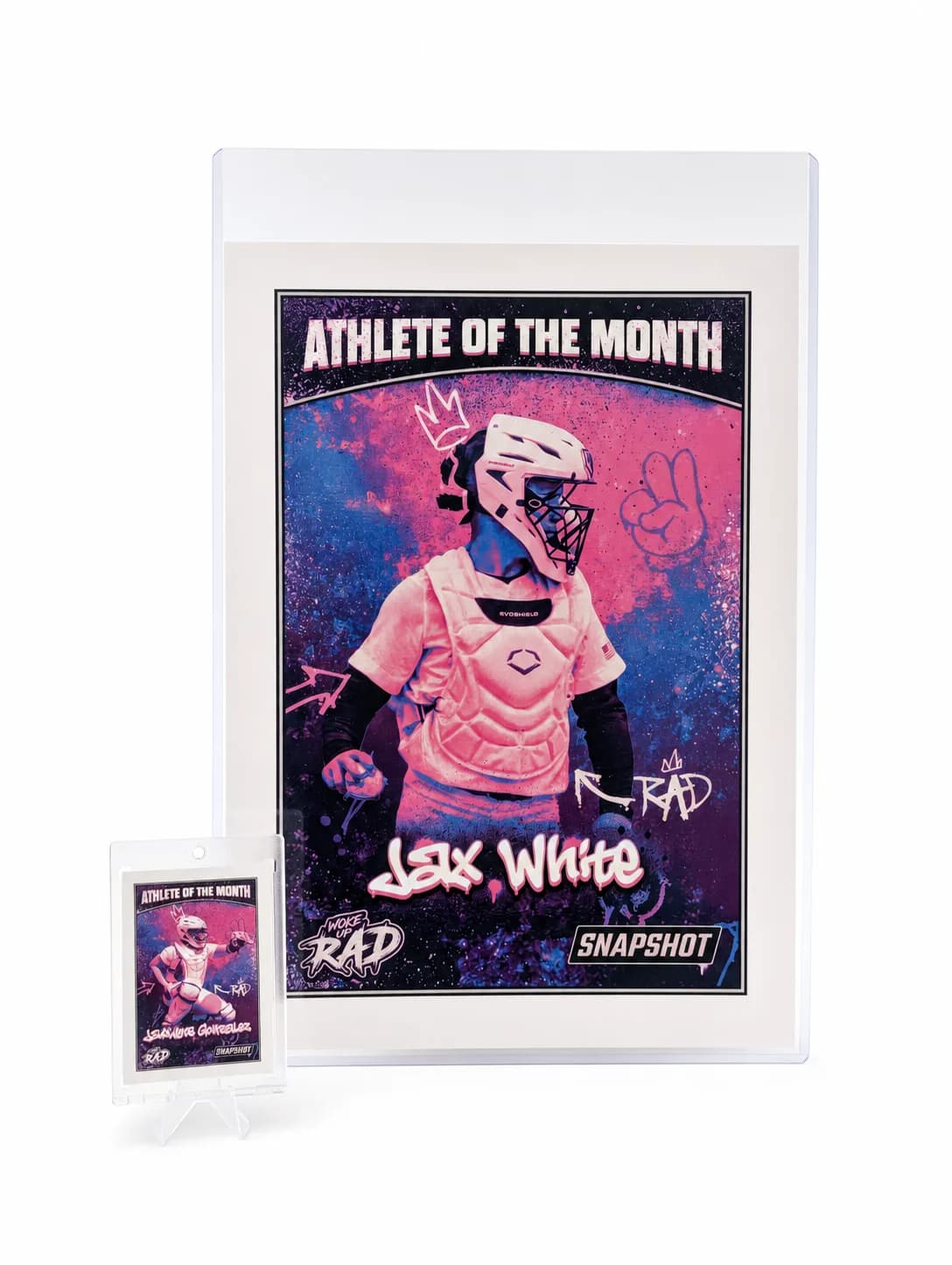
MEGA Card
Their moment, bigger than ever
$49.99
Create for free • Ships the next business day • Made in Des Moines, IA, USA
Frequently Asked Questions
How much does it cost to get a card graded?
Costs vary significantly by company and service tier. PSA's economy tier runs around $20–$25 per card but can take six months or longer. Express and super-express tiers jump to $75–$150 or more per card with faster turnaround. Beckett charges roughly $25–$35 for standard submissions and more for premium tiers. Factor in two-way shipping and insurance on higher-value cards and your total per-card cost rises quickly. For common modern cards worth under $50 raw, grading fees often exceed any realistic value gain — run the numbers before submitting.
How long does the grading process take?
Turnaround times have improved since the pandemic backlog era but still vary widely. Economy service at PSA typically runs three to six months. Standard and express tiers at most major companies run four to ten weeks. Super express and walk-through options can return cards within days but cost significantly more — sometimes $300+ per card. Seasonal submission spikes around card show season can push timelines longer. If you need something fast — a gift, a display piece, a team keepsake — grading timelines alone make it impractical. Custom printing is the faster path.
Is getting a card graded worth it?
It depends entirely on the card's raw value, its condition, and the expected population of high-grade copies. For a card worth $500+ raw that you believe grades out at a 9 or 10, the math often works strongly in your favor. For mass-produced cards worth $10–$30 raw, grading fees rarely make economic sense. Sentimental value is a different equation entirely — grading a card because you love it isn't wrong, but it won't generate returns. Know your goal going in: investment, authentication, protection, or sentiment — each one justifies a different approach.
What do the grading numbers actually mean?
Most grading companies use a 1–10 numeric scale. A 10 (Gem Mint) represents virtually perfect centering, sharp corners, clean edges, and a flawless surface with no print defects. A 9 (Mint) allows very minor imperfections. Cards grading 7 or 8 (Near Mint to Near Mint-Mint) are still highly collectible but carry noticeable wear. Grades below 6 are reserved for cards with visible creases, heavy wear, or damage. Beckett also uses half-point grades and subgrades for centering, corners, edges, and surface, giving a more detailed condition picture than a single number.
Can I get a custom card graded?
Trading card grading companies grade commercially manufactured cards — those produced by licensed manufacturers like Topps, Panini, and Upper Deck. Custom-printed cards, regardless of print quality or design, are not eligible for grading through PSA, BGS, or SGC. This isn't a knock on custom cards — it simply reflects what grading was designed for: establishing a verifiable condition record for cards that have an active secondary market. Custom cards serve a completely different purpose: celebrating personal moments, team achievements, and athletic milestones that no official product will ever capture.
What's the difference between PSA and BGS grading?
PSA is the largest grading service by volume and holds the strongest market acceptance for vintage cards. A PSA 10 often commands the highest premiums on the secondary market simply due to collector trust and name recognition. BGS (Beckett) counters with subgrades — separate scores for centering, corners, edges, and surface — which gives collectors more transparency into why a card received its grade. BGS Black Labels (a perfect 10 across all subgrades) are extremely rare and highly prized. Many modern card collectors prefer BGS for its detail; vintage collectors often default to PSA for resale.
How do I prepare a card for submission to a grading company?
Handle the card by its edges only — fingerprints and oils are permanent surface damage. Place it immediately into a penny sleeve, then into a rigid top loader. Use blue painter's tape lightly across the top of the top loader to prevent the card from sliding during shipping, not touching the card itself. Package cards in a rigid mailer or small box with bubble wrap. Fill out the submission form accurately, including declared value — this affects your insurance coverage. Double-check the company's current accepted card list, because not every set is eligible at every tier.
What sports cards grade highest in value?
Vintage baseball cards from the pre-war and post-war eras consistently grade at the highest dollar values — T206 Honus Wagners and 1952 Topps Mantles have sold for millions. Modern sports with the strongest graded card markets include football (Patrick Mahomes, Josh Allen rookies), basketball (Zion Williamson, LeBron James), and baseball (Fernando Tatis Jr., Ronald Acuña Jr.). Autographed rookie cards with low print runs in Gem Mint condition command serious premiums. Graded cards from esports, soccer, and non-traditional sports are growing markets but still lag major American sports leagues in overall volume.
Free to design, instant preview. Free US standard shipping on orders $30+. Review delivery options at checkout.

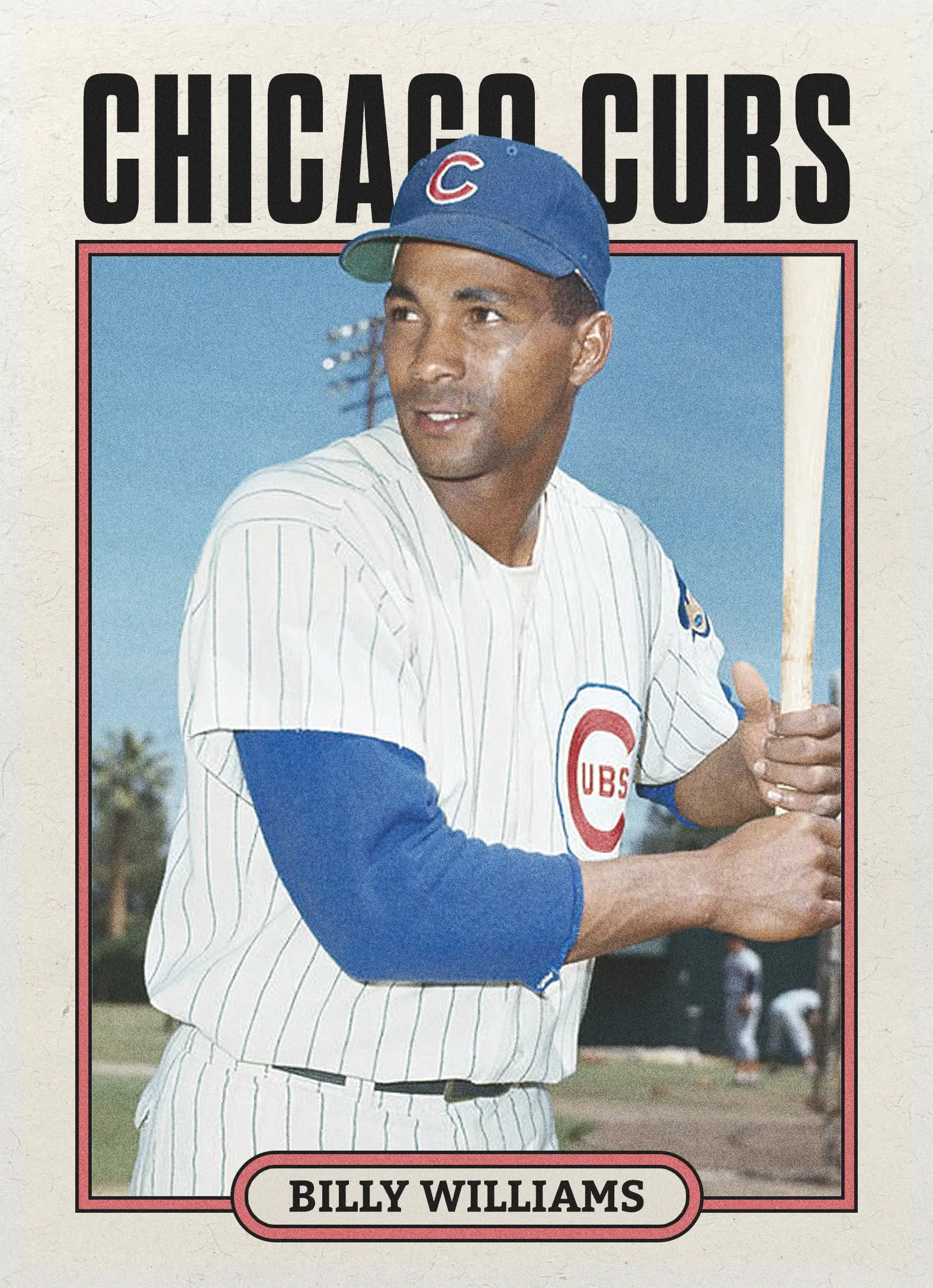

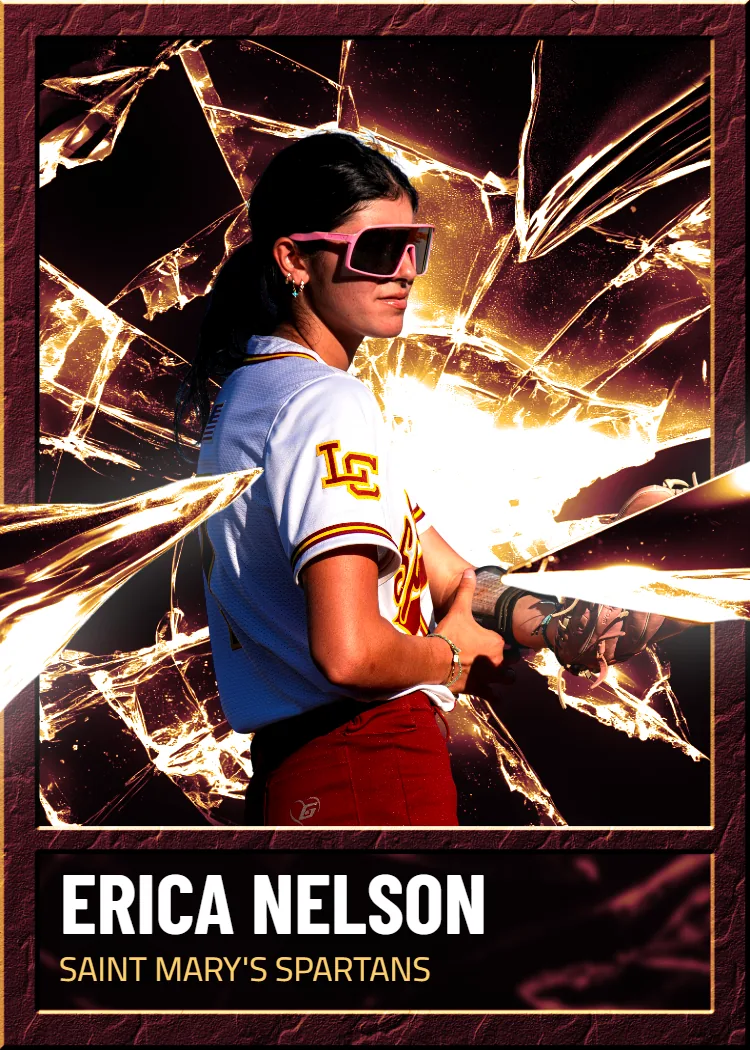

Skip the Grading Queue — Build Your Custom Card Today
Trading card grading companies take months. Snapshot takes two to three days. Upload your photo, pick a template, and get a premium custom sports card shipped free over $30 anywhere in the USA — magnetic display case included. Starting at just $17.99.
Create Your Card NowNo credit card required | Instant preview | Pro-quality designs
Explore More Card Options
Discover more custom trading card options for every sport and occasion
card grading
View card options →
card grading companies
View card options →
sports cards graded
View card options →
card grading services
View card options →
cheapest card grading service
View card options →
baseball card grading companies
View card options →