
What Are the Best Cameras for Sports Photography? A Myth-vs-Fact Guide
Everyone assumes you need a $6,000 camera bag to shoot a decent sideline photo. That's mostly myth.
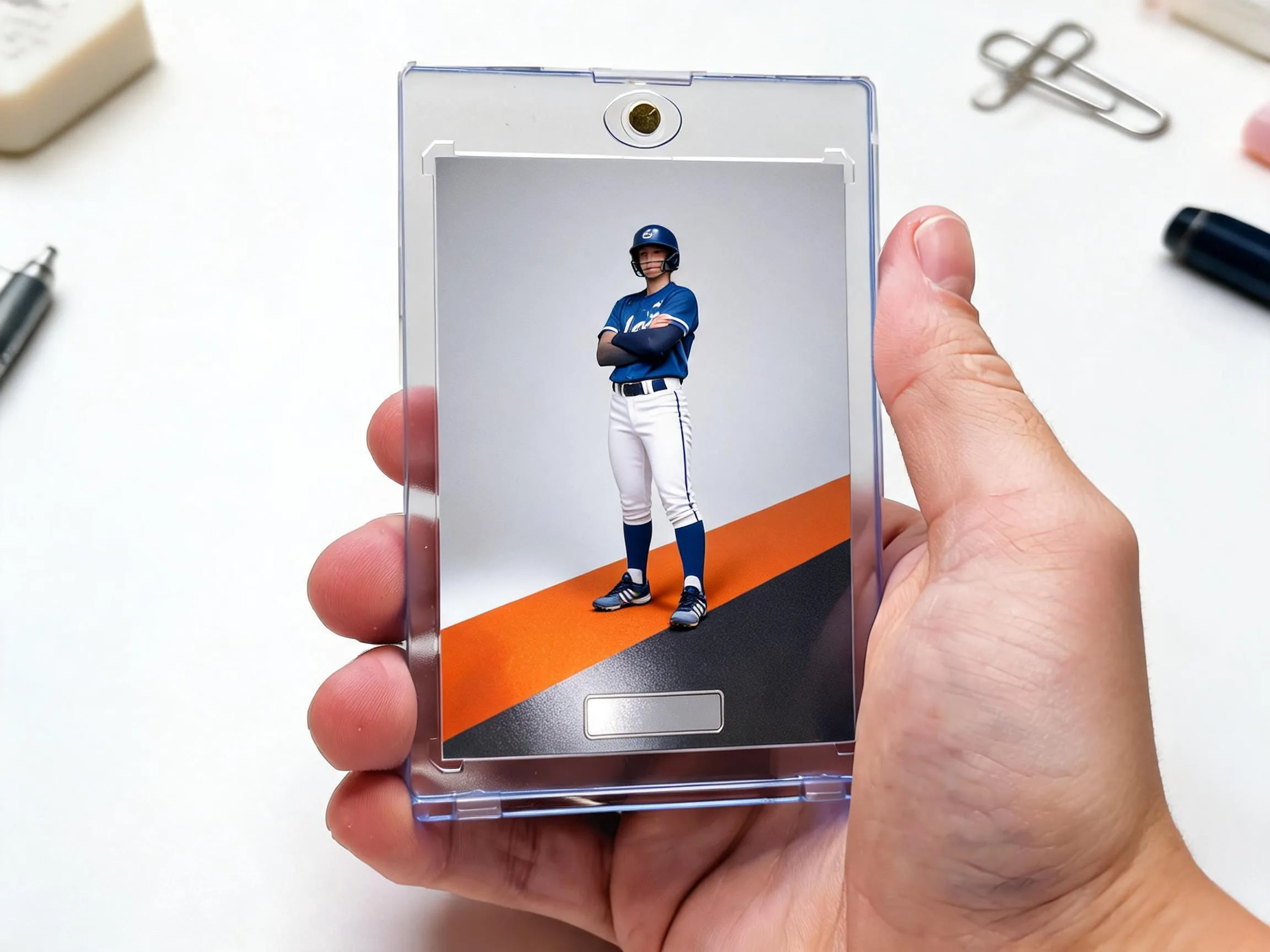
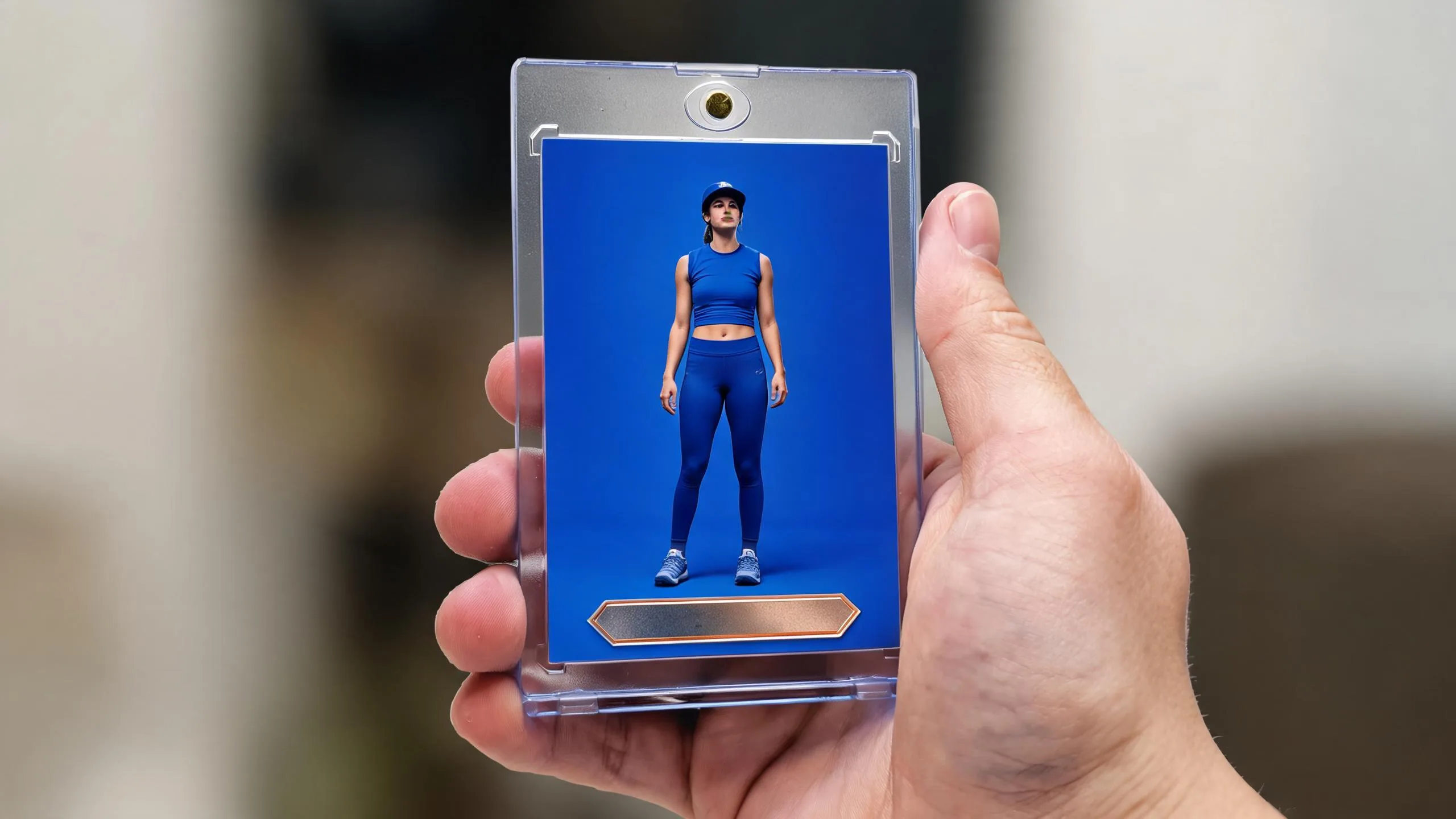
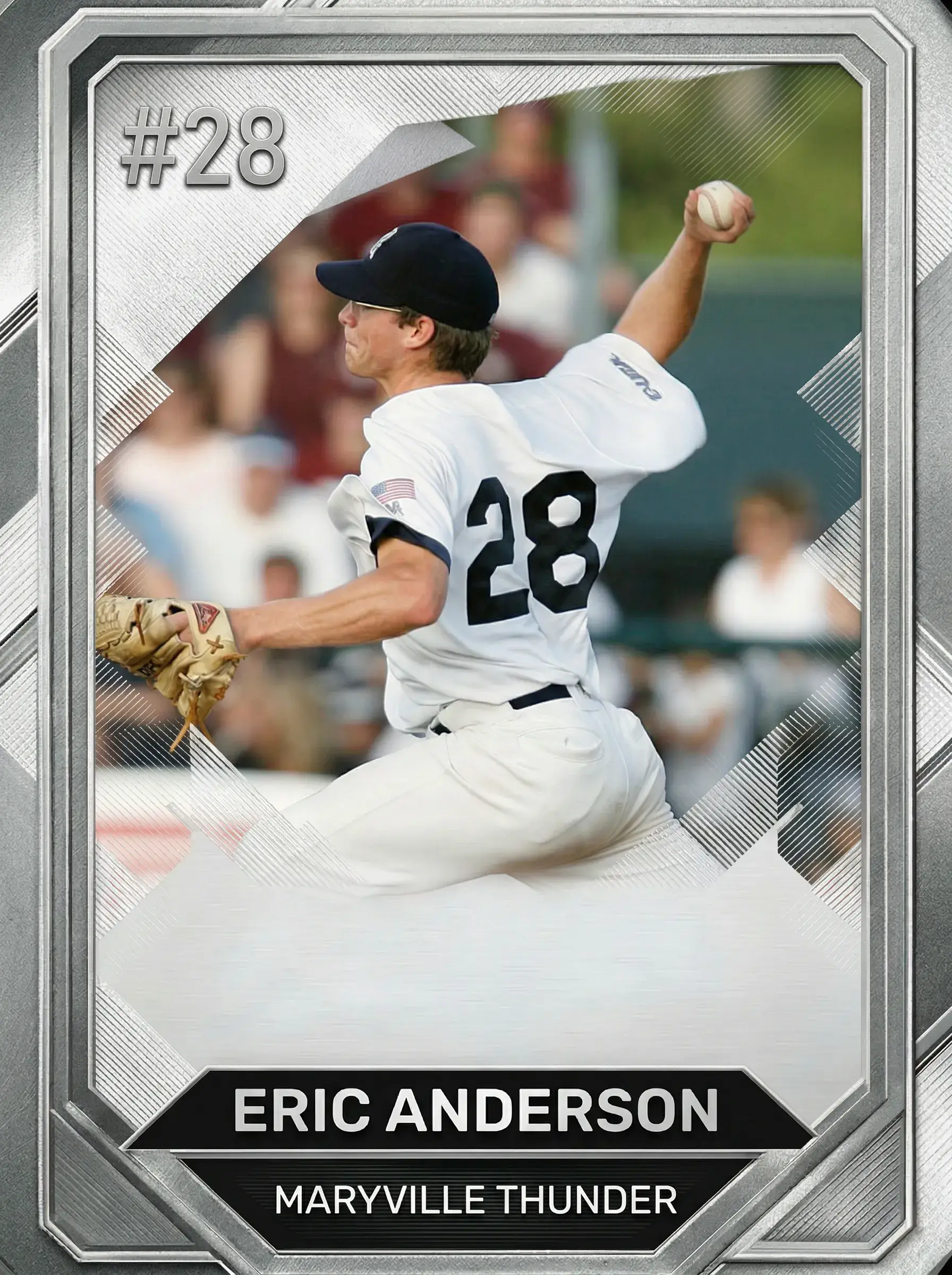
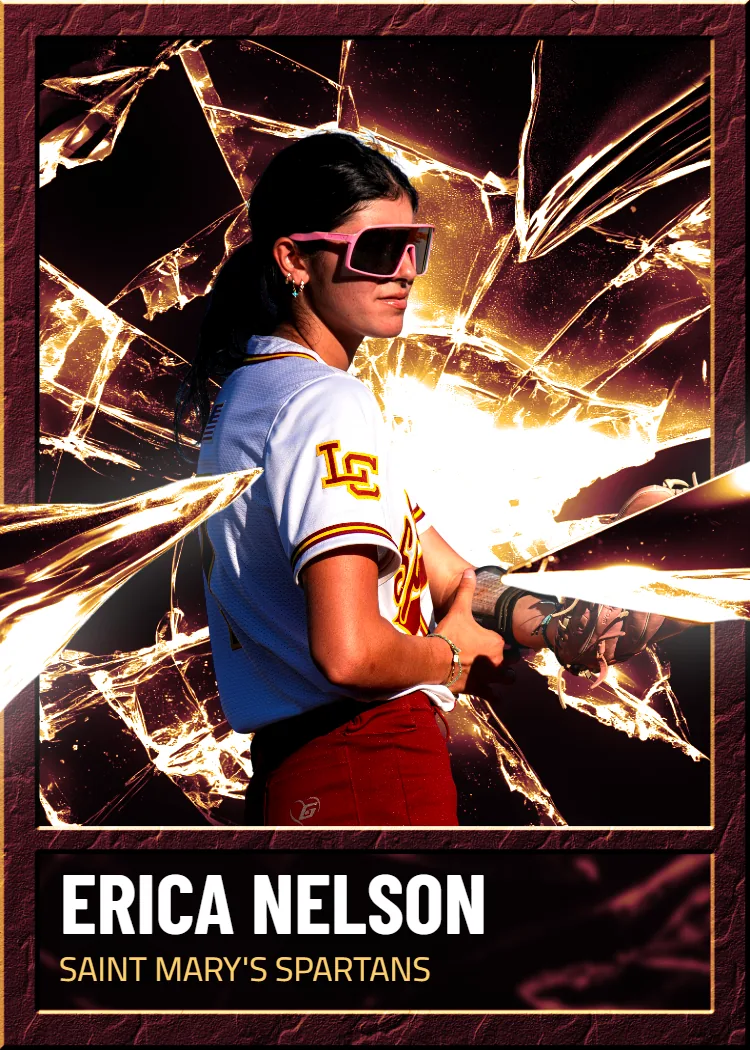
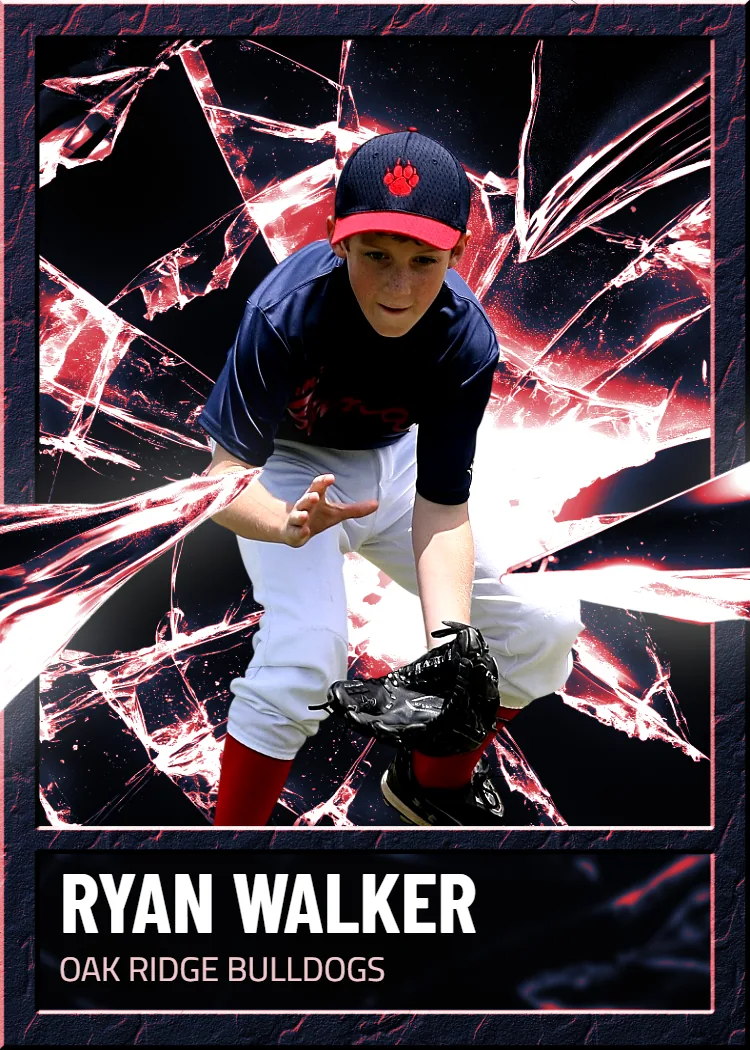
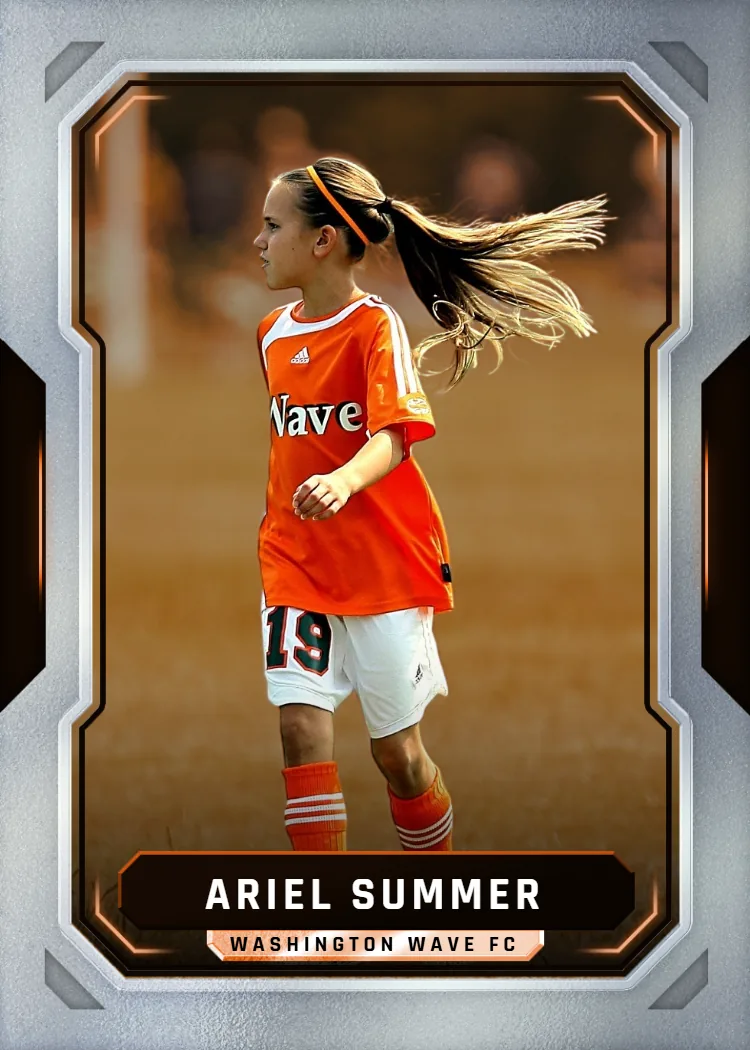
Upload any photo — your kid, your pet, your whole team — pick a pro template, and we print and ship a real, holdable card the next business day.
So what are the best cameras for sports photography, really? Parents standing behind a fence at a Saturday soccer game get told they need pro-level gear just to freeze a kid mid-kick. That advice comes from gear forums built for photojournalists, not families trying to capture one great shot of a travel-ball tournament. The result is confusion, wasted money on bodies and lenses nobody needs, and a lot of blurry photos that never get printed or shared because the pressure to buy 'the right camera' stalls people before they even start.
Here's the fact-based version. The best camera for sports photography depends on shutter speed, autofocus tracking, and burst rate — not brand loyalty or price tag. A $700 mirrorless body with a fast lens will outperform a $3,000 kit used incorrectly. We'll separate the myths from what actually matters, then show you what to do with the great shot once you've got it.
Let's sort the gear myths from the facts, one claim at a time.
We ship custom cards to teams and families in all 50 states every week, working from everything shot on flagship mirrorless bodies to last year's phone.
Frequently Asked Questions
What are the best cameras for sports photography on a budget?
Budget doesn't have to mean blurry. Look for a used or refurbished mirrorless body from the last few years — something like an entry-level Sony, Canon, or Nikon mirrorless camera often comes with continuous autofocus and a respectable burst rate for under $600. Pair it with a used 70-200mm f/4 lens rather than buying new, since older glass still performs well for tracking motion. The myth is that budget gear can't compete; the fact is that shutter speed and autofocus matter far more than sensor resolution or brand prestige. Many parents get excellent results with a $500-800 setup bought secondhand. What actually kills budget setups isn't the camera body, it's using kit lenses that can't open wide enough for indoor gyms or overcast fields. If you're stuck choosing between spending more on the body or the lens, spend it on the lens. A sharp, fast lens on a modest body beats a mediocre lens on an expensive one every time.
Do I need a DSLR or is mirrorless better for sports?
Mirrorless is generally the better choice now, and that's not just trend-chasing. Modern mirrorless cameras typically offer faster, more accurate autofocus tracking and quieter, faster electronic shutters than comparable DSLRs, which matters when you're trying to fire off ten frames during a fast break. DSLRs still work fine, and plenty of great sports photos get taken on older DSLR bodies every weekend. The real difference shows up in tricky situations: fast-moving subjects crossing the frame, low light in an indoor gym, or erratic movement like a goalkeeper diving. Mirrorless systems tend to handle those situations with fewer missed shots. That said, if you already own a capable DSLR, there's no urgent need to replace it just because mirrorless is newer. The camera you already know how to use well will usually beat an unfamiliar upgrade. Comfort and practice matter as much as the spec sheet.
Can I use my phone instead of buying a camera?
Yes, and for many casual situations a modern phone does a surprisingly solid job, especially in daylight outdoor games. Phones with sports or action modes can capture usable shots of soccer, baseball, or track events when there's plenty of light. Where phones struggle is indoor gyms, evening games under stadium lights, and fast, unpredictable action like hockey or wrestling, where shutter lag and autofocus hunting cause blurry or mistimed shots. If you're mostly attending games casually and want a few nice photos for sharing or printing small, a recent phone is genuinely fine. If you're covering a full season, shooting indoors regularly, or want images sharp enough to enlarge onto a poster-sized print, a dedicated camera with manual shutter control becomes worth the investment. Many families actually use both — phone for quick sideline snaps, camera for the handful of games that matter most, like playoffs or senior night.
What lens should I pair with my camera for sports?
A telephoto zoom in the 70-200mm or 100-400mm range covers most sports shot from a sideline, bleachers, or fence line. Look for a maximum aperture of f/2.8 or f/4 — wider apertures let in more light, which helps freeze motion at faster shutter speeds even when the field lighting isn't great. For indoor sports like basketball or volleyball, a fixed 85mm or 135mm prime lens with a wide aperture can outperform a slower zoom because it lets in significantly more light. The trade-off is you lose zoom flexibility and have to move yourself instead of the lens. If you're only going to own one lens, a 70-200mm f/4 is the most versatile choice for outdoor field sports, while a fast 85mm prime serves indoor courts better. Don't overspend on a lens with extreme zoom range if the aperture is slow, since a dim lens will fight you on shutter speed all game long.
How important is megapixel count for sports photography?
Less important than most people assume, honestly. A 20-24 megapixel sensor is plenty for printing large photos, cropping tightly on action, and making custom cards without any visible quality loss. Chasing higher megapixel counts often means slower burst rates and bigger file sizes that fill up memory cards faster, without meaningfully improving sharpness for typical sports shots. What actually determines image quality is focus accuracy, shutter speed, and lighting conditions — a perfectly sharp 20-megapixel image will always beat a slightly blurry 45-megapixel one. The one exception is if you regularly need to crop very tightly from far away, like shooting a football game from the top of the stands. In that specific case, extra megapixels give you more room to crop without losing detail. For most families and coaches shooting from reasonable distances, though, megapixels rank low on the priority list compared to autofocus and shutter speed.
What camera settings freeze fast action best?
Start with shutter priority mode and set it to at least 1/1000 of a second, bumping to 1/2000 or faster for very fast sports like hockey or sprinting. Set your autofocus to continuous tracking mode, sometimes labeled AF-C or AI Servo, so the camera keeps refocusing as the subject moves. Use continuous high-speed burst shooting so you capture a sequence rather than a single frame, then pick the sharpest image afterward. In bright outdoor conditions, these settings are easy to hit without much noise or grain. Indoors, you'll likely need to raise your ISO significantly, sometimes to 3200 or higher, to maintain that fast shutter speed under gym lighting. Don't be afraid of higher ISO settings on modern cameras — a slightly grainy sharp photo will always look better than a smooth but blurry one. Practice adjusting these settings before game day so you're not fumbling with menus while missing the play.
Is image stabilization necessary for sports photography?
It helps more than people expect, but it's not solving the problem most beginners think it solves. Image stabilization compensates for camera shake from your hands, which matters when shooting handheld at slower shutter speeds or with heavier telephoto lenses. It does not freeze a moving subject — that's entirely down to shutter speed. So a stabilized lens paired with a slow shutter speed will still produce a blurry athlete, just with a steadier background. Where stabilization genuinely helps is reducing fatigue and shake when holding a long lens for an entire game, and it improves sharpness in lower light situations where you're forced to use a slightly slower shutter. If you're shooting outdoors in good light with a fast shutter speed already, stabilization matters less. Indoors or in dim evening light, it becomes a meaningfully useful feature to look for.
What's the difference between action mode and manual mode?
Action or sports mode is a preset that automatically prioritizes a fast shutter speed and adjusts other settings around it, which works reasonably well as a starting point for beginners. Manual mode gives you full control over shutter speed, aperture, and ISO independently, letting you fine-tune for specific lighting and motion situations that automatic modes sometimes misjudge. The honest answer is that action mode is a fine place to start if you're new to a camera and don't want to fumble with settings mid-game. As you get more comfortable, shifting to manual or shutter-priority mode gives you more consistent results, especially in tricky lighting like a shaded end of a field or mixed indoor lighting. Most experienced sideline shooters eventually land on shutter priority as a middle ground — it locks in the fast shutter speed you need while letting the camera handle aperture and ISO automatically.
How close do I need to be to get good sports photos?
It depends entirely on your lens, not just your seat. With a 200mm lens, you can capture tight, detailed shots from the sideline of a soccer field or the baseline of a basketball court without disrupting play. With a shorter lens, or a phone, you'll want to be considerably closer, which isn't always possible or appropriate depending on the venue's rules. Indoor gyms usually restrict where spectators can stand, so a longer zoom becomes more valuable there than at an open outdoor field where you can walk the sideline. If you're regularly shooting from the stands rather than field level, prioritize reach over speed when choosing a lens. If you can get close, a shorter, faster lens with a wider aperture often produces better background blur and sharper low-light results than a longer, slower zoom lens used from a distance.
Should I shoot in RAW or JPEG for sports?
RAW gives you more flexibility to fix exposure and color after the fact, which matters a lot in tricky lighting like gymnasiums with mixed overhead lighting or late-afternoon shadows on a field. JPEG files are smaller, let your camera shoot longer bursts before the buffer fills, and require no editing before you can share or print them. For fast-paced shooting where you're firing long bursts to catch a single perfect frame, JPEG can actually be the more practical choice since it won't slow your camera down as quickly. If you have time to edit afterward and want maximum control over color and exposure, especially before printing a photo onto a card, RAW is worth the extra step. Many photographers shoot RAW+JPEG together if their memory card has room, giving them a quick-share JPEG and an editable RAW backup of the same frame.
What camera do professional sports photographers actually use?
Professional sideline photographers at major broadcasts typically use high-end mirrorless bodies paired with massive telephoto lenses, often 400mm or 600mm primes that cost more than a car. That gear exists to shoot from far away at professional stadiums with strict sideline restrictions, which is a completely different problem than photographing your kid's rec league game from ten feet away. Trying to replicate pro gear for youth or amateur sports is usually unnecessary and often counterproductive, since those long lenses are heavy, expensive, and overkill at close range. What's actually worth borrowing from professional practice is their approach to settings — fast shutter speeds, continuous autofocus, and shooting in bursts. You can apply those same principles with a camera costing a fraction of what broadcast photographers use and still get excellent, print-worthy results for a personal or team collection.
How do I photograph fast indoor sports like basketball or volleyball?
Indoor sports are the hardest lighting scenario you'll face, so plan your settings accordingly. Raise your ISO significantly, often to 1600-6400 depending on the gym, to maintain a shutter speed of at least 1/1000 without underexposing the image. A lens with a wide maximum aperture, like f/2.8 or wider, becomes especially valuable indoors because it lets in more light without needing to push ISO as high. Position yourself along the baseline or sideline where the action funnels toward you rather than constantly panning across the whole court, which makes autofocus tracking much easier. Continuous autofocus and burst shooting are non-negotiable here, since indoor action changes direction fast and unpredictably. Expect some grain in your images under gym lighting — that's normal and usually preferable to a blurry but clean-looking shot. Editing software can reduce noise afterward if it bothers you.
Free to design, instant preview. Ships the next business day.
How Do You Actually Figure Out What Are the Best Cameras for Sports Photography?
Skip the brand debates. Evaluate any camera against three technical checkpoints first.
Check the shutter speed ceiling
Fast action needs at least 1/1000 sec to freeze motion without blur, and 1/2000 for anything involving a ball, puck, or sprinting athlete. Most modern mirrorless and DSLR bodies handle this fine in good light. The myth is that you need a specialty 'sports camera' — the fact is any body that lets you manually control shutter speed and shoot in bright-to-moderate light will get you there.
Test the autofocus tracking
Continuous autofocus, often labeled AF-C or AI Servo, keeps a moving subject sharp as it crosses the frame. This matters more than megapixel count. A 20-megapixel camera with strong subject tracking will beat a 45-megapixel camera with sluggish focus every time an athlete changes direction fast, which happens constantly in basketball, hockey, and soccer.
Look at burst rate and buffer
Burst rate tells you how many frames per second the camera fires; buffer tells you how long it can keep firing before slowing down. Eight to ten frames per second with a deep buffer catches the peak of a jump shot or a diving catch. Cheaper cameras with high burst rates but shallow buffers stall right when you need them most.
Get those three specs right and the brand name stops mattering nearly as much as people think.
Myth vs Fact: Sports Camera Gear
MythYou need an expensive DSLR to shoot sports well.
FactShutter speed and autofocus tracking matter more than brand or body price.
MythMore megapixels always means better sports photos.
Fact20-24 megapixels is plenty; focus accuracy and light matter far more.
MythPhones can never handle sports photography.
FactPhones work fine outdoors in daylight; they struggle mainly indoors or in fast, low-light action.
MythImage stabilization freezes moving subjects.
FactOnly shutter speed freezes motion; stabilization just reduces hand-shake blur.

What Do You Actually Gain From Picking the Right Body?
The right camera setup doesn't just take sharper photos — it changes what you can do with them afterward.
Fewer wasted shots
Accurate autofocus tracking means you're not deleting 80% of a memory card after every game. More keepers means more chances to catch the frame that actually deserves to be printed and framed.
Better low-light performance
Indoor gyms and evening fields punish cheap sensors. A camera with strong high-ISO performance keeps images clean under gym lighting, which matters for basketball, volleyball, and wrestling season specifically.
Sharper detail for printing
A crisp, well-focused image holds up when it's enlarged onto a poster card or printed on premium card stock. Blurry or noisy shots fall apart the moment you try to make them bigger than a phone screen.
Confidence to shoot more often
Once you trust your gear, you stop hesitating on the sideline. That means more coverage of siblings, teammates, and rivalry games — and a bigger pool of photos to choose from when it's time to make something out of them.
Where Does This Actually Play Out for Real Families and Teams?
The gear question looks different depending on who's holding the camera and what they're shooting.
The team parent covering a whole season
A parent with a mirrorless body and a 70-200mm equivalent lens can cover soccer, football, or lacrosse from the sideline without walking onto the field. Fast autofocus tracking pays off across dozens of games, and the best shots end up as end-of-season keepsakes instead of buried camera roll clutter.
The coach documenting practice and games
Coaches often just need a reliable point-and-shoot with strong burst mode for quick highlight capture between drills. They're not chasing magazine-quality images — they want clear, usable shots for team recognition, banquet slideshows, or custom cards for the roster.
The athlete building a personal highlight collection
Older athletes and their families sometimes invest in a used DSLR body specifically to build a portfolio for recruiting or personal keepsakes. Here, sharpness and consistent exposure matter most, since these images often get printed large or turned into standout pieces for a bedroom wall or trophy case.
What Do People Actually Do With These Photos Once They've Got Them?
We see thousands of sports photos come through Snapshot every month, from phone shots taken courtside to images pulled off proper mirrorless setups. The pattern holds across every sport and skill level: the photo people love most isn't always the most technically perfect one, it's the one that captures a real moment. That's the shot that ends up turned into a card someone actually keeps.
How Much Does It Cost to Turn That Photo Into Something Real?
Once you've got a sharp shot, printing it as a custom card costs less than most people expect.
Single custom cards start at $17.99, packs run up to $49.99, and the MEGA 11"×15" poster card is $49.99. Shipping is free across the USA, with cards produced and shipped within 2-3 days.
You don't need studio equipment to get a card-worthy shot — just correct shutter speed, decent light, and a moment worth freezing.
Box Options
Simple, collectible pricing. No subscriptions, no hidden fees.
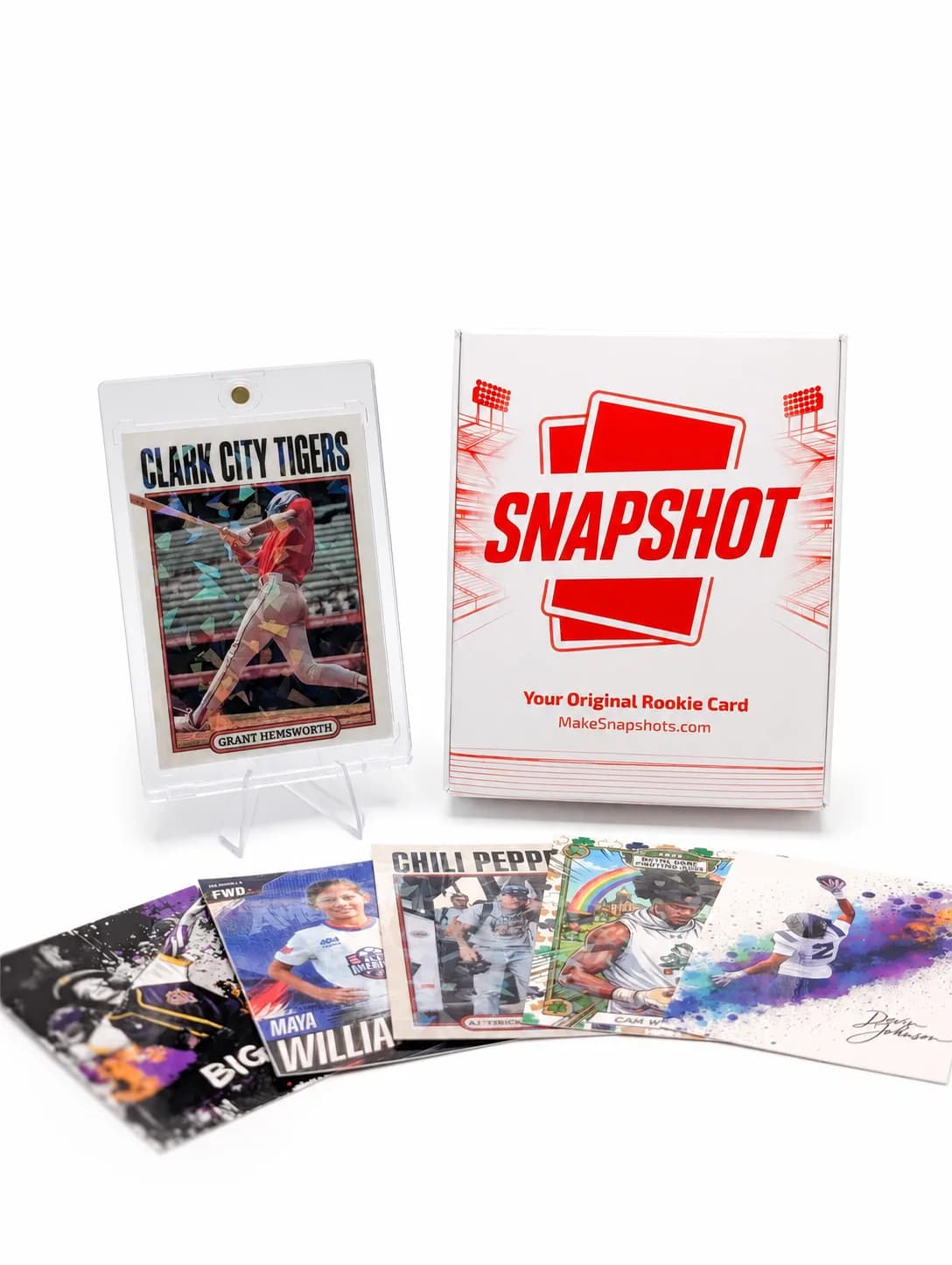
The Rookie Box
Perfect for those unforgettable moments
$17.99 - $49.99
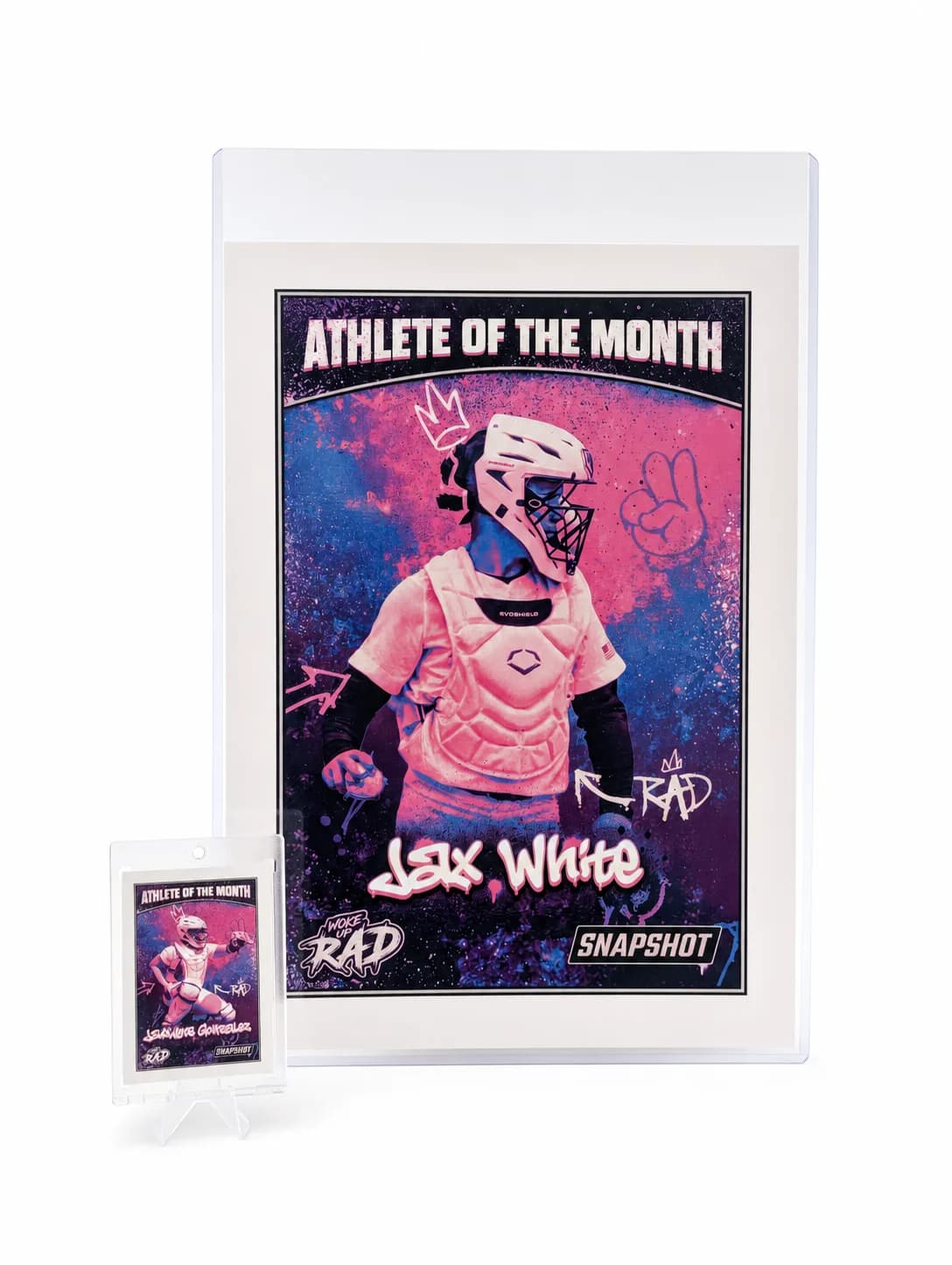
MEGA Card
Their moment, bigger than ever
$49.99
Create for free • Ships the next business day • Made in Des Moines, IA, USA
You've Got the Shot — Now What Are the Best Cameras for Sports Photography Going to Do for It?
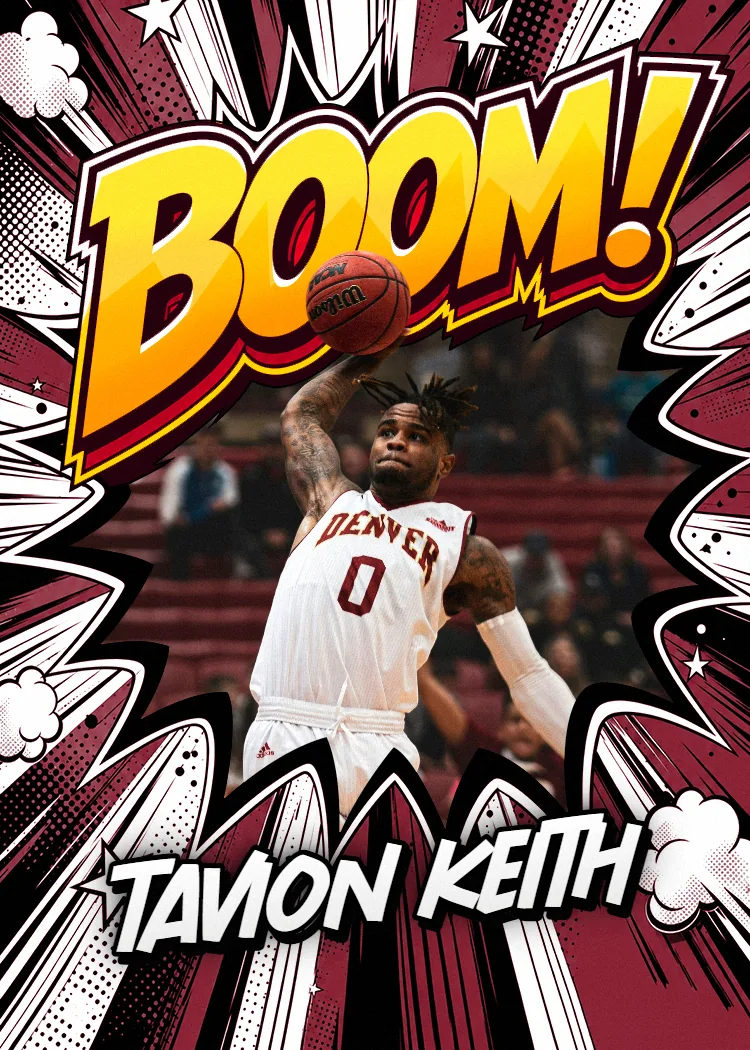
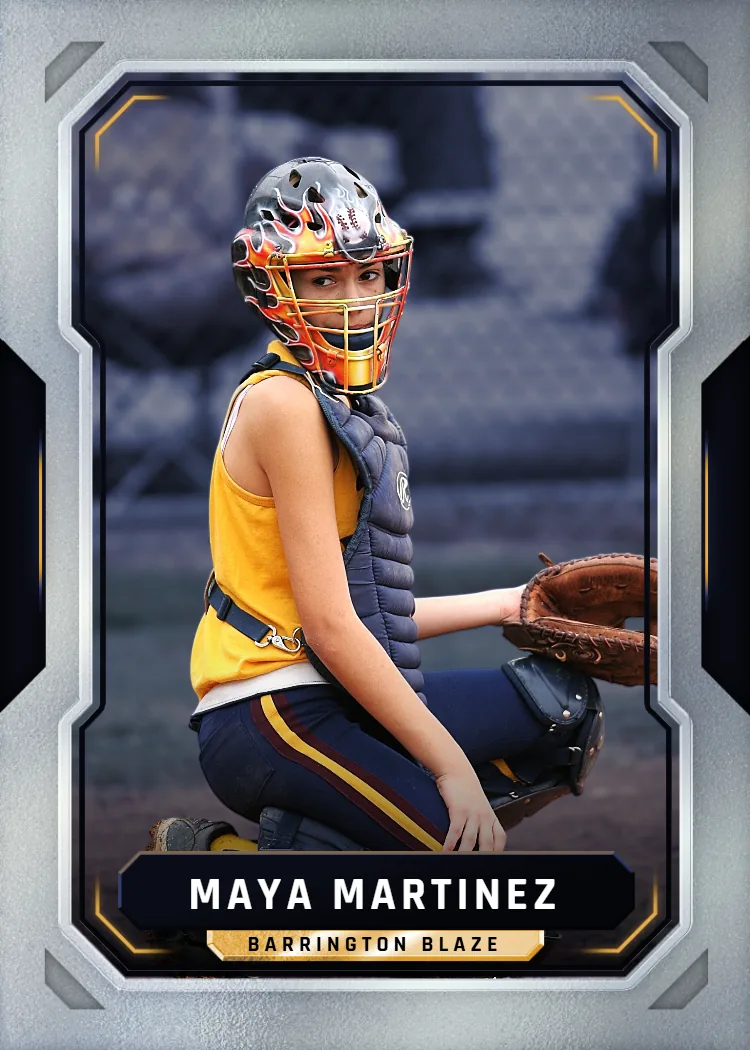
A great photo deserves to be more than a file on your phone. Upload your favorite sports shot, choose a pro-style template, and get a custom card printed on premium card stock and shipped in 2-3 days, free magnetic case included.
Create Your Card NowNo credit card required | Instant preview | Pro-quality designs
Explore More Card Options
Discover more custom trading card options for every sport and occasion