
What Lens Is Best for Sports Photography?
You got the shot. Frozen mid-air, perfect form, pure emotion. Now what do you do with it?
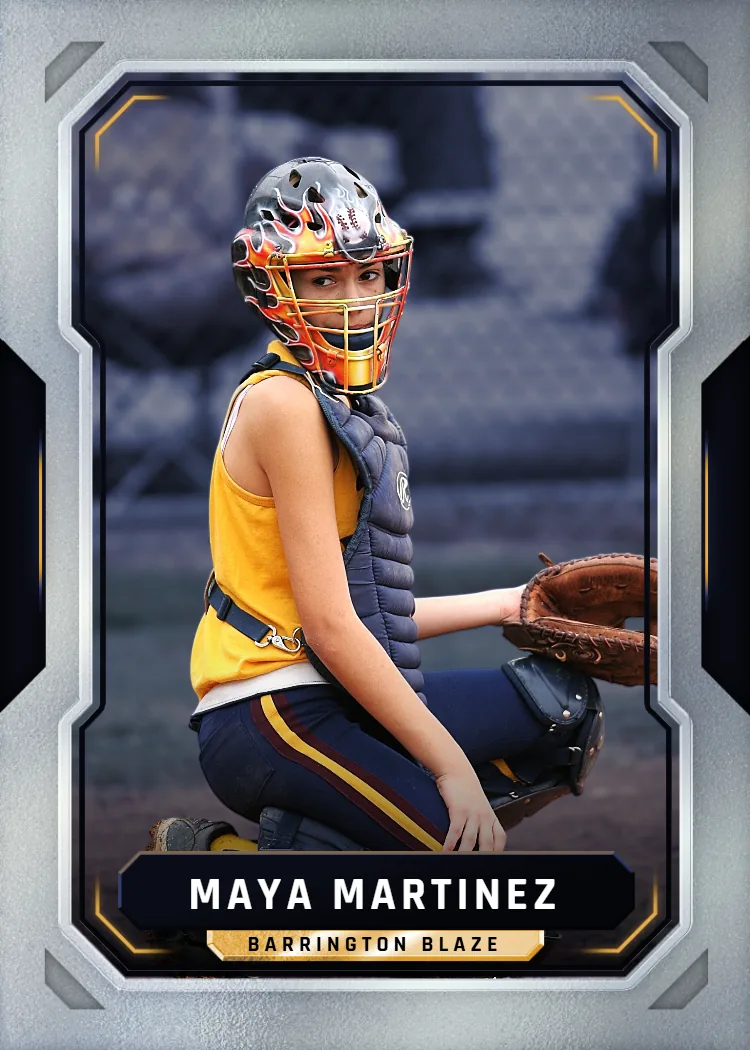
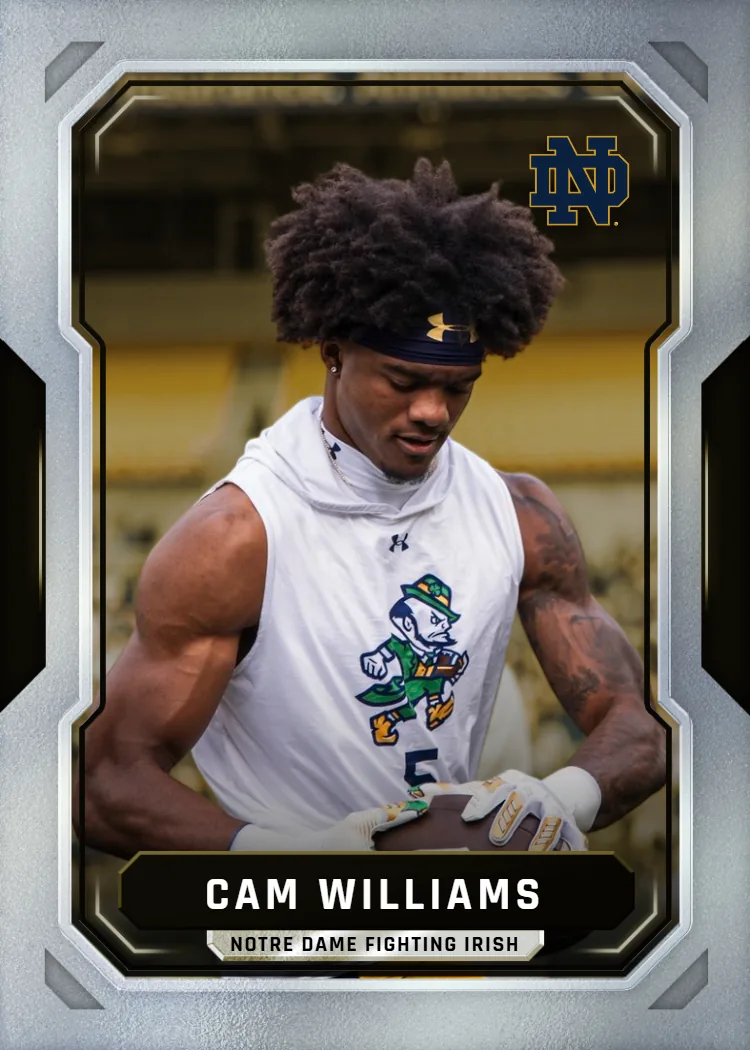
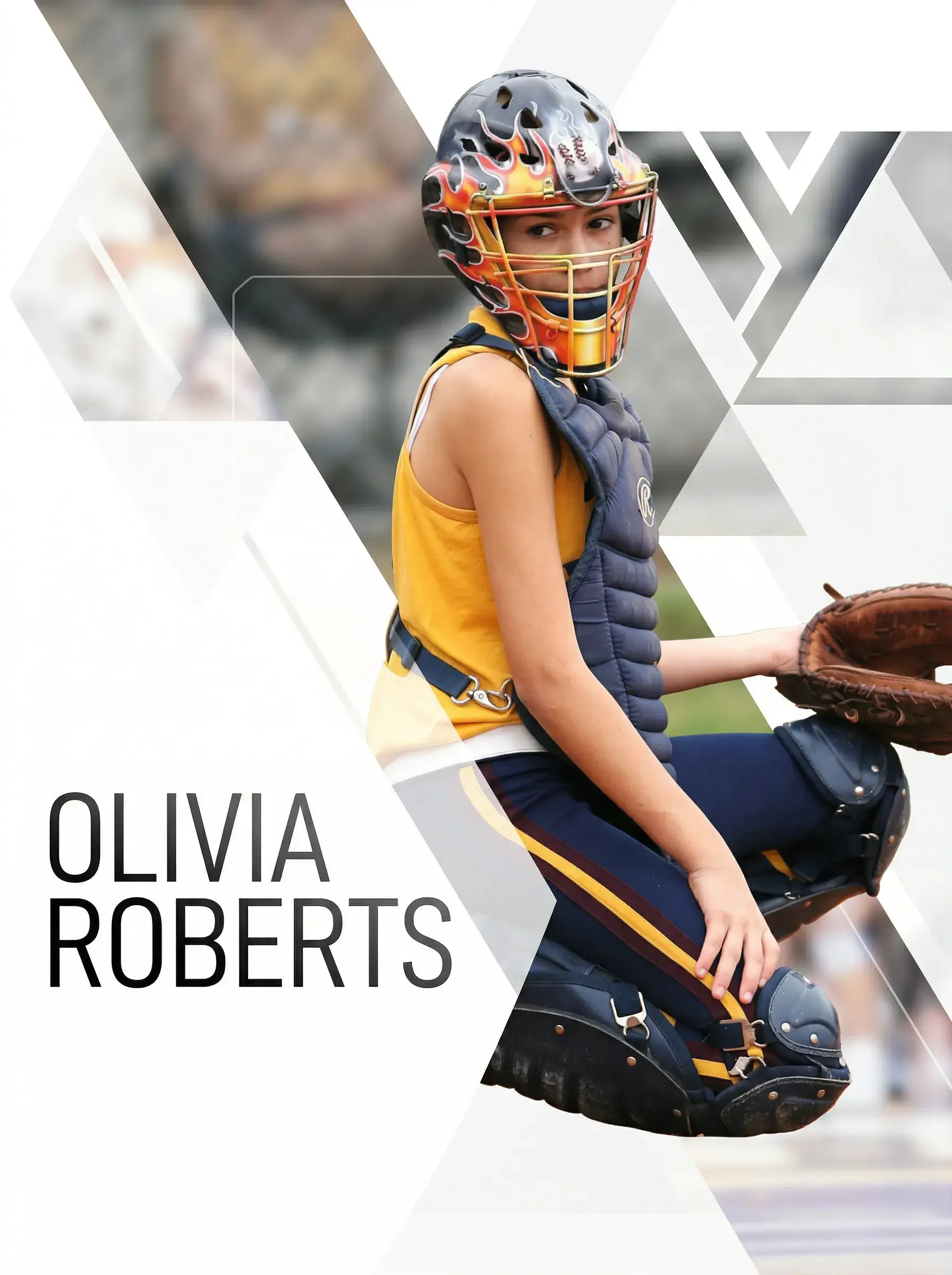
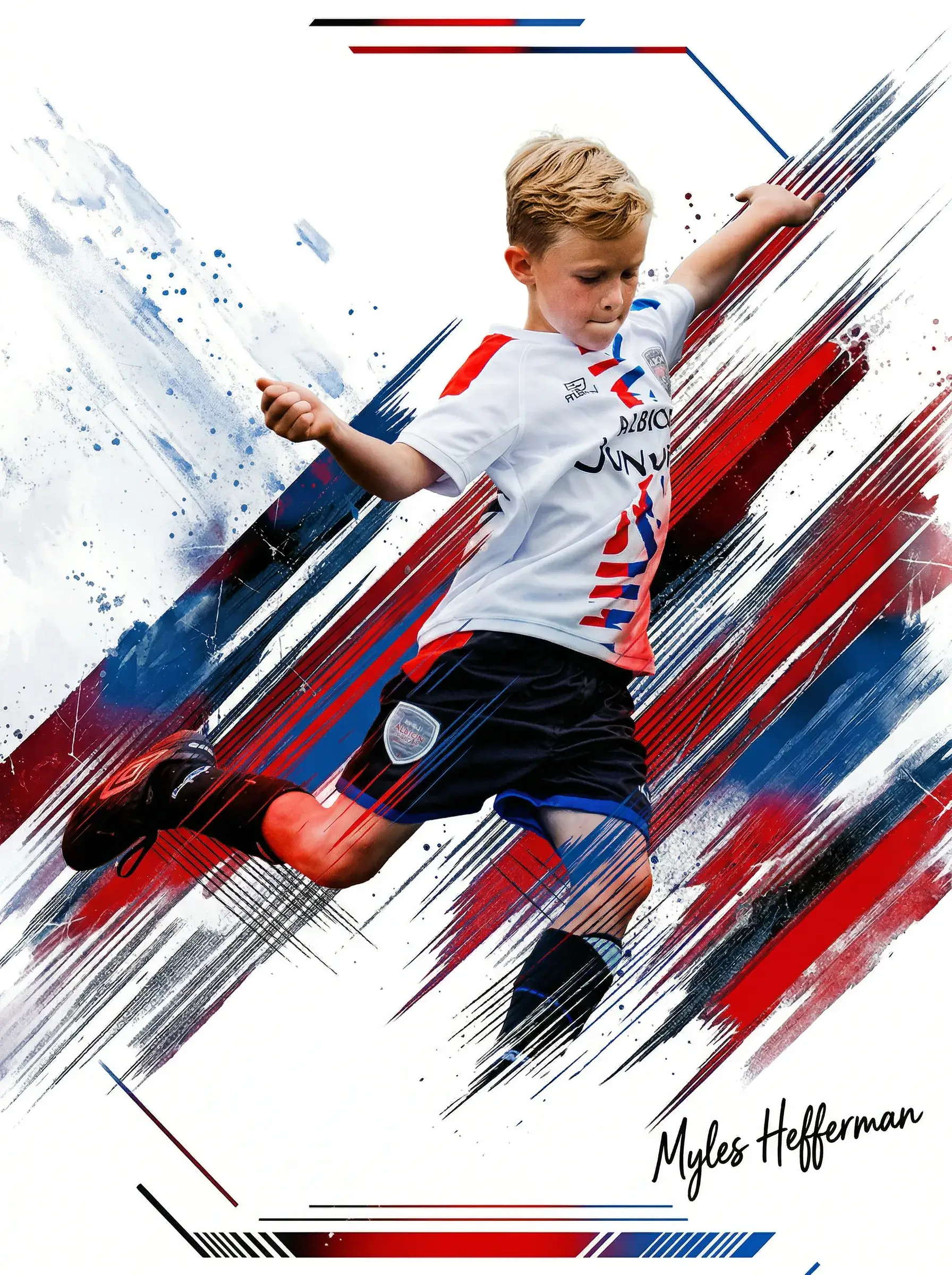
Upload any photo — your kid, your pet, your whole team — pick a pro template, and we print and ship a real, holdable card the next business day.
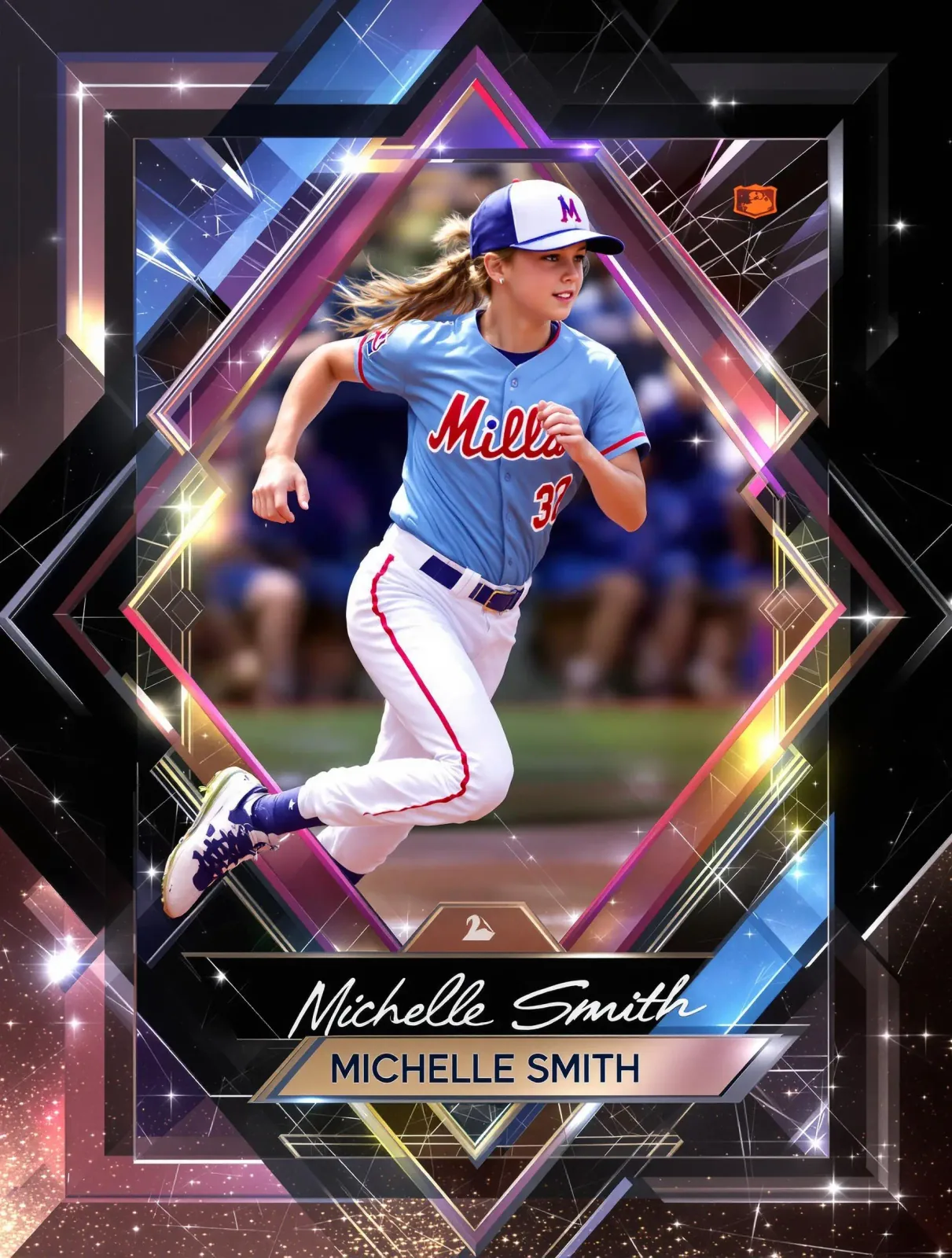
Figuring out what lens is best for sports photography is genuinely frustrating. You're standing on a sideline, gym floor, or pool deck, and you need a lens that's fast enough to freeze motion, long enough to reach the action, and sharp enough to capture expression — all at once. Most photographers burn through two or three lenses before finding the right fit. The wrong choice means blurry backgrounds that swallow athletes, soft focus on a sprinting player, or a focal length so short you're practically on the field to get a usable frame.
The right lens changes everything about how your sports photos turn out. A 70-200mm f/2.8 is the most versatile workhorse for most sports — it reaches far enough, opens wide enough for low light, and stays sharp at full extension. Pair that with sharp technique, and you're capturing moments worth holding onto. And those moments? They don't have to live only on your phone. Snapshot turns your best sports photos into premium custom trading cards, printed in Des Moines, Iowa, and shipped to your door in 2-3 days.
Let's break down the lens question honestly — and show you what to do with the photos after.
We ship custom sports cards to customers across all 50 states every week, from local youth leagues to collegiate programs, and we've printed tens of thousands of cards since opening our Des Moines production facility.
Which Lens Fits Your Situation? What Lens Is Best for Sports Photography by Sport Type
| Sport / Setting | Recommended Lens | Key Reason |
|---|---|---|
| Outdoor soccer / football | 100-400mm f/4.5-5.6 | Field distance requires reach; daylight compensates for variable aperture |
| Indoor basketball / volleyball | 70-200mm f/2.8 | Close range, low light — fast aperture is essential |
| Swimming / aquatics | 70-200mm f/2.8 | Pool access is limited; reflective surface needs wide aperture |
| Baseball / softball | 300mm f/4 prime | Fixed shooting positions; prime sharpness catches bat contact |
| Wrestling / gymnastics | 24-70mm f/2.8 | Very close action; wide angle captures full-body movement |
| Track and field | 150-600mm zoom | Varying distances across events; flexibility over fixed focal length |
Free to design, instant preview. Ships the next business day.
Why the Right Lens Produces Cards Worth Keeping
Sharp, well-lit action photos are the foundation of every great custom sports trading card. Here's what a quality lens actually delivers.
Frozen Motion, No Blur
A fast aperture lets you shoot at 1/1000s or faster, eliminating motion blur on sprinting athletes, swinging bats, or diving goalkeepers. Sharp photos translate directly to crisp card printing — every detail of the athlete's form shows up exactly as captured.
Clean Background Separation
Telephoto lenses naturally compress depth of field, throwing stadium crowds and field markings out of focus. The athlete pops off the background. That same visual quality is what makes a custom trading card feel like the real thing when it's printed on professional card stock.
Consistent Low-Light Performance
Evening games, indoor arenas, and overcast fields all test your lens. A fast f/2.8 prime or zoom keeps ISO manageable, preserving detail and color accuracy — which matters enormously when that photo gets printed at card size and every pixel counts.
Versatility Across Multiple Sports
A 70-200mm f/2.8 covers baseball, lacrosse, volleyball, swim meets, and wrestling without swapping glass. One lens, dozens of sports, thousands of card-worthy frames. That kind of consistency is hard to put a price on for a parent or coach photographing multiple kids.
What Lens Is Best for Sports Photography: A Practical Breakdown
Sports photography isn't one-size-fits-all. The ideal lens depends on your sport, your distance from the action, and the lighting you're working in.
Start With Focal Length — Match It to Your Sport
Indoor sports like basketball and wrestling reward a 24-70mm f/2.8 — you're close to the action and need that wide aperture to handle gym lighting. Outdoor sports like football, soccer, and track almost always call for 200mm minimum. A 100-400mm or 150-600mm zoom gives you flexibility across the full field without repositioning every play.
Prioritize Aperture — It's Not Just About Blur
A wide maximum aperture (f/2.8 or faster) does two things: it lets in more light so you can push your shutter speed above 1/1000s to freeze motion, and it separates your athlete from a cluttered background. That clean separation is exactly what makes a sports photo look professional — and what makes it look incredible on a printed trading card.
Don't Ignore Autofocus Speed — It Matters More Than Megapixels
A 45-megapixel camera with sluggish autofocus will miss more shots than a 24-megapixel body with a fast, responsive lens. Look for lenses with built-in focus motors, silent-wave or ring-drive systems, and eye-tracking compatibility with your camera body. Modern telephoto primes like the 300mm f/4 or 400mm f/5.6 are surprisingly affordable and frighteningly fast to focus.
Get the lens right, get the shot right — and the rest is just deciding which photo deserves to be immortalized.
Why Customers Keep Coming Back to Snapshot
Snapshot ships custom sports cards to customers in all 50 states every week, from rural youth leagues to college athletic programs. Customers consistently order for end-of-season celebrations, recruiting packages, and personal keepsakes — and repeat orders are common because the cards hold up exactly the way premium printed products should.
The free magnetic case that ships with every order has become one of the most talked-about details among first-time buyers.
From Sideline to Keepsake: Who Actually Uses These Cards
The athletes getting photographed with quality sports lenses come from every level — and their families and coaches are turning those photos into something permanent.
Youth Sports Parents
A parent with a 70-200mm on a Saturday morning soccer game isn't trying to go pro — they're trying to capture their kid's season. When that one perfect shot happens, a custom trading card from Snapshot turns it into a physical keepsake. It's the kind of thing grandparents keep on the fridge and kids carry in backpacks for years.
High School and College Athletes
Recruiting season is real, and athletes are building portfolios. A sharp action photo printed as a premium custom card makes an impression that a screenshot never does. Hand a recruiter or coach something tangible — a card printed on professional card stock, shipped in a magnetic case — and you stand out immediately.
Coaches and Team Programs
End-of-season recognition doesn't have to mean cheap trophies. Coaches ordering Snapshot card packs for their roster get something every player actually wants to keep. Packs run up to $49.99, free shipping anywhere in the USA, and cards arrive in 2-3 days — fast enough for a last-week-of-season order.
Simple, Transparent Pricing — No Surprises
Snapshot keeps pricing straightforward so you can order what you need without doing math.
Single card starting at $17.99. Card packs available up to $49.99. MEGA 11"×15" poster card at $49.99. Free shipping on all USA orders. Cards arrive in 2-3 days with a free magnetic case included.
Every order ships free within the USA and arrives with a magnetic display case — no add-ons, no hidden fees, no minimum order requirements.
Box Options
Simple, collectible pricing. No subscriptions, no hidden fees.
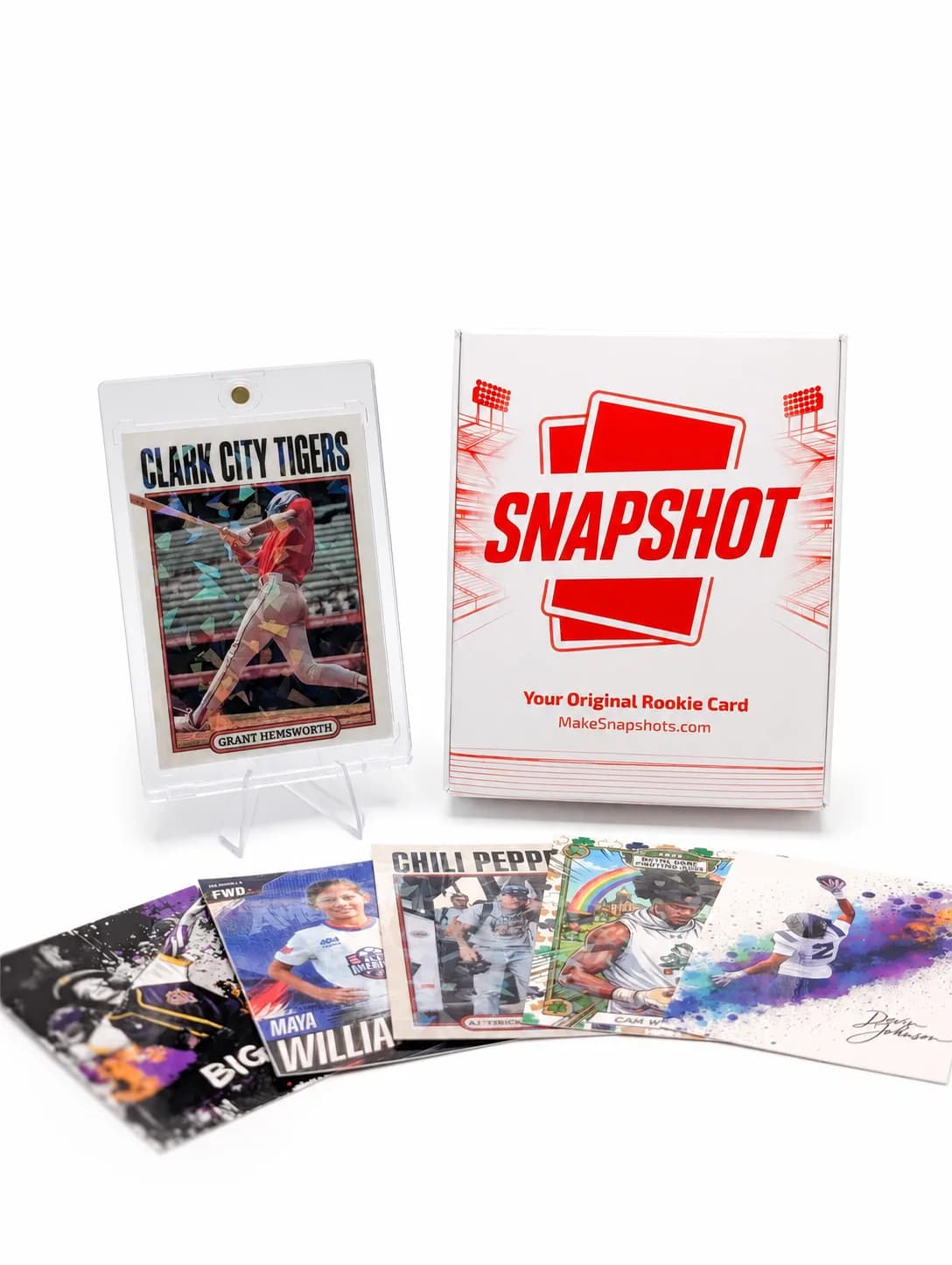
The Rookie Box
Perfect for those unforgettable moments
$17.99 - $49.99
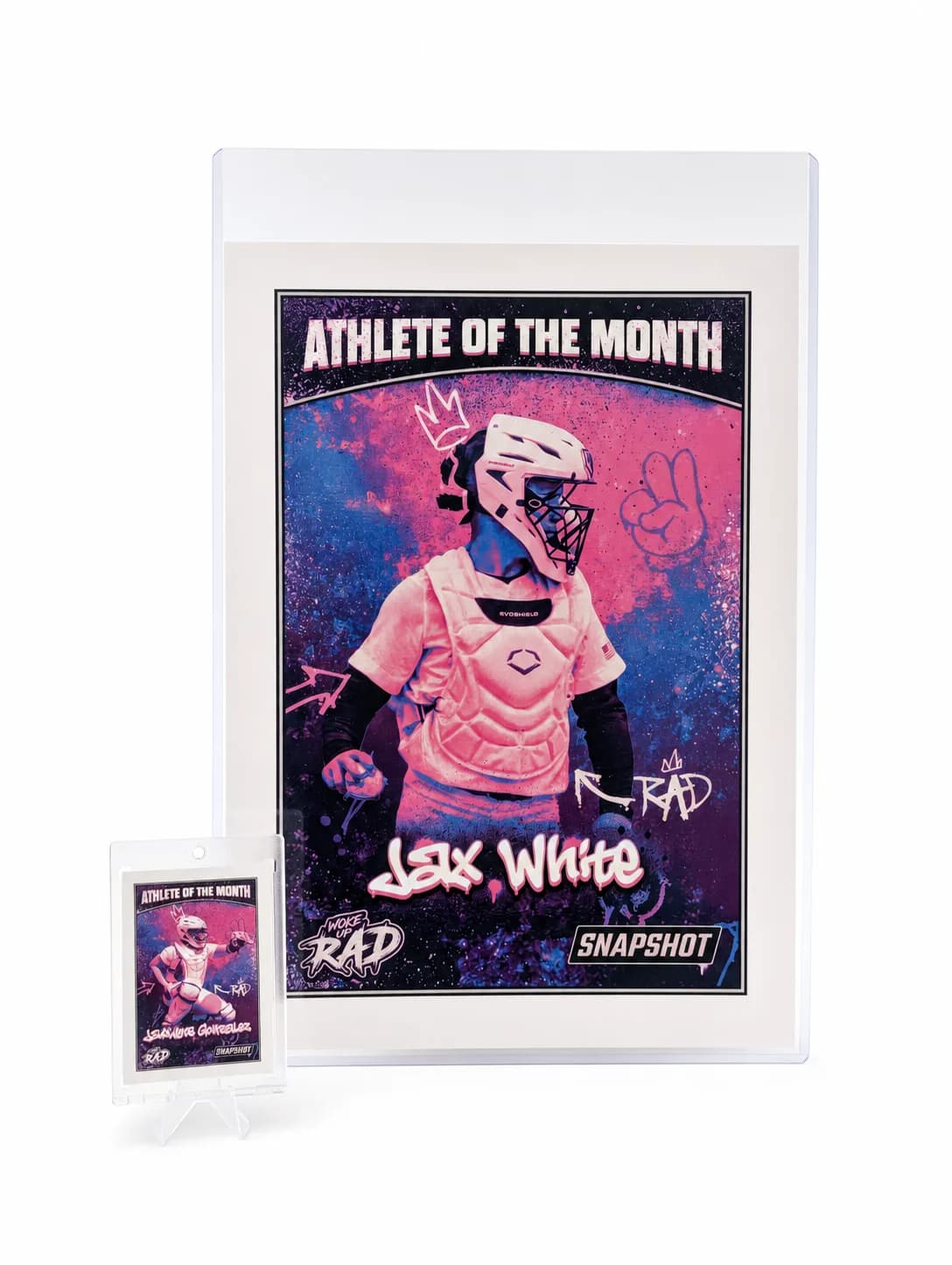
MEGA Card
Their moment, bigger than ever
$49.99
Create for free • Ships the next business day • Made in Des Moines, IA, USA
Frequently Asked Questions
What lens is best for sports photography for beginners on a budget?
The 70-300mm f/4-5.6 is the most practical starting point for beginners. It's affordable across most major camera brands, reaches far enough for outdoor sports, and forces you to learn light management — which makes you a better photographer faster. It won't perform in dim gyms the way an f/2.8 does, but for outdoor soccer, baseball, and track in decent light, it produces sharp, card-worthy images. Pair it with a body that has strong autofocus, and you'll be capturing usable action shots within your first few sessions.
Is a prime lens or zoom lens better for sports?
Both have real advantages, and the answer depends on how you shoot. A prime like a 300mm f/4 or 400mm f/5.6 is sharper wide open and focuses faster, which matters when a player is sprinting toward you. A zoom like a 70-200mm f/2.8 gives you framing flexibility without repositioning — critical when action moves unpredictably. Most working sports photographers use zooms for their versatility and reach for a prime when they're shooting in a fixed position. If you only own one lens, a 70-200mm f/2.8 is the safer investment.
What aperture should I use for sports photography?
Start at f/2.8 if your lens supports it. A wide aperture does two things simultaneously: it lets in enough light to shoot at shutter speeds above 1/1000s (fast enough to freeze most sports motion), and it blurs the background so the athlete reads clearly in the frame. If you're shooting outdoor sports in bright midday light, f/4 or f/5.6 works fine. Indoor gym sports are the real challenge — without f/2.8 or faster, you're fighting noise and motion blur at the same time, which almost always ruins the photo.
What shutter speed freezes sports action?
1/1000s is the practical minimum for most sports. Basketball, soccer, and track athletes moving at full speed need 1/1250s or faster to look genuinely sharp rather than slightly soft. Motorsports, baseball swings, and hockey require 1/2000s or more. Your lens matters here because a fast maximum aperture is what lets you achieve those shutter speeds in real-world lighting conditions. Shooting at 1/2000s in an indoor gym is only possible if your lens opens wide enough to compensate for low ambient light without forcing ISO to unusable levels.
Can I use a kit lens for sports photography?
You can, but the limitations show up quickly. A standard 18-55mm f/3.5-5.6 kit lens lacks the reach for most field sports, and the variable aperture means you lose light exactly when you zoom in to get closer. For backyard or very close-range sports — youth wrestling, gymnastics in a small gym, or swimming in a narrow pool — a kit lens can produce usable images. For anything with real distance between you and the athlete, you'll find yourself cropping heavily and fighting blur. It's a reasonable starting experiment, not a long-term solution.
Does lens stabilization matter for sports photography?
Image stabilization (IS, VR, OSS depending on brand) helps primarily with camera shake caused by handholding a heavy telephoto lens — it doesn't freeze subject motion the way a fast shutter speed does. For sports, stabilization is useful when you're shooting at longer focal lengths like 400mm or 600mm, where even slight hand movement compounds. It's less critical if you're shooting at 200mm with a fast enough shutter speed. Don't prioritize stabilization over aperture when choosing a sports lens — f/2.8 without stabilization outperforms f/5.6 with stabilization in almost every sports scenario.
How do I get sharp photos in a dark gym or indoor arena?
Three things matter in a dark gym: a fast lens (f/2.8 minimum), a camera body with strong high-ISO performance, and autofocus that tracks moving subjects reliably in low contrast. Set your shutter speed to 1/800s minimum, open your aperture as wide as it goes, and let ISO climb as needed — modern mirrorless and DSLR bodies handle ISO 3200-6400 cleanly enough for printing. Shooting in RAW gives you recovery latitude in post-processing. Gym lighting is often uneven, so pay attention to where the brightest zones are and position yourself to shoot athletes moving through them.
What focal length works best for swimming and aquatic sports?
Pool photography has unique constraints: you're often confined to a fixed position at the end lanes or in the stands, and the reflective water surface creates exposure challenges. A 70-200mm f/2.8 covers most competitive pools from a standing position at the end of a lane. If you're in the bleachers, a 100-400mm gives you more reach to capture mid-pool moments. Shoot at 1/1000s minimum to freeze splashing water, and overexpose slightly to compensate for the light the pool surface absorbs. Close-cropped finish-line shots make particularly compelling trading card images.
Free to design, instant preview. Ships the next business day.
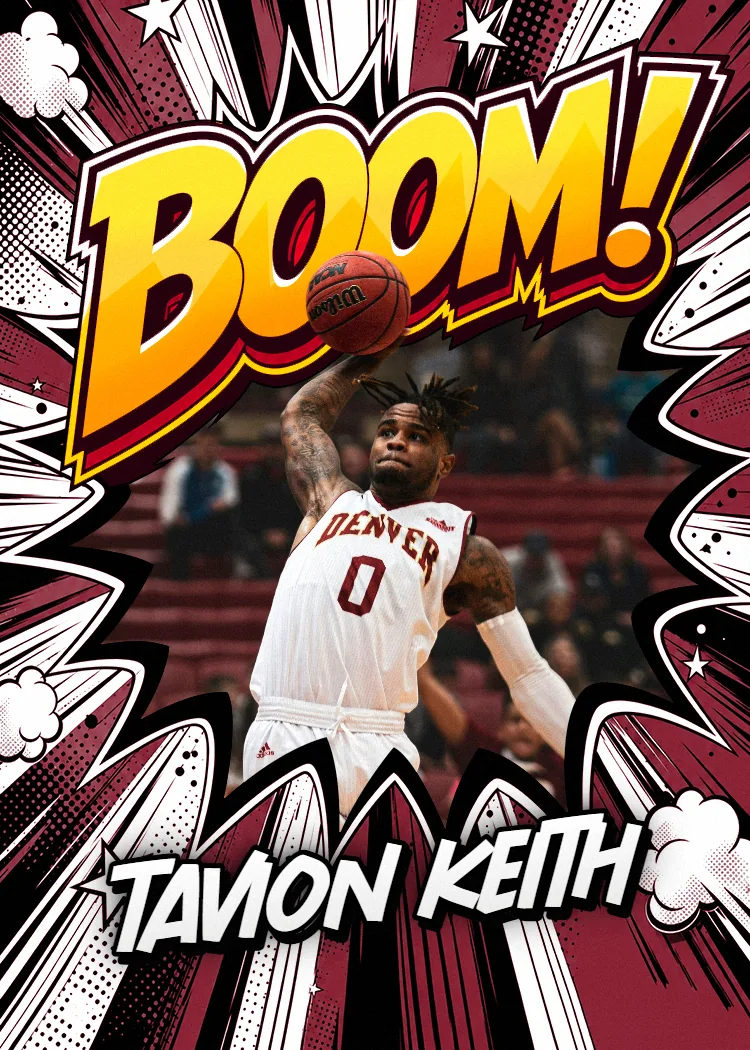
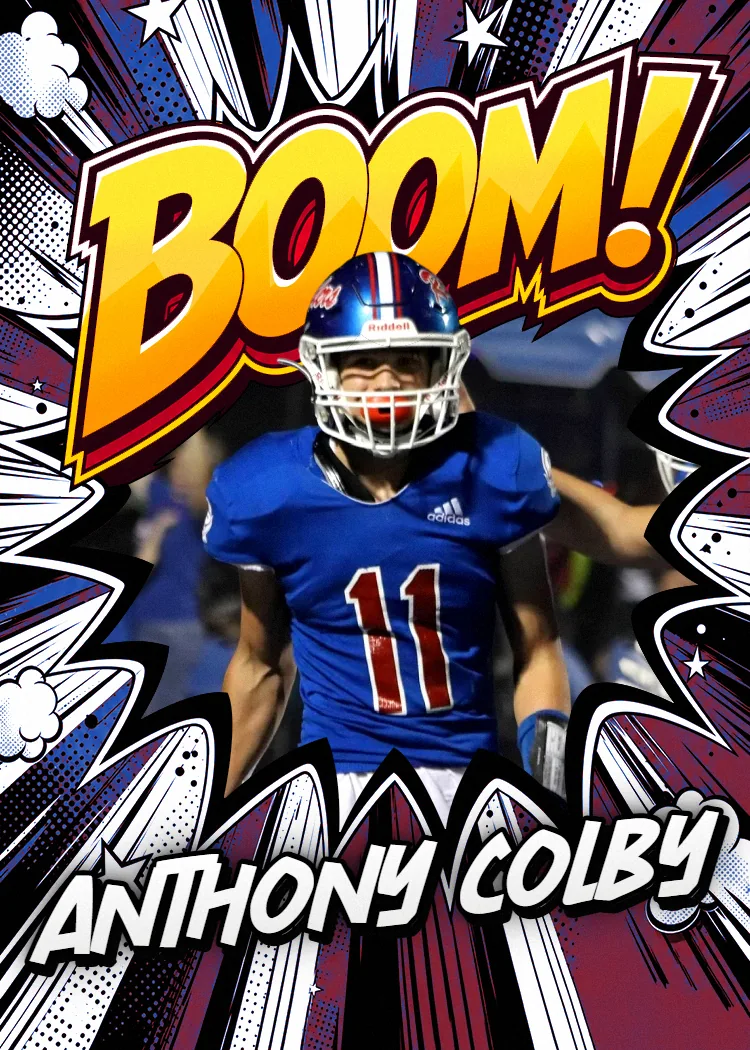
Got the Shot? Now Answer What Lens Is Best for Sports Photography — Then Make It Permanent
Every great sports photo deserves more than a spot in a camera roll. Upload your best action shot to Snapshot, pick a template, and get premium custom trading cards printed and shipped in 2-3 days. Free shipping, free magnetic case, made in the USA.
Build Your Card NowNo credit card required | Instant preview | Pro-quality designs
Explore More Card Options
Discover more custom trading card options for every sport and occasion