
What Is the Best Camera for Sports Photography? A Real Answer
A blurry outfield shot ruined our first attempt at a custom card. That's when we started paying attention to gear.
Upload any photo — your kid, your pet, your whole team — pick a pro template, and we print and ship a real, holdable card the next business day.
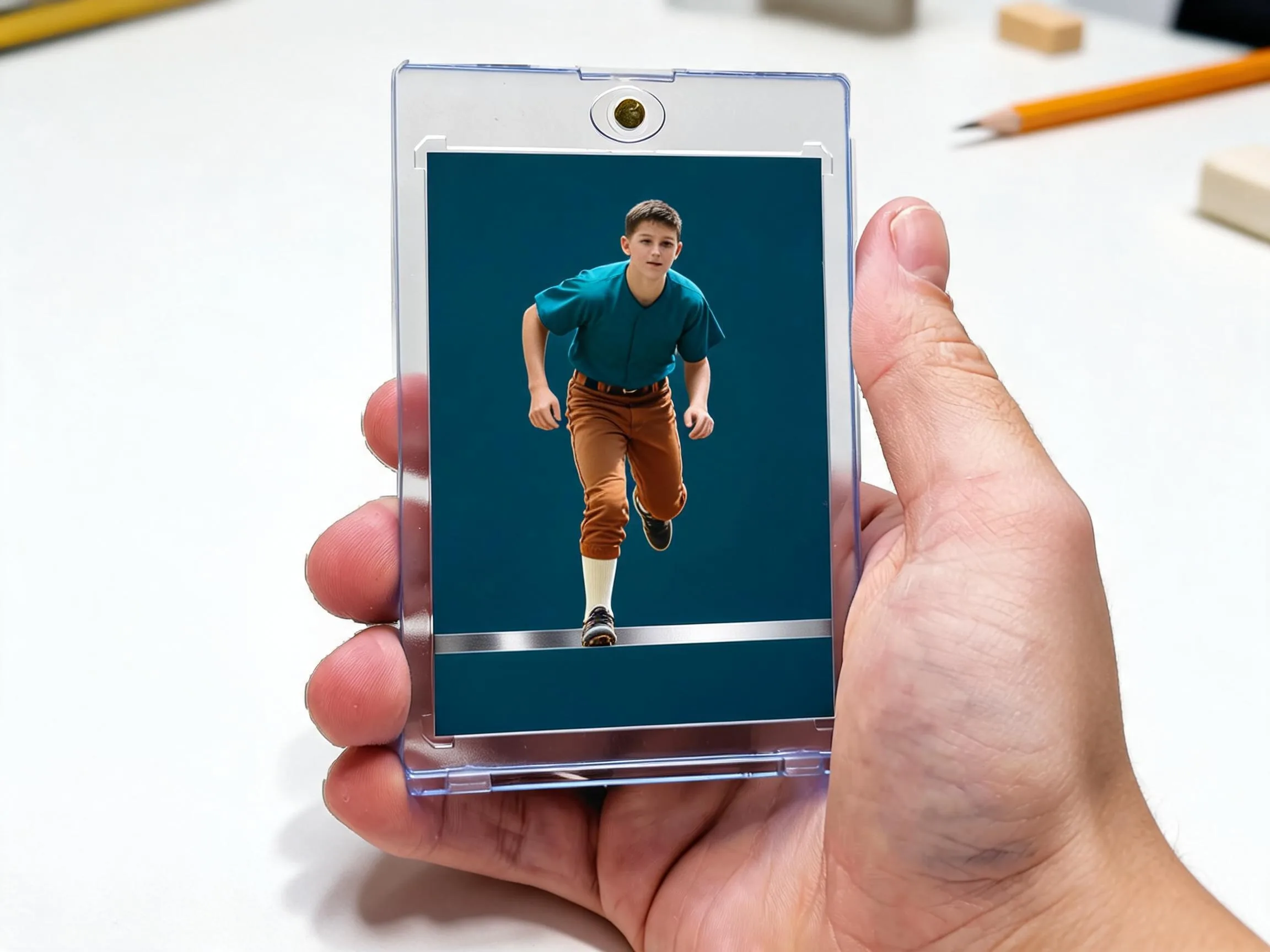
Every parent on the sideline has asked the same question: what is the best camera for sports photography when you're not a professional and don't have three grand to spend? You watch the kid steal second base, lift the phone, and get a smear of color instead of a moment. Meanwhile the team photographer down the fence line nails it every single time with equipment that looks intimidating and expensive. It's frustrating, and it's the reason so many great plays never get captured at all.
Here's the good news — you don't need a professional rig to get a shot worth printing. Modern phones, budget mirrorless bodies, and used DSLRs can all produce a frame sharp enough for a keepsake. What matters more is shutter speed, burst mode, and knowing where to stand. We'll walk through the real options below, ranked by what actually works for weekend games rather than what looks good in a camera store ad.
Let's compare the cameras people actually use on real sidelines, not just the ones in review videos.
We ship custom cards to teams and families in all 50 states every week, and we've seen firsthand which photos print beautifully and which ones don't.
Phone vs. Mirrorless vs. Used DSLR
| Option | Cost | Best For | Tradeoff |
|---|---|---|---|
| Smartphone | $0 (already owned) | Casual daytime games | Struggles in low light, limited zoom |
| Mid-Range Mirrorless | $900-$1,400 | Weekly weekend shooters | Higher upfront cost, learning curve |
| Used DSLR + Prime Lens | $600-$800 | Serious hobbyists on a budget | Bulkier, older tech, no video frills |
Free to design, instant preview. Ships the next business day.
Why the Right Camera Choice Actually Matters
Gear talk gets old fast, but the payoff is real once you see a genuinely sharp shot next to a blurry one.
Fewer Wasted Moments
A camera with fast autofocus means you're not deleting forty blurry photos to find the one usable frame. You catch the diving catch or the finish line lean when it happens, not three frames too late.
Better Light Performance
Evening games and indoor gyms punish weak sensors. A camera built for sports handles low light without turning every photo into a grainy mess, which matters more than most first-time buyers realize.
Prints That Hold Up
A high-resolution, well-focused shot looks sharp at any size — including an 11x15 poster print. A soft, underexposed phone photo falls apart the second you enlarge it.
A Shot Worth Keeping Forever
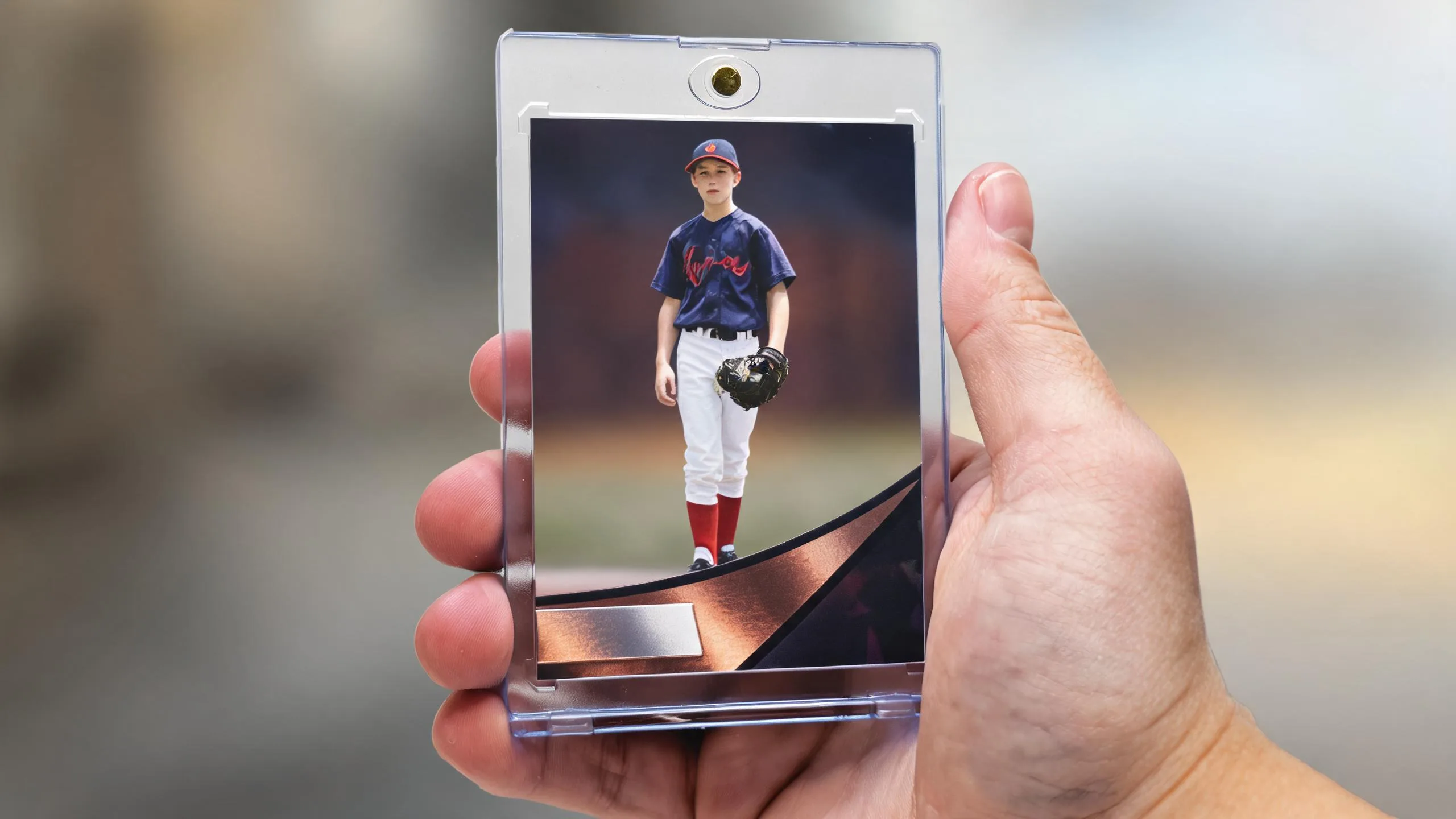
Once you've got the right frame, it deserves more than a camera roll. It deserves to become something a kid keeps in their room for the next twenty years.
What Is the Best Camera for Sports Photography, Really?
The honest answer depends on your budget and how often you're shooting, but three categories cover almost everyone.
Entry-Level: Your Phone, Set Up Right
Newer smartphones shoot burst mode and 4K video, both of which freeze action better than most people expect. Turn on grid lines, tap to lock focus on the player, and shoot in burst so you can pick the sharpest frame later. It won't beat a dedicated camera in low light or from far away, but for daytime games it's genuinely capable and it's the camera most people already own.
Mid-Range: A Mirrorless Body With a Zoom Lens
Cameras like the Sony a6400 or Canon R50 paired with a 70-300mm lens run somewhere between $900 and $1,400 and handle fast-moving subjects far better than a phone. Autofocus tracking locks onto jerseys and faces, and a fast shutter speed — 1/1000 or quicker — stops motion cold. This is the sweet spot for a parent who shoots every weekend and wants prints that actually look sharp.
Advanced: A Used DSLR With a Fast Prime
A secondhand Canon 7D Mark II or Nikon D500 with an 85mm or 135mm lens can be had for under $800 and still outperforms newer consumer gear in autofocus speed. These older bodies were built for exactly this — fast subjects, tricky light, high shot volume. If you're already deep into a hobby and shooting every game of the season, this tier earns its keep.
Whichever tier you land in, the goal is the same: a sharp, well-lit frame worth printing and keeping.

What We See From Photos Sent In Nationwide
We print cards from every kind of camera imaginable — flagship phones, decade-old DSLRs, budget mirrorless bodies borrowed from a neighbor. The sharpest results consistently come from photos shot in good daylight with a fast shutter speed, regardless of brand or price tag. Camera choice matters, but timing and light matter just as much.
Who Actually Needs to Think About This
Not everyone needs the same setup, and the right answer changes depending on why you're at the game.
The Team Parent Rotation
One parent per season usually ends up as the unofficial team photographer. A mid-range mirrorless camera with a zoom lens is the practical choice here — good enough for crisp shots at every game, portable enough to carry a whole season without burning out your arms or your budget.
The Multi-Sport Family
If your kids play three different sports across three seasons, you need something flexible. A camera with a versatile zoom range handles soccer fields, basketball gyms, and swim meets without switching lenses constantly, which matters when you're juggling snacks, folding chairs, and a stopwatch.
The Coach Building a Season Archive
Coaches documenting an entire season for end-of-year highlight reels or card sets benefit from a camera with fast burst shooting and reliable autofocus tracking. Consistency across dozens of games matters more here than any single showstopping shot.
From Photo to Printed Card: What It Costs
Once you've got the shot, turning it into a printed keepsake is the easy part.
Single custom card $17.99, packs up to $49.99, MEGA 11x15 poster card $49.99, free shipping across the USA, delivered in 2-3 days.
You don't need studio gear to get a print-worthy shot — you need good light, a steady hand, and a camera that keeps up with the action.
Box Options
Simple, collectible pricing. No subscriptions, no hidden fees.
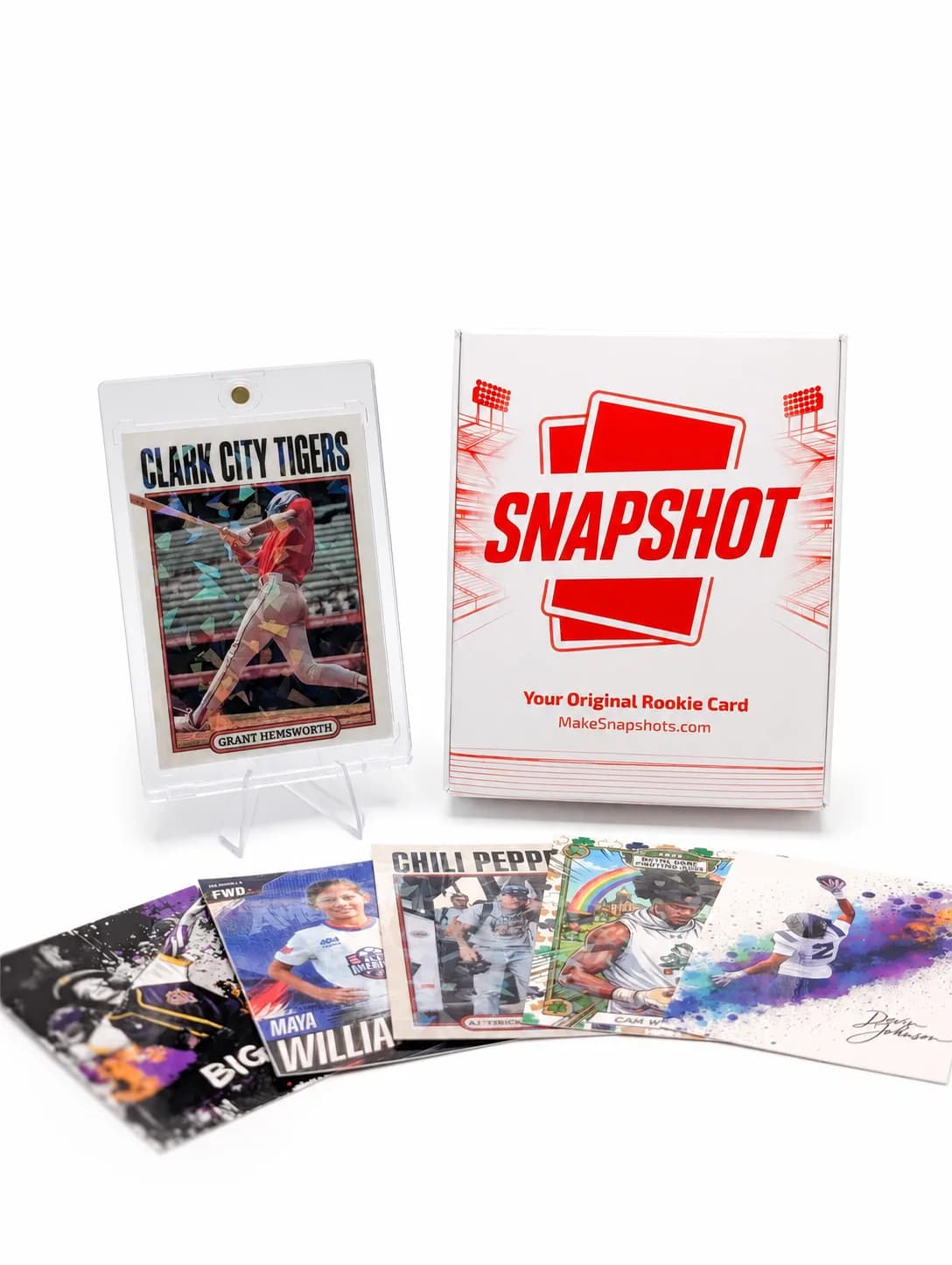
The Rookie Box
Perfect for those unforgettable moments
$17.99 - $49.99
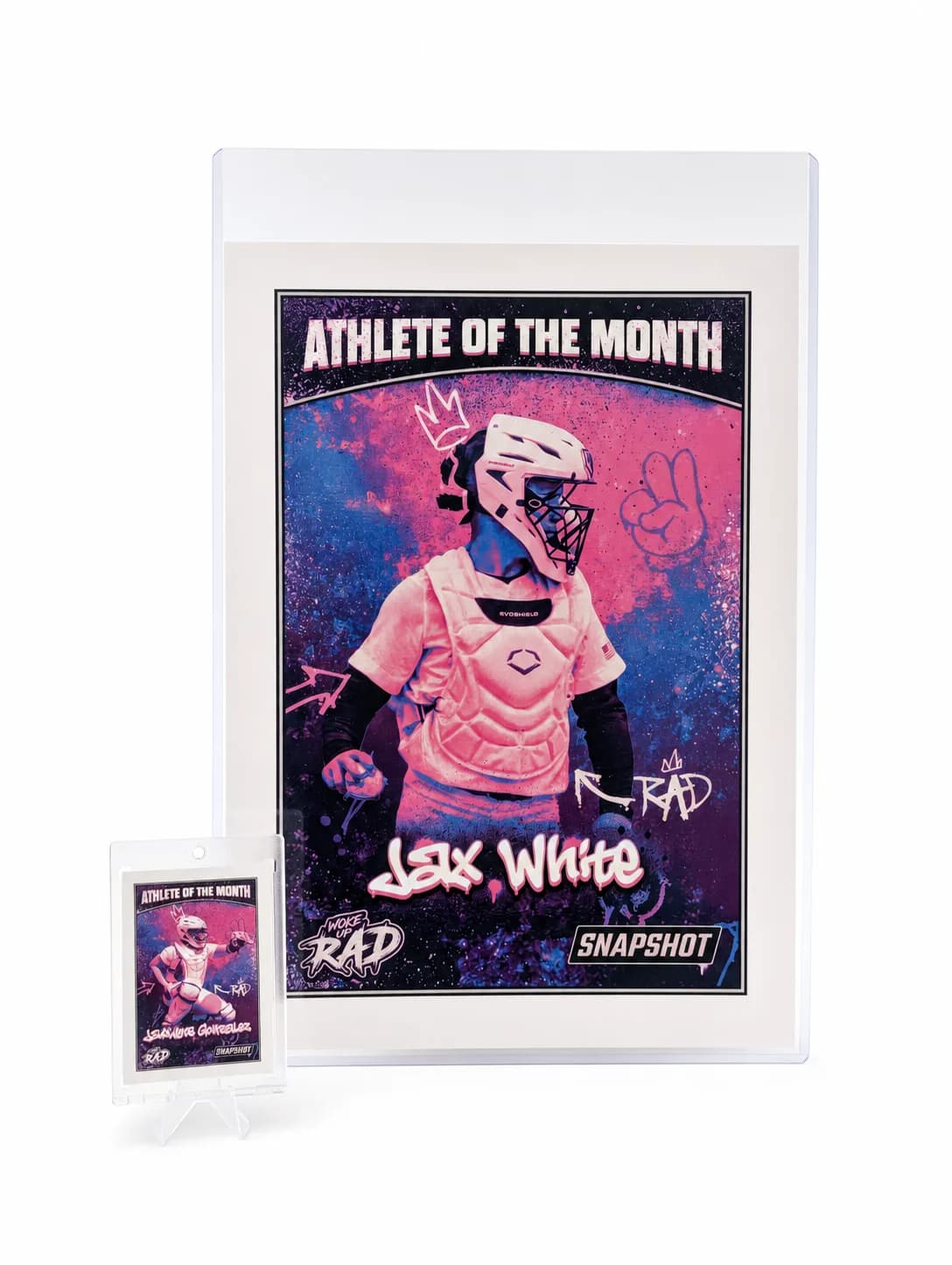
MEGA Card
Their moment, bigger than ever
$49.99
Create for free • Ships the next business day • Made in Des Moines, IA, USA
Frequently Asked Questions
Do I need a DSLR or is mirrorless better for sports?
Mirrorless cameras have mostly caught up to DSLRs for sports shooting, and in some ways they've pulled ahead. Autofocus tracking on newer mirrorless bodies is often faster and more reliable than older DSLR systems, and the bodies themselves are lighter, which matters after three hours on a sideline. That said, used DSLRs are often cheaper for the same autofocus performance, since older professional models show up secondhand at a fraction of their original price. If budget is your main concern, a used DSLR from a trusted seller can outperform a brand-new budget mirrorless camera. If you want the latest tracking technology and don't mind paying more, mirrorless is the better long-term bet. Either way, the lens matters as much as the body — a fast zoom or prime lens will do more for your sports shots than upgrading the camera itself.
What shutter speed should I use for fast-moving sports?
For most fast-moving sports, aim for a shutter speed of at least 1/1000 of a second, and go faster for genuinely explosive movement like a baseball swing or a sprinter off the blocks. Anything slower than 1/500 will usually show some motion blur on a running or jumping subject, which can look artistic but isn't what most people want for a clean printed keepsake. Indoor sports and evening games make this trickier because faster shutter speeds need more light, which means you'll often need to raise your ISO or open your aperture wider to compensate. This is exactly why cameras with strong low-light performance are worth the extra cost if you're shooting indoor basketball or evening football regularly. If your camera has a sports or action mode, it usually adjusts these settings automatically and is a solid starting point for beginners still learning manual settings.
How important is the lens compared to the camera body?
Honestly, the lens often matters more than the camera body itself, especially for sports. A cheap camera body paired with a fast, sharp zoom lens will usually outperform an expensive body paired with a slow, low-quality lens. For sports specifically, look for a lens with a maximum aperture of f/2.8 or wider if your budget allows, since this lets in more light and helps freeze motion even in darker conditions. A 70-200mm or 70-300mm zoom range covers most field and court sports well, letting you stay on the sideline without missing distant plays. If you're just starting out and can only afford one upgrade, put the money into the lens first. Camera bodies get replaced every few years as technology improves, but a good lens can stay useful across multiple camera upgrades, which makes it the smarter long-term investment for anyone serious about improving their shots.
Can I use my phone for sports photography and still get good results?
Yes, and honestly, modern phones handle daytime outdoor sports better than people expect. The key is using burst mode instead of trying to time a single shot, since reaction time alone almost guarantees you'll miss the peak moment otherwise. Tap to focus directly on the player before the play begins, and avoid using digital zoom, which crushes image quality fast — instead, physically move closer or accept a wider shot you can crop later. Phones struggle most in low light, so an indoor gym or a late evening game will show more grain and blur than a sunny afternoon match. If you're shooting phone photos regularly, consider a small clip-on zoom lens, which can noticeably improve reach without needing a whole new camera setup. For casual shooting and printing standard-sized cards, phone photos from good light are often more than good enough.
What resolution do I need for a printed sports photo?
For most standard print sizes, including a single trading card, a photo of at least 3 megapixels prints cleanly, though higher resolution always gives you more flexibility to crop. For larger prints, like an 11x15 poster-sized card, you'll want closer to 8 to 12 megapixels to keep the image sharp at that scale without visible pixelation. Most phones and cameras made in the last several years easily clear this bar, so resolution usually isn't the limiting factor — focus and lighting are. A photo that's technically high resolution but blurry or poorly lit will still look worse printed large than a lower-resolution photo that's tack sharp and well exposed. If you're unsure whether your photo will print well at a larger size, zoom into it at 100% on a computer screen; if it looks sharp there, it'll generally print sharp too.
Should I buy a used camera for sports photography?
Buying used is one of the smartest moves you can make, especially for sports specifically, since older professional-grade bodies often had excellent autofocus systems built for exactly this kind of fast action. A used Canon 7D Mark II or Nikon D7500, for example, can be found for a few hundred dollars and still tracks moving subjects better than many current entry-level cameras. The tradeoff is usually video quality and connectivity features, which most sideline shooters don't care about anyway. Buy from a reputable reseller that tests shutter count and offers some kind of return window, since a camera with a heavily used shutter may need repairs sooner. Check that the lens mount matches what you're planning to buy for lenses, since older systems sometimes use discontinued mounts. Done carefully, buying used can get you professional-level autofocus performance for a third of the price of a new camera.
What settings should beginners use for youth sports games?
Beginners should start with shutter priority mode, setting the shutter speed to around 1/1000 and letting the camera handle aperture and ISO automatically. This single change fixes the most common problem beginners run into, which is motion blur from a shutter speed that's too slow for a running or jumping subject. Continuous autofocus, sometimes labeled AF-C or AI Servo depending on the brand, keeps the camera tracking a moving player instead of locking focus once and losing it. Burst mode, sometimes called continuous shooting, lets you fire off five to ten frames per second so you can pick the sharpest one afterward rather than betting everything on a single click. Position yourself where the light is behind you, not behind the players, since backlit subjects turn into silhouettes fast. These four adjustments alone solve the vast majority of blurry, poorly exposed youth sports photos.
How much should I expect to spend on a decent sports camera setup?
A genuinely capable setup for weekend sports photography usually runs somewhere between $900 and $1,500 for a mid-range mirrorless body and a zoom lens, though you can go lower with a used DSLR setup for closer to $600 to $800. If you're only shooting occasionally, spending anything beyond $200 to $300 on a used point-and-shoot or better phone lens attachment is probably unnecessary. The jump in image quality between a $300 setup and a $1,000 setup is real but noticeable mainly in low light and fast action — daytime outdoor games look pretty similar across both price points. Where the higher-end gear really earns its cost is consistency across an entire season, indoor games, and printing at larger sizes. Think honestly about how often you'll actually use the gear before spending more than a few hundred dollars, since a camera sitting in a closet most of the year isn't worth the upgrade.
Free to design, instant preview. Ships the next business day.
You Found the Right Camera — Now Turn That Shot Into Something Real
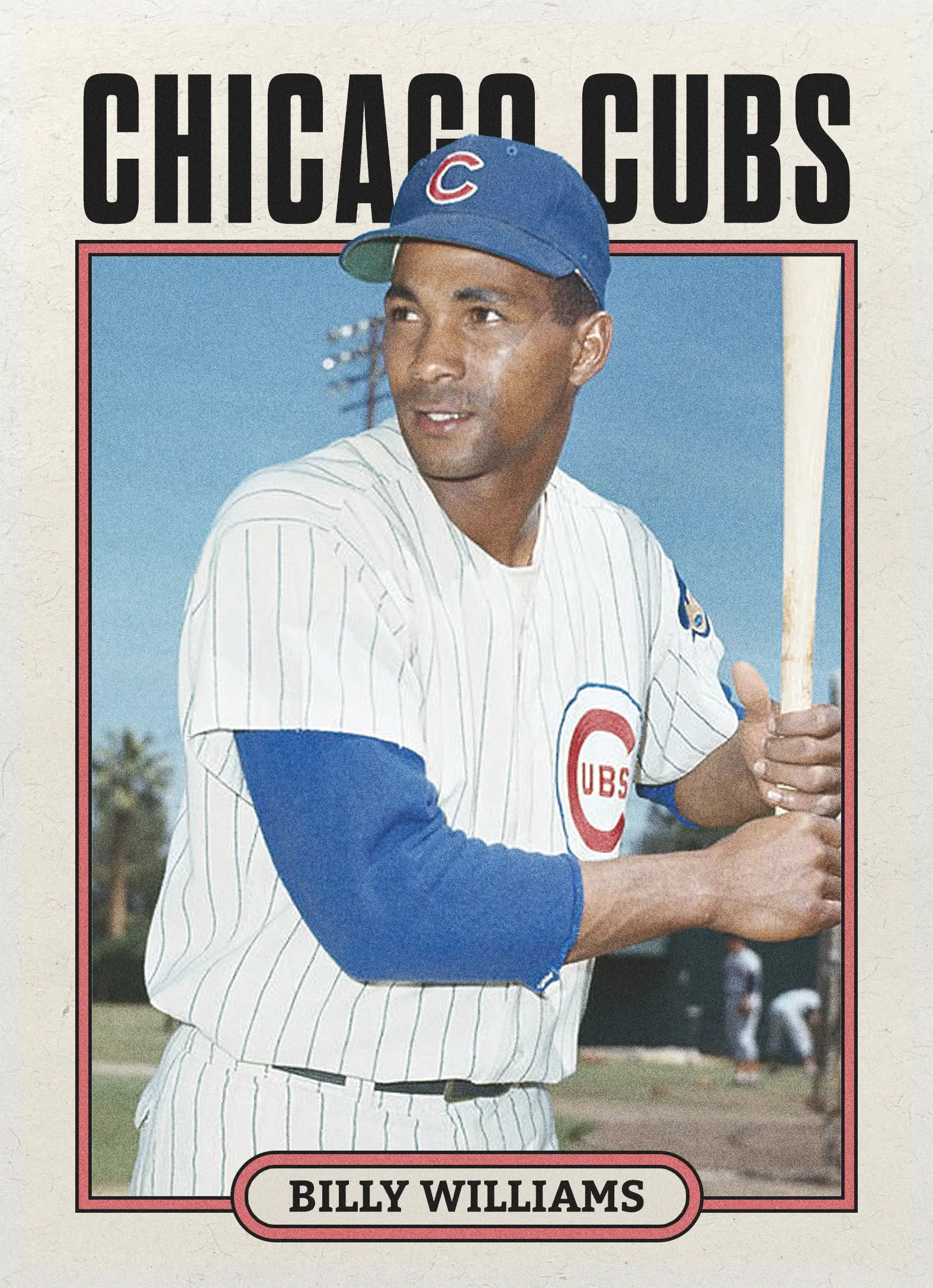
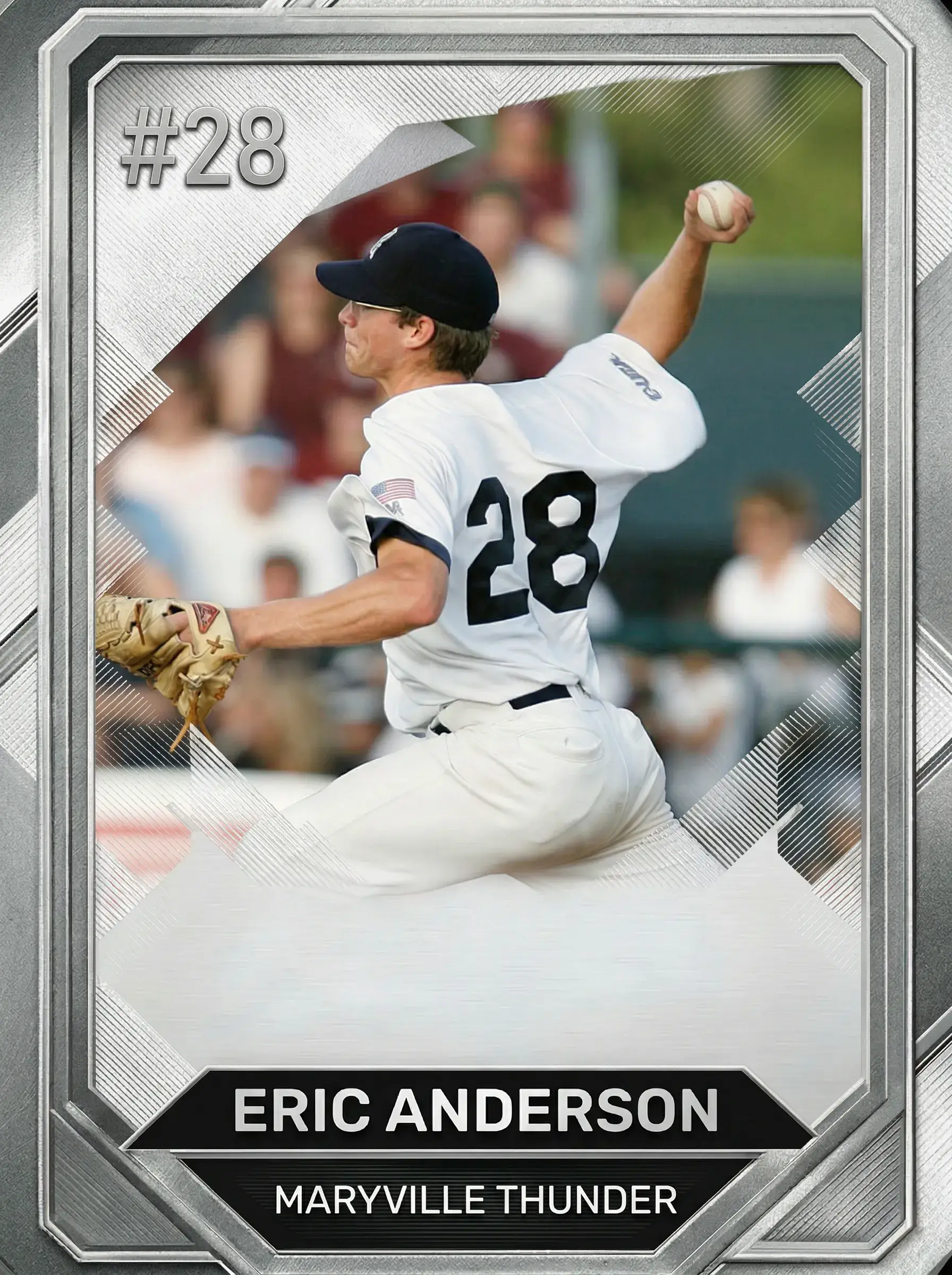
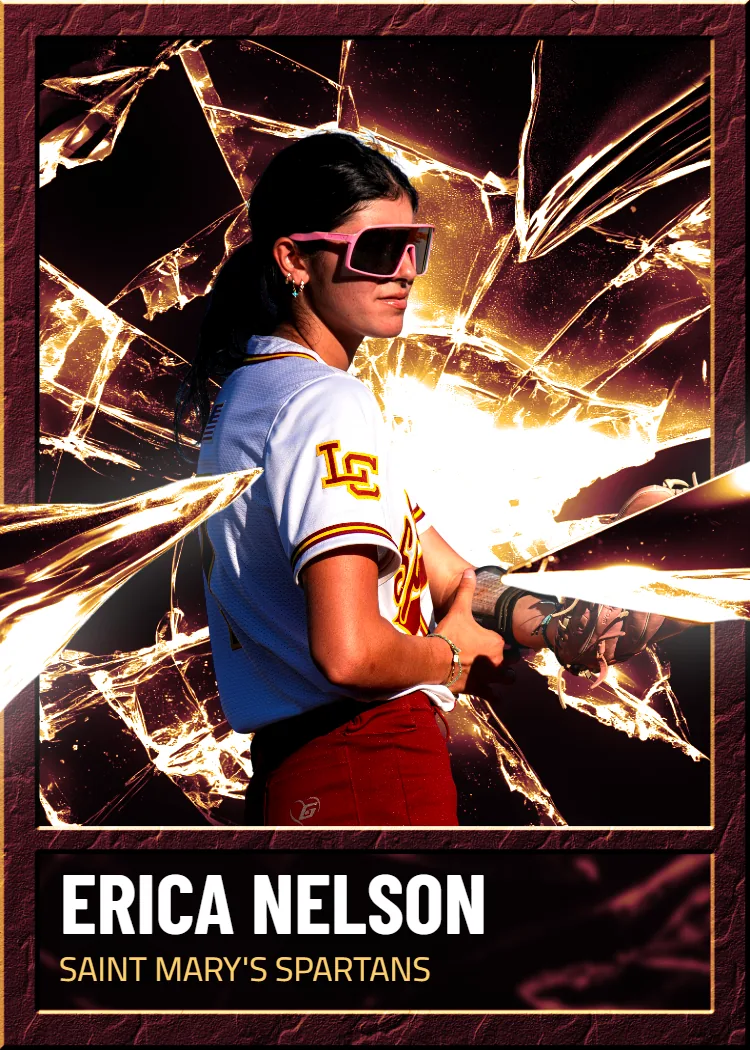
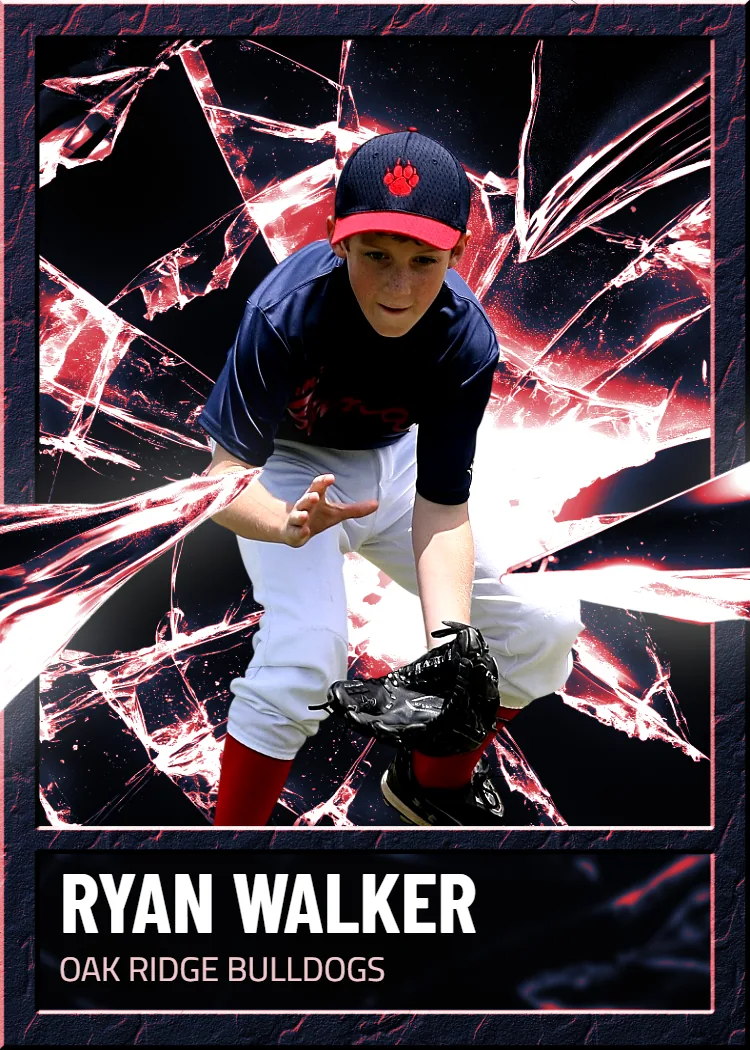
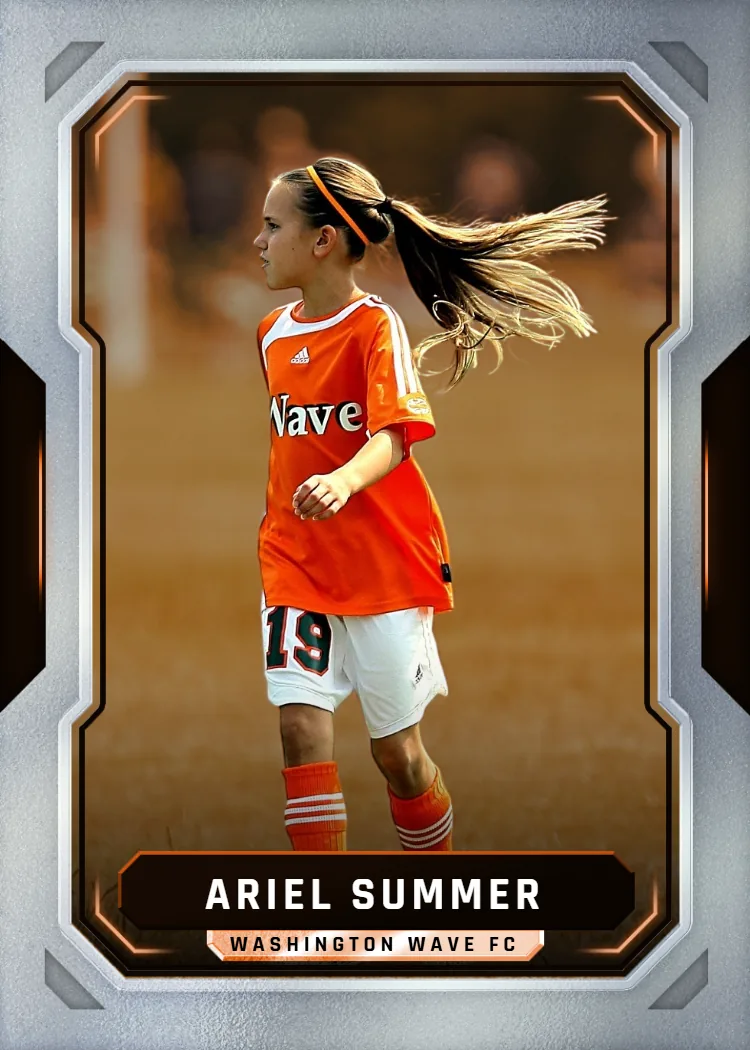
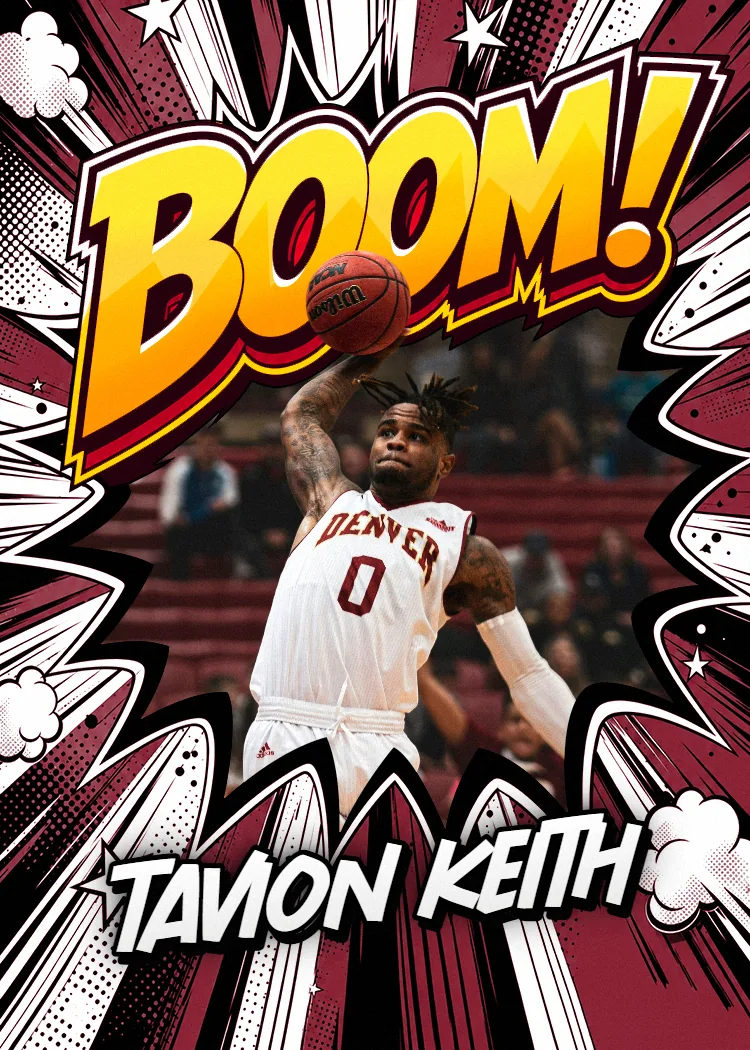
Whatever answer you landed on for what is the best camera for sports photography, the next step is the fun part. Upload your favorite shot, pick a pro-style template, and we'll print it on professional card stock and ship it in 2-3 days.
Upload Your Photo NowNo credit card required | Instant preview | Pro-quality designs
Explore More Card Options
Discover more custom trading card options for every sport and occasion