
Wide Angle Sports Photography: The Buyer's Guide to Better Action Shots
That sideline shot where the whole field, the crowd, and your athlete all fit in one frame? That's wide angle sports photography doing its job.
Upload any photo — your kid, your pet, your whole team — pick a pro template, and we print and ship a real, holdable card the next business day.
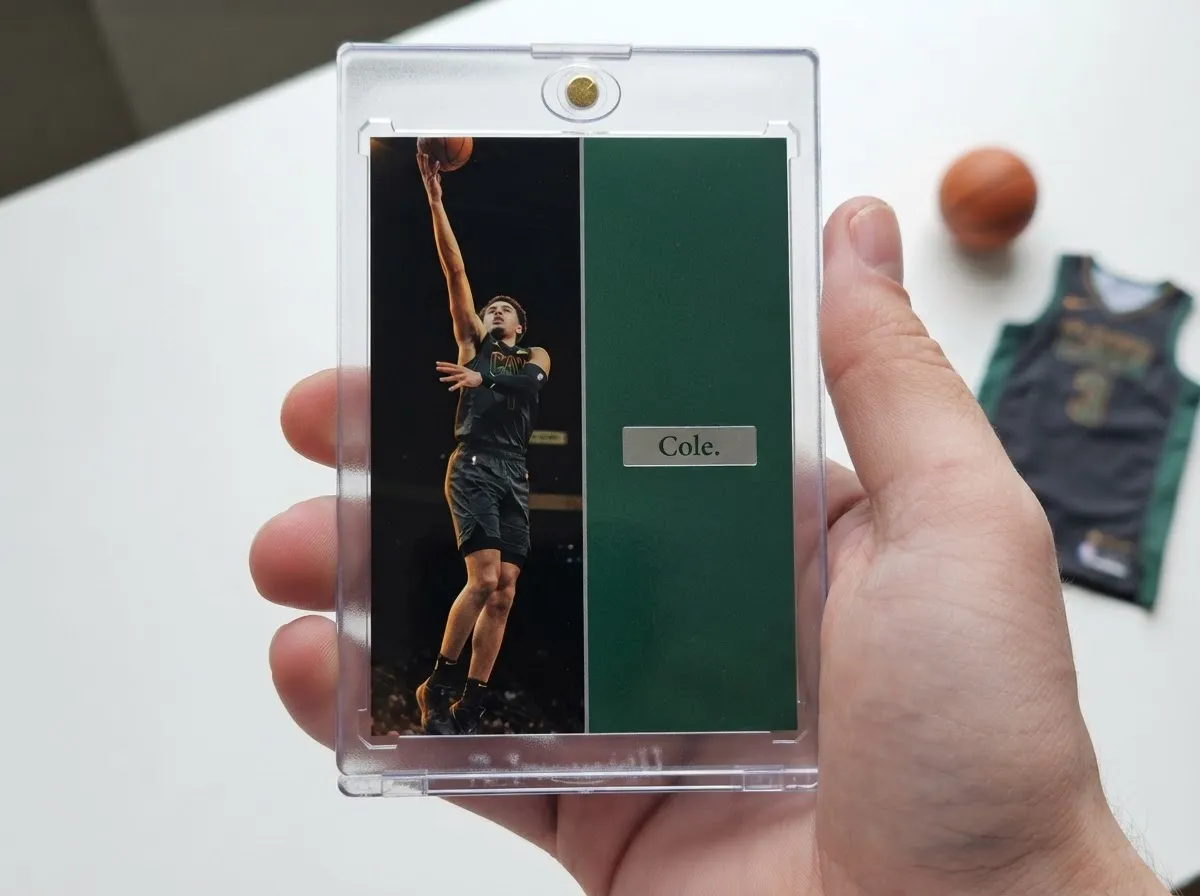
Most parents and team photographers default to zoom lenses because that's what everyone tells you to buy for sports. But zoomed-in shots lose context — you get a tight face or a jersey number with no sense of the game around it. Wide angle sports photography solves a different problem entirely: it captures the whole scene, the stadium lights, the teammates in the background, the moment as it actually happened. Without it, you end up with photos that feel cropped and lonely instead of alive.
This guide breaks down what wide angle sports photography actually means, which gear gets you there, and how to use those shots once you've got them. We'll compare lens options, walk through common mistakes, and show you how the right wide shot becomes the foundation for a custom trading card that actually tells a story. Whether you're shooting track meets, wrestling matches, or Little League, the principles hold steady.
Let's start with how wide angle sports photography actually works on the field.
We ship custom cards to teams and families in all 50 states every week, and we've seen firsthand how a well-composed wide shot outperforms a tight crop on the final printed card.
Why Bother With Wide Angle Shots at All?
A wide angle photo does more visual work per frame than almost any other sports photography style, and here's why that matters for keepsakes.
More Story Per Frame
A wide shot shows the play developing — the defender closing, the crowd reacting, the scoreboard ticking down. That extra information turns a snapshot into a scene, which is exactly what makes a printed card feel meaningful years later.
Fewer Missed Moments
Because wide angle lenses capture more of the field, you don't need to predict the exact split second of contact. You've got a bigger margin for error, which matters a lot when you're shooting a nine-year-old's first travel soccer game.
Better Fit for Card Templates
Trading card layouts often include background elements, borders, and team colors. A wide shot gives designers room to work with instead of cropping tight around a face, so the final card looks intentional rather than squeezed.
Stronger Emotional Pull
Wide shots put the athlete inside their environment — the gym, the track, the rink. That context is what makes someone tear up looking at a card ten years from now, not just a close-up of a jersey number.
Free to design, instant preview. Ships the next business day.
What Do Photographers and Parents Actually Notice?
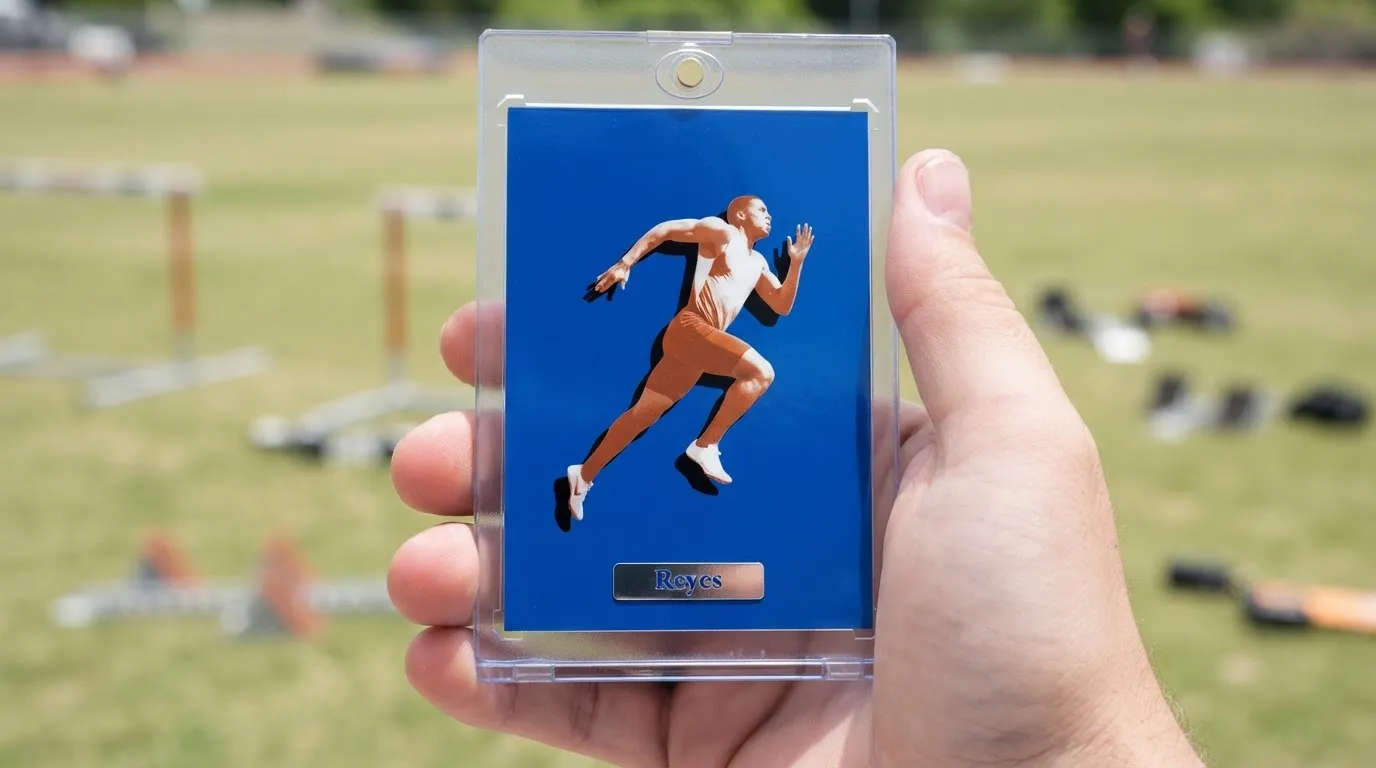
People who shoot rec leagues, travel teams, and school sports regularly tell us the same thing: wide shots give them options they didn't know they needed until they're sitting down picking the one photo worth printing. It's the difference between a photo that looks staged and one that looks lived-in.
How Does Wide Angle Sports Photography Actually Work?
Wide angle sports photography relies on a shorter focal length — usually between 14mm and 35mm — to capture more of the scene in a single frame.
Choose the Right Focal Length
Most wide angle sports photography sits between 14mm and 35mm. Anything under 20mm starts introducing noticeable distortion at the edges, which can be great for dramatic effect but rough for standard team photos. For general action coverage — soccer, football, basketball — 24mm to 35mm gives you breathing room without warping faces or bending the sideline into a curve.
Position Yourself Closer Than You Think
Wide lenses need proximity to work well. You're not standing back like you would with a telephoto — you're often just a few feet from the action, sometimes right at field level. That closeness is what makes wide angle shots feel immersive instead of distant. It also means you need to know the sport well enough to predict where the play is heading, not just where it currently is.
Frame for Context, Not Just the Subject
The whole point of going wide is including what surrounds your athlete — the bench, the scoreboard, the opposing team closing in. When you frame the shot, leave room on the edges intentionally. That extra context is exactly what makes a photo feel like a moment instead of a headshot, and it's the raw material that turns into a genuinely great custom card layout.
Once you've got a wide, context-rich shot, the next question is what to actually do with it.
Pre-Game Checklist for Wide Angle Shooting
- Test your focal length during warmups, not during live play
- Scout your shooting position for sideline or fence access
- Check your background for distractions before the game starts
- Shoot a few frames wider than you think you need
- Bring a backup memory card or extra phone storage
Where Does Wide Angle Sports Photography Fit Best?
Not every sport or moment calls for a wide lens, but these three situations are where it consistently outperforms a zoom.
Team and Roster Shots
When you're trying to capture an entire team celebrating after a win, a wide angle is non-negotiable. It's the only practical way to fit fifteen players, a coach, and a trophy into one frame without stepping back fifty feet. These group shots make excellent centerpiece images for team card sets or a MEGA poster card marking the season.
Indoor Gyms and Tight Venues
Wrestling mats, volleyball courts, and swim meets often have limited space for photographers. A wide lens lets you shoot from close range while still capturing the full action — the dive, the pin, the finish line — without needing forty feet of runway behind you.
Youth Sports Sideline Coverage
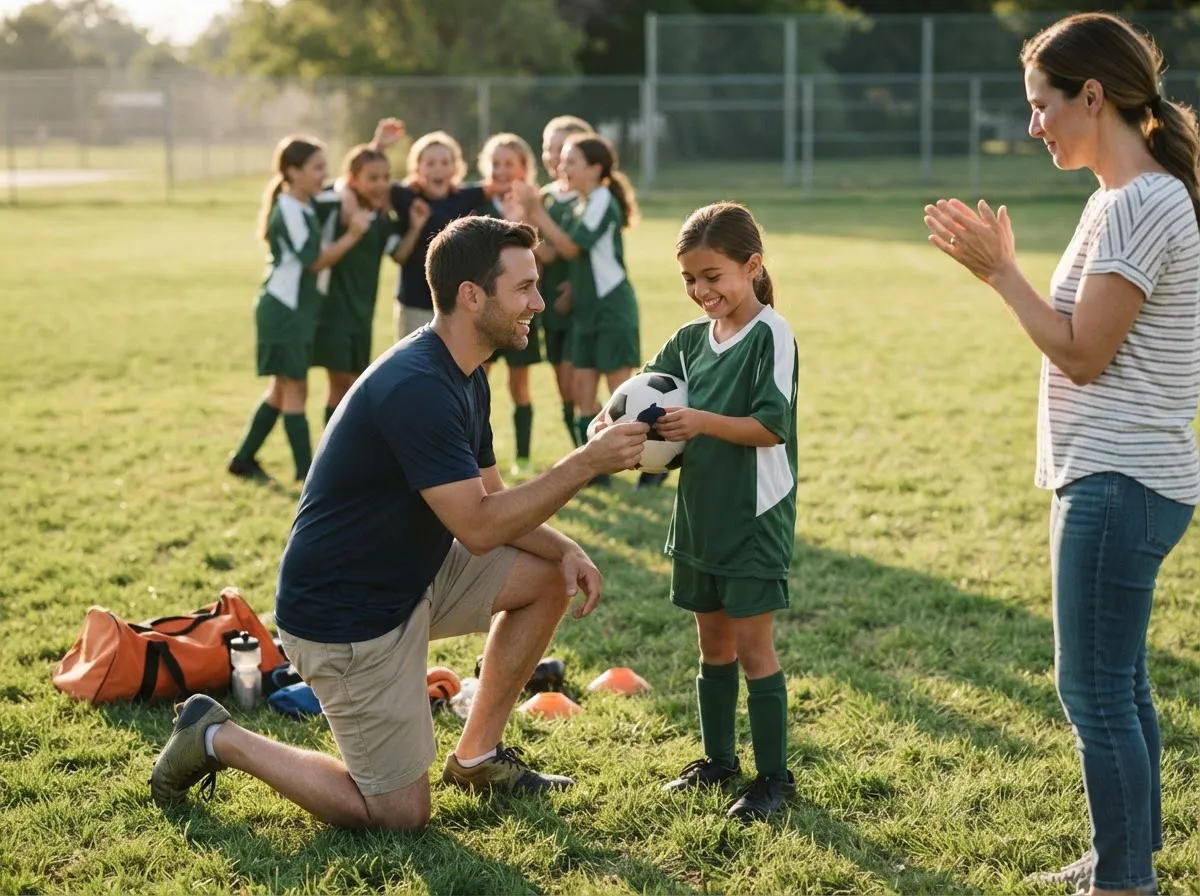
Parents shooting from the sideline with a phone or basic camera benefit hugely from thinking wide. You'll catch the play, the bench reactions, and your kid's face all at once, giving you more usable options later when picking the shot that becomes their custom card.
How Much Does It Cost to Turn a Wide Angle Photo Into a Card?
Printing a single custom card starts at $17.99, with multi-card packs running up to $49.99 and free shipping across the USA.
Rookie Box: $17.99 single card, packs up to $49.99. MEGA 11"×15" poster card: $49.99. Free shipping on all orders shipped nationwide from Des Moines, Iowa.
One great wide angle photo, uploaded once, becomes a lifetime keepsake — printed on premium card stock and shipped in 2-3 days.
Box Options
Simple, collectible pricing. No subscriptions, no hidden fees.
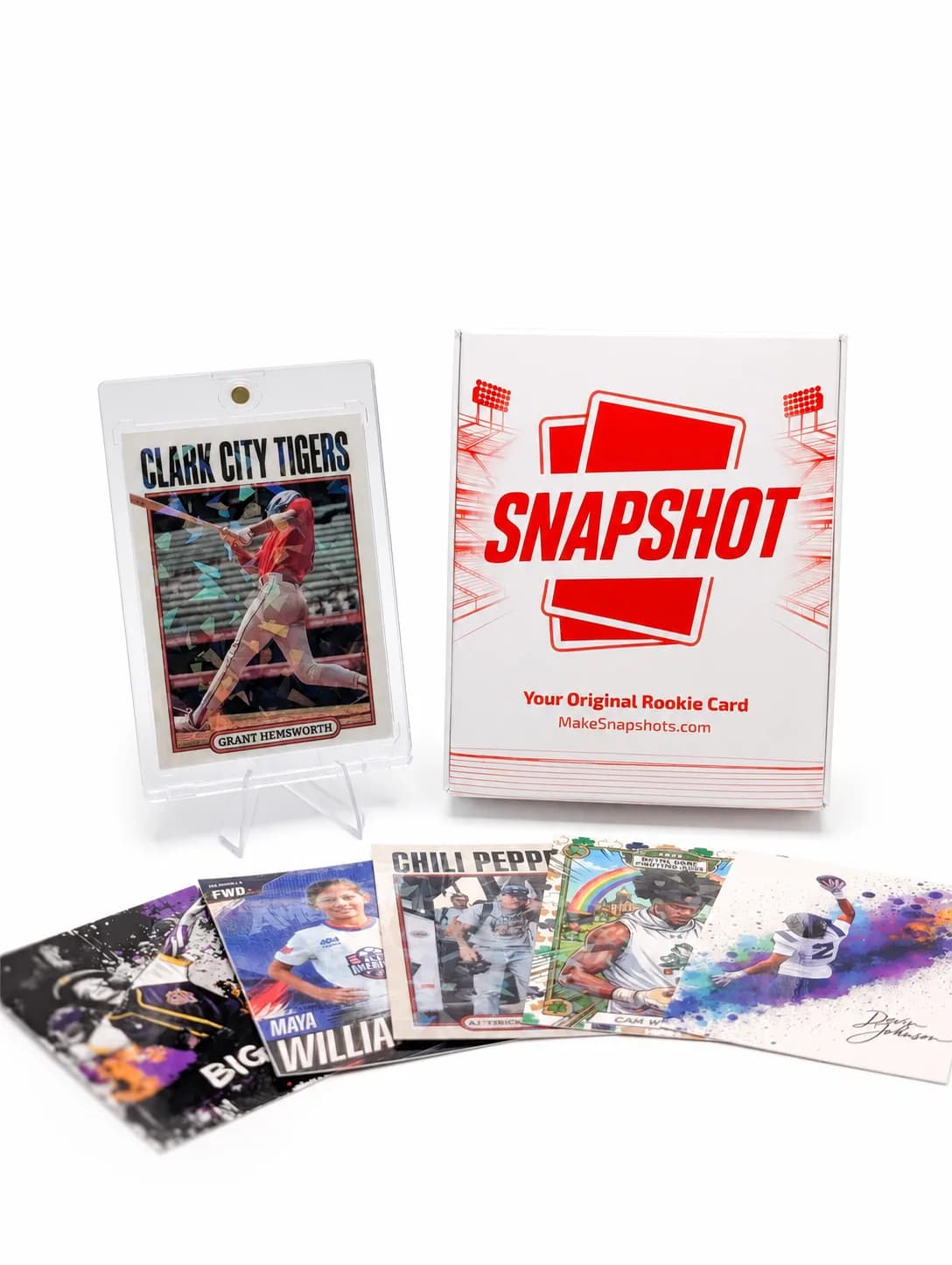
The Rookie Box
Perfect for those unforgettable moments
$17.99 - $49.99
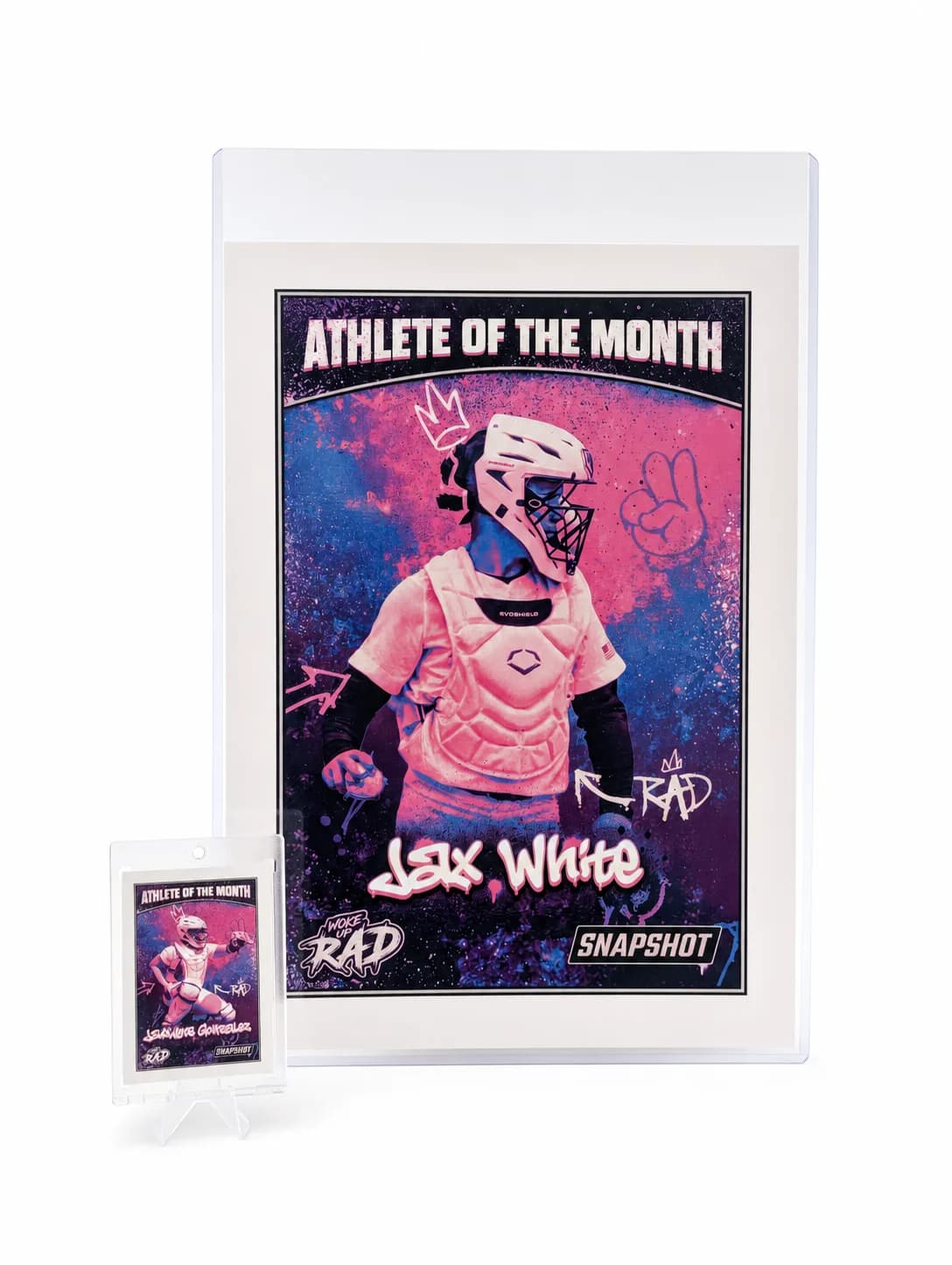
MEGA Card
Their moment, bigger than ever
$49.99
Create for free • Ships the next business day • Made in Des Moines, IA, USA
Frequently Asked Questions
Do I need an expensive camera to shoot wide angle sports photography?
No, you don't need a professional camera body to get decent wide angle shots. Many modern smartphones now include an ultra-wide lens option, usually in the 13mm to 18mm range, built right into the camera app. It won't match a dedicated DSLR with a quality wide lens in low light or fast-action situations, but for daytime games and well-lit gyms, it's genuinely usable. If you're serious about upgrading, a used DSLR or mirrorless body with a 24-35mm lens is a reasonable mid-tier investment. The bigger factor honestly isn't the gear — it's positioning yourself close enough to the action and understanding the sport well enough to anticipate plays. A $400 setup used well will beat a $3000 setup used poorly. Start with what you have, get comfortable with framing and timing, and upgrade gear once you know what limitations you're actually running into.
What's the ideal focal length for youth sports sideline shooting?
For most youth sports, something in the 24mm to 35mm range on a full-frame equivalent works best. This gives you enough width to capture the play developing without the heavy distortion you'd get from anything under 20mm, which can make faces near the edges of the frame look stretched or warped. If you're shooting soccer or football where the action spreads across a wide field, staying closer to 24mm helps you fit more into each shot. For basketball or volleyball in a tighter gym setting, 28mm to 35mm often feels more natural and less exaggerated. It's worth experimenting during a practice session before game day, since every venue and sport has slightly different spatial demands. There's no single perfect number — it depends on how close you can physically get and how much context you want in frame. Most sideline photographers settle on one focal length they trust and stick with it rather than constantly switching lenses mid-game.
Can wide angle photos be cropped later if I need a tighter shot?
Yes, and this is actually one of the biggest advantages of shooting wide in the first place. Because a wide angle frame captures so much visual information, you have flexibility to crop in during editing without losing quality, as long as your original resolution is high enough. This means one wide shot can potentially serve two purposes — the full scene for a team photo, and a cropped, tighter version for an individual card. The reverse isn't true; you can't un-crop a tight shot to reveal context that was never captured. That's why photographers often recommend shooting a little wider than you think you need, giving yourself room to decide the final composition later rather than committing to it in the moment. Just be mindful that cropping too aggressively from a wide shot can reintroduce some of the edge distortion into the final frame, so it's smart to avoid cropping right at the corners of the original image.
How does a wide angle photo translate into a good custom trading card?
A wide angle photo gives card designers actual room to work with, which matters more than people expect. Most trading card templates include borders, team colors, stat boxes, and background elements that need space around the main subject. If your original photo is tightly cropped with no breathing room, the design has to squeeze everything in, and the result often looks cramped or awkwardly cropped. A wide shot with visible background — a field, a gym, the crowd — lets the design team build a composition where the athlete is clearly the focus but the environment still adds depth. It also means the card can be resized for different formats, like a single card versus the larger MEGA poster card, without losing the important parts of the image. Basically, more visual information in the original photo means more flexibility and a more polished final product once it's printed on card stock.
What are the most common mistakes people make with wide angle sports photography?
The biggest mistake is standing too far back, which defeats the purpose of a wide lens entirely and just results in a small, distant subject. Wide lenses are meant to be used close to the action, not as a substitute for a proper zoom lens. Another common error is ignoring the edges of the frame, where distortion is strongest — a teammate's face near the corner can look stretched or oddly proportioned if you're not paying attention. People also forget to check their background before shooting, and a distracting element like a trash can or another team's bench can end up prominently featured. Timing is another issue, since wide shots require anticipating the play rather than reacting to it, because there's less room for error if you're too slow to react at close range. Finally, many photographers shoot everything at the widest possible setting out of habit, when a slightly narrower focal length would have produced a cleaner, less distorted result for that particular shot.
Is wide angle photography better for team shots or individual player shots?
It genuinely depends on the goal, though wide angle tends to shine brightest with team and group shots. When you need to capture an entire roster, a coaching staff, or a celebration moment, a wide lens is often the only realistic way to fit everyone into one frame without physically backing up an impractical distance. For individual player shots, wide angle can still work well if you want to show the athlete in their environment — mid-air over a hurdle with the track stretching behind them, for example. But if the goal is a tight, classic headshot-style card image with sharp facial detail and no background distraction, a standard or slightly telephoto lens usually performs better. Many photographers end up shooting both styles during the same game, using wide shots for context and team moments, then switching to a tighter lens for close individual portraits once the action allows for it.
What file size or resolution do I need for printing a card from a wide angle photo?
For a standard single trading card, you generally want an image with a resolution of at least 300 dots per inch at the final print size, which for a typical card size usually translates to a file that's a few megabytes and several thousand pixels on the longer edge. If you're printing the larger MEGA 11-by-15-inch poster card, you'll need significantly higher resolution to avoid any blurriness or pixelation when it's blown up to that scale. Most modern phone cameras and DSLRs capture well above this minimum by default, so resolution usually isn't the limiting factor — it's more often about how much you've cropped after the fact. If you shot wide and then cropped in heavily during editing, you can end up with a file that looks fine on a screen but falls short of print quality. When in doubt, upload the original, uncropped file and let the design and printing process handle the framing.
Can I use wide angle sports photography for sports besides team ball sports?
Absolutely, and in some ways individual sports benefit even more from a wide lens because there's often more surrounding environment to capture. Track and field is a great example — a wide shot of a runner mid-stride with the entire track and stadium stands behind them tells a much bigger story than a tight crop of just their face. Swimming, wrestling, gymnastics, and skateboarding all lend themselves naturally to wide framing because the venue itself is part of what makes the sport visually interesting. Motocross and BMX photographers rely heavily on wide angle lenses specifically because getting close to a jump with a wide lens creates dramatic, larger-than-life images that a telephoto simply can't replicate from a distance. Basically, any sport where the setting adds meaning — a home track, a packed pool deck, a dirt jump at sunset — is a strong candidate for wide angle treatment.
How close do I actually need to be to my subject for a good wide angle shot?
It depends on your specific lens, but as a general rule, wide angle photography works best somewhere between three and fifteen feet from the primary subject. Anything much farther and you lose the dramatic size relationship between foreground and background that makes wide shots feel powerful in the first place. Anything much closer, especially under three feet, and distortion becomes extreme, which can look intentional and stylish for some sports like skateboarding but distracting for others like basketball. Field position matters a lot here too — sideline access, whether you can get to the baseline in basketball, or whether a fence separates you from the field in soccer, all affects how close you can realistically get. It takes some trial and error at each specific venue to figure out your workable range, and shooting a practice or warmup session beforehand is a smart way to test distances before it actually matters during a real game.
Free to design, instant preview. Ships the next business day.
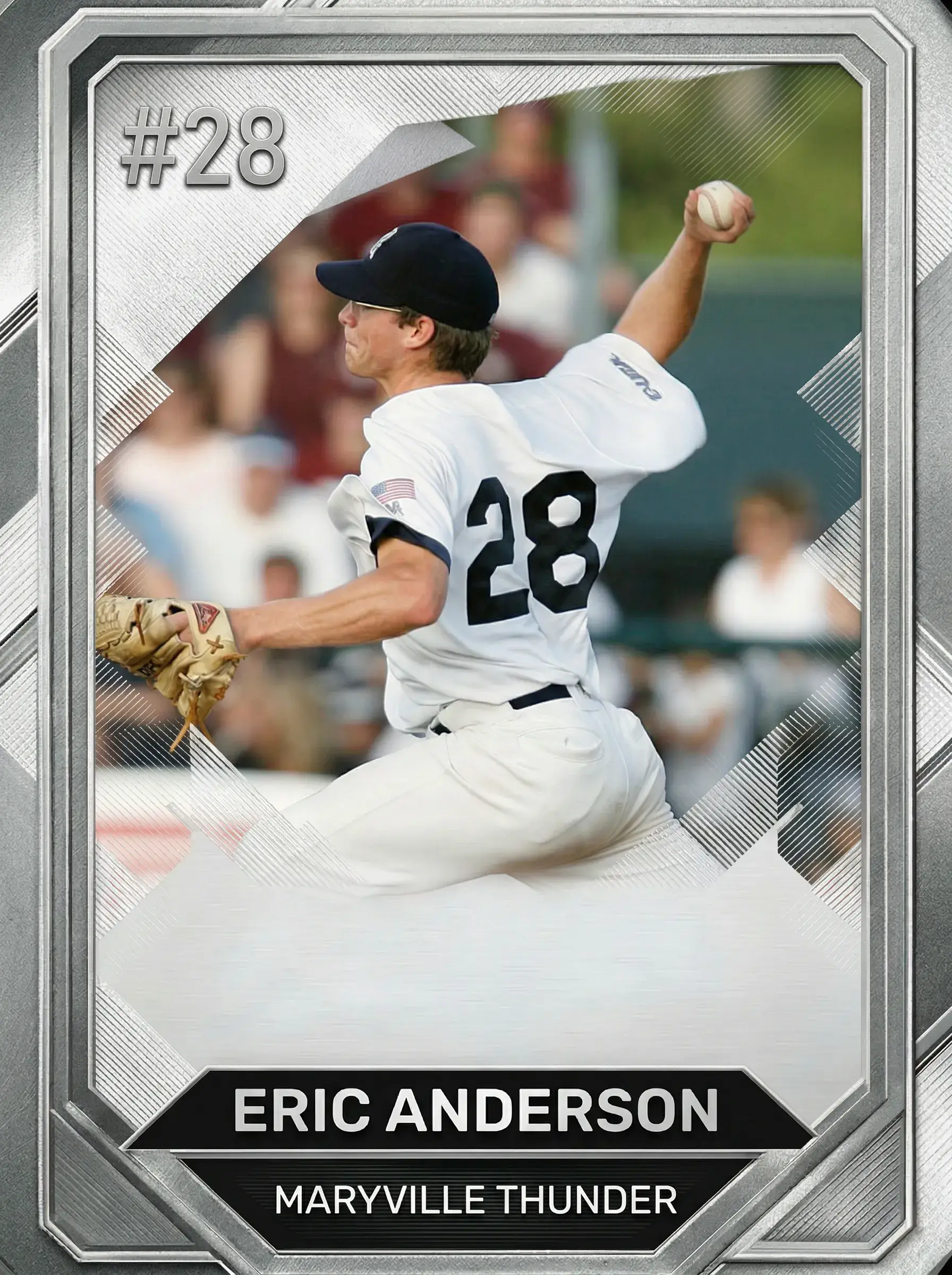
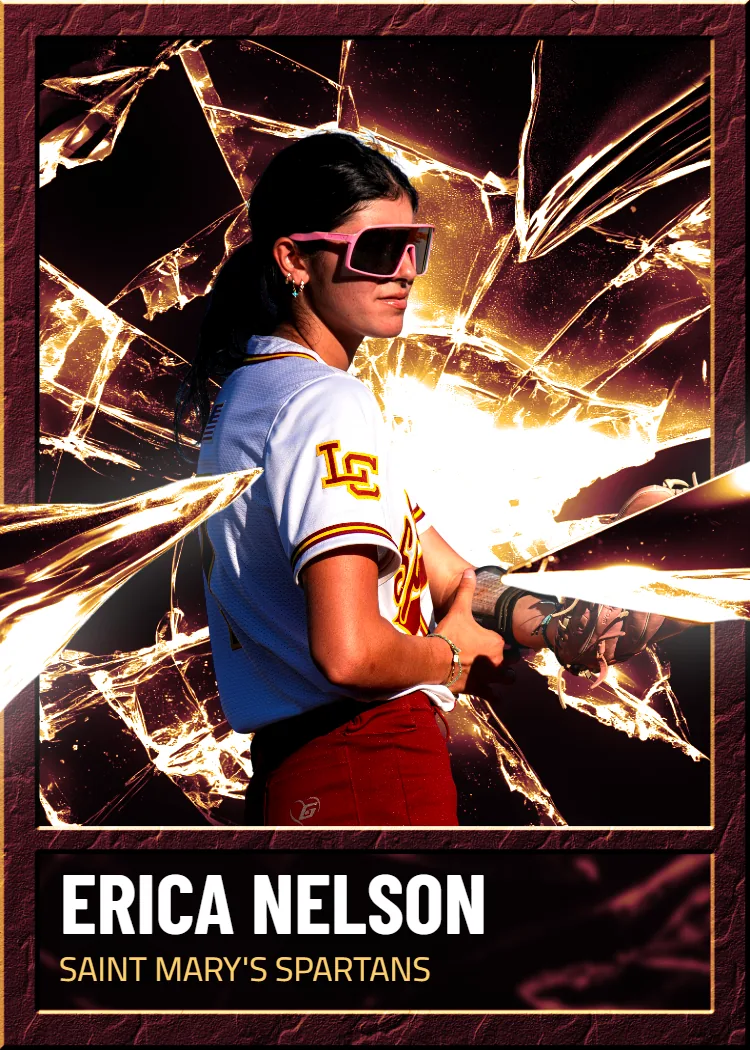
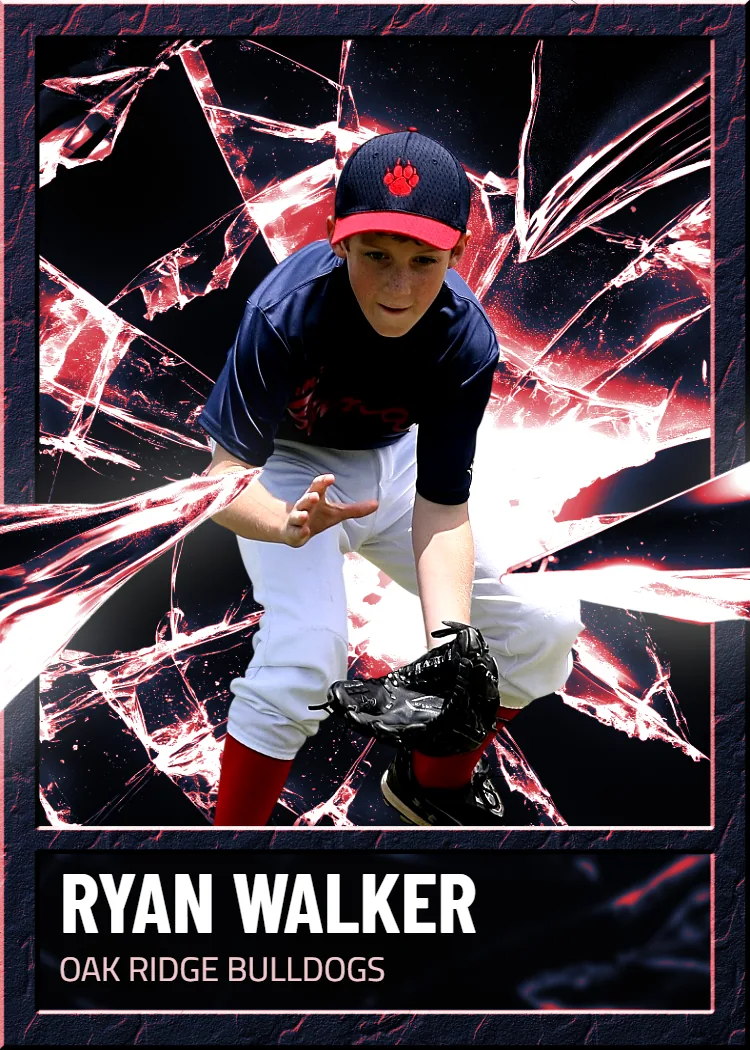
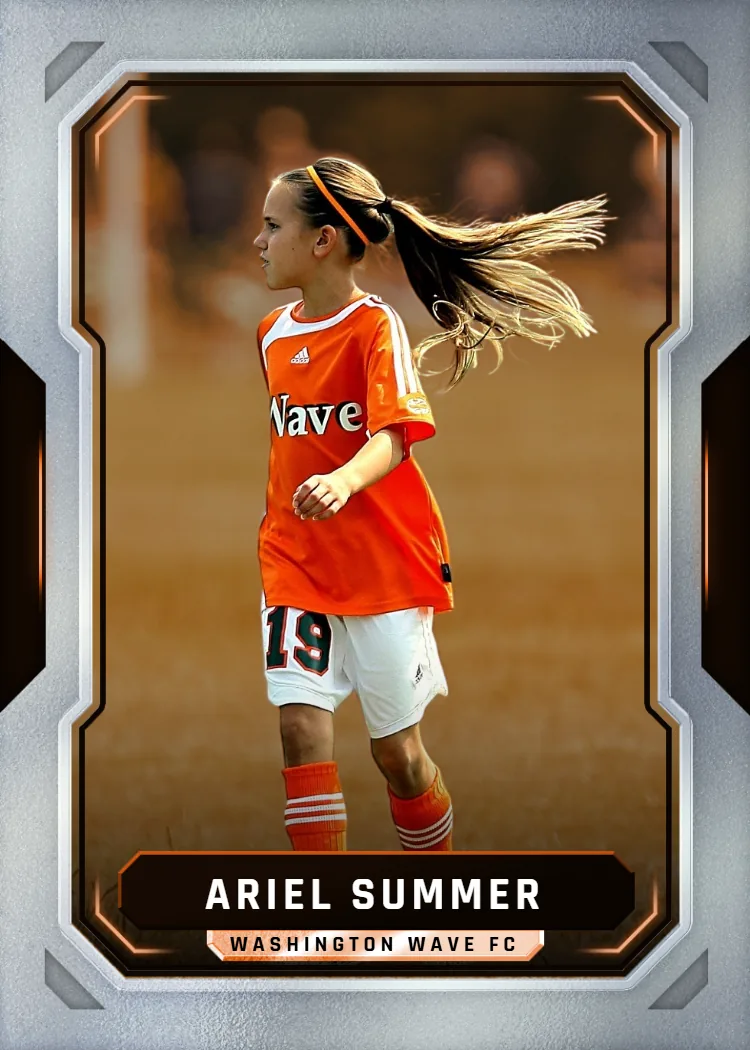
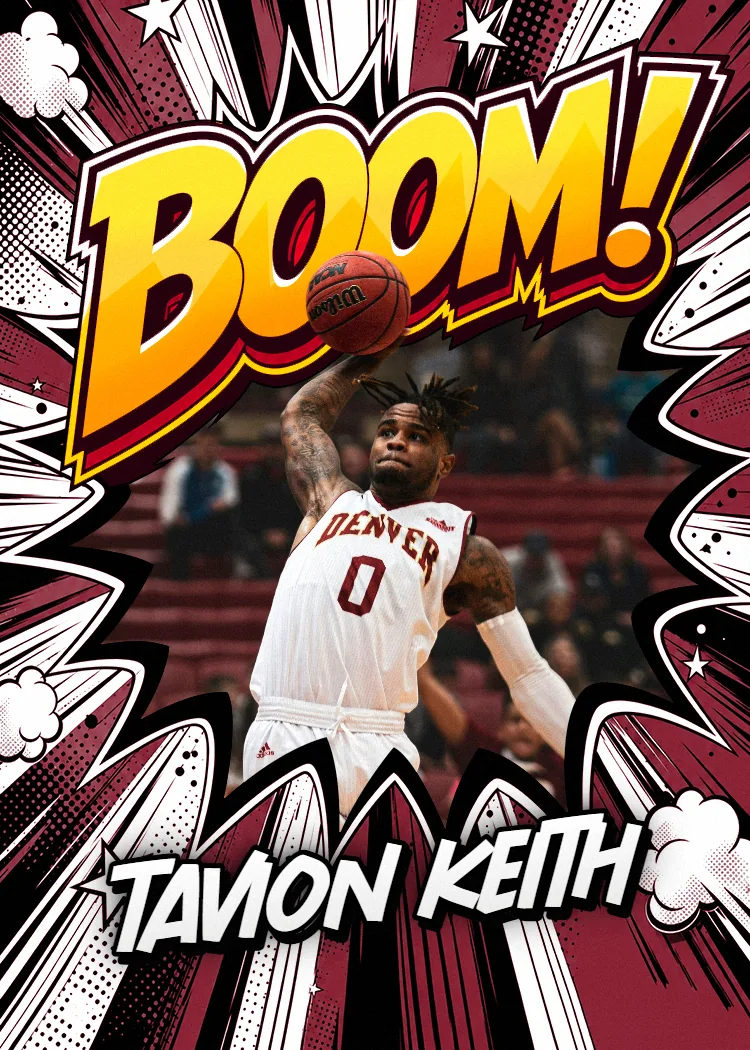
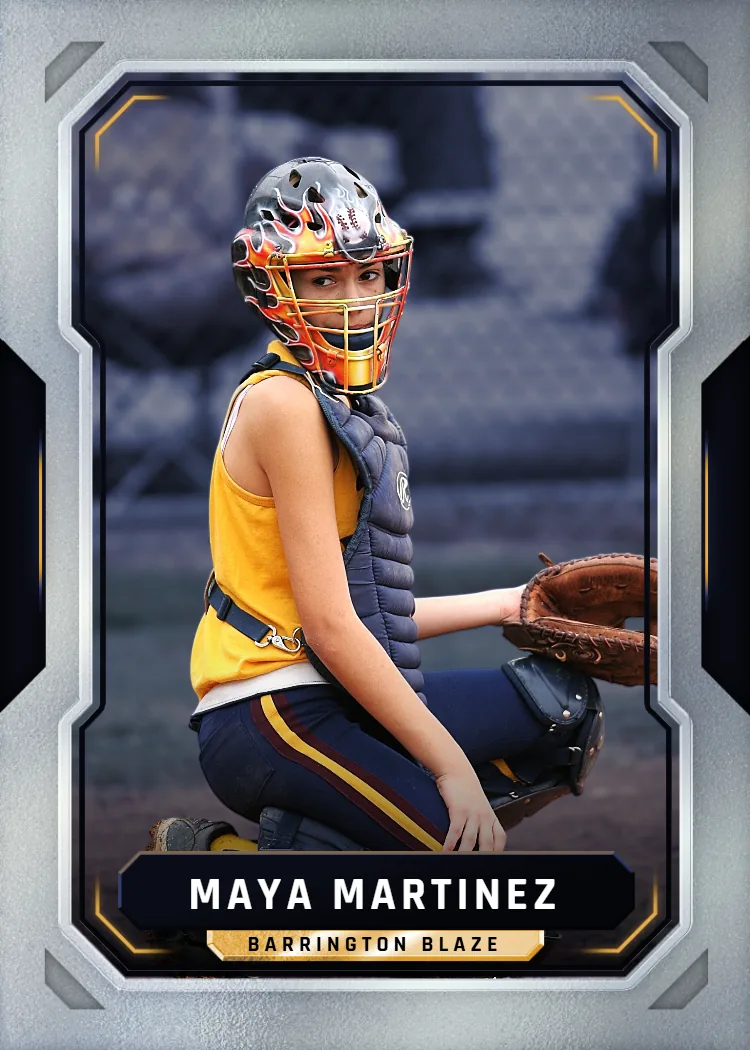
Turn Your Best Wide Angle Sports Photography Into a Card Today
Got a wide shot that actually captures the moment — the whole team, the whole play, the whole feeling? Upload it, pick a template, and we'll print it on premium card stock and ship it in 2-3 days, free, anywhere in the USA.
Upload Your Photo NowNo credit card required | Instant preview | Pro-quality designs
Explore More Card Options
Discover more custom trading card options for every sport and occasion