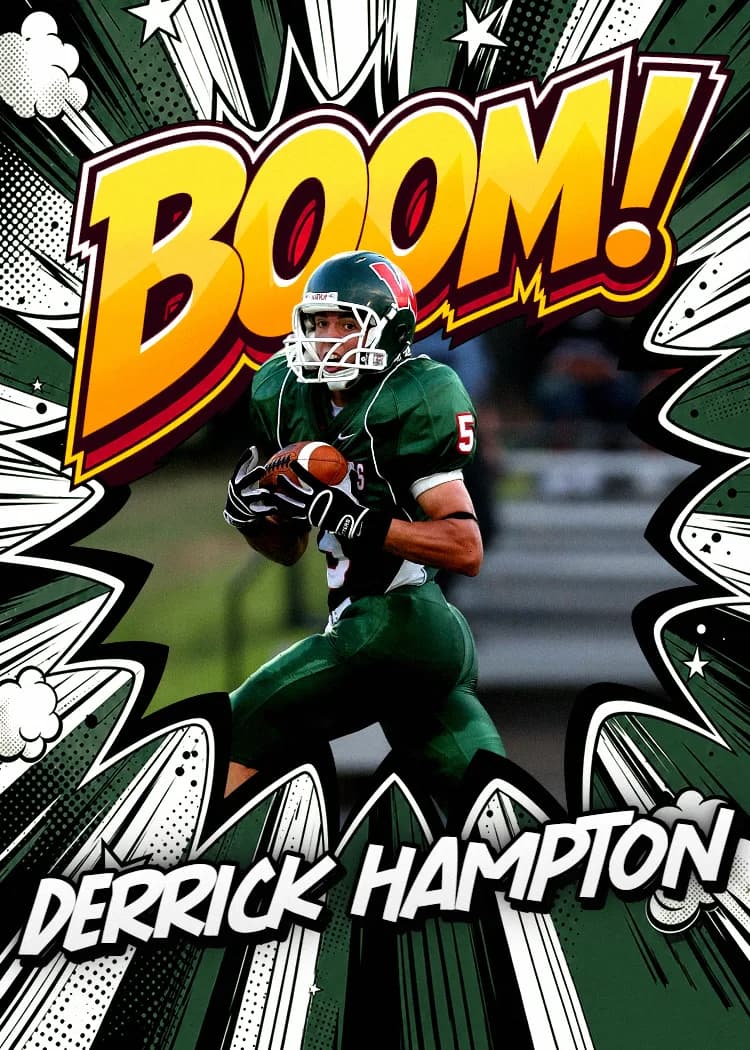



Why sports cards have square corners
Sports cards have had square corners since the tobacco era, and the convention stuck. A sharp 90-degree corner is part of what reads as "sports card" — alongside the 2.5 by 3.5 size and the gloss finish.
Square corners also display cleanly: they sit flush in top loaders, magnetic cases, and binder pages without the gaps that rounded corners leave.
Why some cards have rounded corners
Rounded corners exist where cards get shuffled, dealt, and handled hard: playing cards and many trading card games. A rounded corner does not catch, peel, or dog-ear the way a square one does under constant mechanical wear.
It is an engineering choice, not an aesthetic one. Cards designed to be played get rounded corners; cards designed to be collected get square ones.
Corners and card value
Because sports cards have square corners, those corners are where condition shows first. Graders inspect all four corners closely — whitening, dings, and softness are the most common flaws — and corner scores weigh heavily in the overall grade.
That is why collectors sleeve cards immediately and why a card that has lived loose in a box is worth less than an identical one kept in a case. On a square-cornered sports card, the corners are the first thing to protect.
What custom cards use
Custom sports cards follow the sports standard: square corners on official trading card stock, matching the cards they sit next to in a collection. In a magnetic display case, those corners stay factory-sharp indefinitely.