
Athletes Who Died Young: What's Myth, What's Fact
Every year, fans search the same phrase after a shocking headline: athletes who died young. The question isn't morbid — it's about memory.
Upload a photo of your player, pet or team, choose an available template, and preview your design before ordering a printed card.
Here's the problem with how this topic usually gets covered: it's either a listicle of tragedies with no context, or it's so clinical it forgets these were real people with families, teammates, and unfinished seasons. Fans searching athletes who died young aren't looking for shock value. They're looking to understand what happened, separate rumor from record, and figure out how to actually honor someone's memory in a way that lasts. Most pages don't answer that last part at all.
This page works differently. We'll walk through the common myths surrounding athletes who died young — the urban legends, the exaggerated stats, the misremembered causes of death — and set them against verified facts. Then we'll cover something practical: how fans, teammates, and families are turning photos and memories into physical keepsakes that outlast a social media post.
Let's start with the myths that keep circulating, because a few of them are wildly off base.
Related Topics
We ship custom tribute and memorial cards to families and teams in all 50 states every week, often tied to memorial games and anniversary events.
Frequently Asked Questions
Why do so many myths circulate about athletes who died young?
Myths spread because tragic stories get shared fast, often before all the facts are confirmed. Someone posts an incomplete summary, it gets reshared thousands of times, and small errors compound with each repost. A cause of death gets simplified into something more dramatic, or an age gets rounded down to make the story feel more tragic than it already is. Add in name confusion between athletes from different sports or eras, and you get a tangled mess of half-truths that outlives the original reporting. It doesn't help that older stories from decades ago often lack digitized primary sources, so fans end up relying on secondhand blog posts instead of original newspaper coverage or official team statements. The fix is slow but simple: always trace a claim back to its earliest verifiable source before repeating it. That habit alone would eliminate most of the misinformation still floating around fan forums today.
What's the most common myth about athletes who died young?
The most common myth is misattributing the cause of death, usually swapping a rare medical condition for something more commonly known, like assuming every sudden collapse was a heart attack when it might have been an undiagnosed arrhythmia, an aneurysm, or a completely unrelated accident. Another frequent myth involves age — fans often round an athlete's age at death up or down by a year or two, which changes the emotional framing of the story without anyone intending to mislead. There's also a pattern of conflating two athletes with similar names or overlapping careers, especially in less mainstream sports where records aren't as thoroughly archived. These errors aren't usually malicious. They spread because retelling a story from memory is naturally lossy, and nobody double-checks a detail that sounds plausible. The best defense is checking primary reporting, official team statements, or verified obituaries before accepting any specific medical or biographical claim as fact.
How can I verify facts about an athlete who died young?
Start with the original news coverage from the time of death, ideally from a wire service or a major outlet that would have had access to official statements. Team websites and league press releases are also reliable, since they typically issue a formal statement that gets fact-checked before release. Avoid relying solely on social media threads or forum posts, since those tend to repeat whatever version of the story got the most engagement rather than the most accurate one. If a cause of death is medical, look for confirmation from a family spokesperson, coroner's report, or official statement rather than speculation. Cross-referencing multiple independent sources is the single best habit here — if three separate outlets from the same time period agree on a detail, it's probably solid. If you only find one blog post making a specific claim, treat it as unverified until you find corroboration elsewhere.
Why do fans want to create tribute cards for athletes who died young?
A tribute card gives fans and families something physical to hold onto, which matters more than it might sound like at first. Digital tributes disappear into feeds within days, but a printed card sits on a shelf, in a wallet, or in a memory box for years. Families often want a specific image — a game-winning moment, a candid locker room photo, a portrait from senior year — turned into something permanent rather than left buried in a phone's camera roll. Teammates use these cards during memorial games, jersey retirements, or annual remembrance events, passing them out so newer players understand who they're honoring. There's also a documentation angle: a well-made tribute card with accurate stats and dates becomes a small piece of verified history, which matters when so much online information about these athletes is inaccurate. It's a simple object that does a lot of quiet work.
Can I use any photo to make a tribute card?
Yes, as long as you have the rights to use the image or it's a personal photo you took or were given permission to use. Most fans creating a tribute for athletes who died young use a mix of game action shots, team photos, and personal images provided by family members. Higher resolution photos print more clearly, especially on a larger format like the MEGA poster card, so it helps to source the best quality version you can find rather than a heavily compressed social media repost. If the photo is a bit older or slightly low-res, it can often still work fine for a standard single card size. We'd recommend avoiding heavily filtered or watermarked images since those don't translate well onto card stock. If you're unsure whether an image will look good printed, sending a couple of options is usually the easiest way to compare before committing to one.
How long does it take to get a custom tribute card made?
Cards print and ship within 2 to 3 days of ordering, which matters a lot when a tribute is tied to a specific date like a memorial game, an anniversary, or a jersey retirement ceremony. That turnaround is one reason teams and families reach out close to an event date rather than months in advance — there's no need to plan a year ahead. Shipping is free over $30 across the USA, and orders are produced here in Des Moines, Iowa, on professional card stock designed to hold up to handling, display, and years of storage. If you're coordinating a team-wide order for multiple athletes or a full roster tribute set, it's worth reaching out early just to make sure everyone's photos and details are collected in one batch. Individual orders, though, move quickly enough that even a last-minute request tied to an upcoming ceremony is usually workable.
What sizes and formats are available for a tribute card?
There are a few options depending on how the card will be used. The standard single card works well for wallets, display cases, or handing out at a memorial event, and it starts at $17.99. Packs are available for teams wanting multiple cards, whether that's different photos of the same athlete or a full set covering several teammates, with pricing up to $49.99 depending on pack size. For a larger, more prominent display piece, there's the MEGA card at 11 inches by 15 inches, priced at $49.99, which works well for a locker room wall, a memorial table, or a family display. Each format uses the same premium card stock and comes with a free magnetic case, so the choice really comes down to how and where the card will be displayed rather than any difference in quality.
Do teams order these cards for memorial games?
Yes, this is one of the more common requests we see. Teams organizing a memorial game for a former player or teammate often want a card that captures a specific moment — a championship photo, a candid team shot, or an action shot from a signature play. These get handed out to players, coaches, and sometimes attending fans as a keepsake from the event. Some teams order a small custom set featuring multiple photos from different points in the athlete's career, almost like a mini retrospective. Others keep it simple with a single image paired with career dates and a short note. Either approach works, and turnaround time of 2 to 3 days means teams can place these orders close to the event date without scrambling months in advance. It's a small gesture, but it tends to mean a lot to families attending these games.
Is it disrespectful to create a card featuring an athlete I didn't know personally?
Not at all, as long as it's done thoughtfully and the facts are accurate. Plenty of fans create tribute cards for athletes who died young purely out of respect for their career or the impact they had on a sport, even without a personal connection. The key is getting the details right — correct team, correct years, correct cause and date if that information is included — rather than adding speculative or sensationalized content. Fans collecting these tributes often do so as part of a broader personal collection honoring athletes across different sports and eras, similar to how people collect rookie cards or milestone cards. As long as the intent is respectful remembrance rather than exploitation, there's nothing wrong with creating or owning a tribute card for an athlete you admired from a distance rather than someone you knew personally.
What information should I include on a tribute card?
Most tribute cards include the athlete's name, team, position, and career dates, similar to a standard trading card layout. Beyond that, it comes down to personal preference — some fans add a short phrase or memorial date, while others keep the card purely visual with just the photo and basic stats. If you're ordering for a family member, it's worth asking what details they'd want included since some families prefer to keep specific dates private while others want them front and center. Accuracy matters most here: double-check spelling of names, correct team affiliations, and correct years played before finalizing the design. Since these cards often become long-term keepsakes rather than something casually tossed aside, getting the small details right the first time saves the hassle of reordering later. When in doubt, less text and a strong photo usually make for a cleaner, more lasting design anyway.
Can multiple family members or teammates order the same design?
Yes, and this happens often enough that it's worth planning for if you're coordinating a group tribute. Once a design is finalized with a chosen photo and layout, additional copies can be ordered in the same pack or as separate individual cards, depending on how many people want one. This is common for memorial events where extended family, teammates, and close friends all want their own copy of the same tribute card rather than sharing one. Packs are typically the more cost-effective route in this scenario since pricing scales up to $49.99 for larger quantities rather than paying the single card rate repeatedly. It's worth designating one person to manage the order and collect any specific requests beforehand — different card backgrounds, slightly different crops of the same photo — so the whole batch comes out consistent and nobody's left waiting on a separate follow-up order.
Are these cards durable enough to keep long-term?
Yes, that's really the whole point of choosing a physical keepsake over a digital one. Cards are printed on professional card stock built to hold up over years of handling, and each one ships with a free magnetic case that protects it from scratches, dust, and general wear. Families keeping these cards in a memory box, on a shelf, or in a frame shouldn't expect any noticeable fading or deterioration under normal indoor conditions. The magnetic case also makes it easy to swap the card in and out for display purposes, like bringing it to an annual memorial gathering, without risking damage from repeated handling. Compared to a printed photo from a home printer, which fades and creases fairly quickly, this format is specifically built for long-term keeping. That durability is a big reason teams and families choose a printed card over just saving a digital photo somewhere that might eventually get lost.
Free to design, instant preview. Free US standard shipping on orders $30+. Review delivery options at checkout.
How Do Fans Separate Myth From Fact on Athletes Who Died Young?
It takes three steps: check the primary source, cross-reference the timeline, and resist the urge to round numbers up for dramatic effect.
Check the original reporting, not the recap
Most myths about athletes who died young start with a secondhand summary that drops context. A cause of death gets simplified, an age gets rounded, or a rare condition gets mislabeled as something more common. Going back to the original news coverage or official statement usually clears up 80% of the confusion within minutes.
Cross-reference the career timeline
A lot of myths conflate two different athletes with similar names or similar sports. Cross-checking the actual career stats, team history, and draft year against the claim being made usually exposes the error fast. This step alone kills most of the copy-paste misinformation that spreads on forums and social feeds.
Separate the tragedy from the tribute
Once the facts are straight, fans usually want to do something with that clarity — share the real story, correct the record in a comment thread, or create something physical that honors the athlete properly. That's where most fact-finding actually ends: with an action, not just a correction.
Getting the facts right is step one. What fans do next is where it gets personal.
Why Getting the Facts Right Matters
Accuracy isn't just about being right online — it protects a legacy from getting flattened into a rumor.
Respect for the family
Misreported details about athletes who died young circulate for years and often reach grieving families. Getting the story straight, even in casual conversation, matters more than most fans realize.
Preserving real achievements
Exaggerated or invented stats do a disservice to what an athlete actually accomplished. The real career, however short, deserves accurate documentation, not embellishment.
Better community discussion
Fan communities built around remembering athletes who died young work best when the facts are solid. Corrections build trust; myths erode it fast.
A foundation for tribute
You can't honor someone properly with a fuzzy story. Nailing down the real timeline, the real photos, the real moments — that's what makes a tribute feel earned instead of generic.
How Fans Actually Use This Information
Once the record's straight, fans tend to do one of three things with it.
Setting the record straight in fan communities
Sports forums and comment sections are full of half-remembered facts about athletes who died young. Fans who've done the research often step in to correct timelines, causes of death, or career stats, keeping the community's collective memory accurate for newer fans discovering the story years later.
Building a personal or team memorial
Teammates, coaches, and family members often want something tangible — a printed card, a framed photo, a keepsake that captures who the athlete actually was on the field. This is where accurate research turns into something you can hold, not just a fact-check thread.
Teaching younger fans the real history
Parents and coaches use verified stories about athletes who died young to teach younger players about legacy, resilience, and the fragility of a career. A well-sourced story paired with a physical keepsake makes the lesson stick far longer than a quick article.
What We See From Fans and Families
We print tribute cards for teams and families across the country every week, often tied to a memorial game, a jersey retirement, or an anniversary. The requests we get are specific — a particular photo, a particular jersey number, a particular season — which tells us fans do their homework before they order.
What It Costs to Turn a Story Into a Keepsake
Pricing stays simple whether you're ordering one tribute card or a full team set.
Rookie Box single cards start at $17.99, packs run up to $49.99, and the MEGA 11"x15" poster card is $49.99. Free shipping over $30 applies across the USA.
One accurate photo, one verified story, one printed card that a family can actually keep on a shelf — that's the whole point.
Box Options
Simple, collectible pricing. No subscriptions, no hidden fees.
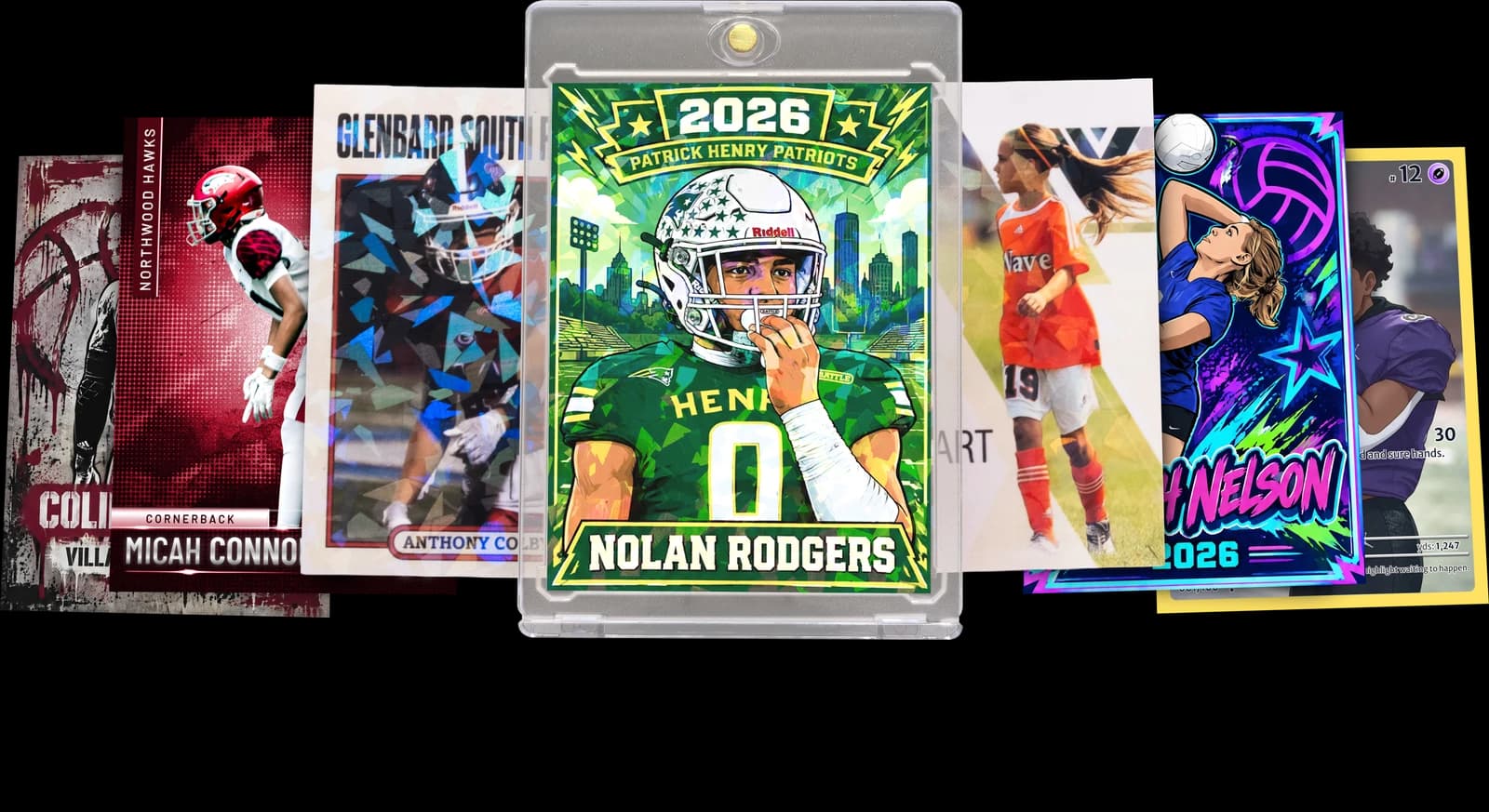
The Rookie Box
Perfect for those unforgettable moments
$17.99 - $49.99
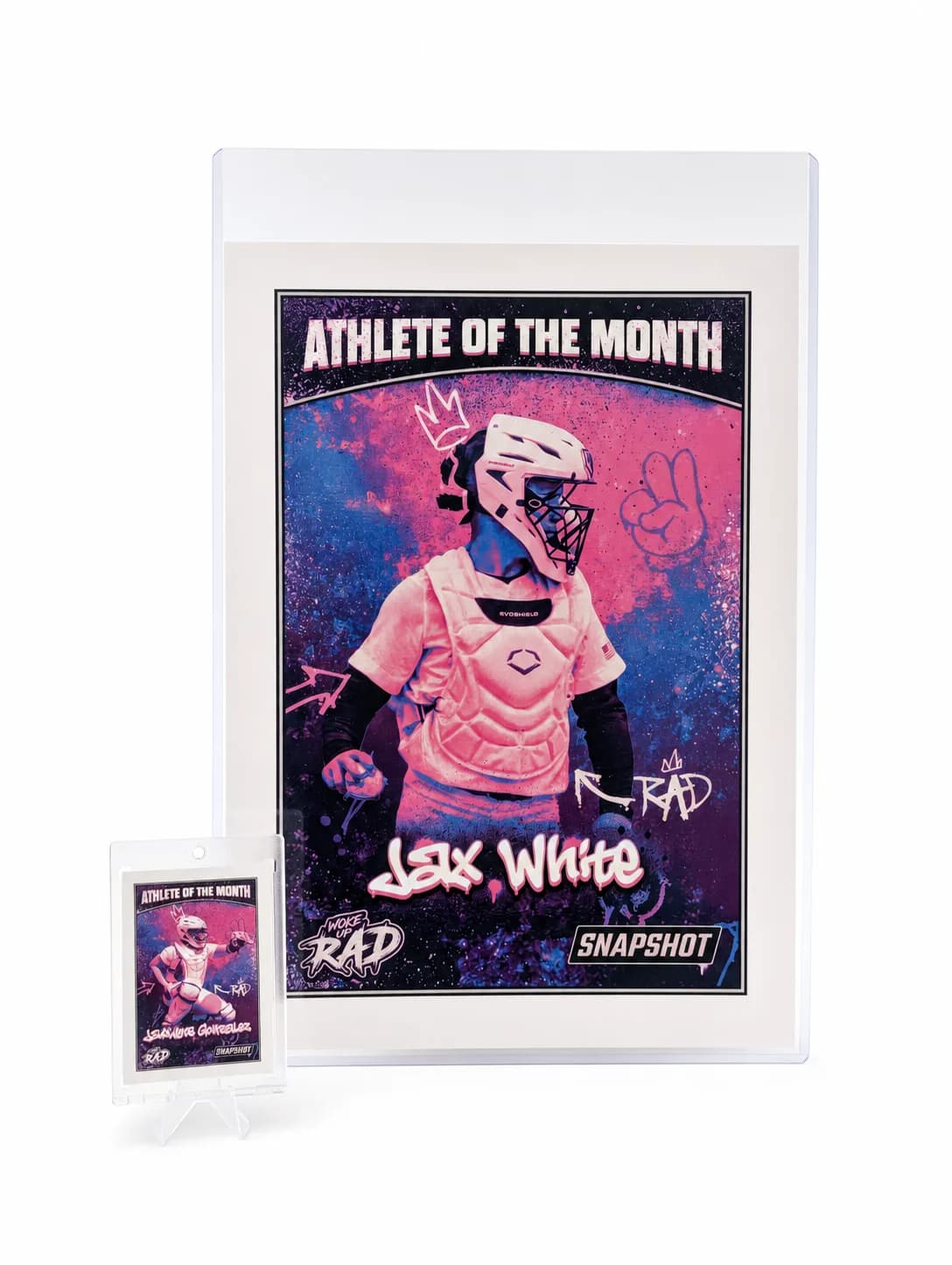
MEGA Card
Their moment, bigger than ever
$49.99
Create for free • Ships the next business day • Made in Des Moines, IA, USA





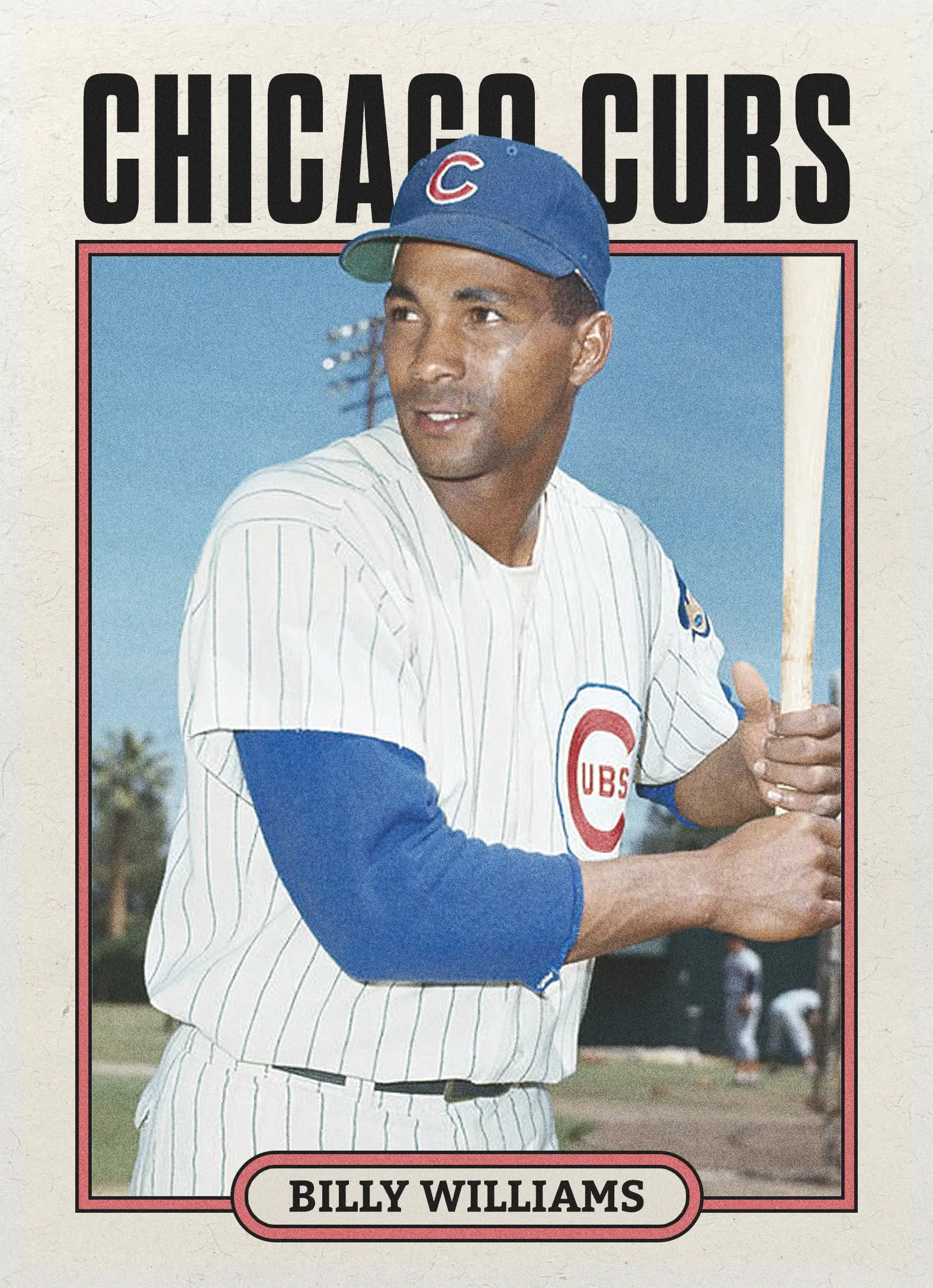
Turn a Story About Athletes Who Died Young Into a Lasting Tribute
Got a photo and a story worth preserving? Production takes one business day; shipping time is quoted at checkout for your address.
Create Your Tribute CardNo credit card required | Instant preview | Pro-quality designs
Explore More Card Options
Discover more custom trading card options for every sport and occasion